2027 Can You Take One Paralegal Certificate Course Before Applying to the Full Program?

Co-Founder and Chief Data Scientist
Taking one paralegal course can be a sensible way to test your interest before committing to a full certificate - but only if the school allows it and the course serves your goal. A class taken as a nondegree student might later count toward the certificate, or it might not.
This guide explains how to check enrollment and credit rules, what an introductory class can teach you, and when applying directly to a program may be the better use of your time and money.
Key Things You Should Know
- Yes, you may be able to take one course first, but the school must permit enrollment before certificate admission; a place in the class does not guarantee a place in the program.
- Ask for written confirmation that the specific course, taken under your proposed enrollment status, will satisfy a certificate requirement if you are later admitted.
- Compare the full cost of a credit-bearing course with any lower-cost noncredit option: the cheaper class may be useful for exploration but may not count toward a certificate.
Can you take one paralegal certificate course before applying to the full program?
Sometimes. A school may let you enroll in an introductory class before applying to its paralegal certificate, while another may reserve certificate courses for admitted students. The deciding factor is the specific school's enrollment policy, not whether it offers a certificate.
Taking a class first makes sense if you are uncertain about legal research, writing, and deadline-driven work - and you can afford the possibility that the class will not count later. Applying directly may be better if seats are restricted, the course has prerequisites, or the program admits students as a cohort with a fixed sequence. Before paying, ask both the registrar and the paralegal program whether you can enroll, whether you need prior approval, and whether later admission is a separate decision.
Do paralegal programs allow nondegree students to enroll in individual courses?
Some do. A nondegree student takes classes without being admitted to a degree or certificate program. Other schools offer introductory legal courses through continuing education instead, or do not open certificate classes to outside students.
These enrollment routes can look similar on a course listing but have different consequences. The comparison shows what to clarify before registering.
| Enrollment route | What it can offer | Main uncertainty |
| Admitted certificate student | Access to courses in an approved program sequence | Admission and prerequisite requirements still apply |
| Nondegree student in a credit course | A transcripted college course without entering the certificate first | Seats and later application of the credit may be limited |
| Continuing-education student in a noncredit course | A way to explore the subject without entering a college-credit program | The class may not satisfy certificate requirements |
Check the course number and catalog description, not just its title. "Introduction to Paralegal Studies" could refer to a credit-bearing course at one school and a noncredit class at another.
What are the admission requirements for a paralegal certificate program?
Requirements vary substantially. Some certificate programs accept applicants with a high school diploma or equivalent; others are designed for people who already hold an associate or bachelor's degree or have completed specified college coursework. A school may also require transcripts, placement results, or prerequisite classes. These are program rules, not nationwide requirements for becoming a paralegal.
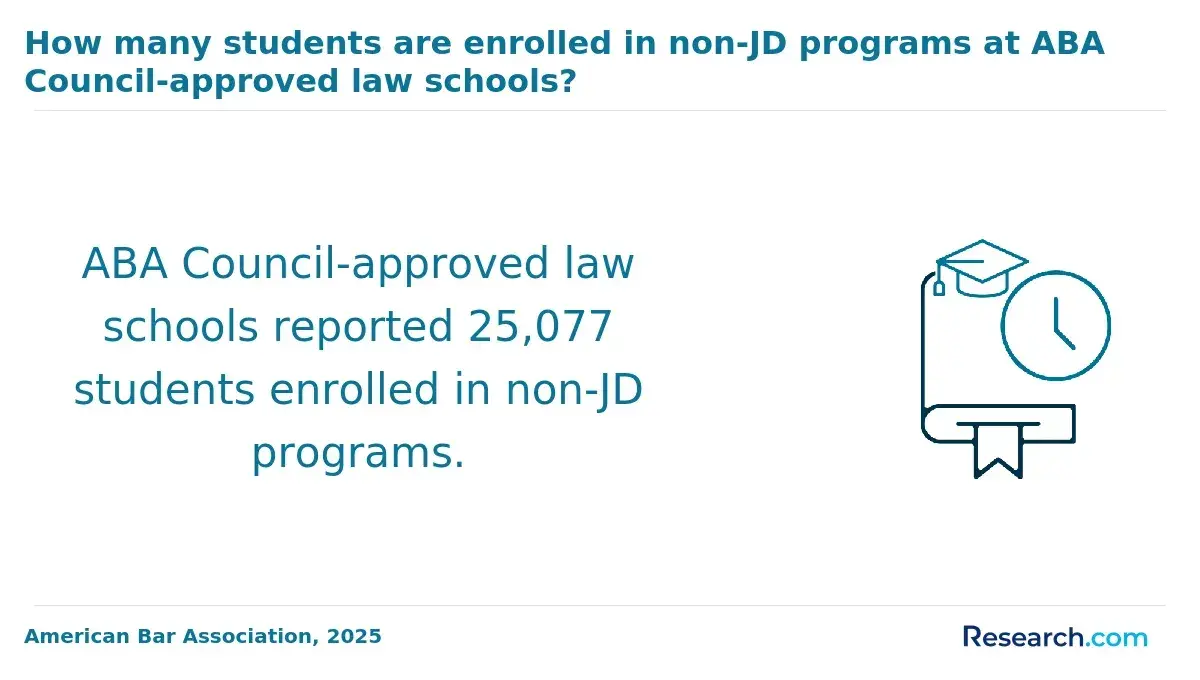
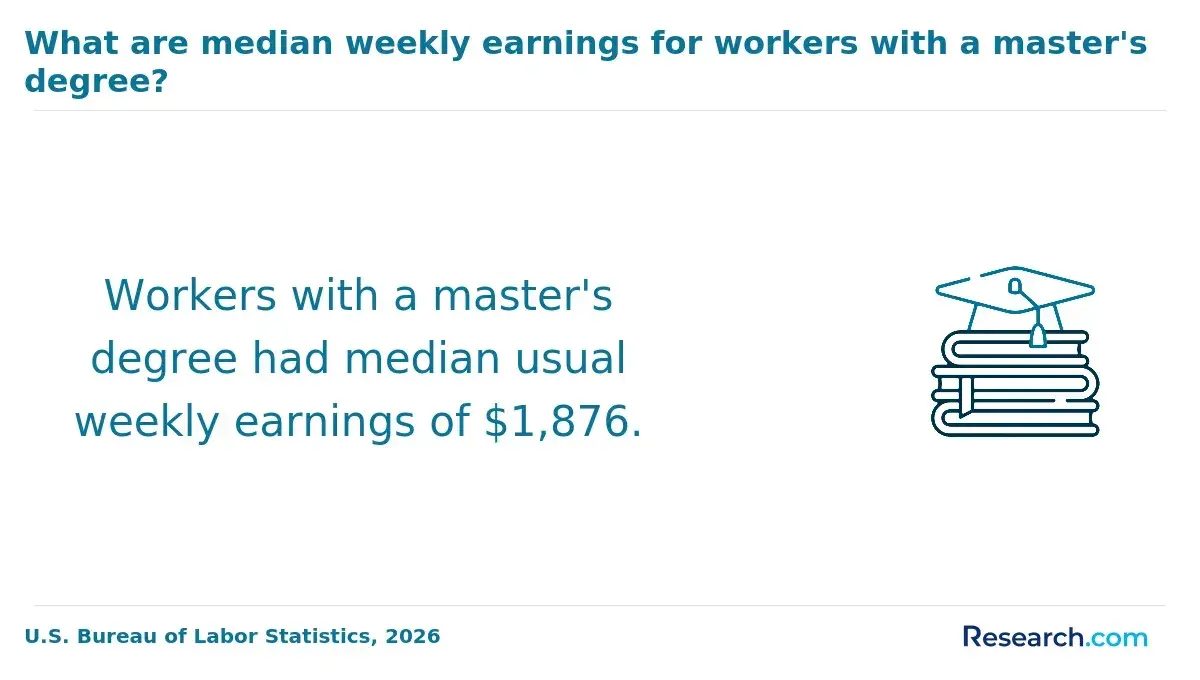
Distinguish eligibility to take one class from eligibility for the certificate. If you cannot yet meet the program's admission requirements, a stand-alone course might help you explore the field, but it will not necessarily remove those requirements. If you already have a bachelor's degree and want legal knowledge for a non-paralegal role, compare the certificate with other options, such as affordable online master's degrees in legal studies. A non-JD legal studies degree does not qualify someone to practice law.
Will one paralegal course count toward the full certificate program?
It can, but do not assume it will. The program must accept the course toward a particular requirement after you are admitted. A credit-bearing class at the same school is often easier to evaluate than a noncredit class or outside course, but its catalog number, grade, age, and fit with the current curriculum can still matter. The receiving school decides whether and how outside credit applies.
Before enrolling, get a written answer to three questions: Does this exact course satisfy a named certificate requirement? Does credit earned while enrolled as a nondegree student count? Are there grade, time-limit, or maximum-credit rules? Keep the reply and the course syllabus in case requirements change before you apply.
If your longer-term aim is a degree rather than a certificate, investigate degree policies separately. Guidance on transferring earlier coursework into a business law degree can help frame that comparison, but acceptance by a certificate program does not establish that a degree program will accept the same course.
What do you learn in an introductory paralegal course?
An introductory course commonly surveys the U.S. legal system, court procedures, legal terminology, ethics, and the paralegal's role under attorney supervision. Depending on the syllabus, you may practice locating legal sources, reading cases, drafting basic documents, or managing case information. A survey course does not necessarily provide substantial hands-on research or writing practice.
Use the syllabus to judge its value as a trial run. An assessed research or writing assignment can reveal more about your interest and readiness than lectures alone. Paralegals support legal work; completing a course does not authorize someone to give legal advice or independently practice law.
Are online or campus-based paralegal certificate programs better?
Neither format is inherently better for trying one class. An online course may eliminate travel, but "online" does not mean self-paced: it may require live meetings, scheduled exams, or group work. A campus class may make it easier to seek immediate feedback but adds commuting time. In either format, look for opportunities to practice research, writing, and document work and receive substantive feedback.
Check the schedule of the full program as well as the trial course. A flexible first class is little help if later required classes meet at times you cannot attend or an internship requires hours you cannot arrange. If you decide you want a degree instead, a guide to shorter online paralegal bachelor's degrees provides a different route to investigate; a bachelor's degree generally represents a larger commitment than a certificate.
How long and how much does a paralegal certificate program take?
There is no reliable nationwide price or completion time for an individual program. Both depend on required courses, prerequisites, course availability, enrollment pace, and whether the certificate is credit-bearing or noncredit. Taking one class first can spread the commitment across terms, but it can also delay completion if that class is not offered in the right sequence or does not count.
Compare the total cost to finish, not just the price of the first course. Ask for current tuition and mandatory fees, books or research-platform charges, technology costs, and any travel or internship expenses. Also ask whether the specific certificate - not merely the institution - is eligible for federal financial aid; do not assume that it is. If cash flow matters, consider budgeting monthly payments for an online paralegal degree as a separate financing comparison, and confirm any certificate payment-plan terms directly with the school.
Does a paralegal certificate need accreditation or ABA approval?
Institutional accreditation and American Bar Association approval are different. Institutional accreditation concerns the institution; the ABA may approve a qualifying paralegal education program. The ABA does not accredit colleges through its paralegal program approval process, and it does not certify individual paralegals.
ABA approval is not a universal requirement for paralegal employment. It can still be relevant if an employer, a professional credential pathway, or your own program-selection criteria value it. Verify any approval claim against the ABA's current paralegal program directory, and verify institutional accreditation separately. If approval matters to you, check the exact certificate program before assuming the status extends to every legal course a school offers.
Can a paralegal certificate qualify you for professional certification?
Possibly, depending on the credential and your other education or experience. A certificate documents completion of a school's educational program. Professional certification is a separate credential granted by a certifying organization or, where applicable, a state system under its own rules. Finishing a certificate does not automatically make you a certified paralegal.
If certification is your goal, identify the credential first, then read the issuing body's current eligibility rules for education, experience, and examinations. Ask the school how its particular certificate aligns with those rules, but rely on the certifying body for the final requirements. Certification is not universally required to work as a paralegal; employer preferences and state-specific rules vary.
What jobs, salaries, and outlook can paralegal certificate graduates expect?
Paralegals and legal assistants help attorneys research law, organize records, and prepare documents. Employers set their own education and experience preferences, so one course may help you assess the work but is not equivalent to finishing a certificate or gaining workplace experience.
The Bureau of Labor Statistics reports median annual pay of $62,890 in May 2025 for paralegals and legal assistants, with 0% projected growth, 2025-2035 and about 40,800 openings per year. Those figures describe the occupation as a whole - not entry-level pay, certificate-graduate outcomes, or a promise of employment. They make it especially important to compare program cost with the practical skills and experience you can gain.
If your aim is legal or regulatory work rather than a paralegal role, examine the target job before choosing a credential. Legal studies graduate specializations and salary outlook may help you assess a different educational route, but graduate legal study is not required for every such job and does not qualify you to practice law.
Other Things You Should Know About Law & Paralegal
Ask whether the school permits auditing and what access auditors receive. An audited class can help you explore the subject, but it ordinarily does not provide graded credit toward a certificate.
That depends on your employer's policy. Get approval before enrolling and check whether reimbursement requires a job-related course, a minimum grade, or enrollment in a particular type of program.
A withdrawal may appear on your transcript and may affect your refund or future aid eligibility. Review the school's withdrawal deadlines and policies before the class begins.
It may offer a useful view of day-to-day work without paying for a class, if an appropriate opportunity is available. It will not replace academic credit, and the tasks a volunteer may perform depend on the organization and applicable supervision rules.
References
- School-Determined Requirements | 2024-2025 Federal Student Aid Handbook https://fsapartners.ed.gov/knowledge-center/fsa-handbook/2024-2025/vol1/ch1-school-determined-requirements
- Eligibility Requirements | Federal Student Aid https://studentaid.gov/understand-aid/eligibility/requirements
- Law and Paralegal | Elgin Community College (ECC) https://catalog.elgin.edu/degree-programs-certificates/career-technical/career-technical-degrees-certificates/law-paralegal/
- Certificate FAQs | Graduate Certificate in College Instruction https://gcci.uconn.edu/certificate-faqs/
- Registration rules by dept | Office of the Registrar https://registrar.utexas.edu/schedules/126/regrulesbydept/all.html
- Explanation of Fees, Adjustments, and Refunds | The Ohio State University https://registrar.osu.edu/student-hub/tuition-and-fees/explanation-of-fees-adjustments-and-refunds/
- Certificate Program Regulations | The University of Texas at San Antonio Undergraduate Catalog Academic Catalog https://catalog.utsa.edu/graduate/certificateprograms/
- Enrollment Requirements - UT San Antonio One Stop https://onestop.utsa.edu/financialaid/paying/enrollment/
- Non-Degree and Visiting Student Instructions | nyu.edu https://gsas.nyu.edu/admissions/arc/non-degree.html
- Certificates & Specializations | UCLA Extension https://www.uclaextension.edu/certificates-programs/certificates-specializations