2027 Paralegal Training for Social Workers Moving Into Legal Support

Co-Founder and Chief Data Scientist
Social workers often bring valuable interviewing, documentation, and client-support skills to legal aid and other legal teams. But those skills do not replace training in legal research, procedure, and the limits of a paralegal's role.
If you are considering a move into legal support, this guide explains when a certificate may be enough, when a degree makes sense, and what to check before enrolling. You will also see how to weigh cost, scheduling, credentials, and realistic career prospects against the experience you already have.
Key Things You Should Know
- A social work degree can support a move into legal aid, family law, or benefits-related work, but employers may still expect legal research, writing, procedure, and technology skills.
- If you already hold a bachelor's degree, a post-baccalaureate paralegal certificate may be more direct than another degree; a certificate does not automatically make you a professionally certified paralegal.
- Paralegals and legal assistants earned a median $62,890 in May 2025; despite 0% projected growth for 2025-2035, the Bureau of Labor Statistics projects about 40,800 openings per year.
What paralegal training do social workers need to enter legal support?
The main training gap is legal method, not client contact. Social workers may already know how to interview people sensitively, organize records, meet deadlines, and coordinate services. Paralegals must also locate and evaluate legal authority, draft documents in the format an attorney requests, follow court or agency procedures, and manage confidential material under legal-team policies.
A paralegal generally performs substantive legal work under an attorney's supervision. The role does not authorize someone to give independent legal advice, represent clients as an attorney, or decide legal strategy. Requirements for particular jobs and restrictions on legal services vary by state and employer.
For a social worker targeting legal aid or family practice, useful training includes legal research and writing, civil procedure, evidence and records, professional ethics, and practice-specific work such as preparing filings or organizing discovery. Before enrolling, compare those subjects with local job postings: an employer may accept relevant experience plus targeted training, while another may prefer a paralegal degree or certificate.
Can social workers become paralegals without earning another degree?
Yes, depending on the employer and your existing education. There is no universal U.S. requirement to earn a second degree before working as a paralegal. A bachelor's-level social worker might pursue a post-baccalaureate paralegal certificate, while someone already assisting an agency's attorneys might first seek supervised legal assignments and employer-provided training.
A paralegal certificate documents completion of an educational program. Professional certification is a separate credential awarded under a certifying organization's or state system's rules, which may include an exam and eligibility requirements. Neither should be confused with a license to practice law.
A new degree may be worthwhile if you need a broader academic foundation, want transferable college credit, or find that target employers consistently prefer one. If you have substantial prior college credit, examine choosing a paralegal bachelor's program with your transfer credits in mind. The receiving school decides whether prior courses transfer and how they apply, so request a written credit evaluation before committing.
Which paralegal education pathway best fits a social work background?
Start with your highest completed credential and the jobs you intend to pursue. These routes differ in academic scope and opportunity cost; a longer program is not automatically the stronger choice.
| Pathway | Potential fit for a social worker | Important limitation |
| Post-baccalaureate paralegal certificate | You already have a bachelor's degree and want focused legal-support training. | Admission prerequisites, credit value, and practical-work requirements vary. |
| Associate degree in paralegal studies | You want legal coursework alongside general education or do not yet hold a college degree. | It may repeat education you have already completed. |
| Bachelor's degree in paralegal or legal studies | You need a bachelor's degree or can apply substantial transfer credit toward one. | Additional time and cost may not improve your prospects enough to justify them. |
| Targeted courses or employer training | Your employer offers a supervised route into legal support or you need to fill a narrow skills gap. | It may not meet another employer's stated education preference. |
Graduate legal study serves a different purpose. A Master of Legal Studies or similar non-JD degree can deepen legal or regulatory knowledge but does not qualify its holder to practice law. If your goal is policy or compliance rather than paralegal work, compare a legal studies graduate certificate versus full master's study before taking on the larger commitment.
Are online or campus-based paralegal programs better for social workers?
Neither format is inherently better. Online study may reduce travel and make it easier to remain employed, but "online" does not necessarily mean asynchronous or self-paced. Campus-based classes may offer easier access to in-person instruction and local legal networks, but commuting and fixed meeting times can be substantial constraints.
Ask for the actual timetable, not just the advertised format. Confirm whether classes meet live, exams require scheduled attendance, courses run in a fixed sequence, and an internship requires on-site hours. If a placement is required, ask who finds it, whether your current workplace could qualify, and whether evening or remote placements are permitted.
If your intended destination is business-law or compliance work rather than a paralegal position, planning business law degree study around employment can help you assess that separate academic route. For a legal-support job, give greater weight to accessible skills instruction, supervised practice, and a schedule you can actually maintain.
What courses are included in paralegal programs for social workers?
Most useful curricula build from legal research and writing into procedure, ethics, and applied assignments. A social worker should look beyond course titles: a class called "legal technology" may introduce concepts, while another may require students to complete research, document-management, or filing exercises.
The strongest fit depends on the work you want to do. Family law, child welfare, housing, immigration, and public-benefits coursework may connect to social-service experience, but a specialty class alone does not establish professional competence. Litigation-oriented programs may emphasize pleadings, discovery, evidence organization, and deadline tracking. In each case, ask to see sample assignments and whether an attorney or experienced legal professional evaluates the work.
Ethics instruction matters especially for career changers. Social work records, attorney-client communications, and court filings can be subject to different confidentiality and disclosure rules. Training should teach you to recognize those distinctions and escalate legal judgments to the supervising attorney rather than applying social-work procedures by default.
What are the admission requirements for paralegal training programs?
Requirements depend on the credential and institution. An associate program may admit students with a high school diploma or equivalent; a post-baccalaureate certificate ordinarily requires a completed bachelor's degree. Other certificate programs may require prior college coursework, particular general education classes, or placement into college-level writing. A bachelor's program sets its own first-year and transfer-admission rules.
Check the current catalog for the specific program, not just the school's general admissions page. Confirm required transcripts, any minimum academic standards, prerequisite courses, and whether a practicum has separate eligibility conditions. Prior social work experience can strengthen an application, but it should not be assumed to waive published requirements.
If you plan to reuse earlier coursework, request a program-level review showing which credits satisfy graduation requirements. Admission to a school and acceptance of transfer credit are separate decisions.
How long do paralegal programs take and how much do they cost?
Completion time depends on credential level, course availability, transfer credit, and whether you study part time. A focused certificate can require less study than an associate or bachelor's degree, but prerequisites or a fixed course sequence can extend the calendar. Ask for a course-by-course completion plan based on your own transcript and work schedule.
Published tuition is not the full cost. To compare offers fairly, request an itemized estimate that includes required fees, books, research-platform access, technology, travel, and any internship-related expense. Then compare the estimate with the credit earned, supervised experience, and time away from paid work. You can use a guide to compare costs of accredited online paralegal degrees, but verify each school's current charges directly.
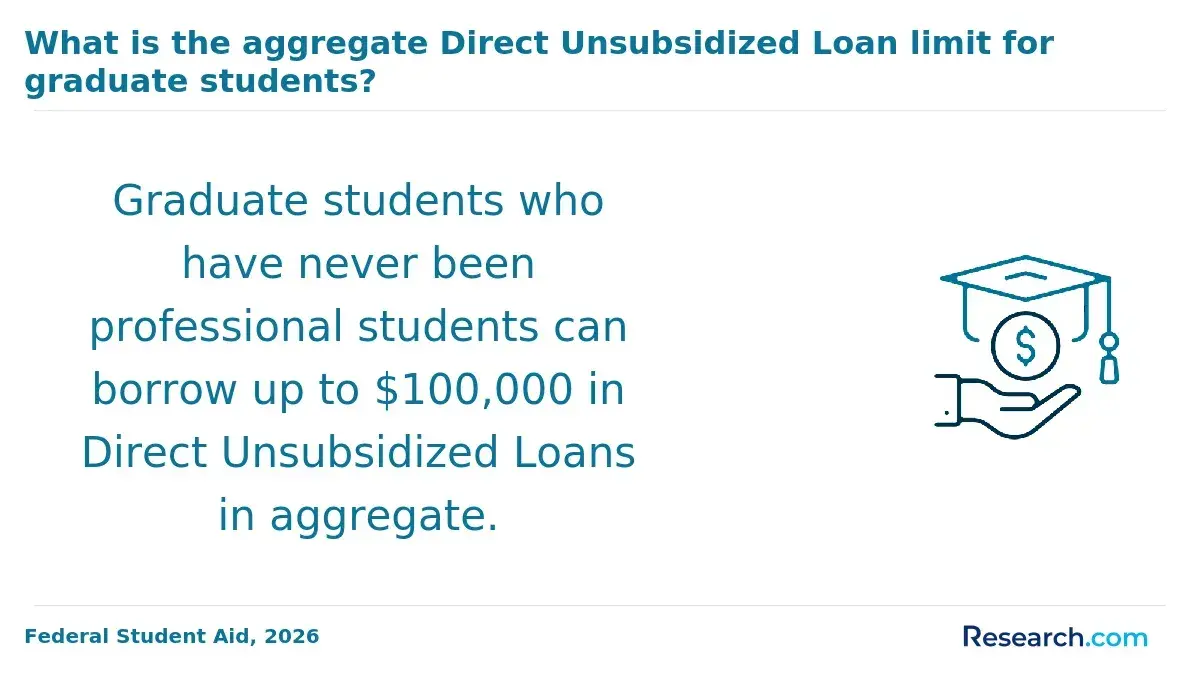
Do not assume a certificate qualifies for federal student aid. Eligibility depends on the institution, the specific program, your circumstances, and applicable aid rules; noncredit training in particular may differ from a credit-bearing degree. Ask the financial aid office to identify the program's aid eligibility in writing before relying on loans or grants.
What legal support careers can social workers pursue after training?
Potential entry points include paralegal or legal assistant roles with legal aid organizations, family-law practices, housing teams, disability-benefits practices, and public-interest organizations. Tasks may include organizing client records, preparing drafts for attorney review, tracking deadlines, and coordinating information needed for a case. Your social work background may be particularly useful in client-facing settings, but it does not replace practice-specific legal training.
Other roles, such as legal intake specialist, court-program coordinator, or compliance support worker, may draw on a different mix of skills. Read job descriptions closely: "advocate," "case manager," and "paralegal" can mean different things across employers, and authority to perform particular legal tasks depends on the role and jurisdiction.
If you are more interested in interpreting organizational rules than supporting cases, explore compliance positions before buying paralegal training. Graduate business-law education is another possible route; comparing shorter online master's degrees in business law may be useful, but a non-JD master's is not required for every compliance job and does not qualify you to practice law.
How much can social workers earn after becoming paralegals?
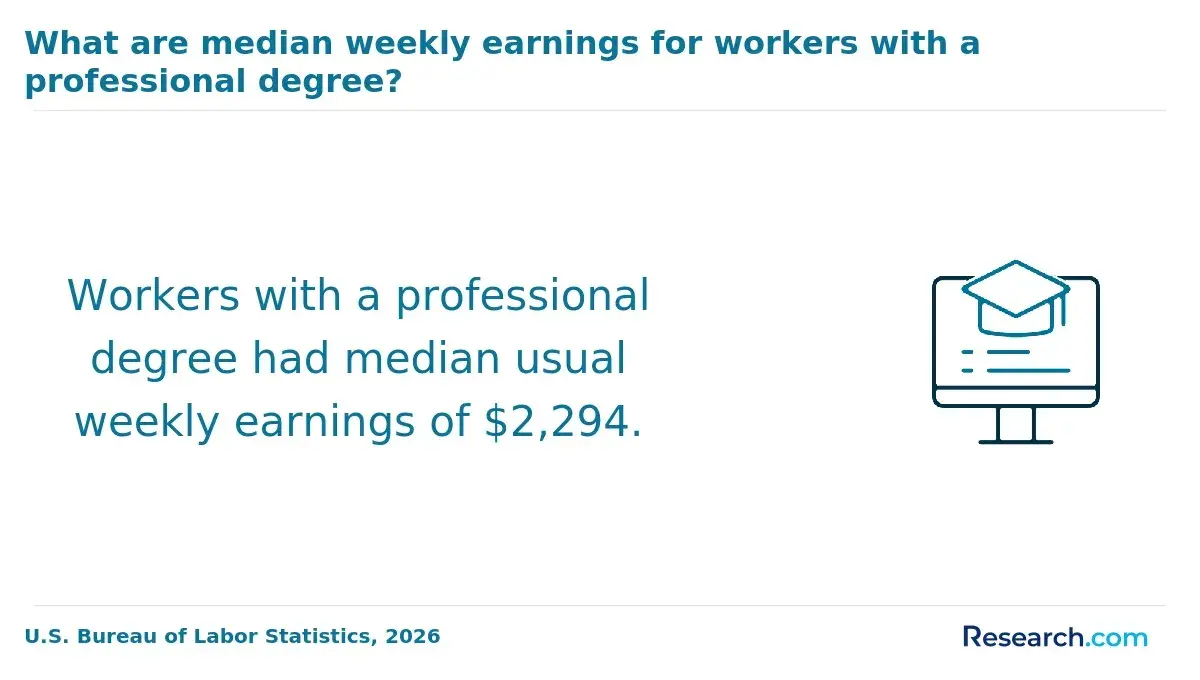
The Bureau of Labor Statistics reports median annual pay of $62,890 in May 2025 for paralegals and legal assistants. That is an occupation-wide midpoint, not an entry-level offer or a predicted salary for a former social worker. Location, employer, practice area, and directly relevant legal experience can affect an individual offer.
The occupation has 0% projected job growth for 2025-2035, although BLS projects about 40,800 openings per year, largely as workers leave or change occupations. Openings do not guarantee a local vacancy or an easy transition. Compare actual postings and pay ranges in your market with your current compensation, then weigh any increase against tuition and time spent retraining.
How should social workers evaluate accredited paralegal programs and certifications?
Check institutional accreditation and ABA program approval separately. Institutional accreditation concerns the institution; the American Bar Association approves qualifying paralegal education programs, not individual graduates. ABA approval is not a nationwide requirement for paralegal employment, and a program without it is not automatically unsuitable. Verify any claimed approval in the ABA's current paralegal program directory and confirm institutional status through the school's recognized accreditor or U.S. Department of Education resources.
Professional certification is another separate decision. Organizations such as NALA and the National Federation of Paralegal Associations offer credentials under their own eligibility, examination, and maintenance rules. State-specific systems may also apply. Check the credentialing body's current requirements and your target employers' preferences before paying for exam preparation; completing a certificate program does not automatically confer certification.
Before enrolling, make a final comparison of the schools on your shortlist: required legal-writing assignments, internship logistics, graduate career support, total cost, schedule, and the credential printed on the transcript or award. A warning sign is a program that blurs certificate and certification, calls graduates "ABA-certified," or promises employment. Choose the least extensive route that demonstrably closes your skills gap and meets the expectations of the jobs you want.
Other Things You Should Know About Law & Paralegal
Not simply to hold a paralegal job. If you also intend to practice licensed social work, check your state board's renewal and continuing-education rules before allowing the license to lapse.
Do not share client materials without authorization and a careful review of confidentiality obligations. Create a sample using a fictional fact pattern or ask a prospective employer whether a suitably redacted, authorized sample would be acceptable.
Potential confidentiality or conflict issues require review before you access the file or join the team. Disclose the prior relationship to the supervising attorney and follow your former employer's and current employer's policies.
No. Language skills can help with client communication, but court interpreting is a distinct function with jurisdiction-specific qualification rules. Check the relevant court's requirements before taking on interpreter duties.
References
- Do You Need ABA Approval for a Paralegal Program? | Bryan University Online© https://bryanuniversity.edu/faq/aba-approval-accreditation-paralegal-programs/
- What Does a Paralegal Do? What Are the Paralegal Job Duties? | Online Paralegal Studies Certificate Program https://paralegalonline.bu.edu/articles/duties-of-a-paralegal/
- Online Certified Paralegal Training | WWU Professional and Continuing Education https://careertraining.wwu.edu/training-programs/certified-paralegal/
- 7 Ethical Considerations for Paralegals | American National University https://an.edu/7-ethical-considerations-for-paralegals/
- Paralegals and legal assistants: Are they the same? | Mildred Elley College https://www.mildred-elley.edu/paralegals-and-legal-assistants-are-they-the-same/
- Paralegal Program Details | Inver Hills Community College https://www.inverhills.edu/degrees-programs/paralegal/program-details/
- Certificate in Paralegal Studies | UW Professional & Continuing Education https://www.pce.uw.edu/certificates/paralegal-studies
- Online Paralegal Certificate | Hamline University - Minnesota https://www.hamline.edu/academics/graduate/online-paralegal-certificate
- Online Certified Paralegal Training | Hennepin Technical College https://careertraining.hennepintech.edu/training-programs/certified-paralegal/
- ABA: What It Does and Why It Matters to Your Career | Graduate America https://ga.edu/legal/organization/aba-what-it-does-and-why-it-matters-to-your-career