2027 Legal Studies Graduate Programs for Consumer Lending Compliance Roles

Co-Founder and Chief Data Scientist
Consumer lenders need people who can translate changing rules into workable loan disclosures, policies, monitoring, and complaint responses. If you are considering graduate legal study for that work, the decision is whether a degree will add enough relevant skill and career value to justify its cost and time.
This guide compares non-JD legal studies degrees with shorter options, identifies the courses and program features that matter, and explains what to verify before enrolling.
Key Things You Should Know
- A Master of Legal Studies (MLS), Master of Studies in Law (MSL), or similar non-JD degree can build regulatory knowledge, but it is not generally required for lending compliance work and does not qualify graduates to practice law.
- Prioritize applied coursework in consumer financial law, fair lending, disclosures, privacy, and compliance testing over a concentration label alone.
- The Bureau of Labor Statistics reports $80,730 in May 2025 median pay for compliance officers and 4% projected growth, 2025-2035; these broad occupational figures are not a salary forecast for lending specialists or graduates.
What are legal studies graduate programs for consumer lending compliance roles?
Lending compliance professionals help banks, credit unions, mortgage companies, and other lenders identify regulatory obligations, review products and disclosures, test controls, investigate complaints, and document corrective action. A legal studies graduate program can help someone read statutes and regulations, assess risk, and communicate requirements to business teams.
These are typically non-JD degrees for people who want legal knowledge without becoming attorneys. MLS, MSL, and Master of Jurisprudence are common degree names; titles alone do not establish what a program teaches. Consumer lending may be a formal concentration, a set of electives, or simply a topic within a broader compliance curriculum. Confirm which description actually applies before treating a program as specialized.
A degree is most useful when it fills a specific gap - for example, a lending operations employee moving into policy work or a legal professional entering financial services. Someone already doing compliance testing may get more immediate value from supervised work, employer training, or a focused graduate certificate.
What degrees prepare graduates for consumer lending compliance careers?
The best route depends on your current education and the work you want to do. These options differ in depth and purpose; none automatically confers a compliance job title or professional license.
| Education route | Potential value for lending compliance | Principal limitation |
| MLS, MSL, or similar non-JD legal studies master's | Graduate-level legal analysis, regulation, and policy writing | May cost more time and money than a focused skills gap warrants |
| Graduate certificate in compliance, financial regulation, or related law | Narrower study that may suit experienced professionals | Course selection and credit value vary by program |
| Master's in business, finance, risk, or public policy | Broader preparation for operations or enterprise risk roles | May offer limited consumer-law depth |
| JD | Attorney education for those pursuing legal practice | A substantially different commitment; admission to the bar requires meeting jurisdiction-specific rules |
A paralegal degree is another possible starting point for legal support work, not a substitute for graduate compliance study. If you do not yet have a bachelor's degree, online paralegal associate program comparisons can help you assess an earlier educational step. A paralegal certificate documents completion of an educational program; it is not the same as professional certification.
What education and licensing requirements apply to lending compliance professionals?
There is no single nationwide degree or professional license that qualifies someone for every consumer lending compliance role. Employers set requirements according to the position: an analyst might enter with a bachelor's degree and relevant experience, while counsel positions require attorney qualifications. State rules and the activities an employee performs can also change what is required.
Compliance oversight is different from loan origination. An employee who only reviews policies or tests loan files should not be assumed to need a mortgage loan originator credential. Someone who performs regulated origination activities must check the applicable federal and state rules and their employer's licensing obligations. Similarly, an MLS or MSL does not authorize its holder to give legal advice or practice law.
Professional compliance certifications can demonstrate knowledge, but eligibility and continuing-education rules belong to the issuing organization and may change. Check the current requirements for the specific credential an employer values rather than assuming a graduate degree grants certification.
How do online and campus-based legal studies programs compare?
Delivery format affects whether you can complete demanding coursework while keeping a lending job. Neither format is inherently more rigorous or more practical; the meaningful differences are scheduling and access to applied work.
| Feature | Online program | Campus-based program |
| Schedule | May include live meetings, deadlines, and sequenced courses | Usually requires travel and scheduled class attendance |
| Applied learning | May use remote simulations or group projects | May provide in-person workshops or local employer connections |
| Additional costs | Technology and any required campus visits | Commuting, parking, or relocation |
Ask whether classes are asynchronous, whether exams or group work require fixed hours, and whether a practicum can be completed at your workplace. "Online" does not mean self-paced. If protecting work hours is essential, guidance on studying business law while maintaining a career offers another way to evaluate scheduling claims.
What courses do consumer lending compliance graduate programs cover?
A relevant curriculum should connect legal rules to the decisions a lender actually makes. Look for consumer financial regulation covering disclosures and servicing, fair lending, privacy and data handling, administrative law, and legal research and writing. Courses on compliance management, internal controls, or investigations can help students turn those rules into review procedures and documented findings.
Course descriptions deserve closer attention than program labels. A useful applied assignment might require a student to identify a disclosure issue, write a short policy revision, or explain how to test a control. Confirm that an assignment is required rather than assuming that a course mentioning compliance provides hands-on practice. Because rules and agency guidance change, also ask when syllabi were last updated and how instructors handle regulatory developments.
What are the admission requirements for legal studies graduate programs?
Non-JD master's programs generally require a bachelor's degree, but each school controls its prerequisites, application materials, and policies on prior experience. A legal studies background may help; it is not necessarily required. Graduate certificates can have different entry rules, even at the same university.
If you are still completing an undergraduate pathway, do not assume earlier legal coursework will shorten a later degree. The receiving institution decides whether credits transfer and how they apply. Information on using transfer credits toward a paralegal bachelor's may help at that stage; ask any prospective graduate school separately about its own admission and credit policies.
Before applying, check whether the program expects professional experience, requires prerequisite courses, or restricts enrollment in a desired concentration. Treat a preferred applicant profile differently from a stated admission requirement.
How long do these programs take and how much do they cost?
Completion time depends on required credits, course sequencing, and whether you study part time. A short advertised timeline may rely on taking multiple courses at once or on classes being offered every term. Compare published schedules with your available work hours; online business law master's completion times can provide context, but confirm the timetable for the specific program you would enter.
Compare total expected cost, not tuition alone. Request a current estimate that includes mandatory fees, books, technology or research-platform charges, and any travel or practicum expense. Then consider income you might forgo if the schedule forces reduced work hours.
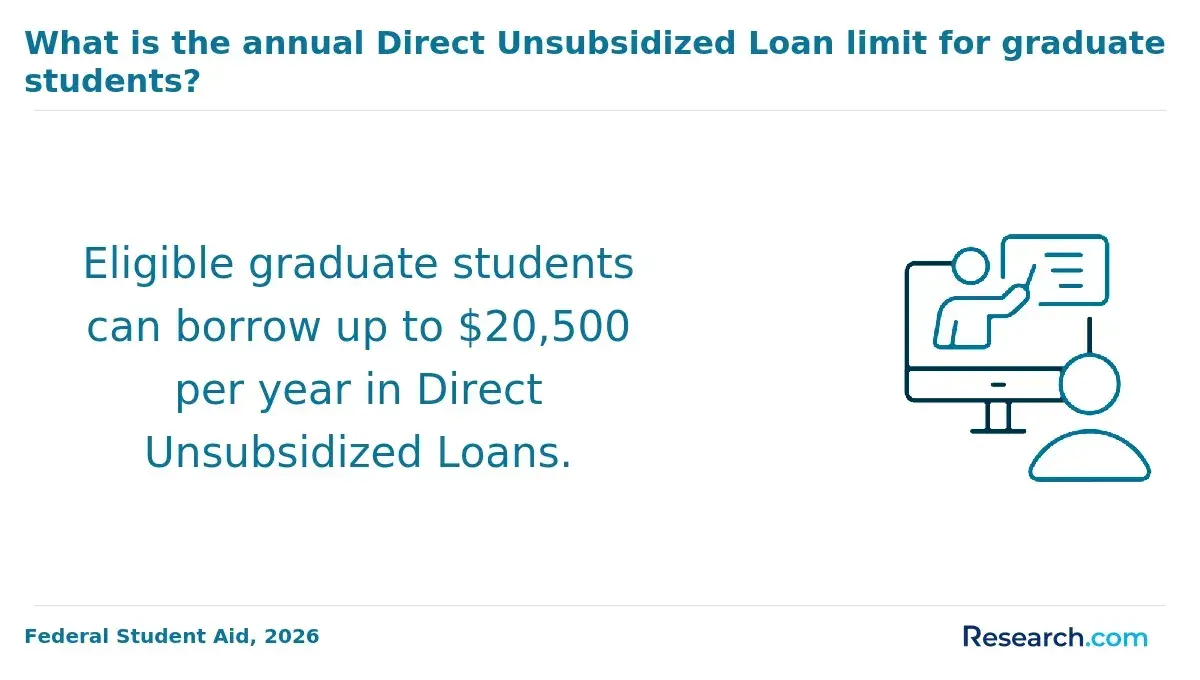
Graduate federal aid eligibility depends on the student and the specific eligible program; do not assume that a standalone, noncredit, or short certificate qualifies. Confirm program eligibility with the school's financial aid office before relying on loans or other aid to cover the cost.
What jobs can graduates pursue in consumer lending compliance?
Relevant roles include compliance analyst, fair lending analyst, mortgage compliance specialist, compliance testing associate, complaint management specialist, and compliance manager. Daily work can involve reviewing loan files, evaluating disclosures, investigating patterns in complaints, preparing examination materials, or tracking remediation. Scope varies considerably by lender and seniority.
For an entry-level applicant, experience in loan operations, quality assurance, customer complaints, auditing, or data analysis can be as important as graduate study. For an experienced lender employee, a legal studies degree may support a move toward policy interpretation or oversight. A manager role typically also calls for a record of judgment, communication, and leading compliance work; a degree alone does not replace that experience.
What salaries and job outlook can compliance professionals expect?
The Bureau of Labor Statistics reports median annual pay of $80,730 in May 2025 for compliance officers, with 4% projected job growth, 2025-2035 and about 32,700 openings per year. That is a broad occupational benchmark - not a figure specific to consumer lending, new graduates, or MLS holders. Pay for a particular opening will depend on responsibilities, experience, employer, and location.
Use job postings to test the degree's likely value in your target market. If the roles you want repeatedly ask for lending experience and treat a graduate degree as optional, gaining relevant work experience first may be the lower-cost route. If they emphasize regulatory interpretation and advanced writing, examine whether the program produces work samples that demonstrate those abilities.
How can you choose an accredited and reputable compliance program?
First, verify the institution's current accreditation with its recognized accreditor or U.S. Department of Education information. Institutional accreditation is separate from curriculum quality; the American Bar Association's approval of certain paralegal education programs is a different status and is not an MLS endorsement.
Next, compare required courses, recent syllabi, instructor experience, applied assignments, scheduling, and a written total-cost estimate. For cost context, use online master's in legal studies affordability comparisons as a starting point, then verify current charges and requirements directly with each school.
A practical final test is to ask an admissions representative which required assignments address consumer lending, how often relevant courses run, and what happens if an elective is unavailable. Be wary of a "consumer finance" label supported only by optional courses - or career claims that do not distinguish program graduates from the broader compliance workforce. Enroll when the verified curriculum addresses a skill gap you cannot reasonably close through experience or a shorter credential.
Other Things You Should Know About Law & Paralegal
Only with appropriate employer permission and safeguards. Consumer information and internal findings may be confidential; ask whether the program accepts fictional or properly de-identified materials instead.
Start with the products handled by your current employer or target employers. Product-specific rules and workflows matter, so a relevant project or job assignment may be more useful than a concentration with no matching coursework.
Do not plan on it. JD admissions and credit-transfer policies are set by the receiving law school; request its written policy before enrolling in an MLS for that purpose.
Create a portfolio using fictional scenarios or public regulatory materials. A concise policy memo, testing plan, or issue summary can demonstrate your reasoning without disclosing confidential information.
References
- Consumer Compliance | OCC.gov https://www.occ.gov/topics/supervision-and-examination/consumer-compliance/index-consumer-compliance.html
- Guaranteeing Fair Banking for All Americans and Fighting Debanking | Consumer Financial Protection Bureau https://www.consumerfinance.gov/fair-lending/
- Federal Consumer Financial Protection Guide | NCUA https://ncua.gov/regulation-supervision/manuals-guides/federal-consumer-financial-protection-guide
- IV-1 Fair Lending Laws and Regulations | FDIC.gov https://www.fdic.gov/consumer-compliance-examination-manual/iv-1-fair-lending-laws-and-regulations
- Financial Institutions and Regulations - eCornell https://ecornell.cornell.edu/certificates/financial-management/financial-institutions-and-regulations/
- Advanced Certificate in Financial Compliance and Risk Management | Albany Law School https://www.albanylaw.edu/graduate/advanced-certificate-financial-compliance-and-risk-management
- How To Become a Compliance Officer - UMKC https://onlinemls.law.umkc.edu/articles/how-to-become-a-compliance-officer/
- What Can You Do with a Master of Legal Studies (MLS) Degree? | Drexel University Kline School of Law https://drexel.edu/law/news/legal-studies-blog/what-can-you-do-with-a-master-of-legal-studies-degree/
- What Can You Do With a Master of Legal Studies? | WashU Law https://online.law.washu.edu/articles/what-can-you-do-with-master-of-legal-studies/