2027 Paralegal Certificate Refund Policies: Financial Risks to Check Before Enrolling

Co-Founder and Chief Data Scientist
A paralegal certificate may look affordable until a schedule change forces you to withdraw after the refund deadline. For prospective students, the financial risk lies in the details: when classes officially begin, which charges are excluded, and whether financial aid must be returned.
This guide explains how to read those rules, compare online and campus programs, and calculate what you could still owe. Use it before signing an enrollment agreement or making a payment—not after you need a refund.
Key Things You Should Know
- Check the deadline and its trigger: A full-refund period may end before the first class meeting, and a policy may treat logging in, accessing materials, or starting a course differently.
- Separate tuition from other charges: A tuition refund may exclude application fees, books, software, or payment-plan charges; request an itemized written estimate of what you would owe at each withdrawal date.
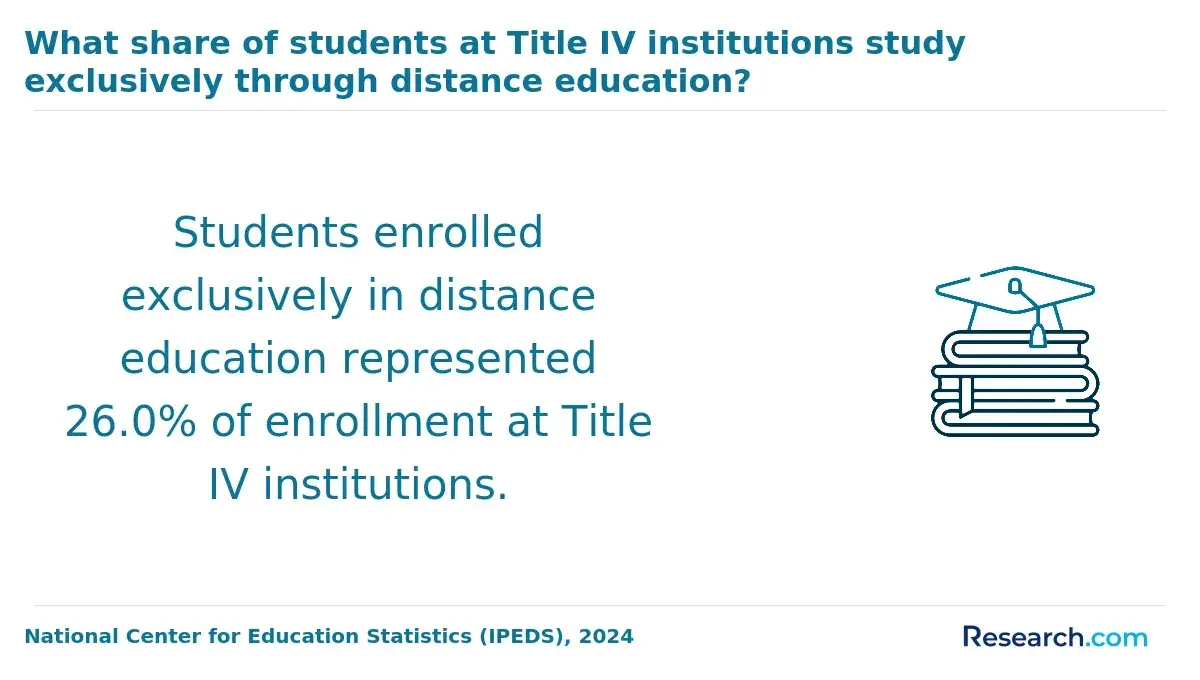
- Check aid separately: Under federal Title IV rules, withdrawing before completing 60% of a payment period can require aid to be returned. That calculation is not the same as the school's refund calculation.
What does a paralegal certificate refund policy usually cover?
A refund policy explains whether the school will return charges when a student cancels enrollment, drops a course, or withdraws from a program. It should identify the applicable deadlines, the date used to calculate a refund, excluded charges, and how any balance will be paid or credited. Policies differ substantially, so an advertised "refund available" is not enough to predict your outcome.
First identify what you are buying. A credit-bearing college certificate may follow the institution's academic calendar and tuition-refund schedule. A noncredit continuing-education certificate may have a separate contract based on a cohort start date or access to course materials. Ask which policy governs your specific program, not just where the school posts its general undergraduate policy.
Also distinguish cancellation from withdrawal. Cancellation may mean ending enrollment before instruction begins; withdrawal generally means leaving after the school considers the course underway. A school may use different rules for dropping one course, leaving an entire certificate, or being administratively withdrawn for nonattendance. Get those distinctions in writing before paying.
When can students cancel a paralegal certificate enrollment for a refund?
The answer is the deadline in the applicable enrollment agreement and school policy, subject to any governing state or federal requirements. Some programs allow cancellation before a stated start date; others use a short period after signing, a course-specific drop date, or a declining refund schedule after instruction begins. There is no nationwide cooling-off period that applies to every paralegal certificate.
Find out which event starts the clock. Possibilities include the cohort start, the first scheduled class, access to an online learning platform, delivery of materials, or your first participation. Then confirm whether the deadline uses calendar days or business days and which time zone applies to an online program. If the school postpones a cohort or changes the schedule, ask whether you can cancel for a full refund rather than accept the new date.
When cancelling, follow the required method—often a form or written notice sent to a designated office—and save a dated copy and delivery confirmation. Stopping attendance, telling an instructor, or stopping automatic payments may not count as an official withdrawal. Request written confirmation of the effective withdrawal date and the resulting account balance.
Which paralegal certificate fees are refundable or nonrefundable?
A stated tuition-refund rate may apply only to tuition. The following charge types commonly appear on program bills, but their treatment depends on the school's written terms and whether materials or services have already been provided.
| Charge | Why its refund treatment matters |
| Tuition | May follow a declining refund schedule based on the official withdrawal date. |
| Application or enrollment fee | May be nonrefundable even when tuition is returned. |
| Books and digital materials | Returnability may depend on whether items were shipped, opened, or accessed. |
| Technology and legal research access | May be charged separately and excluded once access is activated. |
| Payment-plan or financing charges | May continue or be nonrefundable under a separate agreement. |
Ask for an itemized bill showing mandatory charges, not just an advertised tuition figure. If a vendor supplies materials or financing, check whether its terms create a separate obligation. A refund to your student account may first reduce an unpaid balance rather than produce a payment to you.
How do online and campus paralegal program refund policies differ?
Delivery format alone does not determine refund rights. Online programs may tie deadlines to account access, digital-material delivery, or a cohort launch rather than a physical first meeting. Campus programs may use the academic calendar's add/drop dates. Either format can include scheduled live classes, and neither is necessarily self-paced.
For an online certificate, check whether you lose full-refund eligibility when the school grants access—even if you have not completed an assignment. For a campus program, account for commuting, parking, and supplies that the school will not reimburse. In both cases, ask how a required internship, practicum, or campus visit affects withdrawal timing and total costs.
If you are comparing a short certificate with a degree, the refund schedule is only one difference. Comparing faster bachelor's pathways in paralegal studies can help frame the larger time and credential commitment; confirm the current refund and transfer rules for any program you consider.
What enrollment contracts should students review before paying tuition?
Read the documents that create the payment obligation together: the enrollment agreement, program-specific refund policy, academic calendar or cohort schedule, fee schedule, and any payment-plan or third-party financing agreement. A sales email should not be your only evidence of a promised refund or start date.
Pay particular attention to terms covering the official withdrawal procedure, nonrefundable deposits, access to digital materials, automatic payments, collections, and what happens if the school cancels or changes the program. If an agreement conflicts with the school's website, ask the school to identify the controlling policy and resolve the discrepancy in writing before you sign.
Credit value is another contract-related risk. A certificate described as "college-level" does not necessarily produce transferable academic credit. If a later degree is part of your plan, request a transcript description and ask the prospective receiving school whether the coursework could apply. Business law degree transfer options provide a useful comparison point, but the receiving institution ultimately decides which credits it accepts.
How do accreditation and approval affect paralegal certificate refund risks?
Institutional accreditation and American Bar Association (ABA) approval answer different questions. Institutional accreditation concerns the institution; ABA approval applies to qualifying paralegal education programs. Neither status guarantees a generous refund policy, federal aid for a particular certificate, transfer credit, or a job.
Verify institutional accreditation through the accreditor or the U.S. Department of Education's recognition resources, and verify any advertised ABA paralegal program approval in the ABA's current program directory. Check the exact program and campus or delivery arrangement rather than assuming the status extends to every offering at a school. If a school says approval is pending, do not treat that as current approval.
These checks matter because a refund dispute can be more costly when a program also fails to meet your educational goal. A paralegal certificate is not professional certification of an individual, and it does not qualify someone to practice law. If your goal is broader legal knowledge rather than paralegal work, a guide to legal studies master's concentrations describes a different educational route; ABA paralegal program approval is not a measure of those degrees.
What happens to financial aid and loans after a program withdrawal?
First confirm whether the specific certificate is eligible for federal student aid. A school's participation in federal aid programs does not make every credit-bearing or noncredit offering eligible. Ask its financial aid office to identify the program's eligibility and the aid terms that would apply to you.
If you receive federal Title IV aid and withdraw, the school generally calculates how much aid you earned based on the portion of the payment period completed. Before the 60% point, some aid may have to be returned under the federal Return of Title IV Funds rules; after that point, aid for the period is generally considered earned. The school's separate tuition-refund policy can still leave a balance on your account. A loan you have already borrowed also remains a loan, subject to its terms.
Before withdrawing, ask the financial aid office for an individualized estimate showing aid to be returned, any post-withdrawal disbursement, the revised school balance, and the effect on future aid eligibility. If you use private financing or an installment plan, contact that provider separately: the school's withdrawal confirmation may not automatically stop scheduled payments.
How can students compare paralegal certificate costs and payment schedules?
Compare the amount at risk on the date you might realistically withdraw, not only the advertised tuition. Request the full cost of required courses, fees, books, software, travel, and any prerequisites. Then compare each school's refund schedule against when payments are due. Paying in installments does not necessarily limit what you owe if the agreement makes the full program price payable.
A consistent comparison takes three steps:
- Obtain an itemized total cost and the written refund schedule for the exact certificate and start date.
- Mark the full-refund deadline, each later refund deadline, and every installment due date on one calendar.
- Ask each school for a written account-balance example based on withdrawing shortly after classes begin and again later in the program.
Ask whether the balance accelerates after withdrawal and whether a third party finances the payments. If installments would help your cash flow, compare tuition payment plans for online paralegal programs while checking the actual agreement for fees and cancellation terms. A smaller monthly bill is not, by itself, a smaller financial commitment.
How can students verify a paralegal certificate program's reputation?
Start with facts that can be checked independently: current institutional accreditation, any claimed ABA program approval, the published curriculum, instructor qualifications, credit status, and written policies. Ask for the complete enrollment agreement before paying. Reluctance to provide it, inconsistent refund dates, or promises of guaranteed employment are reasons to pause.
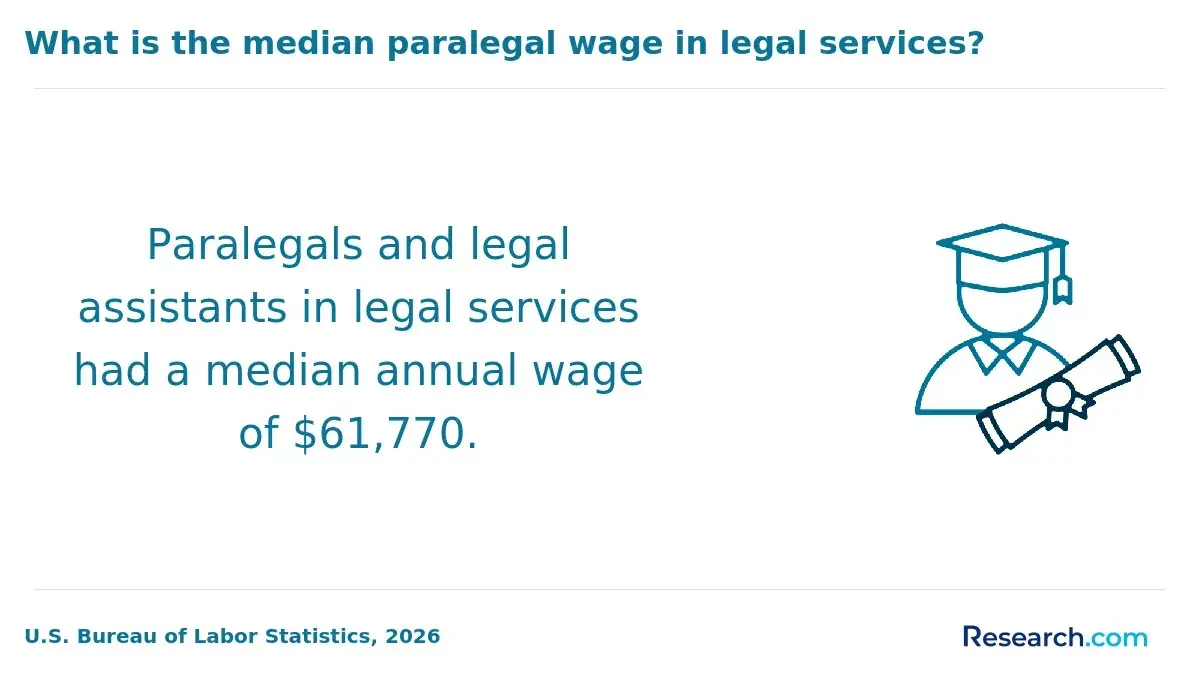
Contact local legal employers or working paralegals about the skills they value, such as legal research, drafting, and case-management work. Ask the school how students practice those skills and whether reported placement outcomes are independently defined and documented. The Bureau of Labor Statistics reports a median annual pay of $62,890 in May 2025 for paralegals and legal assistants, with 0% projected employment growth from 2025 to 2035. That occupational benchmark is not a forecast of what a particular certificate graduate will earn.
Finally, search the appropriate state education or consumer-protection authority for oversight information and complaint procedures. Reviews can suggest questions to investigate, but an anonymous review—positive or negative—should not replace current documents and direct answers from the school.
What alternatives exist if a paralegal program denies a refund?
Ask for a written explanation showing the policy provision, official withdrawal date, itemized charges, payments received, and refund calculation. Compare it with the agreement you accepted and the cancellation notice you sent. An error in the recorded date or an overlooked fee exclusion may be resolvable without a formal dispute.
If the calculation still appears wrong, use the school's written appeal or grievance process and retain copies of every submission. For an unresolved issue, the relevant state education agency or consumer-protection office may accept complaints; an accreditor may also have a complaint process for matters within its scope. If federal aid is involved, ask the financial aid office to explain its calculation separately. Consider qualified legal advice for a substantial dispute, particularly if a financing contract is involved.
If you have not enrolled yet and the refund terms are unacceptable, walking away is a valid alternative. An employer-supported course, a credit-bearing option with a clearer drop schedule, or a different credential may better limit your risk. For experienced professionals considering broader legal study, the most affordable online master's in legal studies programs offer another starting point for comparing costs—not a substitute for checking each program's contract and career relevance.
Other Things You Should Know About Law & Paralegal
No. A certificate documents completion of an educational program. Professional certification is a separate credential awarded under the requirements of a certifying organization or applicable state system; requirements vary.
A certificate does not authorize its holder to practice law. Paralegals generally perform substantive legal work under attorney supervision, subject to applicable state rules on unauthorized practice.
Not necessarily. Academic records may show a drop, a withdrawal notation, or a grade depending on when and how you leave. Ask the registrar about the transcript deadline separately from the refund deadline.
Access depends on the school's and vendors' license terms. Before withdrawing, ask when access ends and how to retrieve any permitted copies of your own completed work.
References
- General Requirements for Withdrawals and the Return of Title IV Funds | 2025-2026 Federal Student Aid Handbook https://fsapartners.ed.gov/knowledge-center/fsa-handbook/2025-2026/vol5/ch1-general-requirements-withdrawals-and-return-title-iv-funds
- .12 Tuition, Fees, Enrollment Contracts, Refunds. | Library of Maryland Regulations https://regs.maryland.gov/us/md/exec/comar/13B.01.01.12
- Refund Policy Guidelines | NYS Education Department https://www.acces.nysed.gov/bpss/refund-policy-guidelines
- Course Materials for Students: Policies | umich.edu https://kresgeguides.bus.umich.edu/c.php
- Financial Aid Withdrawal and the Return of Title IV Funds Policy | Moravian University https://www.moravian.edu/admissions/withdrawal-policy
- VI. REFUNDING OF TUITION - The City University of New York https://www.cuny.edu/about/administration/offices/legal-affairs/university-tuition-fee-manual/vi-refunding-of-tuition/
- Withdrawal-Return of Title IV Federal Student Aid | Augustana College https://www.augustana.edu/admissions/financial-aid/policies/withdrawal-federal
- Policies | Online Paralegal Certificate at Boston University https://paralegalonline.bu.edu/registration/policies/
- Payment Policies | bhc.edu https://www.bhc.edu/paying-for-college/college-tuition-and-payments/payment-options-and-due-dates/payment-policies/
- Withdrawal & Tuition Refund | Columbia University School of Professional Studies https://sps.columbia.edu/students/student-advising-academic-success/tuition-finance/withdrawal-tuition-refund