2027 Can You Get an Astronomy & Space Studies Bachelor's Degree After 30?

Co-Founder and Chief Data Scientist
Consider an adult over 30 with a passion for astronomy who wonders if pursuing a bachelor's degree in astronomy & space studies is feasible amidst work and family commitments.
Nearly 40% of students enrolling in STEM bachelor's programs today are aged 25 or older, reflecting a growing trend of adult learners seeking career shifts. However, challenges like balancing coursework, financial aid options, and recognizing prior experience can complicate the path.
This article explores key factors—from enrollment patterns to financing strategies—to guide adult learners through earning an astronomy & space studies bachelor's degree efficiently and confidently.
Key Things to Know About Getting a Astronomy & Space Studies Bachelor's Degree After 30
- Admissions often require a high school diploma or equivalent-many programs welcome transfer credits and prior learning assessments to accelerate degree completion for students over 30.
- Financial aid options like employer tuition assistance and veteran benefits can significantly reduce costs, supporting adults balancing education with family and work commitments.
- Graduates frequently see increased earning potential-STEM jobs related to astronomy report a median salary rise of 15-20% after degree completion, highlighting long-term financial benefits.
Can You Really Get a Astronomy & Space Studies Bachelor's Degree After 30?
Recent data from the National Center for Education Statistics (NCES) highlights a steady rise in adult learners age 25 and older enrolling in bachelor's programs, including many pursuing astronomy & space studies degrees.
Earning an astronomy & space studies degree as an adult learner is no longer unusual—returning to college after 30 has become increasingly common as institutions adapt to this growing demographic.
Many colleges now offer flexible scheduling options such as evening, part-time, and online courses, allowing adults to balance education with work and family commitments.
These program redesigns are crucial for those wondering how to complete an astronomy & space studies bachelor's after 30 while managing busy lives. Additionally, some students may explore accelerated pathways like online associate degree programs that can facilitate quicker progress toward their goals.
This section examines key factors affecting adult learners pursuing an astronomy & space studies bachelor's degree—time management, financial strategies, career implications, program types, and available support systems—providing a comprehensive guide to navigating the educational journey later in life.
- Enrollment Trends: Adults over 30 now form a significant share of bachelor's students nationwide, with many choosing STEM areas like astronomy & space studies due to expanding interest and career prospects in space-related fields.
- Program Flexibility: Colleges increasingly tailor offerings for adult students through part-time, evening, and online classes, enabling steady progress without compromising other responsibilities.
- Financial Considerations: Returning students often tap into scholarships, employer tuition help, and federal aid designed for adult learners, helping to ease the cost of education.
- Career Outcomes: A degree in astronomy & space studies earned after 30 can lead to roles in research, education, or technical sectors, with employers valuing the maturity and varied experience adults bring.
- Support Services: Institutions provide advising, tutoring, and peer networks customized for adult learners to boost motivation and academic success.
Challenges like time and financial management exist, but millions of adults overcome them annually. For those pursuing this field, earning an astronomy & space studies degree as an adult learner offers a viable and rewarding avenue to advance careers and personal growth.
Why Are More Adults Over 30 Pursuing a Astronomy & Space Studies Bachelor's Degree?
Adults over 30 are increasingly choosing astronomy & space studies degrees, reflecting a broader trend of returning adult learners earning bachelor's credentials.
Data from entities like the Lumina Foundation, the National Center for Education Statistics (NCES), and the American Council for Education (ACE) show steady growth in older students enrolling in fields related to astronomy, physics, earth sciences, and other space studies programs. Several key drivers explain why more adults are committing to this education later in life.
- Career Transitions: Many adults seek to switch careers or advance in their current roles. Astronomy & Space Studies opens opportunities in research, aerospace, education, and government sectors where a bachelor's degree enables access to specialized positions.
- Employer Tuition Benefits: Increasing employer support through tuition reimbursement programs helps many adults finance their degrees while working.
- Layoffs and Economic Shifts: Post-pandemic workforce disruptions have motivated workers to reconsider career paths. Astronomy & Space Studies is emerging as a promising field with rising demand for skills in data analysis, technology, and STEM education.
- Online Program Availability: Flexible, fully online Astronomy & Space Studies bachelor's programs allow adults to balance studies with family and career responsibilities without relocation or interruption.
- Wage Premiums: Obtaining a bachelor's degree in this field generally leads to higher earnings, with adults over 30 seeing improved salary prospects across private and public sectors.
The surge in adult enrollment validates the interest of older learners and highlights how institutions and employers have built robust infrastructure to support their unique needs.
Credit for prior learning, accelerated pathways, and comprehensive advising lower traditional barriers. This evolving landscape confirms that pursuing an astronomy & space studies bachelor's degree after 30 is more accessible and beneficial than ever.
For those interested in efficient degree completion, exploring an accelerated psychology degree might offer useful insights and parallels in adult education pathways.
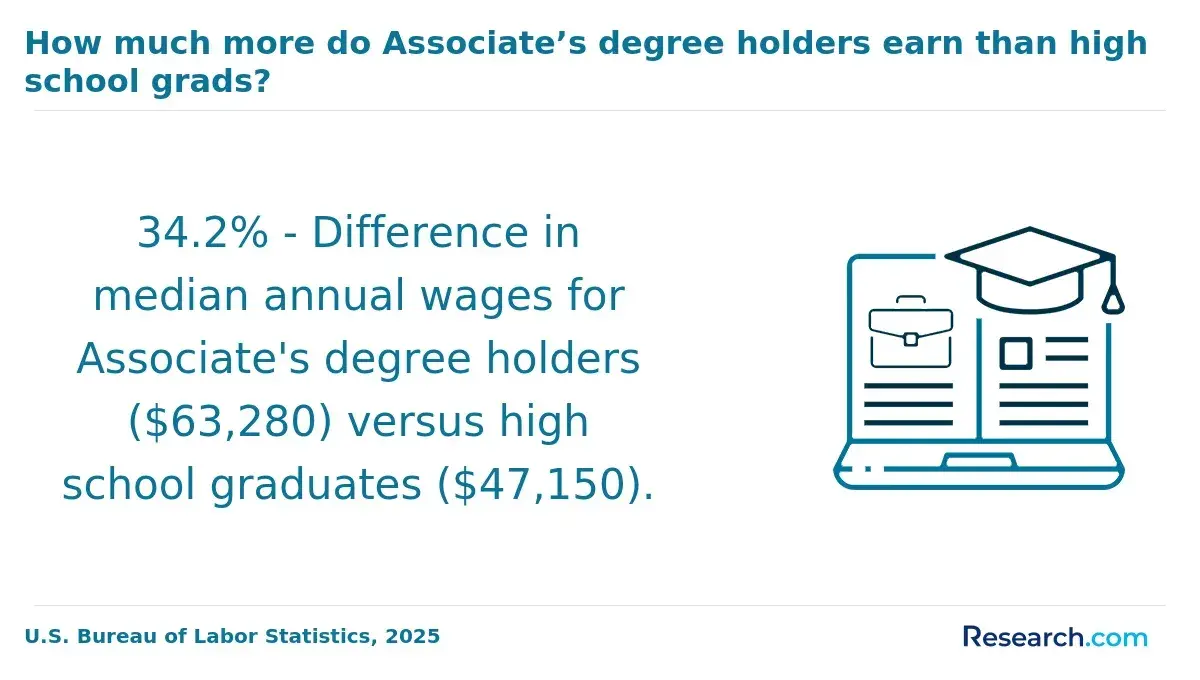
What Are the Most Common Challenges Adults Over 30 Face When Pursuing a Astronomy & Space Studies Degree?
Adults over 30 pursuing an astronomy & space studies degree face multiple challenges that often lead to extended pauses or even leaving their programs before completing them-patterns confirmed by research from the Bill & Melinda Gates Foundation and Complete College America. These obstacles, while daunting, are manageable with the right approach.
- Time Constraints: Balancing full-time work, family duties, and coursework demands careful time management. Responsibilities such as parenting and caregiving frequently reduce available study hours, making participation in classes and assignments difficult.
- Financial Pressures: Unlike younger students, many adult learners carry mortgages, debt, and household expenses, which heighten the stress of tuition and fees. Financial burdens are commonly cited as reasons for temporarily or permanently leaving school.
- Technology Gaps: Being away from academic environments can create barriers in mastering new educational tools and platforms essential for astronomy & space studies coursework, requiring additional effort to bridge these gaps.
- Imposter Syndrome: Self-doubt about academic ability or feeling outpaced by younger classmates often undermines motivation. These feelings are widespread among adults in STEM fields and can reduce persistence without targeted support.
- Academic Bureaucracy: Navigating processes like transfer credits, financial aid, and registration often proves confusing. Without clear guidance, many adults experience delays or frustration trying to work through institutional requirements.
One professional who returned to higher education after 30 shared insights on his journey. He described the constant juggling of night shifts at work and family time as "like trying to catch stars in daylight." Though financial worries often clouded his focus, he found small victories in mastering unfamiliar software that initially felt "impenetrable."
The sense of not fitting in—"like I was playing catch-up at a game that started years ago"—tested his resolve. Yet, he emphasized how seeking out mentors and utilizing academic advising made complex policies manageable.
Reflecting on his degree completion, he noted, "Understanding that these challenges were shared by many helped me stay the course rather than give up." This perspective underscores how persistence, coupled with strategic support, can turn obstacles into milestones.
Adult learners pursuing a bachelor's degree in astronomy & space studies have access to varied program formats tailored to accommodate busy schedules and diverse learning preferences.
- Fully Online: This format provides flexibility by delivering courses entirely online, ideal for working adults and parents who need to study without fixed class times. Asynchronous lectures and virtual labs enable balancing coursework with family and job duties.
- Hybrid: Combining online learning with occasional in-person sessions, hybrid programs offer hands-on experiences essential for astronomy concepts while maintaining flexibility for adults managing work and travel.
- Evening and Weekend On-Campus: These options are suited for local students with daytime obligations, offering classes outside of traditional hours. Students benefit from direct faculty interaction and campus resources without disrupting 9-to-5 routines.
- Competency-Based Education (CBE): CBE assesses learners by demonstrated skills rather than time spent, which helps those with prior astronomy knowledge accelerate through coursework and complete degrees faster.
- Accelerated Cohort Models: Designed for intensive, fast-paced study, these cohorts foster peer collaboration and appeal to career changers aiming for swift entry into the workforce.
Institutions such as WGU, Arizona State Online, and SNHU have robust infrastructures supporting the best astronomy and space studies degree programs for adults over 30 by providing credit for prior learning and flexible scheduling.
Choosing the right program depends on whether learners seek pace control, minimal residency, or hands-on training to align with their lifestyle and career plans. Adult learners can also compare financing options by reviewing online video game design degree pricing models, as many principles overlap across flexible degree choices.
Adult learners pursuing a bachelor's degree in astronomy & space studies experience varied timelines influenced by enrollment status, prior academic credits, and program flexibility. Full-time students typically finish in about four years, while part-time attendees often require six years or more, depending on course load and scheduling.
Accelerated pathways and credit for prior learning—including military service, professional experience, and exams like CLEP—can shorten this timeframe by one to two years.
Data from the National Center for Education Statistics shows adults leveraging prior credits and assessments often graduate 30-50% faster than traditional freshmen. To estimate a personal timeline, students should assess their current credits, available weekly study time, and course offerings such as evening or online classes that cater to working adults.
As flexible astronomy & space studies programs increase, they provide essential accommodation for adults balancing work and family, enabling steadier academic progress despite other responsibilities.
- Enrollment Status: Full-time students usually complete their degree in four years, while part-time students may take six or more years based on their coursework pace.
- Prior Credit Transfer: Accepting previous college, military, or professional credits can reduce degree time by up to two years.
- Accelerated Options: Some schools offer faster-paced courses optimized for adults managing jobs and family duties.
- Prior Learning Assessment: CLEP tests and portfolio reviews allow validation of existing knowledge, helping adults finish sooner.
- Flexible Scheduling: Online and evening classes help learners juggle studies alongside personal and professional commitments.
A professional who earned her astronomy & space studies bachelor's degree after age 30 shared that balancing coursework with parenting and a full-time job was challenging yet rewarding.
She emphasized that prior military training credits eased her course load significantly, allowing her to focus on advanced topics that fueled her passion. "It wasn't just about finishing fast—it was about making every class count toward my goals," she reflected, noting that flexible online offerings were crucial in maintaining steady progress without sacrificing family time.
Her experience highlights how personalized planning and support can transform the adult learner's journey into a manageable, successful pursuit.
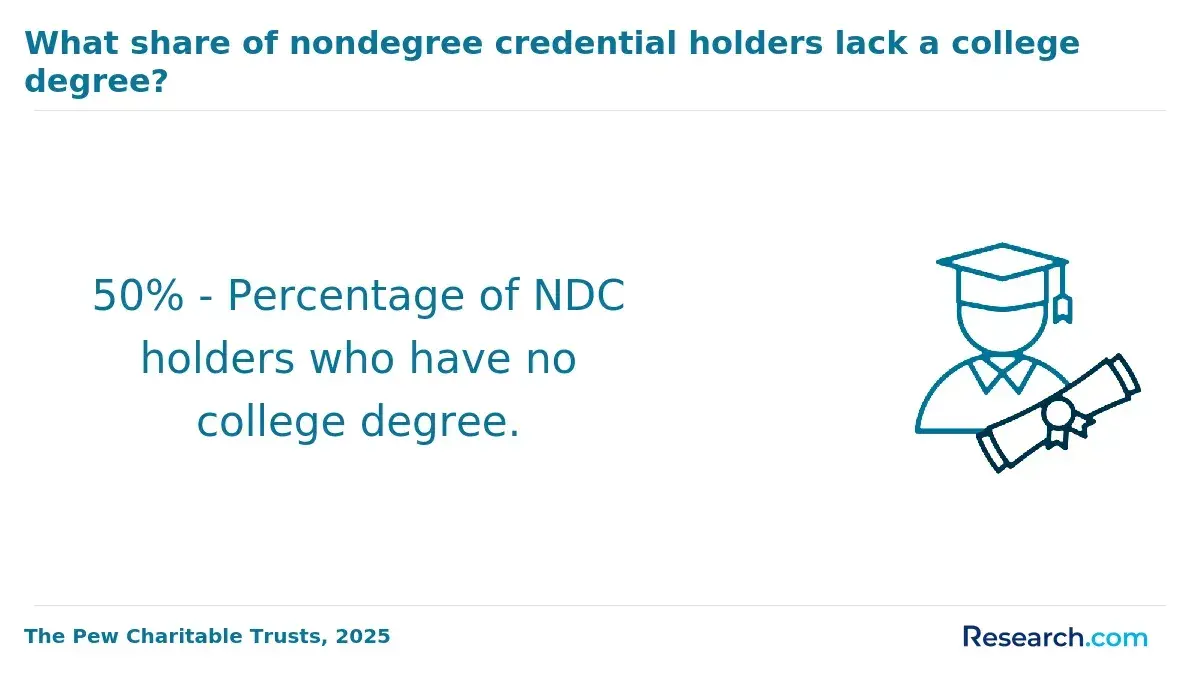
Adults over 30 pursuing a bachelor's degree in Astronomy & Space Studies have access to diverse funding avenues that can ease the financial burden. The Free Application for Federal Student Aid (FAFSA) remains the primary resource, available to all eligible students regardless of age. Contrary to popular belief, financial aid is not exclusive to traditional college-age individuals—data from the Federal Student Aid office reveals that nearly 40% of federal aid recipients are 25 or older, highlighting accessible support for adult learners.
- Federal Financial Aid: Available through FAFSA, adults can apply for Pell Grants—which do not require repayment—and subsidized or unsubsidized federal loans. Subsidized loans halt interest accumulation while students are enrolled at least half-time, providing significant relief.
- Employer Tuition Assistance: Many employers offer tuition reimbursement programs that may cover part or all expenses related to Astronomy & Space Studies coursework, making it worthwhile for full-time workers to investigate these benefits.
- State Adult Learner Grants: Various states provide financial aid programs tailored specifically for adult students returning to education. Eligibility and award sizes differ, so researching options early is crucial.
- Scholarships from Professional Associations: Organizations affiliated with Astronomy & Space Studies frequently grant scholarships aimed at adult learners and those shifting careers, often including networking or mentorship benefits.
- Income-Share Agreements (ISAs): Some universities now offer ISAs, where repayment depends on future earnings instead of upfront tuition fees—helpful for those wary of taking traditional loans.
When comparing tuition rates, online Astronomy & Space Studies programs tend to cost less than on-campus options, while public institutions usually provide more affordable tuition than private colleges. This cost variation can offer flexibility to adult learners managing work and family commitments.
Before incurring loan debt, students should:
- Submit the FAFSA to access federal aid.
- Explore employer tuition assistance opportunities.
- Search for scholarships for adult Astronomy & Space Studies students.
- Look into state-specific grants for adults reentering education.
- Compare costs between online and public institutions.
Enrollment of students over 30 in STEM fields including Astronomy & Space Studies has been steadily rising, reflecting increased interest and expanded financial support tailored to adult learners' unique needs.
Employers in fields related to astronomy & space studies place significant value on a bachelor's degree earned from a regionally accredited institution-regardless of the graduate's age or the time taken to complete the program.
According to data from the Society for Human Resource Management (SHRM) and the National Association of Colleges and Employers (NACE), hiring managers prioritize the quality and relevance of the degree itself over when it was earned. This approach reflects a broader understanding that adult learners bring distinct advantages alongside their credentials.
Age-related biases are minimal in aerospace, research institutions, and space agencies-industries where a bachelor's degree in astronomy & space studies is often a strict requirement.
Employers in these sectors tend to appreciate mature students for their professional experience, commitment, and perseverance. These qualities signal strong potential for success in roles demanding scientific expertise and critical thinking.
- Employer Valuation: A bachelor's degree from a regionally accredited program is respected by hiring managers without regard to graduate age or completion period.
- Professional Maturity: Adult learners often benefit from employers' recognition of their real-world experience and demonstrated dedication to finishing degree programs.
- Industry Standards: In aerospace, research centers, and space agencies, the degree functions as a non-negotiable baseline credential for employment eligibility.
- Credential Verification: Resumes and background checks confirm the degree and accreditation-not the graduate's age or time-to-degree.
- Current Trend: LinkedIn Workforce Insights reports a 22% annual increase in hiring adult learners with STEM-related degrees, highlighting growing acceptance in science fields.
Adult learners seeking an astronomy & space studies bachelor's degree after 30 can leverage prior work experience to accelerate their education. Institutions recognize relevant professional experience as equivalent to college-level learning through several credit conversion mechanisms-making degree completion faster and more affordable.
- Prior Learning Assessment (PLA): Colleges formally evaluate a student's work experience and training for academic credit. Through portfolio submissions or interviews, students demonstrate how their skills align with course objectives. Many astronomy & space studies programs use PLA to grant credit for competencies in data analysis, physics, and technical computing.
- Portfolio Evaluation: Learners compile work reports, project descriptions, and recommendation letters to prove mastery. Faculty assess whether this documentation meets equivalent coursework standards. According to the Council for Adult and Experiential Learning (CAEL), students typically receive between 6 and 30 credits depending on portfolio strength and institutional policies.
- CLEP and DSST Exams: These standardized tests cover college-level science and math fundamentals. Adult learners often use astronomy-adjacent exams to earn credits quickly, although acceptance varies by institution.
- ACE-Recommended Credit for Certifications: The American Council on Education (ACE) endorses college credit for certain space technology, engineering, or physics-related professional certifications. It is important for students to verify their certificates are ACE-approved and accepted by their chosen schools.
Universities with strong PLA programs-such as Thomas Edison State University and Excelsior College-have policies designed for adult STEM learners, including astronomy & space studies. Admissions offices evaluate non-traditional applicants holistically, valuing work experience as an academic asset.
To avoid gaps, adult learners should clearly articulate how their prior careers involved critical thinking, research, or technical skills relevant to astronomy & space studies. This approach to prior work experience credit for astronomy & space studies degree can substantially shorten degree completion time.
Those interested in furthering their education while managing busy lives might also explore pathways like masters organizational leadership online, which similarly value professional experience.
Admission requirements for astronomy & space studies bachelor's programs vary, especially for adult learners over 30. Institutions often offer flexible pathways tailored to career changers, military veterans, transfer students, and parents reentering the workforce, recognizing the unique challenges faced by adults returning to academia.
Typical admission components include:
- Minimum GPA: Most programs require a cumulative GPA around 2.0 to 2.5 from prior college coursework. For adults, some schools assess only recent academic performance or apply more lenient standards to older records.
- Standardized Test Waivers: Students over 25 frequently qualify for waivers on SAT or ACT exams as many programs prioritize prior college work and professional experience over standardized testing.
- Letters of Recommendation: These are often required and usually come from instructors, employers, or supervisors who can attest to the applicant's readiness and motivation.
- Personal Statement: Applicants typically submit a statement outlining their goals and reasons for pursuing astronomy & space studies-demonstrating maturity and commitment.
- Residency and Transfer Credits: Transfer credits from community colleges and prior universities are widely accepted. Some programs have residency requirements but allow credit transfers to speed degree completion.
Open or rolling admissions are common among institutions serving adult learners. These programs emphasize potential and relevant experience over high school GPA and test scores, distinct from selective programs with rigid criteria.
If applicants have a low GPA from earlier studies, options include academic renewal, grade forgiveness, or conditional admission tracks that allow probationary enrollment to prove academic ability.
Honest self-assessment is essential when evaluating GPA requirements for astronomy and space studies bachelor's programs. Prospective students should identify programs that fit their background and career goals.
Many adult learners turn to online colleges that accept low GPA as a viable route to credentialing, combining flexibility with supportive admission practices designed for nontraditional students.
Adult learners pursuing an astronomy & space studies degree face unique hurdles linked to caregiving and full-time work. According to the Institute for Women's Policy Research, managing care for children or elders reduces available study time and contributes to stress that can impede progress or cause withdrawal.
Effective time management—like block scheduling fixed study periods weekly—helps establish consistent routines despite competing demands.
Employer flexibility, including remote work or adaptable hours, significantly improves adult learner success in these programs. Support from spouses or family is equally important, providing both practical help and emotional encouragement that frees time for academics.
Many colleges also offer campus childcare and emergency financial aid, which act as vital safety nets to avoid disruptions caused by unforeseen circumstances.
Before enrolling, prospective students should evaluate their personal support systems and maintain active communication with their school's adult learner or student services office to access available resources. This proactive approach enhances the likelihood of completing an astronomy & space studies degree while balancing life's responsibilities.
- Caregiving Demands: Family responsibilities limit study hours, requiring careful planning to sustain steady academic progress.
- Workplace Flexibility: Flexible scheduling or remote jobs ease the balance between employment and degree requirements.
- Time Management Tools: Block scheduling and prioritizing tasks enable learners to create reliable study habits amid busy lives.
- Family Support: Assistance from relatives lightens caregiving loads and nurtures focus on coursework.
- Institutional Resources: Access to childcare and emergency aid provides essential support for adult degree completion.
Adult learners pursuing an astronomy & space studies bachelor's degree see significantly higher completion rates when institutions provide targeted support tailored to their unique needs.
Research from the National Student Clearinghouse and Complete College America highlights that intensive advising is a key factor driving success among adults in STEM fields, including astronomy & space studies.
- Dedicated Adult Learner Advisors: Advisors specialized in adult education help navigate degree paths while balancing work and family demands. Their personalized approach boosts persistence and graduation outcomes.
- Prior Learning Assessment Offices: These offices grant credit for relevant experience like military service or professional work, shortening time to degree and lowering expenses by validating existing knowledge.
- Evening and Weekend Tutoring: Flexible tutoring sessions fit around demanding schedules, ensuring students get academic support precisely when needed to excel in challenging coursework.
- Virtual Library Access: Around-the-clock access to digital resources provides essential academic materials for research and assignments, accommodating learners studying remotely or off-hours.
- Career Services for Career Changers: Specialized counseling, resume help, internship connections, and networking support assist adults shifting careers into astronomy & space studies fields.
- Peer Networks for Non-Traditional Students: Communities and support groups connect adult learners facing similar challenges, fostering motivation and accountability.
Before committing to a program, adults should inquire about these support elements, as their availability directly correlates with higher completion rates. Confirming the strength of these services ensures a smoother, more successful educational journey in astronomy & space studies.
What Graduates Say About Getting a Astronomy & Space Studies Bachelor's Degree After 30
- Dante: "Returning to school after 30 was daunting-but the financial support options available through the program made it manageable and encouraged me to push forward. The accreditation reassured me that the education I was receiving truly held value in the professional world. Now, working in space research, I often reflect on how that well-structured program laid the groundwork for my career success."
- Collin: "The astronomy & space studies bachelor's program offered more than just textbooks-it offered a community that understood the challenges of balancing life, work, and study after 30. The career counseling services were instrumental in helping me transition into a professional role within aerospace engineering. Looking back, the program's recognized accreditation and clear financial aid pathways made taking that leap far less intimidating than I expected."
- Dylan: "Choosing to pursue an astronomy & space studies degree later in life was one of the best decisions I made. The accredited program gave me confidence that employers value my qualifications, while the financial aid packages alleviated much of the stress around tuition costs. Professionally, the knowledge and skills I gained directly translated to exciting job opportunities in astrophysics and education, which I continue to find deeply rewarding."
Other Things You Should Know About Astronomy & Space Studies Degrees
Earning a astronomy & space studies bachelor's degree after 30 can enhance long-term earning potential by opening opportunities in research, aerospace, and education sectors. Although starting later may mean a shorter total career span, mid-career learners often see salary growth due to specialized skills gained and networks formed during their studies. Employers in scientific fields value the maturity and diverse experience adult learners bring.
Yes, several institutions offer accelerated astronomy & space studies bachelor's programs tailored for adults over 30, often incorporating credit-for-prior learning or professional experience. These options reduce the time needed to graduate by recognizing relevant work or military experience. Such flexibility helps adults balance coursework with family or job commitments while progressing efficiently toward their degree.
Yes. Many regionally accredited universities accept transfer credits if the courses were completed at a C grade or higher, usually within a 10- to 15-year window for major requirements. A registrar or admissions office evaluates the transcript and decides how many credits apply.
Adults over 30 should evaluate programs based on flexibility, accreditation, and support services for nontraditional students. Options like online courses or evening classes can accommodate work and family responsibilities. It is important to select institutions that recognize prior learning and provide career counseling to help tailor a pathway aligned with individual goals in astronomy & space studies.
- Southern Hemisphere Space Studies Program https://adelaideuni.edu.au/study/southern-hemisphere-space-studies-program/
- Is 31 Too Old to Pursue Astrophysics Degree? https://www.physicsforums.com/threads/is-31-too-old-to-pursue-astrophysics-degree.571721/
- This website is not available in your country https://www.space-careers.com/article/963/how-to-achieve-a-career-in-space-studies
- Challenges with a Career in Astronomy – starting from zero over and over again due to moving https://www.astronomygo.com/career-in-astronomy-starting-from-zero-over-and-over-again/
- How Many Years in College to be an Astronomer? - National Radio Astronomy Observatory https://public.nrao.edu/ask/how-many-years-in-college-to-be-an-astronomer/
- International Space University’s Space Studies Program: a path to a career in space | Robert Thirsk, OC, OBC https://robertthirsk.ca/2017/07/21/international-space-universitys-space-studies-program-a-path-to-a-career-in-space/
- 425 Mature students Undergraduate Astronomy Scholarships available https://www.hotcoursesabroad.com/study/international-scholarships/all/undergraduate/astronomy/mature-students/all/cid/2/b12/1175/nty/scholarship.html
- Studying later in life - Physics, Space Science and Theories - Stargazers Lounge https://stargazerslounge.com/topic/319942-studying-later-in-life/
- Astronomy and Your Career https://physics.dartmouth.edu/undergraduate/careers-physics-and-astronomy/astronomy-and-your-career
- Space-related degrees - Space Training Catalogue https://training.spaceskills.org/degrees