2027 Is an Online Astronomy & Space Studies Bachelor's Degree Worth It?

Co-Founder and Chief Data Scientist
Many working professionals with unrelated degrees consider an online astronomy & space studies bachelor's degree to shift careers into the growing space industry-but wonder if the investment of time and money will pay off. The U.S. Bureau of Labor Statistics projects a 9% growth in physical scientists' jobs in recent years, reflecting rising demand for graduates in space-related fields.
However, the value of an online degree specifically remains unclear to many. This article examines career outcomes, program quality, and industry trends to help readers decide if pursuing an online astronomy & space studies bachelor's degree aligns with their goals.
Key Things to Know About the Value of an Online Astronomy & Space Studies Bachelor's Degree
- Online astronomy & space studies degrees offer flexible learning schedules-ideal for working parents, military veterans, and mid-career professionals seeking to balance education with life commitments.
- Accredited programs supported by military-friendly policies often provide strong ROI through transfer credits and federal aid, lowering overall education costs for diverse student populations.
- Graduates commonly pursue careers in research, education, or aerospace sectors, with employer recognition growing as demand for STEM skills and space-related expertise increases.
What are the real costs of earning an online astronomy & space studies bachelor's degree, and how do they compare to on-campus programs?
Examining the cost comparison of online versus on-campus astronomy and space studies degrees highlights several financial components essential for a realistic total.
Tuition Per Credit Hour: Online programs typically charge between $300 and $600 per credit hour, often lower than traditional on-campus rates that can range from $400 to $1,000, depending on institution prestige and location.
Fees: Online students usually pay technology or platform fees averaging $50 to $150 per semester, while on-campus learners incur additional expenses for campus facilities and activities.
Required Technology: Online learners must invest in reliable internet and sometimes specialized software or equipment for virtual labs and simulations, adding $200 to $600 annually. In contrast, on-campus students often face commuting and housing costs but may use campus resources to reduce tech expenses.
Indirect Costs: These include relocation, transportation, and housing expenses that can add thousands yearly for on-campus students, whereas online students may spend more on creating an effective home study environment.
Several accredited programs offer online astronomy & space studies bachelor's degrees priced below the national average, including Western New Mexico University, Fort Hays State University, University of North Dakota, and Southern New Hampshire University.
- Western New Mexico University
- Fort Hays State University
- University of North Dakota
- Southern New Hampshire University
The advertised tuition rates often do not reflect what students ultimately pay. Financial aid, scholarships, and grants can reduce costs by 40% to 60%. Using net price calculators from universities can help estimate this true cost. Eligibility for financial aid and transfer credit policies significantly affect affordability-military veterans, for example, may qualify for additional benefits.
Balancing these cost factors with program quality and career outcomes ensures a practical approach to this financial investment for an online astronomy and space studies bachelor's degree. Prospective students should also consider pathways like online masters for further advancement and enhanced return on investment throughout their careers.
What is the Return on Investment (ROI) of an online astronomy & space studies bachelor's degree over a career lifetime?
Return on investment (ROI) in higher education measures the financial value a degree generates relative to its total cost. For an online Astronomy & Space Studies bachelor's degree, ROI typically compares tuition, fees, and other expenses against projected lifetime earnings in relevant fields.
The Georgetown University Center on Education and the Workforce emphasizes estimating income gains over 10- or 20-year periods to assess this investment. The PayScale College ROI Report provides discipline-specific data valuable for Astronomy & Space Studies majors, helping visualize the career lifetime ROI of an online astronomy and space studies bachelor's degree within this specialized STEM field.
Calculating ROI begins by totaling all costs-tuition, books, fees, and potential lost wages during study. Next, project lifetime earnings based on common career pathways such as astronomy technician, space scientist, or academic researcher.
Subtracting costs from earnings, then dividing by costs, yields an ROI percentage or ratio. Low-cost online programs can enhance ROI by lowering upfront expenses and offering flexible schedules suitable for working parents, military veterans, or mid-career professionals. Exploring options like the cheapest online master's in psychology can help compare affordability across fields.
- 10-Year ROI: Online Astronomy & Space Studies degrees with lower costs often achieve payback periods where earnings exceed costs by 50% or more, outperforming some traditional programs.
- 20-Year ROI: Graduates can expect significant cumulative earnings growth over two decades, resulting in ROI metrics that meet or surpass the national average for all bachelor's degrees, factoring in promotions and specialized roles.
- National Average Comparison: The long-term financial return of an Astronomy and Space Studies degree online typically ranks favorably due to strong STEM demand and specialized skill sets, exceeding ROI in many humanities or general studies fields.
Beyond monetary returns, this degree provides qualitative benefits including enhanced job satisfaction from engaging scientific work, improved career mobility via recognized credentials, and increased professional credibility within scientific communities. These non-financial returns contribute significantly to overall degree value but don't appear in numerical ROI calculations.
How do the salary outcomes for online astronomy & space studies bachelor's graduates compare to those with traditional degrees?
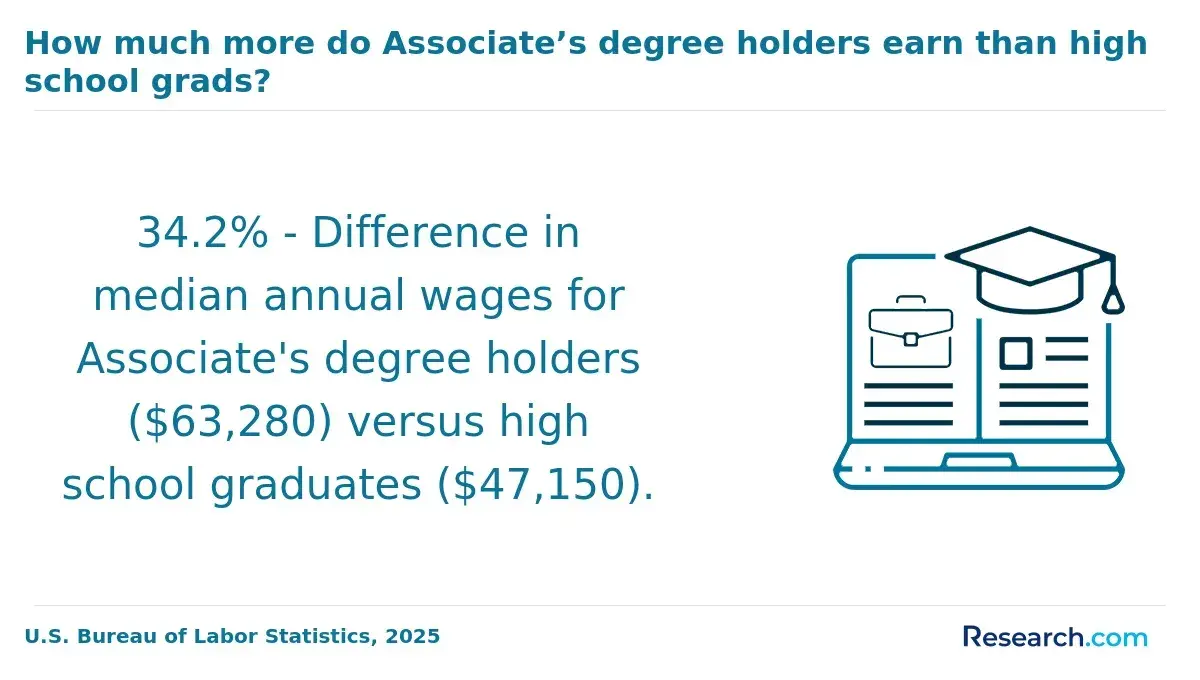
Data from the Bureau of Labor Statistics, PayScale, and LinkedIn Salary Insights show that median starting salaries for graduates with an online astronomy & space studies bachelor's degree typically fall between $50,000 and $60,000 annually. This range is generally comparable to on-campus graduates when adjusting for geographic location and job role.
Over the first decade, earnings often rise to between $80,000 and $100,000, reflecting factors such as industry demand, accumulated experience, and advancing skills.
- Median Starting Salary: Online graduates start with salaries roughly equal to their traditional counterparts, showing that employer acceptance of online credentials has improved significantly.
- Mid-Career Salary Growth: After about 10 years, professionals often see notable income increases, reaching up to $100,000 as they move into specialized or leadership roles.
- Specialization Impact: Salary potential improves for those focusing on areas like astrophysics or aerospace technology, where niche expertise is highly sought after.
- Institutional Outcomes: Transparency reports and IPEDS data from select schools reveal similar employment rates for online and on-campus graduates, underscoring broad acceptance of accredited online degrees.
Forming a realistic salary expectation depends on regional job markets and whether graduates pursue advanced degrees, which typically boost earning potential. An online astronomy & space studies degree under $10,000 offers a cost-effective path without compromising future opportunities.
A professional who completed an online astronomy & space studies bachelor's program shared valuable insights when asked about salary comparability. He noted the challenge of balancing coursework with full-time employment and family responsibilities but emphasized that the flexibility allowed him to keep advancing professionally.
"It wasn't just about the numbers," he said, "but knowing I could build relevant skills and be respected in the field despite earning my degree online." His experience highlights the growing recognition employers place on accredited online education, reinforcing that salary outcomes align closely with those of traditional graduates.
While a PhD is still required for lead research roles, a bachelor's degree provides a strong foundation for technical, analytical, and educational careers. Here are the primary career paths and job opportunities:
Astronomer and Physicist: These specialists examine celestial bodies and phenomena, often requiring graduate education for research roles. However, some technical and support positions in observatories are accessible with a bachelor's degree. The U.S. Bureau of Labor Statistics (BLS) forecasts a robust 17% growth rate in these fields through 2031.
Data Analyst in Space Science: Professionals in this area analyze extensive data from telescopes and satellites. A bachelor's degree paired with strong programming and statistical skills typically meets job requirements. Rising data collection from space missions fuels growing demand for these analysts.
Science Educator and Outreach Coordinator: Graduates often enter roles in teaching, planetarium management, or science communication. While secondary education jobs generally require certification, informal positions in outreach and public engagement may not. Employment prospects in science education show steady growth.
Engineering and Technical Roles: Opportunities exist in aerospace and satellite technology industries, focusing on designing instruments or supporting missions. These jobs usually require additional certifications or technical training alongside a bachelor's degree, reflecting a stable industry outlook.
Environmental and Atmospheric Scientist: Some graduates transition to studying Earth's environment and climate. Although entry-level roles accept a bachelor's degree, advanced research positions tend to demand further education. Strong growth is expected, driven by increasing climate studies.
Choosing specific concentrations within an online astronomy & space studies bachelor's degree-such as astrophysics, planetary sciences, or space engineering-can refine career prospects and improve compatibility with graduate programs. For those considering a valuable degree option with strong career opportunities and flexible study paths, exploring options like an MSW degree alongside may also provide insight into diverse educational routes.
Online astronomy and space studies programs have moved beyond simple lectures to provide a "virtual observatory" ecosystem. Here are the key student support services promoting success and retention:
Academic Advising: Students benefit from personalized guidance on course planning, transfer credit assessments, and degree requirements. Advisors tailor support to align coursework with career goals, a crucial resource for military veterans and working adults balancing multiple commitments.
Tutoring Centers: Online tutoring services commonly focus on astronomy, physics, and mathematics, providing real-time or flexible support to clarify complex subjects and boost analytical skills.
Writing Labs: Virtual writing centers assist with developing clear, well-organized scientific papers, offering constructive feedback to strengthen communication skills essential in astronomy professions.
Mental Health Counseling: Telehealth access to licensed counselors helps students navigate stress, time management, and the challenges of maintaining a healthy work-life balance while studying remotely.
Career Services: Top-tier programs offer extensive career assistance, including internship placement, job search support, and fostering connections through alumni mentorship and industry partnerships.
- Alumni Mentorship Networks: Graduates provide career insights and professional advice to current students, enhancing networking opportunities.
- Employer Partnership Programs: Collaboration with aerospace firms and research organizations delivers exclusive internship and job prospects.
Data from the National Survey of Student Engagement and institutional retention reports consistently reveal that students enrolled in programs with comprehensive support services achieve higher graduation rates and are more likely to complete their degrees on schedule.
When a professional who completed an online astronomy & space studies bachelor's reflected on her experience, she highlighted the value of proactive advising amid managing work and family responsibilities. She recalled, "Having an advisor who understood my unique challenges made all the difference-they helped me map out a realistic plan that kept me motivated."
The tutoring services, she noted, were "invaluable during complex coursework," while the writing lab improved her confidence in delivering scientific arguments. She also found telehealth counseling reassuring when balancing study pressures with personal life. This combination of support enabled her to persist through difficult periods and graduate successfully, laying a foundation for her current career.
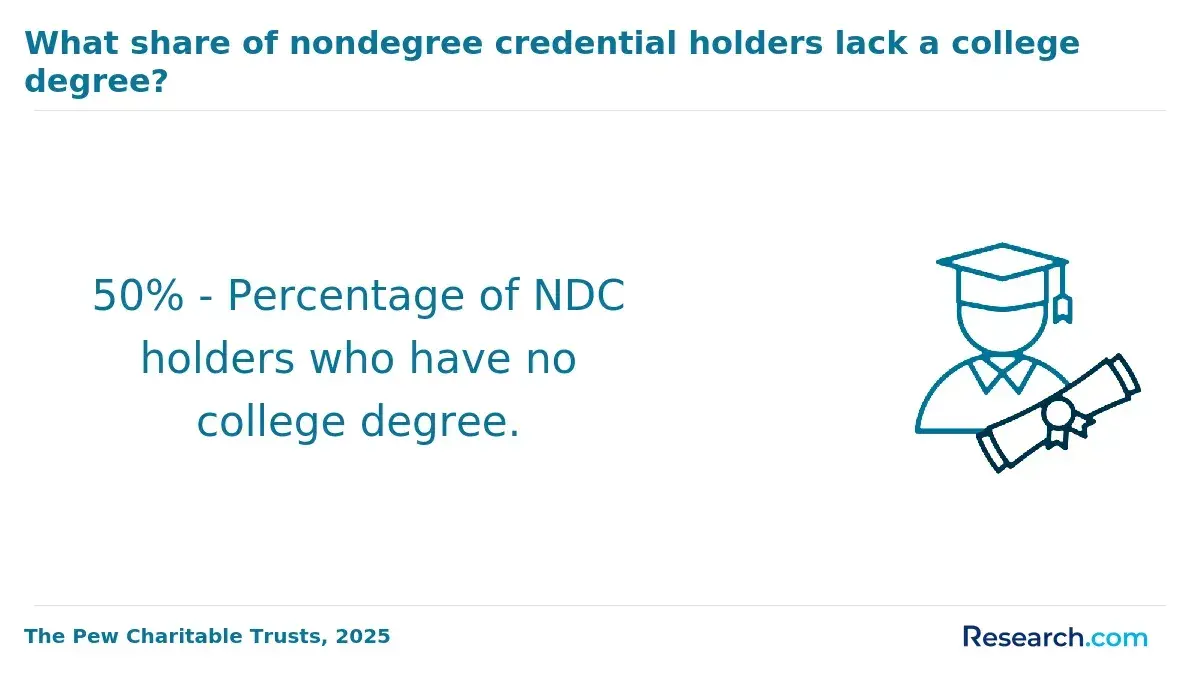
Recent data from the Society for Human Resource Management (SHRM) reveal that over three-quarters of hiring managers now consider accredited online astronomy & space studies bachelor's degrees equal to traditional campus-based credentials for STEM positions.
This growing acceptance is driven by improvements in online program quality and stringent accreditation processes. Positions in research, data analysis, and technical roles within astronomy and space sectors increasingly recognize online degrees on par with their in-person counterparts.
Nonetheless, some employer preferences vary by job type. Careers requiring intensive laboratory work or hands-on training, such as experimental astrophysics or aerospace engineering, often favor candidates with in-person experience or specific internships.
In contrast, aerospace firms, governmental agencies including NASA, and observatories frequently recruit graduates from accredited online programs that integrate practical learning elements.
Schools like Embry-Riddle Aeronautical University and the University of Florida report strong employment outcomes for their online astronomy & space studies alumni, highlighting the value of program accreditation and industry ties.
Such connections enhance graduates' visibility among top employers who actively seek candidates possessing both theoretical knowledge and applied skills.
Prospective students should carefully evaluate expected employer demands within their desired field-gauging the emphasis placed on experiential training versus conceptual expertise. Confirming the accreditation status of online programs is essential for ensuring degree recognition in the job market.
Additionally, access to internships and networking opportunities through online courses plays a crucial role in bridging academic preparation with employment prospects.
- Employer Acceptance: Accredited online astronomy & space studies degrees are widely regarded as equivalent to traditional campus degrees in STEM fields, promoting fairness in hiring.
- Job-Specific Preferences: Roles requiring hands-on lab work may prefer on-campus credentials, though many analysis and research positions welcome online degree holders.
- Accreditation Value: Degrees from regionally or nationally accredited online programs strengthen job prospects through recognized rigor and relevant outcomes.
- Key Recruiters: Aerospace companies, government agencies such as NASA, and observatories increasingly hire graduates from reputable online programs.
- Informed Choices: Students should assess employer expectations in their sector and select programs offering practical experience and strong industry relationships.
Accreditation is crucial when evaluating online astronomy & space studies bachelor's programs, as it determines academic legitimacy, transferability of credits, acceptance by employers, and eligibility for graduate school. In the U.S., there are two main types of institutional accreditation: national and regional.
Regional accreditation is generally more prestigious and widely recognized, offering students better opportunities to transfer credits, secure federal financial aid, and pursue advanced degrees. National accreditation typically applies to vocational or specialized schools and may not enjoy broad recognition beyond their own institutions.
Six regional accrediting bodies recognized by the U.S. Department of Education serve different geographic areas and maintain rigorous standards:
- Higher Learning Commission (HLC): covers institutions in the central U.S.
- Southern Association of Colleges and Schools Commission on Colleges (SACSCOC): Southern states
- New England Commission of Higher Education (NECHE): New England region
- Middle States Commission on Higher Education (MSCHE): Mid-Atlantic states
- Northwest Commission on Colleges and Universities (NWCCU): Northwest states
- WASC Senior College and University Commission (WSCUC): Western states and California
Students can verify accreditation status using databases from the Council for Higher Education Accreditation (CHEA) or the U.S. Department of Education (ED). These sources confirm whether a program is currently accredited and eligible for federal aid.
Unlike fields such as engineering or nursing, astronomy & space studies does not have specialized programmatic accreditation. Attending a regionally accredited institution remains the most reliable way to ensure your degree is valued both professionally and academically.
Enrolling in an unaccredited or lapsed-accreditation program carries serious risks: students may lose access to federal financial aid, credits might not transfer, and employers or graduate schools may not recognize the degree. Over 85% of employers in STEM fields, including astronomy, consider accreditation a critical criterion when assessing candidate credentials.
Completing an online Astronomy & Space Studies bachelor's degree typically requires 120 credit hours, normally spread over four years of full-time study. However, the duration can vary widely among online students due to program structure and individual circumstances. Many institutions offer accelerated eight-week courses instead of the traditional 16-week semesters, enabling motivated students to complete degree requirements in two to three years.
Competency-based education (CBE) pathways also influence time-to-completion by assessing mastery of skills and knowledge rather than time spent in class. Universities such as Southern New Hampshire University and Liberty University have developed options that shorten degree timelines through CBE and extensive transfer credit acceptance, which is especially helpful for military veterans and working professionals. Year-round enrollment furthers this flexibility by allowing students to take consecutive courses without summer breaks.
Students weighing how long does an online Astronomy & Space Studies bachelor's degree typically take to complete should consider these factors, as faster completion reduces both direct tuition costs and opportunity costs linked to delaying full-time employment.
Many verified sources report students finishing accelerated programs in as little as two years, benefiting those balancing work and family. Those aiming for maximum cost efficiency might explore financial planning options similar to those in fields such as an online MBA no GMAT low cost.
- Standard Credit Load: Most bachelor's degrees require 120 credits, typically distributed over four years, but accelerated programs enable faster completion.
- Accelerated Formats: Eight-week course terms and continuous year-round enrollment help students progress more quickly than traditional semesters.
- Competency-Based Education: Mastery-based assessments allow those with prior knowledge or experience to advance rapidly through coursework.
- Transfer Credits: Acceptance of military and previous college credits can significantly reduce required coursework and overall time.
- Financial Impact: Graduating sooner lowers tuition expenses and decreases income lost due to time away from the workforce.
Students seeking affordable financial aid options for online Astronomy & Space Studies bachelor's programs have several key resources to explore. Federal Pell Grants offer need-based funding determined by FAFSA (Free Application for Federal Student Aid) applications, requiring no repayment. Award amounts depend on financial need and enrollment status.
- Direct Subsidized and Unsubsidized Loans: These federal loans provide low-interest borrowing. Subsidized loans accrue no interest during school based on financial need, while unsubsidized loans accrue interest immediately.
- Institution-Specific Scholarships: Many universities provide scholarships for online Astronomy & Space Studies students based on merit, need, or demographics like veterans or underrepresented groups. It's crucial to review individual school aid pages.
- State Grant Programs: Several states offer grants to residents enrolled in approved online degrees, often requiring FAFSA submission and proof of residency.
Examples of scholarships tailored to astronomy & space studies include the Astronomical Society of the Pacific Scholarship, awarding $1,000 to $3,000 for demonstrated academic achievement. The Barry M. Goldwater Scholarship supports STEM students, offering up to $7,500 annually to those showing strong research potential. The American Astronautical Society provides educational grants aimed at students engaged in space studies.
Completing the FAFSA early is critical since many aid programs distribute funds on a first-come, first-served basis. FAFSA gathers financial data for federal and state aid eligibility and may influence institution-based scholarship decisions.
Combining multiple aid sources-grants, scholarships, employer tuition reimbursement, and federal work-study-can minimize out-of-pocket expenses. Working parents, veterans, or mid-career professionals should consult financial aid advisors to optimize this layering approach. Prospective students interested in credit transfers or shorter pathways may also explore 2 year online degrees as stepping stones toward their Astronomy & Space Studies bachelor's.
Admission standards for online astronomy & space studies bachelor's programs differ significantly between competitive and open-access institutions. Nearly all require a high school diploma or GED, establishing a foundation for college readiness. Selective programs often expect a minimum GPA ranging from 2.5 to 3.5 on a 4.0 scale, while open-enrollment schools typically have more flexible or no strict GPA criteria, focusing on motivation and potential.
- Standardized Tests: Many programs have transitioned to test-optional policies, especially following the pandemic, so SAT or ACT scores are not universally required. However, some competitive schools may still use these scores for scholarships or placement.
- Prerequisite Coursework: A solid background in math and science-including algebra, geometry, physics, and chemistry-is often recommended to handle the technical demands of astronomy & space studies curricula.
- Rolling Admissions: Numerous online programs offer continuous application periods without fixed deadlines, which is advantageous for adult learners, working parents, veterans, and career changers managing diverse responsibilities.
- Strengthening Your Application: Applicants with qualifications below program thresholds can enhance their profiles by:
- Completing relevant courses at community colleges to boost GPA and foundational knowledge.
- Acquiring professional certifications related to science or technology fields.
- Submitting strong letters of recommendation that emphasize skills and commitment.
Evaluating an online astronomy and space studies program requires looking past the stargazing appeal to the technical reality of the field. Here's what you need to consider:
Accreditation: Confirm that the program holds regional or national accreditation recognized by the U.S. Department of Education to ensure academic quality and employer acceptance.
Cost and ROI: Evaluate total expenses beyond tuition, including technology fees, proctoring charges, textbooks, and any mandatory residencies. Use the U.S. Department of Education's College Scorecard, IPEDS Data Center, and university net price calculators to compare net costs and potential post-graduation earnings for a realistic return on investment.
Program Format and Flexibility: Check whether classes are synchronous or asynchronous to align with your schedule. Flexibility is essential for working parents, veterans, and professionals juggling multiple commitments.
Career Outcomes Data: Seek programs that provide transparent information on graduate employment rates, average salaries, and acceptance into advanced degree programs to gauge future opportunities in astronomy & space studies fields.
Student Support Services: Look for accessible academic advising, tutoring, technical assistance, and career counseling specifically tailored to astronomy & space studies students to enhance your learning experience.
Transfer Credit Policies: Verify how prior college coursework, military training, or professional credentials apply toward degree requirements to potentially shorten your time and reduce costs.
To progress from research to enrollment, consider these steps:
- Schedule Informational Interviews: Engage with admissions staff to clarify program details and fit.
- Request Net Price Estimates: Obtain individualized financial breakdowns including aid options.
- Review Financial Aid Deadlines: Ensure timely applications for scholarships, grants, and loans.
- Audit Transfer Credits: Collect transcripts and service records to confirm credit eligibility.
- Set a Target Enrollment Date: Define a clear goal to organize application and funding efforts.
What Graduates Say About the Value of Their Online Astronomy & Space Studies Bachelor's Degree
- Dante: "Choosing the online Astronomy & Space Studies bachelor's degree program was a game-changer for me because it allowed me to balance my full-time job while pursuing a passion I've always had. The affordability was surprising-much less than traditional programs-yet the depth of knowledge and resources felt just as valuable. I now work in aerospace research and feel that this degree truly opened doors to a career I love. "
- Collin: "Reflecting on my time in the online Astronomy & Space Studies bachelor's degree program, I appreciate how it combined flexibility with rigorous academic standards. The investment was reasonable, and the financial aid options made it accessible without overwhelming debt. Professionally, this program gave me the confidence and credentials to step into a role at a leading observatory, where I contribute to exciting projects daily."
- Dylan: "The online Astronomy & Space Studies bachelor's degree program exceeded my expectations by integrating immersive learning experiences with expert faculty guidance. I was initially drawn by the program's reputation and the potential return on investment, which proved true as I secured a position with a space technology startup soon after graduation. It empowered me to turn a lifelong curiosity about the cosmos into a meaningful, rewarding career."
Other Things You Should Know About Astronomy & Space Studies Degrees
Most programs require calculus I–III, differential equations, and two semesters of calculus-based physics, plus labs where needed. Upper-division astronomy often adds mechanics, electromagnetism, astrophysics, and statistics. Some schools also require programming, usually Python or MATLAB, before graduation.
Transfer credit policies vary, but most online astronomy & space studies programs accept a significant portion of credits from accredited institutions. Prior learning through military service, professional experience, or standardized exams may also count toward degree requirements. Prospective students should verify credit transfer limits and evaluation procedures with their chosen school before enrolling.
An online astronomy & space studies degree from an accredited institution is generally recognized by graduate programs in astronomy, physics, and related fields. Admissions committees typically focus on the rigor of coursework and academic performance rather than the mode of study. Graduates who maintain strong grades and research experience remain competitive for advanced degree opportunities.
- Study Space Technologies at the AGH University: Zero semester for bachelors! https://innowacyjna.malopolska.pl/en/news/study-space-technologies-at-the-agh-university-zero-semester-for-bachelors
- Space-related degrees - Space Training Catalogue https://training.spaceskills.org/degrees
- Planetary Astronomy and Science https://www.fastweb.com/directory/scholarships-for-planetary-astronomy-and-science-majors
- Best Bachelor Degrees in Astronomy & Space Sciences in the world 2023 — Erudera https://erudera.com/study-programs/astronomy-space-sciences/bachelor-degree/online/
- 782 Academic excellence Undergraduate Astronomy Scholarships available https://www.hotcoursesabroad.com/study/international-scholarships/all/Undergraduate/astronomy/academic-excellence/all/cid/2/b12/1168/nty/scholarship16.html
- 10 college degrees with the best return on investment https://qz.com/college-degrees-highest-best-return-on-investment
- Financial Resources for Beginner Astronomers https://www.creditdonkey.com/resources-beginner-astronomer.html
- Career Opportunities in Space Exploration and Astronomy https://thamescollege.org/career-opportunities-in-space-exploration-and-astronomy/
- Is College Worth it? | Return on Investment Analysis of College Degree https://educationdata.org/college-degree-roi
- Best Scholarships for Astronomy Students | Student Tips | SigmaOS https://sigmaos.com/tips/students/best-scholarships-for-astronomy-students