2027 Online Astronomy & Space Studies Bachelor's Degrees for Adults Over 30

Co-Founder and Chief Data Scientist
Adults over 30 face unique challenges when returning to school, often balancing careers, families, and long-term goals. Many seek online Astronomy & Space Studies bachelor's degrees for flexibility and to leverage their life experience. The field offers promising growth, with a projected 8% employment increase in astronomy and space sciences over the next decade.
For those aiming to advance their careers or pursue personal fulfillment, managing time effectively is critical. Online programs designed for mature learners provide the support and schedules needed to succeed. This article explores how adults over 30 can navigate and benefit from online Astronomy & Space Studies degree options to meet their educational and professional aspirations.
Key Benefits of Online Astronomy & Space Studies Bachelor's Degrees for Adults Over 30
- Online astronomy & space studies bachelor's programs offer flexible scheduling that allows adults over 30 to complete coursework around work and family commitments, enhancing accessibility.
- These degrees can open doors to advanced roles in science, education, and aerospace, with a projected 6% job growth in related fields through 2030.
- Balancing education with personal and professional responsibilities is feasible due to asynchronous classes and supportive online resources tailored to adult learners.
Is 30 too old to start an astronomy & space studies bachelor's degree?
Many higher education institutions have adapted to welcome a diverse student population, making starting an astronomy & space studies degree after 30 increasingly common and achievable. Adult learners astronomy & space studies programs now form a significant part of undergraduate demographics, reflecting broader changes in who pursues higher education.
This shift highlights that age is no longer a barrier, and mature students can engage fully in academic pursuits alongside younger peers. Such inclusivity ensures that education remains accessible regardless of life stage.
Colleges and universities supporting learners over 30 often provide inclusive learning environments and well-structured academic frameworks. These programs emphasize support and tailored guidance to help students progress steadily while respecting the unique perspectives adult learners bring to the classroom.
Programs in astronomy & space studies typically offer broad academic pathways, allowing students to explore a range of interests and professional goals. For those interested in advancing their education quickly, exploring EdD online programs can also provide insights into accelerated learning models applicable across disciplines.
Why do adults over 30 choose online degree programs?
Adults over 30 increasingly pursue online astronomy & space studies bachelor's programs to balance personal and professional responsibilities while expanding their expertise. Approximately 40% of undergraduate online students fall into this mature learner category, reflecting a significant trend in higher education flexibility.
Several key factors drive adults over 30 to choose flexible online bachelor's programs in astronomy and space studies for adult learners:
- Schedule Flexibility: Online formats enable students to fit education around work, family, and other commitments without relocating or altering full-time jobs.
- Career Advancement: Gaining specialized knowledge allows adults to transition into or progress within science-related fields such as research support and education.
- Access to Quality Curriculum: Remote learning offers access to reputable programs and cutting-edge material that might not be available locally in this niche subject.
- Personal Enrichment: Many adult learners pursue these degrees for intellectual fulfillment and lifelong learning, driven by a passion for space science beyond immediate career goals.
For those exploring accelerated options, programs like 1 year MSW programs demonstrate the evolving landscape of online education catering to adult students seeking efficient degree completion.
What challenges do adults over 30 face in online astronomy & space studies programs?
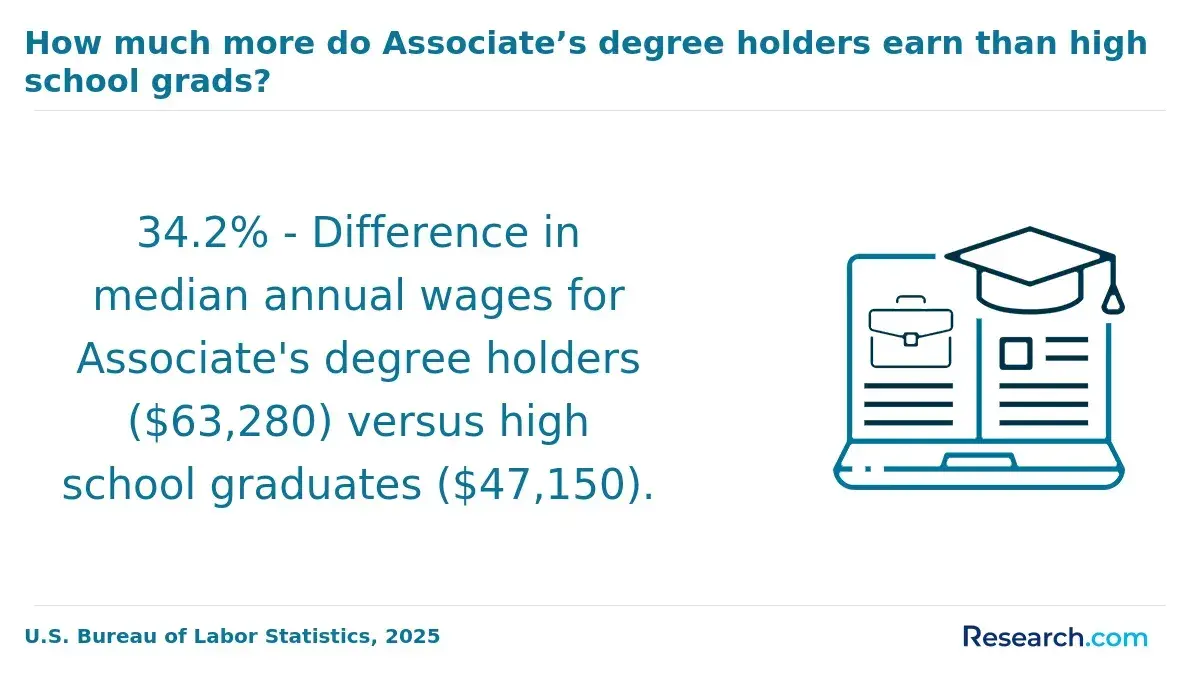
Adults over 30 returning to education through an online astronomy & space studies bachelor's program often face distinct challenges compared to younger students. Navigating this transition requires managing new academic and personal demands simultaneously.
These challenges include:
- Academic Adjustment: Reengaging with rigorous coursework and adopting effective study habits can be difficult after time away from formal education. Complex subjects in astronomy often require focused effort to master foundational concepts anew.
- Time Management: Balancing coursework with existing job responsibilities, family care, and social life demands careful planning. The pressure of multiple commitments can heighten stress and complicate consistent study routines.
- Technology Skills: Many online programs depend on digital platforms and specialized astronomy software, which may be unfamiliar to returning students. Learning to navigate these tools efficiently is essential to staying on track.
- Work-Life-Academic Balance: Managing the emotional and physical toll of combining professional duties, personal life, and study requires resilience. Fatigue and limited study time are common obstacles for older students.
When discussing these realities with a professional who completed an online astronomy & space studies degree after age 30, he shared that adjusting to academic expectations was initially overwhelming. He recalled, "It felt like starting from scratch, especially with advanced mathematics and physics, which hadn't been part of my daily routine for years."
Juggling work and family alongside coursework tested his organizational skills, explaining, "There were nights I had to sacrifice sleep to meet deadlines." At the same time, learning new technology was frustrating but rewarding: "Some software took a lot of trial and error before it clicked." Despite these hurdles, he emphasizes how persistence and adapting his schedule helped him succeed in this challenging but rewarding endeavor.
Online astronomy & space studies bachelor's degree programs offer adults over 30 flexible options that help balance school with careers, family, and other commitments. Over half of all online postsecondary students are aged 30 or older, demonstrating how popular adaptable learning formats have become for adult learners.
Flexible scheduling options in adult learner-friendly astronomy & space studies online degree programs cater to diverse lifestyles. Key options include:
- Asynchronous Classes: These courses let students access materials and complete assignments anytime, eliminating the need for live attendance and accommodating varied daily routines.
- Evening and Weekend Availability: Many programs include live or recorded sessions outside typical work hours, supporting those who hold daytime jobs.
- Accelerated Pacing: Learners motivated to progress quickly can choose faster course timelines, finishing requirements sooner than traditional semesters allow.
- Self-Paced Enrollment: Some degrees enable students to start and finish courses independently of fixed calendars, giving maximum control over when and how they study.
For those exploring entry points into flexible graduate studies, the easiest online MSW program may offer similarly accessible formats tailored to adult learners' needs.
Adults over 30 enrolled in online astronomy & space studies bachelor's programs typically invest between 12 and 18 hours weekly in their coursework, though this can fluctuate depending on factors like course load, program design, and personal learning speed.
Many students balance studies with work, family, and other commitments, so they often adopt flexible routines-some prefer shorter daily sessions, while others reserve longer study periods during weekends.
Research shows that undergraduate online learners spend roughly 15 hours each week engaged in academic activities, but how those hours are allocated can influence knowledge retention and overall success. Tailoring study schedules to fit life demands is a common approach that allows adult learners to progress at a comfortable pace without sacrificing other responsibilities.
When asked about her experience, an adult learner over 30 pursuing an online astronomy & space studies bachelor's degree shared that initially, finding consistent study time was challenging amid job and family duties.
She described setting small, achievable goals for each session and embracing early mornings to focus without distraction. "Some weeks felt overwhelming, especially near exams, but breaking down content into manageable chunks helped," she said. Over time, she noticed that adapting her schedule to daily demands improved both her motivation and comprehension, making the overall process rewarding despite initial doubts about balancing everything.
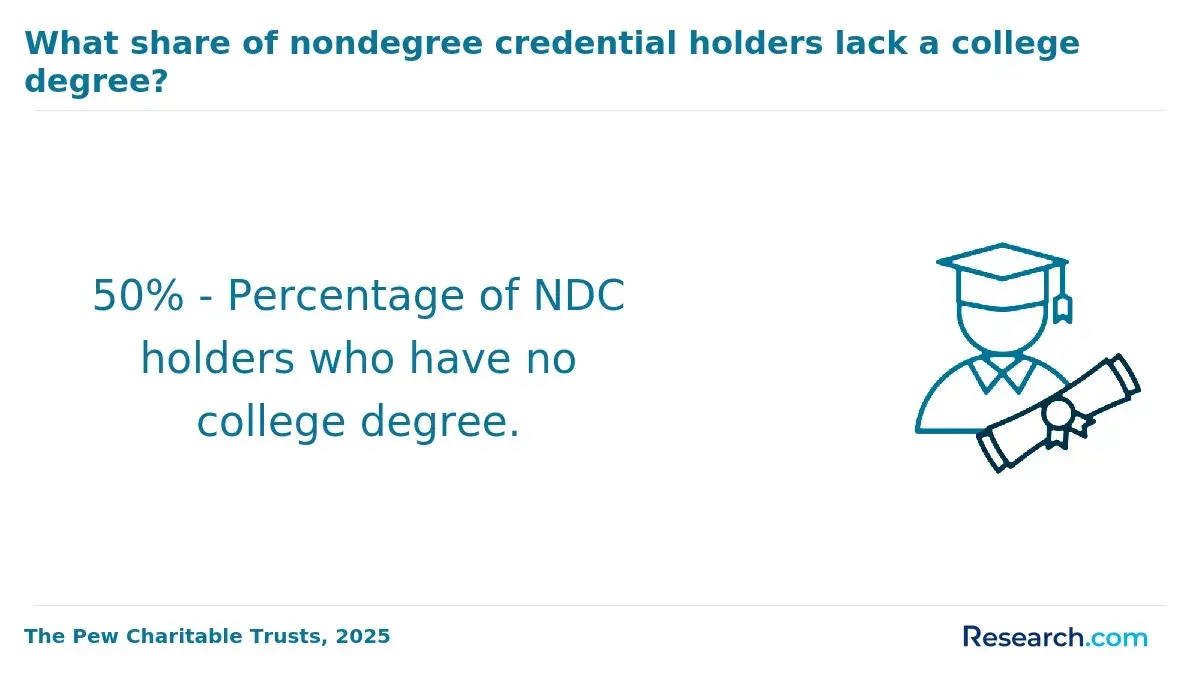
Adults over 30 pursuing an online astronomy & space studies bachelor's degree generally complete their programs in three to six years, depending on various personal and academic factors. The actual time needed can vary significantly based on each student's unique situation.
Several important factors influence the duration of degree completion, including:
- Course Load: Full-time students who enroll in a standard course schedule often finish in about four years or less. Part-time students, balancing education with work or family, usually take longer due to fewer courses per term.
- Pacing Flexibility: Many online programs offer options to accelerate progress through shorter terms or continuous enrollment, while others follow traditional semester timelines that may extend the degree length.
- Transfer Credits: Students who can apply previously earned college credits reduce the number of required classes, significantly shortening their path to graduation.
- Continuous Enrollment: Maintaining steady, uninterrupted study helps students graduate sooner. Interruptions for life events or work can delay program completion.
- Academic Preparedness: Prior experience with STEM subjects can speed up progress by reducing the need for remedial or foundational coursework, allowing students to focus on advanced material earlier.
Online astronomy & space studies bachelor's degree costs for adults over 30 generally range between $10,000 and $40,000 for the full program. This wide range depends on factors like institution type, program length, and residency status.
Several key cost considerations help explain the overall expense for adult learners pursuing these degrees online:
- Tuition Structure: Tuition often charges per credit hour, typically between $200 and $800. Some programs offer flat-rate tuition per semester or flexible payment plans to accommodate working adults.
- Additional Fees: Technology fees, exam charges, and access to online labs or specialized software can add to costs. These fees vary but are important to budget for alongside tuition.
- Learning Materials: While some courses include digital textbooks, others require students to purchase materials, which can cost between $500 and $1,000 annually.
- Financial Aid Options: Adults over 30 may qualify for employer tuition reimbursement, veteran benefits, or federal student aid. Some programs also provide reduced tuition or credit for prior learning, which can lower expenses.
- Program Length and Transfer Credits: The duration of the degree and transfer policies influence total costs. Returning students often benefit from credit for previous work, reducing time and tuition needed.
Nearly 40% of undergraduates enrolled in distance education courses are aged 25 and older, demonstrating a growing demand for adult-friendly online programs. These learners often seek online astronomy & space studies bachelor's degrees designed specifically to accommodate their unique challenges and schedules.
Key features that make such programs effective for adults include:
- Flexible Scheduling: Asynchronous courses allow students to access lectures and assignments at their convenience, which is essential for those balancing work, family, and other commitments. Flexible space studies bachelor's degrees for adults often provide options that fit irregular hours.
- Accessible Course Delivery: Mobile-friendly platforms and multimedia content such as videos and interactive models cater to varied learning styles and make studying more manageable for adults who may be returning to education after years away from formal classrooms.
- Comprehensive Support Services: Dedicated academic advising, career counseling, tutoring, and technical support tailored to nontraditional students help overcome challenges unique to adult learners. Virtual office hours and online communities further facilitate connection and motivation.
- Adaptable Learning Environments: Programs that allow self-paced progress and credit for prior learning recognize and respect adults' existing skills and experience, enabling faster degree completion.
Adults considering their educational options might also explore resources for other fields; for example, those interested in flexible learning formats may find valuable insight at online real estate degree programs.
Overall, adult-friendly online astronomy degree programs offer a blend of flexibility, accessibility, and support that aligns well with the diverse needs of learners over 30.
Earning an astronomy & space studies bachelor's degree after age 30 can significantly broaden career prospects across various cutting-edge industries. Adult learners bring valuable maturity and diverse skill sets, meeting the growing demand for skilled professionals in science-related fields. According to the National Center for Education Statistics, nearly 40% of recent bachelor's degree recipients in science fields are age 25 or older.
Those seeking astronomy and space studies careers for adults over 30 will find multiple pathways that leverage their education and experience. Key job opportunities with an astronomy and space studies bachelor's degree later in life include the following roles:
- Research Scientist: Professionals in this role analyze data from telescopes and satellites to study celestial phenomena. Their research contributes to expanding scientific knowledge of the universe and supports the development of new theories in physics and astronomy.
- Planetarium Educator: These educators create engaging presentations to teach diverse audiences about space science. This career combines scientific knowledge with communication skills, making complex astronomical concepts accessible to the public.
- Data Analyst in Aerospace: Data analysts working in aerospace interpret large datasets from space missions, helping optimize satellite functionality and mission success. The strong analytical abilities developed during astronomy studies are critical for this position.
- Science Writer or Communicator: Science communicators translate advanced astronomy research into reports, articles, and educational content for both academic and general audiences. This role is ideal for those passionate about making scientific knowledge more understandable and widely available.
- Satellite Operations Specialist: Specialists monitor and control satellite systems, ensuring effective scientific observations and communications. Expertise in orbital mechanics and space technologies gained through astronomy programs is essential for this job.
Adults interested in further education may also consider complementary studies such as an online math bachelor's degree to enhance their analytical skills and expand career opportunities in the space sciences.
Employers in scientific and technical fields primarily assess candidates based on their skills, qualifications, and relevant experience rather than age. Demonstrating current knowledge, problem-solving ability, and practical competence tends to outweigh chronological age in hiring decisions for those with an online Astronomy & Space Studies bachelor's degree.
A Society for Human Resource Management survey found that 83% of employers are willing to hire non-traditional or older graduates, valuing the diverse perspectives and maturity they contribute. This highlights a shift toward evaluating potential and capabilities over age-related assumptions.
Continuous learning and skill enhancement are increasingly important in today's workforce, signaling adaptability and commitment to growth. Employers often view candidates who pursue education later in life positively, recognizing their dedication to staying current and relevant.
Many organizations in astronomy, space exploration, and related sectors emphasize inclusivity and appreciate hands-on experience combined with formal education. Such attributes tend to strengthen employment prospects regardless of the candidate's age.
What Graduates Say About Online Astronomy & Space Studies Bachelor's Degrees for Adults Over 30
- Dante: "Choosing to pursue an online astronomy & space studies bachelor's degree after turning 30 was a deliberate decision to align my passion with my career. The flexibility of the program allowed me to balance work, family, and studies effectively, which is crucial for adult learners. Completing the degree opened doors to advanced roles in aerospace engineering, proving that dedication at any age can redefine your professional path."
- Collin: "Returning to school in my early 30s was daunting, especially in a complex field like astronomy & space studies. The biggest challenge was adapting to the rigorous scientific material while managing time with my job and personal commitments. However, the experience gave me a renewed confidence and critical thinking skills that have significantly enhanced my career as a science communicator."
- Dylan: "Enrolling in an online astronomy & space studies bachelor's program over 30 was inspired by my lifelong intrigue with the cosmos and a desire for career growth. The mature-student environment fostered peer connections and rich discussions that enriched my learning far beyond textbooks. Ultimately, the degree was a transformative milestone that elevated my role in space research and ignited new professional opportunities."
Other Things You Should Know About Astronomy & Space Studies Degrees
It is essential to choose programs accredited by recognized regional or national accrediting agencies to ensure academic quality and transferability of credits. For astronomy & space studies, specialized accreditation is rare, so regional accreditation and recognition by organizations such as the American Astronomical Society can be valuable indicators of program credibility.
Online programs in 2027 offer robust support for adults returning to study, including flexible scheduling, academic advising, and career services. Many platforms also provide peer networking opportunities and access to virtual labs and telescopes, ensuring that adult learners can effectively manage their studies alongside personal and professional commitments.
Most fully online astronomy bachelor’s programs do not require regular in-person labs or telescope sessions, but some require a short on-campus lab, proctored exam, or approved remote observing assignment. Students should check whether the program is 120 credits and whether science labs are delivered virtually or through local partners.
- [Beyond] Undergraduate astronomy degrees vary widely. Here’s what could be done to fix that. | astrobites https://astrobites.org/2026/04/01/surge-findings/
- Gender and the Career Outcomes of PhD Astronomers in the United States https://ar5iv.labs.arxiv.org/html/1903.08195
- Study Space Technologies at the AGH University: Zero semester for bachelors! https://innowacyjna.malopolska.pl/en/news/study-space-technologies-at-the-agh-university-zero-semester-for-bachelors
- Opportunities https://www.stsci.edu/opportunities
- SpaceCareers.uk https://spacecareers.uk/
- Distance Learning Courses - Physics, Space Science and Theories - Stargazers Lounge https://stargazerslounge.com/topic/341445-distance-learning-courses/
- Astronomy and Your Career https://physics.dartmouth.edu/undergraduate/careers-physics-and-astronomy/astronomy-and-your-career
- Is 31 Too Old to Pursue Astrophysics Degree? https://www.physicsforums.com/threads/is-31-too-old-to-pursue-astrophysics-degree.571721/
- This website is not available in your country https://www.space-careers.com/article/804/space-science-and-research-careers-in-astrophysics-and-planetary-science
- Space-related degrees - Space Training Catalogue https://training.spaceskills.org/degrees