2027 Highest Paying Careers With an Astronomy & Space Studies Bachelor's Degree

Co-Founder and Chief Data Scientist
Careers stemming from an Astronomy & Space Studies bachelor's degree offer remarkable income potential, especially for those prioritizing financial stability or long-term wealth accumulation. Graduates skilled in data analysis, astrophysics, or aerospace technology often enter industries such as research institutions, aerospace manufacturing, or government agencies where compensation reflects their specialized expertise. According to the U. S. Bureau of Labor Statistics, employment for astronomers and physicists is projected to grow 7% from 2022 to 2032, signaling steady demand and lucrative opportunities. Understanding salary trends within these sectors is essential for informed career decisions. This article explores the highest paying careers available to graduates and why salary insights matter for strategic planning.
Key Benefits of the Highest Paying Careers With a Astronomy & Space Studies Bachelor's Degree
- Astronomy & Space Studies graduates often command salaries well above the national average, reflecting the high demand for specialized skills in aerospace, research, and technology sectors.
- Careers related to astronomy offer clear pathways for advancement, frequently leading to leadership roles in research institutions, space agencies, or private aerospace companies.
- Long-term financial stability is supported through consistent industry growth, with many professionals benefiting from strong job security and opportunities for continual professional development.
How Much Do Astronomy & Space Studies Bachelor's Degree Jobs Pay on Average?
Jobs requiring a bachelor's degree in Astronomy & Space Studies typically offer an average salary range between $55,000 and $85,000 per year. This range reflects entry-level to mid-career positions commonly found in space research, technology, and education sectors. The median annual wage for physical scientists, including astronomers and related roles, was approximately $79,000 according to recent U.S. Bureau of Labor Statistics data, providing useful context when comparing average salary for astronomy & space studies graduates by job title.
Several factors influence where a graduate may fall within this salary range. Experience is a key determinant, with recent graduates usually starting near the lower end and those with more years of work moving toward higher pay. Industry type also matters, as private companies and government agencies often provide more competitive salaries than academic or nonprofit organizations. Geographic location plays a role too, since metropolitan areas or regions dense with aerospace firms tend to offer higher compensation to match living costs. Those interested in further advancing their career and earning potential might explore options like online mba programs to enhance their qualifications and open new opportunities.
What Are the Highest-Paying Jobs With a Astronomy & Space Studies Bachelor's Degree?
Graduates with a bachelor's degree in Astronomy & Space Studies can access several high-paying roles depending on industry and experience, leveraging their specialized skills in data analysis, technology, and critical thinking. These positions span sectors such as aerospace, government space agencies, and technical communication, offering strong salary potential for those seeking top astronomy and space studies careers with best salary potential.
- Astronomy technician: These professionals maintain and operate advanced observational instruments, assisting astronomers by ensuring data accuracy. Their expertise in technical systems contributes to salaries averaging between $60,000 and $70,000 annually.
- Data analyst in aerospace or space technology: Graduates analyze large datasets from satellites or telescopes to support research and development. This role typically offers an average salary ranging from $65,000 to $80,000 based on experience and employer.
- Satellite operations specialist: Focused on monitoring and controlling satellites, these specialists ensure proper satellite function and manage space communications. This career pays an average yearly salary close to $70,000.
- Science communicator or technical writer: Combining scientific knowledge with communication skills, these roles involve creating manuals, reports, and educational materials. Salaries vary from $55,000 to $75,000, influenced by employer size and location.
- Entry-level engineers or analysts at government space agencies and defense contractors: These jobs include work on satellite design, space missions, and national security projects, with starting salaries often near $70,000.
Choosing a cheapest online college option can help prospective students pursue these highest-paying jobs with an Astronomy & Space Studies bachelor's degree in the US while managing education costs effectively.
What Are the Highest-Paying Entry-Level Jobs With a Astronomy & Space Studies Degree?
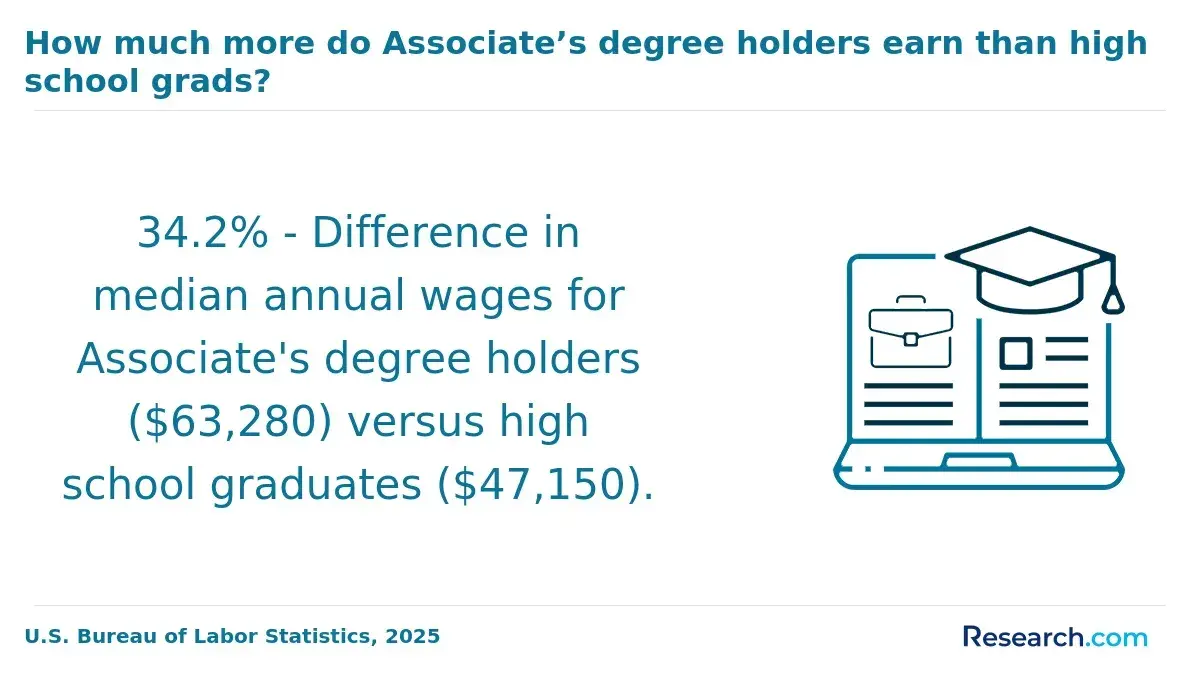
Graduates with a bachelor's degree in astronomy & space studies have access to several well-compensated entry-level careers that make use of their specialized academic background. These roles typically combine technical knowledge with practical applications, offering solid starting salaries right after graduation.
- Astronomical Technician: Responsible for maintaining and operating telescopes and other observation tools, this role provides hands-on experience with advanced scientific equipment. With an average starting salary around $56,000, it's a strong entry point for those interested in supporting research teams directly.
- Aerospace Engineering Assistant: Working closely with engineers, these assistants help design and test components for aircraft and spacecraft. The job usually starts near $60,000 annually and applies physics and engineering concepts learned during academic training.
- Data Analyst in Observatories: Entry-level data analysts process and interpret vast amounts of astronomical data collected from telescopes and satellites. Average pay starts around $58,000, reflecting the essential nature of their analytical work in transforming raw data into scientific insights.
- Planetary Scientist in Training: These professionals assist in research concerning planetary bodies and their atmospheres, often engaging in fieldwork or lab experiments. Starting salaries hover near $62,000, offering both financial and experiential rewards early in a career.
- Satellite Operations Coordinator: Managing satellite functions and communication systems shortly after launch, this position commands about $59,000 at the entry level. It leverages graduates' understanding of space conditions with critical operational tasks necessary for mission success.
When asked about her experience, a graduate of a astronomy & space studies bachelor's degree program shared how stepping into the role of a satellite operations coordinator was both challenging and exciting. She reflected on the intensity of managing live data streams and the pressure of ensuring constant communication with satellites, describing it as a steep learning curve but also incredibly rewarding. "There were moments of uncertainty early on," she noted, "but applying what I learned during my degree helped me stay focused and confident. It's fulfilling to know my work directly impacts mission outcomes." This insight highlights how practical responsibilities and real-time problem-solving define some of the highest-paying entry-level opportunities in this field.
Compensation for graduates holding a bachelor's degree in astronomy & space studies differs widely based on the industry they enter. Certain fields tend to offer more lucrative salaries due to specialized demands, funding levels, and the complexity of work involved.
- Aerospace and Defense: This sector benefits from extensive government contracts and focuses on developing spacecraft, satellites, and advanced technologies. The high level of innovation and technical challenges in these projects typically results in elevated pay for specialists.
- Space Exploration: Government agencies and private spaceflight companies dominate this field, investing heavily in cutting-edge research and technology development. The pioneering nature of their work and the need for expertise lead to competitive compensation packages.
- Technology and Software: Firms in this industry require professionals to analyze large datasets, simulate complex systems, or contribute to artificial intelligence projects related to space science. These technical overlaps push salaries higher for astronomy & space studies graduates.
- Energy and Environmental Research: Organizations studying solar activity and its terrestrial effects often have substantial research budgets. This funding supports better pay for employees with specialized knowledge connecting space science to environmental phenomena.
- Government Research Institutions: National laboratories and scientific agencies with stable funding offer competitive wages focused on advanced investigation and practical applications in space science, attracting well-qualified graduates.
Remote positions for graduates with a bachelor's degree in Astronomy & Space Studies can provide competitive salaries, especially in specialized roles within data analysis, software creation, and research. These opportunities often support flexible work environments, appealing to those seeking high-paying remote careers with an astronomy & space studies degree.
- Data Scientist: Utilizing large datasets from telescopes and space missions, data scientists extract valuable insights by applying programming and statistical techniques. This role's reliance on analytical software renders it ideal for remote work, with salaries generally between $85,000 and $130,000 annually.
- Remote Research Analyst: Focused on examining space-related datasets to aid ongoing research, remote research analysts leverage online tools and datasets to complete projects virtually. The average annual income ranges from $70,000 to $110,000.
- Astrophysics Software Developer: These developers design and maintain software for simulating and visualizing astronomical phenomena. Their work, rooted in technical software engineering, supports remote productivity and offers pay from $90,000 to $140,000 yearly.
- Scientific Technical Writer: Writing detailed documentation, proposals, and educational resources about space science, technical writers often manage flexible schedules while working remotely. Salaries typically fall between $60,000 and $100,000 per year.
- Space Policy Analyst: Conducting research on space initiatives, these analysts prepare comprehensive reports and evaluations remotely, with annual salaries from $75,000 to $120,000.
Students seeking to enhance their career opportunities might also explore the best bookkeeping certification as a complementary skill, further expanding their professional versatility.
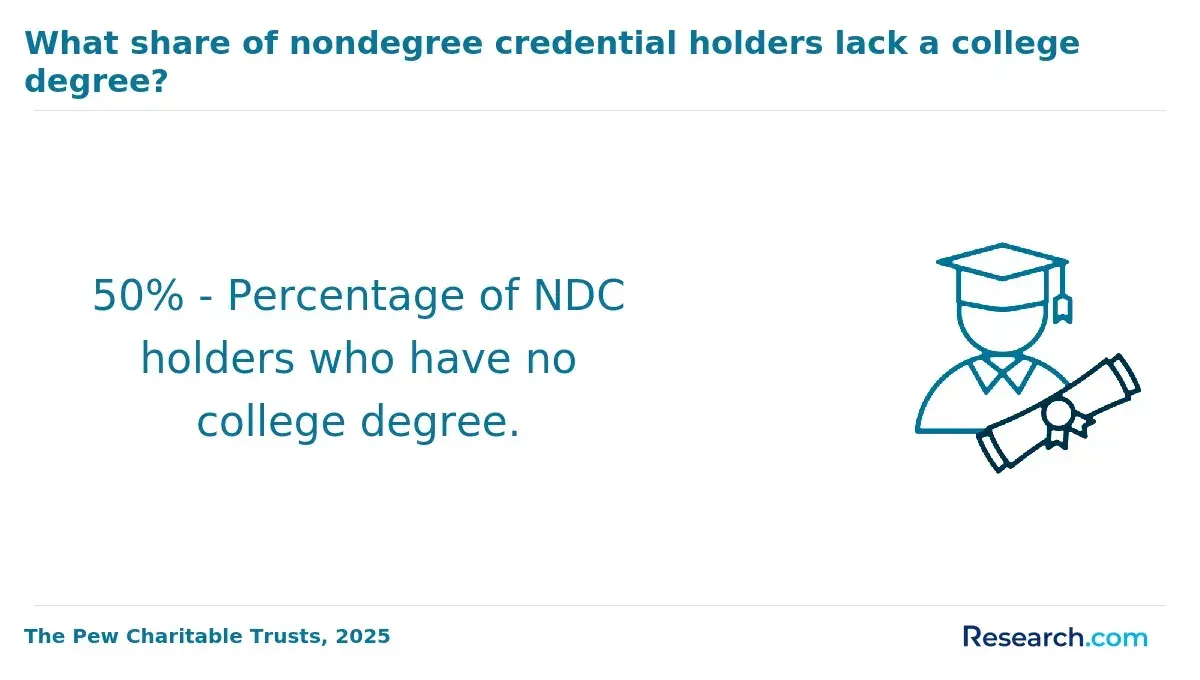
Salaries for those with a bachelor's degree in astronomy & space studies can vary widely depending on multiple factors. Even graduates with the same educational background may see very different earning potentials over time based on their circumstances.
- Experience Level: Early-career professionals often start with modest salaries, but compensation tends to rise as individuals gain relevant experience and demonstrate expertise. Practical achievements and years spent in the field play a crucial role in salary advancement.
- Industry Demand: Employers operating in high-demand sectors, such as aerospace and scientific research, tend to offer more competitive wages to attract specialized talent. The level of activity and funding within these industries can significantly influence pay scales.
- Job Role Complexity: Positions requiring sophisticated technical skills, leadership capabilities, or the management of major projects generally provide higher compensation. Greater responsibility and decision-making authority typically correspond to increased earnings.
- Company Size and Resources: Larger firms and government agencies often have more substantial budgets, allowing them to offer better salaries and comprehensive benefits compared to smaller organizations or institutions with limited funding.
- Geographic Location: Salaries can vary significantly based on where a graduate works, reflecting regional cost-of-living differences and proximity to aerospace or space research hubs. Urban areas with concentrated industry presence usually provide higher pay opportunities than less populated regions.
Developing targeted skills can significantly boost salary potential for astronomy & space studies bachelor's degree holders, even among peers with similar academic backgrounds. Recent data shows that graduates who invest in enhancing technical and analytical abilities experience up to a 15% increase in earnings compared to those who do not. This highlights the importance of skill development in gaining a financial edge within the field.
Key skills associated with higher earnings for astronomy & space studies graduates include:
- Data Analysis and Interpretation: Mastering the extraction of insights from large, complex datasets allows graduates to contribute meaningfully to research and applied projects. This skill elevates efficiency in problem-solving and decision-making, directly enhancing professional value.
- Advanced Programming Skills: Proficiency in coding languages such as Python or MATLAB enables automation of research tasks and development of simulations. These competencies are highly sought after as they streamline workflows and enable innovation.
- Critical Thinking and Problem-Solving: The ability to methodically analyze challenges and devise innovative solutions improves project outcomes and resource management, making individuals more indispensable to employers.
- Communication Skills: Clearly conveying intricate scientific concepts to varied audiences supports collaboration and funding efforts. Strong communicators often gain credibility and leadership opportunities, factors that correlate with higher pay.
- Technical Proficiency with Observational Equipment: Hands-on experience with instruments like telescopes and spectrometers provides practical expertise valued by employers and often linked to premium compensation.
A professional with a Astronomy & Space Studies bachelor's degree shared his insights on what skills impact salary. He described moments early in his career when translating complex data into actionable reports felt daunting but crucial. "Learning to bridge the gap between raw numbers and meaningful narratives was a turning point," he said. He also stressed that developing patience and precision while working with sensitive observational tools, combined with the confidence to present findings to diverse teams, helped him stand out. These experiences collectively enhanced his earning potential by positioning him as a trusted expert capable of both deep technical work and effective communication.
After earning a bachelor's degree in astronomy & space studies, obtaining professional certifications can significantly enhance credibility and improve salary potential. Industry data suggests individuals with relevant certifications can earn up to 20% more than uncertified peers, reflecting the high value employers place on validated expertise. Below are several certifications that can boost earnings and professional standing for astronomy & space studies graduates.
- Certified Space Professional (CSP): This credential demonstrates advanced knowledge in space systems and operations, highly regarded in aerospace and research sectors. Earning the CSP signals specialized expertise and commitment, often leading to higher compensation opportunities.
- Project Management Professional (PMP): Although not exclusive to astronomy, PMP certification indicates strong skills in managing complex projects and teams. This leadership recognition typically results in salaries above the average for space-related initiatives.
- Geographic Information Systems Professional (GISP): Relevant for professionals working with spatial data analysis, GISP certification highlights technical ability in geospatial data interpretation, broadening career options and enhancing salary negotiation power for astronomy & space studies graduates.
- Certified Systems Engineering Professional (CSEP): This credential confirms advanced engineering expertise, especially valuable for those focused on satellite communications and systems engineering roles. It signals readiness for highly responsible positions with increased financial rewards.
- American Institute of Aeronautics and Astronautics (AIAA) Membership and Certifications: While not guaranteeing salary increases directly, AIAA certifications and memberships elevate professional profiles within the competitive space sector, contributing indirectly to earning potential.
For students considering further advancement, complementing a degree in astronomy & space studies with an online masters in clinical mental health counseling can diversify career paths and enhance earning potential beyond traditional roles. These advanced certifications for astronomy and space studies graduates ensure enhanced professional validation that employers highly value.
Some of the highest-paying careers following a bachelor's degree in astronomy & space studies require a master's degree to develop specialized knowledge or meet professional standards. According to the U.S. Bureau of Labor Statistics, many advanced roles in space science and physics demand graduate-level training to manage complex technical challenges effectively. These careers often involve intricate research and applied technical skills that extend beyond undergraduate education.
Key high-paying positions that typically require a master's degree after an astronomy & space studies bachelor's include:
- Astrophysicist: This role involves analyzing celestial phenomena using advanced data analysis, theoretical modeling, and instrumentation. A master's degree is essential to gain the depth of expertise needed for innovative research and complex problem-solving in astrophysics.
- Remote Sensing Scientist: These professionals interpret satellite and aerial sensor data for uses such as environmental monitoring or defense. Graduate coursework helps develop mastery in geospatial analysis and remote sensing technologies crucial for this position.
- Space Systems Engineer: Designing and managing spacecraft systems demands a comprehensive understanding of aerospace engineering principles. Master's programs provide advanced training in systems integration and engineering techniques necessary for these roles.
- Planetary Scientist: Studying planetary bodies and processes requires expertise in geology, physics, and atmospheric science, usually obtained through graduate education that builds on undergraduate foundational knowledge.
- Data Scientist in Astronomy: Handling large astronomical datasets involves advanced skills in machine learning, statistical methods, and computational science, all typically developed through a master's degree program.
For those seeking the highest paying careers with a master's in astronomy & space studies, pursuing graduate education is a significant step toward advanced degree job opportunities in astronomy & space studies. Students exploring affordable pathways to these careers might consider options such as cheap online colleges offering relevant graduate programs.
Fields within astronomy & space studies that maintain long-term viability usually reflect enduring industry demand, technological progress, or critical societal roles. These specializations benefit from consistent innovation and investment, providing stable and lucrative career paths.
- Space Technology and Exploration: Driven by growing global interest in space missions and satellite deployment, this field offers ongoing opportunities in spacecraft engineering, instrumentation, and mission coordination. Its scalability and alignment with international initiatives support robust professional growth.
- Astrophysics and Cosmology: Focused on unraveling the universe's origins, this area propels advancements in imaging and data sciences that impact multiple scientific sectors, ensuring continual funding and high-value research roles.
- Observational Astronomy: With innovations in telescope sensor technology and data analysis, this specialization remains essential for discovering and studying new celestial bodies, maintaining steady demand for skilled experts.
- Satellite Communications and Remote Sensing: Integral to telecommunications, climate monitoring, and security, these applications guarantee strong employment prospects due to their foundational role in global infrastructure.
- Planetary Science: Concentrating on planetary bodies and environments, this field grows alongside exploration missions and the search for habitable worlds, offering promising prospects tied to ongoing space endeavors.
What Graduates Say About the Highest Paying Careers With a Astronomy & Space Studies Bachelor's Degree
- Dante: "Graduating with a degree in astronomy & space studies opened doors to roles with impressive earning potential that I hadn't anticipated. The demand in aerospace and research sectors remains strong, ensuring I feel secure in my career path. It's exciting to see clear opportunities for advancement as I gain more experience and specialize further."
- Collin: "Reflecting on my journey, the stability within the astronomy & space studies field has been a comforting constant. Employers value the expertise we bring, especially in satellite technology and space exploration initiatives. I've experienced firsthand how this degree grants access to leadership roles that might take longer to reach in other science disciplines."
- Dylan: "Professionally, the career growth I've observed thanks to my astronomy & space studies degree has been motivating. The industry's consistent need for specialized knowledge means I'm rarely worried about job security. Plus, the potential for higher-paying roles, especially in government agencies and private space firms, keeps me driven to excel."
Other Things You Should Know About Astronomy & Space Studies Degrees
In 2027, positions like data technician or research assistant in astronomy may offer lower starting salaries compared to other roles. These roles, often introductory, may pay less but provide critical experience pivotal for advancing in higher-paying careers within the field.
While entry-level jobs are available with a bachelor's degree, many higher-paying roles in astronomy and space studies require a master's or doctoral degree. Advanced degrees provide opportunities for specialized research, teaching at universities, and leadership positions in space exploration projects. Graduate education also expands expertise in fields like astrophysics and planetary science.
Key industries hiring graduates include aerospace, research institutions, and government agencies like NASA. Graduates often find roles in satellite technology, data analysis, and astronomical research, where analytical skills and a strong grasp of space sciences are highly valued.
Employers highly value skills like data analysis, computer programming, and proficiency in using astronomical software in 2027. Graduates with expertise in Python, MATLAB, or R, and experience in handling large datasets are in demand due to the technical nature of space studies.
- Opportunities https://www.stsci.edu/opportunities
- Astronomy And Astrophysics Career Pathways & Earnings https://collegeroi.org/roi/major/astronomy-and-astrophysics/
- This website is not available in your country https://www.space-careers.com/article/769/educational-requirements-for-careers-in-the-space-industry
- Career Opportunities in Space Exploration and Astronomy https://thamescollege.org/career-opportunities-in-space-exploration-and-astronomy/
- Study Astronomy - Experience, Job Opportunities, Salary + Survey https://jobtensor.com/uk/Studies/Astronomy-Planetary-Science
- Top Jobs and Salaries In The Space Industry in 2024 - Orbital Today https://orbitaltoday.com/2022/12/09/top-jobs-in-the-space-industry/
- 10 Highest Paying Astronomy Jobs to Consider 2026 https://www.scijournal.org/articles/highest-paying-astronomy-jobs
- Remote Jobs - Space Crew https://spacecrew.com/space-jobs/location/remote