2027 Can You Get Into an Astronomy & Space Studies Bachelor's Degree Program with a Low GPA? Admission Chances & Workarounds

Co-Founder and Chief Data Scientist
Many students with a low GPA worry that applying to an astronomy & space studies bachelor's degree program is futile, especially at competitive institutions. This concern is significant since the average admitted GPA for such programs often exceeds 3.5, reflecting the strong academic performance typically required. With the increasing demand for space science professionals-projected to grow by 8% over the next decade-entry barriers feel even more pressing. This article explores the realistic admission chances for students with lower GPAs and highlights effective strategies to strengthen applications, offering practical solutions to improve acceptance odds in astronomy & space studies programs.
Key Things to Know About Astronomy & Space Studies Bachelor's Degree Program Admission Chances & Workarounds
- Many programs offer alternative pathways such as community college transfer or foundational science courses to help applicants with low GPAs demonstrate their academic potential.
- Admissions committees often use holistic review processes, valuing factors like personal statements, recommendation letters, and relevant extracurricular activities in astronomy & space studies.
- Applicants can strengthen applications by gaining research or internship experience, completing STEM certifications, or retaking key courses to improve their GPA and subject mastery.
Can I Get Into a Astronomy & Space Studies Bachelor's Degree With a Low GPA?
Getting into an astronomy & space studies bachelor's degree program with a low GPA is challenging but not impossible. Admissions committees often view GPA as one of several factors rather than an absolute cutoff. While many programs favor applicants with strong academic records, particularly in math and science, a below-average GPA does not entirely eliminate your admission chances. Statistically, about 66% of full-time first-year students at four-year colleges had a high school GPA of 3.0 or higher, reflecting competitive admissions environments across disciplines.
Admission decisions typically involve a holistic review process where schools evaluate more than just academic metrics. Elements such as personal statements, letters of recommendation, extracurricular involvement, and demonstrated passion for the field can all influence outcomes. Because an astronomy & space studies program requires technical aptitude, candidates who show commitment and relevant experience may improve their chances, despite a low GPA. For those wondering "can I get into an astronomy & space studies bachelor's degree with a low GPA," it is essential to understand how multiple factors weigh into the process and to explore different aspects of your application thoughtfully. To learn more about selecting the right program in college, research reputable options that align with your strengths and interests.
What Is the Minimum GPA for Astronomy & Space Studies Bachelor's Degree Programs?
The minimum GPA required to gain admission to astronomy & space studies bachelor's degree programs typically falls between 2.5 and 3.5 on a 4.0 scale. Many programs set a baseline GPA near 3.0 as a competitive standard, reflecting the challenging coursework in physics, math, and related sciences. According to national college admissions data, the average GPA of admitted students in science-related fields, including astronomy & space studies, is around 3.3. This suggests that applicants with a GPA below this may face a tougher admissions process, especially in programs emphasizing strong academic preparation. Prospective students should keep these minimum GPA requirements for astronomy and space studies programs in mind when assessing their eligibility.
GPA expectations can vary widely depending on an institution's selectivity and program focus. Highly competitive schools, especially research universities and specialized science institutions, often require GPAs closer to 3.5 or above. In contrast, some state schools and less selective colleges may admit students with GPAs as low as 2.5, particularly if other parts of the application are strong. It is important to remember that GPA is only one aspect of an application and does not solely determine admission chances. For students interested in continuing education beyond a bachelor's degree, exploring options at an affordable graduate school can be a strategic next step to strengthen academic credentials and career prospects.
2026 Update: Prerequisite and Placement Checks for Low-GPA Applicants
This 2026 update adds a practical review step for students whose GPA may not reflect their readiness for astronomy & space studies coursework, especially in math-heavy programs.
- Confirm whether the program expects prior coursework in calculus, physics, chemistry, or computer programming.
- Ask if placement exams can demonstrate readiness when grades in earlier math or science classes were weak.
- Check whether prerequisite courses must be completed before admission or can be finished during the first year.
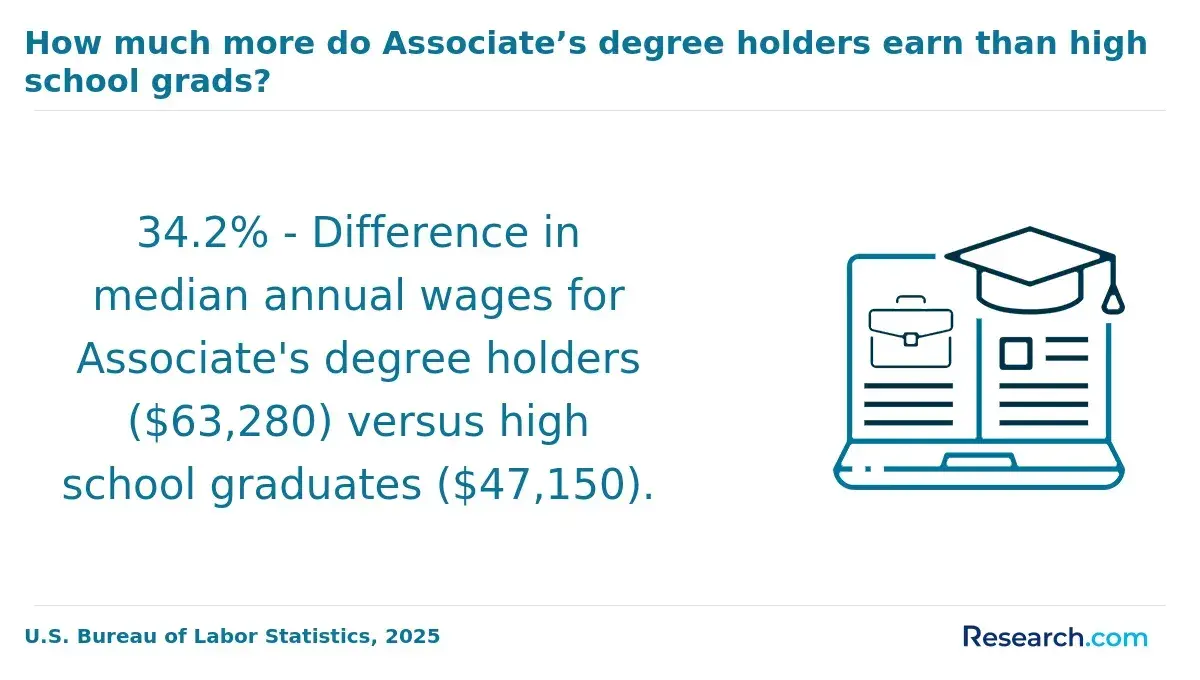
- Review transfer-credit rules if you plan to retake key courses at a community college or online institution.
- Look for bridge, tutoring, lab-skills, or first-year STEM support built into the astronomy curriculum.
- Contact admissions or the department to ask how recent strong STEM grades are evaluated against an older low GPA.
By checking readiness requirements early, students can target programs where they are not only admissible, but better prepared to succeed after enrollment.
Many colleges assessing applications for astronomy & space studies programs use a comprehensive review process that looks beyond GPA. Research from the National Association for College Admission Counseling (NACAC) shows that more than 78% of institutions apply holistic evaluation methods, considering varied elements to gauge an applicant's potential. Below are several critical factors admissions committees weigh alongside GPA.
- Standardized Test Scores: Although some schools no longer require ACT or SAT results, strong scores can still strengthen an application, especially if academic performance is uneven.
- Personal Statements: Essays offer a chance to explain personal motivation, challenges overcome, and qualities like curiosity and resilience related to astronomy and space studies.
- Extracurricular Activities: Active involvement in science clubs, research experiences, internships, or related programs demonstrates genuine commitment and practical knowledge of the field.
- Letters of Recommendation: Supportive endorsements from teachers or mentors can highlight intellectual growth and a passion for the subject, providing valuable context beyond grades.
- Academic Progression: Admissions committees often favor candidates who show upward trends in their grades over time, reflecting increased readiness for college rigor.
When I spoke with a graduate of an astronomy & space studies bachelor's degree program, he recalled that his early academic record was uneven, which initially worried him. However, he emphasized how much his passion for astronomy came through in his essays and recommendations. "I focused on sharing why I was fascinated by the universe and the hands-on projects I pursued," he explained. His experience demonstrated that a strong personal narrative and evidence of growth could positively influence admission chances despite a lower GPA. He advised prospective students to present a well-rounded story to showcase their true potential.
Many colleges have flexible admission policies that accommodate students with lower GPAs, especially in STEM fields like astronomy and space studies. Nearly 40% of four-year U.S. institutions use open enrollment or accept applicants below traditional GPA requirements, creating more accessible options. Below are some types of schools often welcoming to students with less competitive academic records.
- Open-Admission Colleges: These institutions admit all applicants who have completed high school or earned a GED, regardless of GPA. They often provide foundational courses in astronomy and space studies or facilitate transfers to more specialized universities after initial coursework.
- Less Selective Public Universities: Many regional state colleges consider a combination of factors beyond GPA, such as personal statements and extracurricular involvement. These universities may offer supportive programs to help students enhance their academic skills while pursuing astronomy and space studies degrees.
- Online-Focused Schools: With rolling enrollments and adaptable schedules, online universities appeal to those balancing other responsibilities. Their flexible admissions make them a practical choice for students seeking to improve their academic record over time while studying astronomy.
- Specialized Admissions Programs: Some institutions implement alternative admission pathways recognizing diverse backgrounds and experiences. This approach can benefit students targeting astronomy and space studies programs who face traditional GPA challenges or need additional time to qualify.
Students interested in flexible pathways might also explore related fields, such as online PsychD programs, which often share similar admission accommodations and flexible study formats.
Many astronomy & space studies bachelor's programs have started adopting more flexible admission policies to accommodate students with lower GPAs. This trend aligns with a wider movement in higher education, where nearly 65% of U.S. colleges now use test-optional or holistic review methods. Such approaches often let applicants decide whether to submit standardized test scores, while admissions committees evaluate a broader range of materials like essays, recommendation letters, extracurriculars, and even portfolios or interviews. These options allow candidates to highlight qualities and experiences beyond traditional metrics, providing a more complete assessment of their potential contributions to the field.
When I spoke with a recent graduate of an astronomy & space studies bachelor's program, she shared how her low GPA initially caused anxiety about her application's competitiveness. However, the school's holistic review process offered a chance to convey her passion through detailed personal statements and project work outside the classroom. "It felt empowering to showcase who I was beyond the numbers," she explained. Though the process was challenging and involved multiple interviews and supplementary materials, she appreciated that the admissions team looked at her whole story rather than just grades. Her experience confirmed that alternative pathways can make a meaningful difference for students determined to pursue their interests despite academic setbacks.
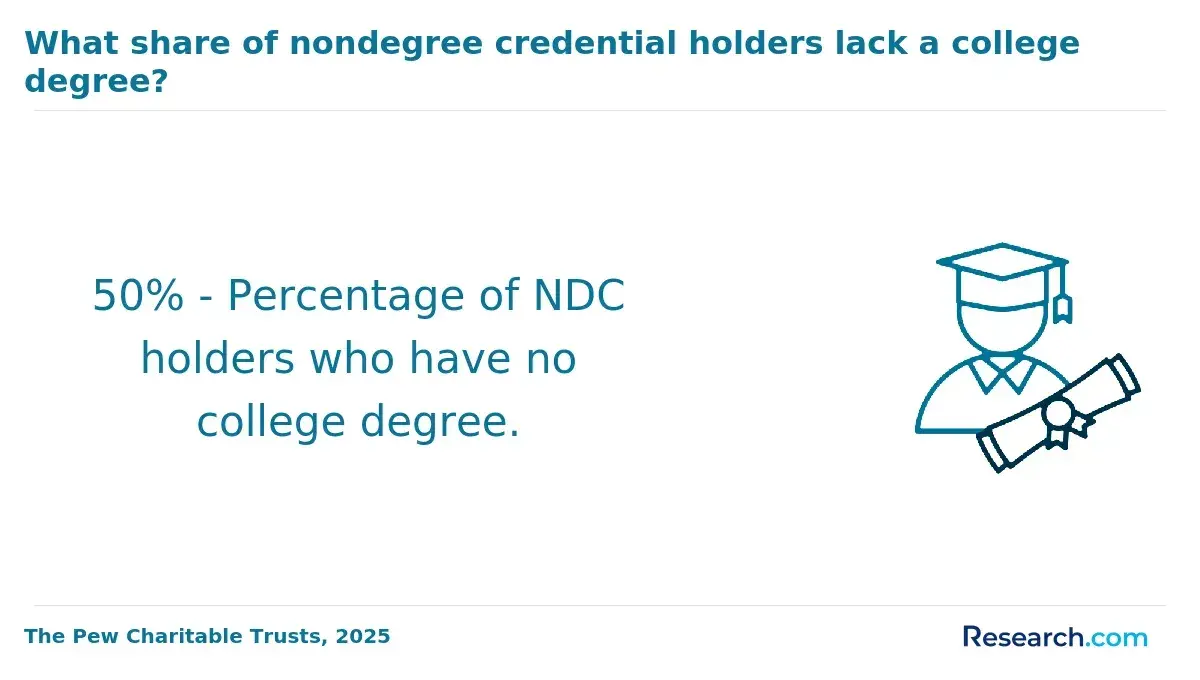
Conditional admission offers students with lower GPAs a way to start astronomy & space studies bachelor's programs by meeting specific academic criteria. Around one in five colleges provide such pathways to help underqualified applicants gain entry under monitored conditions. This option can serve as a bridge toward full acceptance once set requirements are fulfilled.
Key points about conditional admission include:
- Eligibility Requirements: Applicants must satisfy basic admissions standards aside from GPA, such as submitting test scores or completing prerequisite coursework to qualify for conditional status.
- Academic Expectations: Students agree to an outlined plan detailing necessary grade benchmarks and credit completion within a given timeframe to remain enrolled.
- Performance Monitoring: Progress is regularly reviewed to ensure students meet the established goals needed to continue in the program or advance to unrestricted admission.
- Support Services: Many programs offer tutoring, advising, or other resources designed to assist conditional students in overcoming academic challenges.
- Advancement to Full Admission: Successfully completing the conditional term and meeting all criteria typically results in transition to full, permanent admission into the bachelor's program.
Starting at a community college can positively influence a student's academic record and readiness for a astronomy & space studies bachelor's degree program by providing a chance to improve foundational skills in essential subjects like physics, calculus, and introductory astronomy. Excelling in these courses allows students to rebuild their academic profiles with transferable credits, which is often looked upon favorably by four-year institutions. According to data from the National Center for Education Statistics, approximately 38% of bachelor's degree recipients in the U.S. began their education at a community college, highlighting the significance of transfer pathways in higher education.
This pathway offers benefits such as smaller class sizes and lower tuition costs, which can create a supportive environment for academic growth. It also allows students to build relationships with instructors who might provide valuable transfer recommendations. However, some coursework may not fully transfer or meet specific astronomy & space studies requirements, so careful course selection and sustained academic performance remain crucial. Despite these limitations, starting at community college continues to be a valuable option for many students seeking to strengthen their academic preparation before enrolling in competitive bachelor's programs in astronomy & space studies.
Applicants with low GPAs can still enhance their admission chances into an astronomy & space studies bachelor's degree program by strategically focusing on strengths beyond grades. Research shows that roughly 30% of admitted students with lower academic performance presented compelling supplementary materials that helped sway admission committees. To improve your chances, consider implementing the following strategies.
- Highlight Achievements: Showcase involvement in science fairs, astronomy clubs, or relevant extracurricular projects. Demonstrating genuine passion for astronomy & space studies through these activities can help balance academic shortcomings.
- Strong Personal Statement: Write a compelling essay outlining obstacles you faced, lessons learned, and your dedication to the field. This narrative offers admissions officers valuable context that raw GPA numbers cannot convey.
- Gain Relevant Experience: Pursue internships, volunteer at observatories, or assist with research projects. Relevant research experience can highlight your commitment and skills beyond academic metrics, which is crucial to improve your astronomy & space studies bachelor's degree application with a low GPA.
- Show Academic Improvement: If possible, demonstrate an upward trend in science and math grades over time. Progress signals perseverance and potential for success in challenging coursework.
- Strong Recommendations: Obtain letters of recommendation from instructors or professionals who can attest to your capabilities and work ethic, helping offset lower GPA concerns.
Students exploring flexible learning options may also find value in online real estate degrees, which offer varied approaches to higher education. Applying these strategies offers a balanced and compelling case for admission despite a low GPA.
Students admitted to an Astronomy & Space Studies bachelor's degree program with a low GPA can still achieve academic success. Research indicates that GPA is not the sole determinant of a student's potential to excel in rigorous studies. Many students with lower GPAs but strong motivation and support systems demonstrate persistence rates comparable to their higher-GPA peers. For instance, studies show that about 65% of students admitted with lower GPAs persist to graduation, emphasizing that initial academic challenges are not definitive barriers. This understanding is crucial for those wondering how to succeed in astronomy and space studies with low GPA, as factors like time management, consistent study habits, and active engagement with coursework greatly influence performance.
Success in an astronomy and space studies degree after low GPA admission relies heavily on adopting effective strategies and proactive behaviors. Establishing a regular study routine, utilizing academic resources, and seeking help through tutoring or study groups can enhance comprehension of complex material. Networking with peers and maintaining a growth mindset allow students to embrace challenges as opportunities for improvement. For those considering alternatives, exploring an online theoretical physics degree program may also provide flexible pathways to advance in related STEM fields while building a strong academic foundation.
After graduation, the emphasis employers place on GPA typically lessens, especially as candidates gain experience. Research shows that about 60% of employers weigh GPA heavily when hiring recent graduates or interns, but this focus fades as professionals establish their careers. Instead, employers look for other indicators of candidate potential. Key considerations include:
- Relevant Work Experience: Hands-on roles related to astronomy or space science demonstrate practical knowledge and readiness to contribute effectively in the field.
- Internships and Research: Participation in research projects or internships highlights initiative and the application of academic concepts to real-world challenges.
- Technical Skills: Proficiency in data analysis, programming, and the use of astronomical instruments provides a competitive edge beyond academic grades.
- Professional Accomplishments: Presentations, publications, and involvement in field studies showcase achievements and commitment to the discipline.
- Soft Skills: Communication, teamwork, critical thinking, and problem-solving abilities are essential traits that employers highly value alongside technical expertise.
These aspects often outweigh GPA alone by illustrating a candidate's true capabilities and adaptability in professional settings within astronomy & space studies.
What Graduates Say About Astronomy & Space Studies Bachelor's Degree Program Admission Chances & Workarounds
- Dante: "When I first looked into astronomy & space studies bachelor's programs, I was worried my low GPA would close all doors. But by researching alternative admissions routes and focusing on my passion through relevant volunteer work, I found a way in. Completing the degree not only reignited my love for the cosmos but also opened unexpected career paths in data analysis that I hadn't considered before."
- Collin: "Preparing to get into an astronomy & space studies program with a less-than-ideal GPA meant I had to be strategic about strengthening my application. I took extra coursework and dedicated myself to independent projects to prove my commitment. Reflecting back, the perseverance I developed during that process has been invaluable as I transitioned into a career in aerospace engineering."
- Dylan: "Initially, my low GPA felt like an insurmountable barrier to entering astronomy & space studies, but assessing all my options helped me stay focused. I sought advice, improved my academic skills through community college courses, and built a strong foundation before transferring to a program. Earning my bachelor's degree completely transformed my professional outlook, allowing me to pivot into scientific research with confidence and credibility."
Other Things You Should Know About Astronomy & Space Studies Degrees
Yes. Many programs expect at least four years of high-school math, including pre-calculus or calculus, and physics coursework. A weak GPA can be offset only if grades in these subjects are strong, because admissions officers use them to judge readiness for 2027 STEM coursework.
Yes, participating in astronomy clubs, science fairs, internships at observatories, or volunteering for space-related projects can strengthen your application. These activities show genuine interest and commitment to the field, helping admissions officers see your practical experience and motivation beyond GPA.
A well-crafted personal statement is crucial for explaining any academic challenges and demonstrating resilience and passion for astronomy & space studies. Use it to discuss your learning journey, specific interests in astronomy, and how you plan to succeed despite a low GPA. This personal narrative can make your application more compelling.
- Bachelor of Science (Honours) majoring in Space Science and Astrophysics https://adelaideuni.edu.au/study/degrees/bachelor-of-science-honours-space-science-and-astrophysics/
- Top 25 Most Affordable Colleges for a Bachelor's Degree in Astronomy for 2020 https://www.greatvaluecolleges.net/affordable/astronomy-bachelors/
- Astrophysics BSc https://www.ucl.ac.uk/prospective-students/undergraduate/degrees/astrophysics-bsc
- Astronomy https://www.mesacc.edu/programs/astronomy
- Improving Undergraduate Astronomy Students’ Skills with Research Literature via Accessible Summaries: An Exploratory Case Study with Astrobites-based Reading Assignments https://arxiv.org/html/2309.05822v3
- Back to School: Advice for 24-Year Old with Low GPA and Interest in Astrophysics https://www.physicsforums.com/threads/back-to-school-advice-for-24-year-old-with-low-gpa-and-interest-in-astrophysics.484917/
- Undergrad physics with low GPA https://talk.collegeconfidential.com/t/undergrad-physics-with-low-gpa/764383
- Astro/Physics | Elgin Community College (ECC) https://elgin.edu/areas-of-study/astronomy/
- Interested in space? Here are the degrees you can get in astronomy https://www.astronomy.com/science/interested-in-space-here-are-the-degrees-you-can-get-in-astronomy/