2027 Best Career Paths After an Astronomy & Space Studies Bachelor's Degree

Co-Founder and Chief Data Scientist
Graduates holding a bachelor's degree in astronomy & space studies face a crossroads marked by both uncertainty and opportunity. With multiple industries—from aerospace engineering to data analytics—evolving rapidly, deciding on the right career path can be daunting.
About 65% of astronomy & space studies graduates pursue roles outside traditional research, reflecting the growing demand for versatile skills in technology, education, and space policy. Balancing job stability, growth potential, and personal interests requires careful consideration.
This article explores top career options for these graduates and explains why understanding industry trends and skill applications is essential for making informed professional decisions.
Key Things to Know About the Best Career Paths After a Astronomy & Space Studies Bachelor's Degree
- Common entry-level roles include research assistant, data analyst, and lab technician positions in observatories, government agencies, and private aerospace firms, with a 7% projected growth rate through 2031.
- Specializations like astrophysics or planetary science influence career options by aligning graduates with roles in space mission planning, satellite technology, or academic research.
- Long-term career advancement often depends on advanced degrees, networking within the space industry, and gaining hands-on experience with emerging technologies and research methodologies.
What Are the Top Career Paths by Industry for Astronomy & Space Studies Graduates?
Graduates with a bachelor's degree in astronomy & space studies have access to a variety of career paths that span several industries. About 60% of these graduates find employment in fields closely connected to their academic training within two years.
Some of the top industries and roles for astronomy & space studies graduates include:
- Aerospace and Defense: This sector offers roles such as systems engineers, mission analysts, and data specialists who work on spacecraft design, satellite technology, and mission operations. Graduates apply their expertise in celestial mechanics and orbital dynamics to support the development of advanced aerospace technologies.
- Research and Academia: Many graduates pursue careers involving observational astronomy, astrophysics research, or instrument development at universities, observatories, and government research institutions. Their contributions are vital for expanding scientific understanding and innovating space exploration methods.
- Government Agencies: Positions in organizations like NASA, NOAA, and the USGS include planetary scientists, space mission coordinators, and data analysts. These roles focus on analyzing satellite data, managing exploration missions, and monitoring space weather phenomena.
- Technology and Software Development: Graduates with strong computational and analytical skills contribute to creating algorithms and software for processing space telescope data, simulations, and mission planning tools. This industry forefronts the integration of astronomy with advanced software engineering.
- Science Communication and Education: Educators, writers, and outreach coordinators translate complex space science topics into accessible content for public engagement. This sector plays a key role in fostering interest in STEM fields by connecting space studies to broader audiences in schools and museums.
What Are the Future-Proof Careers After a Astronomy & Space Studies Bachelor's Degree?
Careers that remain resilient against technological advances and economic changes are essential for graduates holding a bachelor's degree in astronomy & space studies. Adaptability is increasingly important in the evolving job market, with employment in physical sciences expected to grow 6% from 2022 to 2032.
Several areas within this field show sustained opportunities due to ongoing innovation and societal reliance on space technologies:
- Space Mission Engineering: This area involves planning, designing, and managing space missions like satellite launches and planetary exploration. Rising global investment in space infrastructure ensures steady demand for experts skilled in celestial mechanics, data analysis, and engineering.
- Astrophysical Research: Grounded in scientific inquiry, astrophysical research continues to need professionals who analyze cosmic phenomena. The complex nature of space exploration makes automation insufficient, preserving strong human roles in research and development.
- Satellite Communications: As societies increasingly depend on space-based technologies for communication and environmental monitoring, careers in satellite data management and engineering remain crucial for maintaining and advancing these systems.
- Space Resource Utilization: The growing interest in mining and using resources from celestial bodies drives demand for specialists who understand both astronomy and applied technologies, supporting emerging industries in space economy development.
Students may explore online business degree programs to complement their technical expertise and expand career options within the space industry.
What Are the Highest-Paying Careers After a Astronomy & Space Studies Bachelor's Degree?
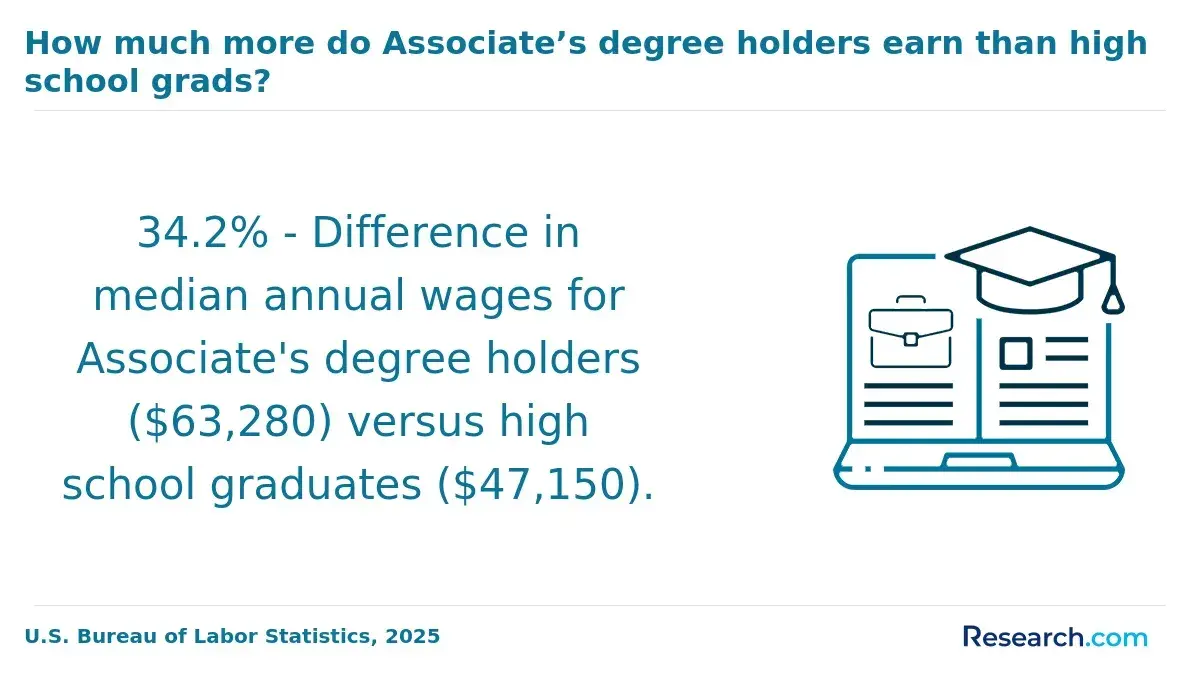
Graduates holding a bachelor's degree in astronomy & space studies can pursue lucrative career paths that leverage their strong analytical and technical skills. For instance, physicists and astronomers in related fields earn average annual wages exceeding $130,000.
Several high-paying roles stand out for astronomy & space studies graduates:
- Aerospace Engineer: Earning between $85,000 and $130,000 annually, these professionals design and test aircraft, spacecraft, and missile systems. Their deep understanding of space dynamics and materials science allows them to contribute to cutting-edge aerospace projects.
- Data Scientist: With salaries ranging from $90,000 to $140,000 yearly, astronomy graduates skilled in programming and statistics often transition into data science roles. The broad industry demand for data analysis expertise drives their high earning potential.
- Research Scientist: Working mostly in academic or government settings like NASA, these scientists earn between $70,000 and $120,000 annually. Their work involves investigating celestial phenomena and often relies on grant funding, reflecting their specialized knowledge.
- Satellite Systems Engineer: These engineers, compensated around $80,000 to $125,000 a year, develop and maintain satellite technology critical to communications and defense. Precision and technical reliability elevate the value of their work.
- Astrophysicist: Earning $75,000 to $135,000 annually, astrophysicists focus both on theoretical models and applied research in space science. Advanced degrees and expertise ensure competitive salaries in this field.
A professional who secured a high-paying role after earning a bachelor's in astronomy & space studies shared that transitioning into the workforce involved navigating intense competition and mastering niche technical skills.
"It wasn't just about knowing theory," he explained, "but learning to communicate complex data and collaborate across disciplines." Although challenging, this process built valuable confidence and opened doors in industries that reward adaptability and deep scientific knowledge.
Graduates holding a bachelor's degree in astronomy & space studies often begin their careers in entry-level roles that build essential technical expertise and practical experience. The U.S. Bureau of Labor Statistics projects an 8% growth in physical science employment over the next decade.
Common entry-level jobs for astronomy and space studies graduates include:
- Research Assistant: Typically employed at universities or government labs, research assistants help with data collection, experiments, and equipment upkeep. This role sharpens analytical skills and promotes understanding of scientific research processes, laying groundwork for further academic or research careers.
- Data Analyst: Data analysts interpret complex astronomical data using software tools, turning raw information into actionable insights. This experience enhances quantitative abilities and often leads to technical positions within space science or aerospace industries.
- Technical Support Specialist: Working in observatories or aerospace companies, these specialists maintain and calibrate instruments, troubleshoot technical issues, and support operational needs. This role offers vital exposure to instrumentation and engineering applications.
- Science Educator or Outreach Coordinator: Engaging with museums or educational programs, these professionals communicate astronomy concepts to the public. This path strengthens communication skills and opens doors to careers in science communication or policy.
For those seeking further advancement, pursuing a game design online masters can complement technical expertise within the broader STEM landscape.
A bachelor's degree in astronomy & space studies equips graduates with versatile skills highly sought after by employers. In fact, over 80% of companies emphasize analytical and problem-solving abilities as top hiring criteria. The key skills developed during the program include:
- Analytical Thinking: Graduates hone the ability to interpret complex data and model scientific phenomena, making them a strong fit for careers in data science, finance, and academic or private research.
- Technical Proficiency: Familiarity with programming languages, scientific instruments, and advanced software prepares students for roles in aerospace development, engineering, and software industries.
- Problem-Solving: Addressing abstract and difficult questions nurtures creative solutions, useful in consulting, technology innovation, and systems design roles.
- Communication: Clearly conveying intricate ideas to varied audiences equips graduates for jobs in science communication, education, and technical documentation.
- Collaboration and Leadership: Participation in team projects and managing research initiatives builds leadership and teamwork skills valued in government agencies, research groups, and private firms.
When discussing career alignment, a graduate of an astronomy & space studies bachelor's degree shared how navigating diverse opportunities felt initially overwhelming but ultimately rewarding.
She recalled, "Transitioning from academic research to industry required adapting my skillset to new kinds of problem-solving and collaboration." She emphasized the importance of patience and staying open to unexpected roles that leveraged her analytical background.
"Each step taught me to connect what I learned about the universe to practical challenges in technology and data-driven fields," she reflected, highlighting how the degree's breadth helped shape a flexible and fulfilling career path.
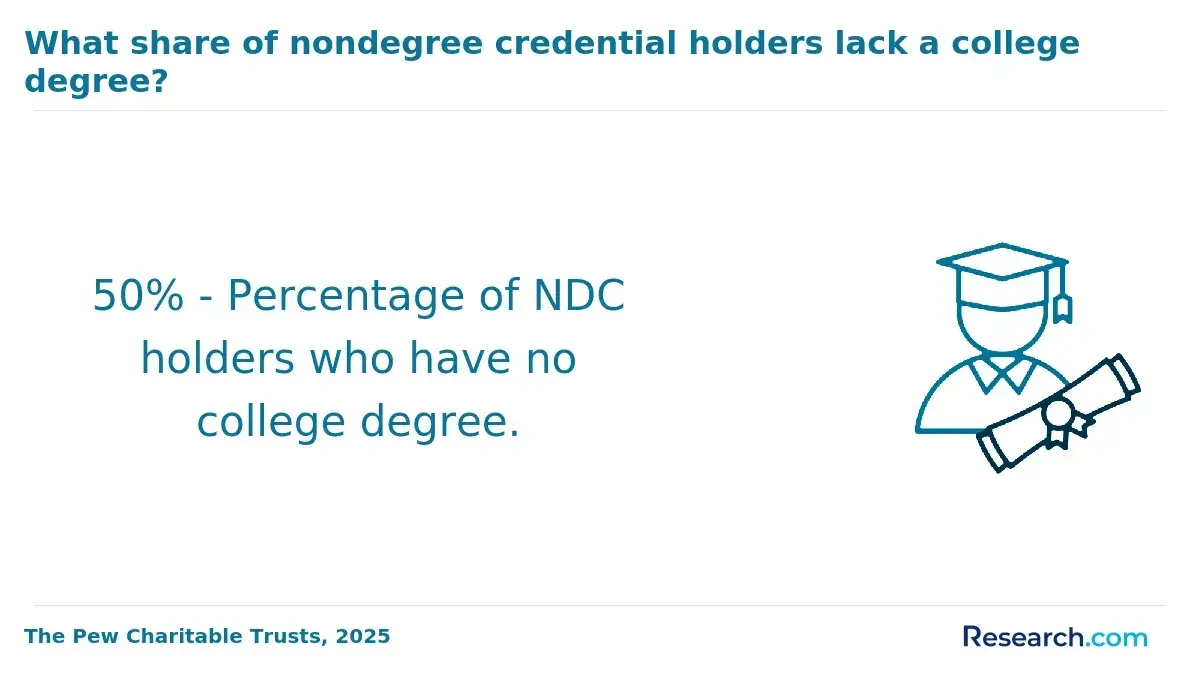
Pursuing careers in astronomy & space studies often demands education beyond a bachelor's degree due to the specialized expertise and advanced research skills required. In fact, nearly 70% of physicists and astronomers hold doctoral degrees.
Several professions linked to astronomy & space studies mandate an advanced degree to gain the necessary knowledge and experience:
- Academic Researcher: Careers as university professors or research scientists commonly require a PhD. These individuals design experiments, analyze data, and contribute new insights while mentoring the next generation of scientists.
- Space Agency Scientist: Government or private agency research roles demand advanced degrees due to the technical nature of studying planetary bodies and space environments, often including grant writing and complex instrumentation use.
- Planetary Scientist/Astrobiologist: Master's or doctoral qualifications are necessary to explore life in the universe and planetary processes, involving rigorous study of geology, chemistry, and biology linked to celestial bodies.
- Advanced Aerospace Engineer: Engineering positions focused on space systems design and mission planning generally require graduate education to master systems integration and cutting-edge technology development.
- Computational Astrophysicist: Experts in this field employ advanced programming and statistical methods to model astronomical phenomena and analyze large datasets, necessitating graduate-level training in physics and data science.
Careers in astronomy & space studies often demand certification or licensure beyond a bachelor's degree to ensure professionals meet industry safety and technical standards. For instance, about 35% of science and engineering jobs related to space require formal certification or licensing for employment or advancement.
The following highlights key careers where additional credentials are typically necessary:
- Aerospace Technician: These specialists maintain and repair aircraft or spacecraft and usually need Federal Aviation Administration (FAA) certification, such as the FAA Airframe and Powerplant (A&P) license. This certification ensures compliance with stringent safety protocols essential for protecting lives and equipment.
- Remote Sensing Specialist: Professionals working with satellite data for government or private entities often pursue the Geographic Information Systems Professional (GISP) credential. It validates their expertise in spatial data analysis and use of advanced geospatial tools.
- Geospatial Analyst: Similar to remote sensing roles, geospatial analysts rely on certification like the GISP to demonstrate proficiency in interpreting geographic and spatial datasets critical for environmental and aerospace applications.
- Aerospace Engineer (Professional Engineer License): Though scientific researchers may not need licensure, aerospace engineers involved in system design benefit from holding a Professional Engineer (PE) license. This credential verifies their ability to oversee projects with significant public safety implications.
A bachelor's degree in astronomy & space studies equips graduates with a broad and adaptable skill set that extends beyond traditional academic or research roles. Nearly 40% of graduates holding physical sciences degrees, including astronomy, work outside their primary field.
Here are several non-traditional jobs with an astronomy and space studies degree that leverage the unique capabilities gained through this program:
- Data Science: Astronomy students develop expertise handling large datasets and computational modeling, valuable in sectors like finance, healthcare, and technology. Their analytical skills apply well to roles involving big data, predictive analytics, and statistical programming.
- Science Communication: Graduates can translate complex scientific concepts to general audiences through writing, multimedia, and education. Many find rewarding careers as science writers, museum educators, or outreach coordinators for nonprofit organizations and space agencies.
- Technology Development: Technical proficiency and problem-solving skills make graduates excellent candidates in software development, aerospace engineering, and instrument design. These roles emphasize innovation and precision in creating new tools or systems.
- Environmental Science: Techniques like remote sensing and computational modeling acquired in astronomy support Earth observation and climate research projects. Application of these skills helps tackle urgent environmental challenges globally.
- Policy and Government: Some graduates advise on science policy, space program management, or international collaboration efforts. They combine their technical knowledge with strategic planning to influence science and space-related policy decisions.
Students interested in expanding their expertise might also explore the cheapest masters in counseling online to complement their analytical background with skills in counseling and human services.
The expansion of remote and flexible work opportunities has reshaped career paths for astronomy & space studies graduates. According to a 2023 U.S. Bureau of Labor Statistics report, nearly 25% of scientific and technical jobs now offer remote or hybrid options. Common options include:
- Data Analyst/Scientist: This role involves interpreting astronomical datasets from telescopes or satellites using programming languages and statistical methods. It can be performed remotely with flexible hours, focusing primarily on data analysis and computational tasks.
- Scientific Writer/Communicator: Graduates may develop educational content, articles, and multimedia resources or manage social media for space-related organizations. Strong communication skills enable this position to thrive without on-site presence.
- Software Developer: Specialized programmers create and maintain software for astronomy research, including simulation modeling and automation processes. Remote work is common, supporting space exploration efforts through digital platforms.
- Remote Telescope Operator: This career involves controlling telescopes, scheduling observations, and analyzing data from virtual observatories, allowing full teleworking arrangements.
Exploring an online degree in mechanical engineering can also complement flexible job opportunities with an astronomy and space studies degree by broadening technical expertise in related fields.
Deciding on a career path after earning a bachelor's degree in astronomy & space studies involves evaluating several important factors. Studies indicate that nearly 70% of graduates experience greater job satisfaction when their work aligns with their core values and interests.
Focus on these key areas when exploring your options:
- Personal Interests: Identify which fields within astronomy & space studies excite you the most. Choosing roles that resonate with your passions helps maintain motivation and engagement over time.
- Long-Term Vision: Reflect on your future aspirations and how potential career paths support your professional growth in the next five to ten years. Opportunities aligned with these goals foster sustained development.
- Labor Market Trends: Pay attention to sectors experiencing steady demand or growth in space exploration and research. This awareness improves job security and opens doors to emerging industries.
- Work Environment: Consider the setting you prefer—whether research institutions, government agencies, or private companies—and the nature of daily tasks, including teamwork or fieldwork demands.
- Work-Life Alignment: Evaluate how job responsibilities match your lifestyle preferences, such as travel frequency and schedule flexibility, to enhance overall satisfaction and performance.
What Graduates Say About the Best Career Paths After a Astronomy & Space Studies Bachelor's Degree
- Dante: "Choosing an astronomy & space studies bachelor's degree felt like a natural fit for my passion for the cosmos and curiosity about the universe. I initially aimed for research roles in observatories but discovered numerous career paths like data analysis in aerospace companies and science communication. This degree truly opened doors beyond traditional astronomy jobs, allowing me to contribute remotely to projects that expand humanity's understanding of space."
- Collin: "My journey into astronomy & space studies began with a fascination for stars and planets, but it evolved into a fulfilling career in space policy and advocacy. The program's interdisciplinary nature gave me insights into both the scientific and political aspects, which was critical for working with international space organizations. Looking back, this degree equipped me with a unique perspective that blends science with real-world applications beyond just the lab."
- Dylan: "The astronomy & space studies bachelor's degree transformed my professional outlook by providing a robust foundation in astrophysics and computational modeling. Rather than pursuing conventional research roles, I branched into a tech career focused on developing software for satellite imaging. This program's blend of theory and practical skills has been instrumental in navigating a competitive and evolving industry with confidence."
Other Things You Should Know About Astronomy & Space Studies Degrees
Astronomy graduates should be comfortable with calculus, linear algebra, and statistics, plus Python and often SQL. Data analysis roles in observatories, aerospace firms, and research labs commonly expect experience cleaning datasets, writing scripts, and using tools such as NumPy, pandas, or MATLAB.
Internships provide practical exposure to the field, often connecting students with government agencies, observatories, or aerospace companies. They enhance a graduate's resume by demonstrating applied skills and networking opportunities. Internships can also lead to permanent job offers or inform specialized career interests.
Yes, strong communication skills are essential. Graduates often need to explain complex scientific concepts to diverse audiences, including policymakers, educators, or the media. Effective writing and presentation abilities increase employability in research, education, and public outreach roles.
- Astronomers Beyond Astronomy: Using Your Degree Outside of Academia | astrobites https://astrobites.org/2017/01/20/astronomers-beyond-astronomy-using-your-degree-outside-of-academia/
- Explore a Career in Astronomy - Memphis Museums of Science and History https://moshmemphis.com/explore-a-career-in-astronomy/
- This website is not available in your country https://www.space-careers.com/article/963/how-to-achieve-a-career-in-space-studies
- Careers by Major – Astronomy https://spaceyouth.com/careers-by-major-astronomy/
- Research Space Scientist, AST, Planetary Studies - NASA https://spacecrew.com/space-jobs/ly2mv154-nasa-research-space-scientist-ast-planetary-studies
- Career Opportunities in Space Exploration and Astronomy https://thamescollege.org/career-opportunities-in-space-exploration-and-astronomy/