2027 Associate to Bachelor's in Astronomy & Space Studies: Transfer Pathways Explained

Co-Founder and Chief Data Scientist
The astronomy & space studies field presents a unique professional challenge: the rapid evolution of technology and research methods often outpaces the curriculum continuity between associate and bachelor's degree programs. This gap creates difficulties for students transferring from community colleges, where foundational courses may not fully align with the specialized content or lab experience demanded at four-year institutions. Additionally, many students face obstacles navigating credit transfers and meeting prerequisites required for upper-division coursework in this competitive and technically complex sector.
Recent data show that only about 45% of students aiming to transfer from an associate degree in astronomy & space studies successfully transition into a related bachelor's program within three years. This low rate highlights the systemic barriers that complicate academic progression and delay entry into the professional workforce. This article will explain common transfer hurdles specific to astronomy & space studies pathways and provide practical guidance to help prospective transfer students optimize their success in achieving a bachelor's degree in this specialized field.
Key Points About Transferring from an Associate to Bachelor's in Astronomy & Space Studies
- Transfer pathways offer significant flexibility for working professionals, typically featuring part-time and online options that accommodate varied schedules without sacrificing academic rigor.
- These programs accelerate skill acquisition by focusing on core astronomy and space studies concepts, enabling students to complete bachelor's degrees up to 30% faster than traditional routes.
- Lower tuition costs are common in transfer pathways, with many students saving thousands annually by completing associate degrees at community colleges before transferring.
Why should you consider an associate to bachelor's in Astronomy & Space Studies transfer pathway?
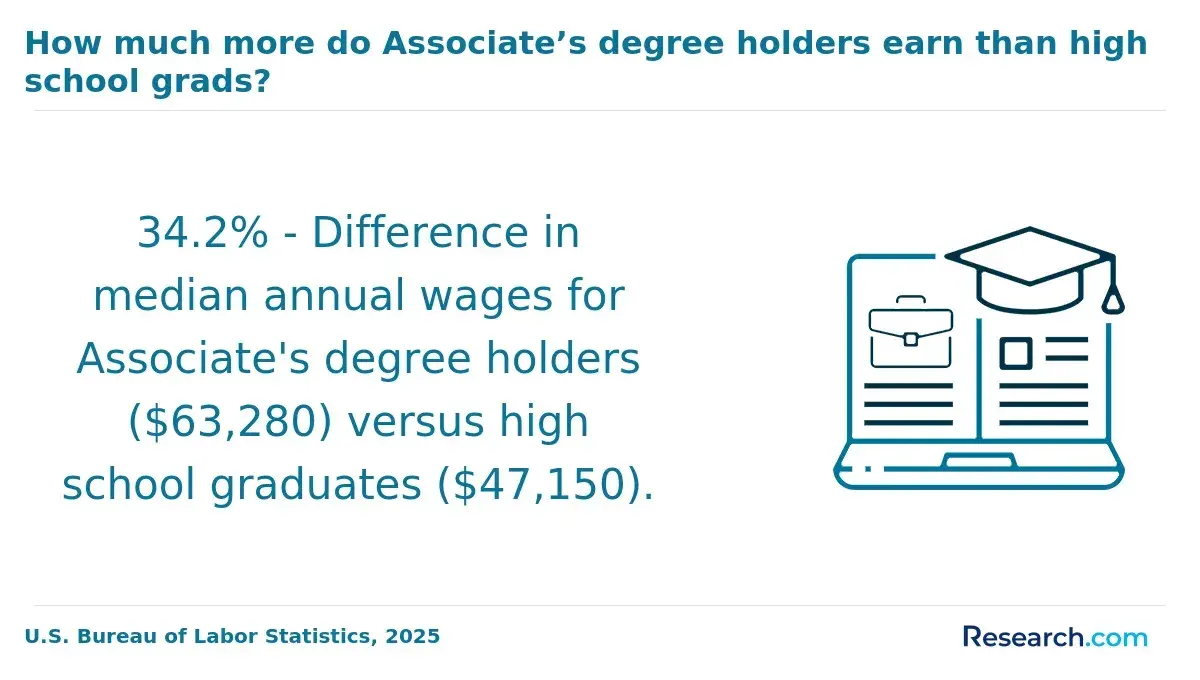
Choosing to transfer from an associate degree to a bachelor's in Astronomy & Space Studies offers a strategic blend of affordability and academic readiness, significantly boosting career prospects. Holders of a bachelor's degree in this field typically enjoy a 30% higher employment rate in specialized roles compared to associate degree holders.
Below are key advantages that highlight why this pathway is valuable for many students.
- Expanded Expertise: A bachelor's degree deepens knowledge through advanced astrophysics, planetary science, and cosmology, moving beyond foundational skills to include specialized sub-disciplines like celestial mechanics and space mission design.
- Career Advancement: More than 60% of employers in the space science sector favor candidates with at least a bachelor's degree, reflecting industry standards that reward higher qualifications with better job opportunities and potential leadership roles.
- Smoother Academic Progression: Completing a bachelor's eases transfer admission requirements for Astronomy & Space Studies bachelor's degree programs and facilitates entry into graduate studies or professional certifications, enhancing long-term earning potential.
- Skill Development: Bachelor's curricula often incorporate leadership and research methodologies crucial for work in academia, government, and private space companies, equipping graduates with skills that associate programs may not fully address.
For those considering further education options, exploring 1 year master's programs online can be an efficient next step after earning a bachelor's in Astronomy & Space Studies.
What are the academic requirements to transfer from an associate to bachelor's in Astronomy & Space Studies?
While specific criteria vary by institution, successful transfer into a bachelor's in Astronomy & Space Studies program from an associate degree generally hinges on demonstrated academic consistency and the completion of foundational prerequisites.
Several key academic pillars guide transfer admission prerequisites for astronomy and space studies programs.
- Minimum GPA: Most programs require a cumulative GPA between 2.5 and 3.0 on a 4.0 scale. Maintaining or exceeding this benchmark reflects strong academic performance and readiness for upper-division coursework.
- Prerequisite Coursework: Completion of introductory courses in calculus-based physics, calculus I and II, and general chemistry is typically required. Some programs also emphasize computer programming or statistics skills essential for astronomy data analysis.
- Transferable Credits: Bachelor's programs often expect students to have completed between 30 and 60 transferable college credits. This ensures adequate exposure to foundational academic material and preparedness for advanced study in astronomy & space studies.
- Grade Minimums: Transfer applicants usually must earn at least a grade of C in core science subjects such as physics, calculus, and chemistry. Higher grades not only improve eligibility but also indicate mastery of key concepts.
Students should strategically plan their associate degree curriculum to align with these academic requirements for transferring to astronomy and space studies bachelor's degree programs. Early academic advising is critical for maximizing credit transferability and ensuring coursework meets program standards. For students exploring related science options, an accelerated psychology degree can also be a valuable pathway to consider within STEM fields.
What documents do you need for a Astronomy & Space Studies transfer application?
Preparing your documents well ahead of applying to transfer from an associate to a bachelor's degree in Astronomy & Space Studies helps ensure a smooth credit evaluation and bolsters your application. Below is a list of key materials typically required to support your transfer request.
- Official Transcripts: Provide complete transcripts from all postsecondary institutions attended. These records display your coursework and grades, enabling accurate evaluation of transfer credits and confirming academic readiness.
- High School Records: Some programs may ask for your high school diploma or transcripts, especially if your associate degree was recently earned or if certain prerequisite subjects from high school remain relevant to your application.
- Academic Coursework Summary: A detailed resume or transcript evaluation highlighting courses in physics, calculus, and related STEM areas is advantageous. This helps admissions understand your foundation in subjects vital to Astronomy & Space Studies.
- Personal Statement: While portfolios are seldom needed, many programs request a personal statement to showcase your scientific motivation, experience, and commitment to the field.
Astronomy & Space Studies programs often acknowledge relevant professional expertise, allowing students to avoid retaking foundational courses they have effectively already learned. Research shows that students utilizing Prior Learning Assessments (PLA) can reduce their time to degree by an average of six months.
Here are common ways prior experience may translate into academic credit:
- Workplace Training: Hands-on roles in space research facilities or observatories frequently align with course objectives, enabling credit through documented job responsibilities and training.
- Professional Certifications: Certifications such as telescope operation or specialized technical credentials validate skills and knowledge applicable to astronomy curricula.
- Portfolio Review: Detailed portfolios showcasing relevant projects, experiments, or technical work provide evidence of mastery in key areas required for bachelor's coursework.
- Supervisor Evaluations: Letters or evaluations from supervisors can confirm practical experience directly tied to astronomy and support credit transfer eligibility.
Transfer credit eligibility for astronomy work experience varies greatly by institution, so discussing specifics with admissions is essential. For those exploring options, examining accelerated paralegal programs provides insight into how professional learning is recognized across fields, offering useful context for credit policies in Astronomy & Space Studies.
Opting to start with an associate degree before transferring to a bachelor's program in Astronomy & Space Studies offers a practical way to cut overall education costs while maintaining academic integrity. Tuition at public community colleges averages around $3,500 annually, significantly less than the roughly $10,000 yearly charge at four-year public institutions. This gap typically results in a 40% to 60% reduction in total tuition expenses.
Beyond tuition, students benefit from lower institutional fees and often incur less debt, thanks to reduced costs for lower-division coursework and decreased loan interest payments. Choosing this route can lead to substantial financial relief throughout the degree journey, making it a smart choice for many who want to manage expenses effectively without sacrificing quality.
When asked about his experience following this transfer pathway, a student shared, "Navigating the credit transfer process was challenging at times, especially making sure every course counted toward the bachelor's degree. I felt anxious about whether the credits would fit properly. But seeing my final tuition bills, I realized the savings were well worth the extra effort and occasional confusion. It also gave me more confidence to focus on my studies, knowing I wasn't overwhelmed by debt."
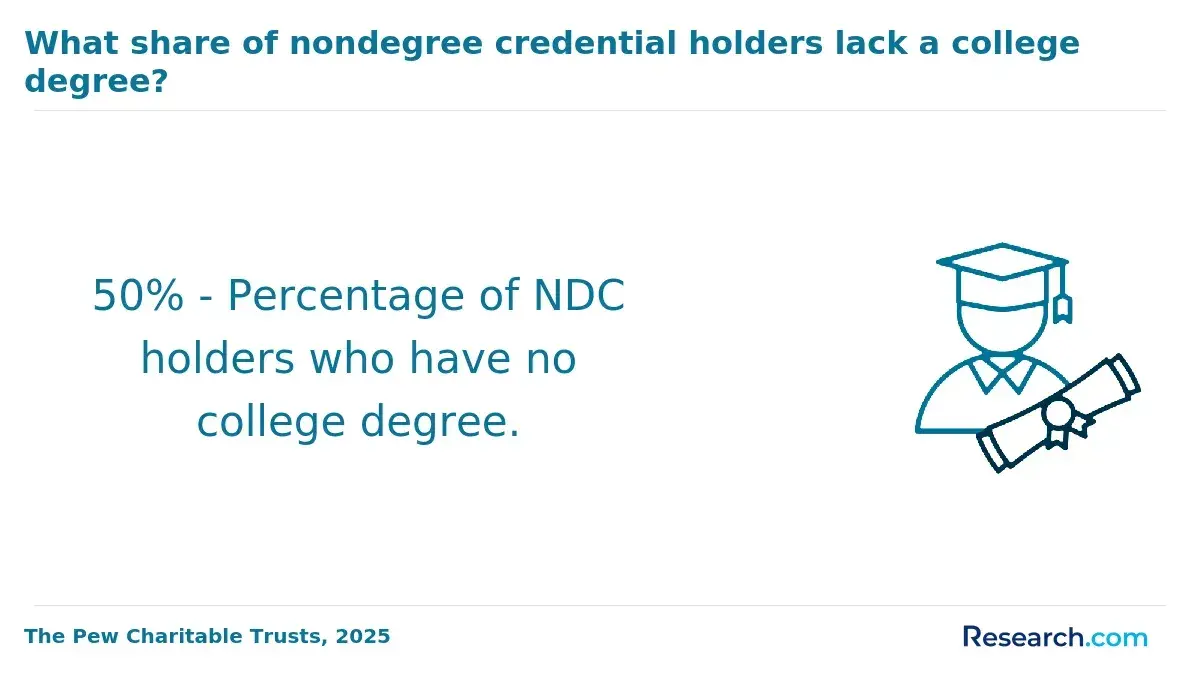
Many colleges and professional organizations provide targeted financial aid to support students moving from an associate degree into a bachelor's program in Astronomy & Space Studies. Approximately 35% of physical sciences bachelor's students benefit from scholarships or grants averaging $1,500 to $5,000 per year.
Below are key types of funding opportunities available to transfer students in this field.
- Institutional Transfer Scholarships: These awards are offered by colleges to encourage associate degree holders to continue their education. Eligibility often requires maintaining a minimum GPA and completing a set number of transferable credits, typically between 30 and 60. Such scholarships can considerably lower tuition costs for incoming transfer students.
- State-Funded Grants: Many states fund grants specifically supporting residents pursuing STEM bachelor's degrees, including astronomy and space-related studies. Applicants usually must be enrolled full-time and demonstrate satisfactory academic progress to qualify.
- Professional Organization Scholarships: Dedicated astronomy and space science groups provide scholarships recognizing academic merit and commitment to the profession. These often require submission of transcripts, recommendation letters, and proof of involvement in relevant research or outreach activities.
Many professionals pursuing a bachelor's degree in Astronomy & Space Studies can significantly reduce their tuition expenses by taking advantage of employer-based tuition reimbursement programs. Approximately 46% of U.S. employers provide some form of educational assistance, with STEM-related fields, including Astronomy & Space Studies, showing notably higher participation.
Here are key factors students should consider when exploring these benefits:
- Minimum Employment Tenure: Employers often require a continuous employment period, typically ranging from six months to one year, before employees become eligible for tuition reimbursement programs.
- Academic Performance Requirements: Maintaining a satisfactory GPA, usually 2.5 or higher, is commonly required to continue receiving assistance. This ensures students remain on track academically while balancing work and studies.
- Annual Benefit Caps: Many companies cap tuition reimbursements around $5,250 per year, aligning with the IRS tax-free limit for educational assistance benefits. This applies to degree completion programs designed for students transferring from an associate to a bachelor's level.
- Post-Degree Employment Obligations: Some employers require employees to stay with the company for a certain number of years after degree completion to retain the reimbursement benefits or avoid repayment.
Leveraging these employer benefits can meaningfully decrease out-of-pocket costs for Astronomy & Space Studies students advancing their education through transfer pathways, supporting their career and academic goals while maintaining financial stability.
Accreditation serves as a critical quality guarantee for students transferring from an associate degree to a bachelor's in Astronomy & Space Studies, ensuring the academic standards meet rigorous requirements for degree completion. Over 85% of four-year programs prefer credits from regionally accredited institutions with recognized programmatic accreditation, underscoring their importance for credit mobility.
Institutional accreditation evaluates the entire school's academic quality and resources, validating the legitimacy of the associate degree. In contrast, programmatic accreditation focuses specifically on Astronomy & Space Studies curricula, confirming that the specialized coursework aligns with professional and academic standards. Students should carefully verify both to meet accreditation requirements for astronomy and space studies transfer programs and protect their educational investment.
Maintaining enrollment within accredited pathways prevents the risk of losing credits during transfer and supports the long-term value of the degree, which is also crucial when pursuing professional licensure or employment in space sciences. For students exploring flexible study options, an online hospitality degree offers insights into alternative accredited programs that maintain stringent quality controls.
Transferring from an associate degree to a bachelor's in astronomy & space studies significantly expands career options, qualifying graduates for specialized and leadership positions within the industry. The U.S. Bureau of Labor Statistics projects an 8% growth for physicists and astronomers between 2022 and 2032, indicating rising demand for experts with bachelor's-level qualifications.
Below are some career paths that benefit from a bachelor's degree in this field:
- Research Scientist: Working in government agencies or academic settings, research scientists design and conduct studies on celestial phenomena, requiring a strong foundation in physics and data analysis that a bachelor's degree provides.
- Aerospace Engineer: These professionals develop and test spacecraft systems and technologies, needing advanced knowledge of engineering principles typically gained through a bachelor's in astronomy & space studies or a related discipline.
- Space Mission Analyst: Responsible for planning and analyzing satellite or probe missions, this role demands skills in applied mathematics and space science that are honed during bachelor's-level education.
- Science Communicator: Combining expertise in astronomy with communication skills, these specialists translate complex scientific information for public audiences, requiring a thorough understanding gained through a bachelor's degree.
- Data Scientist in Space Analytics: Professionals in this growing area apply data science techniques to large astrophysical datasets, relying on strong statistical and computational training provided by a bachelor's program.
The path from an associate to a bachelor's degree in Astronomy & Space Studies is often streamlined, but administrative oversights can lead to credit loss and delays. Research shows that students lose an average of 30% of their credits when transferring, emphasizing the need for careful planning.
Below are some common pitfalls to avoid during this transfer process.
- Credit Loss: Losing credits during transfer is a major obstacle that can unnecessarily extend the time and cost required to graduate. Many institutions have strict policies on which credits they accept, so verifying these early is essential.
- Curriculum Misalignment: Associate programs may focus primarily on foundational sciences but often omit specific prerequisites required for bachelor's programs in Astronomy & Space Studies. This mismatch forces students to take extra courses, delaying progress.
- Changing Majors: Switching to Astronomy & Space Studies from unrelated fields can require retaking foundational courses, adding to the total credit load and lengthening study time.
- Inadequate Advising: Not seeking specialized academic advising geared toward Astronomy & Space Studies pathways can leave students unaware of critical transfer requirements, causing avoidable setbacks.
Students should also pay close attention to application deadlines and documentation for transfer students to overcome common transfer hurdles. Those pursuing an online associate's degree may face additional challenges related to tuition cost pitfalls in astronomy and space studies transfer pathways. Early communication with advisors can help mitigate these risks effectively.
What Graduates Say About Transferring from an Associate to Bachelor's in Astronomy & Space Studies
- Dante: "Choosing to transfer from an associate degree to a bachelor's in astronomy & space studies was one of the best decisions I made for my career. The program's affordable tuition allowed me to continue my education without the stress of overwhelming debt. Now, I'm excited to apply the knowledge I gained towards groundbreaking research in astrophysics."
- Collin: "I transferred to a bachelor's in astronomy & space studies to deepen my understanding beyond the foundational courses from my associate degree. The cost-effective transfer pathway made it feasible for me to access advanced labs and expert faculty while managing expenses. Reflecting on my journey, I realize this path truly opened doors to opportunities in both academia and industry."
- Dylan: "The pursuit of a bachelor's in astronomy & space studies after my associate degree was driven by my passion for exploring the cosmos. The transfer pathway was structured in a way that saved me time and money, compared to starting fresh. Professionally, this progression has been invaluable, giving me a competitive edge in a field that constantly challenges scientific boundaries."
Other Things You Should Know About Astronomy & Space Studies Degrees
Most universities accept transfer students, but the competitiveness and admission requirements vary significantly. Some universities may have limits on the number of transfer students they admit each year or specific prerequisites that must be completed before applying. Checking with the admissions office and astronomy & space studies department can clarify these specifics.
The time to complete a bachelor's degree after transferring usually ranges from two to three years, depending on the number of transferable credits and the student's course load. If most general education and introductory astronomy courses transfer, students can focus more on advanced topics, potentially shortening their overall time to degree completion.
Yes. Most universities require official transcripts showing calculus-based physics and laboratory sciences, usually two semesters of physics with labs and one or two chemistry or astronomy lab courses. Admissions offices review these courses to verify preparation for upper-division work in 2027.
- Associate in Science, Emphasis in Astronomy https://www.mesacc.edu/programs/map/associate-science-emphasis-astronomy-as-22-23
- How to Go from an Associate’s Degree to a Bachelor’s Degree | George Fox University https://www.georgefox.edu/adult-degree/articles/associate-to-bachelor-degree.html
- Is it better to get an associate's degree before transferring? https://www.spainexchange.com/faq/is-it-better-to-get-an-associates-degree-before-transferring
- Getting an associate degree before transfer isn’t always helpful - Asha Modern School https://ashamodernschool.in/getting-an-associate-degree-before-transfer-isnt-always-helpful/
- Astronomy https://www.arapahoe.edu/academics-programs/programs/astronomy
- 1281 Undergraduate Astronomy Scholarships available https://www.hotcoursesabroad.com/study/international-scholarships/all/Undergraduate/astronomy/cid/2/b12/scholarship58.html
- Earth Science A.S. - Transfer Degree https://www.clcillinois.edu/programs/egrdv/earth-science/earth-science-as-transfer-degree
- Astronomy, cosmology & space science jobs https://www.physicsworldjobs.com/jobs/astronomy-cosmology-and-space-science/
- Associate in Science, Emphasis in Astronomy | Estrella Mountain Community College https://www.estrellamountain.edu/degrees-certificates/science-technology-engineering-and-mathematics/associate-science-emphasis-astronomy-8605-as
- South Suburban College https://www.ssc.edu/academics/programs-of-study/science-technology-engineering-and-mathematics-stem-program/astronomy/