2027 Online Astronomy & Space Studies Bachelor's Degrees for Adults Over 40

Co-Founder and Chief Data Scientist
Adults over 40 often face unique challenges when seeking career advancement or change-balancing work, family, and education can seem daunting. In fields like astronomy & space studies, these challenges multiply due to the technical nature and evolving scientific discoveries. Yet, about 28% of online astronomy & space studies bachelor's degree enrollees are adults over 40, showing growing interest in flexible learning tailored for mature students.
Online programs offer adaptability without sacrificing depth, allowing learners to engage with complex concepts at their own pace. This article explores key online astronomy & space studies programs designed to help adults achieve career goals within this dynamic field.
Key Points About Online Astronomy & Space Studies Bachelor's Degrees for Adults Over 40
- Online astronomy & space studies programs offer adults over 40 flexibility to balance education with existing careers or personal commitments without relocating or adhering to strict schedules.
- These degrees provide specialized knowledge that can lead to roles in research, education, and aerospace industries, where 35% of professionals value mature student experience as an asset.
- Investing in a bachelor's online allows adults to update technical skills and gain certifications that significantly enhance career advancement and salary potential in emerging space technologies.
What are the best online Astronomy & Space Studies bachelor's degrees for adults over 40?
Professionals over 40 pursuing a transition or advancement in astronomy and space studies can benefit significantly from flexible online bachelor's degree programs tailored to mature learners. With the U.S. Bureau of Labor Statistics projecting a 9% growth in physical scientists' occupations by 2032, choosing a top accredited astronomy and space studies bachelor program for mature students becomes a strategic move for long-term career growth. Below are some of the best online programs designed specifically to meet the needs of adult learners balancing education with life commitments.
- University of Southern Queensland: Known for its Bachelor of Science in astrophysics, this program emphasizes observational techniques and provides unique access to remote-operated telescopes. It offers a strong practical component suited for adults seeking hands-on experience alongside theoretical foundations.
- Oregon State University: Offering a Bachelor of Science in Physics with an astronomy concentration, Oregon State integrates virtual laboratories and cutting-edge simulation tools. This immersive experience is ideal for online students who cannot attend physical labs, ensuring robust engagement with complex concepts.
- University of Central Florida: The Bachelor of Science in Astronomy with a focus on planetary science stands out for its collaboration with NASA. This partnership enhances coursework and research opportunities, allowing students to connect with leading space research centers nationwide.
- Embry-Riddle Aeronautical University: Hosting a Bachelor of Science in Space Studies, the program explores space policy, exploration, and science through a proprietary online platform tailored for adult learners. Interactive lectures and networking events make this program uniquely suited for professionals.
- Arizona State University: The Bachelor of Science in Physical Sciences with an astronomy option delivers an interdisciplinary curriculum including physics, geology, and computer science. This flexibility enables students to customize their studies to align with personal interests and career goals.
These programs reflect the best online astronomy and space studies bachelor's degrees for adult learners over 40 by providing tailored academic support and flexible learning models. For adults ready to advance their education without sacrificing career momentum, selecting the right plan is essential. Those interested in cost-effective opportunities may also explore the cheapest EdD online program for alternative accelerated degree options.
How much do online Astronomy & Space Studies bachelor's degrees typically cost?
The average cost of online astronomy & space studies bachelor's degrees typically ranges from $300 to $600 per credit hour. For a full 120-credit program, total tuition expenses usually fall between $36,000 and $72,000, though prices vary depending on the institution and residency status. Public universities often provide lower in-state tuition, making the cost more manageable for residents. Considering these tuition fees for online astronomy & space studies bachelor's programs is essential when budgeting for your education.
Beyond tuition, students should be aware of various hidden costs associated with online astronomy & space studies programs. Technology fees-commonly between $50 and $200 per semester-cover access to online platforms and digital resources. Additional expenses may include specialized software for data analysis or virtual labs. While online learners save on commuting and housing costs compared to traditional on-campus programs, they must ensure they have a reliable internet connection and an adequate computer setup.
A 2023 survey by the National Center for Education Statistics found that about 85% of online programs charge technology fees, reflecting ongoing investment in remote learning tools. For those seeking to balance quality and affordability, exploring options to study psychology online illustrates how online degrees can be competitively priced without sacrificing access to necessary resources.
What are the admission requirements for adult learners enrolling in online Astronomy & Space Studies bachelor's degrees?
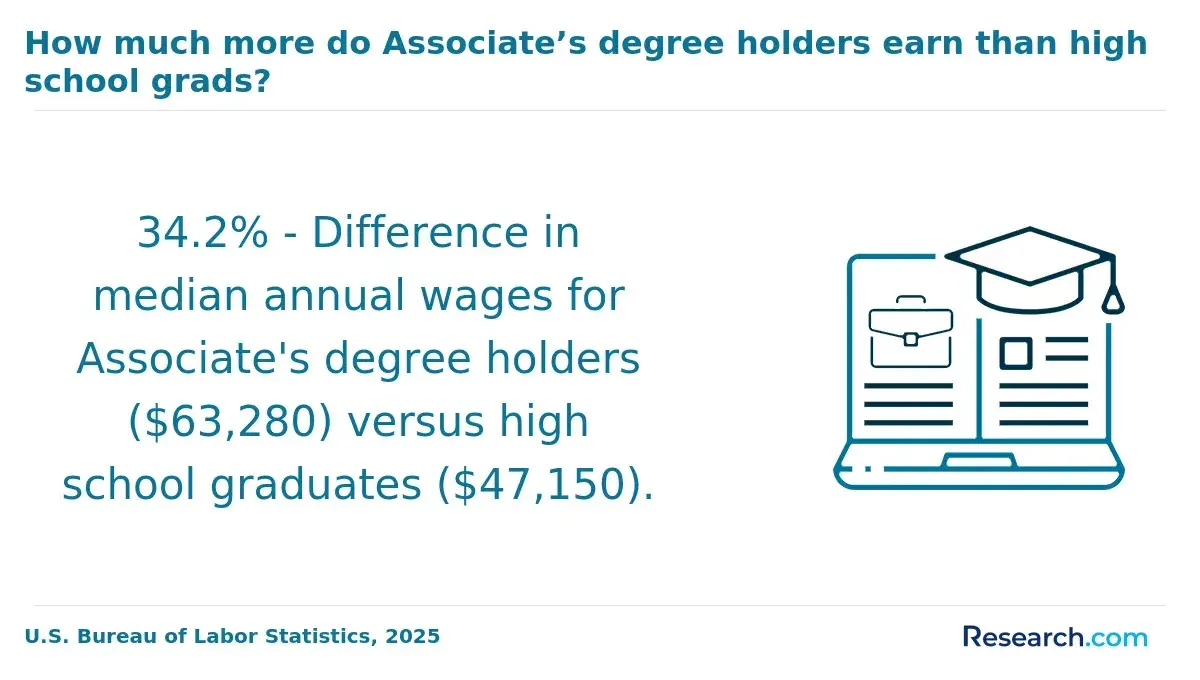
Admission requirements for adult learners enrolling in online astronomy & space studies bachelor's programs generally align with those for recent high school graduates but often include accommodations that recognize life experience and professional backgrounds. According to a 2025 survey, 68% of these programs have adapted their evaluation processes to better assess non-traditional applicants' readiness for scientific coursework. The following points highlight key criteria adult students typically encounter.
- Educational Background: Applicants must hold a high school diploma or equivalent like a GED, which confirms foundational academic skills needed to handle the program's demands. This baseline credential helps ensure adult learners have met general education standards applicable regardless of age.
- Mathematics and Science Proficiency: Demonstrating competence in algebra, trigonometry, and introductory physics is essential, as these subjects form the backbone of astronomy and space studies. Adult students may fulfill this through previous coursework, standardized tests, or refresher classes designed to bridge gaps after time away from formal education.
- Statement of Purpose: Many programs require a written explanation of the applicant's motivation and career objectives, enabling admissions officers to gauge commitment and suitability for the field. For adults, this narrative often reflects a mature perspective on personal and professional goals.
- Technical Skills: Familiarity with computer applications related to data analysis or programming strengthens an applicant's ability to manage scientific assignments. Prior experience or supplemental training through community colleges or online tutorials helps prepare learners for this aspect.
- Recommendations: Some programs request letters from educators or supervisors who can attest to the applicant's academic potential and capacity to handle rigorous study. For adults with work experience, professional references can be especially valuable.
One professional who earned an online astronomy & space studies bachelor's degree shared that navigating admissions "felt like proving I was still capable despite the years away from school." He described how drafting the statement of purpose "forced me to reflect deeply on why I wanted to pursue this path now." Balancing work, family, and preparatory courses was challenging, yet he found the process validating-"It wasn't just about meeting requirements; it was about committing wholeheartedly to a new chapter." This insight underscores how adult learners often approach admissions with both determination and careful planning.
Adults returning to education with a bachelor's in astronomy & space studies often see tangible benefits in salary growth and job security-especially when combining their work experience with new credentials. Early salary increases can be significant, with many mid-career roles in data analysis, research, or aerospace offering $60,000 to $90,000 annually. Leadership opportunities tend to expand as degrees bolster eligibility for management or specialized technical roles within growing sectors such as space exploration technology.
Industry trends suggest a reliable return on investment, with graduates typically recouping their tuition costs within 3 to 6 years. This ROI reflects not only immediate pay boosts but also long-term career resilience in an evolving field enriched by satellite innovation and STEM advancements. Flexible, accelerated online programs help mature students balance studies with professional and personal responsibilities without delaying income potential.
When asked about his experience, a professional who completed an online astronomy & space studies bachelor's reflected on the journey: "It was daunting balancing night shifts with coursework, but the flexibility allowed me to keep afloat. The hardest part was staying motivated when results weren't immediate, yet now I see the payoff-more respect at work and new project leadership responsibilities. For anyone over 40, it's demanding but absolutely worth it."
Modern online astronomy and space studies bachelor's degree programs for working adults integrate cutting-edge content that students can immediately apply to professional settings. Research shows that 73% of adults recognize the importance of continual learning to stay valuable in their careers. These programs enable learners to tackle real-world challenges as they study. Below are three ways these degrees provide practical benefits to professionals over 40 seeking career advancement with astronomy and space studies bachelor's credentials.
- Skill Refreshment: These online programs expose mature students to state-of-the-art research tools and software-closing gaps from previous education and aligning expertise with today's scientific methods.
- Adaptable Scheduling: Designed for adults balancing work and family, these courses allow gradual skill development at a comfortable pace-making it easier to integrate learning into busy lives.
- Professional Networking: Virtual learning environments connect students with instructors and peers actively engaged in ongoing astronomy projects-creating mentorships and collaboration opportunities that extend beyond the classroom.
Such features empower over-40 professionals to remain competitive contributors in the astronomy workforce. Those interested in further expanding their qualifications might also explore a cheap online accounting degree for additional career flexibility alongside their astronomy and space studies pursuits.
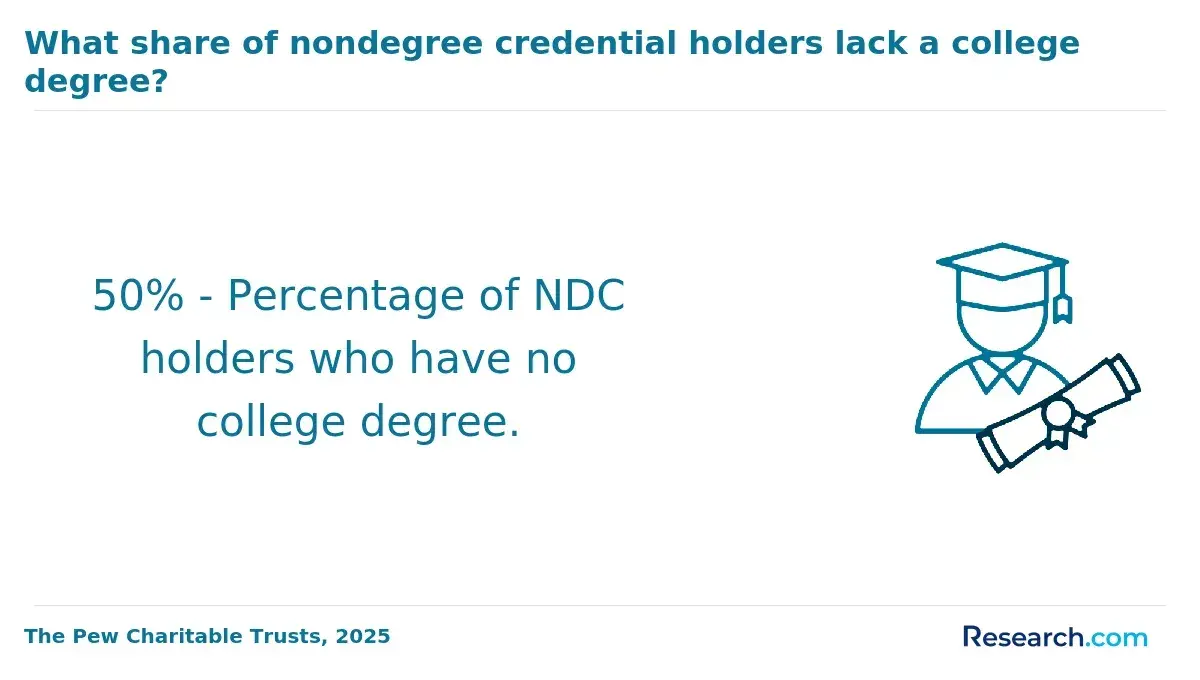
Adult students over 40 pursuing online astronomy & space studies bachelor's degrees have access to a variety of financial aid options-important tools given that nearly 85% of undergraduates receive some form of financial assistance. These funds can make advanced education more affordable and accessible, especially for nontraditional learners balancing other responsibilities. Below are key programs tailored to support adult learners in this field.
- Adult Students in Scholastic Transition (ASIST) Grant: This grant supports nontraditional students returning to college who are at least 24 years old, demonstrate financial need, and are enrolled in accredited STEM-related programs such as astronomy & space studies.
- NASA Aeronautics Scholarship Program: Targeted at students in aerospace and related disciplines, this competitive scholarship emphasizes merit and offers internships. Applicants over 40 must engage in coursework and research activities aligned with NASA's mission.
- Silver Scholars Diversity Grant: Designed to increase diversity among mature STEM students, eligibility requires a minimum GPA and a commitment to advancing space sciences knowledge for those aged 35 and older.
- Institutional Scholarships for Adult Learners: Many universities offering online astronomy & space studies degrees provide scholarships based on academic achievement, professional experience, and financial need. Contacting the school's financial aid office is essential for details.
- Federal Aid Programs: Adult students can apply for Pell Grants and Federal Supplemental Educational Opportunity Grants (FSEOG) by submitting the FAFSA annually. These programs complement specialized scholarships to significantly reduce tuition costs.
To successfully navigate these financial aid options, adult students should thoroughly research available scholarships and grants for online astronomy and space studies degrees. Additionally, exploring resources tailored to adult learners can provide crucial support. Those interested in expanding their academic pursuits may also consider related opportunities such as a social media marketing degree, which offers flexible online options and financial aid programs designed for adult students.
Many professionals returning to education after 40 can convert their professional certifications into academic credits in online astronomy & space studies bachelor's programs. Certifications like the Certified Astronomy Technician (CAT) and NASA's Remote Sensing Certificate are widely recognized for their technical depth and relevance. This credit-by-experience approach helps learners leverage their real-world expertise-significantly reducing time and tuition costs.
The process for converting certifications usually involves a detailed review by the university, which may include portfolio assessments, exams, or standardized testing. Institutions tailor the credit evaluation to align with their degree requirements, ensuring students receive formal recognition for their professional experience. According to the Council for Adult and Experiential Learning (CAEL), over 80% of U.S. colleges support prior learning assessment (PLA), enabling adult learners to save an average of six months of study and 20-30% of tuition.
This option is ideal for adults balancing careers and education, offering a practical and efficient path to academic advancement. By formally validating professional certifications, students can accelerate their journey to a bachelor's degree in astronomy & space studies while minimizing financial and time barriers.
Adult learners enrolling in online astronomy & space studies bachelor's degree programs often have the option to transfer previous college credits. Many institutions allow up to 60-90 semester hours to be transferred-equivalent to about two to three years of coursework-which can significantly shorten the time required to complete the degree. This transfer potential is especially beneficial for mature students seeking to reduce both the duration and cost of their education.
The evaluation process generally requires submission of official transcripts to admissions or a specialized transfer credit team, who analyze course equivalency by examining credit hours, content, and grades. While general education credits like math and English typically transfer without issue and often have no expiration limit, specialized courses in astronomy or space science are reviewed more rigorously. Due to rapid advancements in these scientific fields, programs frequently mandate that specialized credits be earned within the past 7-10 years to maintain relevance. Statistics show that approximately 85% of online STEM students successfully transfer credits, demonstrating that this pathway remains a practical option for adult learners focused on efficiently completing their bachelor's degree.
The relevance of SAT or ACT scores for admissions to online astronomy & space studies bachelor's degree programs tends to diminish significantly for applicants over 40. Many institutions now waive these standardized test requirements for adult learners, recognizing that such exams may not reflect the capabilities of students with substantial life or work experience. Instead, admissions committees often emphasize previous college credits, professional accomplishments, or other academic indicators when evaluating candidates.
However, there are exceptions where submitting SAT or ACT scores might still offer advantages. Certain competitive scholarships or honors tracks within astronomy & space studies programs may require test scores as part of their selection criteria. Additionally, if a student lacks sufficient transferable credits or formal academic history, schools might request standardized test results to better assess readiness. Prospective students should directly contact admissions offices to clarify current policies and explore possible alternatives or exemptions.
Applicants are encouraged to gather all relevant academic records and prepare personal statements or portfolios that highlight their skills and experience. This approach can strengthen applications when standardized tests are not part of the admissions process or when scores are unavailable.
Choosing an online astronomy & space studies bachelor's degree requires a structured approach to ensure the program matches your professional goals and personal circumstances. A clear evaluation strategy helps adult students over 40 identify programs that emphasize their unique career priorities.
- Curriculum Depth: Prioritize programs that deliver comprehensive coverage of astrophysics, planetary science, and space technology, integrating the latest industry advancements. A curriculum with strong foundational and contemporary content prepares students for practical applications and career relevance.
- Schedule Flexibility: Adults balancing work and family need asynchronous classes with extended access to materials. Flexibility in scheduling allows learners to progress at their own pace without sacrificing other responsibilities, a key factor for busy professionals over 40.
- Hands-On Learning: Access to virtual labs, simulations, or research projects enhances understanding through experiential learning. Practical exposure, even online, is essential for mastering complex astronomical concepts and applying knowledge effectively.
- Faculty Expertise and Support: Programs that connect students with experienced instructors and offer comprehensive academic and technical support boost motivation and academic success. Personalized advising helps adult students navigate coursework challenges and maintain momentum.
- Career Services: Tailored career support including job placement assistance and professional networking significantly benefits mature students. Services that facilitate career transitions ensure graduates leverage their degree effectively in astronomy-related fields.
When adult students compare accredited online astronomy & space studies bachelor's programs, these factors become crucial for finding a suitable fit. Those seeking professional options might also explore related fields; for example, researching electrical engineering degree online admissions can present alternative STEM pathways with strong career prospects.
By focusing on these key factors for choosing the best online astronomy & space studies degree for professionals over 40, students can confidently select programs that align with both their ambitions and lifestyle.
What Graduates Say About Their Online Astronomy & Space Studies Bachelor's Degree
- Naomi: "At 40, I chose to pursue an online astronomy & space studies bachelor's degree because I wanted to fulfill a lifelong passion while balancing family commitments. The affordability of an accredited online program made it accessible without financial strain, which was crucial for me. This degree has opened doors to consulting roles in aerospace, proving it's never too late to pivot your career in a meaningful way."
- Collin: "Going back to school at 40 felt daunting, but the flexibility of an online astronomy & space studies bachelor's program fit perfectly with my full-time job. I appreciated that the program was accredited and reasonably priced, which gave me confidence in the value of my education. Now, I'm using my new knowledge to transition into a technical role in a science museum, combining passion with purpose."
- Dylan: "Deciding to earn my online astronomy & space studies bachelor's degree later in life was both a personal and professional decision. The cost of the program was manageable, especially compared to traditional universities, which made it easier to justify investing in myself at 40. Since graduating, I've advanced in my career as a data analyst for a space research company, and this degree played a key role in that achievement."
Other Things You Should Know About Astronomy & Space Studies Degrees
Adults pursuing online degrees in astronomy and space studies should have basic proficiency with computers, including the use of learning management systems and scientific software. Skills in data analysis and programming languages such as Python or MATLAB are often helpful for completing coursework and research projects. Familiarity with virtual telescopes and simulation tools can also enhance the learning experience.
Yes, many online astronomy and space studies bachelor's programs are designed with adult learners in mind, offering asynchronous classes that allow students to access lectures and assignments at any time. This flexibility enables professionals working full-time to balance their studies with job and family responsibilities. Additionally, some programs provide part-time enrollment options and extend deadlines to accommodate busy schedules.
Many online programs accept up to 90 transfer credits toward a 120-credit bachelor’s degree, but they usually require at least 30 credits from the degree-granting school. Regionally accredited coursework is most often accepted, and an official transcript review is required before enrollment.
Online astronomy and space studies degrees typically include virtual labs using simulations and remote-access telescopes to replicate hands-on experiences. Some programs may require occasional in-person labs or fieldwork, but many adapt practical components to be fully online. These approaches ensure that students develop essential observational and analytical skills despite the distance learning format.
- Astronomy https://www.arapahoe.edu/academics-programs/programs/astronomy
- Planetary Science with Astronomy (Certificate in Higher Education) https://www.bbk.ac.uk/courses/undergraduate/planetary-science-with-astronomy-certificate-in-higher-education
- 425 Mature students Undergraduate Astronomy Scholarships available https://www.hotcoursesabroad.com/study/international-scholarships/all/undergraduate/astronomy/mature-students/all/cid/2/b12/1175/nty/scholarship.html
- Space-related degrees - Space Training Catalogue https://training.spaceskills.org/degrees
- General and faculty requirements https://is.cuni.cz/studium/eng/prijimacky/index.php
- Module Fees https://studyastronomy.com/module-fees/
- Physics and Astronomy https://www.durham.ac.uk/study/courses/physics-and-astronomy-ff3n/
- Scholarships https://www.compadre.org/student/bulletinboard/TDetails.cfm