2027 Can You Get a Hospitality Management & Tourism Bachelor's Degree After 30?

Co-Founder and Chief Data Scientist
Imagine someone over 30 seeking to start a bachelor's degree in hospitality management & tourism after years in unrelated fields or caregiving roles. Many face doubts about balancing family, work, and study while competing with younger peers. Statistics show that 42% of hospitality management & tourism bachelor's students in the U. S. are adult learners, reflecting a growing trend of career changers and returnees in this sector.
This article explores the challenges and opportunities of earning a hospitality management & tourism degree after 30-examining program options, credit transfers, timeframes, financing, and career outcomes to guide informed choices.
Key Things to Know About Getting a Hospitality Management & Tourism Bachelor's Degree After 30
- Admission often requires a high school diploma or equivalent-many programs accept transfer credits and recognize professional experience, easing entry for those over 30 seeking accelerated paths.
- Financing options include employer tuition assistance, federal aid, and scholarships targeting adult learners and veterans-balancing costs with part-time study supports family and work commitments.
- Graduates typically see increased earning potential-data shows Hospitality Management & Tourism degree holders over 30 benefit from higher job stability and long-term income growth, validating the investment.
Can You Really Get a Hospitality Management & Tourism Bachelor's Degree After 30?
Data from the National Center for Education Statistics (NCES) demonstrates consistent growth in enrollments of adult learners aged 25 and older in bachelor's programs, including those completing hospitality management and tourism degrees over 30. Returning to college after 30 is increasingly common, with many institutions redesigning programs to accommodate adult students balancing work, family, and other responsibilities.
This article explores critical factors shaping the adult learner journey in hospitality management & tourism-focusing on time management, finances, career impact, program types, and available support systems.
- Enrollment Trends: Growth among adult students 25+ highlights expanding access to hospitality management & tourism education, with programs tailored to nontraditional learners seeking credential completion later in life.
- Time Commitment: Flexible scheduling options, such as evening and online classes, make it possible for adults over 30 to pursue degrees while managing work and family duties without overwhelming their schedules.
- Financial Considerations: Scholarships, employer tuition assistance, and federal aid programs help mitigate the financial burden-essential for adult learners often balancing multiple financial priorities.
- Career Impact: Earning a hospitality management & tourism bachelor's degree after 30 can facilitate meaningful career pivots or advancement, improving earning potential and job security in growing sectors.
- Support Systems: Advising, tutoring, and career services specifically designed for adult students enhance retention and graduation rates, providing the guidance necessary to succeed.
Millions of adults successfully complete bachelor's degrees annually despite challenges such as balancing various priorities and adapting to academic demands. Adult learners bring valuable experience that enriches their studies and future careers. For those researching the fastest credentialed pathway into hospitality management & tourism, resources on easiest college majors may offer additional guidance when selecting a degree program best suited to their lifestyle and goals.
Why Are More Adults Over 30 Pursuing a Hospitality Management & Tourism Bachelor's Degree?
The number of adults over 30 pursuing a hospitality management & tourism bachelor's degree has risen notably over recent years, reflecting broader shifts in workforce priorities and educational accessibility. Longitudinal data from the Lumina Foundation, NCES, and the American Council on Education (ACE) reveal several key reasons adults over 30 pursue hospitality management & tourism degrees.
Many are driven by strong career transitions-this sector offers fresh opportunities aligned with industry growth and real-world demands. Employer tuition benefits play a significant role, with more companies offering tuition assistance that makes earning a degree financially achievable for working adults.
- Career Transitions: Adults changing professions find the hospitality management & tourism field a dynamic choice with promising growth and stability.
- Employer Tuition Benefits: Employer-sponsored tuition programs often cover partial or full costs, encouraging adults to upgrade credentials.
- Layoffs and Economic Shifts: Workforce disruptions from the pandemic have pushed displaced workers to reskill, with hospitality management & tourism's recovery providing a viable pathway back to employment.
- Online Program Availability: Flexible online and hybrid programs reduce geographic and scheduling barriers, perfectly suited for adult learners balancing career and family.
- Wage Premiums: Research shows degree holders in this field typically command higher wages, highlighting the benefits of hospitality management & tourism degrees for adult learners seeking better earnings.
Post-pandemic transformations have also made hospitality management & tourism more welcoming to adults over 30. The industry's focus on technology, sustainability, and guest experience innovation matches the diverse skill sets of older students. Institutions now offer enhanced support services-credit for prior learning, targeted advising, and accelerated courses-to help adults complete degrees efficiently.
This robust infrastructure validates the growing interest and commitment of adult learners in hospitality management & tourism. For those exploring flexible degree options, resources like business degree online programs further expand access and affordability in related fields.
What Are the Most Common Challenges Adults Over 30 Face When Pursuing a Hospitality Management & Tourism Degree?
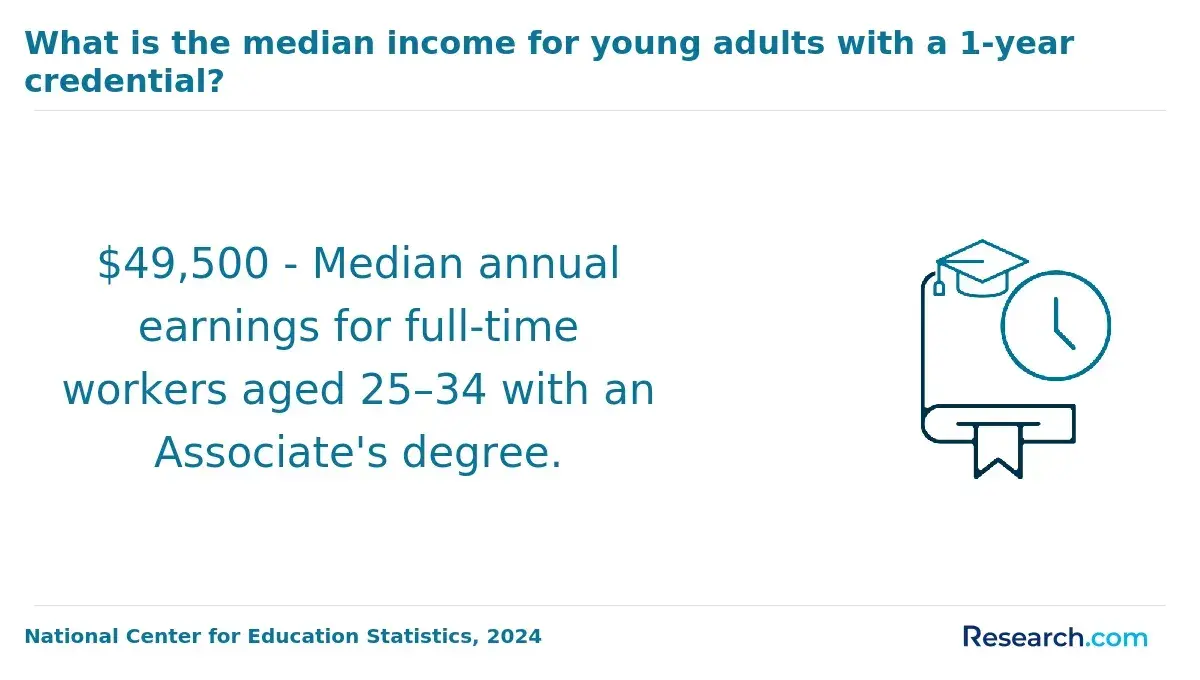
Pursuing a hospitality management & tourism degree as an adult learner often involves balancing multiple responsibilities alongside academic demands. From limited time and financial pressures to adapting to new technologies and navigating complex school systems, these challenges can feel overwhelming.
However, they are common experiences shared by many adult students. Understanding and anticipating these barriers can help learners stay focused, access the right support, and move forward with confidence toward completing their degree.
Time Constraints: Adult learners often juggle demanding work schedules and family duties, leaving limited availability for classes and study. This significant challenge underscores the need for flexible course delivery options that accommodate varied lifestyles.
Financial Pressures: Unlike many traditional students, adults frequently finance their education independently, balancing tuition costs, supplies, and income lost from reduced work hours. Access to scholarships, grants, and employer tuition support can mitigate these financial hurdles.
Technology Gaps: Returning students may struggle with unfamiliar online learning platforms, digital submissions, and virtual group work. These obstacles can hinder engagement and confidence but can be remedied through dedicated orientation and continuous technical assistance.
Imposter Syndrome: Feelings of self-doubt often arise as adults compare themselves to younger classmates or question their academic abilities. Recognizing this as a widespread concern among peers can help build resilience and foster supportive networks.
Academic Bureaucracy: Complex enrollment processes, transfer credit evaluations, and degree requirements can be confusing and frustrating. Clear advising and streamlined administrative procedures are vital to prevent delays and unnecessary coursework.
Most adult students in hospitality management & tourism encounter several of these challenges concurrently. Accepting these shared experiences reduces isolation and self-blame, creating a foundation for persistence and success. Strategies to overcome these barriers will be addressed in detail in upcoming sections.
One professional who enrolled in the hospitality management & tourism bachelor's degree after 30 reflected on his journey: "Balancing a full-time job with parenting was overwhelming at first-I often felt stretched too thin and worried I'd fall behind." He also noted having to "learn new software on the fly, which was frustrating but became manageable with campus tech workshops."
Navigating the complicated credit transfer system initially caused delays, and he admitted feeling like he didn't belong among younger students at times. Yet, by connecting with supportive advisors and peers, he found motivation to keep going. "The whole experience taught me that persistence and tapping into available resources made the degree attainable despite the hurdles."
What Types of Hospitality Management & Tourism Bachelor's Degree Programs Are Best Suited for Adults Over 30?
Adults returning to education in hospitality management and tourism often find program formats tailored to fit their varied schedules and obligations. These flexible hospitality management and tourism bachelor's degree options for adult learners address the balance between work, family, and study commitments while offering different pacing and campus involvement.
- Fully Online: Entirely remote programs provide asynchronous learning, allowing students to progress by mastery instead of traditional timelines. Institutions like WGU and Arizona State Online exemplify this model, offering maximum flexibility for those juggling multiple responsibilities.
- Hybrid: Combining online coursework with occasional campus attendance, hybrid options deliver some face-to-face learning and networking experiences, suitable for adults seeking periodic in-person engagement without a full campus presence.
- Evening and Weekend On-Campus: These programs schedule classes outside regular working hours, appealing to students who prefer live interaction but must work during the day.
- Competency-Based Education (CBE): CBE programs accelerate progress by granting credit for skills and knowledge from prior experience-effective for career changers and military veterans eager to avoid repeating familiar material.
- Accelerated Cohort Models: Group-based fast-track formats guide learners through compressed timelines together, fostering peer support for those aiming to pivot careers swiftly.
Residency obligations vary-fully online and CBE formats minimize campus visits, while hybrid and evening/weekend programs require some onsite participation. Choosing the right format depends on personal learning preferences, lifestyle, and urgency to complete the credential. For those exploring alternatives to traditional pathways, reviewing programs such as a game design degree online can provide insights into flexible degree structures suitable for adult learners.
How Long Does It Take to Earn a Hospitality Management & Tourism Bachelor's Degree After 30?
Adults pursuing a hospitality management & tourism bachelor's degree after age 30 can expect time-to-completion to vary widely based on enrollment status, prior credit, and program structure. Full-time learners generally finish in 4 to 5 years, while part-time students may take 6 to 8 years due to balancing work and family. Prior credits from previous colleges, military service, or professional experience evaluated through prior learning assessment (PLA) and CLEP exams can significantly accelerate progress, sometimes cutting the timeline by 1 to 2 years.
An accelerated program combined with 60 transferable credits might enable a degree completion within 2 to 3 years, providing a faster path for experienced adults. Flexibility is key-selecting programs that accommodate online or part-time formats helps manage busy schedules.
Recent data from the American Association of State Colleges and Universities highlights that about 65% of institutions now offer tailored degree paths for adult hospitality management & tourism students, emphasizing institutional commitment to adult learner needs.
- Enrollment Intensity: Full-time students typically complete degrees in roughly 4 years, while part-time learners often need 6 or more years balancing other responsibilities.
- Credit Transfer: Accepting community college, military, and other prior credits can reduce degree completion by 1 to 2 years.
- Prior Learning Assessment: PLA and CLEP exams recognize relevant experience and award credits, accelerating degree progress for adults.
- Program Flexibility: Many colleges now offer accelerated and online hospitality management & tourism programs designed for adults over 30.
- Personalized Planning: Estimating your timeline requires evaluating credits, availability, and preferred pace to build a realistic plan.
A professional who earned her hospitality management & tourism degree after turning 30 recounted the challenges of balancing family commitments with coursework. She emphasized the relief of transferring many military credits, which shortened her journey considerably. "Knowing exactly what credits transferred gave me confidence and motivation," she said.
Online classes allowed her to study during unpredictable hours, though staying disciplined was tough. Despite the hurdles, she found that setting clear milestones kept her focused. Reflecting on her experience, she noted, "It wasn't just about finishing faster-it was about fitting education into a life that was already full, and that made all the difference."
How Can Adults Over 30 Pay for a Hospitality Management & Tourism Bachelor's Degree?
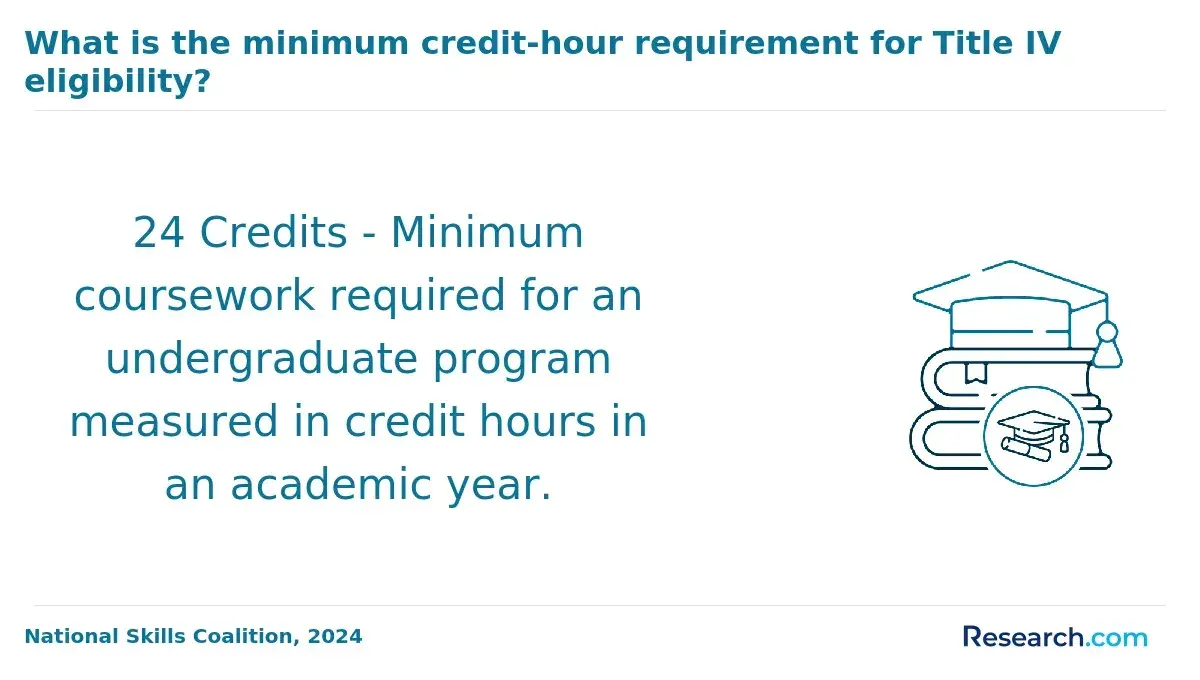
Many adults over 30 believe financial aid is limited to traditional students, but federal resources are available to all eligible applicants. The FAFSA prioritizes household income over age, confirming that Pell Grants and federal loans-both subsidized and unsubsidized-are accessible regardless of when students return to school. Subsidized loans are especially beneficial, as they do not accrue interest during enrollment, easing debt accumulation.
- Federal Financial Aid: Pell Grants offer non-repayable funds, while federal loans provide stable interest rates and flexible repayment options tailored to adult learners' needs.
- Employer Tuition Assistance: Many employers support continuing education through reimbursement or direct aid programs, which can significantly reduce out-of-pocket expenses.
- State Adult Learner Grants: Targeted grants from certain states offer financial support specifically designed for adult students juggling employment and family responsibilities.
- Professional Association Scholarships: Industry groups like the American Hotel & Lodging Educational Foundation and the International Council on Hotel, Restaurant, and Institutional Education provide scholarships that promote career advancement in Hospitality Management & Tourism.
- Income-Share Agreements (ISAs): As an alternative to traditional loans, ISAs enable repayment based on future earnings, reducing immediate financial strain.
Comparing tuition fees can direct students toward more affordable programs. Online degrees generally cost less and afford greater scheduling flexibility than campus-based options.
Additionally, public institutions frequently offer lower tuition rates than private schools. Adult learners benefit from programs accepting prior credits or experiential learning, which shortens time-to-degree and lowers cost.
Before considering loans, it's wise to complete the FAFSA early, explore scholarships, and discuss tuition aid with employers to maximize free funding sources.
According to the National Center for Education Statistics, adult undergraduate enrollment rose nearly 15% in the last decade, highlighting expanding opportunities and financing options that make earning a Hospitality Management & Tourism degree after 30 more achievable than ever.
Will Employers Respect a Hospitality Management & Tourism Bachelor's Degree Earned After 30?
Employers highly value a regionally accredited hospitality management & tourism bachelor's degree regardless of a graduate's age or the duration taken to earn it. A 2023 survey by the Society for Human Resource Management (SHRM) found that 78% of hiring managers in hospitality and tourism reported no negative impact on candidates completing their degree after age 30. What truly counts is the credential itself and the relevant skills it represents-not when or how long it took to achieve it.
Age-related assumptions-such as concerns about energy or adaptability-often do not reflect employer attitudes in this field. Instead, hiring managers frequently view adult learners as assets due to their professional maturity, real-world experience, and perseverance. These qualities enhance managerial effectiveness, guest relations, and leadership potential-often outweighing the traditional benefits of younger candidates' availability or flexibility.
Many hospitality sectors-including hotel management, event planning, and tourism development-list a bachelor's degree as a non-negotiable qualification. Major employers such as international hotel chains, cruise lines, and tourism boards require this credential regardless of when it was earned, making completion after 30 just as valuable as at 22. Resumes and credential verification processes focus solely on the degree earned, not the graduate's age.
- Employer Respect: Degree accreditation and relevant experience take precedence over age in hiring decisions.
- Professional Maturity: Adult graduates demonstrate workplace readiness, strong communication, and crisis management skills.
- Industry Standards: Bachelor's degrees serve as baseline qualifications in many hospitality roles.
- Credential Verification: Hiring processes confirm the degree-not the age or completion time.
- Supporting Data: According to the National Association of Colleges and Employers (NACE), there has been a 15% rise in adult learners entering hospitality management careers since 2020, reflecting broader employer acceptance.
How Does Prior Work Experience Factor Into a Hospitality Management & Tourism Bachelor's Degree Program After 30?
Prior work experience credit in hospitality management and tourism bachelor programs plays a critical role for adult learners-particularly those over 30-seeking to complete their degree efficiently. Many schools recognize that valuable learning occurs outside traditional classrooms and offer pathways to convert professional background into academic credit, significantly shortening time to graduation and reducing costs.
- Prior Learning Assessment (PLA): This process validates real-world skills gained through employment, training, or volunteering. Applicants often submit a portfolio with documentation and reflective essays. Notably, hospitality management & tourism programs at Southern New Hampshire University and Western Governors University provide up to 30 credits through PLA-equivalent to roughly one year of full-time study.
- Portfolio Evaluation: Candidates compile work samples, certifications, and detailed job descriptions for faculty review. Such portfolios emphasize competencies relevant to hospitality management and tourism, helping admissions teams confirm alignment between professional experience and academic outcomes.
- CLEP and DSST Exams: These credit-by-exam options test college-level knowledge in several subjects. Many programs accept CLEP or DSST credits for general education or introductory hospitality courses, allowing learners to bypass lower-division requirements.
- ACE-Recommended Credit: The American Council on Education recommends credit for various certifications, such as Certified Hospitality Supervisor and Certified Meeting Professional. Institutions honoring ACE guidelines grant degree credits recognizing industry-validated competencies.
According to research from the Council for Adult and Experiential Learning (CAEL), adult learners can realistically earn the equivalent of one full year of credit using these mechanisms. Admissions officers evaluating non-traditional applicants focus on career achievements and specialized knowledge rather than academic gaps.
Adults should present their professional background for hospitality management and tourism degree completion after 30 as clear evidence of fulfilling core learning objectives, transforming what might seem like gaps into valuable academic assets.
Those leveraging prior work experience credit in hospitality management and tourism bachelor programs often find a faster degree path. For those exploring further education options, programs such as an online MBA in operations management may complement hospitality-focused credentials, broadening career opportunities.
What GPA and Admission Requirements Apply to Hospitality Management & Tourism Bachelor's Programs for Adult Learners?
Adult learners pursuing a hospitality management & tourism bachelor's degree face admission criteria tailored to their unique experiences. Many programs appreciate the professional maturity applicants over 30 possess, often resulting in flexible policies compared to traditional admissions.
- Minimum GPA: Most schools require a cumulative GPA between 2.0 and 2.5 from previous college coursework. However, programs with open or rolling admissions frequently waive strict GPA thresholds, especially for adult learners with relevant work experience.
- Standardized Tests: Tests like the SAT or ACT are commonly waived for applicants over 25, recognizing that past standardized scores may not reflect an adult's current potential in hospitality management & tourism studies.
- Letters of Recommendation: While optional at times, these letters can significantly enhance an application by showcasing professionalism and readiness. Recommendations from supervisors or community leaders often hold considerable weight for adult students.
- Personal Statement: A carefully written personal statement is typically required, allowing candidates to explain their motivation for earning a hospitality management & tourism degree later in life and to clarify previous academic records.
- Residency and Transfer Credits: Many programs accept transfer credits to reduce time-to-degree and accommodate flexible residency requirements, which is especially beneficial for adult learners balancing multiple commitments.
- Low GPA Options: Students with less-than-ideal academic histories may explore academic renewal, grade forgiveness, or conditional admission pathways that permit them to prove capability through later coursework.
Compared to selective traditional programs, adult-focused hospitality management & tourism degrees promote open access and practical experience, helping students assess their admissibility honestly. Those seeking GPA requirements for adult hospitality management and tourism bachelor's programs should identify options aligned with their profile for a better chance of success.
Admission criteria for hospitality management and tourism degrees for adult learners vary widely, but numerous programs offer supportive structures to ease entry and promote completion. Prospective students can also explore the return on investment of such degrees by consulting masters degrees that are worth it.
How Do Family and Work Responsibilities Affect Completing a Hospitality Management & Tourism Degree After 30?
Balancing full-time employment and caregiving duties presents significant challenges for adult learners pursuing a hospitality management & tourism degree. According to the Institute for Women's Policy Research, these responsibilities often extend completion times due to limited availability and added financial strains.
Successful adult students often adopt structured time management methods such as the Eisenhower matrix for prioritizing tasks or use time blocking to fit study sessions into mornings, evenings, or weekends, helping maintain steady academic progress alongside personal obligations.
Employer adaptability is vital; flexible schedules and remote work options enable learners to better align job commitments with studies. Support from family members also plays a key role-sharing household tasks and providing emotional encouragement reduces stress and helps sustain focus.
Additionally, campus childcare services and emergency financial aid address unexpected hurdles that can disrupt academic plans, improving completion rates for adult students.
Before enrolling, it is advisable to evaluate personal and professional support networks thoroughly. Engaging early with adult learner services at educational institutions can identify tailored resources and scheduling strategies that accommodate specific needs.
- Time Management Strategies: Effective prioritization and dedicated study blocks around work and family allow consistent progress.
- Employer Flexibility: Adjustable hours and telecommuting facilitate balancing professional and academic responsibilities.
- Family Support: Emotional and practical support from relatives helps alleviate stress and improve focus.
- Institutional Resources: Childcare programs and emergency aid mitigate disruptions caused by unforeseen family or financial challenges.
- Proactive Planning: Assessing support systems and collaborating with adult learner services ensures alignment of academic goals and personal circumstances.
What Campus and Online Support Services Help Adults Over 30 Succeed in a Hospitality Management & Tourism Program?
Research from Complete College America and the National Student Clearinghouse emphasizes that intensive advising significantly improves completion rates for adult learners-especially those balancing work and family responsibilities-in hospitality management & tourism programs. Prospective students should verify that programs offer comprehensive adult learner support to maximize their chances of success.
- Dedicated Adult Learner Advisors: Advisors trained specifically to assist adult students provide tailored academic planning, flexible scheduling options, and morale support suited to their complex life demands.
- Prior Learning Assessment Offices: These offices evaluate and grant credit for relevant professional, military, or experiential learning, accelerating degree completion and reducing tuition costs.
- Evening and Weekend Tutoring: Offering tutoring outside traditional hours accommodates working adults and parents who cannot attend daytime academic help sessions.
- Virtual Library Access: Remote availability of academic resources and research materials enables students to study and complete assignments on their own time, critical for those with competing obligations.
- Career Services for Career Changers: Specialized counseling assists in translating hospitality management & tourism education toward meaningful internships, job placements, and industry networking opportunities.
- Peer Networks for Non-Traditional Students: Building connections among adult learners fosters community support, reduces feelings of isolation, and enhances persistence throughout the program.
Before enrolling, adult learners should directly inquire whether each hospitality management & tourism program provides these support structures, as their presence is strongly linked to higher graduation rates.
What Graduates Say About Getting a Hospitality Management & Tourism Bachelor's Degree After 30
- Raul: "Returning to school after 30 felt daunting, but the financial support options available made it manageable and less stressful. The program's accreditation reassured me that my degree would be respected by employers, and the career services really helped me land a position in hotel management quickly after graduation. This experience opened new doors I never thought possible."
- Elisha: "What stood out most about the hospitality management & tourism bachelor's program was how well-rounded it was-balancing theory with practical skills. I appreciated learning about diverse career paths within the industry and how the financial aid options provided crucial support while I juggled work and study. Completing the program after 30 made me value lifelong learning in a whole new way."
- Michael: "The professionalism of the faculty and the strong accreditation of the hospitality management & tourism bachelor's helped me feel confident in the quality of education I received. Financially, the support programs eased the burden, allowing me to focus on excelling rather than worrying about tuition. Since graduating, I've secured a senior role in event planning that perfectly aligns with my goals."
Other Things You Should Know About Hospitality Management & Tourism Degrees
Earning a hospitality management & tourism bachelor's degree after 30 can significantly improve long-term earning potential. Graduates often qualify for higher-level management roles, which come with increased salaries and benefits. Additionally, industry demand for experienced leaders means that degree holders can advance faster than those without formal education.
Yes, many colleges offer accelerated hospitality management & tourism bachelor's degree programs tailored for adults over 30. These programs often recognize prior work experience and allow credit for relevant professional experience, reducing time and cost to degree completion. Online and hybrid formats also provide flexible scheduling to accommodate adult learners' responsibilities.
Pursuing a hospitality management & tourism bachelor's degree after 30 can significantly enhance career growth. It offers advanced skills, updates industry knowledge, and improves eligibility for managerial roles, thereby increasing opportunities for promotions and career transitions. Balancing studies with other responsibilities can be challenging, yet the long-term career benefits often outweigh these challenges.
Adults over 30 should prioritize programs that offer flexibility, such as part-time, online, or evening classes, to fit their schedules. It's important to select accredited programs that provide practical experience opportunities like internships. Considering schools that credit prior learning or work experience can also shorten time to degree and reduce costs, making the choice more manageable.
References
- Hospitality Master’s degrees you can get with any Bachelor's degree https://lesroches.edu/blog/hospitality-masters-degrees-with-any-bachelors-degree/
- Graduate Faster International Bachelor’s Degree https://htmi.ch/graduate-faster-international-bachelors-degree/
- Hotel and Hospitality Industry Training and Education | AHLEI https://ahlei.servsafebrands.com/
- Client Challenge https://www.scribd.com/document/800887582/questionnaire-edited-1-2
- Scope and Future of Hospitality Management: Skills & Careers | BSBI https://www.berlinsbi.com/blog/what-is-the-scope-and-future-of-hospitality-management
- What can I do with a degree in Hospitality Management? - ICMS https://www.icms.edu.au/degree-discovery/do-with-a-degree-in-hospitality-management/
- Hospitality and Tourism (Continuing Education) https://www.durhamtech.edu/continuing-education/start-careers-hotel-lodging
- Education Requirements for Hospitality & Tourism Careers https://www.cesarritzcolleges.edu/en/news/hospitality-and-tourism-education-requirements/
- The 20 Best Tourism Degree Programs http://www.duhochoancau.edu.vn/en/news-event/item/161-the-20-best-tourism-degree-programs
- Tourism And Hospitality Management https://www.aimuniversitygroup.org/tourism-and-hospitality-management.html