2027 Online Hospitality Management & Tourism Bachelor's Degree Programs With Monthly Start Dates

Co-Founder and Chief Data Scientist
Many working adults and career changers find traditional semester start dates restrictive-delaying their entry into hospitality careers. Online hospitality management & tourism bachelor's degree programs with monthly start dates offer a flexible solution, allowing students to begin their education without waiting months. This flexibility is crucial as the hospitality industry is projected to add over 500,000 jobs nationwide by 2028, fueling demand for qualified professionals. However, navigating options among programs that vary in quality, cost, and accreditation can be challenging. This article guides readers through key considerations to choose, fund, and complete an online hospitality management & tourism degree effectively and credibly.
Key Things to Know About Online Hospitality Management & Tourism Bachelor's Degree Programs With Monthly Start Dates
- Accreditation by recognized regional bodies ensures quality and transferability of credits-admission typically requires a high school diploma or equivalent, with some programs offering credit for prior learning or work experience.
- Curricula combine foundational general education with specialization tracks such as event planning or sustainable tourism-costs vary widely but may average $300 to $600 per credit hour in online formats.
- Graduates enter diverse roles in hotel management, travel coordination, or tourism marketing-job growth in this sector is projected at 8% through 2030, reflecting steady industry demand.
What Are Online Hospitality Management & Tourism Bachelor's Degree Programs With Monthly Start Dates, and How Do They Work?
Monthly start dates in online higher education allow students to enroll and begin courses any month, offering a flexible alternative to traditional semester systems that start only two or three times a year. This model suits adults managing work, family, or military commitments by reducing wait times and integrating education more easily into varied schedules. Programs with monthly start dates often employ asynchronous learning, where students access lectures and assignments on their own time, and sometimes use competency-based education, allowing learners to progress by demonstrating mastery rather than seat time. These features support the growing demand for online hospitality management and tourism degree programs with flexible start dates among diverse learners.
Typically, an online Hospitality Management & Tourism bachelor's degree requires around 120 credit hours that include general education, core hospitality management and tourism courses, and electives. Students move through the curriculum either sequentially or via self-paced modules depending on the program's design. This structure enables personalized pacing, allowing students to accelerate or pause according to their needs while maintaining steady progress toward graduation. Understanding how monthly start dates work in online hospitality management and tourism bachelor's degrees helps prospective students gauge the commitment and flexibility such programs provide.
Enrollment in these online programs has surged, with data from the National Center for Education Statistics (NCES) and the Online Learning Consortium confirming that flexible scheduling is now mainstream rather than experimental. Millions of U.S. students favor this adaptive approach, reflecting its credibility and widespread acceptance.
The rest of this article explores essential aspects such as accreditation, admission criteria, curriculum details, tuition and financial aid options, and career outcomes to support informed decision-making and successful completion.
- Monthly Start Dates: Allow enrollment and course starts every month, fitting education into busy, diverse lifestyles unlike traditional semester schedules.
- Asynchronous Learning: Enables anytime access to materials for self-paced study, balancing work and personal responsibilities.
- Program Structure: Requires about 120 credit hours including general education, hospitality management & tourism core, and electives, with flexible pacing options.
- Competency-Based Models: Enable students to advance by proving skills mastery, potentially shortening time to degree.
- Growing Enrollment: Data from NCES and the Online Learning Consortium show significant increase in students choosing these flexible programs.
- Article Overview: Covers accreditation, admissions, curriculum, costs, and career outcomes for comprehensive guidance.
For those also interested in further educational paths, exploring the cheapest mba online programs can provide valuable options for future graduate studies.
Which Regional Accreditation Bodies Approve Online Hospitality Management & Tourism Bachelor's Programs With Monthly Start Dates?
Regional accreditation is the benchmark most employers, graduate schools, and licensure boards look for when evaluating an online Hospitality Management & Tourism bachelor's degree with monthly start dates. Several reputable regional accrediting bodies approve such programs, ensuring they meet rigorous academic and institutional standards. These include:
- Higher Learning Commission (HLC): serving the North Central states such as Illinois and Ohio;
- Southern Association of Colleges and Schools Commission on Colleges (SACSCOC): covering Southern states;
- New England Commission of Higher Education (NECHE): focusing on schools in New England;
- WASC Senior College and University Commission (WSCUC): serving California, Hawaii, and the Pacific Islands;
- Middle States Commission on Higher Education (MSCHE): overseeing the Mid-Atlantic region; and
- Northwest Commission on Colleges and Universities (NWCCU): accrediting institutions in the Northwest states.
Unlike regional accreditation, national accreditation tends to focus on specific types of schools and programs with less stringent criteria, so degrees from nationally accredited institutions may have limited acceptance by employers or other universities. Prospective students should verify a program's accreditation by consulting trusted resources such as the U.S. Department of Education's Database of Accredited Postsecondary Institutions and Programs (DAPIP) or the Council for Higher Education Accreditation (CHEA) database.
Some hospitality management & tourism programs also hold programmatic accreditation from specialized organizations like the Accreditation Commission for Programs in Hospitality Administration (ACPHA). This adds extra credibility by emphasizing program-specific standards. Checking a program's website or contacting admissions can confirm this status.
Beware of diploma mills and non-accredited schools offering flexible monthly start dates, as their degrees often lack recognition. Confirming regional accreditation protects your investment and career. For those also considering affordability, exploring the best online business management degree options may provide useful insights.
How Do Monthly Start Dates in Online Hospitality Management & Tourism Programs Differ From Traditional Semester or Quarter Systems?
- Start Flexibility: Unlike traditional semester systems where all students begin courses simultaneously two or three times a year, monthly-start online hospitality management & tourism programs offer enrollment opportunities every month. This ongoing admission schedule benefits working adults, military members, and career changers by allowing immediate entry without waiting for a fixed term.
- Course Progression: Monthly-start programs often blend structured sequences with self-paced elements. Students may be required to complete specific prerequisite courses within set periods, but beyond that, some courses provide flexibility for learners to advance at their own pace. This hybrid model balances guided learning with customization, while still preserving key deadlines to keep degree completion on track.
- Community and Interaction: Traditional cohorts foster synchronous engagement with a steady group of peers and instructors. In contrast, monthly cohorts tend to be smaller and staggered, resulting in varied peer interaction levels. Some classes include live discussions; others rely on asynchronous forums. Instructor support may be available more individually but less continuously through the term.
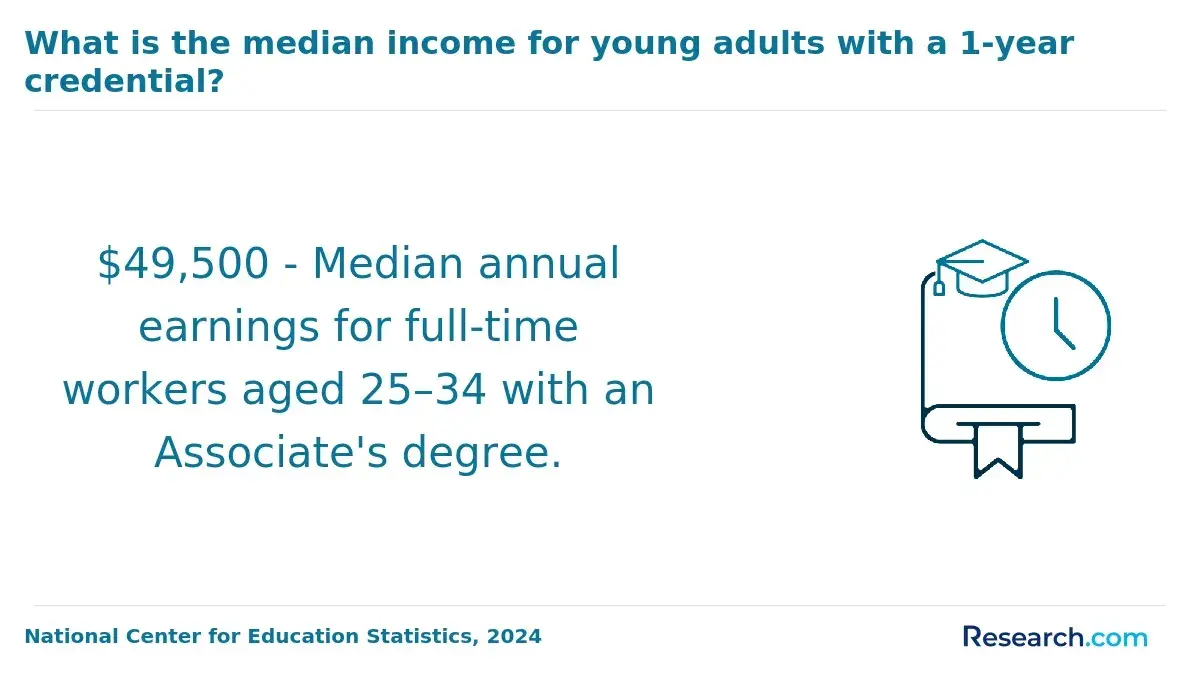
- Financial Aid Coordination: Because federal Title IV aid depends on official enrollment and payment periods aligned with academic terms, the rolling nature of monthly starts can complicate aid processing. Students must ensure the program's calendar is formally approved for Title IV disbursements each term to avoid interruptions or delays in funding.
- Verifying Federal Aid Eligibility: Prospective students should contact the financial aid office directly to confirm that monthly enrollment periods meet Title IV standards. Accreditation and published academic calendars are critical factors in determining whether financial aid will be smoothly administered throughout enrollment.
One professional who earned his online Hospitality Management & Tourism bachelor's degree with monthly start dates shared how the arrangement fit his busy life. He found the ability to begin courses every month crucial as he balanced family and work commitments. Although occasionally feeling isolated during asynchronous weeks, he appreciated the option to engage with instructors individually and found that pacing the classes himself helped him avoid burnout. "Starting when I was ready made the whole process less stressful," he reflected, "and even though the peer group changed, the support was still there when I needed it." His experience highlights the flexibility and unique challenges of these programs compared to the more rigid semester system.
What Are the Admission Requirements for Online Hospitality Management & Tourism Bachelor's Programs With Monthly Start Dates?
- High School Diploma or GED: Most online hospitality management and tourism bachelor's programs with flexible start dates require applicants to hold at least a high school diploma or GED. Official transcripts from high school or previous postsecondary education are typically necessary to verify academic history.
- Minimum GPA Thresholds: Admission standards often set minimum GPA requirements around 2.0 to 2.5 on a 4.0 scale. Selective programs may demand higher GPAs to maintain academic rigor. Many programs with rolling enrollment have recently dropped standardized testing requirements such as the SAT or ACT, focusing instead on coursework and practical experience.
- Program Selectivity: While open admission policies are common to enhance accessibility for working adults, career changers, and military personnel, reputable online hospitality management and tourism degrees that offer monthly enrollment usually apply selective admission criteria. This selectivity helps ensure the quality and value of the credential earned.
- Transfer Students: Transfer applicants can usually submit unofficial transcripts for initial review, though official transcripts are mandatory upon acceptance. Programs often require detailed documentation like course descriptions or syllabi to evaluate prior learning assessment credits accurately.
- Application Enhancement: Those with weaker academic backgrounds can improve their chances by providing a compelling personal statement, strong letters of recommendation, or completing preparatory or bridge courses to demonstrate academic readiness.
For those exploring advanced educational paths, resources like online ed programs may also be of interest.
What Is the Minimum GPA Requirement for an Online Hospitality Management & Tourism Bachelor's Program With Monthly Start Dates?
The typical minimum GPA required for admission into online hospitality management & tourism bachelor's programs with monthly start dates ranges from 2.0 to 2.5 on a 4.0 scale. Students must often maintain a minimum GPA-commonly around 2.0-to stay in good academic standing and qualify for financial aid throughout their studies. Graduation generally requires meeting or surpassing this same GPA benchmark to fulfill degree completion rules.
Applicants with GPAs below the minimum can sometimes access provisional admission, giving them the chance to prove academic capability under specific conditions. Academic probation policies offer enrolled students a designated period to improve their GPA before facing dismissal. Appeals can also be submitted for exceptional cases, providing additional opportunities for reconsideration.
GPA expectations differ depending on program selectivity: open-admission schools may accept students below a 2.0 in certain cases, moderately selective programs typically require at least a 2.5 GPA, and competitive programs often set the bar at 3.0 or higher due to heightened standards and limited seats. Prospective students should always review the academic catalog of their chosen institution, available online, because GPA requirements can vary annually.
- Minimum Admission GPA: Usually between 2.0 and 2.5; establishes the baseline for program entry eligibility.
- Provisional Admission Options: Provide pathways into the program for students with sub-minimum GPAs under specific conditions.
- Academic Probation: Helps students lower than required GPA improve within a set timeframe before risking dismissal.
- Program Selectivity Variances: Acceptance GPA thresholds increase from open to moderately selective to competitive programs.
- Policy Verification: Annual review of academic catalogs is vital to confirm the latest GPA requirements.
A professional who established his career after completing an online Hospitality Management & Tourism bachelor's program with monthly start dates shared that maintaining the minimum GPA was initially stressful, especially balancing work and studies. He recalled the reassurance of clear probation policies, which eased his concern about temporary dips in performance. The option to appeal academic decisions proved critical during a challenging semester, reinforcing that academic setbacks aren't final. Reflecting on his journey, he emphasized that understanding these GPA requirements and institutional supports upfront helped him stay focused and ultimately succeed in earning his degree while managing real-life commitments.
How Long Does It Take to Complete an Online Hospitality Management & Tourism Bachelor's Degree With Monthly Enrollment Options?
Completing an online Hospitality Management & Tourism bachelor's degree usually requires around 120 semester credit hours. The speed at which students finish depends largely on their course load and how they schedule their terms within a monthly enrollment framework.
- Full-Time Enrollment: Typically, taking 12 to 15 credit hours each term enables students to graduate in about 3 to 4 years. Monthly start dates allow learners to begin courses continuously throughout the year, which can reduce wait times compared to traditional semester schedules and help speed up degree completion for consistent students.
- Part-Time Enrollment: Students carrying 6 to 9 credit hours per term-often balancing jobs, military duties, or family-generally take 5 to 7 years to graduate. The flexibility of monthly enrollments helps them tailor course timing while managing other responsibilities effectively.
- Transfer Credits and Prior Learning Assessment: Those entering with previous college credits or qualified experience may complete their programs faster. The ability to start monthly lets these students fill remaining credits at their own pace, sometimes shortening completion to 2 to 3 years depending on credit acceptance and course sequencing.
- Flexible Enrollment Policies: Many programs allow students, especially working adults and military personnel, to pause studies or take leave without forfeiting credits or progress. This adaptability supports continuation despite life changes, maintaining their graduation timeline.
- Potential Challenges: Students should be careful not to underestimate time-to-completion. Transfer credits may not cover all required courses, and prerequisite chains can delay access to advanced Hospitality Management & Tourism classes, potentially extending graduation beyond initial plans.
Strategically managing course load, transfer options, and program regulations alongside monthly enrollment opportunities is critical to achieving a timely degree completion in hospitality management & tourism online programs.
Breakdown of All Fully Online Title IV Institutions

What Does an Online Hospitality Management & Tourism Bachelor's Program With Monthly Start Dates Typically Cost, and What Financial Aid Is Available?
Costs for an online Hospitality Management & Tourism bachelor's program with monthly start dates vary but typically include tuition per credit hour, technology fees, course materials, and occasional residency or practicum expenses. Tuition generally ranges from $300 to $700 per credit. Additional fees such as technology or distance learning charges can add $50 to $150 per term. Textbooks and software may cost $500 to $1,000 annually. Although primarily online, some programs require brief in-person residencies or practicum experiences that involve travel and lodging expenses.
Federal financial aid is available for students in programs with rolling admissions and monthly starts. Applicants should submit the Free Application for Federal Student Aid (FAFSA) early to maximize eligibility despite flexible start dates. Key aid types include:
- Pell Grants: Need-based grants that require no repayment.
- Direct Subsidized Loans: Low-interest loans with government-paid interest during enrollment.
- Direct Unsubsidized Loans: Loans available regardless of need, with interest accruing while enrolled.
- Federal Work-Study: Part-time jobs related to hospitality fields for added income.
Scholarships specific to Hospitality Management & Tourism students may come from professional organizations like the American Hotel & Lodging Educational Foundation, institutional scholarships, and state grant programs. Helpful tools to find such awards include the College Board Scholarship Search and Fastweb.
Typical program costs illustrate the range and financial aid impact:
- Community College Transfer Program: About $8,000 tuition and fees before aid; net costs can drop by 40% or more with Pell Grants and state aid.
- Mid-Tier Public University: Roughly $15,000 annually; after loans and scholarships, net price is often $9,000 to $11,000.
- Private University Program: Tuition and fees may exceed $25,000 annually; strong institutional scholarships can reduce net costs to $15,000 or less.
Which Schools Offer the Most Reputable Online Hospitality Management & Tourism Bachelor's Degree Programs With Monthly Start Dates?
Several nationally accredited institutions stand out for offering the best accredited online hospitality management & tourism bachelor's programs with flexible monthly enrollment. These programs cater to working adults, career changers, military personnel, and recent high school graduates by combining strong academic standards with real-world experience and career support.
- Florida International University (FIU): Accredited by the Southern Association of Colleges and Schools Commission on Colleges (SACSCOC), FIU provides competitive in-state tuition and accepts up to 90 transfer credits. Their fully online Bachelor of Science in Hospitality Management typically takes about four years but can be accelerated. The curriculum emphasizes employer partnerships in Miami's vibrant tourism sector, with low student-to-instructor ratios and faculty who bring industry expertise.
- Colorado State University Global: Holding accreditation from the Higher Learning Commission, CSU Global offers a hospitality management degree tailored for adult learners, with flat-rate tuition per term to encourage course loads that speed up completion. Monthly start dates, flexible transfer credit policies, and a focus on leadership and operations management make this program a solid choice.
- New England College: Accredited by the New England Commission of Higher Education (NECHE), this college features straightforward tuition and transfer policies. Courses emphasize sustainable tourism and event management. Small class sizes promote close faculty interaction and strong employer connections foster networking opportunities within the New England tourism industry.
- Washington State University Global Campus: Accredited by the Northwest Commission on Colleges and Universities (NWCCU), WSU Global's online hospitality business degree highlights strategic management and global tourism trends. Moderate tuition, flexible transfer credits, monthly starts, and comprehensive student services including tutoring support timely completion in typically four years.
- Purdue University Global: Regionally accredited by HLC, Purdue Global offers a fully online Bachelor of Science in Hospitality Management with affordable tuition and generous transfer options. The curriculum integrates hospitality operations and finance through project-based learning, backed by employer partnerships that boost internships and jobs. Dedicated success coaches and 24/7 technical support enhance student outcomes.
Beyond institutional rankings, evaluating a program's reputation requires attention to employer partnerships, alumni career outcomes, faculty credentials, and student-to-instructor ratios. These qualitative factors often influence your career success more than the university's overall brand. This approach aligns with research-backed insights for choosing reputable online hospitality management & tourism bachelor's degree programs with monthly start dates in the United States.
To further explore accredited online options that fit diverse student needs, consider also resources like the best online aba-approved paralegal programs, which provide valuable frameworks for assessing program affordability, accreditation, and career alignment in a range of disciplines.
What Courses and Curriculum Can Students Expect in an Online Hospitality Management & Tourism Bachelor's Program?
Students pursuing an online hospitality management & tourism bachelor's degree with monthly start dates engage in a core curriculum designed to build both broad academic skills and industry-specific expertise. General education courses enhance critical thinking, communication, and quantitative skills, covering subjects such as English composition, mathematics, social sciences, and introductory economics. This foundation supports student success across all areas of study while aligning with the core curriculum for online hospitality management bachelor's degree programs with flexible enrollment.
Lower-division courses introduce essential hospitality management and tourism concepts. Typical courses in online tourism and hospitality management bachelor's degree programs include principles of hospitality management, tourism marketing, food and beverage operations, and customer service strategies. These classes develop a solid grasp of industry fundamentals and operational practices important for advanced coursework.
Upper-division studies focus on leadership and specialized knowledge areas. Students often take courses such as hospitality law and ethics, event planning and management, financial management for hospitality businesses, human resource management, and sustainable tourism. Many programs offer elective tracks or concentrations tailored to specific career interests, including hotel and resort management, culinary arts management, event and conference planning, or destination marketing and development. These options help align academic work with individual professional objectives.
Applied learning distinguishes high-quality online programs from purely theoretical ones. Students commonly engage in capstone projects that require hands-on research or strategic solutions to real-world hospitality challenges. Practicums and simulations offer practical experience by replicating operational decisions in hotels or travel agencies. Some institutions partner with employers to provide virtual internships or collaborative projects, enhancing industry readiness while studying.
Technology integration is key-programs often provide access to hospitality management software, reservation systems, and industry databases to familiarize students with essential professional tools. Membership access to leading professional associations may also be included, supporting ongoing networking and industry awareness for graduates aiming to pursue one of the most useful graduate degrees.
How Do Online Hospitality Management & Tourism Programs With Monthly Start Dates Support Working Adults and Non-Traditional Students?
Monthly-start online hospitality management & tourism programs are built to accommodate adults juggling work, family, and other demands. These programs feature asynchronous classes allowing you to access lectures and materials anytime via mobile devices or desktops. Flexible assignment deadlines recognize the unpredictable schedules many adult learners face, making coursework manageable without fixed-time commitments.
Top programs provide extensive support tailored to non-traditional students. This includes dedicated academic advisors who understand adult challenges, career services focused on hospitality and tourism careers, veterans' offices, disability accommodations, and tutoring available beyond standard hours. Such services ensure personalized guidance and accessibility regardless of learners' circumstances.
Adult learners often confront issues like imposter syndrome, technology anxiety, and difficulty reengaging with academic writing after time away from school. Reputable programs address these through writing centers, tech tutorials, and counseling designed to rebuild confidence and academic skills. Additionally, many programs award credit for prior learning through CLEP exams, portfolio reviews, or military training-helping shorten time to degree completion and lower tuition costs.
Data from the National Center for Education Statistics reveal that over 40% of online postsecondary students are aged 30 or older, highlighting the importance of flexible and supportive program designs for adult learners.
- Flexible Learning: Asynchronous courses and mobile platforms let students study when and where it works best for their busy lives.
- Robust Support: Advisors, career services, and veteran resources provide guidance tailored to adult learners beyond typical office hours.
- Addressing Barriers: Writing help, tech training, and counseling assist students in overcoming academic and emotional challenges.
- Recognition of Experience: Credit for prior learning options reduce degree time and expenses.
- Adult Learner Focus: A significant portion of online students are 30+, underscoring the need for accommodating program structures.
What Career Outcomes and Salary Expectations Are Realistic for Hospitality Management & Tourism Bachelor's Graduates?
- Employment Growth: Jobs in hospitality management and tourism are projected to increase by about 8% between 2022 and 2032, matching the average for all occupations. This steady expansion is fueled by ongoing demand for travel, event planning, and diverse hospitality services, supporting stable career opportunities relative to the investment in an online bachelor's degree program.
- Salary Expectations: Median wages for hospitality managers are close to $60,000 annually, with entry-level positions earning less and experienced professionals in large cities making over $90,000. Regional differences are significant, with major tourist destinations like California, Florida, and New York offering the highest pay, while rural areas generally provide lower salaries but often come with reduced living expenses.
- Career Paths: Graduates often start in roles like event coordinator, front desk manager, or marketing assistant, which can lead to supervisory or managerial positions typically requiring a bachelor's degree. More advanced roles in corporate hospitality, strategic planning, or tourism development usually favor candidates with master's degrees or specialized certifications.
- Regional Variation: The demand for hospitality professionals and associated wages vary by state and metropolitan area, influenced by local tourism activity and economic factors. Increased remote opportunities in areas such as hospitality marketing and travel consulting add flexibility but demand strong digital communication and tech skills.
- Emerging Roles: Growth is notable in sustainable tourism, virtual event management, and digital experience design. Graduates equipped with knowledge in technology integration, data analytics, and sustainability are positioned to thrive in these fast-evolving areas, aligning their expertise with future industry trends.
What Graduates Say About Their Online Hospitality Management & Tourism Bachelor's Degree Programs With Monthly Start Dates
- Raul: "What stood out to me most about the online hospitality management & tourism bachelor's degree program was the clear accreditation and straightforward admission requirements-which made applying stress-free. The curriculum perfectly balanced practical skills with theory, and I appreciated how affordable the entire program was compared to others. Thanks to this degree, I secured a management role at a well-known hotel chain, proving that the career outcomes are truly promising."
- Elisha: "Reflecting on my experience, the monthly start dates provided the flexibility I needed to fit education into my busy life. The coursework was comprehensive, covering everything from sustainable tourism practices to business management, all while remaining cost-effective. Graduating gave me the confidence and credentials to pursue a career in event planning, and I'm grateful for the practical knowledge I gained."
- Michael: "I approached the hospitality management & tourism bachelor's degree program with a professional mindset-looking for a credible program that would open doors in the industry. The program's accreditation reassured me of its quality, and the cost was competitive without compromising excellence. Most importantly, the career support led to opportunities in top-tier resorts, making the investment worthwhile."
Other Things You Should Know About Hospitality Management & Tourism Degrees
Many online hospitality management & tourism programs with monthly start dates offer transfer credit options for coursework completed at accredited institutions. Prior learning assessments may also be available to evaluate professional experience, military training, or industry certifications relevant to hospitality and tourism. These options help students accelerate their degree progress and reduce overall costs by recognizing knowledge gained outside traditional classrooms.
Typical online hospitality management & tourism programs utilize learning management systems (LMS) such as Canvas or Blackboard to deliver course content. Students frequently engage with technologies like virtual simulations, video conferencing, and interactive case studies to develop real-world skills. Besides standard digital tools, programs may also incorporate industry-specific software for property management, event coordination, or travel booking to enhance practical learning.
Employers in the hospitality and tourism fields increasingly recognize online degrees, especially when earned from accredited institutions. The flexibility of monthly start dates can be seen as a positive for nontraditional students balancing work and education. However, candidates should ensure their online program has strong industry connections or internship opportunities to demonstrate practical experience alongside their academic credentials.
References
- Online Master's in Hospitality and Tourism Management | RBS https://romebusinessschool.com/master-online-in-tourism-management/
- Bachelor International Hospitality Management Vatel France | Vatel France https://www.vatel.fr/en/programs/management/bachelor
- The Quarter System? What's That About?! https://admissions.dartmouth.edu/follow/blog/kabir-beotra/quarter-system-whats-about
- Hotel, Hospitality & Tourism Course | Online Business School https://www.onlinebusinessschool.com/hotel-management-online-course-level-four-and-five/
- What is the Difference Between Quarters, Semesters, and Trimesters? https://www.studyusa.com/en/a/1235/what-is-the-difference-between-quarters-semesters-and-trimesters
- Hospitality Jobs Prospects with a Hospitality Management Degree https://hrc-international.com/blog/value-hospitality-management-degree-career-salary
- Online Hospitality and Tourism (Undergraduate) https://www.schellhammerbusinessschool.com/online-hotel-and-hospitality-undergraduate/
- International Tourism and Hospitality Management - Vistula University https://vistula.edu.pl/en/major/international-tourism-and-hospitality-management
- Hospitality & Tourism Administration, B.S. - NCCU Online https://nccuonline.nccu.edu/programs/hospitality-tourism-administration/
- Quarter system vs Semester system - College Search & Lists - College Confidential Forums https://talk.collegeconfidential.com/t/quarter-system-vs-semester-system/3609949