2027 Is 40 Too Late to Earn a Hospitality Management & Tourism Bachelor's Degree?

Co-Founder and Chief Data Scientist
Returning to school around age 40 often sparks hesitation and hope, especially for those seeking a fresh start or career advancement. Many face the challenge of balancing family duties and work while adapting to new learning methods. The hospitality management & tourism industry, known for its dynamic growth, offers diverse opportunities, with employment in the sector expected to increase by 13% through 2030.
This growth highlights the potential value of obtaining a bachelor's degree later in life. This article explores whether 40 is too late to pursue a hospitality management & tourism bachelor's degree and examines key factors affecting this important decision.
Key Things to Know About Whether 40 Is Too Late to Earn a Hospitality Management & Tourism Bachelor's Degree
- At midlife, a Hospitality Management & Tourism degree aligns well with leadership and interpersonal skills, making career shifts feasible and attractive in a growing global industry.
- Flexible online and part-time programs accommodate adult learners, enabling balance between education, work, and family responsibilities without sacrificing quality.
- Long-term benefits include expanded professional networks, increased earning potential-with industry wages averaging 15% above general hospitality roles-and enhanced job stability.
Can You Start a Hospitality Management & Tourism Bachelor's Degree at 40?
Beginning a hospitality management & tourism bachelor's degree at age 40 in the United States is both practical and increasingly common. Many higher education institutions have shifted to emphasize accessibility, ensuring that age is not a barrier to enrollment in undergraduate programs.
These evolving pathways recognize the value that adult learners bring and accommodate diverse life experiences. For those considering their options, exploring the easiest degree to get online can provide useful insights into flexible hospitality management & tourism degree options for adult learners.
Colleges and universities support adult learners through inclusive academic structures and tailored resources designed to meet their unique needs. These support systems foster an environment where non-traditional students feel welcomed and can succeed alongside younger peers.
Institutions often provide specialized advising and learning opportunities that align with various backgrounds and experiences, promoting an inclusive culture throughout campus. This approach ensures that flexible hospitality management & tourism degree options for adult learners continue to expand and thrive nationwide.
What Are the Biggest Challenges of Going Back to College at 40?
Returning to college at 40 to pursue a hospitality management & tourism bachelor's degree involves navigating several significant challenges. According to recent studies, nearly 40% of adult learners balance school with other major life commitments, which can complicate academic progress.
These difficulties often require mature students to develop new strategies to succeed in higher education.
Balancing work, family, and study responsibilities at 40: Adult learners must allocate time carefully to manage coursework alongside personal and professional duties. This juggling act demands strong organizational skills and a disciplined routine to prevent burnout and maintain consistent academic performance.
Financial Concerns: Managing tuition payments while handling everyday expenses is a common stressor. Many students may find it necessary to budget carefully or look for scholarships and aid options to alleviate financial pressure during their studies.
Adapting to New Learning Environments: Older students often must adjust to modern college learning methods and technology. Familiarity with digital tools-from virtual learning platforms to online libraries-is essential for academic success, especially with the rise of remote and hybrid education models.
For those interested in other fields, exploring options like online MLIS programs can offer insight into how technology integration shapes adult education.
Overcoming Self-Doubt: Mature learners sometimes question their ability to compete academically with younger peers or worry about social integration. Building a supportive network of mentors and classmates helps foster confidence and persistence throughout the program.
Balancing work, family, and study responsibilities at 40 and adapting to modern college learning methods as an older student are essential challenges that require preparation and flexibility.
- Time Management: Successfully balancing study, family, and personal responsibilities requires effective scheduling and prioritization.
- Financial Stress: Tuition and living expenses may necessitate careful budgeting and pursuit of financial aid.
- Technological Adjustment: Gaining proficiency with online platforms and digital tools is crucial in today's education landscape.
- Self-Doubt: Confidence can be challenged, but support systems help maintain motivation and encourage perseverance.
Can You Work Full-Time While Earning a Hospitality Management & Tourism Degree at 40?
Balancing a full-time career while pursuing a hospitality management & tourism bachelor's degree at 40 is challenging but entirely manageable with commitment and solid time management. Many mature students find that their professional experience helps them approach their studies with practical insight and focus, making it easier to integrate learning with work responsibilities. Success in this dual role often depends on setting realistic goals and dedicating specific periods for study without neglecting job obligations.
This simultaneous engagement in both work and education demonstrates that pursuing a degree later in life is not only possible but can also enrich one's career by applying knowledge in real-time. Therefore, earning a hospitality management & tourism degree at 40 should be seen as a strategic step rather than a late endeavor.
A professional over 40 currently enrolled in such a bachelor's program shared that balancing full-time employment with coursework requires ongoing adjustments, like sacrificing some leisure time and maintaining strict daily routines. He noted, "It's tough juggling deadlines and a busy work schedule, but I find that the real-world experience I bring to class discussions adds value and keeps me motivated."
When asked about the emotional side of studying at this stage, he explained feeling both challenged and invigorated, stating, "There are moments of fatigue, but the progress I make makes it worth the effort. It's proving to me that age isn't a barrier, just a factor I navigate with patience." This experience highlights the personal growth and resilience that come with pursuing education alongside a full-time job after 40.
What Are the Most Flexible Ways to Earn a Hospitality Management & Tourism Bachelor's Degree at 40?
Flexibility plays a vital role for adults near 40 pursuing a hospitality management and tourism bachelor's degree, as they often juggle work and family commitments. Adapting study methods to fit these responsibilities can significantly reduce stress and improve success rates.
Exploring the most accommodating educational paths is essential for maintaining balance while earning a degree.
Online Learning: This option offers unmatched convenience, allowing students to access course materials and complete work from any location. Many flexible online hospitality management and tourism bachelor's degree programs provide interactive platforms that fit well with demanding schedules and varied lifestyles.
Part-Time Enrollment: Taking fewer courses each semester enables a manageable pace. This approach helps adults maintain their professional and personal lives while steadily progressing toward their academic goals. Part-time hospitality management and tourism bachelor's degree options for adults are designed to ease the pressure of full-time study.
Evening or Weekend Classes: Attending classes outside traditional work hours can be a practical solution for those employed during the day. It allows learners to continue working while making consistent academic progress without sacrificing family or social time.
Self-Paced Study: This method offers learners control over when and how fast they study. Programs with recorded lectures and flexible deadlines make it possible to adjust learning based on personal schedules and unforeseen obligations.
For adults exploring flexible education routes, resources on related fields like a masters in social work may also provide useful insights into balancing work and study.
How Long Does It Take to Finish a Hospitality Management & Tourism Bachelor's Degree at 40?
Finishing a hospitality management & tourism bachelor's degree at age 40 can vary significantly depending on individual circumstances. Many adult learners balance studies with existing work and family obligations, which often influences how long it takes to complete the program.
Several key factors typically affect completion time:
- Course Load: Full-time students usually finish in about four years, but part-time enrollment, common among adults with other commitments, can extend the timeline to five years or more.
- Prior Learning: Relevant certifications, associate degrees, or work experience may allow for credit transfers or accelerated courses, potentially shortening the program.
- Life Responsibilities: Juggling work, family, and personal obligations can reduce the available time for studies, impacting how quickly progress is made.
- Academic Scheduling: Availability of summer or winter sessions offers opportunities to take extra courses, helping students manage or even quicken their pace.
- Motivation and Resources: The learner's determination and access to support systems heavily influence their ability to persist and complete the degree efficiently.
For example, an adult learner who returned to school at 40 shared that balancing a full-time job and family initially extended her graduation timeline. "It was overwhelming at first," she said, "but I stayed focused by setting small goals."
She leveraged prior hospitality work experience to waive several introductory courses, which helped accelerate her progress. Despite challenges, she emphasized that persistence and clear planning were crucial, reflecting that finishing the degree in about five years was both realistic and rewarding.
How Much Does It Cost to Get a Hospitality Management & Tourism Bachelor's Degree at 40?
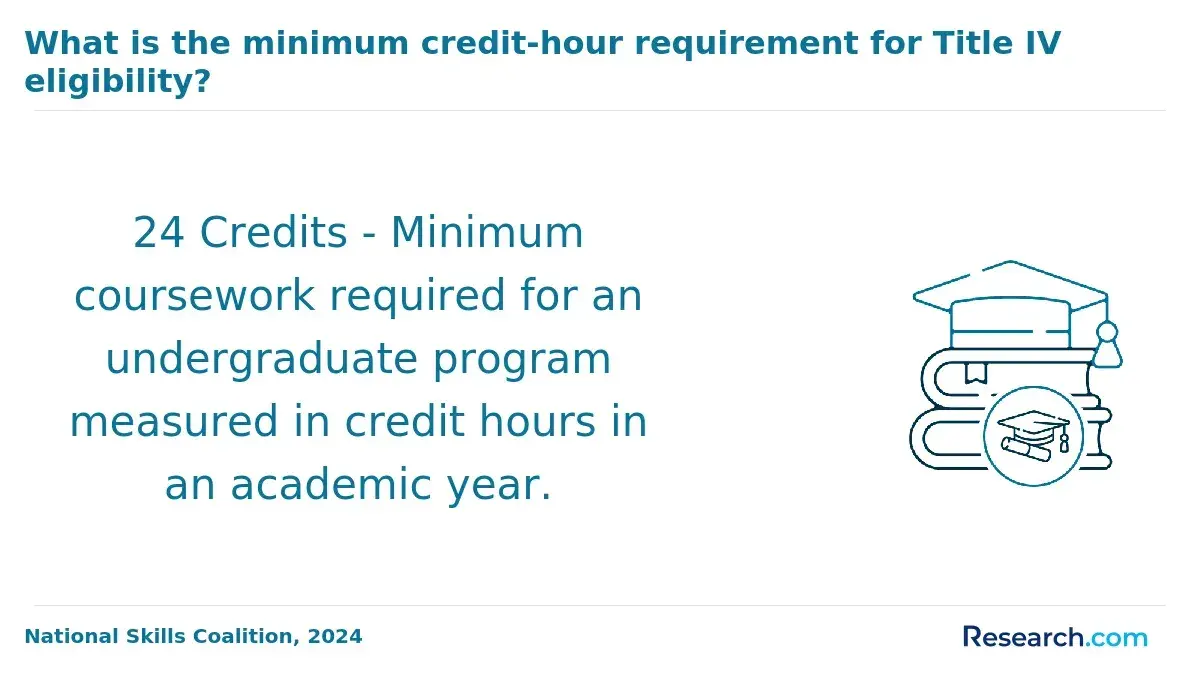
The average cost of earning a hospitality management & tourism bachelor's degree in the United States can range significantly, often exceeding $30,000 in tuition alone. These expenses vary based on institution type and study format, influencing the overall financial commitment for students around age 40.
- Tuition Variability: Tuition fees differ greatly between public, private, and online schools. In-state rates usually lower costs for public institutions, while out-of-state or private schools often charge premium fees, affecting the total price of the degree.
- Learning Materials: Required resources such as textbooks, software, and digital content contribute additional expenses. Though some programs reduce costs by offering electronic materials, these necessities remain a notable part of the budget.
- Additional Fees: Colleges may impose registration, technology, and student activity fees that add to the financial load. These are non-tuition charges that prospective students should anticipate when calculating their total investment.
- Financial Aid Impact: Availability and qualification for scholarships, grants, and loans can reduce out-of-pocket expenses but do not lower the base tuition or fees. Understanding aid options helps manage payment plans rather than overall costs.
- Enrollment Intensity: Choosing full-time versus part-time enrollment influences costs and budgeting strategies. Part-time study might extend payment periods and total spending but can better fit work and family schedules for mature learners.
What Are the Risks of Going Back to College at 40?
Returning to college around the age of 40 to pursue a hospitality management & tourism bachelor's degree involves serious commitments that deserve careful consideration. While this educational path is achievable, understanding the challenges helps learners prepare for a successful experience.
Key risks range from academic demands to lifestyle adjustments, each requiring specific coping strategies.
- Academic Workload: The volume and complexity of coursework, exams, and assignments can be intense. Adult learners may need to rebuild study habits and manage time effectively, especially after a lengthy break from formal education.
- Adapting to Academic Environment: Being surrounded by younger classmates can create feelings of disconnect. Navigating new technologies and bridging generational gaps in classroom dynamics require extra patience and flexibility.
- Balancing Responsibilities: Those returning to school often juggle multiple roles such as parenting, employment, and social obligations. This balancing act can increase stress and reduce the time available for academic focus.
- Physical and Mental Stamina: Sustaining long periods of study may be more taxing than in younger years. Fatigue and slower cognitive processing may challenge some students, though individual experiences vary widely.
Can You Start a New Career at 40 With a Hospitality Management & Tourism Bachelor's Degree?
Starting a new career at 40 with a hospitality management and tourism degree is not only achievable but increasingly common. This degree offers foundational knowledge and practical skills essential for thriving in an industry focused on customer service, operations management, and cultural awareness.
Many individuals seeking career change opportunities after 40 in hospitality management and tourism find that specialized education helps bridge gaps in experience and credentials. Earning this academic qualification can demonstrate updated expertise and commitment to potential employers, enhancing career prospects.
Workforce trends reveal growing support for adult learners and nontraditional students pursuing new professional paths later in life. Industries, including hospitality and tourism, encourage continuous learning and recognize the value of diverse backgrounds and transferable skills.
Programs designed for career changers make degrees more accessible than ever, aligning with evolving opportunities. For those exploring options such as a no GMAT online MBA or other educational paths, these shifts open the door to dynamic and rewarding careers beyond 40.
Do Employers Value Hospitality Management & Tourism Bachelor's Degrees Earned at 40?
Employers generally appreciate hospitality management and tourism bachelor's degrees earned at age 40, valuing the combination of formal education and life experience that mature students bring. A 2022 Strada Education Network survey found that 73% of employers hold positive attitudes toward non-traditional students returning to education, noting their ability to connect academic learning with real-world challenges.
This perspective is especially relevant for those seeking career advancement with a hospitality management and tourism bachelor's degree later in life.
When assessing degrees earned by individuals around 40, employers often consider several important factors:
- Skill Relevance: Employers prioritize candidates whose education aligns with current industry standards and trends, ensuring practical skills that address today's hospitality and tourism needs.
- Professional Experience Integration: Previous work experience, whether in related or different sectors, enriches a candidate's ability to apply knowledge effectively and contribute unique insights beyond theoretical understanding.
- Commitment to Lifelong Learning: Returning to school at a later age signals adaptability and a proactive attitude toward continuous growth, qualities highly prized in dynamic and customer-focused fields.
- Interpersonal & Management Skills: Mature learners typically demonstrate enhanced communication, leadership, and problem-solving abilities-essential skills for managing teams and delivering exceptional guest experiences.
- Networking Opportunities: Established professional connections can open doors to partnerships and opportunities beneficial to employers and industry collaboration.
For adult learners exploring educational options, pairing a hospitality management and tourism degree with relevant experience amplifies career prospects. Additionally, exploring quick certifications that pay well can supplement formal degrees and broaden workforce readiness in evolving market conditions.
What Steps Should I Take Before Applying to a Hospitality Management & Tourism Bachelor's Program?
Careful preparation before applying to a hospitality management & tourism bachelor's program helps ensure you're academically ready and able to make well-informed decisions. Early planning is especially valuable for adult learners around age 40 or older, as research shows nearly 41% of this group delay college enrollment due to concerns over program fit and preparation.
Taking the right steps ahead of time can boost confidence and clarity.
Consider these essential preparatory actions:
- Review Academic Background: Verify that you meet prerequisite courses, often in business, communication, or hospitality-related areas, to satisfy program entry requirements and avoid surprises later.
- Understand Program Requirements: Investigate the curriculum details, credit hours, and focus of different programs to choose one that aligns with your career goals and educational expectations.
- Evaluate Learning Formats: Determine whether on-campus, online, or hybrid classes best suit your lifestyle and commitments, prioritizing flexibility if needed.
- Prepare Documentation: Gather transcripts, letters of recommendation, and evidence of relevant work experience to streamline your application process and demonstrate your qualifications.
What Graduates Say About Earning a Hospitality Management & Tourism Bachelor's Degree at 40
- Raul: "Going back to college at 42 was a decision driven by my desire to pivot my career and embrace new challenges. I chose a hospitality management & tourism bachelor's degree because I've always been passionate about travel and service, and I wanted a formal education that matched that passion. Earning this degree has opened doors to leadership positions I never thought possible at this stage in my life, proving that it's definitely not too late to reinvent yourself."
- Elisha: "Returning to school after 45 felt daunting initially, but I knew that expanding my skills was essential for growth in the ever-evolving hospitality sector. The choice to study hospitality management & tourism came from my years of informal experience; I needed the academic foundation to turn my knowledge into a credible career path. Graduating has brought a renewed sense of confidence and has enhanced my ability to navigate complex industry demands, showing that age can be an asset rather than a limitation."
- Michael: "At 50, I realized that if I wanted to advance my career in the hospitality industry, a bachelor's degree was necessary. I selected hospitality management & tourism because it aligned perfectly with my professional goals and personal interests in global cultures. Achieving this degree has not only bolstered my resume but also deepened my strategic thinking and management skills, illustrating that higher education is a valuable pursuit no matter your age."
Other Things You Should Know About Hospitality Management & Tourism Degrees
Some institutions and organizations offer scholarships targeted at non-traditional or adult learners, including those pursuing a hospitality management & tourism degree later in life. It is advisable to research options through professional associations in hospitality and tourism, as well as universities that prioritize lifelong learning support for mature students. Financial aid eligibility typically depends on the applicant's overall status rather than age alone.
Prior work experience in hospitality can significantly benefit older students by allowing them to apply real-world insights to their studies, potentially accelerating their learning process. Familiarity with industry practices enables them to engage more deeply with course material and may offer credit or advanced placement opportunities, enhancing their educational journey.
Older students often bring a broader network and professional maturity, which can enhance peer connections and industry engagement. They may also have more confidence in leveraging existing contacts within the hospitality sector. Networking opportunities in the program typically include internships, industry events, and alumni groups, which can be beneficial regardless of age.
Graduates in this age group often use the degree to access leadership roles, launch entrepreneurial ventures, or transition to specialized fields within hospitality and tourism. The degree equips students with both theoretical knowledge and practical management skills valued by employers. Age is generally not a barrier to advancement when combined with relevant experience and a strong professional network.
References
- Going Back to School at 40 in [2026]: Here’s What to Expect https://www.neit.edu/blog/going-back-to-school-at-40
- Study programme https://www.studyinpoland.pl/en/programme
- Hotel and Tourism Management – MODERNA – Warsaw University of Business and Psychology https://moderna.edu.pl/majors/management/bachelor-of-management/hotel-tourism-management/
- How to return to college as an adult - THE MIDST https://the-midst.com/college-after-40/
- Common Obstacles for Mature-Age Students Returning to Study - Sero Institute https://seroinstitute.com.au/common-obstacles-for-mature-age-students-returning-to-study/
- Courses https://bicb.org.uk/Level_4_Hospitality.php
- Going Back to School at 40? Here’s How to Succeed | Outlier https://articles.outlier.org/going-back-to-school-at-40
- Admission requirements https://www.buas.nl/en/programmes/master-tourism-and-hospitality-innovations/admission-requirements
- Hospitality Careers for Older Workers https://reluctantgourmet.com/hospitality-careers-older-workers/