2027 Is an Online Hospitality Management & Tourism Bachelor's Degree Worth It?

Co-Founder and Chief Data Scientist
Imagine juggling a full-time job while considering a career shift into hospitality management & tourism without relocating or sacrificing current income. Online bachelor's degrees in this field promise flexibility, but how well do they translate into real-world job opportunities? Recent data shows that graduates of online hospitality management & tourism programs have a 15% higher employment rate within six months compared to those without a degree.
This article examines the return on investment, career prospects, and program quality to help readers decide if pursuing an online hospitality management & tourism bachelor's degree is a practical and valuable path forward.
Key Things to Know About the Value of an Online Hospitality Management & Tourism Bachelor's Degree
- An online hospitality management & tourism bachelor's degree supports diverse life goals by offering flexible scheduling, accommodating working parents, veterans, and mid-career professionals seeking advancement.
- Programs accredited by recognized bodies ensure quality education, maximizing return on investment through military credit transfer options and access to financial aid.
- Graduates experience improved career outcomes, with 15% average salary growth and enhanced employer recognition in hospitality and tourism sectors within five years of completion.
What Are the Real Costs of Earning an Online Hospitality Management & Tourism Bachelor's Degree, and How Do They Compare to On-Campus Programs?
Online Hospitality Management & Tourism bachelor's degrees generally offer a more affordable alternative to traditional on-campus programs, as confirmed by data from the College Board's Trends in College Pricing and IPEDS tuition reports. The cost comparison involves multiple factors beyond base tuition, which are essential for a working parent reentering higher education, recent high school graduates, military veterans, or mid-career professionals seeking advancement.
- Tuition Per Credit Hour: Online programs usually range from $300 to $450 per credit, whereas on-campus tuition varies from $350 to $600 per credit depending on whether the institution is public or private.
- Fees: Online students often pay technology or distance learning fees between $50 and $150 per semester, while on-campus students may face higher campus activity, lab, and facility fees.
- Required Technology: Online learners must invest in reliable computers, high-speed internet, and sometimes software subscriptions-not costs typically billed to on-campus attendees.
- Indirect Costs: On-campus students incur expenses for commuting, parking, and housing, which online students largely avoid; however, online learners may experience time-management challenges with potential financial implications.
Notable accredited online Hospitality Management & Tourism bachelor's programs offered below the national average include the University of Central Florida, Southern New Hampshire University, Colorado State University Global, and Florida International University. These affordable options maintain accreditation recognized by bodies like the Accreditation Commission for Programs in Hospitality Administration (ACPHA), ensuring quality education aligned with industry standards.
Evaluating the financial investment and tuition fees for hospitality management and tourism bachelor's programs also requires distinguishing sticker price from net price. The sticker price represents published tuition and fees before applying financial aid. Net price reflects actual expenses after scholarships, grants, veterans' benefits, employer tuition reimbursement, and federal or state aid. These resources can greatly reduce costs, making programs more accessible.
Prospective students should consider how transfer credit policies, employer perceptions, and graduate school compatibility influence long-term return on investment. Additionally, those interested in comparable online degrees may explore options such as an online MSW program for further educational advancement in related fields.
What Is the Return on Investment (ROI) of an Online Hospitality Management & Tourism Bachelor's Degree Over a Career Lifetime?
Return on investment (ROI) in higher education reflects the financial benefits graduates gain over their careers compared to the total costs spent obtaining their degrees. For an online Hospitality Management & Tourism bachelor's degree, calculating ROI involves assessing tuition, fees, opportunity costs like missed income, and projected lifetime earnings in this service-focused industry. A career lifetime ROI of online Hospitality Management and Tourism degree programs must weigh these factors carefully to provide a realistic outlook.
The Georgetown University Center on Education and the Workforce reports that bachelor's degree holders typically earn substantially more over their lifetimes than those with only a high school diploma. The PayScale College ROI Report emphasizes that hospitality management and tourism programs-especially affordable online options-offer a positive but moderate ROI compared to other fields. This pattern results partly from entry-level salary scales and typical career progression within hospitality sectors.
A simple ROI calculation framework includes:
- Total Degree Cost: Tuition, fees, and opportunity costs during study.
- Projected Earnings: Starting salary estimates and expected salary growth.
- Career Duration: Anticipated working years in hospitality and tourism roles.
The long-term return on investment for hospitality management and tourism graduates shows that a 10-year ROI is often positive but initially modest due to entry-level wages, while the 20-year ROI improves significantly as professionals advance into management. Compared to the national average for all bachelor's degrees, hospitality management and tourism ROI starts slightly below but narrows over time.
- 10-Year ROI: Modest gains often reflect entry-level salaries in hospitality.
- 20-Year ROI: Rises as management and specialized roles increase earnings.
- National Average: Bachelor's degree ROI generally exceeds hospitality initially but converges over decades.
Beyond finances, several non-monetary benefits add significant value:
- Job Satisfaction: Many find fulfillment working in engaging, guest-focused environments.
- Career Mobility: Opportunities span travel, entertainment, and accommodations worldwide.
- Professional Credibility: The bachelor's degree enhances standing with employers and supports leadership and graduate study prospects.
Prospective students should consider factors such as financial aid options, transfer credit policies, employer perceptions, and graduate school compatibility when evaluating programs. For those exploring broader advanced education, related insights into executive credentials can be found in resources like the executive MBA listings at research.com.
How Do the Salary Outcomes for Online Hospitality Management & Tourism Bachelor's Graduates Compare to Those With Traditional Degrees?
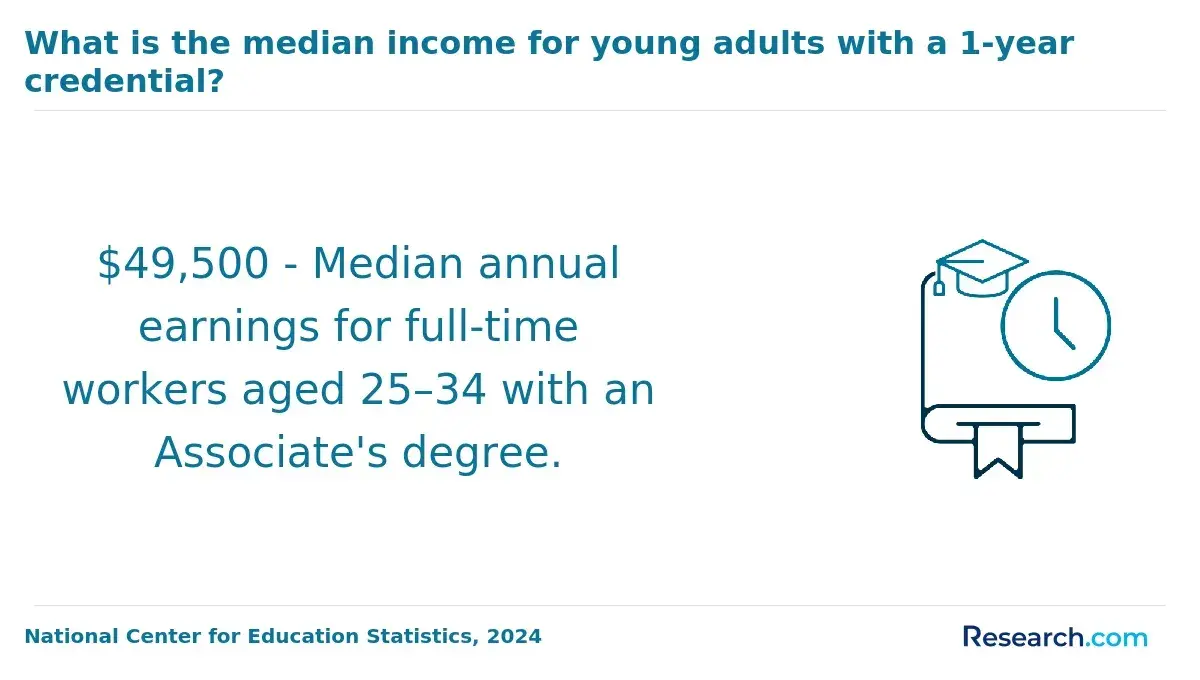
Compensation data from the Bureau of Labor Statistics, PayScale, and LinkedIn Salary Insights show that median starting salaries for bachelor's graduates in hospitality management & tourism typically fall between $40,000 and $50,000 annually, with no significant difference between online and on-campus degree holders.
Graduates focusing on specialized areas such as event management or sustainable tourism often earn toward the higher end of this range. Mid-career earnings-after five to ten years of experience-generally increase to $65,000 to $80,000, especially for those moving into management roles or obtaining professional certifications.
- Median Starting Salary: Entry-level wages are comparable regardless of education mode, influenced more by the institution's reputation and local job market than by delivery format.
- Mid-Career Earnings: Professionals with experience and advanced skills see salary growth; leadership positions or specialized expertise contribute to higher compensation.
- Institutional Outcomes: Accredited programs often publish data through IPEDS or transparency reports, confirming that online graduates achieve employment rates and salary increases similar to on-campus alumni in their initial five years.
- Geographic Variation: Salary potential varies widely depending on location, with metropolitan areas featuring robust tourism industries offering better pay than rural regions.
A professional who completed his online hospitality management & tourism bachelor's degree shared insights on salary outcomes compared to traditional routes. He explained that, initially, skepticism from some employers about online credentials created hurdles, but excelling in internships and leveraging transferred credits accelerated his progress. "It was challenging balancing work, studies, and uncertainty about recognition," he noted, "but once I demonstrated practical skills alongside the degree, salary offers aligned closely with peers from brick-and-mortar schools." His experience affirmed that employer perception is evolving, and strategic program choice combined with documented competencies can bridge any gaps in earnings potential.
What Career Paths and Job Opportunities Are Available to Online Hospitality Management & Tourism Bachelor's Degree Graduates?
Graduates of degree programs can pursue a wide range of career paths depending on their skills, interests, and level of education. Exploring the different opportunities available can help students better understand how their studies translate into the workforce. Taking time to review potential roles and industries allows for more informed career planning and goal setting.
- Hotel and Lodging Managers: These professionals handle daily operations of hotels, motels, or resorts. Typically, a bachelor's degree meets entry requirements, though certifications from organizations such as the American Hotel & Lodging Educational Institute can improve advancement chances.
- Event Planners: Graduates often coordinate meetings, weddings, and conferences. While most roles require only a bachelor's degree, credentials like the Certified Meeting Professional designation may open doors to higher positions.
- Travel Agents and Tour Guides: Although traditional travel agent jobs have declined with online booking growth, specialized travel consultants and tour guides in niche markets benefit from this degree. Some states require licensure for tour operators.
- Food Service Managers: These managers oversee restaurants or catering operations, controlling staff, budgets, and service. A bachelor's degree typically suffices, but certifications in food safety and sanitation are often necessary.
Marketing and Sales Specialists in Tourism: Focusing on travel-related promotions, these roles value digital marketing skills. A bachelor's degree is usually essential, though graduate studies can enhance expertise.
The Bureau of Labor Statistics projects steady growth of 7% to 12% through 2032 in many hospitality management & tourism career areas. For example, hotel and lodging managers and event planners are both forecasted to grow near 10%, while food service managers have about 7% projected increase. This data helps gauge long-term demand for those exploring jobs and salary outlook for online hospitality management and tourism graduates.
Choosing a concentration-such as event planning, hotel management, sustainable tourism, or culinary arts-within an online hospitality management & tourism program can either broaden or refine career pathways, aligning skills with employer needs and advancing job prospects.
For those considering education options, the quickest associates degree programs may help transfer credits or meet foundational requirements, supporting a smoother path into this field.
What Student Support Services Do Online Hospitality Management & Tourism Bachelor's Programs Provide to Promote Success and Retention?
Student success in online degree programs often depends on the quality and accessibility of support services available beyond the classroom. Institutions typically offer a range of resources designed to help learners stay engaged, overcome challenges, and achieve their academic goals. These services play a key role in improving retention, satisfaction, and overall outcomes in flexible learning environments.
- Academic Advising: Personalized support helps students strategically select courses, plan degrees, and evaluate transfer credits, ensuring progress stays on track without unnecessary delays.
- Tutoring Centers: Virtual tutoring services focus on hospitality management & tourism subjects as well as essential skills like business communication and math, with flexible hours to accommodate diverse schedules.
- Writing Labs: These online resources assist students in producing clear, professional reports and assignments, often incorporating peer reviews and feedback from instructors to enhance communication skills vital in the field.
- Mental Health Counseling: Telehealth options provide timely support for stress, anxiety, and balancing responsibilities, contributing significantly to student retention and well-being.
- Career Services: Effective programs connect students to internships and practicums while facilitating job placement. Core elements include:
- Alumni mentorship networks offering industry insights and career guidance.
- Employer partnerships that enable direct recruitment from reputable hospitality companies.
- Retention Data Transparency: Programs that share retention and graduation metrics, often referencing the National Survey of Student Engagement (NSSE), show accountability and commitment to improving student outcomes.
One professional who built his career after completing an online hospitality management & tourism bachelor's program shared that navigating the balance between work, family, and school was daunting. He emphasized how academic advising helped him avoid course overloads that could delay graduation. The writing lab was invaluable for polishing assignments, while access to mental health counseling supported him during stressful periods. Career services opened doors to internships that led to his first industry role. He remembers feeling a genuine sense of support that made the challenging journey manageable and ultimately rewarding.
Is an Online Hospitality Management & Tourism Bachelor's Degree Respected by Employers and Recognized Across Industries?
Recent data from the Society for Human Resource Management (SHRM) and Gallup indicates a growing acceptance of online degrees, especially when programs are accredited and offered by reputable institutions. Among employers in hospitality management & tourism, many regard online credentials as equivalent to traditional campus degrees when paired with relevant industry experience and certifications.
This parity is especially evident in sectors such as tourism marketing, hotel operations, and food and beverage management, where practical skills often outweigh the delivery format of the degree. Major hospitality companies like Marriott International, Hilton Worldwide, and Hyatt actively seek graduates from accredited online hospitality management & tourism programs, demonstrating confidence in the quality of these credentials.
That said, nuances exist. Some niche areas-luxury hospitality or specialized event management-may still lean toward candidates with on-campus degrees or extensive face-to-face internship experience. Students aiming for such roles should carefully evaluate how those employers view online education.
To maximize career benefits, prospective students should research their target employers' hiring trends and confirm program accreditation. This approach ensures their chosen degree supports long-term advancement and compatibility with graduate studies.
- Employer Acceptance: Accredited online degrees in hospitality management & tourism are increasingly recognized by hiring managers, reflecting shifting attitudes toward online education.
- Industry Equivalence: Most sectors within hospitality and tourism treat online and on-campus degrees as comparable when accompanied by relevant certifications and experience.
- Recruitment by Leading Firms: Companies such as Marriott and Hilton actively recruit from reputable online programs, signaling trust in these qualifications.
- Niche Preferences: Luxury and specialized event sectors may still favor traditional degrees and in-person experience, requiring targeted career planning.
- Informed Decision-Making: Understanding specific employer attitudes and ensuring program accreditation are key to maximizing the value of an online degree.
What Accreditation Standards Should an Online Hospitality Management & Tourism Bachelor's Program Meet to Be Considered Legitimate?
Accreditation plays a vital role in assessing the quality and credibility of an online hospitality management & tourism bachelor's degree. Between the two primary types-regional and national-regional accreditation carries greater weight regarding credit transfer, employer acceptance, and eligibility for graduate education. National accreditation usually applies to career or vocational schools and holds more limited recognition in academic and professional settings.
The U.S. Department of Education recognizes six regional accrediting bodies that oversee quality standards nationwide:
- Higher Learning Commission (HLC): Covers institutions in the central United States.
- Southern Association of Colleges and Schools Commission on Colleges (SACSCOC): Accredits schools in southern states.
- New England Commission of Higher Education (NECHE): Oversees institutions in the New England region.
- Middle States Commission on Higher Education (MSCHE): Accredits schools in mid-Atlantic states.
- Northwest Commission on Colleges and Universities (NWCCU): Responsible for institutions in the Northwest.
- WASC Senior College and University Commission (WSCUC): Accredits colleges in California and Hawaii.
Prospective students should verify program accreditation using the official databases maintained by the Council for Higher Education Accreditation (CHEA) or the U.S. Department of Education's website. These resources provide up-to-date accreditation statuses that are critical when evaluating schools.
Specialized accrediting agencies also exist for hospitality management & tourism programs, such as the Accreditation Commission for Programs in Hospitality Administration (ACPHA). This focused accreditation signals that a program's curriculum aligns closely with industry standards and enhances graduates' employment prospects.
Attending an unaccredited or lapsed-accreditation program carries significant risks-including ineligibility for federal financial aid, difficulties with credit transfer, and limited recognition by employers or graduate schools. Recent statistics show nearly 70% of employers prefer candidates from regionally accredited institutions, underscoring the importance of selecting accredited programs with verified status.
How Long Does It Take to Complete an Online Hospitality Management & Tourism Bachelor's Degree, and What Factors Affect the Timeline?
The standard bachelor's degree in hospitality management & tourism typically requires about 120 credits, designed for completion in four years of full-time study. This timeline is based on traditional semester schedules, with courses lasting around 15 weeks. However, factors affecting the timeline for online hospitality management and tourism bachelor's degree completion allow students to accelerate or extend this period depending on their individual needs and circumstances.
One common way to shorten the duration is through accelerated eight-week courses, offered by institutions like Colorado State University Global Campus and Southern New Hampshire University. These condensed classes enable focused study on fewer courses at a time, often allowing motivated students to finish degrees in two to three years. Competency-based education (CBE) is another pathway that speeds up progress by measuring demonstrated skills rather than seat time, benefiting military veterans and mid-career professionals with prior knowledge. Year-round enrollment options also contribute by eliminating breaks between terms and encouraging continuous study.
Faster completion benefits learners by lowering tuition expenses and reducing opportunity costs linked to delayed entry or advancement in the workforce. Students who balance school with work or family responsibilities find these flexible options particularly helpful. For readers exploring educational pathways, including degree compatibility with graduate programs or potential career outcomes, understanding these timeline factors is essential. Working parents and others may also compare these formats to related programs, such as a masters in communication online, to gauge overall investment and return.
- Credit Requirement: The typical hospitality management & tourism bachelor's degree requires 120 credits, balancing general education with specialized coursework.
- Course Length: Traditional courses last 15 weeks, but accelerated eight-week formats allow faster progress without compromising quality.
- Competency-Based Education: CBE allows demonstrated mastery to replace time-based learning, ideal for students with previous experience.
- Year-Round Enrollment: Continuous course offerings help avoid delays and promote faster degree completion.
- Institutional Examples: Universities such as Colorado State University Global Campus and Southern New Hampshire University report average completion times of two to three years for accelerated students.
- Financial Impact: Accelerated timelines reduce tuition costs and opportunity costs associated with extended study periods.
What Financial Aid, Scholarships, and Tuition Assistance Are Available for Online Hospitality Management & Tourism Bachelor's Students?
Students seeking an online hospitality management & tourism bachelor's degree have various financial aid options to help offset tuition and related expenses. The Free Application for Federal Student Aid (FAFSA) is the gateway to federal and many state grants, loans, and work-study programs. Applying early in the award cycle is essential because many funds are limited and awarded on a first-come, first-served basis.
- Federal Pell Grants: These grants target undergraduate students with demonstrated financial need and do not require repayment. Award amounts vary annually but can exceed $6,000, making them crucial for eligible online hospitality management & tourism students seeking scholarships and tuition assistance for hospitality management & tourism students in the US.
- Direct Subsidized and Unsubsidized Loans: Subsidized loans offer interest relief while students remain enrolled, whereas unsubsidized loans start accruing interest immediately. Both types have fixed interest rates and more favorable repayment plans than private loans. Students should consult financial aid advisors to understand borrowing limits.
- Institution-Specific Scholarships: Many colleges providing online hospitality management & tourism programs offer merit-based or need-based scholarships. For instance:
- The American Hotel & Lodging Educational Foundation awards scholarships up to $10,000 for students maintaining at least a 3.0 GPA in hospitality programs.
- The Hospitality Financial and Technology Professionals (HFTP) Scholarship Fund supports students interested in hospitality finance and technology with demonstrated involvement in related activities.
- The National Society of Minorities in Hospitality provides awards emphasizing leadership and community engagement for minority students pursuing hospitality degrees.
- State Grant Programs: Numerous states operate grant initiatives for residents attending approved online programs. Students should verify eligibility and deadlines through their state higher education agencies.
To minimize out-of-pocket costs, students must consider layering multiple aid sources-combining federal grants, scholarships, employer tuition assistance, and Federal Work-Study jobs. Military veterans may utilize benefits like the GI Bill to cover tuition expenses. Moreover, understanding transfer credit policies and employer perceptions is key to maximizing long-term return on investment. For those comparing programs, it's helpful to also examine related fields and costs, such as the cheapest online master's mechanical engineering degrees, to gauge the broader landscape of affordable online education options.
What Are the Admission Requirements for Online Hospitality Management & Tourism Bachelor's Degree Programs?
Admission requirements for online degree programs can vary depending on the institution, but most follow a set of common criteria for evaluating applicants. Understanding these requirements ahead of time can help prospective students prepare a strong application and avoid unnecessary delays. Taking the time to review each program’s expectations ensures a smoother and more confident admissions process.
- Minimum GPA: Competitive online hospitality management & tourism bachelor's programs generally require a GPA between 2.5 and 3.0 on a 4.0 scale, reflecting steady academic achievement.
- Academic Credentials: Applicants must have a high school diploma or GED to qualify, serving as a foundation for admission.
- Standardized Tests: While many programs have adopted test-optional policies, some selective schools may still request SAT or ACT scores, especially for scholarship considerations or specific applicant profiles.
- Prerequisite Coursework: Foundational classes in English, math, business, or economics are often required to prepare students for specialized study in hospitality management & tourism.
- Admissions Policies: Open-enrollment institutions and community college transfer pathways offer more flexible entry requirements, typically with lower GPA thresholds or none at all, easing access for nontraditional students and career changers.
- Application Timing: Many online programs use rolling or continuous admissions, eliminating strict deadlines and allowing candidates-particularly working adults-to apply year-round.
Strengthening Your Application: Those with credentials below minimum standards can enhance their prospects by completing relevant community college courses, earning professional certifications in hospitality or tourism, and submitting strong letters of recommendation from supervisors or educators.
How Should Prospective Students Evaluate and Choose the Right Online Hospitality Management & Tourism Bachelor's Degree Program for Their Goals?
Choosing the right online degree program requires careful consideration of multiple factors that align with a student’s personal, academic, and career goals. With so many options available, it’s important to assess each program’s structure, quality, and support offerings. Taking a thoughtful approach can help ensure a better fit and a more successful educational experience.
- Accreditation: Ensure the program holds recognized regional or national accreditation to guarantee academic standards and eligibility for federal financial aid. Look for credentials endorsed by industry bodies that enhance the degree's professional value.
- Cost and ROI: Examine all costs beyond tuition, including technology fees, exam proctoring charges, textbooks, and any residency obligations. Utilize net price calculators from schools and resources like the U.S. Department of Education's College Scorecard to assess the overall financial investment and potential long-term earnings.
- Program Format and Flexibility: Confirm that course schedules, availability of live or asynchronous sessions, and expected completion timelines align with your personal and work responsibilities.
- Career Outcomes Data: Review graduation rates, job placement statistics, and alumni salary ranges to understand how effectively the program prepares students for roles in hospitality and tourism industries.
- Student Support Services: Verify the accessibility of advising, tutoring, career counseling, and technical assistance tailored for remote learners to enhance academic success.
- Transfer Credit Policies: Investigate the institution's acceptance of prior college credits or military training to potentially shorten your degree path and reduce expenses.
Use established comparison platforms such as the IPEDS Data Center alongside university-specific net price tools to create a detailed side-by-side evaluation of selected programs. Be vigilant about researching fees and residency prerequisites that could increase total costs unexpectedly.
What Graduates Say About the Value of Their Online Hospitality Management & Tourism Bachelor's Degree
- Raul: "Choosing the online hospitality management & tourism bachelor's degree program was a game changer for me because it allowed the flexibility to balance work and studies seamlessly. The affordable tuition made it a smart investment, especially considering the career advancement opportunities I gained. Since graduating, I've been promoted twice, which confirms the ROI was well worth it."
- Elisha: "Reflecting on my experience, the program's curriculum perfectly aligned with the real-world demands of the hospitality industry, which made every lesson highly relevant. I appreciated how the online format made it easy to learn at my own pace without sacrificing quality. Professionally, this degree opened doors to leadership roles I hadn't imagined possible before."
- Michael: "The main reason I pursued the online hospitality management & tourism bachelor's degree was the unique combination of theory and practical knowledge tailored to global tourism trends. Though cost was a consideration, the manageable fees plus flexible payment options eased the financial burden. Completing the program has significantly elevated my professional credibility in the competitive tourism sector."
Other Things You Should Know About Hospitality Management & Tourism Degrees
Online hospitality management & tourism bachelor's programs typically use a combination of video lectures, interactive assignments, discussion boards, and quizzes. Many programs also incorporate case studies and simulations relevant to real-world hospitality settings. Students often benefit from flexible schedules, but staying disciplined and actively participating in online forums is essential to success in these programs.
Students can choose from various specializations such as event management, hotel and resort management, food and beverage management, or tourism marketing. These concentrations allow learners to tailor their degree toward specific industry sectors, enhancing job readiness in niche areas. Specializations often include targeted projects and practical coursework aligned with industry demands.
In 2027, consider industry demand, accreditation, and post-graduate opportunities when evaluating the value of an online hospitality management & tourism bachelor's degree. The hospitality industry continues to evolve, placing importance on sustainable tourism and digital marketing, which can enhance the degree's value if included in the curriculum.
An accredited online degree in hospitality management & tourism is generally recognized by most graduate programs, including MBA and specialized master's degrees in hospitality or tourism. Admissions committees evaluate the reputation of the online program and the applicant's academic performance. Holding an online bachelor's degree does not typically limit advanced education opportunities if the degree is earned from a credible institution.
References
- ROI in Higher Education - FREOPP https://freopp.org/roi-in-higher-education/
- Online Hospitality and Tourism (Undergraduate) https://www.schellhammerbusinessschool.com/online-hotel-and-hospitality-undergraduate/
- Is the OfQual Tourism Hospitality Management online course accredited by any specific organization? https://www.lsib.co.uk/2022/answers.aspx
- Graduate Faster International Bachelor’s Degree https://htmi.ch/graduate-faster-international-bachelors-degree/
- Choosing a bachelor's in hospitality management | edX https://www.edx.org/resources/how-to-choose-a-bachelors-in-hospitality-management
- Accreditation Standards - ACPHA https://www.acpha-cahm.org/accreditation/accreditation-standards/
- Hospitality management studies – what you’ll learn and where it can take you https://www.glion.edu/magazine/hospitality-management-studies/
- What do you study in an online hotel management degree? https://lesroches.edu/blog/study-online-hotel-management-degree/
- Tourism & Hospitality Scholarship - American Indigenous Tourism Association https://americanindigenoustourism.org/tourism-hospitality-scholarship/
- Bachelor of Hospitality and Tourism Management (BSHTM) Online Degree — European Center for Accreditation https://www.ecaonline.eu/landingbachelorsbshtm