2027 What Classes Are in an Online Hospitality Management & Tourism Bachelor's Degree?

Co-Founder and Chief Data Scientist
Seeking an online hospitality management & tourism bachelor's degree but unsure which classes will prepare you for real-world roles creates uncertainty. Many programs offer diverse curricula, blending core management principles with industry-specific topics. According to the National Center for Education Statistics, nearly 35% of hospitality management students enroll in online courses, emphasizing the growing demand for flexible education formats. This article examines typical coursework-ranging from foundational business studies to specialized tourism courses-and how these classes align with career goals, licensure requirements, and experiential learning. It aims to clarify program structures so prospective students can select the best fit for their professional paths.
Key Things to Know About the Classes in an Online Hospitality Management & Tourism Bachelor's Degree
- Core curriculum courses emphasize business fundamentals, communication skills, and general education-covering topics like accounting and marketing-essential for foundational knowledge in hospitality management.
- Major-specific courses focus on tourism principles, hotel operations, event planning, and sustainable practices, reflecting industry standards and seasonal demand trends for skilled professionals.
- Capstone courses integrate experiential learning through projects or internships-preparing students for practical challenges and often fulfilling licensure or certification requirements for entry-level roles.
What Core Curriculum Courses Are Required in an Online Hospitality Management & Tourism Bachelor's Degree?
Core hospitality management courses online often serve as the foundation of an online hospitality management & tourism bachelor's degree, providing students essential industry knowledge and skills drawn from multiple regionally accredited program catalogs. These courses establish academic competencies necessary to succeed in complex, global hospitality and tourism fields while accommodating varied learning styles and schedules.
- Introduction to Hospitality and Tourism: This foundational course gives a broad overview of the lodging, food service, travel, and event management sectors. It familiarizes students with key terminology, career opportunities, and the worldwide economic and cultural roles of hospitality and tourism.
- Hospitality Accounting and Finance: Covering financial record keeping, budgeting, and economic decision-making, this course builds vital financial literacy skills managers and planners depend on for business success.
- Marketing Principles for Hospitality and Tourism: Focused on the unique marketing challenges in these industries, students learn to develop effective promotional campaigns, understand consumer behavior, and attract loyal customers.
- Operations Management: This course examines running day-to-day activities in hotels, restaurants, and tourism settings, emphasizing supply chain coordination, human resources, and quality control for smooth, customer-focused operations.
- Event and Convention Management: Students explore planning, organizing, and executing events and meetings, including risk management and vendor coordination-critical skills for this major industry segment.
- Research Methods in Hospitality and Tourism: This course teaches academic and market research techniques, essential for data-driven decisions, capstone projects, and internships.
- Customer Service Management: Emphasizing guest satisfaction and service excellence, students learn strategies to manage challenges and maintain high standards.
Programs typically integrate these core curriculum requirements with general education and specialization options, but course titles and content depth may vary by institution. Transfer students and career changers should scrutinize each curriculum carefully to ensure alignment with their goals and licensure needs.
For a broader view of accelerated online programs relevant to hospitality professionals seeking graduate-level advancement, see best one year masters programs. Essential tourism degree curriculum requirements aim to balance academic rigor with practical applications that prepare students for targeted roles across hospitality sectors.
What General Education Requirements Are Part of an Online Hospitality Management & Tourism Bachelor's Degree?
General education courses are essential components of an online hospitality management & tourism bachelor's degree in the United States, offering a broad academic base alongside specialized knowledge. Regional accrediting agencies like SACSCOC (Southern Association of Colleges and Schools Commission on Colleges) and HLC (Higher Learning Commission) require these courses to ensure quality education and comprehensive skill development across multiple disciplines.
Typically, students complete 30 to 45 credit hours of general education curriculum for an online hospitality management & tourism bachelor's degree, complementing 60 or more credit hours of major-focused study.
This core general education coursework spans humanities, social sciences, natural sciences, mathematics, and communication studies, designed to develop critical thinking, problem-solving, and communication skills highly valued by hospitality employers. Humanities and social sciences foster cultural awareness and global perspectives important for managing diverse clients and international operations.
Meanwhile, math and natural sciences enhance analytical capabilities crucial for budgeting and operational tasks, and communication courses build strong oral and written skills for team collaboration and customer engagement.
- Credit Hour Distribution: General education typically makes up about one-third of degree credits, providing a broad academic foundation before focusing on hospitality-specific courses.
- Multidisciplinary Scope: Required courses cover humanities, social sciences, natural sciences, mathematics, and communication to build broad knowledge and essential workplace skills.
- Accreditor Standards: Regional bodies like SACSCOC and HLC mandate gen ed completion to uphold educational quality and skill versatility.
- Skill Development: Gen ed courses enhance critical thinking and communication proficiencies, preparing students for varied challenges in hospitality management & tourism.
- Flexibility and Accessibility: Online general education offerings accommodate nontraditional students balancing education with work and life commitments.
Though some view these requirements as peripheral, they provide transferable abilities that prepare graduates for a variety of roles in hospitality management & tourism. These courses also offer flexibility for working adults and career-changers, allowing students to balance education with personal responsibilities through accessible online formats.
This multidisciplinary foundation supports adaptability and success in a dynamic industry. For those evaluating their career options, data on the best bachelor degrees to get helps highlight the value of such comprehensive programs in providing marketable skills and better job prospects.
What Are the Major-Specific Courses That Define an Online Hospitality Management & Tourism Bachelor's Degree?
Major-specific courses in an online hospitality management & tourism bachelor's degree build the essential expertise critical for success in the hospitality sector. These courses are designed to expand on foundational knowledge and prepare students for complex topics, industry standards, and hands-on applications such as internships or capstone projects.
Alignment with professional standards from organizations like the American Hotel & Lodging Educational Institute ensures graduates meet current workforce expectations.
- Introduction To Hospitality Management: Covers fundamental hospitality principles such as service quality, operational workflows, and sector-specific structures including lodging and event coordination, establishing a solid base for further study.
- Food And Beverage Management: Focuses on menu design, cost management, safety protocols, and delivering excellent customer experiences, bridging theoretical concepts with practical skills applicable in hospitality venues.
- Lodging Operations: Addresses front desk procedures, housekeeping standards, maintenance, and reservation technologies, emphasizing efficiency and guest satisfaction for hotel or resort leadership roles.
- Tourism Planning And Development: Explores sustainable tourism strategies, destination marketing, and socio-economic impacts, preparing students to balance business goals with community welfare and certification criteria.
- Hospitality Marketing: Teaches branding, segmentation, and digital marketing tactics crucial for drawing and retaining clientele in competitive environments.
- Financial Management For Hospitality: Introduces budget creation, financial evaluation, and revenue optimization tailored to hospitality organizations, fostering sound decision-making in management careers.
- Human Resource Management In Hospitality: Covers recruitment, training, labor legislation, and employee relations to support effective workforce administration within diverse hospitality settings.
- Hospitality Law And Ethics: Reviews legal considerations such as contracts, liabilities, and compliance, preparing students for accountable leadership roles.
- Research Methods In Hospitality: Develops analytical skills through qualitative and quantitative research practices, essential for capstone projects or graduate study preparation.
- Capstone Or Internship In Hospitality Management: Enables practical application of accumulated knowledge in real-world contexts, integrating academic and experiential learning.
What Elective Courses Can Online Hospitality Management & Tourism Bachelor's Students Choose to Personalize Their Degree?
Online hospitality management and tourism bachelor's degrees typically allow 15 to 30 credit hours for electives, giving students the ability to customize their studies. These courses offer a chance to specialize in areas like event management, sustainable tourism, or culinary arts, enhancing career flexibility.
- Specialization: Electives such as Event Planning and Coordination focus on logistics and client interaction, while Sustainable Tourism Development emphasizes eco-friendly travel practices.
- Leadership and Business Skills: Courses like Marketing for Hospitality and Tourism and Financial Management in Hospitality provide practical managerial knowledge. For those eyeing further education, options like Research Methods in Tourism help meet graduate school prerequisites.
- Complementary Skills: Language classes such as Spanish for tourism, alongside tech-focused courses like Hospitality Information Systems, respond to employer demand for multilingual and tech-savvy professionals-crucial traits in today's industry.
- Advising: Early collaboration with academic advisors is vital to align elective choices with career objectives, transfer credits, or licensure requirements. This strategy ensures electives match personalized degree options in online hospitality management and tourism programs while maximizing opportunities in the job market.
Prospective students may also benefit from researching related programs such as the easiest MSW programs to get into as examples of flexible online pathways in higher education.
Are There Laboratory, Clinical, or Hands-On Components in an Online Hospitality Management & Tourism Bachelor's Degree?
Accredited online hospitality management & tourism bachelor's programs often incorporate required experiential components to meet standards set by bodies such as the Accreditation Commission for Programs in Hospitality Administration (ACPHA). These hands-on elements vary by program format, with hybrid degrees frequently involving more direct in-person engagement than fully online options.
Practical experiences typically include labs, clinical rotations, or fieldwork delivered through a mix of virtual and local solutions.
- Virtual Simulations: Advanced software platforms allow students to participate in realistic hospitality management scenarios, helping them develop decision-making skills without geographic constraints.
- Local Partnerships: Many institutions coordinate with nearby hotels, event firms, and tourism organizations to arrange internships or field placements, enabling students to gain relevant work experience in their regional community.
- On-Campus Residencies: Some hybrid programs require short, intensive residencies where students attend workshops or practical labs on campus, providing immersive learning concentrated into a few days.
While these methods maintain academic rigor and accommodate flexible schedules, students should verify requirements with programs to understand any travel or in-person commitments involved.
What Capstone or Culminating Courses Are Required in an Online Hospitality Management & Tourism Bachelor's Degree?
Most online hospitality management & tourism bachelor's programs culminate with an integrative requirement that synthesizes knowledge gained throughout the degree. This capstone experience often occurs in the senior year and evaluates readiness for professional roles.
- Capstone Project: Students commonly complete a project involving business plan development, market analysis, or case studies based on real hospitality or tourism settings. For instance, the University of Central Florida features a 3-credit capstone focused on strategic and operational management, with mentorship from faculty and potential collaboration with industry experts.
- Comprehensive Exam: Some programs administer a final exam covering essential topics such as hotel operations, event coordination, and tourism marketing, ensuring mastery across the curriculum.
- Portfolio Compilation: A few schools require assembling a portfolio of academic work, internships, and applied projects, which undergoes evaluation by faculty or peers to reflect professional standards.
- Early Preparation: Selecting a capstone topic and gathering research materials often begins months before the course starts, allowing alignment with career goals and enhancing the final outcome.
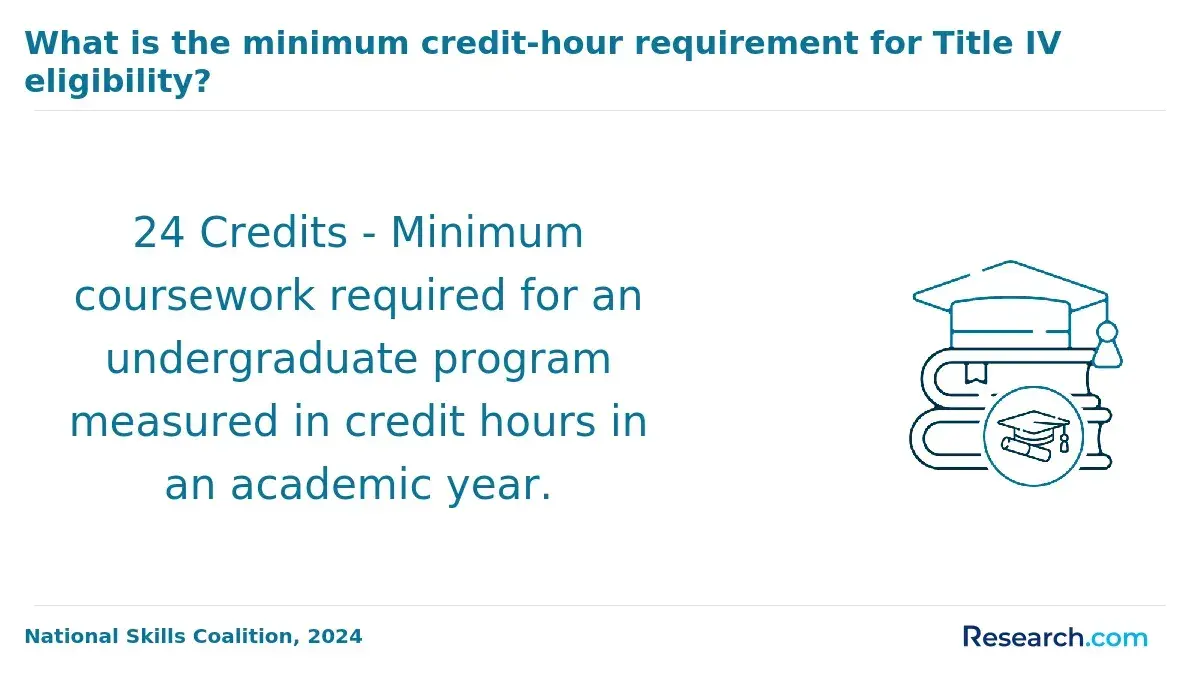
- Credit and Evaluation: Capstones typically carry between 3 and 6 credit hours. Assessment methods include written reports, presentations, peer reviews, and mentor feedback, offering a comprehensive appraisal of student capabilities.
Data from the National Center for Education Statistics indicates that over 60% of bachelor's programs nationally have increased the use of experiential learning components, such as capstone projects, to better prepare students for evolving industry demands.
How Are Internships or Practicum Experiences Integrated Into an Online Hospitality Management & Tourism Bachelor's Degree?
Internships, practicums, and fieldwork are essential components of many online Hospitality Management & Tourism bachelor's degrees, offering a bridge between academic theory and practical skills. Accredited programs usually require these experiential learning opportunities as credit-bearing courses, ensuring students gain hands-on experience in hospitality settings aligned with their career goals.
To support online learners who may be widely dispersed geographically, schools establish extensive employer partnership networks across multiple regions, enabling students to secure approved placements close to home.
Students often collaborate with advisors to identify local internship options that meet program standards. This process typically involves submitting detailed documentation such as learning objectives, supervisor evaluations, and time sheets, which help validate that the experience contributes to professional development and academic requirements.
For students concerned about balancing coursework with competitive placement searches, many programs encourage early preparation, tailored applications focused on hospitality industry skills, and exploring virtual or hybrid practicum options.
- Mandatory Experiential Learning: Internship or practicum participation is required for most online programs, integrating real-world hospitality exposure with academic credit.
- Regional Placement Support: Schools build employer networks nationwide, helping students find suitable local placements aligned with degree criteria.
- Supervision and Documentation: Structured oversight ensures internships provide relevant skills, documented through supervisor feedback and progress reports.
- Overcoming Placement Challenges: Early engagement, customized applications, and virtual practicum options help students secure quality experiences despite geographic barriers.
- Positive Impact on Careers: A majority of graduates attribute internship experiences to improved job readiness and successful employment shortly after finishing their degree.
Recent data show that 78% of hospitality management graduates credit their internship experiences with enhancing job readiness and employability within six months of graduation, underlining the value of these practicum components in degree completion and career advancement.
What Research Methods or Statistics Courses Are Required for an Online Hospitality Management & Tourism Bachelor's Degree?
Online hospitality management & tourism bachelor's degree programs commonly require at least one research methods or statistics class to establish a foundation in quantitative reasoning essential for the field. These courses cover descriptive statistics such as central tendency and variability, as well as inferential statistics including hypothesis testing, correlation, and regression analysis.
Many students encounter practical applications through software tools like SPSS, R, and Excel, which facilitate data management, statistical testing, and visualization of findings. This combination of theoretical and technical skills prepares graduates to contribute meaningfully to data-driven decision-making in hospitality contexts.
The curriculum often emphasizes research skills such as survey design, literature review methodology, and ethical data handling, ensuring students can critically evaluate academic and industry research. Some programs offer flexibility by letting students choose from several quantitative course options-such as applied statistics, business analytics, or social science research methods-meeting diverse academic backgrounds and career objectives.
Prerequisites usually include introductory math or basic statistics to ensure readiness for these courses. For those apprehensive about quantitative coursework, many online hospitality management research methods courses provide supportive resources like tutoring, writing centers, and statistical consulting to ease learning challenges.
- Quantitative Foundations: Courses require understanding both descriptive and inferential statistics, equipping students with analytical skills for hospitality management decisions.
- Software Proficiency: Programs train students on SPSS, R, and Excel to analyze, manage, and visualize data efficiently, reflecting industry expectations.
- Research Skills Development: Curriculum includes survey creation, literature evaluation, and ethical data practices, building rigorous research capabilities.
- Course Flexibility: Multiple course options allow students to fulfill research requirements according to their interests and prior knowledge.
- Student Support: Tutoring, writing centers, and consulting services help online learners overcome challenges in statistics classes required for tourism bachelor's degree programs.
Students aiming to combine work and education can also explore programs focused on affordability and flexibility. Currently, many online learners compare options for advanced degrees such as the most affordable master's in counseling-an example of how educational pathways often intersect across fields.
How Do Online Hospitality Management & Tourism Bachelor's Programs Sequence Courses From Introductory to Advanced Levels?
Online hospitality management and tourism bachelor's degrees typically sequence courses to ensure steady progression from foundational knowledge to specialized expertise. Programs start with 100-level general education and introductory classes, such as communication, basic business principles, and fundamental hospitality concepts.
This introductory phase builds a necessary base before moving into intermediate courses, where students encounter core subjects like hospitality marketing, food and beverage operations, and tourism economics. These courses require successful completion of specified prerequisites to maintain preparedness as students advance.
Upper-division courses-often numbered 300- and 400-level-include strategic management, research methods, capstone projects, and experiential learning. These classes synthesize prior knowledge and develop advanced skills needed in real-world settings. Academic advising is crucial throughout, helping students create structured four-year or accelerated degree plans that respect prerequisite requirements.
Advisors especially support transfer students, part-time learners, and individuals with prior credits by customizing sequencing pathways to accommodate their unique schedules. This personalized planning is vital for flexible, online learners balancing career and education.
- Prerequisite Structure: Courses require prior classes to ensure mastery before advancing, reinforcing foundational knowledge for specialized learning.
- Academic Advising: Advisors help construct degree plans that meet sequencing needs and balance workloads, benefiting diverse online learners.
- Sample Course Sequence: Programs progress from general education and introductory courses to intermediate core subjects and upper-division seminars with capstone projects.
- Flexible Pathways: Transfer and part-time students often follow adjusted course sequences; personalized advising accommodates credits and pacing.
- Progressive Skill Development: Curriculum complexity increases over time, fostering both theoretical and applied skills crucial for hospitality management and tourism careers.
A representative sample course sequence might be: first year with general education and introductory hospitality coursework; second year focusing on core hospitality and tourism economics; third year covering specialization electives and research methods; and fourth year featuring capstone seminars coupled with experiential modules.
Such a sequence supports comprehensive skill development aligned with industry competencies and licensure standards. This model aligns well for students exploring cheapest library science degree online options as a point of comparison in affordability and structure.
Are There Technology or Software-Specific Courses in an Online Hospitality Management & Tourism Bachelor's Degree?
Many online hospitality management & tourism bachelor's programs integrate courses centered on essential industry technologies and software platforms, equipping students with practical skills through hands-on assignments and simulations. Access to these digital tools is typically provided by the institution through licensed software or virtual environments, eliminating the need for students to buy programs individually.
- Property Management Systems: This course covers widely used platforms such as Opera and roomMaster, teaching students how to manage reservations, guest information, and room inventory effectively through realistic practice.
- Point of Sale (POS) Technology: Focusing on restaurant and retail operations, learners engage with software like MICROS and POSitouch to understand transaction processing, menu setup, and sales tracking, enhancing operational efficiency.
- Revenue Management Software: Instruction includes tools like Duetto and IDeaS, which help optimize pricing strategies based on market trends, with coursework often involving data analysis to maximize profitability.
- Tourism and Event Management Tools: Students gain familiarity with CRM and event coordination software that streamline tour bookings and logistics specific to the tourism industry.
Curricula evolve continuously to align with swift technological advancements and employer demands-65% of hospitality firms prioritized tech investments in 2023 to enhance guest services and operational workflows. Prospective students should directly consult programs about software prerequisites and available technical support to ensure smooth learning experiences and career readiness in this fast-changing sector.
What Ethics or Diversity Courses Are Typically Required in an Online Hospitality Management & Tourism Bachelor's Degree?
Ethics, diversity, equity, and inclusion form integral components of accredited online hospitality management & tourism bachelor's degree curricula. Accrediting agencies such as the Accreditation Commission for Programs in Hospitality Administration (ACPHA) emphasize these areas as essential for preparing graduates to operate with professionalism and cultural sensitivity in varied, global settings.
Similarly, professional organizations like the American Hotel & Lodging Educational Institute (AHLEI) and the International Council on Hotel, Restaurant, and Institutional Education (ICHRIE) embed ethical and diversity standards into their program accreditation criteria and competency frameworks.
Courses addressing these themes are typically woven throughout degree programs rather than offered as isolated requirements, reflecting their importance in shaping core professional competencies. Examples often include:
- Ethics In Hospitality: Examines moral principles affecting operational decisions, such as guest confidentiality, fair labor practices, and fraud prevention through case-based learning.
- Diversity And Inclusion In Tourism: Focuses on understanding cultural differences and fostering environments that support equitable and respectful service delivery to diverse clientele.
- Social Justice And Equity In Hospitality: Investigates systemic challenges faced by marginalized groups, aiming to develop policies and leadership approaches that promote fairness and reduce bias.
- Cross-Cultural Communication: Covers skills for effective interaction with guests and colleagues from a variety of cultural backgrounds, essential in an international industry.
Learning outcomes emphasize ethical decision-making, identifying unconscious bias, and applying inclusive leadership principles. This integration ensures graduates are equipped not only with technical skills but also with the ethical foundation and cultural competence needed to meet both regulatory expectations and the demands of a diverse workforce and clientele in hospitality management & tourism.
What Do Graduates Say About Their Classes in an Online Hospitality Management & Tourism Bachelor's Degree
- Raul: "The flexible online course formats were a game-changer for me because they allowed me to balance work and study seamlessly. I appreciated how my previous college credits transferred smoothly, letting me focus on learning rather than repeating content. It was also reassuring to confirm that every course aligned perfectly with the industry certifications I needed to advance my career in hospitality. This program truly set me up for success."
- Elisha: "Reflecting on my time in the online hospitality management & tourism program, I value how the classes fit my unique learning style with engaging multimedia and interactive content. Being able to apply my existing credits saved me time and gave me confidence that my past efforts counted. Most importantly, the curriculum clearly matched the job requirements I was aiming for, which helped me feel prepared and professional when I entered the field."
- Michael: "I found the online format incredibly efficient for managing my studies alongside family responsibilities-no rigid schedules to worry about. The program's credit transfer process demonstrated respect for prior knowledge, allowing me to progress faster. Additionally, I verified early on that all coursework corresponded with the qualifications needed for leadership roles in hospitality and tourism, which made my career path much clearer and more attainable."
Other Things You Should Know About Hospitality Management & Tourism Degrees
In 2027, specific classes like Event Management and Hospitality Law in an online Hospitality Management & Tourism bachelor's degree are pivotal in preparing students for any relevant licensure or certification exams, as they cover foundational knowledge necessary for professional credentialing in the field. **Question** What are the most challenging courses in an online Hospitality Management & Tourism bachelor's degree, and how should students prepare? **Answer** In 2027, courses such as Financial Management for Hospitality and Strategic Hospitality Management are considered challenging. Students are advised to strengthen their analytical and problem-solving skills through practice exercises and by engaging in study groups to ease the learning process. **Question** How do concentrations or specializations change the courses required in an online Hospitality Management & Tourism bachelor's degree? **Answer** In 2027, concentrations in areas like Event Management or Resort Management will alter the course lineup in an online Hospitality Management & Tourism bachelor's degree, requiring specialized classes such as Advanced Event Planning or Resort Operations Management to tailor the educational experience to specific career paths.
Courses in financial management, strategic planning, and hospitality law are commonly regarded as the most challenging due to their technical content and critical thinking requirements. Students should prepare by reviewing foundational business concepts and engaging actively in case studies and simulations. Time management and consistent participation are essential to mastering these complex subjects in an online format.
Concentrations or specializations narrow the focus of the curriculum by adding targeted courses related to areas such as event management, sustainable tourism, or food and beverage operations. These electives replace some of the general hospitality electives, allowing students to develop expertise in niche fields. This customization helps align the degree with specific career goals and industry demands.
References
- Hospitality and Tourism Internships - Glion https://www.glion.edu/magazine/hospitality-and-tourism-internships/
- What do you study in an online hotel management degree? https://lesroches.edu/blog/study-online-hotel-management-degree/
- What do you learn in a bachelor's in hospitality management? | edX https://www.edx.org/resources/what-do-you-learn-in-a-bachelors-in-hospitality-management
- Hospitality, Tourism http://www.ama.edu.ph/hospitality-tourism.html
- Hospitality Internships Guide https://hospitalityinsights.ehl.edu/hospitality-internships
- The Top 20 Online Bachelor's Degrees In Hospitality Management https://www.bestcollegereviews.org/top/online-bachelors-hospitality-management/
- Hospitality & Tourism Degrees: Everything You Need to Know | University of the Potomac https://potomac.edu/hospitality-tourism-degree-guide/
- Tourism and Hospitality Management - AWP w Lublinie https://vpu.edu.pl/tourism-and-hospitality-management-3/
- Are there any practical components in OfQual Level 6 Tourism Hospitality online? https://www.lsib.co.uk/2022/answers.aspx
- Hotel and Tourism Management – MODERNA – Warsaw University of Business and Psychology https://moderna.edu.pl/majors/management/bachelor-of-management/hotel-tourism-management/