2027 Best Online MSN Programs With the Best ROI

Co-Founder and Chief Data Scientist
Registered nurses seeking to advance their careers through a master's degree confront a pressing dilemma: balancing accelerated, flexible program access against the long-term return on investment amid rising tuition and living costs. The National Center for Education Statistics reports a 45% surge in online graduate nursing enrollments since 2021, signaling growing demand for remotely accessible, career-focused pathways that accommodate working professionals' schedules without sacrificing program quality or market value.
Given diverse program structures and varying employer recognition, selecting an online MSN that optimizes credential utility and earning potential requires careful comparison beyond surface convenience. This article provides a data-driven analysis to identify the best online MSN programs delivering top ROI, helping candidates align educational choices with strategic career outcomes.
Key Things You Should Know
- MSN programs with accelerated clinical tracks cut time-to-degree by 30%, but often sacrifice in-depth specialty training, impacting eligibility for advanced certifications tied to higher salary tiers, per 2024 HCUP data.
- Employers increasingly prioritize MSN graduates with population health competencies; 62% of hospital recruiters now prefer programs offering integrated care management, according to the 2024 AHA workforce survey.
- Cost variation across accredited MSN online programs ranges from $25K to over $85K; candidates must weigh upfront debt against projected median wage gains of 18%, per BLS 2024 earnings analysis.
What are the best online MSN programs that offer the strongest return on investment?
Evaluating the best online MSN programs with highest return on investment demands scrutiny beyond tuition alone; program outcomes, employer demand, and salary trajectories are critical. Graduates from top online MSN degrees offering strong ROI often see a median salary near $108,000 within four years, with typical program costs averaging around $20,000 annually. This alignment means that for many, student debt can be offset by increased income in under six months.
Focusing on specialties such as nurse practitioner or nurse anesthetist roles yields the strongest financial outcomes due to robust labor market demand. For instance, a registered nurse moving to a family nurse practitioner role in a major urban center can realistically anticipate a $30,000 or greater salary increase, justifying higher tuition costs quickly. However, candidates targeting nurse leadership or healthcare administration must consider slower salary growth versus upfront tuition savings, a tradeoff affecting net ROI timing.
Program accreditation, clinical placement support, and transparent data on graduate outcomes must guide decisions. Employer preference increasingly favors MSN candidates from programs emphasizing evidence-based practice and practical skills over cost-cutting alone. Additionally, availability of employer tuition reimbursement can materially improve financial return.
Prospective students seeking a strategic education investment should explore comprehensive rankings such as the best online RN programs for non nurses to contextualize program quality and ROI in a broader nursing education landscape.
How do online MSN programs compare to campus-based options for quality and flexibility?
Choosing between campus-based and online MSN programs demands a clear understanding of how flexibility impacts sustained workforce participation and credentialing continuity. Online formats accommodate nurses balancing variable shifts, geographic limits, or family responsibilities, enabling progression without career interruptions. This adaptability supports roles with ongoing certification requirements, such as nurse practitioners or clinical nurse leaders, ensuring employability remains intact through continued learning.
Financially, online programs typically cost less upfront-averaging $11,000 annually compared to $19,000 for traditional formats before aid-with savings stemming from eliminated commuting and reduced institutional overheads. Over four years, these differences may relieve debt burdens by roughly $32,000, allowing earlier financial stability. These economic factors frequently shape practical choices as much as academic rigor.
Concerns around clinical practicum quality and professional networking remain relevant in online settings. Many programs have adapted by integrating local clinical placements with qualified preceptors, meeting accreditation criteria. However, students should verify that specialty certifications and advanced tracks align with their career goals to avoid gaps in credentialing pathways.
Students considering the online MSN program quality and flexibility comparison should also assess personal learning discipline since online degrees demand strong self-management to maintain completion rates and graduate competencies. Conversely, those valuing immersive campus exposure and immediate peer interaction may accept higher costs and less convenience. This balance reflects critical tradeoffs in educational outcomes and workforce positioning.
For nursing professionals seeking the easiest nursing program to get into, evaluating institutional support alongside program demands is essential to match realistic capacity with career objectives.

What accreditation and state licensure requirements should online MSN programs meet?
Choosing an online MSN program lacking accreditation from the Commission on Collegiate Nursing Education (CCNE) or Accreditation Commission for Education in Nursing (ACEN) risks disqualification from state licensure and advanced roles. Licensing boards assert these accreditations verify clinical preparation and faculty standards essential for legal and professional legitimacy. Graduates from unaccredited programs often face barriers, including re-taking national certification tests or additional coursework to meet state requirements.
State licensure requirements for online MSN graduates vary significantly-some mandate that programs align closely with local board approvals and national certification tied to accredited curricula before allowing practice. Failure to confirm alignment with state rules before enrollment can lead to costly delays, lost work opportunities, or outright rejection for clinical roles. Employers typically favor applicants from accredited programs, associating accreditation with proven clinical competence and regulatory compliance.
Real-world employment data reflects these dynamics: clinical roles show 25-35% higher initial hire rates for accredited program graduates, underscoring employer risk aversion. For example, programs such as the University of Alabama, charging $375 per credit hour and reporting a 6.8% annual ROI per OnlineDegree.com, demonstrate how accreditation, cost, and licensure compliance mesh to affect both workforce outcomes and financial return.
Professionals evaluating this pathway should also consider related offerings like RN BSN online programs no clinicals, which may influence educational sequence or licensing strategy alongside their online MSN program accreditation and state approval.
What types of online MSN pathways exist for RNs, BSN holders, and career changers?
Online MSN pathway options for registered nurses vary significantly based on prior credentials, and navigating these differences affects both program length and workforce readiness. Registered nurses holding an associate degree often pursue accelerated RN-to-MSN programs, combining bachelor's and master's coursework to avoid repeating nursing theory while meeting advanced clinical competency demands. These compressed tracks reduce time but necessitate state-approved clinical placements, imposing logistical challenges.
For bsn holders, traditional online MSN programs typically emphasize clinical specialization, leadership, or education-with practicum hours often requiring hybrid models to meet licensure. Selecting a specialty aligned with labor market demand is essential for maximizing employability in advanced practice or management positions. Career changers face longer pathways, entering MSN programs with foundational nursing training and licensure preparation stages that extend total time and cost, although they open doors to nursing roles not accessible otherwise.
Data shows that graduates of online MSN programs earn a median salary close to campus-based counterparts ($107,877 versus $110,590), indicating no significant market value loss when choosing online routes. Still, balancing clinical placement logistics, licensure requirements, and program duration remains critical when evaluating MSN programs for bsn holders and career changers.
Those seeking more intensive graduate nursing education may also consider accelerated DNP programs online as an alternative pathway that demands practical clinical integration but may deliver higher credential value long term.
What core curriculum, specializations, and clinical requirements do online MSN programs include?
Advanced practice nursing roles increasingly demand a core curriculum spanning pharmacology, pathophysiology, health assessment, healthcare policy, leadership, and evidence-based practice, ensuring graduates meet heightened employer expectations for clinical and managerial expertise. Nurse practitioner tracks-such as family or adult-gerontology-typically require more extensive clinical hours, often between 500 and 700, reflecting state licensing demands and the need for direct patient care experience.
For working professionals without established local clinical affiliations, navigating practicum placements in outpatient or primary care settings can delay progress or increase workload stress. In contrast, nurse educator or administration specializations often require fewer or simulated clinical hours, reducing onsite time but limiting hands-on practice critical for some leadership roles.
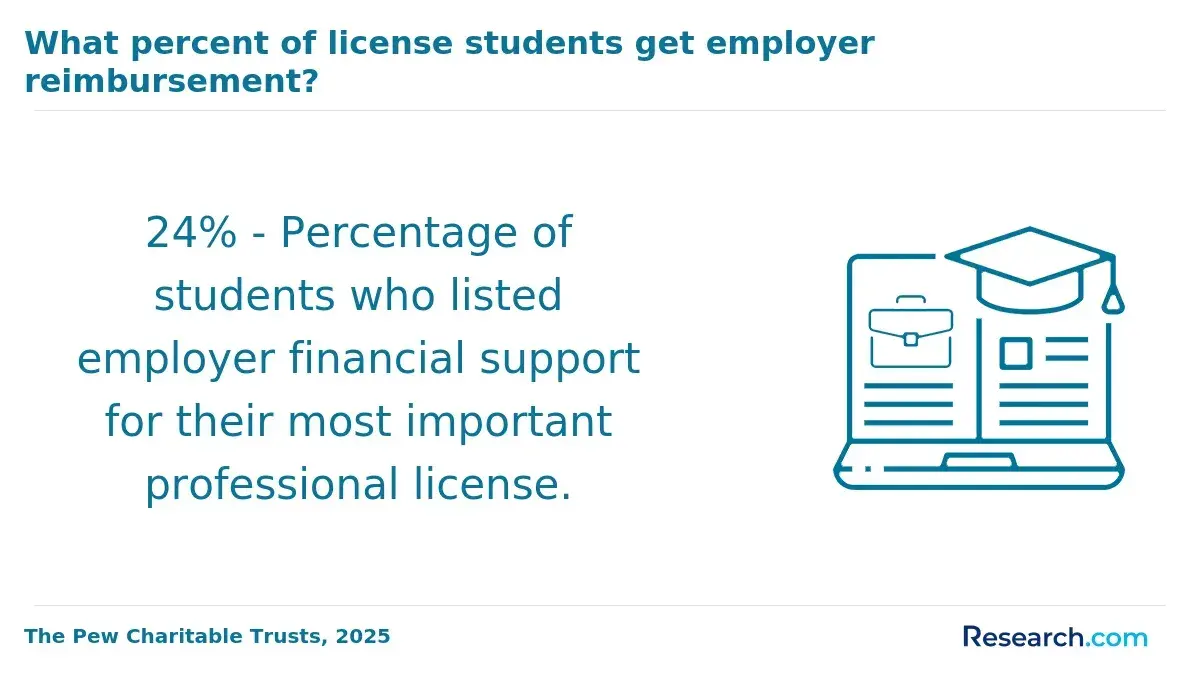
Employer tuition reimbursement programs substantially affect the cost-benefit analysis of pursuing an MSN. Major health systems can offer up to $5,250 annually in tax-free support, lowering the financial hurdle and realigning the opportunity cost of time spent in clinical practicums and coursework. However, accessing these benefits requires proactive engagement and understanding of employer constraints.
Prospective students should rigorously evaluate their ability to juggle clinical hours alongside job and personal commitments, emphasizing the alignment of chosen specializations with local clinical availability and state board requirements to avoid delays. This strategic assessment is crucial to optimize the MSN's long-term employability and relevance within evolving healthcare environments.
What are typical admissions criteria and application materials for competitive online MSN programs?
Admission to competitive online MSN programs hinges on verifiable clinical experience alongside academic credentials, reflecting employer priorities rather than mere degree-holding. A minimum GPA of 3.0 is typical, with some programs raising the bar to 3.2, demanding consistent undergraduate rigor. Clinical work experience usually spans 1-2 years, emphasizing roles with direct patient care or relevant healthcare responsibilities that inform leadership readiness.
Applicants often must provide a resume that details both clinical and supervisory duties, supplemented by letters of recommendation from credible nursing supervisors or academics with direct knowledge of professional capability. The personal statement serves as a critical tool to frame career objectives relative to program offerings, helping admissions assess alignment with institutional goals and workforce outcomes.
While GRE requirements are waning, they may remain for institutions focused on research, introducing an additional layer of selective filtering. Applicants should anticipate background checks and immunization documentation due to clinical placement prerequisites, complicating the process especially for international candidates who must also prove English proficiency via TOEFL or IELTS scores.
Working nurses must evaluate program flexibility in scheduling and delivery format to avoid attrition caused by overextension. Data from onlinemastersdegrees.org, citing Bureau of Labor Statistics, identifies that medical and health services managers-a frequent career endpoint for MSN graduates-have a median wage near $118,000, with top earners exceeding $219,000. This illustrates a tangible financial upside but also implies that clinical experience and leadership capability trump academic pedigree alone in accessing highest-tier roles.
How long do online MSN programs take, and what do they really cost to complete?
Balancing program length against financial and professional demands is critical when selecting an online MSN pathway. Full-time students often complete programs in two to three years, but part-time options can extend to four years or more, especially when clinical hours and credit transfers complicate scheduling. Accelerated tracks may appear attractive but require intense commitment, often unrealistic for practitioners juggling work and family.
Net costs after financial aid typically average around $9,600 annually, making total out-of-pocket expenses near $19,200 for a two-year course. These figures vary widely due to differing institutional aid and employer tuition reimbursement policies. For example, hospital leaders or nurse anesthetists might prefer shorter, pricier programs reimbursed by employers, while those aiming for roles in education or policy might accept longer, cost-effective timelines without immediate funding.
The variance in program pacing and transparency of net pricing poses risks: underestimating duration can delay credentialing and income potential, while miscalculating costs can accumulate personal debt. Students should use detailed net price calculators and factor in employer benefits early. Credit transfer inconsistencies and clinical placement logistics further influence completion time and indirect expenses such as lost wages.
- Program length directly affects earning potential and opportunity cost.
- Financial support availability shapes acceptable program formats.
- Clinical hour logistics can prolong completion and increase indirect costs.
What MSN-level nursing roles can graduates pursue, and in which healthcare settings?
Choosing an MSN specialization means balancing distinct clinical demands, workplace settings, and employment conditions that shape long-term career viability. Nurse practitioners, centered in outpatient clinics and community health centers, navigate growing pressure to deliver cost-efficient care, often managing patient loads independently in rural contexts with telehealth support. Nurse anesthetists operate within acute surgical environments requiring advanced clinical acumen, which correlates with faster salary growth but entails high-intensity work.
Clinical nurse specialists serve as in-hospital consultants, driving evidence-based practice improvements amid rotating shifts and direct patient care-often demanding resilience to unpredictable hours. Nurse midwives emphasize holistic maternity care in settings ranging from birthing centers to private practices, offering a blend of clinical and interpersonal focus. Nurse educators address systemic workforce shortages by training nurses in academic and healthcare settings, a role essential to sustaining regional healthcare capacity.
Employment outcomes reflect these contrasting realities. Specialties like nurse anesthetists typically yield superior return on investment and early-career salaries, while generalist tracks may offer more predictable schedules at the expense of rapid financial advancement. Regional licensing nuances and employer preferences further complicate decisions, making role selection an exercise in practical tradeoffs between work-life balance, earning potential, and job flexibility.
Prospective MSN students must assess how each pathway aligns with their operational tolerance, career goals, and regional labor market dynamics rather than relying on broad program reputations or traditional salary data alone.
What salary ranges and earning potential can online MSN graduates reasonably expect?
Mid-career salaries for online MSN graduates in 2026 vary significantly by specialization, location, and employer type, ranging from roughly $75,000 to $115,000. According to U.S. Bureau of Labor Statistics data from 2024, roles such as nurse anesthetists, nurse midwives, and nurse practitioners-typical for MSN holders-report median annual wages between $85,000 and $120,000. Graduates securing advanced leadership or clinical positions in metropolitan healthcare systems often exceed $110,000, while those employed in rural or smaller facilities frequently earn between $75,000 and $85,000.
Choosing an employer setting-hospital, outpatient center, or academia-has a measurable impact on long-term earnings potential. Direct patient care roles in high-demand specialties tend to offer salary premiums, whereas faculty and administrative positions generally reach a moderate earnings ceiling. For working professionals pursuing part-time or flexible online MSN programs, factoring in opportunity costs such as income forfeited during clinical practicum hours is essential.
Key considerations when evaluating these programs include:
- Projected salary growth over 20 years, not just entry level, as shown by TopEducationDegrees.org rankings incorporating net ROI.
- Regional salary differentials-specializing as a family nurse practitioner in a growing urban area may yield 3-5% annual increases and leadership pathways.
- Tradeoffs for roles in less populated regions, which might experience slower wage growth and extended ROI recovery.
Students should avoid treating national averages as definitive, instead aligning expectations with specific market conditions and personal career goals to optimize return on their educational investment.
How can prospective students evaluate and choose a reputable, high-ROI online MSN program?
Program cost directly shapes the return on investment for online MSN pathways, with RN-to-MSN tracks nearing $25,000 and most BSN-to-MSN non-APRN specialties around $20,000, though some dip closer to $14,000. This variance demands that students assess tuition against anticipated salary growth by specialty and region. For example, nurses targeting leadership roles in urban hospital systems often face a higher upfront cost for tracks in administration or informatics but can expect faster salary gains that justify the investment.
Accreditation by bodies like CCNE or ACEN remains indispensable to ensure licensure eligibility and employer recognition. Programs lacking this certification risk hampered career mobility regardless of lower tuition fees.
Maintaining work-life balance during study is a practical constraint; flexible asynchronous formats and part-time scheduling help working nurses avoid income disruption, preserving financial stability vital to effective ROI.
Students should weigh indirect costs such as time to graduation and program completion rates. Transparent, government-verified outcome data allow meaningful comparison, preventing hidden financial burdens from low retention or delayed graduation.
Finally, clinical placement support and networking opportunities translate academic credentials into employability. These real-world bridges often distinguish mere certification from career momentum.
- Cost range: $14,000-$25,000 depending on entry pathway and specialty
- Essential accreditation: CCNE or ACEN for licensure and employer recognition
- Flexible formats support current employment and income stability
- Completion rates and transparent outcomes impact total financial cost
- Clinical placements and networks underpin practical career leverage
Other Things You Should Know About MSN
Balancing clinical hours while working full-time is challenging in most online MSN programs. Part-time students often face scheduling constraints since clinical placements must align with healthcare facilities' availability during standard hours. Programs that offer flexible clinical site options or allow hours to be completed in nights or weekends provide better feasibility. Prioritize programs with strong employer partnerships or local clinical placement support to minimize disruptions to your work schedule.
Most CCNE-accredited online MSN tracks require at least 500 supervised clinical hours, and some specialty concentrations require 600 or more. Programs must document where those hours occur, who supervises them, and how they meet national advanced practice standards.
Employer skepticism toward online MSN credentials has lessened but persists in some conservative healthcare settings. Graduates from regionally accredited programs with strong clinical components encounter fewer barriers. However, programs with limited hands-on experience or poor clinical affiliations may raise concerns about practical readiness. Prioritize programs that emphasize clinical rigor and have employer endorsements to mitigate potential hiring biases.
References
- Master’s in Nursing Costs: What You’ll Pay and How to Get the Best Return https://www.onlineu.com/resources/financial-planning/masters-in-nursing-roi
- Should You Get an Online MSN Degree? | Tiffin University https://go.tiffin.edu/blog/should-you-get-an-online-MSN-degree/
- FAQ: What can you do with an MSN? https://www.onlinefnpprograms.com/faqs/what-can-you-do-with-an-MSN/
- Best Online Nursing School Master's Programs for 2025 https://www.princetonreview.com/nursing-school-rankings
- Direct-Entry Master’s in Nursing (MSN) Programs https://nursinglicensemap.com/nursing-degrees/masters-in-nursing/direct-entry-programs/
- How to Find Colleges With Good Nursing Programs: 4 Steps https://credenzahealth.com/career-advice/how-to-find-colleges-with-good-nursing-programs
- How Does an Online MSN Compare to a Traditional On-Campus MSN Program? https://www.bestmasterofscienceinnursing.com/faq/online-MSN-compare-traditional-oncampus-MSN-program/
- What You Can Do With an MSN Degree? https://www.saintmarys.edu/graduate-studies/nursing/what-you-can-do-with-a-MSN-degree
- RN to MSN Accreditation: How it Works & Why it Matters https://www.rntoMSN.org/student-center/rn-to-MSN-accreditation/
- Online MSN Program https://www.chamberlain.edu/academics/nursing-school/master-of-science-in-nursing