2027 Exercise Science Careers That Reward Strong Coaching Skills

Co-Founder and Chief Data Scientist
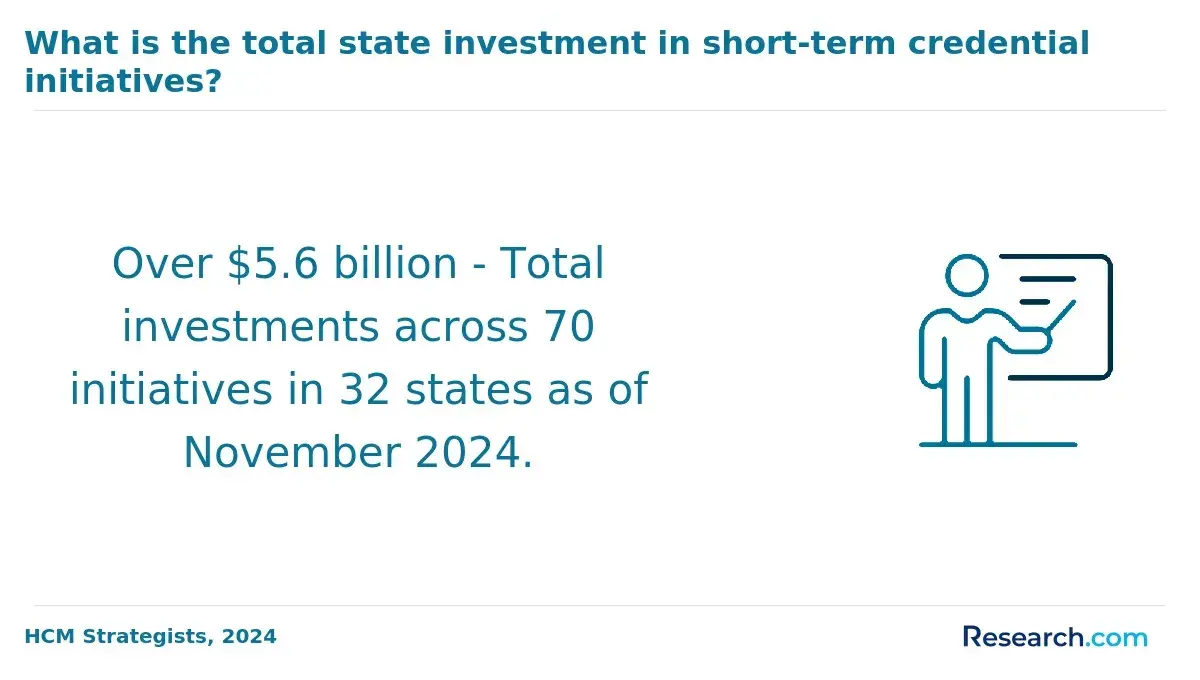
Mastering the art of coaching in exercise science demands more than technical knowledge-it requires the ability to adapt training strategies for diverse client needs while navigating the growing complexity of certifications and evolving fitness technologies. With the U. S. Department of Education reporting a 25% increase in adult learners enrolling in flexible, competency-based programs since 2023, many aspiring professionals face the challenge of balancing upskilling with real-world obligations.
This trend signals shifting expectations toward accessible education that accommodates career pivots and continuous learning. This article examines exercise science careers that leverage strong coaching skills to help readers identify pathways combining practical impact with workforce relevance.
Key Things You Should Know
- Employment projections show 12% growth in exercise science roles requiring coaching skills from 2024-34, yet many employers prioritize certifications tied to specific populations, creating credential bottlenecks that constrain entry speed.
- Data from the Bureau of Labor Statistics reveals 58% of exercise science professionals in clinical or athletic settings report advanced interpersonal skills as essential, emphasizing employer preference for soft-skill validation over sole technical expertise.
- Median program costs surged 9% since 2022 per NCES findings, forcing candidates to weigh accelerated certification versus extended degree routes, impacting time-to-practice and earning potential amid tightening industry budgets.
What exercise science careers most reward strong coaching and motivational skills?
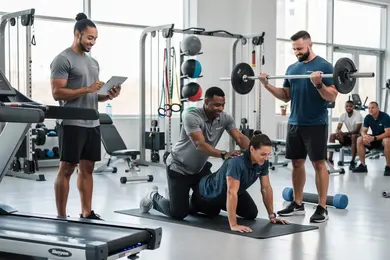
Strength and conditioning coaches, personal trainers, and rehabilitation specialists stand out among exercise science careers that emphasize coaching and motivation skills due to tangible impacts on client outcomes and compensation. Strength and conditioning coaches in collegiate and professional sports earn between $60,527 and $84,575, reflecting employer demand for the ability to craft customized training programs while adapting motivation tactics to diverse athlete mindsets. Collegiate settings introduce added complexity as these coaches balance academic responsibilities with athletic goals, often requiring extended hours and performance accountability.
Personal trainers focused in boutique or private studios tend to command higher pay when they excel at client motivation, which directly influences retention and revenue. Rehabilitation specialists rely heavily on coaching to improve patient adherence during challenging recovery phases, where motivation contributes significantly to rehabilitation success. Such roles illustrate how coaching prowess translates into measurable value across exercise science jobs requiring strong coaching abilities.
An essential practical consideration is the need for professionals to combine interpersonal skills with scientific literacy, adapting motivational theories to varying client readiness and contexts. Employers increasingly assess candidates through performance-based coaching evaluations rather than certifications alone, prioritizing demonstrable motivational effectiveness. This dynamic shapes workforce expectations and highlights the tradeoff between purely technical knowledge and applied coaching ability.
Those seeking relevant programs might consider kinesiology courses online to develop a balance of theoretical knowledge and practical coaching techniques suited for these demanding roles.
What degrees in exercise science best prepare students for coaching-centered roles?
Degrees in exercise science with coaching emphasis must be evaluated beyond surface curricula to meet real-world coaching demands. Bachelor's programs that integrate kinesiology, biomechanics, and motor learning alongside certified strength and conditioning specialist (CSCS) preparation offer direct applicability, enhancing employability in competitive coaching roles. For instance, strength coaches must analyze muscle mechanics and fatigue to customize sport-specific conditioning, a nuanced skill developed through these focused pathways.
Graduate degrees such as sports coaching or exercise physiology deepen competencies in data-driven performance evaluation and program adaptation, often essential for collegiate or clinical settings where evidence-based practice shapes client outcomes. Yet, selecting between broad exercise science programs and specialized coaching certifications involves tradeoffs: overly broad training may overwhelm entry-level candidates, while narrow certifications might limit advanced role readiness.
For working professionals pivoting into coaching careers, programs featuring practicums and internships supervised by certified coaches deliver critical hands-on experience and networking, often absent in purely academic settings. This experiential learning aligns with employer expectations and supports a labor market growing 9% faster than average, according to the U.S. Bureau of Labor Statistics.
Prospective students should also explore complementary fields to bolster career resilience; for example, nutrition is a vital adjunct to training science, with many seeking options through nutrition school online.
Ultimately, candidates must balance immediate job market relevance with long-term growth potential when choosing the best exercise science programs for coaching careers.
How do online and campus exercise science programs compare for coaching careers?
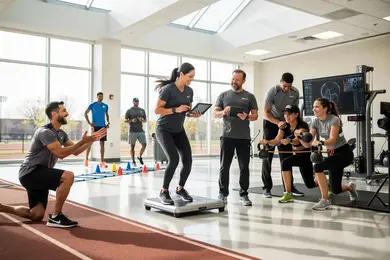
Campus-based exercise science programs for coaching careers provide critical hands-on training that shapes employability in fitness roles more effectively than online options. Their structured access to supervised practicum environments enables students to develop nuanced coaching skills-such as real-time client feedback, movement analysis, and interpersonal communication-that employers consistently prioritize. For example, personal trainers hired at dynamic gyms often cite in-person internships and direct client engagement as decisive factors during hiring.
In contrast, online exercise science degrees in coaching typically emphasize theoretical foundations with limited in-person practice, appealing to working professionals who need flexible formats but face challenges translating academic knowledge into practical readiness. Without proactive pursuit of local internships or mentorships, these students risk falling short of employer expectations centered on demonstrated competencies.
Employers in fitness facilities value certifications and portfolios grounded in real-world experience, frequently resulting in faster job placement for campus-trained candidates. Given that fitness trainer employment is projected to increase 14% between 2023 and 2033 with a median salary near $44,190, practical ability influences both hiring likelihood and career trajectory.
Prospective students should also consider diverse educational pathways like masters of library science online and other fields when strategizing advancement. The tradeoff remains clear:
What core courses build communication and leadership skills in exercise science majors?
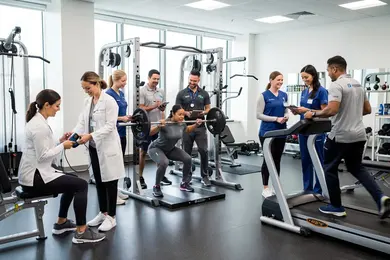
Communication and leadership courses for exercise science majors must go beyond theory to address actual workplace challenges such as managing patient resistance or leading multidisciplinary teams. Core classes developing coaching skills in exercise science often emphasize practical skills: Interpersonal Communication teaches active listening vital for clear messaging across diverse client populations, while Leadership in Health Care and Wellness focuses on situational leadership and conflict resolution critical for managing rehabilitation teams or fitness programs. Group Dynamics and Team Building explores motivational techniques that directly influence client adherence to therapy protocols.
Applied practice offerings like Practicum in Exercise Science and Clinical Coaching Methods immerse students in leadership roles, requiring adaptable communication across outpatient clinics and group settings. These experiences shape readiness for roles experiencing 4.3% job growth through 2033, with a median salary near $65,350. Prioritizing programs integrating scenario-based assessments better prepares students to meet employer expectations for supervisory competency in therapeutic and recreational health environments.
Given the variability in program rigor, students should critically evaluate curricula for evidence-based communication frameworks and real-world leadership practice, supplementing gaps through workshops or certifications as needed. For those seeking extended credentials, exploring an online master in data science can complement leadership and analytical skills applicable to evolving exercise science roles.
What are typical admission requirements for coaching-oriented exercise science programs?
Admission to exercise science programs focused on coaching hinges on more than baseline academic credentials due to the field's practical demands. Many institutions require a high school diploma with a moderate GPA threshold of 2.5 to 3.0, yet applicants face a competitive filter through mandated standardized test scores or, increasingly, optional testing policies post-2023. Importantly, demonstrated experiential involvement-such as coaching roles, athletic training, or volunteer work-often distinguishes candidates, aligning with employer expectations for hands-on preparedness.
Letters of recommendation serve as pivotal evidence of interpersonal skills and leadership, often from coaches or supervisors familiar with the candidate's applied coaching potential. A thoughtfully composed personal statement about career intent in coaching and exercise science functions as an evaluative tool that separates serious applicants from those less committed. Selective programs may add interviews to assess communication and situational responsiveness essential for coaching roles.
Academic prerequisites include biological and anatomical foundations, such as biology, anatomy, physiology, or kinesiology coursework, ensuring students possess the scientific literacy necessary for applied coaching. Practical certifications like CPR and first aid reflect safety and liability awareness critical in real-world coaching environments.
Those meeting these layered requirements are better positioned for occupational growth-Coaches and Scouts show a projected 26% job growth and a median annual wage near $39,000. This growth signals opportunity but also underscores the need for students to weigh rigorous admission criteria against realistic employability outcomes when considering exercise science coaching programs.
How long do exercise science programs take, and what do they cost for future coaches?
The decision to pursue exercise science education involves navigating clear tradeoffs between time, cost, and professional outcomes. Associate degrees, typically two years at $6,000 to $15,000 in public community colleges, provide foundational knowledge but insufficient specialization for competitive coaching or corporate wellness roles. Bachelor's degrees, lasting four years and costing $20,000 to $60,000, offer vital training in physiology, biomechanics, and coaching methods aligned with employer expectations for evidence-based practice in expanding workplace wellness programs.
For working adults, accelerated or online bachelor's options can reduce study time to around three years but rarely lower tuition significantly, often remaining near $30,000. Certification courses, while shorter, generally do not meet the credential standards for mid- to upper-level positions such as corporate wellness coordinators, where academic depth and health education expertise are valued more than brief credentials.
Choosing the right path depends on specific career goals and realistic assessment of employer demand. For example, a corporate wellness coordinator role requires comprehensive coaching skills backed by formal degrees, whereas independent fitness trainers might prioritize affordability and quicker certification. Employers increasingly prefer candidates skilled in applying complex, evidence-based interventions, so the investment in extended programs correlates with greater employability in a competitive job market.
Key considerations include:
- Balancing program costs against potential long-term job prospects and salary gains.
- Understanding that program rigor and specialization impact access to advanced roles.
- Recognizing that shorter certifications may limit upward mobility in corporate wellness or coaching careers.
What certifications and licenses support coaching careers in exercise science fields?
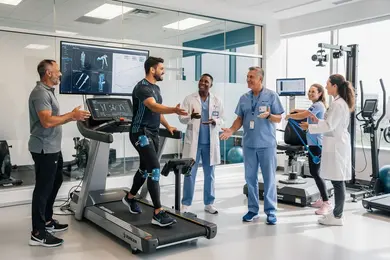
Selecting the right certifications in exercise science significantly shapes career trajectories and earning potential. For instance, securing the Certified Strength and Conditioning Specialist (CSCS) credential provides candidates with a baseline recognized by many collegiate and professional sports employers, reflecting demonstrated applied expertise in training design. However, this path contrasts with the rigorous demands of licensed physical therapy, which entails completing a Doctor of Physical Therapy (DPT) program and passing state board exams, unlocking roles in clinical rehabilitation with a median salary near $99,710, according to U.S. Bureau of Labor Statistics data analyzed by Central Michigan University.
Narrower specializations such as Certified Athletic Trainer (ATC) or ACSM-certified Exercise Physiologist require not only initial credentialing but ongoing education and adherence to state-level regulations. These certifications carry implications for insurance recognition and employer preferences, especially in medical or cardiac rehabilitation settings where licenses intersect with patient care responsibilities. Candidates must weigh upfront educational investments against the portability and renewal demands of certifications accredited by the National Commission for Certifying Agencies (NCCA), which increasingly influence employability and institutional acceptance.
Practical tradeoffs include:
- Certifications like CSCS favor sports performance roles with less regulatory burden but limited clinical scope.
- Licensure pathways, including Physical Therapy, demand extensive education but offer broader treatment authority and higher salary potential.
- Specialized exercise physiologist certifications prioritize settings requiring medical oversight, adding layers of professional complexity.
Understanding these distinctions allows prospective exercise science professionals to target credentials fitting their intended work environments and career goals with informed clarity.
What are the salary ranges for exercise science professionals in coaching-heavy roles?
Salary outcomes for exercise science professionals in coaching-intensive roles vary widely due to specialization, location, and employer type, ranging from about $47,940 to $95,620 annually. This spectrum covers physical therapists, occupational therapists, and chiropractors, all of whom must integrate technical skills with effective client coaching to meet employer demands.
The choice between public and private educational paths significantly impacts financial viability. For instance, public universities charging roughly $4,902 per semester make post-graduation debt more manageable compared to private institutions averaging $16,205 per semester. Graduates from lower-cost programs typically achieve faster financial stability, especially when early-career median salaries hover near $48,000 with upward mobility as experience accrues.
Consider a graduate entering the workforce after a public program: reduced loan burdens paired with steady salary growth can lead to earlier economic independence. Conversely, those graduating from pricier programs face pressure to secure higher-paying roles or additional income to justify upfront costs.
Additional expenses such as certifications and continuing education also factor into total cost of entry and career longevity. Employers increasingly reward candidates demonstrating combined technical competencies and coaching efficacy, which can accelerate career progression.
Strategically selecting educational pathways that balance tuition cost against anticipated salary growth and certification requirements is essential for professionals aiming to optimize return on investment in the exercise science sector.
What is the job outlook for exercise science careers emphasizing coaching and mentoring?
Graduates with an exercise science background focused on coaching often enter a job market characterized by steady demand but modest starting salaries. Approximately 13% of sport and exercise science graduates secure roles as sports coaches, instructors, or officials within 15 months post-graduation, surpassing traditional education roles. This practical pathway requires not only applied expertise in human physiology but also sharp interpersonal skills suited for diverse client needs.
For example, youth sports coaches must balance technical training with athlete safety and motivation, whereas corporate wellness coaches manage adult behavior change across complex schedules and health profiles. These distinct contexts illustrate how mentoring approaches must adapt responsively to occupational settings.
Key tradeoffs include wage variability and the need for supplemental credentials, such as certification from nationally recognized bodies like the National Strength and Conditioning Association, which demands dedicated time and expense beyond initial degrees. Moreover, job availability is sensitive to regional sports infrastructure and funding cycles, urging graduates to pursue internships and networking within competitive or community-based organizations.
Employers prioritize candidates who combine hands-on experience with communication and program customization abilities. Consequently, practical credentialing, targeted mentorship skills, and strategic experiential learning are critical for navigating this nuanced labor market effectively.
How can students evaluate accredited, reputable exercise science schools for coaching paths?
Accreditation by recognized bodies like CAAHEP or ACEND is a non-negotiable filter when selecting exercise science programs for coaching careers, as it directly correlates with employer trust and curriculum relevance. Programs lacking these endorsements often fall short on standardized competencies vital for coaching roles. For example, graduates from the University of Bath demonstrate versatility, moving into positions such as clinical scientist or performance analyst, showing that curricula emphasizing broad applied skills better prepare students for varied workforce demands.
Practical training-internships with sports teams or health organizations-is where coaching theory is tested and refined. Without this, candidates risk entering the job market with strong academic knowledge but insufficient hands-on ability, a gap that employers frequently note. Additionally, faculty actively engaged in sport science research can offer students exposure to innovative coaching methodologies rather than outdated practices.
Cost considerations extend beyond tuition to include program pathways for certifications like the Certified Strength and Conditioning Specialist (CSCS). Programs omitting such supports often push graduates into extra, costly certification steps post-degree. Flexibility also matters; working professionals must weigh scheduling and delivery formats against employer expectations and personal circumstances.
Networking with alumni employed in targeted coaching roles reveals how well a program's reputation and skill transferability align with real-world hiring criteria. Coaching careers increasingly demand a blend of scientific expertise and leadership skills, making program design and recognized outcomes critical in employer evaluations.
Other Things You Should Know About Exercise Science
Specialized certifications improve employability in niche coaching roles but often limit flexibility across different populations or settings. Broad skill development, including leadership, communication, and exercise physiology, increases adaptability and long-term career options. Candidates should prioritize foundational skills first, then pursue targeted certifications aligned with their specific coaching goals and employer expectations.
Coaching-heavy roles commonly require managing multiple clients with varied schedules, increasing administrative tasks and stress. Programs that emphasize time management and business skills better prepare candidates for these tradeoffs. Graduates should expect the need to balance hands-on coaching with planning and documentation to meet employer productivity standards and ensure client progress.
The Certified Strength and Conditioning Specialist (CSCS) from the National Strength and Conditioning Association is the best-known credential for strength and conditioning work. The National Academy of Sports Medicine’s Performance Enhancement Specialist (NASM-PES) also supports coaching roles. Both typically require CPR/AED and a bachelor’s degree or eligibility for graduation.
References
- What Can You Do with an Exercise Science Degree? https://www.cune.edu/news/what-can-you-do-exercise-science-degree
- Strength and Conditioning Coach Salary: What You Need to Know in 2026 - Create https://create.fit/strength-and-conditioning-coach-salary/
- Unlock Career Paths With a Coaching Degree in Sports https://www.ucumberlands.edu/blog/sports-coaching-degree-career-paths
- Best Exercise Science Careers - Let's Find out! https://www.ptpioneer.com/personal-training/exercise-science-careers/
- What Jobs Do You Get From a Sport and Exercise Science Course? https://blog.portobelloinstitute.com/what-jobs-do-you-get-from-a-sport-and-exercise-science-course
- ESSA's career guide for Accredited Exercise Physiologists https://www.essa.org.au/Web/Web/Resources/Tools-and-templates/ESSA-AEP-Guide.aspx
- Exercise Science Degree Programs Lead to Rewarding Careers in Health and Fitness https://www.carrollcc.edu/articles/exercise-science-degree-programs-lead-to-rewarding-careers-in-health-and-fitness/
- Kinesiology Admission Requirements - Graduate Admissions - Adams State University https://www.adams.edu/admissions/graduate/kinesiology/
- HOW TO BECOME A FITNESS COACH | OPEX Fitness https://www.opexfit.com/blog/how-to-become-a-fitness-coach
- Online Exercise Science Degrees: Top School Review https://www.edumed.org/online-schools/exercise-science-degrees/