2027 Financial Aid for Online Hospitality Management & Tourism Bachelor's Degrees: FAFSA, Grants, and Scholarships

Co-Founder and Chief Data Scientist
Many prospective students hesitate to pursue an online hospitality management & tourism bachelor's degree due to uncertainty about funding. Despite lower tuition costs and flexible scheduling, nearly 60% of online learners report difficulty accessing adequate financial aid. This barrier often leads to unnecessary debt or abandoned plans. Unlike common misconceptions, federal aid such as FAFSA is available for eligible online programs, alongside grants and scholarships tailored to this specialized field.
Understanding these financial resources is crucial for cost-effective enrollment. This article explores how FAFSA, grants, and scholarships can support students in managing expenses and successfully completing an online hospitality management & tourism degree.
Key Benefits of Financial Aid for Online Hospitality Management & Tourism Bachelor's Degrees
- Completing the FAFSA is essential for accessing federal financial aid, including low-interest loans and work-study opportunities that can significantly lower the cost of an online hospitality management & tourism bachelor's degree.
- Grants, unlike loans, do not require repayment and often come from federal, state, or institutional sources, making them a critical funding resource for students in hospitality management & tourism programs.
- Many organizations offer scholarships specifically targeting hospitality management & tourism students, helping reduce debt and improve graduation rates by rewarding academic merit or financial need.
Who is eligible for financial aid for online hospitality management & tourism bachelor's degrees?
Financial aid can significantly reduce the cost of pursuing an online Hospitality Management & Tourism bachelor's degree, allowing more students to access quality education. Knowing your eligibility for aid helps in planning your finances and securing funding sources like FAFSA, grants, and scholarships. According to the National Center for Education Statistics, nearly 85% of undergraduate students in the U.S. received some form of financial aid recently, underscoring its importance in higher education affordability.
Key factors shape eligibility for financial aid in online hospitality management and tourism programs, ensuring support reaches qualifying students.
- Citizenship Or Residency: Federal financial aid typically requires applicants to be U.S. citizens or eligible non-citizens, such as permanent residents. This status is essential to qualify for programs like FAFSA and federal grants.
- Enrollment Status: Students must usually be enrolled at least half-time in an accredited institution offering the relevant bachelor's program to meet eligibility requirements. This ensures aid supports active degree pursuits in hospitality management and tourism.
- Institutional Eligibility: The college or university must participate in federal student aid programs and maintain accreditation. Only students attending such recognized institutions can access federal funding options.
- Academic Standing: Maintaining satisfactory academic progress is necessary to continue receiving aid. This includes meeting minimum GPA and credit completion standards each term throughout the hospitality management and tourism degree.
- General Compliance: Completing the qualifications for FAFSA in hospitality management and tourism programs accurately is crucial. Applicants must also meet specific income or program criteria set by individual grants or scholarships.
For those exploring financial aid options beyond traditional hospitality management degrees, resources covering related fields like MBA programs can provide additional funding strategies and eligibility details.
Do online hospitality management & tourism programs qualify for FAFSA and federal financial aid?
Online hospitality management & tourism bachelor's programs can qualify for FAFSA and federal financial aid if specific critical conditions are met. The institution offering the program must be accredited by an agency recognized by the U.S. Department of Education, which ensures the program meets quality and rigor standards necessary for federal aid participation.
Additionally, the program itself must be eligible and comply with federal guidelines, while the school must hold valid Title IV status to disburse federal funds. According to the National Center for Education Statistics, over 13 million students received federal student aid in the 2019-2020 academic year, highlighting federal funding's important role in higher education access.
Key factors determining eligibility for federal financial aid in online hospitality management & tourism programs include institutional accreditation, program compliance, and active school participation in federal aid programs. Enrollment status is also crucial; students typically must be enrolled at least half-time to qualify for most FAFSA-related aid, and they must maintain satisfactory academic progress per institutional standards.
Prospective students should verify a program's accreditation and federal aid participation status to ensure eligibility, potentially comparing options alongside more affordable degree paths like the library sciences degree that also offer federal aid opportunities.
How do I apply for FAFSA for an online hospitality management & tourism bachelor's degree?
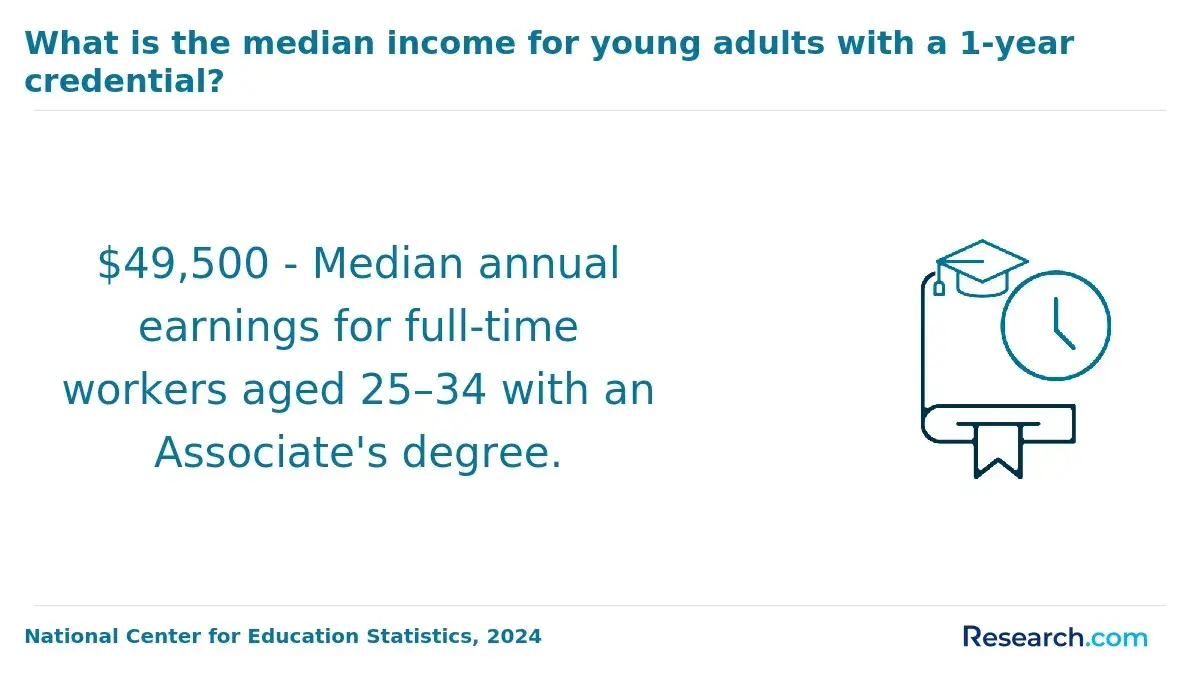
Applying for FAFSA can dramatically ease the financial burden for students pursuing an online hospitality management & tourism bachelor's degree. Since federal aid eligibility often hinges on FAFSA submission, grasping this procedure is essential. Approximately 60% of U.S. undergraduates depend on federal student aid to finance their education.
The FAFSA application involves several straightforward steps tailored for online hospitality management & tourism students:
- Create FSA ID: Begin by registering for a Federal Student Aid ID, which acts as a secure username and password for accessing and digitally signing the FAFSA form.
- Complete FAFSA Form: Fill out the FAFSA online, providing necessary personal and financial details, including tax returns, to establish financial need and eligibility.
- Enter School Codes: Input the official codes of the hospitality management & tourism programs you're applying to, ensuring those institutions receive your information promptly.
- Submit Application: Review all details carefully before submitting electronically; retain the submission confirmation for your records.
- Review Student Aid Report: After submission, evaluate the SAR, which summarizes your FAFSA data and clarifies your federal aid eligibility status.
When asking a graduate of an online hospitality management & tourism bachelor's program about his experience applying for FAFSA, he emphasized the initial uncertainty and apprehension. He explained that "navigating government websites felt overwhelming at first," but once he created the FSA ID, the process became clearer.
He also highlighted the importance of staying organized: "Tracking deadlines and school codes was tricky, so I kept a dedicated checklist." His advice underscored persistence and careful attention to detail as key to successfully completing FAFSA for online studies.
What federal grants are available for online hospitality management & tourism students?
Federal grants play a vital role in supporting students enrolled in online hospitality management & tourism bachelor's programs by offering funding that does not require repayment, thereby lowering financial barriers. Each year, nearly 30 million students benefit from federal student aid, with grants representing a substantial portion of this assistance. Recognizing the main federal grant programs can help students minimize educational expenses.
The following federal grant options are most relevant for undergraduates in hospitality management & tourism programs online:
- Federal Pell Grant: This need-based grant targets low-income students who demonstrate financial need through the FAFSA. As one of the most commonly awarded grants, it helps many hospitality management & tourism students cover tuition and related costs.
- Federal Supplemental Educational Opportunity Grant (FSEOG): A campus-administered award that prioritizes students with exceptional financial need. Availability varies by institution, and funds are typically distributed on a first-come, first-served basis, requiring early FAFSA submission.
- TEACH Grant: Designed for students planning to enter teaching careers, some hospitality management & tourism students who intend to work in education may qualify if they meet specific criteria.
Eligibility for these federal grants generally hinges on enrolling in accredited hospitality management & tourism programs and submitting the FAFSA annually. Institutions follow federal regulations to ensure that these grant funds reach eligible online students, making these federal grant programs an essential part of financial aid for hospitality management & tourism degrees.
Students from various fields, including data science programs, also benefit from similar federal aid structures, highlighting the broad applicability of these funding options.
How much financial aid can I get for a hospitality management & tourism bachelor's degree?
Students often inquire about the total financial aid available for a hospitality management & tourism bachelor's degree due to concerns over affordability and the impact on their educational plans. Aid amounts differ widely, influenced by whether the school is public or private, federal eligibility requirements, enrollment status, and the funding strategies employed by institutions and government programs.
On average, undergraduates who complete the FAFSA process receive about $14,000 annually in grants and scholarships, but this figure can vary greatly depending on the program's type and tuition costs. Key determinants of aid include the Expected Family Contribution, the institution's cost of attendance, and the presence of specific institutional grants targeting hospitality and tourism students. Overall, financial aid packages represent tailored combinations of federal, state, and school resources rather than fixed sums.
When asked about her experience, a student pursuing an online hospitality management & tourism bachelor's degree shared how navigating the financial aid landscape felt overwhelming at times. She explained, "I remember feeling uncertain about how much assistance I would qualify for because every school seemed to offer something different."
She found the process to be a balance of anticipation and patience, as she awaited personalized aid offers. Reflecting on it now, she appreciates how the various aid components aligned to make her education manageable and allowed her to focus on coursework without constant financial stress.
What types of financial aid are available for online hospitality management & tourism degrees?
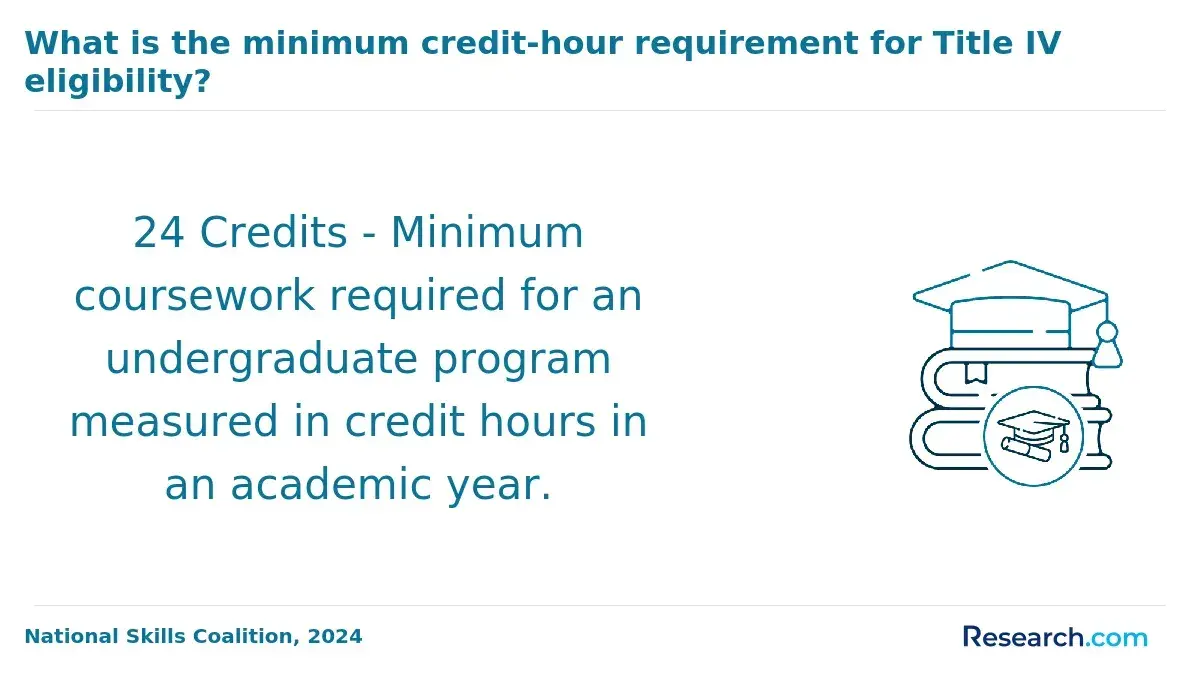
Securing financial aid can significantly reduce the cost of pursuing an online hospitality management & tourism bachelor's degree. Recognizing the different forms of assistance helps students make informed decisions that align with their financial needs and academic goals.
These various funding options generally fall into several main categories, each serving distinct purposes and qualifications.
- Federal Aid Programs: Centralized around the FAFSA application, federal aid provides access to grants and work-study opportunities that do not require repayment. These programs prioritize financial need and offer foundational support for eligible students.
- Institutional Aid: Colleges and universities may offer their own financial awards, which include both need-based aid for students demonstrating financial necessity and merit-based grants that reward academic or extracurricular achievements regardless of financial status.
- Need-Based vs Merit-Based Aid: Need-based assistance targets students who show financial hardship, while merit-based awards recognize outstanding performance or talents, offering different routes to funding independent of income levels.
- Grants vs General Financial Assistance: Grants often have specific eligibility criteria such as income limits or academic focus, whereas broader financial assistance may come from institutional funds allocated for a wider range of student needs.
- State and Private Funding: Additional financial resources may be available through state-sponsored programs or private organizations focused on hospitality and tourism careers, which usually require separate applications and distinct qualification standards.
Are there scholarships for online hospitality management & tourism bachelor's degrees?
Scholarships play a vital role in making online hospitality management & tourism bachelor's degrees affordable for many students. With tuition costs continually rising, securing scholarships can ease financial pressures and help students focus on their education. Data from the National Postsecondary Student Aid Study shows that nearly 60% of undergraduate students receive some form of grant or scholarship aid, emphasizing the broad availability of financial assistance.
Several types of scholarships are commonly accessible to students pursuing online hospitality management & tourism degrees, including the following:
- Institutional Scholarships: Offered by colleges and universities, these scholarships often reward academic achievement or support specific programs within hospitality management & tourism. They are a primary source of funding for many students enrolled online.
- Merit-Based Scholarships: These awards recognize outstanding academic, leadership, or extracurricular accomplishments regardless of financial need, encouraging students to excel in their studies and related activities.
- Need-Based Scholarships: Designed to assist students facing financial hardships, need-based scholarships help fill funding gaps that loans or work-study cannot cover, making education more attainable for those with limited resources.
- Field-Specific Scholarships: Industry-specific scholarships come from professional associations, corporate partners, or foundations connected to hospitality and tourism sectors. These awards support students committed to careers in hospitality management, event planning, and tourism development.
By exploring these scholarship options, students in online hospitality management & tourism bachelor's programs can reduce educational expenses and advance toward their career goals in this evolving industry.
How do I find scholarships for hospitality management & tourism majors online?
Finding scholarships is essential for students in online hospitality management & tourism bachelor's programs to ease the financial demands of higher education. Scholarships can reduce reliance on loans and make degree completion more affordable. In fact, about 75% of college students receive some form of scholarship or grant, reflecting the broad availability of funding opportunities.
Several effective methods can help students identify the top scholarships for hospitality management and tourism students and best online scholarships for hospitality and tourism majors.
- Institutional Scholarship Listings: Most colleges and universities offering online hospitality management & tourism programs maintain dedicated financial aid pages. These pages list scholarships specific to their students, including awards tailored for your major.
- Accredited Scholarship Databases: Centralized databases allow filtering by major and degree, streamlining the search for scholarships ideal for hospitality management & tourism majors online. These resources enhance the chances of finding suitable funding.
- Professional Associations: Organizations like the American Hotel & Lodging Association and the Hospitality Sales and Marketing Association International provide scholarships, internships, and awards to encourage students pursuing careers in hospitality and tourism.
- General Academic Resources: Community groups, nonprofits, and diversity-focused programs often offer scholarships that support leadership and academic excellence, complementing field-specific opportunities.
- Related Educational Paths: Students interested in expanding their expertise may also explore MBA programs in operations management online, which can complement hospitality management studies and open additional scholarship avenues.
When should I apply for financial aid for online programs?
Timing plays a critical role when applying for financial aid for online hospitality management and tourism bachelor's programs. Many students overlook that financial aid opportunities follow specific academic calendars and funding cycles set by federal and institutional programs.
Applying early improves the chances of securing aid before funds are exhausted, as some scholarships and grants operate on a first-come, first-served basis. According to data from the National College Attainment Network, students submitting their FAFSA forms before March receive roughly 75% more in grant aid than those applying later, underlining the importance of promptness in financial aid application timing for online hospitality management and tourism programs.
The best time to apply for financial aid for online hospitality management and tourism degrees varies depending on institutional policies, program start dates, and federal as well as institutional aid frameworks. Schools with multiple annual intakes require applicants to align financial aid submissions with these enrollment periods.
State and federal aid deadlines differ by location and program type, adding complexity to application timing. Some universities also have earlier cutoff dates for scholarships requiring separate forms, so prospective students must carefully review these timelines to avoid missing critical financial support opportunities.
For related fields, prospective students might also explore programs like an online mathematics degree where financial aid timing considerations may be similar.
How can I maximize grants and scholarships for a hospitality management & tourism degree?
Reducing the cost of an online hospitality management & tourism bachelor's degree often depends heavily on successfully securing grants and scholarships. Unlike loans, these funds don't require repayment, which helps minimize future debt and allows students to concentrate on their academic and professional goals. Nearly 70% of undergraduates benefit from some form of grant or scholarship, highlighting their importance in financing education.
To make the most of these opportunities, students can apply several effective strategies.
- Strong Academic Performance: Maintaining a high GPA increases eligibility for merit-based scholarships and competitive grants, rewarding academic excellence.
- Match Eligibility Criteria: Carefully align applications with each program's requirements, as many grants and scholarships target specific backgrounds, skills, or career interests.
- Explore Diverse Funding Sources: Investigate federal, state, private foundations, and industry-related organizations connected to hospitality and tourism for a broad pool of potential awards.
- Stay Informed on Institutional Aid: Regularly check with university financial aid offices and online portals to uncover exclusive or renewable scholarships offered by schools.
- Understand Financial Aid Tools: Familiarity with FAFSA and similar frameworks maximizes access to federal and state aid, complementing grant and scholarship efforts.
What Graduates Say About Financial Aid for Online Hospitality Management & Tourism Bachelor's Degrees
- Raul: "Receiving FAFSA support was a game changer for me when I pursued my online hospitality management & tourism bachelor's degree. The grants I qualified for made it possible to focus on my studies without the constant stress of tuition costs. Managing financial aid alongside a demanding course load was challenging at times, but it was well worth it given how it boosted my confidence and career opportunities in the travel industry."
- Elisha: "Applying for scholarships early in my journey helped me immensely in affording my degree in hospitality management & tourism. I found that balancing coursework with navigating financial aid requirements took patience and organization. Looking back, the combination of grants and scholarships not only eased my financial burden but also opened doors to internships that enriched my professional experience."
- Michael: "Using a mixture of FAFSA and targeted scholarships was essential for funding my online hospitality management & tourism degree. The challenge was understanding the different application processes and deadlines, which required a proactive mindset. Thanks to this financial support, I was able to graduate debt-free and advance quickly into management roles within the hospitality sector."
Other Things You Should Know About Hospitality Management & Tourism Degrees
Most traditional financial aid sources like grants and scholarships generally do not cover costs for professional certification exams directly. However, some specialized scholarships or institutional aid may include funds for certifications related to hospitality management & tourism, such as Certified Hospitality Supervisor or ServSafe exams. Students should inquire with their financial aid office regarding eligibility for such expense coverage.
Federal work-study opportunities are available to eligible online hospitality management & tourism students but may be less common due to the online format. Some schools offer virtual or local work-study placements related to the hospitality field, allowing students to gain industry experience while earning aid. Prospective students should verify availability and requirements with their institution's financial aid office.
Once financial aid disburses, including FAFSA, grants, and scholarships, any remaining balance after tuition and mandatory fees is refunded to students. Online hospitality management & tourism students can use these refunds for textbooks, technology, or other educational expenses. It is important to budget wisely, as refund amounts may vary based on the aid package and enrollment status each term.
References
- 2255+ Tourism and Hospitality scholarships 2026-27 [Updated] https://www.wemakescholars.com/tourism-and-hospitality-scholarships-for-international-students-to-study-abroad
- Hospitality Scholarships and Grants https://www.timothysylam.org/education-scholarships
- Hospitality Management Scholarships https://www.collegescholarships.com/major-degree/hospitality-management-scholarships
- Bachelor Tourism & Hospitality Management | FHWien der WKW https://www.fh-wien.ac.at/en/study/bachelor/tourism-hospitality-management/
- Top 20 Hospitality Scholarships to Apply for in November 2025 https://bold.org/scholarships/by-major/hospitality-scholarships/
- Online Hospitality and Tourism (Undergraduate) https://www.schellhammerbusinessschool.com/online-hotel-and-hospitality-undergraduate/
- Free Application for Federal Student Aid (FAFSA) | USAGov https://www.usa.gov/fafsa
- 6 Undergraduate Hospitality Management Scholarships available https://www.hotcoursesabroad.com/study/international-scholarships/all/undergraduate/hospitality-management/cid/2/na.7/scholarship.html
- U.S. Scholars https://fulbrightscholars.org/grant/hospitality-schools-must-deliver-talents-promote-sustainable-tourism-remote-communities
- Hotel and Tourism Management – MODERNA – Warsaw University of Business and Psychology https://moderna.edu.pl/majors/management/bachelor-of-management/hotel-tourism-management/