2027 How to Finish an Online Hospitality Management & Tourism Bachelor's Degree Faster

Co-Founder and Chief Data Scientist
Completing an online hospitality management & tourism bachelor's degree often challenges students balancing work, family, and evolving industry demands. Many find themselves stalled after discovering that typical programs require up to six years, while industry growth pressures faster entry.
Data shows that 45% of online hospitality management & tourism students who pursued accelerated paths graduated within four years, highlighting a growing trend toward expedited completion.
This article explores proven strategies to shorten degree time-covering transfer credits, prior learning assessments, accelerated courses, and funding tactics-equipping students with the tools to enter the workforce sooner without sacrificing educational quality.
Key Things to Know About Finishing an Online Hospitality Management & Tourism Bachelor's Degree Faster
- Leverage transfer credits and prior learning assessments to reduce required coursework-up to 30% of credits can be earned this way, significantly shortening program length.
- Enroll in accelerated course formats such as 8-week sessions or intensive summer terms to complete classes faster without sacrificing learning quality.
- Maximize financial aid and employer tuition reimbursement programs that support continuous enrollment, enabling students to maintain steady progress toward graduation.
What Are the Fastest Hospitality Management & Tourism Online Bachelor's Degree Programs Available Today?
Several key factors determine how quickly students can complete an online Hospitality Management & Tourism bachelor's degree program.
Program lengths for the fastest online hospitality management and tourism bachelor's degree programs in the US typically range from three to four years, depending on course format, transfer options, and enrollment pace. Accreditation ensures quality and smooth credit transfer but does not inherently accelerate program speed.
- Credit Load: Programs that allow heavier course loads per term help students finish faster, especially those offering accelerated 7- or 8-week courses instead of traditional 15-week semesters.
- Transfer Policies: Generous acceptance of transfer credits-including prior college coursework, AP exams, and CLEP-greatly reduces time to degree, an advantage particularly useful for military-affiliated students and community college graduates.
- Self-Paced Formats: These flexible courses enable learners to progress at their own speed without fixed semester schedules, often with continuous enrollment options; however, this requires strong self-discipline.
- Accelerated Schedules: Year-round classes or cohort models without standard summer breaks minimize gaps between terms to speed up completion.
- Traditional Accelerated Programs: These use shorter course sessions and fixed start dates, enabling completion in about three years by maintaining heavier course loads and structured timelines according to university catalogs.
- Competency-Based Models: Offered by select accredited institutions, these programs allow advancement based on demonstrated skills and knowledge rather than seat time, benefiting students with prior experience or quick learning abilities.
- Hybrid Transfer Programs: Combining broad transfer credit acceptance with online coursework, these frequently admit students with two years of prior credits-such as associate degrees-and let them finish remaining bachelor's requirements fully online, with duration dependent on institutional policies.
Prospective students should always verify the latest program details and timelines with institutions. Those seeking accelerated study may also explore easy master's programs to continue their education efficiently.
How Does Transfer Credit Acceptance Accelerate Your Hospitality Management & Tourism Degree Timeline?
Transfer credit acceptance is a strategic tool to accelerate your hospitality management & tourism bachelor's degree completion by reducing the number of courses needed at your new school.
The process involves a formal assessment of previously earned academic credits-such as those from community colleges, military education, or other accredited programs-to apply toward your degree requirements.
Key components of transfer credit policies for hospitality management & tourism degrees include:
- Articulation Agreements: Formal partnerships between institutions that specify which courses transfer seamlessly. Many community colleges have established articulation agreements with four-year universities, ensuring foundational hospitality management & tourism courses count without repetition.
- Credit Equivalency Reviews: In the absence of formal agreements, admissions or registrar offices conduct individualized transcript evaluations. They compare course descriptions, syllabi, and learning outcomes to confirm academic equivalency with your degree program.
- Transfer Credit Limits: Universities generally set a maximum on transferable credits-often between 60 and 90 semester credits for a bachelor's degree. Understanding these limits helps you plan effectively which prior coursework to submit and which new courses to complete.
- Time Savings Examples:
- Completing an associate degree in hospitality management at a community college can fulfill core requirements, letting you enter a bachelor's program as a junior.
- Military training or professional certifications related to tourism management may convert to elective credits, further lightening your course load.
Because policies vary significantly between institutions, always consult the registrar or admissions office at your prospective school early for precise details on transfer credit acceptance, required documentation, and deadlines.
Using transfer credits and strategic academic planning can significantly shorten your time to graduation-saving both years and tuition.
For working adults and career changers, also consider accelerated course formats and financial aid optimization to enhance your degree completion strategy. Exploring options like an online executive MBA can provide additional pathways for advanced career and educational growth.
Can Prior Learning Assessment (PLA) Help You Finish Your Hospitality Management & Tourism Degree Sooner?
Prior Learning Assessment (PLA) offers a way to earn college credit by validating knowledge gained outside traditional classes, helping students speed up their hospitality management & tourism bachelor's degree.
It acknowledges learning acquired through work experience, military service, or self-directed study, allowing students to bypass some standard courses.
- Portfolio Assessment: Students assemble tangible proof-such as evaluations, project summaries, or certification documents-to showcase relevant skills. Schools then award credit based on competencies in areas like hotel operations and event management.
- CLEP Exams: Standardized tests from the College-Level Examination Program cover various subjects like business and communication that align with hospitality studies.
- DSST Exams: These exams evaluate applied knowledge including principles of supervision or finance, essential for hospitality careers.
- Military Credit: Veterans may receive credit for hospitality-related military training in leadership, logistics, or other applicable areas.
- Challenge Exams: Certain colleges offer course-specific exams enabling students to test out of particular hospitality management & tourism classes.
Work experience in hotel and food service management, tourism marketing, event planning, customer service, and business administration often translates into PLA credit. Those with formal training or practical exposure in these fields stand to reduce their required coursework significantly.
To confirm if a program accepts PLA, students should consult the school's website or contact admissions or the registrar's office. Schools typically provide details on permissible assessments, credit limits, and application procedures.
When preparing a portfolio, clear organization is vital-aligning evidence with learning outcomes and including reflective explanations enhances the chance of credit approval.
Since PLA policies differ dramatically among programs, verifying requirements and deadlines directly with the institution is essential.
One professional who completed an online hospitality management & tourism degree shared that PLA was crucial to his success. 'I had years of experience in event coordination, but I didn't realize how much time I could save,' he said.
Gathering records and writing narratives was challenging, especially balancing work and study, but 'seeing those credits applied made all the effort worthwhile.' His advice emphasized persistence and thorough documentation to make the most of PLA opportunities.
How Can CLEP and DSST Exams Cut Down Your Hospitality Management & Tourism Degree Completion Time?
CLEP and DSST exams offer a flexible route for working adults, military-affiliated students, and recent community college graduates to accelerate hospitality management & tourism bachelor's degree completion by earning college credit through exams.
These assessments commonly cover foundational subjects like English composition, college algebra, humanities, and business principles-areas frequently required in hospitality management & tourism programs.
Many online hospitality management & tourism bachelor's programs accept CLEP and DSST credits, enabling students to bypass certain general education or elective courses.
Popular exams include CLEP College Composition, CLEP Principles of Marketing, DSST Introduction to Business, and DSST Principles of Supervision, which often count toward degree requirements.
- Registration Process: Candidates schedule exams through authorized testing centers, including college campuses or approved independent sites, picking convenient dates online.
- Exam Fees: The cost typically falls between $90 and $135 per exam, excluding potential additional fees; military members may be eligible for discounts.
- Score Requirements: Most schools follow the American Council on Education (ACE) recommendations, commonly requiring a minimum score around 50 on CLEP exams to earn credit.
- Credit Awards: Accepting institutions grant credit based on exam performance and their policies-students should verify which credits apply before testing.
- Preparation Tips: Utilizing official study guides and practice tests improves the chances of passing and maximizing credit.
- Verification: Checking both the ACE credit recommendation database and your school's approved exam list is essential before registering.
To optimize degree completion, students should explore how these credit-by-examination tools fit with other strategies such as transfer credit and accelerated courses. Career changers and military-affiliated learners pursuing the cheapest online doctorate in educational leadership can also benefit from understanding these pathways.
What Is the Role of Accelerated Course Formats in Finishing a Hospitality Management & Tourism Degree Faster?
Accelerated course formats condense the traditional 15-week semester into shorter, more intensive 5-, 6-, or 8-week terms. This structure enables students to complete a greater number of courses within a year, effectively shortening the time needed to earn a hospitality management & tourism bachelor's degree while preserving full-time enrollment status.
The compact schedule demands quick absorption of material and prompt completion of assignments, which requires excellent focus and time management skills.
Students must be realistic about their ability to handle the increased intensity, considering factors such as job responsibilities and family commitments. Those with demanding or unpredictable schedules may struggle without strong support and structured study routines.
Evaluating personal readiness before starting accelerated terms is essential to avoid burnout and maintain a high level of comprehension.
One key benefit of this format is the possibility of enrolling continuously across multiple accelerated terms, allowing students to pursue their degree year-round without extended breaks.
This approach can contribute significantly to faster graduation timelines. As of 2027, nearly 30% of online degree seekers prefer accelerated courses, reflecting a growing trend fueled by their flexibility and efficiency.
- Course Compression: Shortened terms allow more courses annually, speeding up degree completion by replacing traditional semester lengths.
- Cognitive Focus: The fast pace necessitates strong concentration and effective study habits to keep up with coursework demands.
- Readiness Evaluation: Honest self-assessment of outside commitments is crucial to manage workload and avoid interference with learning quality.
- Year-Round Enrollment: Multiple consecutive accelerated sessions reduce downtime and help maintain academic momentum.
- Rising Adoption: Increased student preference highlights the appeal of accelerated formats for balancing education with personal and professional life.
A professional who completed an online hospitality management & tourism bachelor's shared that accelerated courses 'felt intense but manageable with clear scheduling.' She recalled juggling evening work and family time, explaining that 'sticking to a strict daily plan made all the difference.'
Despite moments of stress, she appreciated how completing courses in shorter bursts kept her engaged and motivated.
'Finishing faster meant I could advance my career sooner,' she reflected, noting that the accelerated format ultimately 'helped me build discipline and confidence in a demanding field.'
How Does Enrolling Full-Time vs. Part-Time Affect Your Hospitality Management & Tourism Degree Timeline?
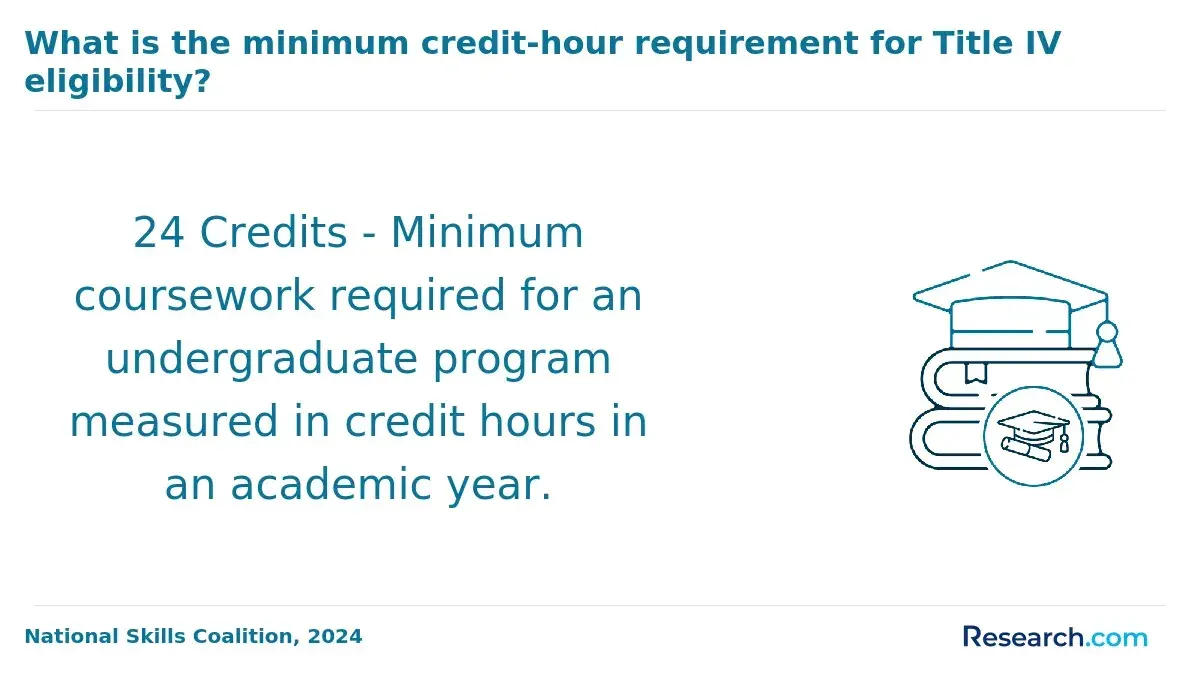
Full-Time Enrollment: Generally involves taking 12 or more credits per semester, enabling students to finish faster. For example, with 60 credits remaining, enrolling full-time allows completion in approximately five semesters-about two years.
Part-Time Enrollment: Usually means taking fewer than 12 credits each term, often around 6 credits. This approach can extend graduation timelines to roughly 10 semesters or five years when starting from 60 credits left. It offers greater flexibility, which benefits those balancing employment or family commitments.
Financial Aid Implications: Eligibility for most financial aid programs requires students to maintain at least half-time status, commonly defined as 6 credits per semester. Full-time students often qualify for more comprehensive aid, but both full- and part-time students must meet satisfactory academic progress benchmarks-such as maintaining GPA standards and completing required credits-to avoid loss of funding, which can delay degree completion.
Satisfactory Academic Progress: Maintaining good academic standing is essential regardless of enrollment level. Full-time students may find it easier to advance quickly through coursework, while part-time students should pace themselves carefully to ensure they remain eligible for financial aid throughout their studies.
Balancing Speed With Sustainability: Pursuing full-time enrollment can shorten time to degree and reduce long-term costs but may increase stress if juggling work or other responsibilities. Part-time enrollment allows for a steadier, more manageable workload that supports persistence without overwhelming your schedule.
Are There Self-Paced Hospitality Management & Tourism Online Degree Programs That Let You Move at Your Own Speed?
Self-paced or competency-based education (CBE) models in hospitality management & tourism online degree programs let students progress by demonstrating mastery rather than by completing set semesters.
This mastery-based progression allows students to test out of content they already understand-shortening the time needed to finish the degree for those with relevant experience or prior knowledge.
CBE programs emphasize assessments that measure specific skills and knowledge, giving learners control over their pace and schedules.
Some institutions recognized for offering CBE or self-paced hospitality management & tourism degrees include Western Governors University and Southern New Hampshire University.
However, not all their programs use this format, so it is essential for prospective students to ask admissions representatives directly whether self-paced or competency-based options are available.
- Mastery-Based Progression: Students advance by proving competency, allowing prior experience to accelerate degree completion.
- Flexibility: Learners balance work and life demands while moving quickly through material they know well.
- Self-Discipline: Success requires strong motivation and time management due to fewer structured deadlines.
- Program Availability: Not all hospitality management & tourism online degrees offer CBE, so verify this before enrolling.
What Academic Resources Help Online Hospitality Management & Tourism Students Complete Their Degree on Time?
Proactive engagement with academic resources plays a vital role in supporting online hospitality management & tourism degree completion resources, helping students avoid course failures or withdrawals that delay progress.
Students benefit from maintaining regular contact with academic advisors who guide course selection, degree requirements, and transfer credit evaluations-essential for staying on track and adapting degree plans as circumstances change.
- Academic Advisors: These professionals assist in mapping degree milestones and adjusting schedules to fit work or personal commitments, reducing the risk of falling behind.
- Tutoring Services: Online tutoring tailored to hospitality management & tourism topics-including tourism economics and event coordination-can strengthen understanding in difficult courses and improve academic outcomes.
- Writing Centers: Focused support on academic papers and professional writing enhances communication skills, which are critical in hospitality and tourism.
- Library Access: Digital libraries providing industry journals, case studies, and market reports support research and deepen knowledge.
- Orientation Programs: Early participation or review of orientation materials helps students navigate online platforms and discover support services, forming a strong foundation for degree progression.
- Digital Resource Libraries: Many institutions curate tutorials, recorded lectures, and study guides specific to hospitality management & tourism, promoting independent study to accelerate degree completion.
Leveraging these academic support services for hospitality management students is fundamental to addressing academic challenges promptly and maintaining steady degree progress.
For those seeking cross-disciplinary opportunities, exploring options like the best MBA for operations management can further enhance career prospects while completing a hospitality management degree.
How Does Choosing the Right Hospitality Management & Tourism Program's Curriculum Structure Impact Your Graduation Speed?
Choosing the right program curriculum structure for faster hospitality management & tourism degree completion plays a crucial role in your graduation timeline. The balance between core requirements, electives, prerequisite chains, and general education clusters directly shapes how quickly you progress.
- Core Requirements: Programs with numerous required core courses limit scheduling flexibility. Students must follow a fixed class sequence, which ensures comprehensive knowledge but can extend timelines if required classes occur only once per year.
- Electives: A greater number of electives offers freedom to tailor courses to your interests and schedule, potentially speeding up graduation. Conversely, fewer electives reduce options, forcing you to wait for rigid core courses.
- Prerequisite Chains: Lengthy prerequisite sequences form significant bottlenecks. Completing foundational courses is necessary before advanced ones-missing a term delays multiple classes. Even accelerated course formats may not overcome these mandatory chains, restricting quicker completion.
- General Education Clusters: Some programs allow flexibility by grouping general education courses to be taken in any order, easing scheduling challenges. Others require specific classes early, which may delay progression if course offerings are infrequent.
Prospective students should map out their entire degree plan before enrolling, utilizing official catalogs or degree audit tools to identify potential bottlenecks and maximize transfer credits or prior learning assessments.
This degree planning is essential, especially since curriculum changes can occur; always verify current requirements with your academic advisor to avoid surprises and stay on track.
For working adults exploring quicker pathways, considering easy certifications to get may complement degree efforts and enhance career prospects.
Can Summer and Winter Sessions Help You Finish Your Online Hospitality Management & Tourism Degree Early?
Enrolling in summer and winter terms enables students to earn additional credits annually, potentially shortening the time needed to complete a hospitality management & tourism bachelor's degree.
These inter-sessions generally last from four to eight weeks and come with credit limits that vary by institution, so it's essential to plan carefully to maximize credit load without exceeding restrictions.
Availability of summer and winter courses and related policies vary widely across schools and programs, so students must review academic catalogs annually and work closely with advisors to tailor their plans based on current offerings.
- Accelerated Credit: Additional credits earned in summer or winter reduce regular semester loads and speed up degree completion.
- Tuition Variability: Costs may match or undercut standard terms, making it vital to check rates for budgeting.
- Financial Aid Limits: Aid eligibility differs for inter-sessions-early verification prevents unexpected expenses.
- Course Suitability: Electives and general education fit best in fast-paced sessions due to flexible content.
- Institutional Differences: Course availability and policies shift yearly; confirm details each academic cycle.
What Financial Aid Options Are Available to Help Online Hospitality Management & Tourism Students Graduate Without Delay?
Financial challenges frequently delay graduation for online hospitality management & tourism students-accessing the right financial aid resources can minimize setbacks and keep degree plans on track.
Completing the Free Application for Federal Student Aid (FAFSA) annually is essential, with early submission critical due to limited funds distributed on a first-come, first-served basis.
- Federal Grants: Need-based awards like the Pell Grant provide non-repayable funding to qualified students. Early FAFSA filing improves chances to secure these funds, which help reduce out-of-pocket costs significantly.
- Institutional Scholarships: Many schools offer awards tailored to hospitality management & tourism students, based on merit or financial need. Checking with financial aid offices and searching databases-including professional associations and private foundations-can reveal more opportunities to supplement tuition funding.
- Employer Tuition Assistance: Employed students should investigate company-sponsored reimbursement or support programs. These often require maintaining minimum academic progress and a specified course load to remain eligible.
- Military Benefits: Active service members, veterans, and their families may tap into education benefits such as the GI Bill and Tuition Assistance. These programs often have enrollment and academic requirements designed to ensure steady progress toward degree completion.
Staying enrolled with a minimum credit load is vital, as financial aid eligibility generally depends on maintaining specific enrollment thresholds-this enrollment planning aligns closely with strategies discussed earlier to accelerate degree completion.
What Graduates Say About How to Finish an Online Hospitality Management & Tourism Bachelor's Degree Faster
- Raul: "The flexibility of the self-paced program really made a difference for me-I was able to balance work and study without feeling overwhelmed. I also appreciated how the acceptance of transfer credits and CLEP exams helped me accelerate my degree, saving both time and money. The curriculum was thoughtfully designed, providing practical insights that prepared me well for my career in hotel management."
- Elisha: "Reflecting on my time in the online hospitality management & tourism bachelor's degree, I value how the accelerated course formats pushed me to stay disciplined and efficient. The inclusion of DSST exams and comprehensive learning assessments gave me confidence in my knowledge before I moved forward. Financial support options were a huge relief, making it possible to pursue this degree without undue stress."
- Michael: "Graduating from the online hospitality management & tourism program opened doors I had only dreamed of-including key roles in event planning and tourism marketing. The program's acceptance of transfer credits and the self-paced structure meant I could tailor my learning to my professional goals. I found choosing the right curriculum was essential in gaining the specific skills employers value most."
Other Things You Should Know About Hospitality Management & Tourism Degrees
Employer tuition reimbursement programs provide financial support that can reduce the cost barrier of taking extra courses or accelerated classes. By leveraging these programs, students can afford to enroll in higher course loads or intensive summer sessions, thus shortening the time to degree completion. Additionally, some employers offer flexible work schedules, allowing more dedicated study time aligned with degree requirements.
Effective time management includes setting a consistent study schedule that fits around work and personal commitments-this ensures steady course progress without burnout. Prioritizing assignments and using digital tools like calendars and task managers can help students meet deadlines in accelerated formats. Breaking study sessions into focused, manageable blocks enhances retention and productivity, allowing completion of coursework within compressed timelines.
Yes, certain certifications like Certified Hospitality Supervisor (CHS) or Certified Meeting Professional (CMP) can fulfill elective or experiential learning credits at some institutions. Obtaining these credentials during your degree allows double counting-both for professional advancement and academic credit. This overlap accelerates degree completion by reducing the number of courses you need to take without sacrificing industry relevance.
References
- Unlocking Education: The Power of Prior Learning Assessment for Credit Conversion - Pebble Hills University https://pebblehills.edu.pl/article/unlocking-education-the-power-of-prior-learning-assessment-for-credit-conversion/
- Hospitality and Tourism Management - Multi-Disciplinary https://www.sait.ca/programs-and-courses/diplomas/hospitality-and-tourism-management-multi-disciplinary
- Tourism and Hospitality – Online Degree Pathway (240 Credits) - LCPS - London College of Professional Studies https://lcps.org.uk/product/tourism-and-hospitality-online-degree-pathway/
- Online Bachelor′s in Hospitality Management (BBA) https://www.monroeu.edu/student-life/online-experience/online-bachelors-hospitality-management-bba
- Online Master's in Hospitality and Tourism Management | RBS https://romebusinessschool.com/master-online-in-tourism-management/
- Diploma-in-Tourism-and-Hospitality-Management-–-Level-6 (Fast-Track-mode) https://www.hndcourses.com/course/othm-diploma-in-tourism-and-hospitality-management-level-6-fast-track-mode/
- Greystone College Hospitality Students Can Receive Transfer Credit towards a Bachelor of Tourism Management at Capilano University https://ilsceducation.com/news-events/greystone-college-hospitality-students-can-receive-transfer-credit-towards-a-bachelor-of-tourism-management-at-capilano-university
- How to Choose the Right Hospitality Course for Your Career Path? https://rsrtrainingacademy.com/how-to-choose-the-right-hospitality-course-for-your-career-path/
- BMS in Tourism and Hospitality: Navigating New Horizons in Online Distance Learning https://www.odljain.com/blog/bms-in-tourism-and-hospitality-navigating-online-horizons.html