2027 How to Know if an RN to BSN Program Is Legitimate

Co-Founder and Chief Data Scientist
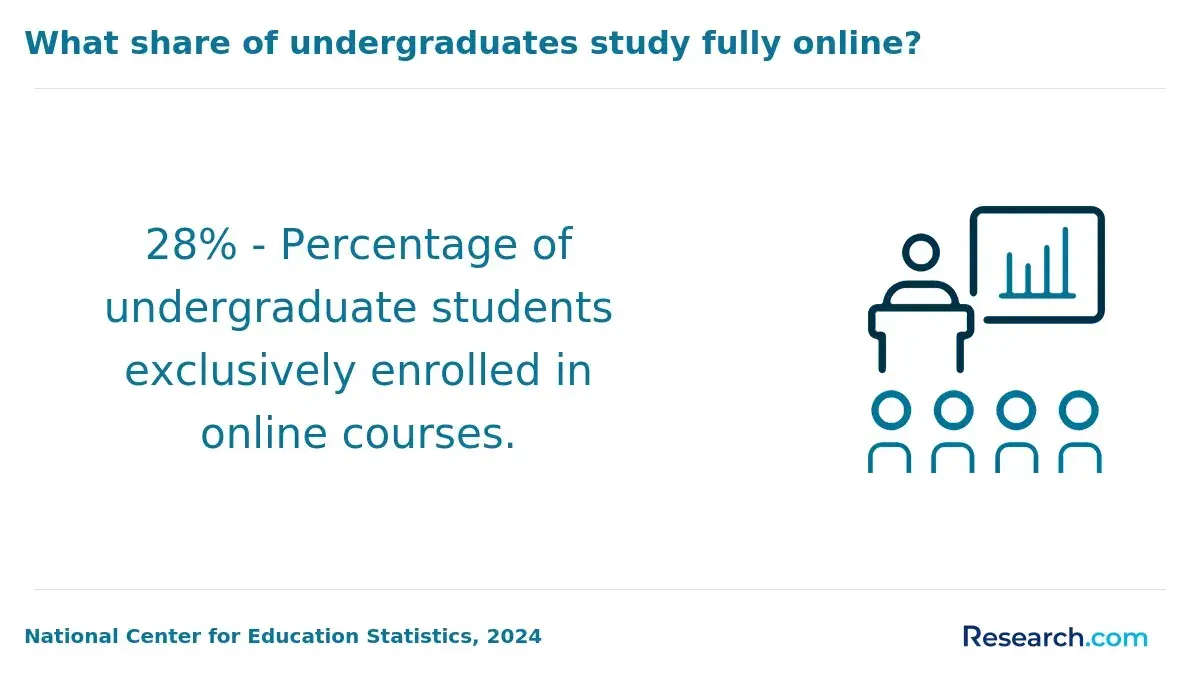
Facing an urgent career pivot, many registered nurses hesitate before enrolling in an RN to BSN program due to widespread concerns about program legitimacy and accreditation. The surge in online offerings-up 28% among adult learners since 2022, according to the National Center for Education Statistics-reflects expanded access but also heightens risks of falling prey to substandard or unrecognized programs.
This growth complicates verifying claims of transfer credits, clinical hours, and employer recognition, which directly impact timely graduation and job mobility. This article identifies practical criteria for distinguishing credible RN to BSN programs and offers strategies for making informed enrollment decisions amid a complex and evolving education landscape.
Key Things You Should Know
- National Center for Education Statistics data show over 40% of RN to BSN programs lack transparent clinical hour requirements, complicating accurate cost-benefit analysis and delaying timely workforce reentry.
- Healthcare employer surveys from 2024 reveal 68% prioritize BSN credentialing from regionally accredited institutions, significantly influencing wage premiums and management track eligibility.
- Bureau of Labor Statistics projections highlight a 15% faster wage growth for nurses with BSNs, but average program debt load rises 20% for accelerated versus part-time enrollments, impacting long-term financial viability.
How can I verify that an RN to BSN program is properly accredited and recognized?
Confirming accreditation is a decisive factor in evaluating RN to BSN programs, as it directly influences graduate eligibility for advanced roles and licensure. Verify RN to BSN program accreditation status by checking for accreditation from the Commission on Collegiate Nursing Education (CCNE) or the Accreditation Commission for Education in Nursing (ACEN), which together accredit over 90% of such programs. Employer hiring preferences often hinge on these accreditations, especially in hospitals pursuing Magnet recognition or complying with state requirements.
State board approval adds another layer of accountability. Even accredited programs lacking state authorization may render graduates ineligible for licensure upgrades, which can stall career progression. Prospective students should cross-reference state nursing board listings to ensure compliance.
Transparency in program outcomes-graduation rates, employment statistics, and employer partnerships-offers indispensable insight into real-world value. Graduates of accredited programs with verified outcomes face fewer obstacles in clinical settings or graduate nursing education.
Given the nuanced impact of accreditation, prospective candidates should approach program selection pragmatically, weighing verified credentials against career goals. For those exploring options, reviewing RN to BSN online programs can provide additional context.
Look up recognized accrediting bodies for RN to BSN programs on official CCNE and ACEN databases and avoid programs without clear listings to reduce workforce friction and maximize employability.
What red flags might indicate that an RN to BSN program is a scam or diploma mill?
Graduation rates serve as a key indicator when assessing RN to BSN programs, with legitimate ones aligning closely to national medians: 84% for full-time and 73% for part-time students. Programs with substantially lower completion rates often signal quality issues, driven by weak academic standards or ineffective faculty involvement. In evaluating RN to BSN programs with questionable accreditation, one must scrutinize whether their credentials come from agencies recognized by the U.S. Department of Education or the Council for Higher Education Accreditation, as unrecognized accreditation usually indicates diploma mill operations.
Common signs of fraudulent RN to BSN programs include unrealistic promises of rapid degree completion without requiring critical clinical experience or practicum hours. Such shortcuts risk producing graduates who lack essential skills employers expect, negatively impacting employability. Additionally, programs that withhold detailed faculty information or impose upfront enrollment fees without clear refund policies display predatory behaviors.
Employers frequently reject BSN degrees from questionable programs due to doubts about graduates' preparedness, affecting advancement in complex healthcare roles. Practical decision-making also involves comparing viable options like online BSN to MSN programs, which typically uphold stricter clinical and accreditation standards. Awareness of these factors is vital for those navigating the field to avoid costly missteps in selecting a credible educational pathway.

How do I confirm that an RN to BSN program meets state board of nursing requirements?
Meeting state nursing requirements for RN to BSN programs hinges on verifying approval directly through the relevant state board of nursing, as requirements and recognized programs vary significantly. For example, nurses aiming for leadership roles in California must enroll in Board-approved programs that exceed generic national standards in curriculum and clinical practicum hours. This step is essential to prevent disruptions in licensure renewal or employment eligibility after graduation.
Students should also prioritize programs accredited by recognized agencies like the Commission on Collegiate Nursing Education (CCNE) or the Accreditation Commission for Education in Nursing (ACEN). Such accreditation not only affirms program rigor but often determines eligibility for employer tuition assistance or loan forgiveness, which more than 60% of nurses depend on according to a 2024 industry review. Beware programs labeled as "state-approved" without national accreditation, as this can jeopardize both funding and professional recognition.
Transparency about course content, clinical requirements, and graduation outcomes is another critical factor. Nurses living in states with compact licensure agreements must ensure the validity of program credentials across states, since unforeseen relocation can result in licensure delays or lost employer benefits.
Those considering an advanced pathway can explore options such as nursing PhD online programs, which offer a different career trajectory but require the same rigorous scrutiny of accreditation and state requirements.
What is the difference between institutional and nursing programmatic accreditation for RN to BSN?
Distinguishing the difference between institutional and programmatic accreditation for RN to BSN programs is critical when evaluating educational value and career impact. Institutional accreditation confirms an entire college meets general academic standards, but it does not ensure the nursing program itself aligns with rigorous industry benchmarks. Nursing program accreditation importance for RN to BSN programs lies in its direct connection to licensure recognition, employer acceptance, and advanced certification eligibility.
Programmatic accreditation typically comes from nursing-focused agencies like the Commission on Collegiate Nursing Education (CCNE) or the Accreditation Commission for Education in Nursing (ACEN). For example, an RN moving into hospital management may face barriers if their BSN program lacks this specialized accreditation, as certain roles mandate graduation from nursing-accredited programs. This creates a tangible workforce implication where program quality directly affects professional mobility.
Students benefit from verifying both accreditation types before enrollment to avoid administrative legitimacy that does not translate into practical credentials. While institutional approval supports credit transfer and financial aid eligibility, insufficient programmatic accreditation can limit promotions or advanced certifications.
Data from a 2024 study on online RN to BSN students showed satisfaction levels above 4 on a 5-point scale, indicating that online delivery can maintain quality when accreditations are intact, which is essential for competitive positioning in healthcare.
A prospective student evaluating further nursing education might also consider accelerated pathways such as a 1 year DNP program online, reflecting the importance of aligning program accreditation with long-term workforce goals.
How can I compare the quality of online versus campus-based RN to BSN programs?
Online and campus-based RN to BSN programs differ significantly in delivering clinical experiences, which directly affect student readiness and employability. Campus programs leverage formal hospital partnerships to guarantee hands-on clinical placements, essential for nursing licensure and skill verification. Online programs, by contrast, must secure local placements independently or through limited program support. A 2024 national survey found fewer than half of online programs provide formal rural clinical options, and only 38% actively target rural nurses. This gap creates practical challenges for nurses working in underserved or rural locations, where local clinical experience is often indispensable for maintaining employment and advancing.
Employers emphasize verifiable clinical competencies acquired under reputable supervision. When selecting between program types, prospective students should confirm whether an online RN to BSN program offers strong local clinical coordination or expect to arrange sites personally, as this can delay completion and diminish practical preparedness. Meanwhile, campus programs, while often requiring commuting, integrate mentorship and networking within local health systems-a tangible advantage in competitive urban job markets.
Working nurses in rural areas face a clear tradeoff: campus attendance may be impractical due to travel, but an online program lacking targeted rural clinical partnerships may add significant burden to meet hands-on requirements. Program accreditation remains critical, ensuring clinical components meet employer standards.
For example, a rural hospital nurse pursuing leadership must choose programs that explicitly support rural clinical placements to maintain workforce relevance and build necessary competencies. Without such alignment, online programs may provide theoretical equivalence but limit practical growth compared to campus alternatives.
- Campus programs facilitate direct clinical site access through hospital networks.
- Online programs often require self-arranged local clinical placements.
- Rural nurses benefit from programs prioritizing structured rural clinical support.
- Program accreditation safeguards clinical experience legitimacy.
What admission requirements do reputable RN to BSN programs typically have for licensed RNs?
Applicants to RN to BSN programs must navigate a balance between academic rigor and practical readiness, reflecting workplace realities rather than simply meeting entry checklists. Credentials alone do not suffice; programs prioritize candidates with active RN licenses, accredited nursing diplomas or associate degrees, and documented clinical experience-typically a minimum of one year in professional nursing practice. This ensures that theoretical coursework connects directly to bedside competency and leadership potential.
Prerequisite completion commonly includes foundational sciences such as anatomy, physiology, microbiology, and statistics. These requirements function as gatekeepers for academic success in upper-division courses but also filter candidates based on prior educational breadth. For working nurses, this can necessitate additional upfront time and resource investment, with implications for scheduling and financial planning.
Retention data reveal that nearly three-quarters of students juggle significant family responsibilities and work commitments, which shape the need for flexible, often online, program delivery formats. Applicants must demonstrate techno-literacy and time-management skills to handle these demands, factors that increasingly influence admissions decisions beyond grades and licensure.
From an employment perspective, holding a BSN is becoming a threshold for upward mobility within nursing hierarchies. Choosing a program with transparent admissions aligned with personal constraints reduces attrition risk and supports sustainable career advancement, but this comes with tradeoffs in balancing immediate workforce engagement versus academic intensiveness.
How long do legitimate RN to BSN programs take to complete, and what do they cost?
Accelerated pathways within RN to BSN programs often hinge on credit transfer policies, with some institutions accepting up to 90 credits from prior associate degrees or coursework. This reduction can compress program duration to as little as 12 months, a critical factor for nurses balancing full-time employment. However, the tradeoff frequently involves lower flexibility or more intensive coursework, which may not suit every working professional.
Financially, total tuition ranges widely-commonly from $15,000 to $40,000-reflecting public versus private institution pricing differences. Nurses should weigh these costs against available employer tuition assistance or scholarships, particularly when online or part-time formats can enable concurrent earning while progressing academically.
When evaluating programs, accreditation by recognized bodies such as the Commission on Collegiate Nursing Education (CCNE) or the Accreditation Commission for Education in Nursing (ACEN) is essential. These accreditations ensure credit legitimacy and align with employer expectations. Beware programs demanding unusually high credit requirements beyond industry norms, signaling inefficiency or hidden expenses.
For a nurse in a hospital setting, pursuing a part-time, two-year track may limit income disruption compared to a full-time one-year course requiring leave. Additionally, the timing and structure of clinical components and capstone projects significantly affect total program flexibility and completion timeline.
What core courses and clinical or practice experiences should a credible RN to BSN include?
RN to BSN programs that omit rigorous clinical practicums and leadership-focused coursework limit a nurse's ability to transition effectively beyond bedside care. Advanced courses must extend well beyond foundational knowledge, including health assessment, healthcare policy, nursing informatics, and public health ethics, to prepare nurses for roles demanding population health management and organizational leadership.
Clinical experiences are not mere repetitions of RN duties; instead, they must immerse students in interdisciplinary settings such as community clinics or long-term care, emphasizing care coordination and health promotion. For example, a nurse targeting case management must complete clinical rotations addressing vulnerable populations and care system navigation to gain relevant expertise.
Employers often use NCLEX-RN pass rates over 90% as a concrete benchmark when assessing program quality and graduate readiness. Programs with ambiguous outcomes on exam pass rates or limited practice exposure risk producing graduates less competitive in the job market.
When scrutinizing RN to BSN programs, prioritize those that integrate leadership and research coursework while ensuring varied clinical placements contribute distinctly to career pivot potential. Programs failing to provide this depth or relying solely on direct care skills inadequately prepare nurses for evolving healthcare demands and reduce long-term employability.
How does completing a legitimate RN to BSN affect salary potential and career advancement?
RNs pursuing a BSN credential see a tangible salary increase of roughly $17,000 annually compared to associate degree holders, a gap that aligns with expanded responsibilities such as specialty nursing and leadership roles. For example, a bedside nurse in a metropolitan hospital who completes an RN to BSN program may access higher-paying specialty units like ICU or oncology-positions often restricted to BSN-prepared nurses due to institutional accreditation criteria like Magnet® status.
These programs must align rigorously with accreditation standards and labor market demands; otherwise, nurses risk investing time and money in credits that don't enhance employability or professional standing. This alignment is crucial given the opportunity costs involved, including balancing work hours to avoid income loss during study periods. Some employers mitigate these challenges with tuition reimbursement or flexible scheduling.
Beyond immediate salary considerations, legitimacy in RN to BSN programs matters because employers expect BSN-prepared nurses to contribute effectively in committee work, apply evidence-based practice, and demonstrate leadership. The BSN credential also is a gatekeeper for advanced nursing education pathways required for roles like nurse practitioner or clinical nurse specialist, which carry greater responsibility and compensation.
- The pay premium corresponds to qualifying for more complex roles, not mere academic attainment.
- Career mobility depends heavily on recognized program accreditation and employer acceptance.
- Opportunity costs during study require tactical planning regarding work-life balance.
- Advanced roles beyond BSN often necessitate graduate education eligibility.
What steps should I follow to choose a reputable RN to BSN program that fits my goals?
Accreditation remains a decisive factor for prospective students evaluating RN to BSN programs. Only institutions recognized by regional or national bodies approved by the U.S. Department of Education or the Council for Higher Education Accreditation guarantee academic standards that align with licensure requirements and employer expectations. Graduations rates, NCLEX pass statistics, and workforce-placement outcomes serve as critical indicators of program effectiveness and should guide enrollment decisions.
The curriculum's relevance to contemporary nursing challenges-especially in leadership, community health, and informatics-directly impacts a graduate's practical readiness. Flexible delivery modes such as fully online or hybrid formats can alleviate scheduling conflicts common among working nurses. For instance, a nurse in a 12-hour intensive care shift benefits from online coursework that permits study during off-hours without compromising clinical exposure.
Partnerships with healthcare providers influence access to meaningful clinical placements and capstone projects, which ultimately affect employability in specialized fields. A notable market shift is reflected in the 16.9% national decline in RN-to-BSN enrollments during the 2022-2023 period reported by the American Association of Colleges of Nursing (AACN), indicating employers' nuanced preference for BSN credentials post-pandemic and a more competitive admissions landscape.
Evaluating cost transparency and assessing tuition against realistic salary growth and job market demand in your region is essential. Employing independent program reviews or employer feedback over marketing ensures decisions align with long-term professional goals rather than institutional promotion.
Other Things You Should Know About RN to BSN Programs
In 2027, many RN to BSN programs offer flexible schedules, including online and part-time options, specifically designed to accommodate working nurses. These programs aim to provide pathways for nurses to advance their education without requiring a full-time commitment, allowing them to balance their professional duties and studies effectively.
Employers increasingly accept RN to BSN degrees earned online from accredited institutions, especially if the program has established clinical partnerships and reputable faculty. The key factor is program rigor and accreditation rather than delivery method. Nurses should focus on program reputation and employer feedback within their healthcare market to ensure the degree contributes positively to job prospects and promotions.
Clinical requirements differ between programs; some integrate practicums at the student's current workplace, while others mandate placements at specific facilities. Students must confirm that clinical expectations are feasible alongside their employment and that the program supports securing appropriate sites. Misalignment here can lead to scheduling conflicts or additional expenses, so verifying practicum arrangements upfront ensures smoother completion.
A legitimate RN to BSN program should be accredited by a nursing accreditor recognized by the U.S. Department of Education, such as the Commission on Collegiate Nursing Education (CCNE) or the Accreditation Commission for Education in Nursing (ACEN). Also confirm the college itself holds regional accreditation, since that affects credit transfer and graduate school eligibility.
References
- Nursing Licensure by State https://nursinglicensemap.com/states/
- Sign Up for the Journal of Nursing. https://www.asrn.org/journal-advanced-practice-nursing/2903-how-thousands-of-nurses-got-licensed-with-fake-degrees.html
- How Long Is an RN to BSN Program Option? https://www.chamberlain.edu/blog/how-long-is-an-rn-to-bsn-program-option
- CCNE Accreditation https://www.aacnnursing.org/ccne-accreditation
- Top Online Accredited RN-BSN Programs - Better Nurse https://betternurse.org/bsn-degrees/
- Career Advancement with an RN to BSN Degree https://www.alvernia.edu/resources/adult/career-advancement-with-rn-bsn-degree
- The Ultimate RN to BSN Guide https://opusvi.com/news/the-ultimate-rn-to-bsn-guide
- How to Protect Your Facility Against Fake Nurses https://credenzahealth.com/facilities/resources/how-to-protect-your-facility-against-fake-nurses
- The Role of Accreditation in RN to BSN Programs https://everynurse.org/role-accreditation-rn-to-bsn-programs/
- Is the RN-to-BSN Program Worth It? Benefits & Career Impact https://learntastic.com/blog/understanding-the-rn-to-bsn-program-is-it-worth-it