2027 RN to BSN vs Informatics Path: Which Route Makes More Sense?

Co-Founder and Chief Data Scientist
Registered nurses face a pivotal choice when expanding their credentials: should they pursue an rn to bsn program focused on clinical leadership or pivot toward informatics, blending nursing with data management? With a 26% growth in healthcare informatics roles projected by the Bureau of Labor Statistics through 2032, this shift reflects more than trend-it challenges nurses to weigh traditional patient care advancement against tech-centric specialization. Meanwhile, over 60% of rn to bsn students now prioritize flexible online courses, underscoring accessibility's impact on enrollment and timing. This article compares both career routes, clarifying which path aligns best with various professional goals and market realities.
Key Things You Should Know
- In 2024, Bureau of Labor Statistics data reveals RN to BSN graduates see 15% higher median wages than RNs without a BSN, yet informatics roles offer a 25% premium but require distinct technical certifications, highlighting a tradeoff between broader clinical leadership and specialized IT skills.
- The American Nurses Association underscores that 70% of healthcare employers prioritize BSN credentials for supervisory roles, while informatics jobs demand cross-disciplinary expertise, creating divergent career trajectories affecting workforce placement and mobility.
- National Center for Education Statistics reports RN to BSN programs average 18 months and $20,000 in tuition, whereas informatics paths entail longer, costlier graduate-level study, influencing access and timing for professionals balancing work and education.
What are the key differences between the RN to BSN and nursing informatics paths?
The decision between advancing through RN to BSN versus nursing informatics career paths involves a fundamental tradeoff: clinical leadership and patient-facing roles contrasted with data-driven, technology-focused positions. RN to BSN programs expand clinical judgment, leadership, and community health knowledge, preparing nurses for supervisory roles such as nurse managers who coordinate care on hospital wards and directly influence patient outcomes. In contrast, nursing informatics demands technical proficiency in health IT systems, data management, and analytics, often placing graduates within hospital IT departments or healthcare technology firms where they optimize electronic health record systems or develop clinical dashboards.
The difference between RN to BSN programs and nursing informatics roles also extends to educational prerequisites and delivery. RN to BSN programs tend to be more accessible with hybrid or fully online options and minimal additional coursework, appealing to nurses intent on maintaining hands-on patient care. Informatics pathways typically require a stronger foundation in IT concepts and data tools before advancing, reflecting a shift toward healthcare innovation through technology integration rather than bedside practice.
Employers expect RN to BSN graduates to demonstrate enhanced leadership and clinical reasoning, while informatics professionals must navigate health IT standards and project coordination. For nurses weighing these options, understanding these divergent skill sets and job functions is essential. For a detailed comparison of program structures and accessibility, consult RN to BSN offerings that require no clinical hours.
How do prerequisites and admission requirements compare for RN to BSN vs informatics programs?
RN to BSN program admission requirements compared to informatics programs reveal fundamentally different academic and professional entry points that shape career trajectories and persistence. RN to BSN candidates must hold an active RN license and usually an associate degree or diploma in nursing, alongside a modest GPA threshold and completion of general education prerequisites such as anatomy and microbiology. These requirements streamline entry by building directly on clinical qualifications and prior coursework.
In contrast, prerequisites for RN to BSN versus nursing informatics degree paths diverge significantly in scope and complexity. Informatics programs typically require a bachelor's degree in nursing or a related science field plus one to three years of clinical experience, with additional expectations around statistics and foundational IT skills. This interdisciplinary prerequisite set demands deeper analytical and technological preparation, often extending admission timelines and workload before matriculation.
Working professionals aiming to pivot into informatics must weigh the tradeoff between longer preparatory phases and enhanced market value. Employers emphasizing healthcare IT certifications and technology fluency tend to favor candidates from informatics tracks, which yield higher salary ceilings-in practice, RN informaticists with over 20 years' experience earn up to $87,000, with top earners reaching $114,000.
Those seeking cost-effective pathways to advanced nursing roles may explore the most affordable MSN programs, which can bridge clinical expertise and informatics proficiency while balancing financial and temporal investment.
What are the typical program length, structure, and costs for RN to BSN and informatics degrees?
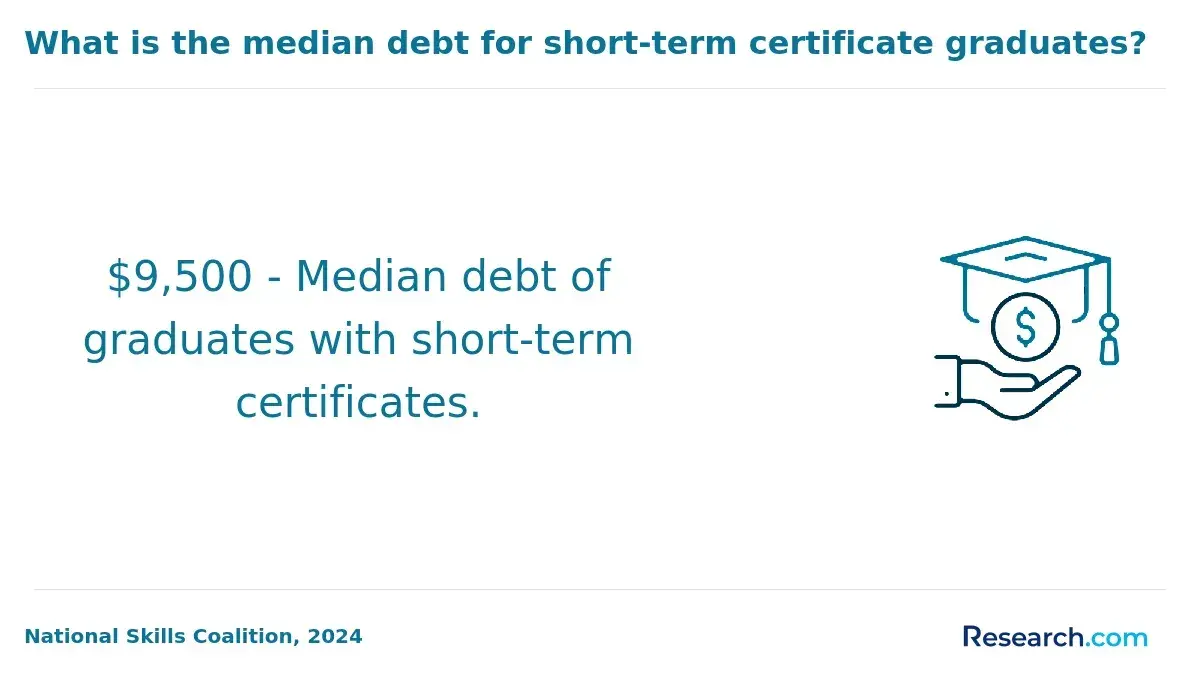
Choosing between RN to BSN programs and informatics degrees requires understanding their distinct time commitments, costs, and workforce alignments. RN to BSN programs, often completed in 12 to 18 months, focus on enhancing nursing knowledge with leadership and community health skills. These programs predominantly support working nurses via part-time or fully online formats and cost between $6,000 and $30,000, excluding fees and books. Employers typically expect these degrees for frontline clinical roles where leadership or administrative responsibilities grow, but they rarely require advanced technology training.
In contrast, informatics degrees demand a longer time investment-18 to 24 months for a master's level or about a year for accelerated post-BSN certificates-and cost $15,000 to $50,000. These programs train nurses in data analytics, information systems, and healthcare technology, requiring project work and internships that prepare graduates for roles bridging IT and clinical operations. For example, nurses aiming for strategic IT-embedded positions will need this specialized skill set despite the longer and more costly study period.
According to the 2025 HIMSS nursing informatics workforce survey, over half of certified nursing informatics professionals earn more than $100,000 annually, underscoring the return on investment for graduates. When reflecting on the RN to BSN program length and cost comparison, students must weigh immediate bedside or management roles against longer-term salary growth enabled by informatics training.
Those exploring these options should also consider program access factors, such as what nursing school doesn't require TEAS, to avoid additional barriers.
How do online and campus RN to BSN programs differ from informatics programs in format?
Choosing between online vs campus RN to BSN program formats involves balancing clinical experience requirements with scheduling flexibility. Campus-based RN to BSN programs integrate local clinical practicum hours, which can complicate work schedules but provide indispensable bedside practice. Online variants mix asynchronous lessons with occasional in-person commitments, aiming to suit working nurses without compromising hands-on skill development.
In contrast, differences in informatics and RN to BSN program delivery lie in their core focus and method. Informatics programs, predominantly online, emphasize technical proficiencies such as healthcare data management and IT systems through synchronous virtual labs and project-based work rather than direct patient care. This delivery suits nurses targeting roles as health information specialists or data analysts, reducing the clinical hour burden and offering faster transition pathways.
Employers value these distinctions as they reflect workforce needs: bedside nursing remains essential but less growth-intensive compared to health information technology careers. Projections show a 16% employment increase for health information technologists from 2023 to 2033, with median wages around $67,310 annually, highlighting early-career financial upside. Students considering this shift should weigh clinical skill demands against potential remote work opportunities and evolving job market dynamics.
For nurses evaluating pathways, resources such as the shortest PMHNP certificate program offer insight into efficiently advancing credentials beyond traditional RN to BSN programs.
What coursework and skills are taught in RN to BSN programs versus informatics programs?
Choosing between an RN to BSN program and an informatics pathway demands weighing distinct professional trajectories and market expectations. RN to BSN programs focus on expanding clinical expertise through coursework in community health, leadership, evidence-based practice, and healthcare policy. Graduates typically enhance skills in patient advocacy, quality improvement, and interdisciplinary collaboration, positioning themselves for roles like charge nurse or unit manager where understanding healthcare systems and legal-ethical contexts is crucial.
In contrast, informatics programs prioritize integration of nursing science with information technology, covering subjects such as electronic health records management, data analytics, and cybersecurity. Nurses with informatics training gain technical competencies that support clinical workflow optimization and technology-driven decision-making. For example, an informatics nurse may lead implementation of new hospital-wide EHR features, directly impacting patient safety by reducing documentation errors.
The divergence in skill sets reflects employer demands: bedside care expertise remains central for RN to BSN graduates, while healthcare organizations investing in IT infrastructure value informatics professionals. ZipRecruiter data shows average salaries for informatics nurses around $98,409, with geographic disparities ranging from $73,540 in Florida to $111,457 in Washington. This variation underscores the importance of aligning educational choices not only with career goals but also with local labor market realities and employer priorities.
How do accreditation and state nursing board recognition work for RN to BSN and informatics?
Accreditation and state board recognition create a decisive barrier between RN to BSN programs and informatics pathways, directly affecting licensure and employment prospects. RN to BSN programs need accreditation from bodies recognized by the U.S. Department of Education, including the Commission on Collegiate Nursing Education (CCNE) or the Accreditation Commission for Education in Nursing (ACEN). This accreditation is essential for meeting state nursing board requirements that authorize advanced licensure and expanded clinical practice. Without it, registered nurses (RNs) face hurdles in maintaining or elevating their RN licensure and patient care scope.
By contrast, transitioning to informatics often removes the state licensure requirement unless the nurse keeps an active RN license. Informatics programs rarely carry nursing-specific accreditation and lean on general higher education approval and industry certification, such as the ANCC Informatics Nursing Certification. Employers in technology-driven healthcare roles prioritize such certifications over nursing licensure.
The workforce implications are clear:
- RN employment growth is projected at 7% through 2029, emphasizing steady clinical demand.
- Health information technologist roles anticipate a 16% increase through 2033, reflecting robust technology sector expansion.
Prospective students must weigh whether their goal is advancing bedside nursing-where accredited BSN programs and state board approvals are indispensable-or shifting toward informatics, which calls for dual credentialing and confirms technical competencies over nursing licensure.
What nursing and health IT roles can graduates pursue with an RN to BSN vs informatics degree?
Graduates of RN to BSN programs typically fill leadership roles focused on direct patient care such as charge nurse, case manager, and public health nurse. These positions demand broader clinical knowledge and management skills to improve bedside effectiveness within hospital, outpatient, or community health environments. Employers prioritize BSN qualifications for supervisory and educational roles requiring critical thinking and team coordination. Conversely, nursing informatics graduates pursue highly specialized technical roles including clinical informaticist, data analyst, and EHR implementation specialist, roles aimed at streamlining healthcare technology and data workflows.
Choosing between these pathways hinges on clear career objectives:
- RNs aiming to remain actively engaged with patient care while moving into leadership benefit more from BSN pathways.
- Those targeting roles integrating IT and clinical data for system-wide improvements need informatics education supplemented by certification.
Failing to acquire technical training in informatics reduces employment prospects in digitized health systems, and relying solely on a BSN may stall advancement in tech-driven roles. The 2025 HIMSS survey finds that nearly half of nursing informatics professionals earned RN-BC informatics certification to enhance mobility outside bedside nursing, highlighting the sector's emphasis on measurable technical competence and marketability.
Employers in large health systems distinctly separate these qualifications during recruitment, reflecting divergent scopes, skill sets, and expected impact. Prospective students should weigh this practical divide carefully relative to their preferred role in patient care leadership or health IT integration.
How do salaries and earning potential compare for RN to BSN graduates and informatics specialists?
Salary differences between RN to BSN graduates and informatics specialists highlight distinct career trajectories in nursing. While RN to BSN graduates typically earn between $75,000 and $85,000 annually, informatics nurses often command $90,000 to $110,000, reflecting higher demand for IT skills combined with clinical knowledge. This gap matters particularly in healthcare systems expanding their IT infrastructure, where informatics analysts bring a $15,000 to $25,000 premium over BSN-prepared nurses focused on direct patient care.
Choosing between RN to BSN programs and informatics roles depends on balancing short-term returns, skill acquisition requirements, and long-range objectives. Informatics positions often require additional certifications and technical training beyond a BSN, increasing upfront investment in time and money. Meanwhile, BSN completion remains a prerequisite for nursing leadership roles and advanced specialty certifications, supporting advancement in clinical and supervisory domains.
The labor market also reflects a divide in employer expectations: informatics specialists fulfill technical modernization and compliance needs, whereas BSN-prepared nurses fit traditional clinical leadership and community health roles. Given only about a third of eligible RNs enroll in RN to BSN pathways, many turn to informatics as an alternative growth avenue.
What is the job outlook and demand for BSN-prepared nurses versus nursing informatics professionals?
The decision to pursue an RN to BSN program versus a specialization in nursing informatics hinges on distinct workforce demands and skill sets. Registered nurses with a BSN credential are increasingly favored for leadership and patient care coordination roles that require evidence-based clinical skills and holistic patient management. The U.S. Bureau of Labor Statistics forecasts a 9% growth in employment for BSN-prepared nurses through 2032, concentrated in hospitals, outpatient services, and community health, with employers often tying advancement to BSN credentials.
Conversely, nursing informatics professionals operate at the intersection of healthcare and technology, with a 17% growth rate driven by healthcare digitization and data management needs. These specialists excel in electronic health records management, clinical decision support, and population health analytics-areas where traditional BSN curricula provide less coverage. Employers managing large health IT infrastructures seek informatics-trained nurses for strategic system design and data-driven decision roles.
For example, a nurse interested in bedside practice and direct patient interaction may find RN to BSN programs practical for upward mobility in clinical settings. Alternatively, a nurse with aptitude in data analysis and system optimization might pursue informatics to access roles with higher salary ceilings and technological innovation focus. Key considerations include workforce needs, credentialing likelihood, and long-term career trajectory.
Aligned with the OJNI comparative competencies study, informatics tracks cultivate stronger data literacy, which translates to distinct employability advantages. Ultimately, the choice involves weighing steady demand for clinical leadership against accelerated growth in healthcare IT sectors.
How can nurses decide which pathway-RN to BSN or informatics-best fits their long-term goals?
A nurse's choice between RN to BSN and nursing informatics pathways fundamentally hinges on their intended role within healthcare delivery-whether they aim to deepen hands-on clinical expertise or pivot towards technological leadership. RN to BSN programs expand clinical knowledge and hone leadership skills applicable across diverse care contexts, making them preferable for nurses focused on patient management at the bedside or later transitioning into advanced practice roles. Conversely, informatics focuses on applying clinical understanding to health IT systems, workflow optimization, and data analytics, which suits those targeting systemic improvements rather than direct patient interaction.
For example, a nurse seeking to directly impact patient care quality in hospital wards would find RN to BSN programs aligned with their goals. By contrast, a nurse aiming to design electronic health record systems or improve healthcare data infrastructure should consider informatics, despite the steeper learning curve and technical credential demands.
Employers assess graduates differently: RN to BSN completers must demonstrate enhanced clinical judgment and leadership, while informatics nurses must balance clinical insight with IT proficiency, often requiring extra certifications. Salary data from the HIMSS nursing informatics survey confirms competitive earning potential ($61,000-$115,000) for both, though informatics roles tend to cluster in urban or technology-forward centers.
Decision factors include existing skill sets, willingness to acquire technical competencies, timeline constraints, and regional job market trends. RN to BSN routes generally offer quicker, more broadly applicable advancement for clinically inclined nurses, while informatics pathways serve those targeting innovation-focused roles despite longer credential processes.
Other Things You Should Know About RN to BSN Programs
Both paths offer unique advantages. An RN to BSN enhances clinical expertise and leadership skills, while Informatics prepares nurses for technology-focused roles. For those looking to thrive in tech-driven settings, Informatics can provide cutting-edge skills to integrate technology with patient care efficiently.
Most RN to BSN programs offer flexible formats, including part-time and online options designed for working nurses, which helps maintain employment while studying. Despite this flexibility, the workload still demands consistent time management, with clinical or community practicum hours required that can conflict with shift work. Candidates must realistically assess their time availability and employer support since underestimating the workload often prolongs completion or affects job performance.
Employers increasingly require or prefer BSN credentials for hiring and promotion, especially in hospitals pursuing Magnet status or higher patient care standards. This trend makes RN to BSN programs a worthwhile investment for nurses aiming for stable employment and upward mobility within traditional clinical roles. However, the degree alone may not guarantee immediate advancement without concurrent skill development or experience in specific clinical or administrative areas.
RN to BSN programs offer broad clinical knowledge and public health perspectives but are not substitutes for specialty certifications in areas such as critical care, emergency, or pediatrics. Nurses focused on advancing clinical expertise rapidly may benefit more from targeted certification programs paired with experience. Prioritize RN to BSN when a formal degree aligns with long-term career goals, regulatory expectations, or employer requirements rather than short-term clinical skill acquisition.
References
- CCNE Accreditation https://www.aacnnursing.org/ccne-accreditation
- Nursing School Accreditation https://nursinglicensemap.com/nursing-degrees/nursing-accreditation/
- Nursing Informatics Careers in 2026 | Betternurse.org https://betternurse.org/nursing-informatics-career/
- Nursing Informatics: Definition, Career, Salary & Degree Guide https://smarthealthasia.com/blog/nursing-informatics/
- A Complete Guide to Nursing Career Pathways (Degrees, Licensure & Career Growth Explained) https://www.straighterline.com/blog/nursing-a-complete-guide-to-nursing-career-pathways-degrees-licensure-career-growth-explained
- Is an ADN-to-BSN Program Right for You? https://www.allnursingschools.com/bsn/adn-to-bsn/
- What is a BSN Degree and How Does it Differ from an RN License? | ACE Blog https://ace.edu/blog/bsn-vs-msn/
- Nurse Informaticist: Education, Certifications & Salary https://www.nursingcolleges.com/careers/nurse-informaticist
- RN vs BSN Degree: What are the Key Differences? https://www.chamberlain.edu/blog/rn-vs-bsn-whats-the-difference-between-rn-and-bsn
- Nursing Informatics | Ultimate Guide to Career Paths & Salaries | Maryville Nursing https://nursing.maryville.edu/blog/nursing-informatics