2027 BS in Business Administration Curriculum: How to Evaluate Preparation in Intercultural Communication
Audited and Verified:
Our Editorial and Data Verification Process
Research.com uses government datasets, official education statistics and primary institutional information to support its career and degree guides. Our review process checks factual accuracy, occupational definitions, source dates and the requirements associated with the credentials discussed.
How This Article Was Fact-Checked
Our editorial team verifies salary estimates, employment projections, education requirements and program information against original data providers and official organizations. Salary figures are checked against the relevant occupational definitions and reporting periods. Information about licensure, accreditation and required in-person training is reviewed separately.
Fact-checked and verified on:

Co-Founder and Chief Data Scientist
A business administration program may promise a global perspective without showing how students practice communicating across cultures. That gap matters when work involves customers, colleagues, suppliers, or teams whose expectations differ.
If you are comparing BS in Business Administration programs, this guide explains what intercultural communication means in business, where to find it in the curriculum, and what evidence shows that students actually develop it. You can use those criteria to choose coursework and a program that fit your career goals.
Key Things You Should Know
- Look beyond an "international" course title: stronger preparation combines assessed communication skills with practice in business situations and feedback on performance.
- Compare required courses, available electives, applied assignments, and online collaboration - not just a program's claim to offer a global perspective.
- Career relevance depends on the role. For context, the U.S. Bureau of Labor Statistics reports a May 2025 median annual wage of $75,940 for human resources specialists; that occupation-wide figure is not a starting salary for business graduates.
What Is Intercultural Communication in a Business Administration Degree?
Intercultural communication is the ability to exchange information, interpret expectations, and work constructively with people whose cultural backgrounds or organizational norms differ. In business, it can affect how a team gives feedback, how a marketer tests a message, or how a buyer clarifies requirements with a supplier. It requires curiosity and careful listening, not memorizing assumptions about national groups.
The skill is broader than foreign-language fluency. A student might need to explain a decision in plain language, check whether a deadline has been understood, and invite disagreement without assuming that silence means agreement. Those habits also matter within the United States, where customers and coworkers bring varied experiences to the same workplace.
Your target function should shape how much specialized study you need. Someone interested in cross-border purchasing may want more supply chain coursework than a general business curriculum provides. Comparing affordable supply chain programs and salary outlook can help frame that choice, but a specialized degree is not necessary for every role involving diverse teams.
How Does a BS in Business Administration Curriculum Teach Intercultural Communication?
A BS in Business Administration can develop this skill through business communication, organizational behavior, marketing, human resources, and international business. Coverage differs by school: a concept introduced in a lecture is not the same as a skill practiced, assessed, and revised. Look for assignments that require students to identify an audience, adapt a message, handle a misunderstanding, and explain the reasoning behind their approach.
For example, a team might analyze a customer complaint involving different service expectations, draft a response, receive feedback, and revise it. The revision matters: it shows whether students can move beyond describing cultural differences to communicating effectively. Check the catalog for required courses, then ask for recent syllabi or assignment descriptions; an elective available only occasionally may not fit your degree plan.
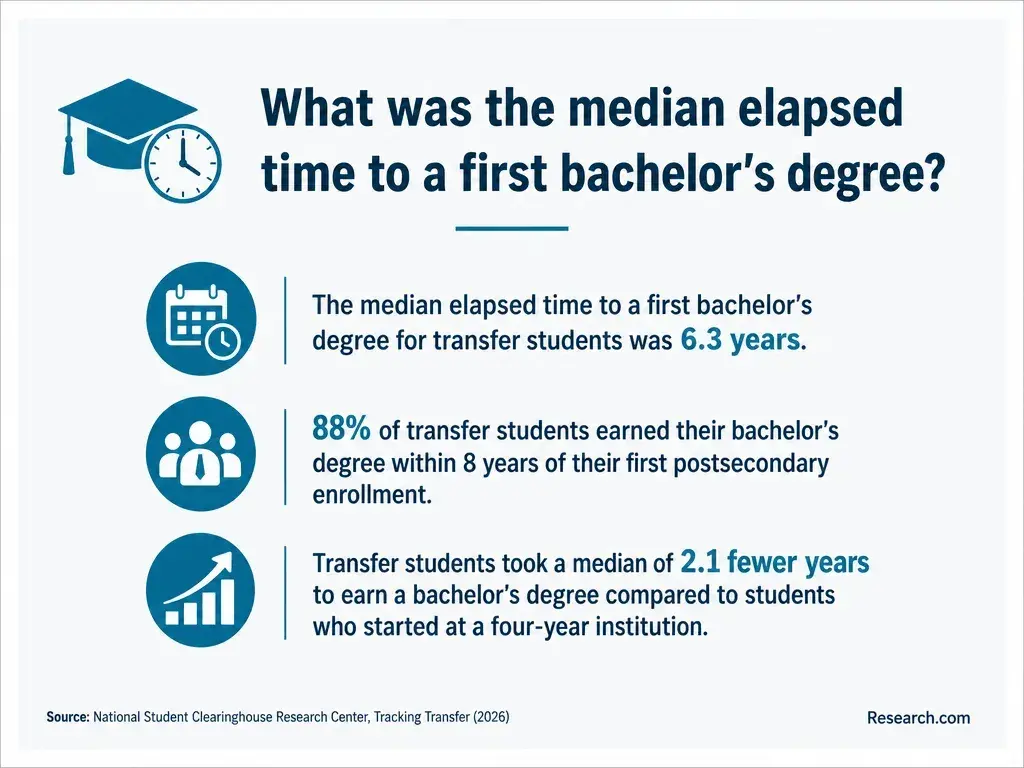
Time to completion can affect this learning. If you are considering American colleges offering fast-track business bachelor's, confirm that compressed terms still allow time for team feedback and revision. A shorter calendar alone does not establish equivalent practice or fewer total work hours.
How Can You Compare Intercultural Communication Preparation Across Business Programs?
Compare programs using evidence a student can inspect, rather than counting mentions of "global" in marketing copy. The table distinguishes types of evidence from conclusions they cannot support on their own.
| Curriculum evidence | What it can show | What it does not establish alone |
| Required learning outcome and graded assignment | All students encounter an assessed communication task | That the task involves realistic business interaction |
| Multiple courses with feedback and revision | Opportunities to build on earlier work | That every student receives equally useful feedback |
| International business elective or concentration | Potential for more focused study | That the courses are required, offered soon, or included without extra credits |
| Supervised project with external participants | Practice with real stakeholder expectations | That placements are available or appropriate for every student |
Ask an adviser which requirements apply to your enrollment catalog, how often relevant electives run, and whether students receive individual feedback on presentations and writing. If comparing online business degree school rankings in America, use any shortlist as a starting point; a ranking cannot replace a review of these curriculum details.
The best course mix depends on the situations you expect to face. A broad BS core may introduce several applications, while electives can add depth without necessarily creating a formal concentration.
Business communication should provide practice in writing for different audiences, listening, presenting, and responding to feedback. Organizational behavior or HR can examine team norms, conflict, and inclusive supervision without treating culture as a fixed trait. Marketing research can test whether a message makes sense to intended customers rather than assuming the writer's interpretation is universal. International business or supply chain can add context about cross-border coordination, contracts, and supplier relationships.
Review prerequisites and sequencing before selecting electives. If supplier coordination is your goal, supply chain undergraduate programs with shorter terms offer a useful comparison of specialized pathways; verify that a faster schedule still includes the communication practice you want. A course title alone does not prove job-ready skill, and an elective cluster is not an official concentration unless the institution awards it as one.
Accreditation is a quality check, not a guarantee of intercultural proficiency. Start by confirming the institution's recognized accreditation. Then determine whether AACSB, ACBSP, or IACBE accreditation applies to the business school or the particular program you are considering. Their standards address business education and assessment in different ways, but accreditation does not mean every BS has a dedicated intercultural communication course.
Ask the program how its learning outcomes address communication across differences, where those outcomes are assessed, and what students do with feedback. This is more informative than treating an accreditor's name as proof of a specific classroom experience. Scope matters when comparing adjacent degrees, too: a resource on tuition budgeting for an accredited project management degree may help with cost questions, but you must separately verify the accreditation scope and curriculum of any business administration program.
Yes, an online program can provide effective practice if students collaborate, receive specific feedback, and revise their work. Discussion posts alone are weaker evidence than a structured project requiring a team to resolve different interpretations of a business problem. Online delivery can also bring together students with varied work and regional experiences, but enrollment diversity does not automatically produce thoughtful interaction.
Check whether teamwork requires live meetings, how time zones are handled, who evaluates individual contributions, and whether presentations or simulations are required. These details affect both learning and scheduling. A program described in a guide to accelerated bachelor's study may look convenient, but accelerated, asynchronous, and self-paced mean different things; confirm deadlines and group obligations with the school.
Internships, supervised workplace projects, simulations, and capstones can turn course concepts into observable work. Useful tasks include interviewing stakeholders about differing requirements, adapting a customer-facing message after feedback, or documenting how a team resolved conflicting assumptions. The strongest experience includes an explicit learning objective, supervision, and an assessed reflection or deliverable.
Do not assume an existing job or an informal project earns academic credit. Confirm faculty approval, site requirements, scheduling, and assessment rules before committing. For real workplace work, obtain permission to use organizational material and protect customer, employee, and proprietary information. A simulation can offer safe practice when those permissions or a placement are unavailable, though it is not equivalent to working with an external stakeholder.
If a project-focused alternative would require an unpaid placement or additional courses, include financing in the comparison. Guidance on grants versus loans for project management bachelor's study can help distinguish aid that reduces cost from borrowing; eligibility and the actual price of a BS in Business Administration must still be checked with the school.
Admission to the university, admission to its business major, and enrollment in an experiential course can have different requirements. A school may review transcripts and prior coursework for entry, while particular business courses have their own prerequisites. If you have studied elsewhere, ask for an official evaluation showing which accepted credits satisfy business requirements rather than assuming they will all shorten the degree.
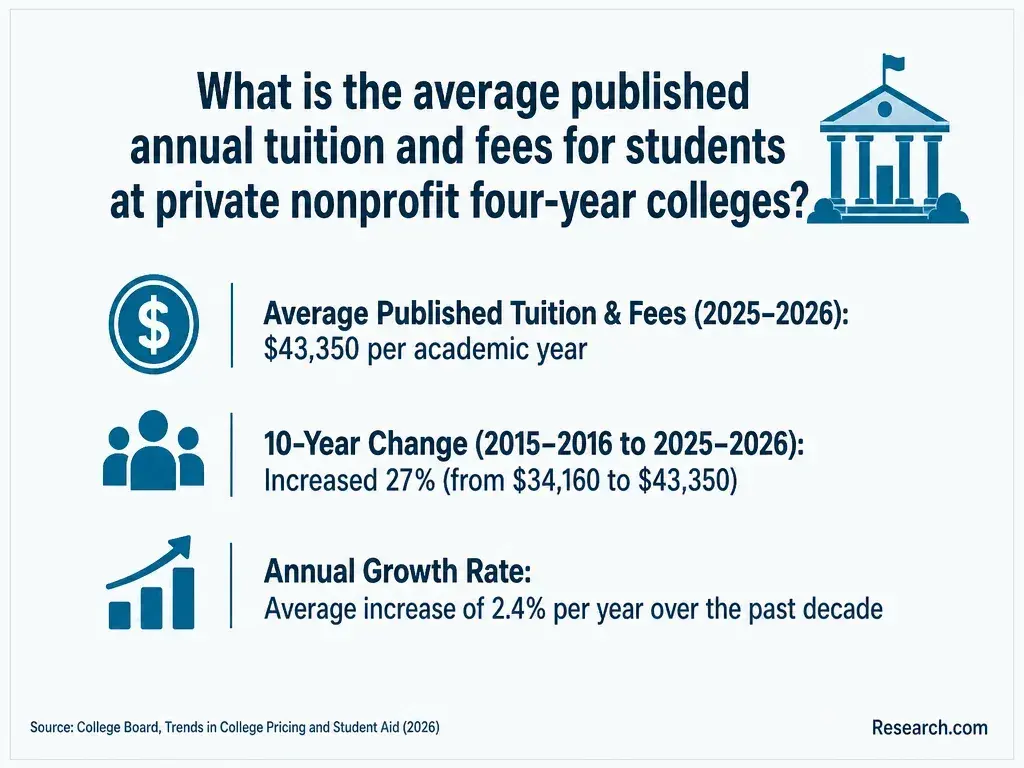
Access also depends on what remains affordable and schedulable after admission. Request a degree audit, a term-by-term course plan, and the program's tuition and fee schedule. When comparing business administration college affordability and FAFSA participation, confirm the institution's aid eligibility and your own award details; participation does not guarantee a grant or a low net price.
Intercultural communication is useful in roles with stakeholder contact, but employers hire for the full set of job duties. HR specialists may explain policies and respond to employee concerns; market research analysts may interpret feedback from different customer groups; and logisticians may coordinate with suppliers and internal teams. Relevant internships, writing samples, analysis skills, and industry knowledge can matter alongside the degree.
The U.S. Bureau of Labor Statistics reports a May 2025 median annual wage of $78,760 for market research analysts and projects 7% employment growth from 2025 to 2035. Those are occupation-wide figures, not expected pay or a job guarantee for a new BS graduate. Use the responsibilities of local openings to judge whether your coursework and experience fit; specialist and management roles may require additional functional expertise or experience.
Because earnings vary by role and location, weigh career fit against your actual education cost. Reviewing business administration online programs with competitive tuition may help you develop a shortlist, but compare the remaining courses and total charges before deciding that one option offers better value.
How Should You Choose a Reputable Business Administration Program?
Choose the program that can document both credible academic oversight and the kind of practice your goal requires. Before enrolling, request the current catalog, a sample degree plan, relevant syllabi, and examples of how communication assignments are evaluated. Confirm institutional accreditation, the scope of any business accreditation, course availability, and whether an internship or capstone is required. Ask what support is available if a needed elective is not offered on schedule.
Then compare total cost under the same assumptions: remaining credits, fees, likely enrollment pace, and any required travel or placement hours. Resources that compare tuition for online business colleges can help identify options, but published tuition is not a personalized completion price. If your goal is limited to improving communication in a current job, an employer project, mentorship, or targeted course may be more direct than a full bachelor's degree.
Other Things You Should Know About Business Administration
Usually not. Language ability can help in particular roles, but intercultural communication coursework can focus on listening, audience awareness, and checking shared understanding. Verify any language requirement in the program catalog.
Only if the institution offers an applicable prior-learning or substitution process and approves your evidence. Relevant experience does not automatically waive a degree requirement.
No single certification is required across business roles. Employers generally assess the communication skills and other qualifications relevant to the position.
Not necessarily. A concentration is an officially defined program of study; an elective may count only as course credit. Ask the registrar how the credential is recorded.
- Intercultural competence for all - https: //rm. coe. int https://rm.coe.int/intercultural-competence-for-all/16808ce20c
- Cross-Cultural Communication: 4 Ways to Improve It at Work | Northeastern University Graduate Programs https://graduate.northeastern.edu/knowledge-hub/cross-cultural-communication/
- Intercultural Communication in International Business | EWU https://online.ewu.edu/degrees/business/mba/international-business/intercultural-communication-international-business/
- AACSB Global Standards for Business Education https://www.aacsb.edu/educators/global-standards
- Bachelor of Science in Business Administration (BSBA) | Curry College Catalog https://catalog.curry.edu/program/buscsci-programs/businessadmin-bsba
- Student Learning Outcomes | wsu.edu https://slcr.wsu.edu/student-learning-outcomes/