2027 Best Certificate Programs With 5-Week Courses

Co-Founder and Chief Data Scientist
A five-week course format can make career training fit around work, but it does not mean every certificate takes only five weeks or leads directly to licensure. The U.S. Bureau of Labor Statistics projects healthcare support occupations to grow faster than average from 2024 to 2034, making targeted training especially relevant for career changers.
This guide helps prospective students compare accelerated certificate formats, verify whether a program meets employer or state requirements, estimate the real time and cost commitment, and choose a path that matches a specific job goal.
Key Things You Should Know
- A 5-week course is usually one accelerated class session; a multi-course certificate commonly takes several sessions, so confirm the total calendar length before enrolling.
- For regulated work such as nursing support, phlebotomy, HVAC, electrical work, or legal services, verify state approval, required clinical hours, and exam eligibility - not just the school's completion certificate.
- Short training can be a practical entry point, but BLS 2024 wage data should be read as pay for an occupation, not a salary promise for certificate completers; experience, location, licensing, and employer requirements matter.
Top 10 Best Certificate Programs With 5-Week Courses
Popular Trade School Programs
Trade certificates often use five-week blocks for theory while requiring longer labs, shop time, apprenticeships, or supervised field training. Common options include welding, HVAC/R, electrical technician, plumbing, industrial maintenance, diesel technology, and construction safety. A short certificate can introduce job-ready fundamentals, but electrician and plumbing careers generally require state-regulated apprenticeship hours before independent work. Choose a program with substantial hands-on training and equipment access. For a broader route that combines general education with technical coursework, compare online associate degree programs before committing to a standalone certificate.
Healthcare Programs
Healthcare certificates may cover medical assisting, medical billing and coding, phlebotomy, pharmacy technician training, dental assisting, sterile processing, or nursing assistant preparation. Five-week terms can work for online administrative subjects, but patient-facing programs need labs, clinical placements, immunizations, background checks, and sometimes state-approved curricula. Completion certificates are not the same as certifications from bodies such as NHA or NCCT, and they may not satisfy state licensing rules. Confirm clinical-site availability, certification-exam preparation, and whether the credential is credit-bearing before paying a deposit.
Criminal Justice / Law Programs
Short legal and criminal justice certificates can introduce paralegal studies, legal research, victim advocacy, corrections, security operations, court administration, or cybersecurity foundations. They suit people building administrative or support skills, not applicants expecting automatic eligibility to practice law, become a sworn officer, or work as a licensed investigator. Paralegal employers may prefer an associate or bachelor's degree, and police departments set separate academy, fitness, background, and age requirements. Review employer listings in your area before choosing an online-only program, especially where internships or local networking matter.
Arts & Design Programs
Five-week design courses can be assembled into certificates in graphic design, web design, UX foundations, digital photography, video editing, animation, or interior design basics. These programs are most useful when they produce a portfolio with work that matches local job postings or freelance services. Software instruction alone is not a career guarantee, and some design fields value a degree, internship, or demonstrated portfolio more than a certificate. Ask who reviews student work, whether software licenses are included, and whether you retain portfolio rights after graduation.
What are 5-week certificate programs and who are they best suited for?
A 5-week certificate program is usually an educational program delivered in accelerated course sessions. The certificate is awarded by a college, trade school, university extension, or training provider after required coursework is completed. It differs from a professional certification, which is normally awarded by an independent certifying body after an exam and, in some cases, verified work experience.
This format is best for adults who can consistently reserve substantial weekly study time, workers adding a narrow skill, and career explorers who need a lower-commitment first step. It is less suitable for learners who need extensive tutoring, have unpredictable schedules, or are pursuing a regulated occupation requiring clinical practice, an apprenticeship, or a degree. If your goal requires more than a brief credential, explore fast degrees online rather than assuming a short certificate will meet the requirement.
The comparison below clarifies the most important distinction: course pacing is not the same as total program duration.
| Format | What "5-week" usually describes | Best fit | Important limitation |
| Single short course | One focused class completed in five weeks | Skill refreshers and exploratory learning | Usually does not create a full career credential |
| Accelerated certificate | Several five-week courses taken sequentially | Focused entry-level or upskilling goals | Total completion may take months |
| Credit certificate | College courses that may carry academic credit | Students wanting possible degree progression | Transfer acceptance is determined by the receiving school |
| Noncredit career training | Provider-designed modules and practical preparation | Fast skills training or employer-focused preparation | May not transfer for college credit or meet licensure rules |
How do online 5-week certificate programs compare to campus-based options?
Online five-week certificates offer location flexibility and can reduce commuting and housing costs. They work particularly well for software, billing, business, design, and theory-based technical instruction. Campus or hybrid delivery is generally stronger when students need shop equipment, patient simulations, supervised lab practice, or direct observation of physical skills.
The right choice depends on how the target occupation is trained and evaluated, not on convenience alone. The following comparison helps identify where online delivery can be sufficient and where it may create a gap.
| Decision factor | Online format | Campus or hybrid format |
| Scheduling | Often asynchronous, with firm weekly deadlines | Set meeting times and travel requirements |
| Hands-on learning | Limited unless local labs or externships are arranged | Direct access to equipment, instructors, and practice space |
| Networking | May require deliberate virtual outreach | Often easier through classmates, instructors, and local employers |
| Regulated training | Must be checked carefully for clinical or state requirements | May better support required labs and supervised hours |
Before enrolling online, request the live-session schedule, assessment method, technical requirements, refund policy, and any local placement obligations in writing. Do not assume an online program is accepted by every employer or licensing board simply because instruction is convenient.
What accreditation and state or industry approvals should 5-week certificates have?
Accreditation and approvals should match the credential and occupation. A credit-bearing college certificate should generally come from an institution accredited by an agency recognized by the U.S. Department of Education or the Council for Higher Education Accreditation. Programmatic accreditation can matter in selected fields, while noncredit training may instead need a state workforce-school authorization or employer-recognized curriculum.
For regulated healthcare and skilled-trade paths, the decisive question is often whether the program makes you eligible for a state exam, registry, apprenticeship, or certification exam. Ask the relevant state board or certifier directly; school marketing language is not enough.
Use these checks before signing an enrollment agreement:
- Identify the exact job title, credential, license, or exam you need.
- Confirm the requirement with the state board, employer, union, or certifying organization that sets it.
- Verify the school's institutional status and the specific program's approval where applicable.
- Get written confirmation of required clinicals, labs, externships, exam fees, and completion documents.
- Check whether credits transfer or stack into a degree only with the receiving institution.
A major red flag is a provider that promises licensing, certification, or employment without naming the responsible state agency or certifying organization. Another is a program that calls itself "accredited" but does not identify what organization granted that status.
What admission requirements and prerequisite education do 5-week certificate programs expect?
Admission requirements vary sharply by provider. Noncredit short courses may only require an application, payment, basic technology access, and proof of age or identity. College-based certificates can require a high school diploma or GED, placement testing, transcripts, prerequisite courses, and sometimes a minimum GPA. Healthcare programs may add drug screening, background checks, CPR training, immunization records, and physical-capacity requirements.
Five-week pacing makes prerequisite planning important because there is little time to make up missing foundations. Applicants should compare requirements against their current education before applying, especially in medical, technical, and advanced software programs.
Ask admissions staff these specific questions:
- Is this credit-bearing, noncredit, or a preparation course for a separate certification exam?
- Which prerequisites must be completed before the first five-week class begins?
- Are clinical placement, lab access, background checks, tools, software, or uniforms required?
- Can prior college credit, military training, or work experience reduce the course sequence?
- What happens if I need to withdraw or repeat one accelerated course?
Do not treat an open-admission policy as proof that a program is easy or appropriate. Accelerated formats can be academically demanding even when they have few entry barriers.
How much do 5-week certificate programs cost and what financial aid is available?
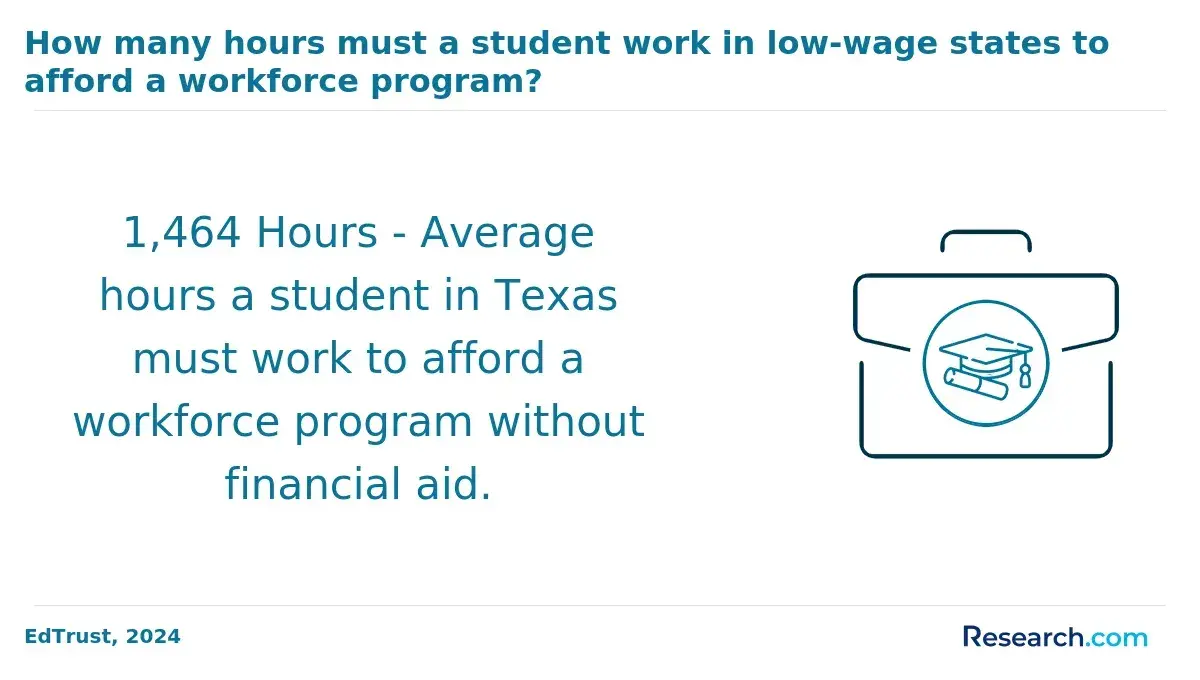
Total cost includes more than tuition: application fees, registration, textbooks, tools, software, uniforms, background checks, certification exams, transportation, and lost work time can materially change the investment. A five-week format may shorten the calendar, but it does not automatically lower the price per credit or the cost of required supplies.
For eligible students in qualifying programs, the maximum Federal Pell Grant for the 2025-26 award year is $7,395. Pell eligibility depends on federal aid rules, enrollment, financial circumstances, and whether the school and program participate in federal student aid; many noncredit certificates do not qualify.
This cost framework helps separate a low advertised tuition figure from a realistic enrollment budget.
| Cost category | Why it matters | How to verify |
| Tuition and fees | May be charged per course, clock hour, or program | Request the full program price and payment schedule |
| Required materials | Tools, kits, software, and protective equipment can be substantial | Ask for an itemized materials list |
| Clinical or exam costs | Can be necessary to pursue certification or licensure | Confirm what is included and what is paid separately |
| Living and work costs | Intensive study may reduce available work hours | Build a weekly cash-flow plan before enrollment |
Compare grants, employer tuition assistance, workforce-agency funding, veterans' education benefits when eligible, school payment plans, and scholarships before borrowing. Readers seeking a longer but still efficient academic route can compare an accelerated bachelor's degree online accredited option, particularly when employers in the target field commonly request a bachelor's degree.
What curriculum, course load, and time commitment do typical 5-week certificates involve?
Typical five-week courses compress a standard unit of learning into a short period. A three-credit college course often expects roughly 135 total learning hours across instruction, study, assignments, and assessment; in a five-week session, that can mean about 27 hours per week. Actual expectations vary by school, course design, and whether lab or clinical time is included.
Students should treat the course as a serious weekly commitment, not as a light side activity. The workload pattern below can help working adults judge whether one course at a time is more realistic than a full certificate sequence.
| Program component | Common accelerated expectation | Planning consideration |
| Readings and lectures | Multiple modules each week | Schedule recurring study blocks rather than relying on weekends |
| Assignments and exams | Frequent deadlines with little catch-up time | Review due dates before the course opens |
| Labs or simulations | May require fixed live attendance | Confirm location, equipment, and make-up rules |
| Clinicals or externships | May occur outside normal course hours | Check employer and childcare coverage before committing |
A common mistake is registering for two accelerated courses based only on their five-week label. Start with one course if you are returning to school, working full time, or responsible for caregiving, then increase pace only after seeing the actual workload.
What entry-level and mid-career jobs can 5-week certificate programs prepare you for?
A short certificate can prepare learners for support, technician, administrative, or junior production roles when its curriculum matches employer needs. It is usually most valuable when paired with a portfolio, supervised practice, an industry exam, relevant work experience, or a clear advancement plan. It may not meet degree, apprenticeship, licensing, or experience requirements for higher-responsibility positions.
The options below show realistic career connections rather than guaranteed job outcomes.
| Certificate focus | Possible entry-level direction | Common next step |
| HVAC, welding, electrical fundamentals | Helper, trainee, shop assistant, or technician apprentice | Apprenticeship hours, employer training, or state-required licensing path |
| Medical assisting or billing | Clinical support or medical office support roles | Certification exam, clinical experience, or specialized training |
| Paralegal or legal support | Legal assistant, records, intake, or administrative support | Internship, associate degree, or bachelor's degree depending on employer |
| Digital design or web foundations | Production assistant, junior designer, or freelance project work | Portfolio development, advanced software skills, and client experience |
Search local job descriptions before selecting a program. Note the minimum education, required licenses, software, certifications, and years of experience that recur across postings. If employers consistently request a degree, use a certificate as a stepping stone rather than a substitute.
What salary ranges and earning growth are realistic after completing a 5-week certificate?
Salary depends on the occupation, location, employer, schedule, experience, and credentials required - not simply on earning a certificate. As context, BLS May 2024 median annual wages were $44,200 for medical assistants, $61,010 for paralegals and legal assistants, and $61,300 for graphic designers. These are occupation-wide medians, so they include workers with different education levels and experience and should not be interpreted as starting pay.
Use occupation data to test whether the likely career path can support your training cost and local living needs. For example, entry-level roles may pay materially below an occupation's median while learners build experience or complete required certification.
A sensible return-on-investment review compares the following factors:
- Total out-of-pocket program cost, including required materials and exam fees.
- Likely entry-level pay in the city or region where you expect to work.
- Whether the credential creates access to a promotion, apprenticeship, certification exam, or further education.
- The time you may need to reduce paid work while completing accelerated coursework.
Avoid providers that advertise an occupational median wage as though it were a graduate outcome. Ask instead for audited program completion, exam-pass, and job-placement information, including the measurement period and definition of placement.
How is job outlook and employer demand projected for fields offering 5-week certificates?
Demand differs substantially by field. BLS employment projections for 2024-34 show medical assistants growing 12%, much faster than the average for all occupations, while paralegals and legal assistants are projected to show little change. This contrast means a certificate should be chosen for a specific labor market, not because short programs are broadly in demand.
AI and automation are also changing entry-level work. Administrative, coding, design, and legal-support learners increasingly benefit from demonstrating judgment, communication, privacy awareness, quality control, and responsible use of workplace software rather than relying only on routine task skills. In skilled trades and patient-facing care, hands-on competence and regulatory compliance remain central.
To assess local demand, take these practical steps:
- Review several recent local job postings for the exact role you want.
- Record repeated requirements for education, licenses, software, tools, and shift availability.
- Compare those requirements with the certificate's published curriculum and practical hours.
- Contact local employers, unions, or workforce agencies about entry routes and hiring expectations.
- Choose a program only after identifying the next credential or experience step it supports.
For learners who want a moderately longer training window and more time to build employable skills, compare short certificate programs with five-week-course formats. A longer sequence can be the better value when it includes supervised practice, industry preparation, or stackable college credit.
Other Things You Should Know About
Sometimes, but usually not. Many schools use five-week sessions for individual courses, while a full certificate requires multiple sessions. Confirm the number of required courses, lab hours, clinicals, and breaks between terms.
They can be legitimate, but legitimacy does not automatically mean the program meets employer, certification, or state licensing requirements. Verify the provider, instructional format, practical training, and eligibility for any required exam before enrolling.
Some credit-bearing programs at eligible institutions may qualify for federal aid, but many noncredit and short workforce programs do not. Ask the financial aid office whether the specific program, not merely the school, is aid eligible.
No. A certificate generally documents completion of education or training. A professional certification is usually awarded by a certifying organization after meeting its standards, often including an examination and sometimes work experience.
References
- The Benefits of Certificate Programs in Higher Education https://moderncampus.com/blog/benefits-of-certificate-programs.html
- Course Completion Rate Benchmarks: Improve Yours (2026) | Ruzuku https://www.ruzuku.com/learn/articles/course-completion-rates
- Degree and Certificate Programs | Community College of Philadelphia https://www.ccp.edu/college-catalog/degree-and-certificate-programs
- The Top 5 Certificate Programs for Jobs With Growth Potential | CourseStorm https://www.coursestorm.com/blog/top-certificate-programs-for-jobs
- Online Certificate Programs | Certifications Programs https://www.uscareerinstitute.edu/online-certificate-programs
- Student Loan Options for Certificate Programs https://collegefinance.com/student-loans/student-loan-options-for-certificate-programs
- 7 in-demand certifications in 2025 | edX https://www.edx.org/resources/in-demand-professional-certifications
- 10 Reasons to Enroll in a Certificate Program https://www.managementconcepts.com/resource/top-10-reasons-to-consider-a-certification-program-and-why/
- The Value of Certificates vs. Degrees: What's Right for You? https://www.calmu.edu/the-value-of-certificates-vs.-degrees-whats-right-for-you
- Explore Online Certificate Programs Approved by FAFSA https://www.edumed.org/online-schools/fafsa-approved-certificate-programs/