2027 Best Career Training Programs With 2.5 GPA Admission

Co-Founder and Chief Data Scientist
A 2.5 GPA can narrow some college options, but it does not prevent you from pursuing practical career training. Many certificate, diploma, and associate degree programs use holistic, open-access, or minimum-GPA admissions policies. The U.S. Bureau of Labor Statistics projects about 1.9 million healthcare occupational openings per year from 2023 to 2033, underscoring demand for trained entry-level workers. This guide helps you compare program types, admission details, costs, credentials, and realistic career paths before applying.
Key Things You Should Know
- A 2.5 GPA can meet admission standards for many community-college certificates, diplomas, and associate degrees, but selective healthcare cohorts and licensure tracks may impose higher grades in prerequisite courses.
- Short career certificates commonly take months, while associate degrees often take about 2 years full time; confirm whether the credential is credit-bearing, transferable, and recognized by employers or state boards.
- Career outcomes vary sharply by field: compare required licensing, clinical or shop hours, total costs, completion outcomes, and local job postings - not GPA admission alone - before enrolling.
Top 10 Best Career Training Programs With 2.5 GPA Admission
Popular Trade School Programs
Trade programs emphasize supervised practice and job-specific skills. Common options include HVAC/R certificates, welding diplomas, electrical technology certificates, automotive service programs, plumbing apprenticeships, and construction management associate degrees. Many schools focus on a high school diploma or GED rather than a competitive GPA, though math placement may apply. Certificates can prepare students for entry-level work or industry exams; an associate degree usually adds general education and may transfer more easily. Campus labs are often essential because employers value hands-on competency. Apprenticeships can be a stronger alternative when paid work-based learning is available.
Healthcare Programs
Healthcare options may include medical assisting certificates, pharmacy technician certificates, practical nursing diplomas, dental assisting certificates, medical billing and coding certificates, and health information technology associate degrees. A 2.5 GPA may satisfy general admission, but limited-seat clinical programs can separately evaluate science prerequisites, entrance exams, immunizations, background checks, and drug screening. A school certificate is not the same as professional certification. For example, a medical assisting program may prepare a student to seek a voluntary national certification exam, while practical nursing requires state licensure after an approved program and the NCLEX-PN.
Criminal Justice / Law Programs
Criminal justice certificates and associate degrees can cover policing foundations, corrections, emergency management, security operations, and juvenile justice. Legal studies or paralegal associate degrees teach legal research, writing, civil procedure, and ethics. These programs may accept a 2.5 GPA, especially at open-access institutions, but public-safety employers commonly conduct background investigations and may set separate physical, driving-record, or age requirements. A paralegal credential does not authorize independent legal practice. Students targeting law school should generally pursue a bachelor's degree and build a stronger academic record rather than treating a short program as a substitute.
Arts & Design Programs
What types of career training programs accept a 2.5 GPA?
Career training programs with a 2.5 GPA threshold are usually designed for students seeking applied, entry-level preparation rather than highly selective academic admission. The best fit depends on whether you need a school credential, a state-approved pathway, or an employer-recognized industry certification.
Programs that commonly use accessible admissions policies include community-college certificates, technical diplomas, workforce-training programs, many associate degrees, adult education pathways, and some proprietary-school programs. A minimum GPA is only one screening factor. Schools may also require a diploma or GED, placement testing, proof of prerequisite coursework, an interview, or an orientation.
The distinction between credentials matters. A certificate is awarded by a school after completing a curriculum. A certification is awarded by an independent professional organization after meeting its standards, often including an exam. A license is permission from a state board to practice a regulated occupation. Choose the path that matches the job you want, not simply the fastest program that accepts your GPA.
How do admission requirements work for career programs with a 2.5 GPA threshold?
A stated 2.5 GPA requirement normally means your cumulative high school or prior-college GPA meets the initial academic screen. It does not always mean automatic admission, nor does it necessarily apply to every program concentration within a college.
Admission is often a two-stage process. First, the institution admits you to the college or training provider. Second, competitive programs such as nursing, sonography, radiography, and some allied-health cohorts review additional requirements. The following comparison shows why applicants should distinguish general admission from program admission.
| Requirement type | Where it is common | What it means for a 2.5 GPA applicant |
| General institutional GPA | Associate degrees and academic certificates | May be sufficient for admission to the college |
| Prerequisite-course grade | Healthcare and technical cohorts | Science, math, or English grades may need to exceed the overall GPA minimum |
| Placement assessment | Community colleges and technical schools | Can determine whether developmental support courses are required |
| Nonacademic clearance | Clinical and public-safety programs | May include background checks, immunizations, drug screening, or physical requirements |
Ask admissions whether the GPA is cumulative, recalculated, weighted, or based on transferable college work. If your GPA is below a program's preferred level, ask about provisional admission, prerequisite completion, an appeal process, or starting in a related certificate before reapplying. Do not alter transcripts or assume a workforce provider's open enrollment qualifies you for regulated clinical practice.
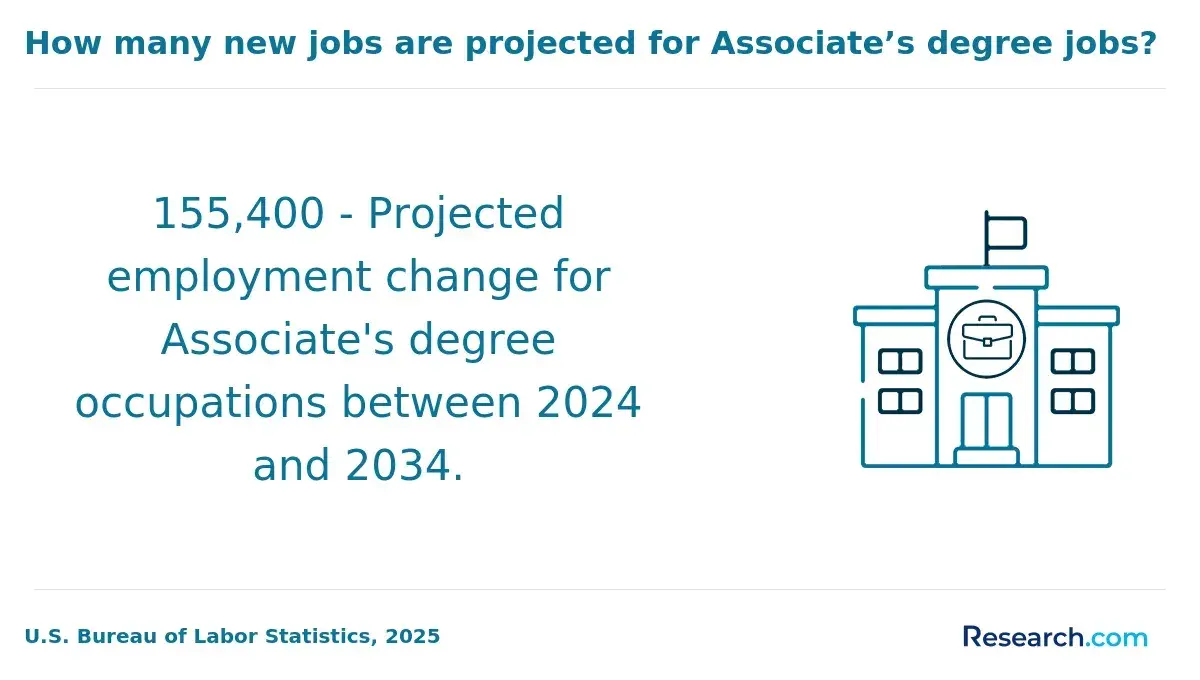
Which accredited schools offer flexible online and campus career training with a 2.5 GPA?
Accreditation and delivery flexibility should be evaluated separately. Institutional accreditation can matter for federal aid and transfer at eligible colleges, while programmatic approval is especially important in regulated fields. Online coursework can work well for billing, coding, legal studies, business software, and design theory; labs, clinical placements, and skilled-trade practice commonly require in-person participation.
These school categories can offer accessible admissions, but students must verify the specific program's current standards directly.
| School type | Typical flexible format | Best use | Key verification |
| Community college | Online, hybrid, evening, campus | Credit-bearing certificates and associate degrees | Institutional accreditation, transfer policy, program prerequisites |
| Public technical college | Campus labs, hybrid lectures, evening cohorts | Trades and applied healthcare training | Equipment access, clinical or shop-hour requirements |
| Adult career center | Short campus or hybrid programs | Focused workforce preparation | Credential recognition and employer partnerships |
| Private career school | Accelerated campus or online formats | Structured, short-term training | State authorization, total charges, licensure eligibility |
If affordability is a priority, compare what online college gives the most financial aid with each program's actual net price, not only its advertised tuition. Federal aid generally applies only to eligible programs at qualifying institutions; many short, noncredit courses are paid out of pocket. For fully online programs, confirm that required internships, externships, or clinical placements can be completed where you live.
What are typical program lengths and tuition costs for 2.5 GPA career training options?
Program length and price depend more on occupation, instructional format, and required equipment than on a 2.5 GPA. Short programs may lower tuition and get you into the labor market sooner, but they can offer fewer transfer options and may not meet licensing requirements. Associate degrees cost more in time and tuition but can include broader academic credit and a clearer progression path.
The ranges below are planning estimates rather than guarantees. Request a written cost sheet that includes fees, tools, books, uniforms, testing, insurance, and transportation.
| Program type | Typical duration | Common direct-cost factors | Best fit |
| Noncredit workforce course | Weeks to several months | Course fee, supplies, exam fee | Skill upgrade or narrow employer need |
| Academic certificate | About 6 to 12 months | Per-credit tuition, books, lab or clinical fees | Entry-level training with possible academic credit |
| Diploma | About 9 to 18 months | Tuition, tools, uniforms, equipment | Structured occupational preparation |
| Associate degree | About 2 years full time | Tuition, general education, program fees | Career entry plus transfer or advancement flexibility |
Working adults should compare night scheduling, course sequencing, and required daytime clinical hours before enrolling. A program marketed as online may still require fixed on-site commitments. Readers balancing employment may also want to compare most affordable online colleges for working adults if a bachelor's completion path is more aligned with their long-term goal.
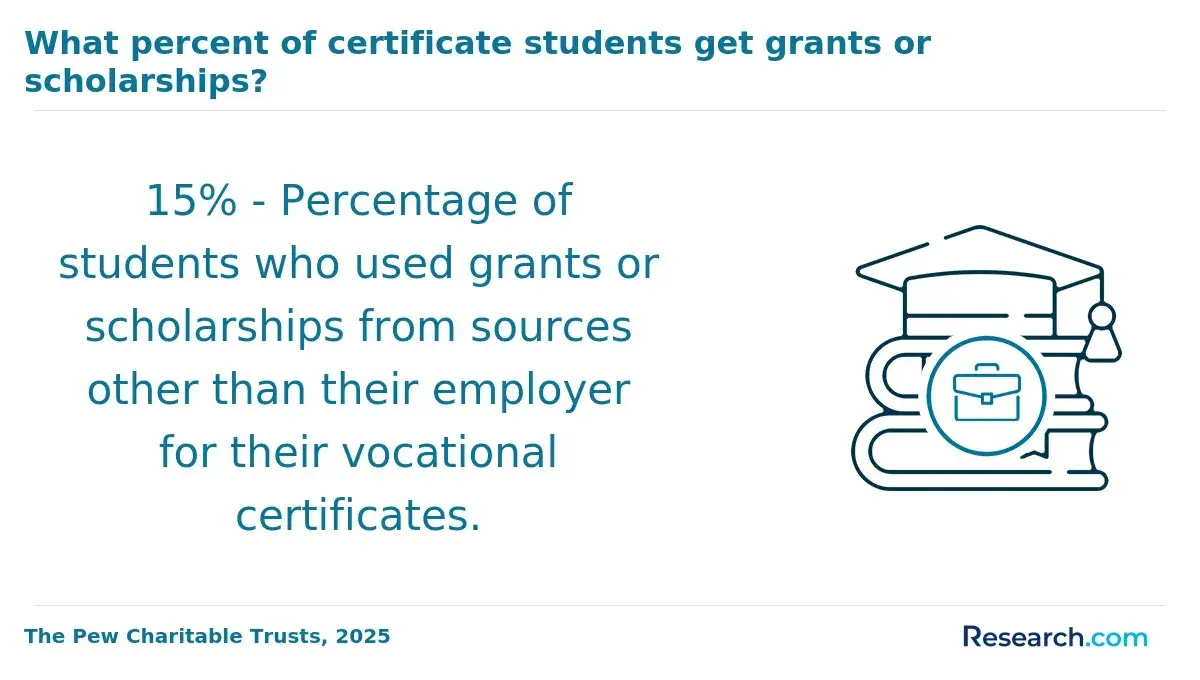
What courses and skills are usually taught in these career training programs?
Career training should teach observable skills that match entry-level job tasks, not just provide broad exposure to an industry. The curriculum differs by field, but strong programs combine technical instruction, communication, safety, documentation, and supervised practice where applicable.
Common course and skill areas include the following:
- Trade programs may teach blueprint reading, measurement, electrical safety, tools, diagnostics, equipment installation, and Occupational Safety and Health Administration practices.
- Healthcare programs may cover anatomy, medical terminology, patient privacy, infection control, electronic records, billing systems, and supervised clinical procedures.
- Legal and criminal justice programs may address legal research, report writing, records management, ethics, criminal procedure, and de-escalation concepts.
- Design programs may develop typography, layout, digital imaging, user-centered design, project briefs, revision workflows, and portfolio presentation.
Ask for the course sequence and identify which skills are taught through hands-on assessment. For trade and clinical fields, recorded lectures alone are not equivalent to supervised practice. For design and technology fields, request examples of graduate portfolios or capstone expectations, while recognizing that individual results vary.
Which entry-level careers and job roles can you pursue after these programs?
These programs can support entry-level job searches, but the credential alone may not satisfy every employer, licensing board, union, or public agency requirement. Employers often weigh practical experience, a clean background where relevant, local licensing, and demonstrated technical ability alongside education.
The table identifies common starting roles and the additional qualifications that may affect eligibility.
| Training area | Possible entry-level roles | Common additional requirement |
| Skilled trades | HVAC helper, welder trainee, maintenance technician, electrician apprentice | Apprenticeship, employer training, or local license progression |
| Healthcare support | Medical assistant, pharmacy technician, medical biller, dental assistant | Employer preference for certification; state rules vary |
| Legal and public safety | Legal assistant, records clerk, security officer, corrections officer applicant | Background review, agency standards, or state security licensing |
| Design and digital media | Production artist, junior graphic designer, content assistant, web-production assistant | Portfolio, software proficiency, and relevant work samples |
A certificate is most valuable when it maps directly to local entry-level postings. Search job ads before applying and note recurring tools, credentials, shift requirements, and experience expectations. If your objective is a higher-paying credential route, review options for high paying certificate jobs while checking whether each occupation also requires an apprenticeship, degree, or state license.
What salary ranges and earning potential can graduates expect from these training programs?
Earning potential is tied to the occupation, location, experience, schedule, licensing status, and employer - not automatically to a certificate or associate degree. The most useful salary comparison starts with occupations that the program can realistically help you enter.
U.S. Bureau of Labor Statistics May 2023 wage data, published in 2024, provides a national reference point for several occupations commonly associated with career-training pathways. These figures are national medians and do not predict an individual offer.
| Occupation | National median annual wage | Important qualification context |
| Medical assistants | $42,000 | Employers may prefer certification; requirements vary by employer and state |
| Paralegals and legal assistants | $60,970 | Many employers prefer an associate degree or bachelor's degree plus legal training |
| Heating, air conditioning, and refrigeration mechanics and installers | $57,300 | Training, apprenticeship experience, and refrigerant handling requirements can matter |
| Graphic designers | $58,910 | Portfolio quality and software skills are central; some roles prefer a bachelor's degree |
Use wage data as an occupation-level benchmark, then check local postings and state workforce data for regional conditions. Compare likely entry-level pay with total educational costs, time away from work, required tools, and the availability of paid apprenticeships. A lower-cost program with strong placement support can offer better value than a costly accelerated option with weak employer connections.
What licensing, certification, or exam requirements apply to common career training fields?
Licensing and certification rules are field-specific. Before paying a deposit, identify whether your target job requires a state license, whether the school must be programmatically approved, and whether graduation makes you eligible for a separate exam. Completion of training is often only one step.
The following examples show the different roles that school credentials, certifications, and licenses can play.
| Field | School credential role | Potential external requirement |
| Practical nursing | Graduation from a board-approved practical nursing program | State authorization and passing the NCLEX-PN |
| HVAC/R | Certificate or diploma can teach installation and service skills | EPA Section 608 certification is required for technicians handling regulated refrigerants |
| Pharmacy technician | Training can prepare students for entry-level pharmacy work or an exam | Registration, licensure, or certification rules vary by state |
| Paralegal studies | Certificate or associate degree can provide legal-support training | No universal state license; employer expectations vary |
| Security services | Training may cover procedures and report writing | State licensing, fingerprinting, and background requirements may apply |
Never rely solely on a school representative's general statement that a program is "approved." Check the applicable state board or regulator, confirm the exact campus or online program is covered, and ask whether students from your state have recently completed the required pathway. This is especially important if you plan to study online across state lines.
How can students choose a reputable, high-value career training program with a 2.5 GPA?
A reputable 2.5 GPA career program is one that accepts you for a realistic reason: it has the support, curriculum, facilities, approvals, and employer relevance needed for the work you want. The best option is not necessarily the easiest admission decision or shortest advertised timeline.
Use this process to compare programs before submitting an enrollment agreement:
- Start with a target job title and review local job postings to identify required skills, licenses, schedules, and preferred credentials.
- Confirm whether the program is credit-bearing, noncredit, institutionally accredited where relevant, and approved by any required licensing board.
- Request the full written cost, including tuition, fees, tools, books, uniforms, exams, background checks, and commuting or clinical-placement expenses.
- Ask for current completion, job-placement, and licensure-exam information, including how the school defines a placement and the reporting period used.
- Compare scheduling, instructor access, lab availability, clinical placement responsibility, and withdrawal or refund policies.
- Speak with admissions, financial aid, and ideally employers or recent students before making a deposit.
Common red flags include pressure to sign immediately, vague answers about state approval, claims of guaranteed jobs or salaries, unclear total charges, and online programs that cannot explain how hands-on requirements are completed. If your long-term goal requires a four-year degree, consider whether starting with an accessible associate pathway is better than choosing an unrelated short program. Students still exploring academic options can also review the easiest bachelors degree choices alongside career-training alternatives.
Other Things You Should Know About
Often, yes. Many technical schools and community colleges accept students with a 2.5 GPA or use open-access admissions. Individual programs may still require placement testing, prerequisite classes, interviews, or proof of high school completion.
It may be enough for admission to a college, but nursing cohorts are commonly more selective. Practical nursing and registered nursing programs may require stronger grades in science prerequisites, an entrance assessment, and other clinical-clearance requirements.
Some fields, such as billing and coding, legal studies, and digital design, may be offered mostly online. Programs involving clinical care, welding, electrical work, automotive service, or other hands-on skills usually require campus labs, clinical rotations, or supervised fieldwork.
Choose a certificate when you need focused, faster entry-level training and the target employer recognizes it. Choose an associate degree when you need broader coursework, may transfer later, or your target occupation commonly prefers a two-year credential. Verify licensing and employer requirements first.
References
- Essential Questions for High School Graduation: High School Graduation Progress - StriveTogether https://strivetogether.org/resources/high-school-graduation-playbook-essential-questions-for-high-school-graduation-high-school-graduation-progress/
- Financial Aid for Undergraduate International Students https://www.nafsa.org/about/about-international-education/financial-aid-undergraduate-international-students
- How to Choose the Right Career Path - Explore Your College Options After High School https://intellitec.edu/how-to-choose-the-right-career-path-explore-your-college-options-after-high-school/
- Is Work Experience necessary for MBA? - MBA Crystal Ball https://www.mbacrystalball.com/blog/2017/09/29/is-work-experience-necessary-mba/
- Career and Technical Colleges - National Association for College Admission Counseling (NACAC) https://www.nacacnet.org/career-and-technical-colleges/
- Why More Students Are Choosing Trade School Over College https://ayers.edu/blog/choosing-trade-school-over-college/
- What Work Experience Do You Need For an MBA? | Articles | Unimy https://www.unimy.com/article/blog-mba-preparation-admissions-mba-work-experience
- Top 2.0 GPA Scholarships to Apply for in December 2025 https://bold.org/scholarships/by-type/merit-based/2.0-gpa-scholarships
- Các trường đại học dành nhiều hỗ trợ tài chính cho sinh viên quốc tế https://summit.edu.vn/cac-truong-dai-hoc-danh-nhieu-ho-tro-tai-chinh-cho-sinh-vien-quoc-te/
- Scholarships for College Students https://accessscholarships.com/blog/50-scholarships-for-college-students/