2027 How to Create a Personal Success System in College

Co-Founder and Chief Data Scientist
College success is rarely the result of motivation alone; it depends on a repeatable system for choosing courses, managing time, using support, and planning a career. The stakes are real: the U.S. Bureau of Labor Statistics reported that workers with a bachelor's degree had median weekly earnings of $1,543 in 2024, compared with $930 for workers with only a high school diploma.
This guide is for students, transfer applicants, online learners, and returning adults who want a practical plan for making better academic, financial, and career decisions.
Key Things You Should Know
- A personal success system should connect your degree choice, weekly routines, advising, finances, wellness, and career preparation instead of treating them as separate problems.
- Cost discipline matters: College Board data for 2024-25 lists average published tuition and fees at $11,610 for in-state public four-year colleges and $43,350 for private nonprofit four-year colleges, before grants and scholarships.
- Outcomes vary by program and student behavior; BLS 2024 wage data shows higher median earnings by education level, but students still need accreditation checks, relevant experience, and career-aligned credentials to improve ROI.
What is a personal success system in college, and how can it improve outcomes?
A personal success system in college is a structured set of goals, habits, tools, support relationships, and review routines that help you make consistent progress toward graduation and career readiness. It is different from a simple study schedule because it covers the full student experience: what you study, how you pay for it, how you manage your week, who helps you, how you build experience, and how you adjust when circumstances change.
The main purpose is to reduce random decision-making. Instead of choosing classes at the last minute, studying only before exams, or waiting until senior year to think about jobs, you build a system that makes the right actions easier to repeat.
A strong system can improve outcomes in several practical ways. It helps you spot degree requirements early, avoid unnecessary credits, use tutoring before grades collapse, prepare for internships before deadlines pass, and compare career options before taking on more debt. This matters because college is not one decision; it is a chain of decisions made every semester.
The table below shows how a system-based approach differs from a reactive approach. Use it to identify where your current habits may be helping or hurting your progress.
| College area | Reactive approach | Personal success system approach |
| Course planning | Registers for available classes without checking sequencing | Maps required courses, prerequisites, transfer credits, and graduation timeline |
| Studying | Studies when deadlines feel urgent | Uses weekly review blocks, active recall, practice problems, and exam debriefs |
| Career preparation | Starts job searching close to graduation | Builds skills, projects, internships, references, and credentials each year |
| Support | Asks for help after a crisis | Maintains regular contact with advisors, instructors, tutors, and peers |
| Finances | Focuses only on tuition | Tracks net price, fees, books, housing, work hours, aid renewal rules, and debt |
The key is not to make your life rigid. A good system should be flexible enough to survive illness, work changes, family responsibilities, difficult courses, or a shift in career direction.
How do I define clear academic, career, and personal goals to anchor my college plan?
Clear goals give your college plan a filter. Without them, every major, elective, club, job, or certificate can seem equally reasonable. With them, you can ask a better question: "Does this move me closer to the academic, career, or personal outcome I actually want?"
Start with three goal categories because college success is not only about grades. Academic goals define what you need to complete. Career goals define what your education should prepare you to do. Personal goals define the conditions that make persistence realistic, such as health, income, family time, or location.
Use the following sequence to turn broad goals into an actionable plan. Each step should produce something you can write down, review, and revise.
- Define your target outcome in plain language, such as transferring to a nursing program, qualifying for a cybersecurity analyst role, entering graduate school, or completing a bachelor's degree while working full time.
- List the requirements attached to that outcome, including GPA thresholds, prerequisite courses, portfolio expectations, licensure rules, internships, entrance exams, or employer-preferred skills.
- Separate must-have requirements from nice-to-have activities so you do not overload your schedule with low-priority commitments.
- Convert the goal into semester milestones, such as completing math placement, meeting with an advisor, applying for aid, taking a gateway course, or building a first portfolio project.
- Choose one weekly behavior that supports each milestone, such as two tutoring sessions, three focused study blocks, one career research hour, or one faculty office-hour visit.
A practical goal statement might look like this: "By the end of the next two semesters, I will complete the prerequisite science courses with grades that keep me eligible for the allied health program, meet with advising before registration, and complete 20 hours of related volunteer experience." That statement is useful because it connects academics, advising, and career evidence.
One common mistake is choosing goals based only on identity, prestige, or family expectations. A better approach is to test the goal against real requirements. If you want a licensed profession, verify state rules. If you want a technical role, review job postings and project expectations. If you want graduate school, check GPA, research, and recommendation requirements early.
What components should a comprehensive personal success system in college include?
A comprehensive personal success system should cover the decisions and behaviors that most affect completion, cost, learning, and career readiness. If one part is missing, the system can still work for a while, but it becomes fragile when your workload increases or life becomes complicated.
The components below work best when they are connected. For example, your course plan should reflect your career target, and your weekly study routine should reflect the difficulty of your current courses.
- Academic map: A semester-by-semester plan showing required courses, prerequisites, electives, transfer credits, minimum grades, and graduation requirements.
- Time-management routine: A weekly structure for classes, work, study blocks, commuting, meals, sleep, family responsibilities, and recovery time.
- Learning strategy: A set of evidence-informed study methods, including retrieval practice, spaced review, practice exams, problem sets, and feedback loops.
- Support network: A list of people and offices you contact regularly, including academic advisors, faculty, tutors, financial aid staff, career counselors, mentors, and peers.
- Financial plan: A realistic estimate of net price, aid renewal rules, work hours, emergency costs, borrowing limits, and the consequences of dropping or repeating courses.
- Career-readiness plan: A timeline for internships, projects, clinical hours, research, part-time work, volunteer experience, networking, and interview preparation.
- Wellness safeguards: Sleep, exercise, mental health care, disability accommodations if needed, and boundaries that protect your ability to keep going.
- Review cycle: A recurring check-in that compares your goals, grades, credits, finances, and energy level against your current plan.
Students with legal, financial, caregiving, military, disability, or work-related constraints should design the system around those realities instead of copying a traditional full-time residential model. For example, students researching the best degree for felons may need to weigh background-check rules, licensing barriers, online flexibility, and employer pathways before choosing a program.
The most common red flag is a system that depends on perfect conditions. If your plan only works when you have unlimited time, no emergencies, and consistently high motivation, it is not a reliable system. Build buffers into your schedule, keep backup course options, and know exactly where to get help before you need it.
How can I choose the right degree program and school to support my success system?
Your school and degree program are the foundation of your success system. Even excellent habits cannot fully compensate for a program that is unaffordable, poorly aligned with your career goal, missing required accreditation, or difficult to complete with your schedule.
Begin with fit, not reputation alone. Rankings can be useful, but they should not replace practical questions about program requirements, cost, support, transfer policies, career outcomes, and whether the format matches your life.
The table below summarizes major program-choice factors and how each one should influence your decision. It can help you compare schools beyond brand name or advertised tuition.
| Decision factor | Why it matters | What to verify |
| Accreditation | Can affect credit transfer, financial aid eligibility, licensure, and employer acceptance | Institutional accreditation and any programmatic accreditation required for your field |
| Total cost | Tuition is only one part of affordability | Fees, books, housing, technology, transportation, lost work hours, and aid renewal rules |
| Program sequence | Some required courses are offered only once per year or require prerequisites | Course rotation, clinical or lab availability, and whether part-time pacing is allowed |
| Transfer policy | Lost credits can increase time and cost | Maximum transferable credits, course equivalencies, residency requirements, and prior learning credit |
| Career alignment | A degree should prepare you for realistic next steps | Internship access, employer partnerships, licensure pass rates if relevant, and graduate outcomes |
| Student support | Support can affect persistence, especially for online and working students | Advising availability, tutoring, career services, disability services, mental health resources, and emergency aid |
Cost comparison should use net price whenever possible. College Board's 2024-25 figures show a large gap between average published tuition and fees at public in-state and private nonprofit four-year institutions, but grants, scholarships, transfer credits, and living arrangements can change the real price. Do not assume the lowest sticker price is always the lowest total cost.
If you need flexibility but want institutional stability, comparing a non profit online university can be useful, especially when you are balancing work, family, military service, or geographic limits. Still, nonprofit status alone does not determine quality or ROI; accreditation, program fit, support, and completion costs matter more.
Before enrolling, ask admissions or advising staff direct questions. A trustworthy school should be able to answer them clearly and provide documentation when appropriate.
- Is the institution accredited by an agency recognized by the U.S. Department of Education?
- Does this specific program meet licensure or certification requirements in my state, if applicable?
- How many of my credits will transfer, and can I get the evaluation in writing before committing?
- What is the full estimated cost through graduation, including fees and materials?
- How often are required courses offered, and what happens if I fail or withdraw from one?
- What academic, career, technical, and mental health support is available to online or commuting students?
How do online and campus-based formats affect my ability to follow a success system?
Online and campus-based formats can both support a strong personal success system, but they require different strengths. The best choice depends on your schedule, learning preferences, field requirements, technology access, and need for structure.
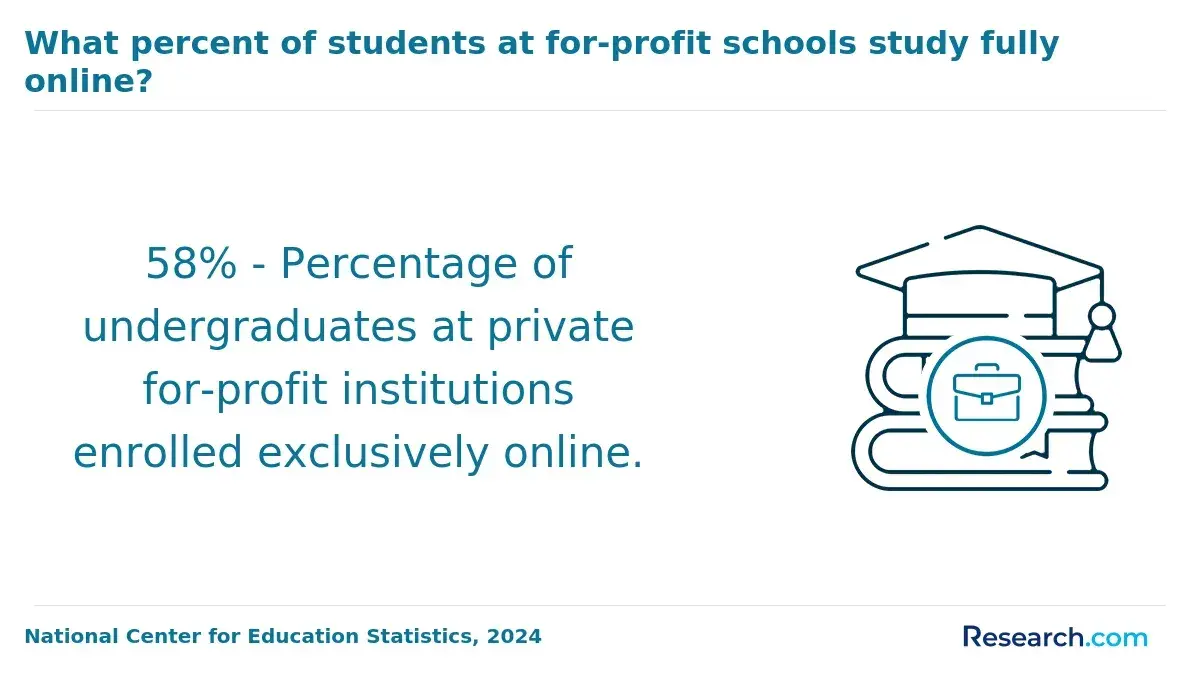
Online education can work well for self-directed students, working adults, caregivers, military learners, and students who do not live near a suitable campus. Campus-based education may be stronger for students who benefit from face-to-face accountability, labs, studios, clinical practice, residential networks, or frequent in-person support.
The table below compares the practical trade-offs. Use it to decide which environment will make your system easier to follow rather than simply choosing the format that sounds most convenient.
| Factor | Online format | Campus-based format |
| Schedule control | Often better for work and family responsibilities, especially with asynchronous courses | More fixed class times, which can create structure but reduce flexibility |
| Accountability | Requires stronger self-management and proactive communication | Built-in routines through class meetings, campus services, and peer interaction |
| Hands-on learning | May require local placements, intensives, simulations, or hybrid labs | Often easier for lab, studio, clinical, research, and equipment-heavy programs |
| Networking | Can be strong if the program builds discussion, projects, mentoring, and virtual events | Often more spontaneous through campus jobs, clubs, faculty contact, and events |
| Technology demands | Requires reliable internet, hardware, software, and comfort with learning platforms | Still uses digital tools but may offer more on-site technology access |
| Best fit | Independent learners with clear routines and external responsibilities | Students who need in-person structure, facilities, or immersive campus engagement |
A major trend affecting both formats is the rise of hybrid learning and AI-supported tools. Many campus courses now use learning management systems, digital homework platforms, virtual office hours, and AI-enabled study tools. These can improve access, but they do not replace disciplined study or instructor feedback.
To make either format work, design your system around the format's weaknesses. Online students should create visible deadlines, weekly instructor contact, and peer accountability. Campus students should avoid assuming that attendance equals learning; they still need structured review, planning, and career preparation.
What study habits, time-management strategies, and routines best support sustained college success?
The best study habits are the ones that improve learning while fitting your real schedule. College courses often require more independent work than high school, and the biggest mistake is confusing time spent with material for mastery of material.
A sustainable routine should include planning, focused study, feedback, and recovery. Use the process below to build a weekly rhythm that can survive demanding weeks.
- Block fixed commitments first, including class, work, commute time, caregiving, sleep, meals, and recurring appointments.
- Add study blocks within 24 hours after each class to review notes, identify confusion, and begin assignments before deadlines feel urgent.
- Use active methods such as practice questions, flashcards, teaching the concept aloud, writing from memory, or solving problems without looking at examples.
- Schedule a weekly reset to review grades, upcoming deadlines, financial tasks, work shifts, and personal obligations.
- Protect recovery time because sleep loss and burnout reduce consistency, especially during midterms and finals.
For most students, the highest-impact shift is moving from passive review to active recall. Rereading notes may feel productive, but practice testing and problem-solving reveal what you can actually retrieve under pressure.
The table below identifies common routine problems and more effective alternatives. It is useful when your current approach feels busy but does not produce the results you want.
| Common mistake | Why it hurts progress | Better alternative |
| Studying only the night before exams | Leaves too little time to identify weak areas or ask for help | Use spaced review and short practice sessions throughout the week |
| Keeping a to-do list without a calendar | Tasks pile up without a realistic time plan | Assign each major task to a specific work block |
| Skipping office hours out of embarrassment | Small misunderstandings can become course-threatening problems | Ask targeted questions early, even if you are not failing |
| Overloading credits while working long hours | Raises the risk of withdrawals, low grades, and exhaustion | Choose a pace that protects completion, not just speed |
| Using AI tools to replace thinking | Can create shallow understanding and academic integrity problems | Use AI for practice questions, explanations, and planning while doing your own work |
AI tools are increasingly common in college, but they should be treated like calculators, tutors, or writing support tools: useful when used ethically and dangerous when used to bypass learning. Always follow your school's academic integrity policy, and when in doubt, ask your instructor what is allowed.
How do I build a personal support network of faculty, advisors, and peers in college?
A support network is not a sign that you are struggling; it is part of a professional approach to college. Faculty, advisors, peers, tutors, and career staff can help you interpret requirements, recover from setbacks, find opportunities, and make better decisions before problems become expensive.
Build your network deliberately. The goal is to know who to contact for different problems and to have at least a few people who understand your goals well enough to give specific guidance.
- Academic advisor: Meet before registration, after any failed or withdrawn course, before changing majors, and when planning transfer or graduation.
- Faculty member: Visit office hours to discuss course concepts, research interests, graduate school possibilities, recommendation letters, or career direction.
- Tutor or learning center staff: Use support early in difficult gateway courses, especially math, writing, science, accounting, statistics, and programming.
- Career counselor: Ask for help with resumes, internships, interview preparation, career exploration, salary research, and employer expectations.
- Financial aid counselor: Review satisfactory academic progress rules, grant renewal, borrowing limits, emergency aid, and the aid impact of dropping classes.
- Peer group: Join classmates who attend consistently, share accountability, explain concepts responsibly, and respect academic integrity rules.
When contacting support staff, be specific. Instead of writing, "I need help," say, "I am deciding whether to drop Biology 101, and I need to understand how it affects my financial aid, prerequisite sequence, and nursing application timeline." Clear questions produce better answers.
Do not wait until finals week to build relationships. A professor who has seen your effort across the semester can give more useful feedback than one who only hears from you after a poor exam. Similarly, advisors are more effective when they have time to help you compare options before deadlines close.
How can I align my success system with long-term career pathways, salaries, and job outlooks?
Your success system should connect today's coursework to tomorrow's career options. That does not mean every student must know one exact job title immediately, but it does mean you should understand how your major, skills, experience, and credentials translate into the labor market.
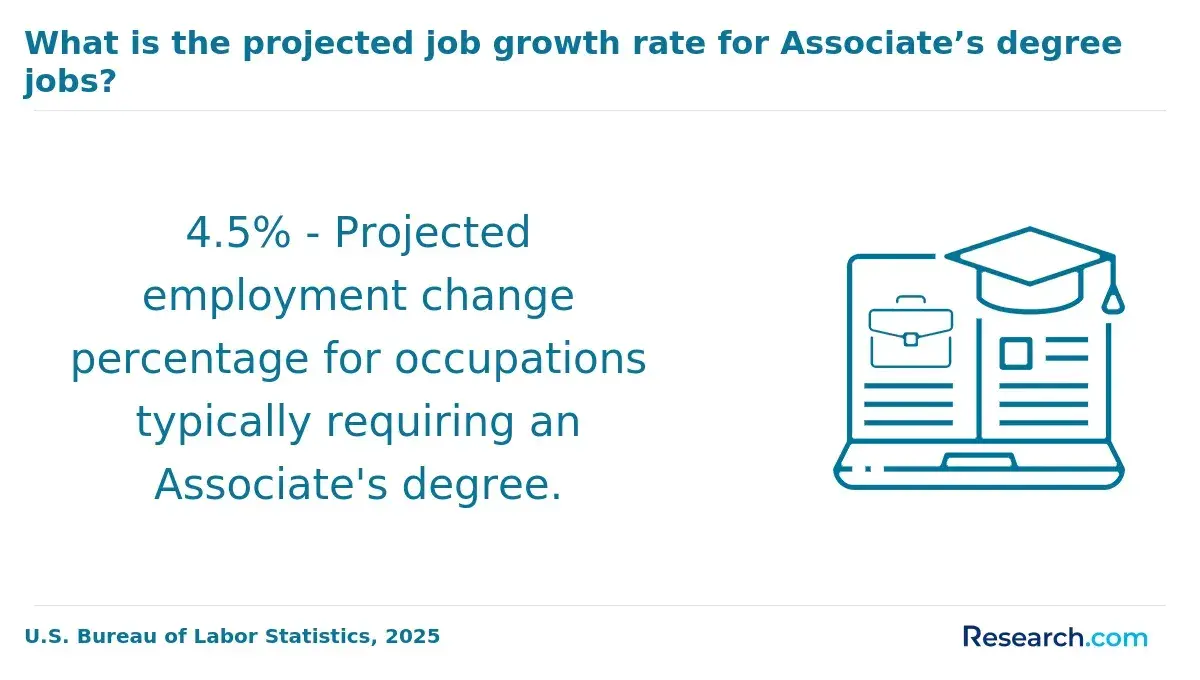
BLS 2024 data shows a clear earnings pattern by education level, but salary varies by field, region, employer, experience, and economic conditions. Use wage data as a planning tool, not a promise. A lower-cost degree with strong career alignment may produce a better personal ROI than a more expensive path with unclear outcomes.
The table below provides a career-planning lens for common college pathways. It is not a ranking; it shows what students should evaluate before committing time and money.
| Pathway | Typical preparation | What to evaluate before choosing |
| Transfer to bachelor's degree | Associate coursework, general education, prerequisites, and transfer planning | Credit transfer, major prerequisites, GPA requirements, and total time to completion |
| Direct-to-career associate degree | Technical, allied health, IT, business, or applied science coursework | Employer demand, licensure or certification rules, clinical or lab requirements, and local wages |
| Bachelor's degree for professional entry | Major coursework, internships, projects, research, or field experience | Relevant experience, portfolio expectations, career services, and graduate outcomes |
| Graduate or professional school | Advanced prerequisites, GPA, exams, recommendations, research, or clinical experience | Debt load, admissions competitiveness, licensure outcomes, and required credential level |
| Certificate or certification add-on | Shorter targeted training or exam-based credentialing | Employer recognition, accreditation, exam cost, renewal rules, and fit with degree goals |
Credential-based hiring is especially important in fields such as IT, healthcare, project management, accounting, human resources, and skilled technical roles. If your degree is broad, reviewing the best certifications for jobs can help you identify credentials that may strengthen your resume, but only choose those that employers in your target field actually request.
To align your system with career outcomes, complete at least one career-readiness action every semester. That could be a resume review, informational interview, internship application, portfolio project, job shadow, certification research task, undergraduate research meeting, or salary comparison by region.
Avoid the mistake of assuming your major alone will do the work. Employers often evaluate evidence: projects, internships, communication skills, references, technical tools, clinical competencies, writing samples, leadership, and problem-solving. Your success system should produce that evidence gradually rather than forcing you to build it all near graduation.
What role do accreditation, licensing, and certifications play in a reliable success system?
Accreditation, licensing, and certifications protect the reliability of your success system because they determine whether your education will be recognized for financial aid, credit transfer, employment, graduate school, or regulated professions. These terms are related, but they are not the same.
Accreditation is a quality-review process for institutions or specific programs. Institutional accreditation can affect federal financial aid eligibility and transferability. Programmatic accreditation may be required or strongly preferred in fields such as nursing, teaching, counseling, social work, engineering, public health, and allied health.
Licensing is legal permission to work in a regulated occupation. Requirements are usually set by state boards and may include an approved degree, supervised hours, background checks, exams, and continuing education. Certification is typically a credential from a professional organization or vendor that verifies specific skills; it may be optional, employer-preferred, or required for some roles.
The table below clarifies how each credential type affects your plan. Check the requirements before enrolling, especially if you plan to study online or move to another state.
| Requirement type | What it means | Why it matters for students |
| Institutional accreditation | The college or university has been reviewed by a recognized accreditor | Can affect federal aid, transfer credits, employer acceptance, and graduate admissions |
| Programmatic accreditation | A specific program meets standards in a profession or discipline | May be required for licensure, board exams, clinical placement, or professional credibility |
| State licensing | A state agency authorizes practice in a regulated profession | Rules vary by state and may include exams, supervised hours, background checks, or approved education |
| Professional certification | An organization verifies knowledge or skills through an exam or documented experience | Can strengthen employability when recognized by employers in the target field |
| Continuing education | Ongoing learning required to maintain some licenses or certifications | Adds future cost and time commitments that should be included in career planning |
Shorter credentials can be useful when they fill a clear skills gap or help you qualify for an entry-level role, promotion, or career change. Comparing online certification programs can help you understand options, but the credential should match real job postings and employer expectations, not just marketing claims.
Before choosing a licensed or certification-heavy path, take these steps. They can prevent costly surprises after you have already completed credits.
- Identify the exact job title or license you want, including the state where you plan to work.
- Check the state licensing board or professional body for approved education, exam, supervised experience, and background-check requirements.
- Ask the school in writing whether the program meets requirements in your state.
- Confirm whether online, hybrid, clinical, internship, or field-placement components are accepted.
- Estimate exam fees, application fees, renewal costs, continuing education, and unpaid placement time.
How do I track progress, adjust my system, and stay motivated through setbacks in college?
A personal success system only works if you review it. Tracking progress helps you catch small problems before they become major barriers, and it turns setbacks into information rather than proof that you do not belong in college.
Use a simple review cycle that looks at four areas: academic progress, career progress, financial stability, and personal capacity. The goal is not perfection; it is early detection and adjustment.
- Weekly: Review deadlines, grades posted, upcoming exams, work hours, sleep, meals, and whether you need help in any class.
- Monthly: Check budget, aid status, credit progress, stress level, career tasks, and whether your routine is realistic.
- Midsemester: Meet with advisors or instructors if grades, attendance, or course fit are concerning.
- End of semester: Compare completed credits, GPA, costs, workload, and career progress against your original plan.
The table below shows how to interpret common warning signs. It can help you respond with a practical adjustment instead of waiting until the situation becomes harder to fix.
| Warning sign | Possible meaning | System adjustment |
| You are missing deadlines in multiple courses | Your calendar may not reflect the real workload | Reduce commitments, add earlier work blocks, and ask instructors about priority tasks |
| You understand lectures but perform poorly on exams | Your study method may be too passive | Add practice testing, problem-solving, and exam reviews with tutoring support |
| You are considering dropping a class | The course may affect aid, sequencing, or graduation timing | Speak with academic and financial aid advisors before withdrawing |
| You feel disconnected from school | Your support network may be too thin | Join a study group, contact faculty, use career services, or participate in a relevant organization |
| Your career goal no longer fits | You may have new information about interests, requirements, or labor market realities | Reassess the pathway before taking more specialized courses |
Motivation often returns after action, not before it. If you feel stuck, shrink the next step: email the advisor, complete one practice set, attend one tutoring session, update one resume bullet, or review one scholarship deadline. Small actions preserve momentum.
Your system should also evolve as your goals become more advanced. A student considering graduate research, faculty roles, or senior professional leadership may eventually compare master's or PhD online pathways, but that decision should come after evaluating accreditation, faculty fit, funding, career need, and time commitment.
Setbacks are not unusual. Failed exams, changed majors, family emergencies, financial pressure, and health issues can interrupt progress. The students who recover fastest are usually the ones who ask for help early, make data-informed adjustments, and keep their long-term goal visible without ignoring present constraints.
Other Things You Should Know About
Start by defining one academic goal, one career goal, and one personal constraint that could affect your progress. Then build your semester plan around those three realities.
Review it weekly for deadlines and workload, monthly for finances and support needs, and at the end of each semester for credits, GPA, career progress, and schedule fit.
Yes, but online students usually need more deliberate structure. Calendar blocks, instructor contact, peer accountability, reliable technology, and early advising are especially important.
The biggest mistake is focusing only on grades while ignoring cost, accreditation, career requirements, support services, and personal capacity. A strong system connects all of these factors.
References
- How to Build Career Pathways for Success in 2026 - ICMS https://www.icms.edu.au/degree-discovery/how-to-build-career-pathways-success/
- Improve Study Habits To Success And Time Management https://www.jdsd.in/improve-study-habits-to-success-and-time-management/
- College Success https://courses.lumenlearning.com/waymaker-collegesuccess/chapter/text-personal-responsibility-for-success/
- How College Students Can Set Goals and Why That's Important https://grownandflown.com/how-college-students-can-set-goals/
- Help! What Are the Differences Between Accreditation, Licensing and Certification? - Social Current https://www.social-current.org/2017/04/help-what-are-the-differences-between-accreditation-licensing-and-certification/
- Building a support network in the first-year of university - University Study https://universitystudy.ca/building-a-support-network-in-the-first-year-of-university/
- 10 Proven Study Habits for Academic Success - Effective Students https://effectivestudents.com/articles/10-proven-study-habits-for-academic-success/
- Career Development and Compensation: How to Align Salaries with Employee Development https://talentup.io/blog/carrer-development-and-compensation/
- Building a Support Network for College Freshmen https://www.collegefairsusa.com/blogs/building-a-support-network-for-college-freshmen
- Struggling To Stay Motivated With Study? Here's How To Get Back On Track - BUSY Study Hubs https://www.busystudyhubs.com.au/all_news/struggling-to-stay-motivated-with-study-heres-how-to-get-back-on-track/