2027 Student Success Checklist: What to Do to Stay on Track

Co-Founder and Chief Data Scientist
Staying on track in college is harder when course requirements, costs, work schedules, and career expectations all change at once. The National Student Clearinghouse Research Center reported in 2024 that 68.2% of first-time students were retained at their starting institution for a second year, showing how early planning affects persistence. This checklist is for undergraduate, graduate, online, hybrid, and returning students who want a practical plan. You will learn how to map semesters, choose a major, use support services, manage aid, build career experience, and make smarter decisions before small problems delay graduation.
Key Things You Should Know
- A strong student success plan connects four items from the start: required credits, term-by-term course sequencing, financial aid renewal rules, and career milestones such as internships or portfolio projects.
- Cost planning matters early: College Board data for 2024-25 lists average published tuition and fees at $11,610 for in-state public four-year colleges and $43,350 for private nonprofit four-year colleges, before grants and scholarships.
- Academic progress is usually monitored through GPA, completed credits, and pace toward degree completion; many aid policies require at least a 2.0 GPA and completion of roughly two-thirds of attempted credits, but school rules vary.
What are the key steps to build a semester-by-semester student success plan?
A semester-by-semester student success plan is a living roadmap that shows which courses, credits, deadlines, and experiences you need each term. It is most useful when it is built before registration, reviewed after grades post, and updated when your work schedule, finances, or career goals change.
Start with the official degree audit or program catalog, not a guess based on what friends are taking. Then turn requirements into a realistic sequence that accounts for prerequisites, course availability, transfer credits, and the number of hours you can study each week.
- Confirm your catalog year, degree requirements, general education courses, major courses, electives, minimum credits, residency requirements, and graduation application deadline.
- Map required courses by term, placing prerequisites before advanced classes and checking whether key courses are offered only in fall, spring, or summer.
- Set a credit load that matches your life; full-time study can speed completion, while part-time study may reduce overload if you work, parent, serve in the military, or manage health needs.
- Add non-course milestones, including advising appointments, FAFSA renewal, scholarship deadlines, internship applications, licensure exams, portfolio reviews, and graduate school testing if relevant.
- Schedule a midterm and end-of-term review to compare planned credits with completed credits, update GPA targets, and decide whether to retake, withdraw, or adjust next term's schedule.
Students pursuing accelerated or transfer-friendly options should be especially careful about course sequencing. For example, an associates degree online may be a practical option for learners with prior credits or flexible schedules, but speed only helps if the program's credits apply to your next academic or career goal.
The table below summarizes what your plan should include at different points in the academic year. Use it to make sure you are not only registering for classes, but also protecting financial aid, career readiness, and graduation timing.
| Planning point | What to review | Why it matters |
| Before registration | Degree audit, prerequisites, course availability, credit load | Prevents taking classes that do not count or missing courses offered only once per year |
| First two weeks | Syllabi, workload, attendance rules, add/drop deadline | Helps you adjust before transcript or financial consequences become harder to reverse |
| Midterm | Grades, study time, tutoring needs, withdrawal deadline | Gives you time to recover academically or make an informed decision about dropping a course |
| End of term | Completed credits, GPA, aid eligibility, next-term schedule | Shows whether you are still on pace for graduation and scholarship renewal |
How can you choose the right major and degree path to fit your career goals?
Choosing a major is a decision about fit, not just interest. The right degree path should connect what you enjoy studying, what you can realistically complete, what employers or licensing boards expect, and what return on investment makes sense for your situation.
Use labor-market data as context, not as a promise. BLS Education Pays data published in 2024 shows that workers age 25 and older with a bachelor's degree had median weekly earnings of $1,493, compared with $1,058 for workers with an associate degree. That gap can be meaningful over time, but it does not mean every major or job produces the same outcome.
Before declaring or changing a major, work through the following decision sequence. It will help you avoid the common mistake of choosing a program based only on a favorite class or a vague career idea.
- Identify the job titles you want to qualify for, then read several postings to see which degree level, major, software skills, certifications, and experience employers request.
- Check whether the career requires licensure, certification, clinical hours, student teaching, supervised practice, or a programmatic accreditation standard.
- Compare the total credits required for each major, including prerequisites that may extend your timeline.
- Ask the department about course pass rates, internship access, career outcomes, graduate school placement, and transfer-credit policies.
- Choose the path with the best fit between your strengths, schedule, finances, and target career rather than the path that sounds easiest in isolation.
If your priority is a manageable first credential, researching the easiest associate degrees can help you compare workload and flexibility, but make sure the program still aligns with your transfer or employment plan.
The table below compares common degree paths by best-fit student profile. It is designed to help you narrow options before speaking with an advisor or admissions counselor.
| Path | Best fit | Key trade-off |
| Certificate | Students seeking a focused skill, career change, or entry-level credential in less time | May not transfer broadly or meet degree requirements without careful planning |
| Associate degree | Students seeking lower-cost entry, transfer preparation, or technical workforce training | Some careers still require a bachelor's degree for advancement |
| Bachelor's degree | Students targeting professional, managerial, technical, or graduate-school pathways | Usually requires more time and higher total cost than a certificate or associate degree |
| Master's degree | Students seeking specialization, leadership roles, licensure advancement, or career mobility | ROI depends heavily on field, employer, program cost, and prior experience |
| Doctorate | Students pursuing research, advanced clinical practice, senior leadership, or academic roles | Requires significant time, financial planning, and clarity about career payoff |
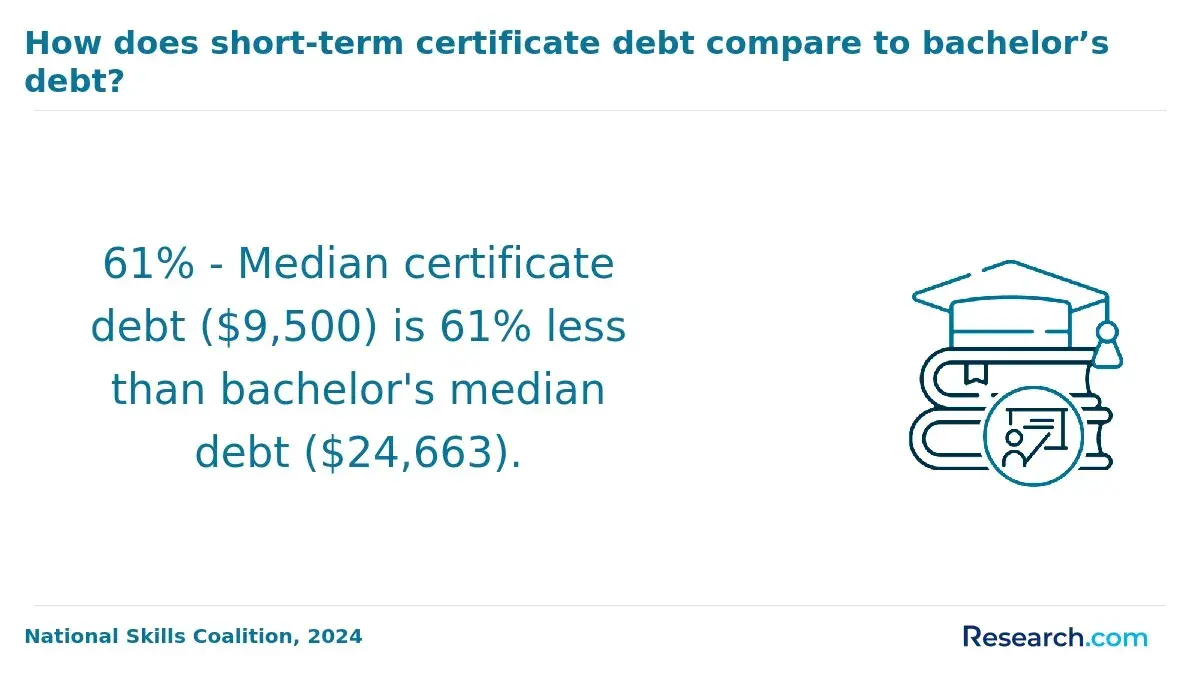
How do you stay on track academically with time management, study habits, and support services?
Academic success depends on converting goals into weekly behavior. A student can have the right major and still fall behind if study time, assignment tracking, attendance, and help-seeking are inconsistent.
A practical time-management system should show when you study, what you will produce, and how you will respond when a course becomes harder than expected. Use the checklist below to build habits that make progress measurable.
- Create a weekly calendar that blocks class time, work hours, commuting, meals, sleep, caregiving, study blocks, and deadlines before the week begins.
- Use the syllabus to break large assignments into smaller dates for topic selection, research, drafting, feedback, revision, and submission.
- Study actively by using practice problems, flashcards, self-testing, concept maps, teaching the material aloud, or writing short summaries without notes.
- Visit tutoring, writing centers, math labs, library research support, disability services, advising, and faculty office hours before a crisis point.
- Track grades in a simple spreadsheet so you know whether a low quiz score is recoverable or whether you need to change your study strategy immediately.
Artificial intelligence tools can support student success when used ethically. They may help you brainstorm study questions, summarize your own notes, or practice explaining concepts, but they should not replace original work, required citations, or school academic-integrity rules.
The most common academic mistake is waiting until the final exam to calculate whether you can pass. A better approach is to check your grade standing after every major assignment and ask for help when there is still enough time to change the outcome.
What should you look for when comparing accredited colleges and universities?
Accreditation is one of the most important quality checks when comparing colleges and universities. Institutional accreditation affects transfer credit, federal financial aid eligibility, employer recognition, and graduate school acceptance, while programmatic accreditation may be required in fields such as nursing, counseling, education, engineering, social work, and public health.
Do not rely on rankings alone. A highly visible school may still be a poor fit if it lacks your required program accreditation, charges more than you can reasonably afford, offers limited advising, or does not support your schedule.
Use the following questions when comparing schools. The table focuses on decision factors that can affect graduation, licensure, transfer options, and student support.
| Factor | Question to ask | Red flag |
| Accreditation | Is the institution accredited by a recognized accreditor, and does my program need separate accreditation? | The school avoids naming its accreditor or uses vague quality claims |
| Credit transfer | How many of my credits will apply to the degree, not just transfer as electives? | You receive no written transfer evaluation before enrolling |
| Student support | Are advising, tutoring, library access, career services, and disability services available in my format? | Support exists only during hours you cannot use |
| Career fit | Does the program prepare students for my target job, licensure exam, certification, or graduate program? | Marketing emphasizes outcomes without explaining requirements or limitations |
| Total cost | What is the full cost after fees, books, technology, housing, transportation, and lost work time? | The school highlights tuition but does not disclose required fees clearly |
Students with frequent moves or family obligations should also compare portability and advising. Programs designed as online degrees for military spouses can be especially relevant when continuity, transfer policies, and flexible scheduling matter.
A good comparison process ends with written answers, not verbal reassurance. Save emails about transfer credit, tuition, program length, licensure preparation, and aid so you can refer back to them if policies or staff change.
How do online, hybrid, and campus-based programs differ for student success and flexibility?
Online, hybrid, and campus-based programs can all support student success, but they require different habits and offer different types of access. The best format is the one that matches your learning style, schedule, technology access, support needs, and program requirements.
Online programs may offer flexibility for working adults, parents, rural students, and military-connected learners. Hybrid programs can balance flexibility with in-person labs or networking. Campus-based programs may provide more face-to-face structure, easier access to facilities, and stronger social integration for students who benefit from scheduled routines.
The table below compares formats by practical success factors. Use it to decide which environment makes it easier for you to complete assignments, access help, and stay motivated.
| Format | Best fit | Success risk to manage |
| Online asynchronous | Students who need flexible weekly scheduling and can work independently | Procrastination, isolation, and unclear weekly routines |
| Online synchronous | Students who want remote learning with live structure | Time-zone conflicts, attendance requirements, and technology issues |
| Hybrid | Students who need flexibility but benefit from periodic in-person labs, meetings, or exams | Commuting demands and uneven schedules across courses |
| Campus-based | Students who learn best through face-to-face interaction, facilities, and structured routines | Less flexibility for work, family, transportation, or relocation constraints |
Format also affects speed. Students considering accelerated graduate study should compare workload, transfer rules, and employer expectations before choosing among the shortest master's degree programs online, because a faster timeline can be demanding if courses are compressed into shorter terms.
Before enrolling in any format, complete a readiness check. Confirm that you have reliable internet, required software, a quiet study space, predictable study hours, access to instructors, and clear instructions for exams, labs, fieldwork, or clinical placements.
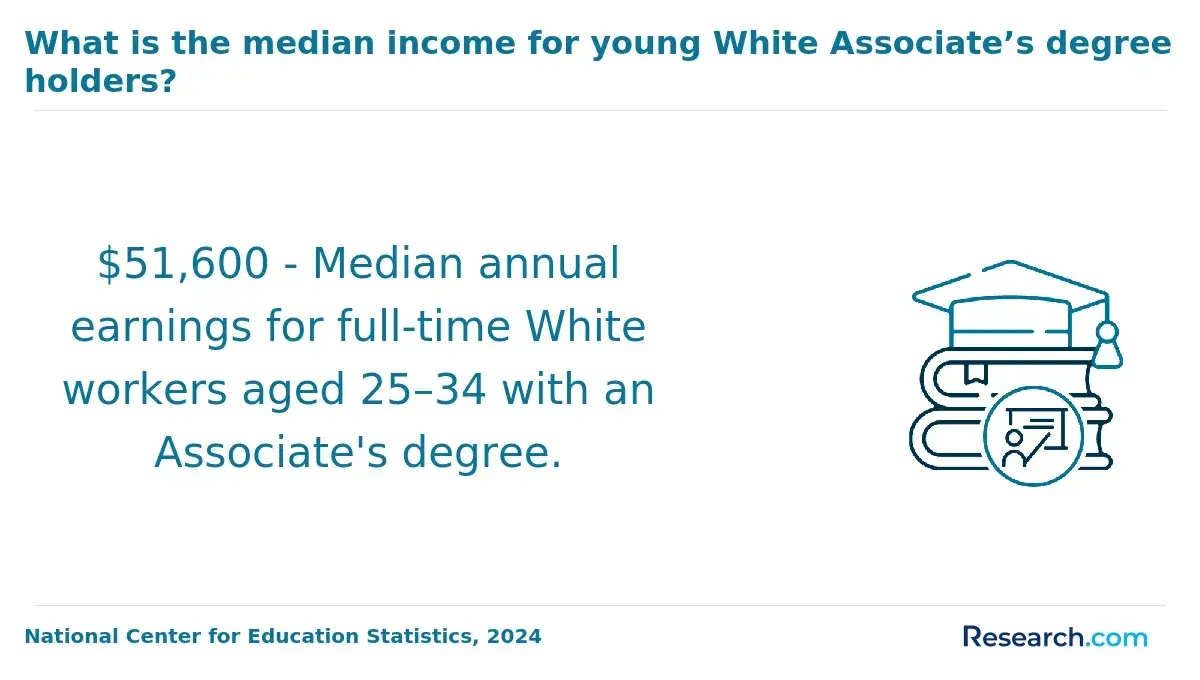
What academic milestones and GPA benchmarks should you meet to stay graduation-ready?
Academic milestones are checkpoints that show whether you are still graduation-ready. They include completed credits, GPA, required course grades, program admission gates, major declaration, capstones, internships, exams, and graduation application deadlines.
GPA benchmarks vary by school and program. Many institutions use a 2.0 cumulative GPA as a minimum for good academic standing, but competitive majors, scholarships, honors programs, graduate admissions, and licensure pathways may require higher grades.
The table below explains common benchmarks and why they matter. Treat these as planning categories, then verify the exact thresholds in your school catalog and financial aid policy.
| Benchmark | Common purpose | What can vary |
| Cumulative GPA | Measures overall academic standing and graduation eligibility | Minimums for majors, scholarships, honors, athletics, and graduate school |
| Major GPA | Shows performance in required major courses | Program admission, clinical placement, student teaching, or capstone eligibility |
| Credit completion pace | Tracks whether attempted credits are being completed at a sufficient rate | Financial aid satisfactory academic progress rules and probation policies |
| Gateway courses | Confirms readiness for advanced coursework | Minimum course grades, repeat limits, and prerequisite sequencing |
| Graduation audit | Verifies that all degree requirements are complete or in progress | Application deadlines, residency credits, catalog year, and substitutions |
Use these milestones to catch problems early. A student who completes many credits that do not apply to the degree can still appear busy while falling behind on graduation requirements.
- Review your degree audit every term and ask an advisor to explain any requirement marked unmet, pending, waived, or elective-only.
- Check whether a low grade must be repeated for the major even if it counts toward general credit totals.
- Monitor withdrawal and repeat policies, because too many attempted but incomplete credits can affect aid eligibility.
- Apply for graduation before the deadline, even if you are waiting on final courses, substitutions, or transfer evaluations.
How can you manage tuition, fees, and financial aid to avoid falling behind financially?
Financial planning is part of student success because money problems can disrupt registration, housing, transportation, technology access, and course completion. A strong plan looks beyond tuition and estimates the full cost of attendance for each term.
College Board's 2024-25 pricing data shows why comparison matters: average published tuition and fees were $4,050 at public two-year in-district colleges, $11,610 at public four-year in-state institutions, and $43,350 at private nonprofit four-year institutions. Published prices are not the same as net prices after grants and scholarships, but they are a useful starting point for comparing affordability.
Build your budget around the full attendance picture, not a single tuition line. Include the following items before deciding whether a program is financially realistic.
- Tuition, mandatory fees, program fees, lab fees, online course fees, and graduation fees
- Books, course materials, software, equipment, uniforms, testing fees, and certification exam costs
- Housing, food, commuting, parking, childcare, health insurance, and personal expenses
- Lost income if you reduce work hours, complete unpaid fieldwork, or attend required daytime classes
- Interest, repayment terms, and borrowing limits if loans are part of your plan
Financial aid also has timing rules. The maximum Federal Pell Grant for the 2024-25 award year is $7,395, but eligibility depends on federal formulas, enrollment status, cost of attendance, and lifetime limits. File the FAFSA as early as possible, respond to verification requests quickly, and ask the aid office how dropping or withdrawing from a course may affect your award.
Students pursuing advanced credentials should compare total cost with expected professional benefit. For example, a cheapest doctorate degree online option may reduce borrowing, but it should still be accredited, recognized in your field, and structured around your career goal.
Avoid the common mistake of borrowing the maximum amount offered without a repayment plan. Instead, estimate first-year monthly payments, compare them with realistic entry-level salaries in your field, and consider lower-cost pathways such as community college transfer, employer tuition assistance, scholarships, part-time study, or credit for prior learning.
What career planning steps and internship experiences help you transition into the workforce?
Career planning should begin before senior year. Employers often look for evidence that you can apply classroom learning through internships, projects, research, clinical experience, leadership, or work-based skills.
BLS employment projections published in 2024 estimate that the U.S. economy will add 6.7 million jobs from 2023 to 2033. That broad growth does not tell you which job is right for you, but it reinforces the value of connecting your education plan to specific industries, skills, and work experience.
Use this career-readiness sequence to move from exploration to employability. Each step should produce something concrete, such as a resume entry, portfolio item, contact, application, or interview.
- Choose three target job titles and collect recent postings to identify common skills, software, credentials, and experience requirements.
- Meet with career services during your first year or first term after transfer, not only when you are about to graduate.
- Create a resume, LinkedIn profile, portfolio, or professional website that reflects your current skills and projects.
- Apply for internships, co-ops, practicums, research assistant roles, part-time jobs, volunteer roles, or student leadership positions related to your field.
- Practice interviews and salary conversations using labor-market ranges, not assumptions or promised outcomes.
- Ask faculty, supervisors, and mentors for feedback on your career fit, communication, technical skills, and professional habits.
The table below shows how different experiences support the transition from student to professional. Use it to decide which activities fill gaps in your resume.
| Experience | What it demonstrates | Best for |
| Internship or co-op | Workplace readiness, applied skills, supervision, and professional communication | Students entering competitive fields or changing careers |
| Capstone or portfolio project | Problem-solving, research, design, writing, analysis, or technical output | Students in project-based, creative, business, data, or technology fields |
| Clinical, practicum, or fieldwork | Supervised practice in regulated or service-oriented settings | Students in health, counseling, education, social work, and similar programs |
| Campus leadership | Teamwork, planning, communication, conflict resolution, and responsibility | Students with limited formal work experience |
| Part-time relevant work | Consistency, customer service, operations, technical skill, or industry exposure | Students balancing income needs with career preparation |
AI and automation are changing many entry-level tasks, so students should build skills that are harder to automate: judgment, communication, ethical reasoning, data interpretation, customer understanding, project management, and domain expertise. Learning how to use AI responsibly can also become a practical workplace skill when combined with human review and subject knowledge.
How do you maintain wellbeing, balance commitments, and prevent burnout during your program?
Wellbeing is not separate from academic performance. Sleep, stress, food security, mental health, social connection, and manageable commitments all affect concentration, persistence, and decision-making.
Burnout often builds gradually: missed sleep turns into late assignments, late assignments turn into shame, and shame makes students avoid email, advising, and class. The goal is to spot the pattern early and use support before withdrawal, failure, or financial aid problems occur.
Use the following prevention checklist when your schedule starts to feel unsustainable. It focuses on practical actions that protect both health and academic progress.
- Keep a consistent sleep window when possible, especially before exams, labs, clinical shifts, presentations, or long workdays.
- Limit your term workload if employment, caregiving, commuting, or health needs already consume significant weekly hours.
- Use campus or community resources for counseling, food assistance, emergency grants, disability accommodations, peer support, and crisis help.
- Tell instructors early when a documented issue affects attendance or deadlines, and ask about options before the course is unrecoverable.
- Schedule recovery time after exams, major assignments, night shifts, travel, or intensive family responsibilities.
- Stay connected to at least one supportive person who knows your academic goals and can notice when you are withdrawing.
Balance also means saying no strategically. A student who takes fewer credits and passes them may make better long-term progress than a student who overloads, withdraws repeatedly, and loses confidence or aid eligibility.
If you experience persistent sadness, panic, thoughts of self-harm, substance misuse, or inability to function, treat it as a serious health concern. Contact campus counseling, a healthcare provider, a trusted person, or emergency support in your area right away.
What check-ins and tools can you use to regularly monitor your progress and adjust your plan?
Regular check-ins turn your student success checklist into a management system. Instead of waiting for problems to become emergencies, you review progress on a predictable schedule and adjust courses, study habits, finances, and career steps.
The most effective tools are simple enough to maintain. A degree audit, calendar, budget tracker, grade tracker, task manager, and career document folder can give you a clear view of where you stand.
The table below summarizes tools that help students monitor progress. Choose the ones you will actually use consistently rather than building a complicated system you abandon after two weeks.
| Tool | What it tracks | How often to review |
| Degree audit | Completed requirements, remaining credits, electives, substitutions, and graduation status | Before registration and after grades post |
| Academic calendar | Add/drop dates, withdrawal deadlines, exams, payment deadlines, and graduation applications | Weekly |
| Grade tracker | Current grades, missing work, assignment weights, and recovery options | After every major grade |
| Budget tracker | Aid disbursement, bills, books, transportation, food, rent, and loan use | Monthly |
| Career tracker | Applications, contacts, interviews, portfolio updates, certifications, and references | Monthly during school and weekly during active job search |
Use a short review routine at the end of each month. The point is not to judge yourself; it is to identify the next adjustment while it is still manageable.
- Compare planned credits with current course performance and decide whether any class needs tutoring, office hours, or a workload change.
- Check your budget against actual spending and confirm that upcoming bills, books, fees, or aid requirements are covered.
- Review career progress and add one concrete action, such as applying to an internship, updating a resume bullet, or contacting a mentor.
- Look at your wellbeing indicators, including sleep, stress, attendance, motivation, and social support.
- Write one adjustment for the next month and schedule it immediately so the plan becomes action.
Your plan should change when evidence changes. Switching majors, reducing credit load, adding summer courses, using tutoring, transferring schools, or delaying graduation can be smart decisions when they protect your long-term goal.
Other Things You Should Know About
The most important part is a term-by-term degree plan tied to credits, GPA, financial aid rules, and career milestones. Without that connection, students may pass courses that do not move them efficiently toward graduation.
Many bachelor's programs require about 120 credits, which often means averaging 15 credits per fall and spring term to finish in four years. However, the right load depends on work hours, prerequisites, finances, health, and whether summer courses are available.
Ask for help as soon as you miss an assignment, fail a quiz, do not understand a core concept, or see your grade falling below the requirement for your major or aid. Early tutoring, office hours, and advising are more effective than last-minute recovery.
Update it before registration, at midterm, after final grades post, and whenever your major, job schedule, finances, health, or family responsibilities change. A useful plan is flexible, current, and based on real progress rather than assumptions.
References
- Career Development 101: A Complete Guide to Professional Growth https://www.nsls.org/what-is-career-development
- How to Create a Student Success Plan https://www.d2l.com/en-apac/blog/create-student-success-plan/
- Effective Study Habits and Time Management for High School https://coachkellylive.com/preparing-for-college-essential-study-habits-and-time-management-tips-for-high-school-students/
- Progress Monitoring Examples: 12 Tools and Tips for Effective Student Assessment https://www.taotesting.com/blog/progress-monitoring-examples-12-tools-and-tips-for-effective-student-assessment/
- Preventing Burnout: A Guide to Protecting Your Well-Being https://www.psychiatry.org/news-room/apa-blogs/preventing-burnout-protecting-your-well-being
- Student Success Planner Template | Notion Marketplace https://www.notion.com/templates/student-success-planner
- Graduation Requirements - Milwaukee Public Schools https://www.milwaukeepublicschools.org/academics/graduation/requirements
- Staying on Track for College Graduation https://www.iowastudentloan.org/articles/college/staying-on-track-for-college-graduation.aspx
- Implement the plan, monitor progress and review - The Toolbox - MLA eLearning https://elearning.mla.com.au/lessons/implement-the-plan-monitor-progress-and-review/
- Empowering Student Success Through Time Management - TimelyCare https://timelycare.com/blog/empowering-student-success-through-time-management/