2027 How to Succeed as a Student Parent

Co-Founder and Chief Data Scientist
Student parents are deciding whether college is worth the time, cost, and stress while also raising children and often working. The decision matters because College Board reported average published in-state tuition and fees at public four-year colleges reached $11,610 for 2024-25, before books, housing, childcare, or lost work hours.
This guide is for parents considering college, returning after a break, or trying to finish a degree. You will learn how to compare programs, manage time, find support, reduce costs, plan childcare, and choose a path that fits your family and career goals.
Key Things You Should Know
- Student parents should compare total cost, schedule fit, childcare access, transfer-credit policies, and career outcomes before choosing a school, not just tuition or brand name.
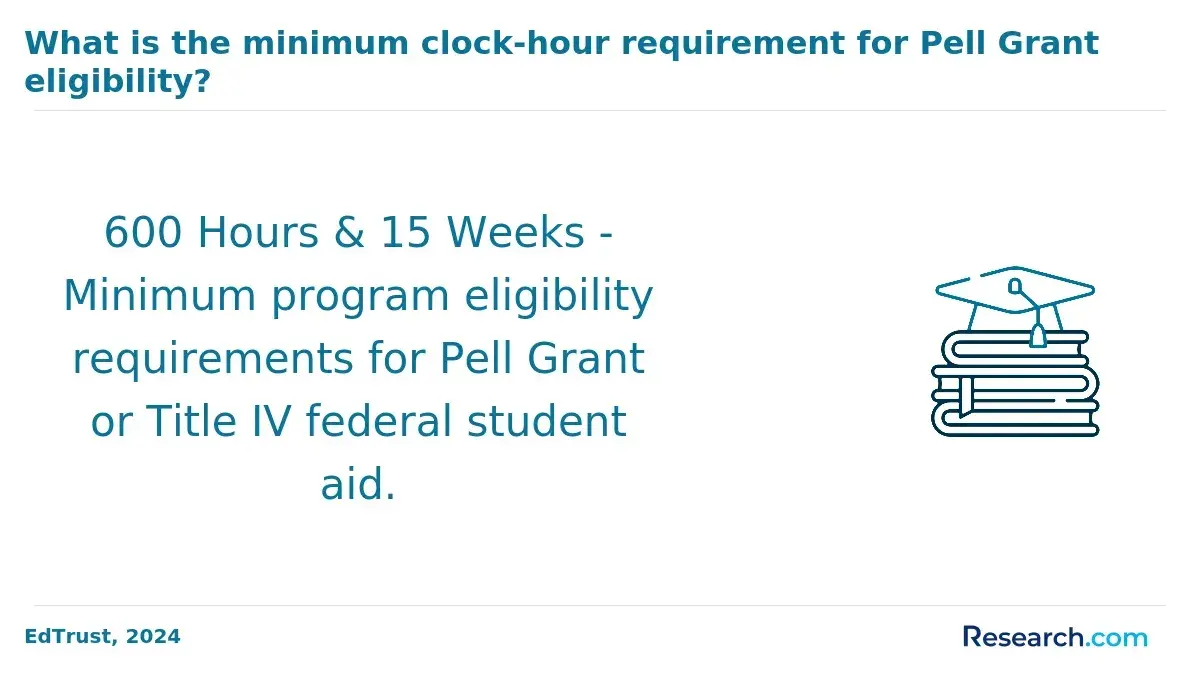
- Federal Student Aid lists the maximum Federal Pell Grant at $7,395 for the 2024-25 award year, which can meaningfully reduce costs but rarely covers the full price of attendance for parents with childcare and transportation expenses.
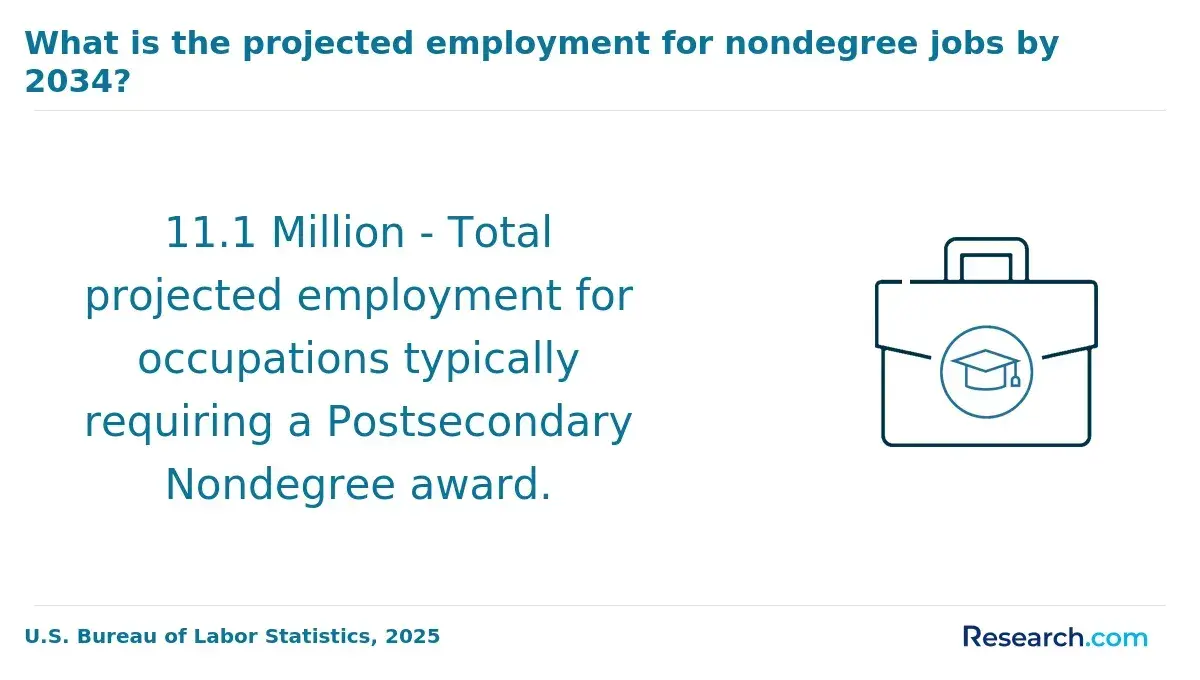
- Career planning matters early: BLS May 2024 wage data shows wide differences by field, so parents should connect majors to realistic local job options, licensure rules, and flexible work possibilities before enrolling.
How can student parents manage school, work, and family time?
The main challenge for student parents is not motivation; it is capacity. A realistic plan starts by treating school, work, parenting, sleep, and commuting as fixed demands on the same weekly calendar. If the total does not fit, the solution is not to "try harder" but to change the course load, program format, work schedule, or support system.
A weekly time audit can help you see whether full-time, part-time, evening, weekend, hybrid, or online study is realistic. The table below summarizes common time pressures so you can identify where adjustments may be needed before the semester begins.
| Time demand | Why it matters for student parents | Common pressure point |
| Class time | Scheduled lectures, labs, clinicals, or live online sessions may conflict with work or childcare hours. | Programs with daytime-only requirements can be difficult for working parents. |
| Study time | College courses often require reading, assignments, group work, and exam preparation outside class. | Parents may underestimate evening and weekend workload. |
| Work hours | Income may be essential for rent, food, insurance, transportation, and childcare. | Unpredictable shifts can disrupt attendance and assignment deadlines. |
| Childcare coverage | Reliable care is necessary for classes, studying, commuting, and exams. | Backup care is often missing when a child is sick or school is closed. |
| Recovery time | Sleep and downtime affect academic performance, parenting patience, and health. | Burnout risk rises when every open hour becomes school or work time. |
Use a simple planning process before enrolling or at the start of each term. The goal is to build a schedule that survives real life, not an ideal week that only works when nothing goes wrong.
- Write down all nonnegotiable obligations, including work shifts, school drop-off and pickup, meals, bedtime routines, commute time, and recurring appointments.
- Estimate course workload before registration by reading syllabi, asking advisors about weekly expectations, and checking whether labs, practicums, or group projects require fixed meeting times.
- Choose a course load that leaves a buffer of several open hours each week for illness, school closures, overtime, transportation delays, and assignment revisions.
- Protect two or three consistent study blocks instead of relying only on late-night work after children are asleep.
- Tell instructors early that you are a student parent and ask how they handle emergencies, late work, attendance, and make-up exams.
A common mistake is registering for too many credits because financial aid, graduation timelines, or personal pressure make full-time enrollment feel necessary. Full time can work for some parents, but part time may be the smarter choice if it prevents failed courses, repeated tuition, or withdrawal.
What support services help student parents succeed in college?
Student parents succeed more often when they use support services before a crisis occurs. The most useful services are the ones that reduce friction: advising that understands adult learners, emergency aid, childcare referrals, tutoring, career coaching, mental health support, and flexible academic policies.
The table below explains which support services are worth asking about when comparing colleges. Availability varies widely, so parents should confirm details directly with each school rather than assuming every campus offers the same help.
| Support service | What it can help with | What to verify |
| Academic advising | Course sequencing, transfer credits, degree audits, and realistic graduation planning. | Whether advisors have experience with adult learners, online students, or parents. |
| Tutoring and writing centers | Math, writing, science, statistics, and course-specific academic support. | Whether appointments are available online, evenings, or weekends. |
| Emergency grants | Unexpected costs such as car repairs, housing emergencies, food insecurity, or technology needs. | Eligibility rules, documentation requirements, and how quickly funds are distributed. |
| Career services | Resume development, internships, job search strategy, interview preparation, and employer connections. | Whether services are available to online, part-time, and alumni students. |
| Mental health counseling | Stress, anxiety, grief, relationship strain, and burnout prevention. | Session limits, telehealth options, crisis resources, and referral procedures. |
| Parent or adult learner programs | Peer support, resource navigation, workshops, and family-friendly campus information. | Whether the program is active, staffed, and connected to financial aid or childcare resources. |
Ask about support services during admissions, not after you enroll. A strong school should be able to explain how it helps students who work, parent, commute, study online, or return after a long academic break.
- Ask whether tutoring, advising, financial aid counseling, and career appointments are available outside standard business hours.
- Check whether online students receive the same access to library databases, software, disability accommodations, and academic coaching as campus students.
- Find out whether the school offers emergency aid, food pantry access, transportation help, laptop loans, or short-term completion grants.
- Look for clear withdrawal, leave-of-absence, incomplete, and re-entry policies in case a family emergency interrupts your term.
A red flag is a school that markets "flexibility" but cannot explain concrete services, response times, course rotation, or parent-friendly policies. Flexibility should show up in scheduling, advising, communication, and problem-solving-not only in advertising language.
How do student parents choose the right college or program?
The right college for a student parent is the one that fits your goal, budget, schedule, learning style, and family responsibilities. Accreditation is the first filter: in most cases, students should choose an institution accredited by an agency recognized by the U.S. Department of Education, and they should verify programmatic accreditation for fields such as nursing, teaching, counseling, social work, and other licensed professions.
Cost is important, but it should be evaluated alongside completion risk. A lowest cost online bachelor's degree may be a strong option if it is accredited, accepts transfer credits, offers the major you need, and provides enough advising support to help you finish.
Use these criteria to compare programs before applying. The best choice is usually the program that removes the most barriers while still leading to the credential your career goal requires.
- Confirm institutional accreditation and, if relevant, programmatic accreditation or state approval for licensure.
- Request a transfer-credit evaluation before committing, especially if you have old college credits, military training, professional certifications, or prior learning experience.
- Compare total cost of attendance, including fees, books, technology, transportation, childcare, and potential lost wages.
- Ask when required courses are offered and whether missing one course can delay graduation by a semester or year.
- Review outcomes such as retention, graduation rates, licensure exam pass rates, job placement information, and graduate school acceptance where applicable.
- Check whether the program has real support for online, part-time, transfer, and adult students.
Student parents should be especially careful with programs that require unpaid daytime internships, clinicals, student teaching, or field placements. These requirements can be worthwhile and necessary, but they must be planned early because they may affect childcare, work income, transportation, and graduation timing.
Are online classes or campus classes better for student parents?
Online classes are often better for student parents who need flexibility, but campus classes can be better for programs requiring labs, clinical practice, equipment, networking, or structured support. The best format depends on your childcare reliability, work schedule, commute, learning style, and career field.
The table below compares common formats so you can choose based on fit rather than assuming online is always easier or campus is always more rigorous.
| Format | Best fit | Potential drawback |
| Fully online asynchronous | Parents with unpredictable schedules who need to study before children wake up, after bedtime, or between shifts. | Requires strong self-management and may offer less real-time interaction. |
| Online synchronous | Parents who want remote access but can attend live sessions at set times. | Live class times may conflict with childcare or work. |
| Hybrid | Students who want some campus connection while reducing commute time. | On-campus requirements may still create childcare and transportation challenges. |
| Campus-based | Students in hands-on programs or those who need in-person accountability, labs, or campus services. | Less flexible and often harder for parents with daytime work or limited childcare. |
Accelerated formats can help parents finish sooner, but speed increases weekly workload. If you are comparing accelerated degree programs, ask whether courses are compressed into shorter terms and whether you can slow down without losing financial aid, cohort access, or course availability.
Online learning has also changed because more colleges now use learning management systems, virtual tutoring, video feedback, remote proctoring, and AI-supported study tools. These can help busy parents, but they do not replace instructor access, clear deadlines, reliable internet, or protected study time.
A practical rule is this: choose online if you need location and schedule flexibility, choose campus if your program requires hands-on practice or you learn best in person, and choose hybrid if you need both flexibility and structured contact. Avoid any format that depends on childcare or work arrangements you do not actually have.
What should student parents ask about tuition and financial aid?
Student parents should ask about the full cost of attendance, not only tuition. College Board's 2024 pricing data reported average published tuition and fees of $4,050 at public two-year in-district colleges, $11,610 at public four-year in-state colleges, and $43,350 at private nonprofit four-year colleges for 2024-25. Those figures help set expectations, but your real cost may be lower or higher after grants, scholarships, housing choices, childcare, transportation, and transfer credits.
Financial aid can include grants, scholarships, federal loans, work-study, employer tuition assistance, state aid, school aid, military benefits, tax credits, and emergency grants. For parents considering graduate study, a cheap online PhD may reduce tuition exposure, but doctoral students should still evaluate fees, travel requirements, dissertation costs, and time away from work.
Before enrolling, ask financial aid and billing offices specific questions. These questions help you avoid surprise balances and choose a course load that protects both aid eligibility and family stability.
- What is the total cost of attendance for my program, including fees, books, technology, supplies, transportation, and any required campus visits?
- How will my aid change if I enroll part time, take summer classes, withdraw from a course, or repeat a failed course?
- Can childcare, transportation, or dependent-related costs be included in my cost of attendance calculation?
- What scholarships, completion grants, emergency funds, or parent-specific aid programs are available?
- When are refunds issued, and what happens if aid arrives after tuition, rent, or childcare payments are due?
- What is the school's average student debt for this program, and how does that compare with typical entry-level wages in the field?
Be cautious if a school encourages borrowing before explaining grants, scholarships, transfer credits, employer benefits, or lower-cost pathways. Loans can be useful, but student parents should borrow based on a clear repayment plan and realistic earnings outlook, not pressure to enroll quickly.
How can student parents handle childcare while attending college?
Childcare is often the make-or-break issue for student parents. A good education plan includes primary care, backup care, sick-day options, school-closure plans, transportation, and study-time coverage-not just care during class hours.
Child Care Aware of America's 2024 reporting continues to show that childcare prices are a major household expense and, in many states, rival or exceed major education costs. For student parents, that means childcare should be treated as part of the college budget, not as a separate personal problem to solve later.
Start by mapping exactly when you need care. Then compare options based on reliability, cost, location, hours, and your child's needs.
- Ask the college whether it has on-campus childcare, childcare subsidies, referral partnerships, priority slots for student parents, or family-friendly study spaces.
- Contact your state childcare assistance office to ask about income eligibility, waitlists, approved providers, and how school attendance counts toward eligibility.
- Check whether Head Start, Early Head Start, public pre-K, after-school programs, or local nonprofit childcare programs fit your child's age and schedule.
- Build a backup-care list that includes relatives, trusted friends, licensed drop-in care, parent co-ops, or emergency babysitting options.
- Align your class schedule with childcare hours before registering, especially if labs, exams, clinicals, or group projects meet outside normal class times.
One common mistake is assuming online classes eliminate childcare needs. Online courses still require focused reading, assignments, exams, and video participation. If a child is home during every study block, progress may slow and stress may rise.
Parents should also ask about campus policies for children in classrooms, libraries, advising offices, and study spaces. Some campuses are family-friendly, while others limit where children can be present for safety, liability, or classroom management reasons.
What admissions requirements should student parents expect?
Admissions requirements for student parents are usually the same as for other applicants, but returning adults may need extra time to gather records, explain gaps, place into courses, or document transfer credits. The exact requirements depend on the school, degree level, major, and whether the program is open admission, selective, or licensure-based.
Most applicants should expect several common requirements. Selective programs may add prerequisites, interviews, entrance exams, background checks, immunizations, portfolios, auditions, or minimum GPA rules.
- High school transcript, GED, or equivalent documentation for undergraduate admission.
- College transcripts from every institution previously attended, even if credits are old or grades were poor.
- Placement information for math, English, or writing if the school uses placement testing or transcript review.
- Program prerequisites for majors such as nursing, education, engineering, business, social work, or health sciences.
- FAFSA submission and financial aid documents if you plan to use federal, state, or institutional aid.
- Graduate applicants may need a bachelor's degree, minimum GPA, resume, recommendation letters, statement of purpose, test scores if required, and professional experience for some programs.
If you have been out of school for years, do not assume old grades disqualify you. Many colleges have academic renewal, transfer pathways, adult learner admissions, prior learning assessment, or community college routes that can help returning students restart.
For licensed careers, admissions is only one checkpoint. You should also verify whether the program meets state requirements for licensure, certification, background checks, supervised hours, or exams. This is especially important if you study online through a school located in another state.
How long does college take for student parents?
How long college takes depends on your starting credits, course load, program structure, placement results, prerequisites, and whether courses are offered every term. Student parents often take longer than traditional full-time students because part-time enrollment, childcare interruptions, work schedules, and family emergencies can slow progress.
The table below gives typical timelines, but these are planning ranges rather than promises. Transfer credits, summer enrollment, competency-based formats, and accelerated terms can shorten the path, while limited course availability or repeated classes can extend it.
| Credential | Typical full-time timeline | Common student-parent timeline factors |
| Certificate | Several months to 1 year | May be faster, but clinical, lab, or externship hours can require fixed childcare. |
| Associate degree | About 2 years | Part-time study may extend completion, but community college can lower cost and support transfer. |
| Bachelor's degree | About 4 years from the start, or less for transfer students | Transfer credits and online formats can help, but major requirements may limit flexibility. |
| Master's degree | About 1 to 3 years | Professional programs may require practicums, residencies, internships, or licensure hours. |
| Doctorate | Often 3 or more years | Research, dissertation, capstone, clinical, or residency requirements can affect work and family schedules. |
Parents considering doctoral study should look carefully at the final project requirement. Some professional and applied programs offer online doctoral programs without dissertation, but "no dissertation" does not mean no major capstone, research project, practicum, or intensive writing requirement.
To stay realistic, build your graduation plan term by term with an advisor. Identify prerequisite chains, courses offered only once per year, minimum grade requirements, clinical schedules, and deadlines for internships or student teaching.
A common timeline mistake is planning around the fastest advertised completion time. The better question is: "How long does this program take for someone with my transfer credits, work schedule, childcare limits, and intended course load?"
What careers can student parents pursue after graduation?
Student parents can pursue many careers after graduation, but the best choice depends on interests, local labor demand, schedule flexibility, licensure requirements, and return on investment. Parents should evaluate whether a career offers stable hours, remote or hybrid options, predictable advancement, benefits, and wages that justify the cost and time of the credential.
BLS May 2024 wage data shows why major choice matters: median pay varies substantially across occupations, and some higher-paying fields require specific degrees, licensure, portfolios, or technical skills. Parents comparing career options can also review most profitable majors to see how field of study can affect long-term earning potential, while remembering that salaries vary by region, experience, employer, and industry.
The table below connects broad career paths with typical responsibilities and education considerations. It is not a guarantee of employment or salary, but it can help you narrow options that fit your family and goals.
| Career path | Typical responsibilities | Education or credential considerations |
| Healthcare | Patient care, documentation, care coordination, diagnostics, administration, or health technology support. | Many roles require licensure, clinical hours, background checks, and in-person training. |
| Business and accounting | Budgeting, reporting, operations, payroll, compliance, management, analysis, or client service. | Associate and bachelor's degrees can lead to entry roles; CPA pathways require additional rules and exams. |
| Education | Teaching, lesson planning, student assessment, family communication, or instructional support. | Public school teaching usually requires state-approved preparation and licensure. |
| Technology | Software development, cybersecurity, data analysis, systems support, cloud tools, or technical project work. | Degrees, certificates, portfolios, internships, and industry certifications can all matter depending on the role. |
| Social and human services | Case management, advocacy, community programs, counseling support, or public benefit navigation. | Advanced roles may require a bachelor's or master's degree, supervised hours, and licensure. |
AI and automation are changing many entry-level tasks, especially in administration, writing, data work, coding support, customer service, and research. That does not mean student parents should avoid these fields; it means they should build skills that pair well with technology, such as judgment, communication, ethical decision-making, data interpretation, project management, and industry-specific expertise.
Before choosing a major, connect the program to real job postings in your area or remote-friendly labor markets. Look for required degrees, preferred skills, certifications, software tools, work schedules, salary ranges, and whether employers require experience before hiring.
How can student parents stay on track and avoid burnout?
Staying on track as a student parent requires systems, not perfection. The students who persist are often the ones who ask for help early, simplify decisions, protect essential routines, and adjust before small problems become semester-ending problems.
Burnout can show up as missed assignments, constant exhaustion, irritability, poor sleep, dropping communication, or feeling like every role is being done badly. If those signs appear, treat them as planning information rather than personal failure.
Use these strategies to reduce overload and improve completion odds. They work best when put in place before midterms, finals, or family emergencies.
- Create a weekly "minimum plan" that covers only the essential assignments, readings, shifts, meals, childcare, and sleep needed if the week becomes difficult.
- Contact instructors as soon as a problem starts, not after multiple missed deadlines.
- Use tutoring before you are failing, especially in math, writing, science, statistics, and major prerequisite courses.
- Schedule financial aid check-ins before changing course load, withdrawing, or stopping attendance.
- Keep a folder with transcripts, aid letters, childcare documents, medical notes, syllabi, advisor emails, and degree plans.
- Build a small support circle of people who can help with childcare, transportation, meals, study accountability, or emotional support.
Several common mistakes can derail progress. The good news is that most are preventable if you recognize them early.
| Common mistake | Why it hurts | Better approach |
| Choosing a school without checking accreditation | Credits may not transfer, aid may be limited, and employers or licensing boards may not accept the credential. | Verify institutional and programmatic accreditation before applying. |
| Ignoring transfer-credit rules | Students may repeat courses and pay for credits they already earned. | Request an official transfer evaluation before committing. |
| Borrowing without a repayment plan | Debt can become stressful if expected wages do not match loan payments. | Compare total borrowing with realistic entry-level wages and monthly obligations. |
| Assuming online means easier | Online courses still require focus, deadlines, technology, and study time. | Choose online for flexibility, not because it eliminates workload. |
| Waiting too long to ask for help | Small academic, financial, or childcare problems can become withdrawals or failed classes. | Use advising, tutoring, aid counseling, and emergency resources early. |
If you need to slow down, that is not the same as quitting. A sustainable path that takes longer can be better than an overloaded plan that leads to debt, failed courses, or burnout.
Other Things You Should Know About
Yes, but the plan must be realistic. Single parents should prioritize flexible scheduling, reliable childcare, financial aid counseling, transfer credits, emergency support, and a course load that fits work and family responsibilities.
Full time may be best if you have stable childcare, manageable work hours, and enough financial support. Part time may be better if it protects your grades, income, health, and parenting responsibilities. Always ask how enrollment status affects financial aid.
Not automatically, but dependent-related costs may affect the cost of attendance at some schools. Student parents should submit the FAFSA, ask about childcare cost adjustments, and look for grants, scholarships, emergency aid, and state childcare assistance.
The best degree is one that matches your career goal, schedule, budget, and local or remote job market. Strong options often have clear employment pathways, flexible formats, transfer-friendly policies, and realistic licensure or internship requirements.
References
- Leveraging Policy to Support Student-Parents http://perspectives.acct.org/stories/leveraging-policy-to-support-student-parents
- 8 College Admission Dos and Don’ts for Parents https://www.ivywise.com/blog/8-college-admission-dos-and-don-ts-for-parents/
- In-Person Learning vs. Online Learning: Which Is Right for You? | ACE Blog https://ace.edu/blog/examining-in-person-instruction-from-a-virtual-mindset-what-can-we-improve/
- Proven Ways to Support Student Parents College Success - Campus Mind https://www.campusmind.org/support-student-parents-college/
- How to empower student-parents in higher education | EAB https://eab.com/resources/blog/student-success-blog/empower-student-parents-higher-education/
- Supporting Young Parents in Higher Education https://www.aecf.org/resources/supporting-young-parents-in-higher-education
- Building Support for Student Parents | LearningWell Magazine https://learningwellmag.org/article/building-support-for-student-parents/
- Best Career Options After Graduation: Top High-Paying Paths https://www.flashfirejobs.com/blog/best-career-options-after-graduation
- Choosing a College Checklist for Parents | The Jed Foundation https://jedfoundation.org/set-to-go/how-to-help-your-child-choose-a-college/
- Top 7 Questions Parents Ask About College Admissions https://morehouse.edu/admissions/blog/blog/college-admissions-questions-for-parents