2027 How to Stay Motivated in College

Co-Founder and Chief Data Scientist
College motivation often drops when classes, money, work, and personal responsibilities compete for attention. That matters because the College Board reports average published tuition and fees for in-state students at public four-year colleges reached $11,610 in 2024-25, making persistence a real financial decision. This guide is for undergraduate, online, transfer, working, and returning students who want to stay focused through a degree program. You will learn practical ways to set goals, manage time, avoid burnout, and choose the habits and supports that make graduation more achievable.
Key Things You Should Know
- Motivation in college is easier to sustain when students connect daily coursework to a specific academic, career, financial, or personal goal rather than relying on willpower alone.
- Cost pressure makes persistence important: published in-state tuition and fees at public four-year colleges averaged $11,610 in 2024-25, before housing, books, transportation, and lost work time.
- The strongest motivation systems combine clear goals, weekly planning, active study methods, social support, and self-care practices that reduce procrastination and burnout.
How can college students stay motivated throughout their degree program?
College students stay motivated throughout a degree program by building a system that works even when enthusiasm is low. Motivation is the reason you keep going, but persistence usually comes from structure: a realistic schedule, a clear purpose, support from other people, and feedback that shows progress.
A useful starting point is to separate motivation into three types. Intrinsic motivation comes from interest, curiosity, identity, or personal meaning. Extrinsic motivation comes from external outcomes such as grades, scholarships, career options, or family expectations. Situational motivation rises or falls based on immediate conditions, such as workload, sleep, finances, and stress. Strong students use all three, but they do not depend on mood alone.
The following comparison shows what different motivation problems often mean. Use it to diagnose the issue before choosing a solution.
| Motivation challenge | What it usually signals | Best first response |
| You feel bored in most classes | Your major, course mix, or learning method may not feel connected to your goals | Meet with an academic advisor and map each course to a requirement, skill, or career outcome |
| You start strong but fall behind midterm | Your schedule may be built around deadlines instead of weekly routines | Create a weekly study block for each course before assignments pile up |
| You avoid one difficult course | The issue may be skill gaps, fear of failure, or unclear expectations | Use tutoring, office hours, or a study group before the next exam or major assignment |
| You feel exhausted all the time | Burnout, sleep loss, work overload, or mental health strain may be affecting performance | Reduce nonessential commitments and contact campus counseling, advising, or student support services |
The most effective approach is to build a repeatable motivation plan. This plan should be simple enough to use during a stressful week, not just during the first week of the semester.
- Write one sentence that explains why finishing your program matters to you now.
- Break the semester into weekly targets instead of focusing only on final grades.
- Schedule study time before social, work, and family obligations fill the calendar.
- Use campus or online support early, especially when a course starts to feel confusing.
- Review your progress every Friday and adjust the next week instead of waiting for finals.
Students should also recognize when motivation problems are actually program-fit problems. If you repeatedly dislike core courses, cannot see how the degree supports your goals, or feel drawn to a different field, talk to an advisor before assuming you simply need more discipline. Staying motivated is easier when the program, timeline, and career direction make sense for your life.
What are the most effective daily habits to maintain motivation in college?
The most effective daily habits are small, repeatable behaviors that reduce decision fatigue. A motivated student does not necessarily feel excited every day; they make studying, planning, and recovery part of a normal routine.
Start by choosing habits that solve your biggest friction point. If you miss deadlines, focus on planning. If you study for hours but remember little, focus on active recall. If you feel drained, protect sleep and recovery. The habits below work because they turn vague intentions into visible actions.
- Use a 10-minute daily reset to review deadlines, choose the top academic priority, and prepare materials for the next study block.
- Study at the same time and place when possible so your brain connects that setting with focused work.
- Begin with a two-minute start rule: open the document, read the prompt, or solve one problem before deciding whether to continue.
- Replace passive rereading with active methods such as practice questions, self-quizzing, flashcards, teaching the concept aloud, or writing a short summary from memory.
- End each day by identifying the next concrete step, such as "outline paragraph two" rather than "work on paper."
A strong daily routine also protects motivation by making progress visible. When students only judge themselves by final grades, they can feel as if nothing is working until the semester is nearly over. Daily habits give faster feedback and help you recover from a missed class, poor quiz, or difficult week without abandoning the course.
Technology can help, but it should not become another distraction. Calendar apps, learning management system reminders, AI writing tools, and digital flashcards are useful when they support planning, practice, and review. They are less useful when they replace thinking, encourage shortcuts that violate academic integrity rules, or create constant notifications. Check your school's AI and academic honesty policy before using generative tools on assignments.
How does having clear academic and career goals improve college motivation?
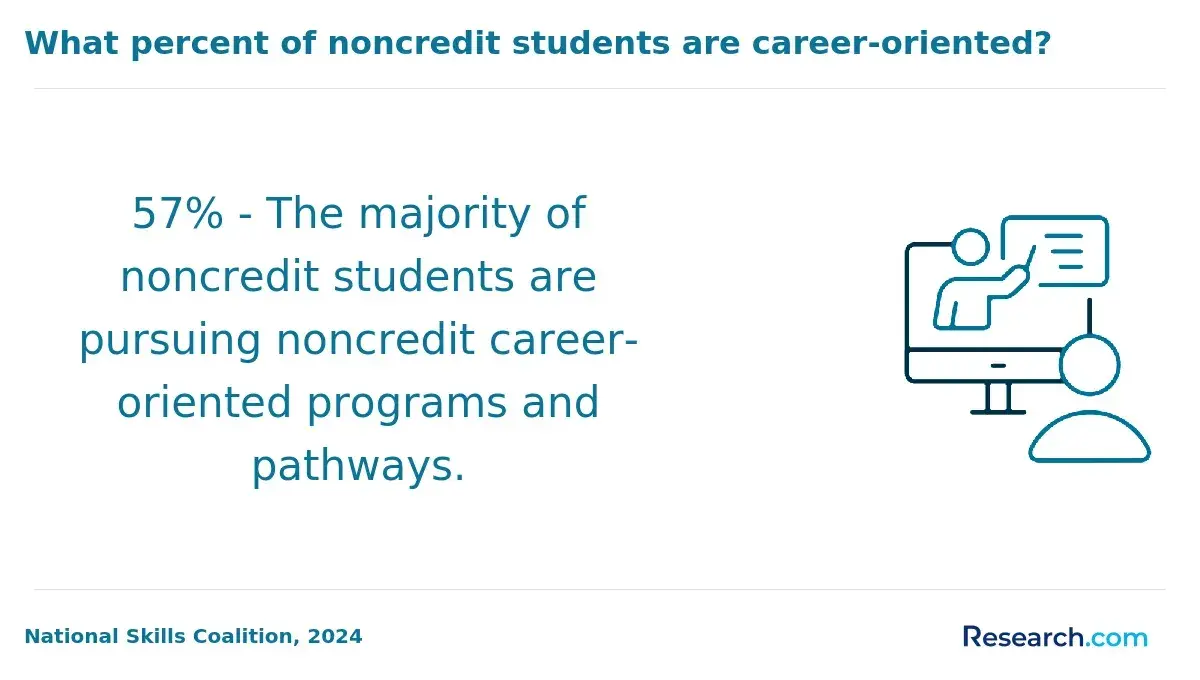
Clear academic and career goals improve college motivation because they give effort a purpose. A student who knows why a course matters is more likely to tolerate difficult readings, long labs, group projects, and revision. Goals also help students decide whether to stay in a major, change programs, add a certificate, or adjust their course load.
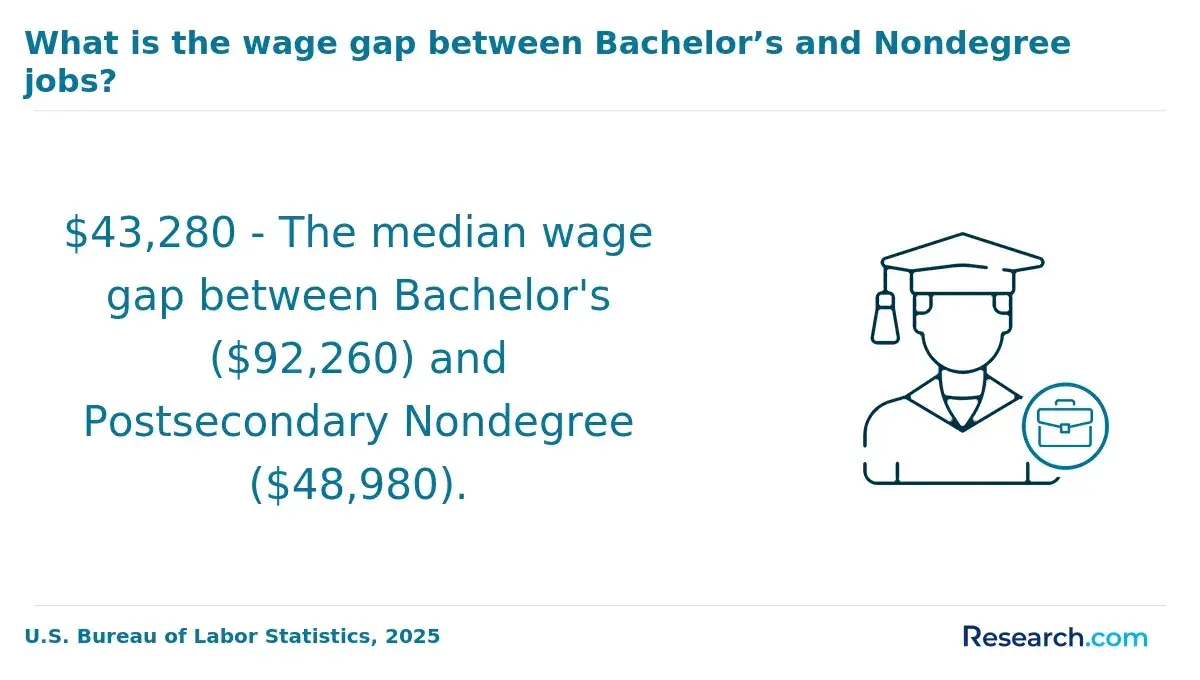
Career-connected planning is especially important because the value of college varies by field, credential, location, and experience. The U.S. Bureau of Labor Statistics reported in 2024 that workers age 25 and older with a bachelor's degree had median usual weekly earnings of $1,493 in 2023, compared with $899 for workers with only a high school diploma. That earnings gap does not guarantee an outcome for any individual, but it shows why aligning your degree with labor-market skills can matter.
Students who are still choosing or reconsidering a major can compare options by looking at curriculum fit, employment pathways, graduate school requirements, and long-term demand. Researching the top 10 best majors for the future can be useful, but the best major is still the one that fits your strengths, values, academic readiness, and realistic career plan.
Use goal-setting as a decision tool, not just a motivational quote. The goal should be specific enough to guide what you do this week.
- Define the outcome you want, such as transferring, qualifying for nursing school, entering cybersecurity, becoming a teacher, or building a portfolio for design jobs.
- Identify the credential required for that outcome, including whether an associate degree, bachelor's degree, certificate, licensure pathway, or graduate degree is expected.
- List the courses, grades, exams, internships, clinical hours, portfolio work, or prerequisites that matter most.
- Choose one semester target that directly supports the goal, such as raising a prerequisite grade or completing an internship application.
- Review the goal with an advisor or career counselor so you do not build a plan on assumptions.
One common mistake is choosing a major only because it sounds stable or high-paying. Motivation often fades when the day-to-day coursework does not match a student's interests or abilities. A better approach is to compare career outcomes with the actual classes, skills, and work environments connected to the major.
How can online students stay motivated compared with traditional campus learners?
Online students can stay motivated by adding the structure that campus students often receive automatically. Traditional campus learners have visible class times, physical study spaces, peer contact, and regular reminders. Online learners may have more flexibility, but they must create their own rhythm and accountability.
Online learning is now a mainstream part of U.S. higher education, and its flexibility can be a major advantage for students who work, parent, commute, or live far from campus. However, flexibility can become a risk when there is no protected study time. If cost is one of your main reasons for studying remotely, comparing a lowest cost online bachelor's degree option can help, but you should also review accreditation, transfer policies, student support, and total fees.
This comparison highlights how motivation needs differ by format. It can help students choose the learning environment that best fits their habits and responsibilities.
| Learning format | Motivation advantage | Motivation risk | Best fit |
| On-campus program | Built-in schedule, face-to-face interaction, and campus resources | Commute time, less flexibility, and higher living or transportation costs for some students | Students who benefit from routine, in-person discussion, labs, studios, or campus community |
| Online asynchronous program | Maximum flexibility for work, family, and location constraints | Easy to postpone coursework without visible class meetings | Self-directed students who can plan weekly deadlines and study independently |
| Online synchronous program | Live class meetings create accountability while preserving remote access | Less flexible for changing work schedules or caregiving demands | Students who want remote learning but still need real-time interaction |
| Hybrid program | Combines campus connection with some online flexibility | Requires careful scheduling across both formats | Students who need in-person components but want fewer trips to campus |
Online students should treat the first two weeks of a course as setup time. The goal is to make the course visible in daily life before work and personal obligations crowd it out.
- Place all assignment deadlines, discussion posts, exams, and live sessions into one calendar before the course begins.
- Create a fixed weekly "class time" even if the course is asynchronous.
- Use instructor announcements and rubrics as your first source of truth instead of relying only on memory.
- Join discussion boards early so classmates recognize your name before group work or peer review begins.
- Contact the instructor when confusion first appears, not after several missed assignments.
The biggest red flag in online motivation is silence. If you stop logging in, stop asking questions, or stop checking feedback, the course can disappear from your routine. Add external accountability through a study partner, advisor check-in, work schedule boundary, or family agreement about protected study hours.
What role do study skills and time management play in staying motivated?
Study skills and time management are central to motivation because they make effort feel effective. Students often lose motivation when they spend many hours "studying" but do not see results. In many cases, the problem is not laziness; it is using low-yield methods or planning too late.
Good study skills create a feedback loop: you practice, identify what you do not know, correct mistakes, and see improvement. That improvement builds confidence. Time management supports the loop by giving you enough space to study before pressure turns into panic.
The following table distinguishes common low-impact habits from stronger alternatives. It is meant to clarify why some students work hard but still feel stuck.
| Common habit | Why it weakens motivation | Stronger alternative |
| Rereading chapters without testing yourself | It feels familiar but may not reveal what you can recall independently | Use practice questions, closed-book summaries, or flashcards |
| Waiting for a long free day to catch up | Large study sessions are easy to delay and can become overwhelming | Use shorter study blocks across the week |
| Starting assignments the night before | It leaves no time for confusion, revision, or feedback | Start with an outline, problem set, or source list several days early |
| Keeping deadlines in multiple places | Missed information increases stress and reduces trust in your plan | Use one calendar or planner as the main system |
Some students also regain motivation by adding a shorter, skills-based credential when it clearly supports their degree or career goal. For example, online certificate programs that pay well may help students build marketable skills, but they should not distract from required degree progress unless the credential fits the plan.
A practical weekly study system should be simple and visible. Use these steps at the start of each week.
- List every academic deadline due in the next 14 days.
- Estimate how many focused work sessions each task requires.
- Schedule the first session for the hardest or most important task within 24 hours.
- Use active study methods before reviewing notes passively.
- Reserve one catch-up block for unexpected work, family, technology, or health disruptions.
Time management does not mean filling every hour. Students who over-schedule often burn out and then abandon the plan. A better schedule includes focused work, buffer time, sleep, meals, commuting, caregiving, employment, and recovery.
How can building a support network help you stay motivated in college?
A support network helps students stay motivated by reducing isolation, improving accountability, and giving them access to information they may not know how to find. Support is not only emotional; it can be academic, financial, logistical, professional, and identity-based.
Many students wait too long to ask for help because they think needing support means they are not college-ready. In reality, strong students use resources early. Advisors, faculty, tutors, librarians, classmates, mentors, financial aid staff, career counselors, and family members can each solve different problems.
Students with unique barriers should look for support that matches their situation. For example, students rebuilding after justice-system involvement may benefit from researching degrees for felons and asking schools about admissions review, background-check policies, field placement requirements, and licensing limits before committing to a program.
Build a support network intentionally rather than hoping someone notices you are struggling. The list below shows the main types of support and when to use them.
- Academic advisor: use for degree maps, course sequencing, transfer credits, graduation requirements, and changing majors.
- Instructor or professor: use for assignment expectations, feedback, content questions, and strategies for improving in a specific course.
- Tutoring center or writing center: use before exams, papers, lab reports, problem sets, or repeated low quiz scores.
- Financial aid office: use when aid changes, expenses rise, work hours increase, or you are considering dropping below full-time status.
- Career services: use for internships, resumes, interviews, major-to-career planning, and employer expectations.
- Peer group or study partner: use for accountability, shared explanations, exam preparation, and social connection.
The strongest support networks include at least one person who understands your academic path and one person who understands your life outside school. If all your support comes from only one area, important pressures may be missed. For example, an advisor may know degree rules, while a family member may help protect study time at home.
How do self-care and mental health practices affect college motivation?
Self-care and mental health practices affect college motivation because concentration, memory, emotional regulation, and persistence all depend on basic well-being. When students are sleep-deprived, anxious, isolated, hungry, or overwhelmed, motivation can feel like a character flaw even when the body and mind are signaling overload.
Self-care in college is not an excuse to avoid responsibility. It is a performance foundation. Sleep, movement, nutrition, social connection, and mental health support help students recover enough to keep working. The American College Health Association's 2024 National College Health Assessment continues to show that stress, anxiety, and sleep difficulties are common concerns among U.S. college students, which means motivation plans should include recovery rather than treating it as optional.
Use self-care as a prevention strategy before motivation collapses. The practices below are most useful when they are realistic for a student schedule.
- Protect a consistent sleep window on most nights, especially before exams, clinicals, labs, presentations, or work shifts.
- Schedule short movement breaks during long study sessions to reduce fatigue and improve focus.
- Eat before demanding academic tasks when possible, because hunger can make concentration and emotional control harder.
- Use counseling, wellness coaching, peer support, or crisis resources when stress begins affecting attendance, sleep, appetite, or safety.
- Set boundaries around social media, gaming, streaming, or constant messaging during protected study blocks.
Students should seek immediate help if they have thoughts of self-harm, feel unsafe, or cannot function in daily life. Campus counseling centers, local emergency services, crisis hotlines, and trusted adults can provide urgent support. Academic motivation should never be placed above personal safety.
A common mistake is waiting until finals week to rest. Recovery works best when built into the semester. A student who takes short breaks, asks for help, and adjusts workload early is often more sustainable than a student who pushes constantly and crashes before major deadlines.
What strategies help prevent procrastination and academic burnout in college?
Preventing procrastination and academic burnout requires addressing both behavior and workload. Procrastination is delaying a task despite expecting negative consequences. Burnout is a deeper state of exhaustion, reduced effectiveness, and detachment that often comes from prolonged stress without enough recovery or control.
Procrastination often begins when a task feels vague, unpleasant, too large, or tied to fear of failure. Burnout often grows when students keep pushing through overloaded schedules without changing the conditions. The solution is not simply to "try harder." It is to make tasks smaller, start earlier, and reduce avoidable stressors.
The following common mistakes can quietly damage motivation. Each one has a better alternative that protects both performance and well-being.
| Common mistake | Why it creates problems | Better alternative |
| Taking too many credits while working long hours | The schedule leaves little room for studying, commuting, illness, or family needs | Compare full-time, part-time, summer, and extended timelines before registering |
| Ignoring early low grades | Small gaps can become major grade damage by midterm | Use tutoring, office hours, and grade calculators after the first weak score |
| Choosing courses only by convenience | A convenient schedule may create an academically unbalanced workload | Balance reading-heavy, quantitative, lab, writing, and practicum courses when possible |
| Relying on motivation surges | Energy fluctuates, especially during stressful weeks | Use fixed routines, reminders, and accountability systems |
To stop procrastination, make the first step too small to avoid. This is especially useful for papers, projects, exams, and online discussion posts.
- Name the exact task you are avoiding.
- Write the smallest visible action, such as opening the rubric, creating a document, or solving one practice problem.
- Set a timer for 15 to 25 minutes and work only on that action.
- Stop when the timer ends or continue if momentum has started.
- Record what the next step is before you leave the task.
To prevent burnout, review your total load rather than only your attitude. If you are repeatedly sleeping poorly, missing classes, skipping meals, withdrawing socially, or feeling numb about school, your plan may need adjustment. Talk to an advisor before withdrawing from a course, changing enrollment status, or assuming you have failed; deadlines and financial aid rules vary by school.
How can you stay motivated when balancing college, work, and family responsibilities?
Students balancing college, work, and family responsibilities stay motivated by choosing a realistic pace and communicating boundaries early. The best plan is not always the fastest one. A slower path that you can sustain may be better than an overloaded schedule that leads to failed courses, debt, or stopping out.
Work and family responsibilities change the motivation equation because time is not fully under the student's control. The National Center for Education Statistics has reported that a large share of undergraduates work while enrolled, and current student behavior continues to reflect the need for flexible scheduling. For working students, motivation depends on building a degree plan that fits real weekly capacity, not an ideal version of the calendar.
Students who are not ready for a bachelor's program, need a lower-cost starting point, or want transferable general education credits may consider an online associate's degree. This route can make sense when credits transfer cleanly toward a bachelor's degree, but students should confirm articulation agreements and program requirements before enrolling.
Use the following decision points to choose a sustainable enrollment pace. These are especially important before adding credits, accepting extra work shifts, or taking compressed courses.
- Choose full-time study if you have protected study hours, manageable work demands, and financial aid or scholarships that require full-time status.
- Choose part-time study if work, caregiving, health, or finances make full-time enrollment likely to harm grades or well-being.
- Consider accelerated courses only if you can handle intensive weekly deadlines and already have strong study habits.
- Use summer or winter terms carefully, because short courses can help progress but may also increase burnout if there is no recovery time.
- Speak with financial aid staff before changing credit load, because enrollment status can affect aid, loans, scholarships, housing, and satisfactory academic progress.
Communication is part of motivation management. Tell family members when you are unavailable, tell employers your class schedule early, and tell instructors before a predictable conflict becomes a missed requirement. You do not need to share private details, but you do need a plan for deadlines, childcare gaps, shift changes, transportation problems, and emergencies.
How can tracking progress and celebrating milestones boost motivation in college?
Tracking progress and celebrating milestones boost motivation by making improvement visible. College goals are often large and delayed: finishing a degree, getting accepted to a program, earning a credential, or qualifying for a job. Without smaller markers, students can feel stuck even while making real progress.
Progress tracking works best when it measures actions you control as well as outcomes you want. Grades matter, but they are not the only signal. Completed assignments, study hours, tutoring visits, draft revisions, practice scores, credits earned, and applications submitted all show movement.
The table below summarizes useful milestones by stage. It helps students see motivation as a semester-by-semester process rather than a single burst of energy.
| Stage | Milestone to track | Why it matters |
| First month | Attendance, login frequency, submitted assignments, and first quiz feedback | Early habits predict whether the course is becoming part of your routine |
| Before midterm | Current grades, missing work, tutoring use, and instructor feedback | This is usually early enough to correct problems before final grades are locked in |
| After midterm | Remaining point opportunities, major projects, registration plans, and degree audit updates | Students can connect current effort to next-term progress |
| End of term | Credits completed, GPA impact, skills gained, and lessons for the next schedule | Reflection turns the semester into data for better decisions |
Celebration should reinforce the behavior you want to repeat. It does not need to be expensive or time-consuming.
- After finishing a difficult assignment, take a planned break instead of drifting into hours of avoidance.
- After passing a major exam, record what study method worked so you can reuse it.
- After completing a semester, review your degree audit and update your graduation timeline.
- After improving a grade, thank the tutor, instructor, classmate, or family member who helped you stay accountable.
- After reaching a larger milestone, connect it back to your reason for attending college.
The key is to celebrate progress without losing momentum. A useful reward should refresh you, not create new problems. If a celebration causes missed work, overspending, or lost sleep before an exam, choose a smaller reward that supports your long-term goal.
Other Things You Should Know About
Start with a very small action, such as opening the assignment instructions or answering one practice question. Motivation often follows action, so aim to begin rather than waiting to feel ready.
Meet with an academic advisor before making a quick decision. Review degree requirements, transfer credits, career goals, financial aid impact, and alternative majors so you can change direction with the least wasted time and money.
Yes. Motivation commonly fluctuates during stressful points such as midterms, finals, heavy work periods, or personal challenges. The concern is not a temporary dip; it is when loss of motivation leads to repeated absences, missing assignments, isolation, or declining mental health.
Sometimes, but it should be planned carefully. Before stopping out, ask your school about leave policies, financial aid, loan repayment, readmission rules, housing, and how completed credits will apply when you return.
References
- Motivating Students in Their Postsecondary Path https://www.onegoal.org/about/blog/motivating-students-in-their-postsecondary-path/
- How to Stop Procrastinating as a College Student | MyLearningCoach https://mylearningcoach.ca/blog/how-to-stop-procrastinating-as-a-college-student/
- 6 college hacks to beat procrastination | Genio https://genio.co/blog/6-college-hacks-to-beat-procrastination
- Building a support network in the first-year of university - University Study https://universitystudy.ca/building-a-support-network-in-the-first-year-of-university/
- Overcoming Procrastination: 5 strategies for students https://www.ncclondon.ac.uk/news/overcoming-procrastination-5-strategies-for-students/
- Seven Self-care Tips for College Students https://mentalhealthfirstaid.org/news/seven-self-care-tips-for-college-students/
- Time Management Tips for Students—Balance Study & Life https://www.ue-amsterdam.com/blog/time-management-tips-for-students
- Why and How to Build a Support Network at University? https://spsp.org/news/newsletter-articles/building-college-university-support-network
- The Importance of Self-Care for College Students - TimelyCare https://timelycare.com/blog/the-importance-of-self-care-for-college-students/
- SELF-MOTIVATION: An O2 For Higher Education (HE) Success - Next Steps South West https://nextstepssw.ac.uk/self-motivation-an-o2-for-higher-education-he-success/