2027 How Dropping a Class Affects Academic Progress

Co-Founder and Chief Data Scientist
Dropping a class can protect your GPA, but it can also delay graduation, reduce financial aid eligibility, and add unexpected costs. The decision matters more as college expenses rise: College Board reported average published in-state tuition and fees at public four-year colleges reached $11,610 for 2024-25.
This guide is for undergraduate, graduate, online, and adult students deciding whether to drop or withdraw. You will learn how the choice affects transcripts, aid, prerequisites, academic standing, and long-term goals so you can act before a deadline hurts your options.
Key Things You Should Know
- Dropping before the official add/drop deadline usually removes the course from your transcript, while withdrawing later often leaves a "W" that typically does not affect GPA but can affect completion-rate requirements.
- Federal financial aid satisfactory academic progress policies commonly require students to complete at least 67% of attempted credits, so repeated withdrawals can put aid at risk even when grades are not damaged.
- The cost of retaking one 3-credit course can be meaningful when average published in-state tuition and fees at public four-year colleges reached $11,610 for 2024-25, before books, fees, housing, and lost time are considered.
How does dropping or withdrawing from a college class affect your GPA and transcript?
Dropping and withdrawing are related but not identical. A drop usually happens during the add/drop period early in the term, and the course may disappear from your academic record. A withdrawal usually happens after that deadline, stays on the transcript as a "W," and may count as attempted credit even though it often does not count in GPA calculations.
The most important GPA issue is timing. If you drop early enough, there is often no grade and no GPA effect. If you stay past the withdrawal deadline, you may receive the grade earned in the course, including an F if you stop participating without formally withdrawing.
This table summarizes the typical transcript and GPA consequences. Exact rules vary by institution, term length, program, and state system, so use it as a planning guide rather than a substitute for your catalog.
| Action | Typical transcript result | Typical GPA effect | Main risk |
| Drop during add/drop | Course usually removed or not recorded | Usually none | May reduce enrollment status below full time |
| Withdraw after add/drop | Often recorded as W | Usually none, unless school uses special grades | May count as attempted credit for financial aid progress |
| Stop attending without withdrawing | Final grade may remain | Can lower GPA | Can create academic, aid, and billing problems |
| Withdraw after final deadline | May not be allowed except by appeal | Final grade may apply | Limited options without documented hardship |
A single W is usually less damaging than a very low grade, especially if the course is outside your major or you have a clear reason. However, a transcript with repeated withdrawals in the same subject can raise questions about preparation, time management, or fit for a program.
In what ways can dropping a class impact academic progress and time to graduation?
Dropping a class affects academic progress when the course is required for your major, counts toward full-time enrollment, is offered only once per year, or is part of a sequence. The academic impact is not just losing three credits; it is whether those credits control access to later courses, internships, clinical placements, student teaching, capstones, or graduation audits.
A practical way to assess the damage is to separate "credit loss" from "sequence loss." Losing an elective may be easy to repair with summer, winter, or online credits. Losing a gateway course such as anatomy, calculus, statistics, accounting, chemistry, or programming can push multiple future classes back.
Students who need a faster recovery plan can compare alternatives such as summer courses, approved transfer credits, accelerated terms, or career-aligned credentials. If your main goal is speed to employment rather than a specific degree path, reviewing short degrees that pay well can help you understand when a shorter credential may be more practical than extending a traditional degree timeline.
This table shows common progress effects and how serious they usually are. Use it to decide whether the class is safe to drop or whether you need an advisor-approved replacement plan first.
| Course type | Likely progress impact | Why it matters |
| Free elective | Low to moderate | Often replaceable with another course in a later term |
| General education course | Moderate | May be available often, but still affects total credits earned |
| Major requirement | Moderate to high | Can delay degree completion if not offered every term |
| Prerequisite or sequence course | High | Can block registration for multiple future classes |
| Clinical, practicum, internship, or licensure course | Very high | May affect cohort placement, supervision, or eligibility for exams |
Before dropping, check whether the lost credits would move you below your school's definition of full-time status. That change can affect housing, athletics, veterans benefits, health insurance, immigration status for international students, and scholarship rules.
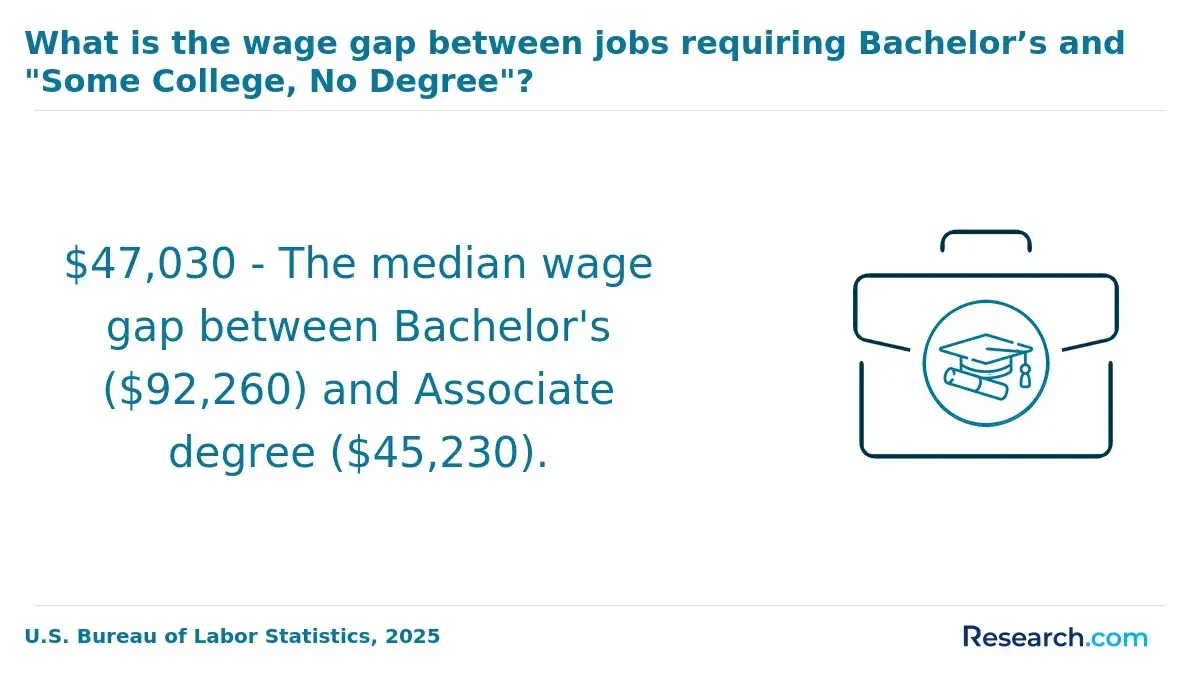
How does dropping a class influence financial aid eligibility, scholarships, and tuition costs?
Financial aid is often the hidden reason a dropped class becomes expensive. The immediate question is whether you will still be enrolled in enough credits to keep your aid, but the longer-term question is whether the withdrawal hurts your satisfactory academic progress, often called SAP.
Federal aid rules require colleges to monitor SAP, which generally includes GPA, maximum time frame, and pace of completion. Many schools set pace at completing at least 67% of attempted credits, meaning withdrawals can count against you even when they do not lower your GPA.
Tuition refunds are also deadline-driven. A drop in the first week may produce a full or partial refund, while a later withdrawal may leave you responsible for the full course cost. The U.S. Department of Education set the maximum Federal Pell Grant at $7,395 for the 2024-25 award year, so losing eligibility can be a major issue for students who rely on need-based aid.
Graduate students should be especially careful because dropping below half-time status can affect loan deferment and disbursement timing. If retaking a course will stretch your budget, comparing lower-cost options such as affordable online master's programs may help if you are already considering a transfer or future graduate enrollment.
Ask the financial aid office to explain these items before you submit the withdrawal form:
- Whether your current aid package will be recalculated if you drop below full time or half time.
- Whether the course will count as attempted credit for SAP pace and maximum time frame.
- Whether you will owe a balance after tuition, fees, housing, or book charges are adjusted.
- Whether a scholarship, athletic award, veterans benefit, employer tuition benefit, or state grant has a separate credit minimum.
- Whether retaking the class later will be covered by aid under repeat-course rules.
A common mistake is assuming "no GPA effect" means "no financial effect." Those are separate systems. A W can be academically safer than an F but still financially costly if it changes enrollment status or completion pace.
What are the typical college policies and deadlines for dropping versus withdrawing from a class?
College deadlines usually divide the term into several decision windows. The earlier you act, the more options you usually have. The later you wait, the more documentation, approvals, or appeals may be required.
The exact dates differ for semester, quarter, trimester, accelerated, and competency-based programs. Eight-week and five-week online courses can have very short drop windows, sometimes only a few days.
This table outlines common policy stages. Always confirm the dates in your student portal, academic calendar, course syllabus, and catalog.
| Policy window | Common meaning | Typical student outcome |
| Add/drop period | Early schedule adjustment window | Course may be removed with little or no transcript impact |
| Withdrawal period | Student may leave a course after add/drop | Transcript may show W; refund may be reduced or unavailable |
| Late withdrawal period | Exception-based withdrawal after normal deadline | Often requires advisor, dean, instructor, or documentation approval |
| After final deadline | Withdrawal usually closed | Final grade may stand unless an appeal is approved |
Before assuming a policy is flexible, read the fine print. Some institutions distinguish between administrative withdrawal, medical withdrawal, military withdrawal, hardship withdrawal, and instructor-initiated withdrawal. Each category can have different transcript, refund, and aid consequences.
Students often make avoidable errors during this process. Watch for these red flags:
- Stopping attendance without completing the official withdrawal process.
- Relying on an instructor's verbal comment instead of the registrar's recorded deadline.
- Dropping a course in the learning management system but not in the official registration system.
- Missing separate deadlines for tuition refunds, financial aid adjustments, housing, or meal plans.
- Assuming a late appeal will be approved without documentation.
How can dropping a prerequisite course affect future course sequencing and degree requirements?
Prerequisite courses create the biggest scheduling risk because they control what you can take next. Dropping English composition may delay a writing-intensive requirement; dropping general chemistry may delay biology, nursing, pre-med, or laboratory courses; dropping college algebra may delay statistics, business analytics, computer science, or economics.
The key question is whether the course is a "gate." A gate course unlocks a later course, clinical placement, internship, certification exam, or graduation requirement. If it is a gate, dropping it without a replacement plan can turn one missed class into a one- or two-term delay.
Use this sequence check before dropping a prerequisite:
- Open your degree audit and identify every future course that lists the class as a prerequisite or corequisite.
- Check when the course is offered again, including summer, winter, evening, online, and community college options approved for transfer.
- Ask whether your department allows prerequisite overrides, concurrent enrollment, placement exams, or substitute courses.
- Confirm whether dropping changes your cohort, clinical, internship, student teaching, or capstone eligibility.
- Get the revised plan in writing from your academic advisor or program office.
If the class is a prerequisite for a competitive major, the risk is higher. Nursing, engineering, education, accounting, social work, cybersecurity, and allied health programs may use prerequisites for progression, admission to the major, or placement priority.
A smarter alternative may be reducing workload elsewhere. For example, keeping the prerequisite while dropping a nonessential elective can preserve your sequence and still make the term manageable.
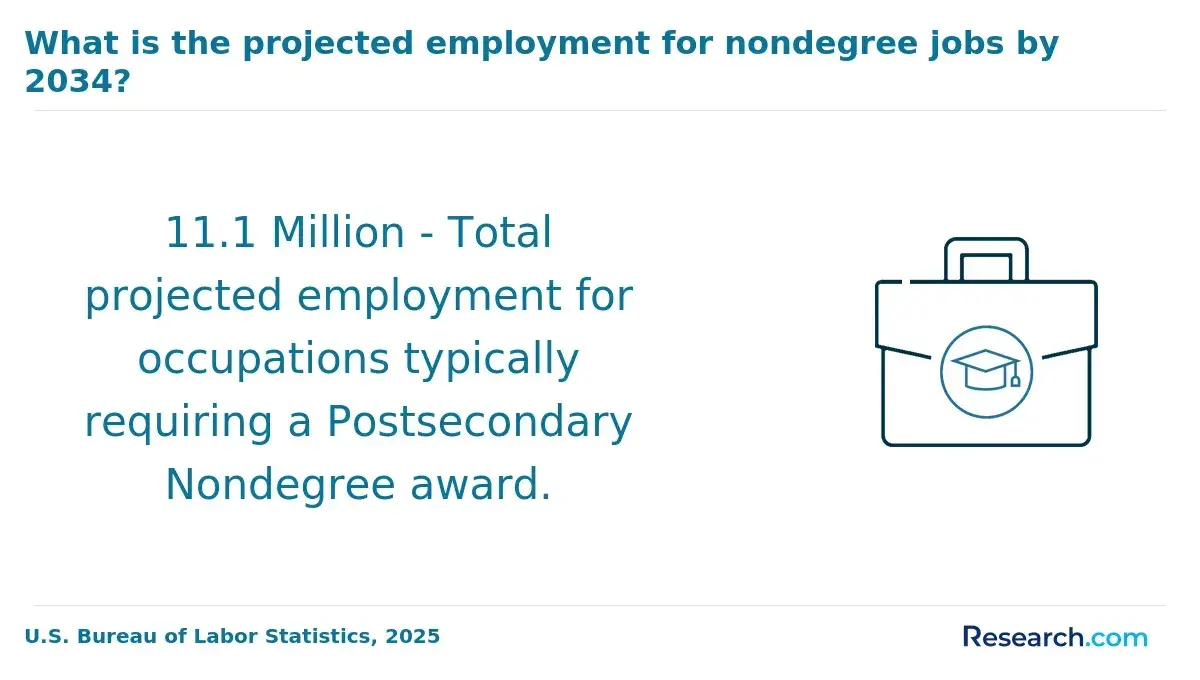
What are the differences between dropping classes in online programs and on campus?
Online and on-campus students face the same core issues: transcript impact, aid eligibility, deadlines, and degree progress. The difference is how quickly problems can escalate. Many online programs use accelerated terms, so a student who waits two weeks in an eight-week course may already be far past the safe decision window.
Online students also need to check attendance rules carefully. In some distance education courses, "attendance" may be measured by academic activity, such as submitting assignments, posting substantive discussion responses, taking quizzes, or participating in required labs, not simply logging in.
Students comparing formats should also consider enrollment friction. If you may need to transfer or restart in a more flexible format, researching universities with no application fee can reduce upfront costs while you evaluate accredited options.
This table compares common differences between online and campus-based course withdrawals. It is especially useful if you are balancing school with work, caregiving, military service, or travel.
| Factor | Online programs | On-campus programs |
| Term length | Often shorter or accelerated | Often semester or quarter based |
| Deadline risk | Drop and refund windows may close quickly | Students may have more time early in the term |
| Attendance tracking | May depend on documented academic activity | May include in-person attendance and participation |
| Support access | May require virtual advising, email, or ticket systems | May allow same-day in-person visits |
| Course availability | May offer frequent starts, depending on program | May be tied to annual department schedules |
For online learners, the best practice is to decide earlier than you think you need to. Waiting for the midpoint of an accelerated course can leave you with fewer academic and financial options than a traditional semester student would have.
How do multiple withdrawals or dropped classes affect academic standing and probation risk?
One withdrawal is usually manageable. Multiple withdrawals are different because they can affect completion pace, academic standing, program progression, and how future reviewers interpret your record. The pattern matters more than the letter W itself.
Academic probation is usually based on GPA, but withdrawals can still contribute indirectly. If you withdraw from difficult courses and complete only easier ones, you may fall behind in the major. If you withdraw repeatedly and then overload future terms to catch up, you may increase the risk of low grades later.
Financial aid warning or suspension can also occur when a student fails SAP, even if the transcript does not look academically disastrous. The pace component is the major issue because attempted credits include courses you did not complete.
Common patterns that deserve immediate advisor attention include:
- Withdrawing from the same course more than once.
- Withdrawing from multiple major requirements in the same academic year.
- Dropping below full time repeatedly while relying on full-time aid, housing, or scholarships.
- Using withdrawals to avoid difficult gateway courses instead of addressing placement, tutoring, or major fit.
- Approaching the maximum time frame for financial aid eligibility.
If withdrawals are connected to health, disability, caregiving, military service, work schedule changes, or financial instability, ask about formal support options. A documented medical withdrawal, reduced course load accommodation, leave of absence, incomplete grade, or part-time plan may be better than repeated standard withdrawals.
What steps should students take before deciding to drop a class, and who should they consult?
The best decision is not simply "drop or stay." It is choosing the option that protects your GPA, keeps aid intact, preserves your graduation path, and matches your real capacity for the rest of the term. Before dropping, gather facts from the offices that control each consequence.
Follow this sequence before submitting a drop or withdrawal request:
- Calculate your current grade using the syllabus weights, not just the gradebook average.
- Ask the instructor whether passing is still realistic and what scores you would need on remaining work.
- Check tutoring, office hours, supplemental instruction, writing center, lab help, or disability accommodations before deciding the course is unrecoverable.
- Review your degree audit to see whether the course is required, repeatable, or a prerequisite.
- Ask financial aid how the change affects enrollment status, SAP, refunds, loan disbursement, and future eligibility.
- Confirm the registrar's deadline and the exact transcript notation.
- Create a replacement plan for when and how you will complete the credits.
Consult different people for different risks. Your instructor can assess academic recovery, but cannot usually guarantee aid outcomes. Your advisor can help with degree sequencing, but may not calculate your bill. The financial aid office can explain federal and institutional aid, but may not know whether a course is a prerequisite for your major.
If you are close to passing, consider alternatives such as pass/fail grading, an incomplete, tutoring, reduced work hours, or dropping a different course. If you are failing with little chance of recovery, withdrawing may be the more responsible choice, especially if it prevents a GPA hit that could affect probation, major admission, or scholarships.
How can adult learners strategically drop classes without derailing career or licensing plans?
Adult learners often have different risks than traditional full-time students. A dropped class may affect employer tuition reimbursement, promotion timelines, military benefits, childcare schedules, licensing deadlines, or cohort-based professional programs. The right strategy is to protect the credential goal, not just the current semester.
Many working adults are balancing school against immediate income. BLS 2024 education data shows the median weekly earnings for workers with a bachelor's degree were $1,543, which highlights why completing a credential can matter economically over time. However, that does not mean staying in every class is wise; preserving long-term completion may require a lighter, more sustainable schedule.
If your current program is no longer aligned with your job goals, a shorter credential may be a better bridge than repeatedly withdrawing from degree courses. For career changers, 6-month certificate programs that pay well can be useful to compare against a longer degree plan, especially when time, licensing, and cash flow are central concerns.
Adult learners should take these steps before dropping:
- Ask your employer whether reimbursement requires a minimum grade, course completion, or continued enrollment through a specific date.
- Check whether dropping affects a professional license, certification renewal, apprenticeship, salary lane, or promotion requirement.
- Confirm whether your program uses cohorts, because leaving one class may delay the next available start by several months.
- Consider part-time enrollment, evening sections, asynchronous courses, credit for prior learning, or approved transfer credits before leaving the program.
- Build a revised completion calendar that includes work peaks, family responsibilities, and licensing application deadlines.
A common adult-learner mistake is treating every term as an emergency sprint. If you repeatedly overload and withdraw, a planned part-time schedule may get you to the finish line faster than an unrealistic full-time plan that keeps breaking down.
How might dropping a class be viewed by graduate programs, employers, or professional boards?
Graduate programs, employers, and professional boards usually evaluate withdrawals in context. A single W, especially early in college or outside the major, is rarely the deciding factor by itself. A pattern of withdrawals in core subjects, unexplained gaps, or repeated attempts at the same requirement can be more concerning.
For graduate admissions, reviewers often care about whether you completed prerequisites, how you performed in advanced major courses, and whether the transcript shows readiness for rigorous study. If a W appears during a documented hardship or a strategic course correction, an optional statement can briefly explain it without overemphasizing it.
Employers typically focus more on completed credentials, skills, internships, licenses, portfolios, and work experience than on isolated course withdrawals. Still, students choosing whether to persist in a degree should consider labor-market alignment. Reviewing bachelor's degrees job outlook can help you weigh whether protecting progress in a particular major is worth the short-term difficulty.
Professional boards and licensing bodies vary widely. Nursing, teaching, counseling, accounting, engineering, social work, law, and allied health boards may ask about academic discipline, criminal history, clinical performance, or required coursework, but a standard W is not usually the same as misconduct or failure. The safe move is to check the specific board or program handbook before withdrawing from a required professional course.
If you need to explain a withdrawal, keep it factual and forward-looking. For example, state that you withdrew during a documented health issue, resolved the barrier, retook the course successfully, and completed later advanced coursework. Avoid blaming instructors or giving unnecessary personal detail.
Other Things You Should Know About
In many cases, withdrawing is better than earning an F because a W usually does not lower GPA. However, withdrawals can still affect financial aid progress, graduation timelines, and transcript patterns, so check deadlines and aid rules first.
There is no universal number. One or two withdrawals with a clear reason are usually manageable, but repeated Ws in required major or prerequisite courses can raise academic, financial aid, or admissions concerns.
Yes, if the drop reduces your enrolled credits below your school's full-time threshold. That can affect aid, scholarships, housing, athletics, veterans benefits, health insurance, or immigration requirements.
Usually yes, but retake rules vary. Confirm whether the course is offered again soon, whether financial aid will cover the repeat, and whether the withdrawal affects prerequisite sequencing or program progression.
References
- Your College Student Wants to Drop a Class? Advice From a Former Dean https://grownandflown.com/college-student-wants-drop-class/
- Should I Drop a Class? What to Consider Before Doing So https://www.straighterline.com/blog/should-i-drop-a-class
- Distance Minnesota https://www.distanceminnesota.education/s/article/Effects-of-dropping-or-withdrawing-1698893456942
- New ATD initiative helps usher adult learners into college — and keep them there - Achieving the Dream https://achievingthedream.org/new-atd-initiative-helps-usher-adult-learners-into-college-and-keep-them-there/
- Marketing to Adult Learners: A Higher Education Marketers Guide To Safely Mitigate The Enrollment Cliff https://www.hannonhill.com/blog/2024/marketing-to-adult-learners-a-higher-education-marketers-guide-to-safely-mitigate-the-enrollment-cliff.html
- HOW TO PROPERLY WITHDRAW FROM COLLEGE ... https://resources.fairfuturesny.org/AppendixG17
- What to Consider Before Dropping a Class | Wizeprep Blog https://www.wizeprep.com/blog/what-to-consider-before-dropping-a-class
- CAEL | Adult Learner Resource Page https://www.cael.org/adult-learner-resources
- Academic Regulation B-6 – Academic Standing, Probation and Mandatory Withdrawal for Undergraduate Programs | About us https://www.uottawa.ca/about-us/leadership-governance/policies-regulations/b-6-academic-standing-probation-mandatory-withdrawal-undergraduate-programs
- Is Withdrawing from a College Class a Wise Decision? https://admissionado.com/blog/college/withdrawing-from-a-college-course/