2027 How to Succeed as a Working College Student

Co-Founder and Chief Data Scientist
Balancing a job and college is a scheduling, money, and energy problem all at once. NCES reported in 2024 that 40% of full-time undergraduates and 74% of part-time undergraduates were employed, showing how common this path is.
This guide is for students who work while earning a degree, certificate, or transfer credential. You will learn how to choose a realistic program format, manage time, reduce costs, communicate expectations, protect your health, and use work experience to build a stronger career plan.
Key Things You Should Know
- Working students should plan around capacity, not optimism: a full-time job usually pairs better with 6 to 9 credits per term, while 12 or more credits often requires reduced work hours or unusually strong schedule control.
- College cost decisions matter early: College Board's 2024 pricing report lists average 2024-25 published tuition and fees at $11,610 for in-state public four-year colleges and $4,050 for public two-year colleges, before aid and living costs.
- The strongest strategy combines flexible scheduling, early communication, active study methods, and financial planning; relying only on willpower is one of the fastest routes to burnout.
How can you realistically balance work, college coursework, and personal responsibilities?
Realistic balance starts with understanding that work, school, commuting, caregiving, sleep, and recovery all compete for the same limited hours. A working college student is not simply a "student with less free time"; they are managing two performance systems with different deadlines, expectations, and consequences.
A practical weekly plan should begin with fixed obligations, then add study time, then decide whether the course load is sustainable. The following framework helps you calculate capacity before registration instead of after you are already overwhelmed.
- List nonnegotiable work shifts, commute time, caregiving duties, medical appointments, and required family responsibilities.
- Block class meeting times, labs, exams, and any synchronous online sessions that require live attendance.
- Estimate 2 to 3 hours of study time per credit hour each week, then adjust upward for writing-heavy, lab-heavy, or math-intensive courses.
- Protect sleep and recovery blocks before adding optional activities, because fatigue quickly reduces learning efficiency and job performance.
- Choose the course load that fits the calendar you actually have, not the one you wish you had.
For many employed students, the best balance is not "doing everything faster." It is sequencing courses so the hardest academic work does not collide with peak work seasons, major family obligations, or major life transitions such as moving, starting a new job, or caring for a child.
| Weekly work commitment | Usually realistic course load | Best fit | Main risk |
| 1 to 15 hours | 12 to 15 credits | Students with flexible jobs and limited outside obligations | Underestimating exam weeks and project deadlines |
| 16 to 25 hours | 9 to 12 credits | Students who want steady progress while keeping income | Losing weekends to catch-up work |
| 26 to 40 hours | 6 to 9 credits | Full-time workers, caregivers, and adult learners | Extending time to graduation without a clear plan |
| More than 40 hours | 3 to 6 credits | Students in high-demand jobs or unstable schedules | Burnout, missed assignments, or stopping out |
The table is a planning guide, not a rule. Some students can handle heavier loads for one term, but a sustainable plan should work for an entire academic year, including midterms, emergencies, and work schedule changes.
What time management strategies help working college students stay organized and avoid burnout?
Time management for working college students is less about color-coded calendars and more about reducing decision fatigue. You need a system that tells you what to do next when you are tired, busy, or interrupted.
The most effective systems combine a semester-level view with a weekly execution plan. Use the semester view to see deadline clusters, and use the weekly plan to decide when each task will actually happen.
- Create one master calendar for work shifts, class times, due dates, exams, financial aid deadlines, advising appointments, and personal obligations.
- Review the next 14 days every weekend so large assignments are broken into smaller steps before they become emergencies.
- Use time blocks for specific tasks, such as "read Chapter 4 and write notes," instead of vague blocks labeled "study."
- Build a minimum-study plan for difficult weeks so you know the smallest amount of work needed to stay academically afloat.
- Batch small administrative tasks, such as emails, registration forms, and discussion board replies, instead of letting them interrupt deep study sessions.
A common mistake is planning only for perfect weeks. Working students need contingency time because a late shift, sick child, car problem, or extra work assignment can erase an evening of study. If your weekly plan has no buffer, it is not a plan; it is a wish list.
| Common mistake | Why it causes problems | Better alternative |
| Studying only after work | Energy is lowest when coursework may require the most focus | Use some early morning, lunch, or pre-shift blocks for difficult tasks |
| Tracking deadlines in multiple apps | Assignments are easier to miss when information is scattered | Maintain one master calendar and one task list |
| Saving all schoolwork for weekends | One unexpected event can ruin the entire study plan | Complete smaller tasks during weekdays and reserve weekends for deep work |
| Treating every assignment equally | Low-value tasks can consume time needed for exams or major projects | Prioritize by grade weight, deadline, difficulty, and required concentration |
Use technology carefully. Calendar apps, learning management system alerts, AI note tools, and task managers can help, but they should support your judgment rather than replace it. If a tool makes planning more complicated, simplify the system.
How should working students choose between online, hybrid, and campus-based degree programs?
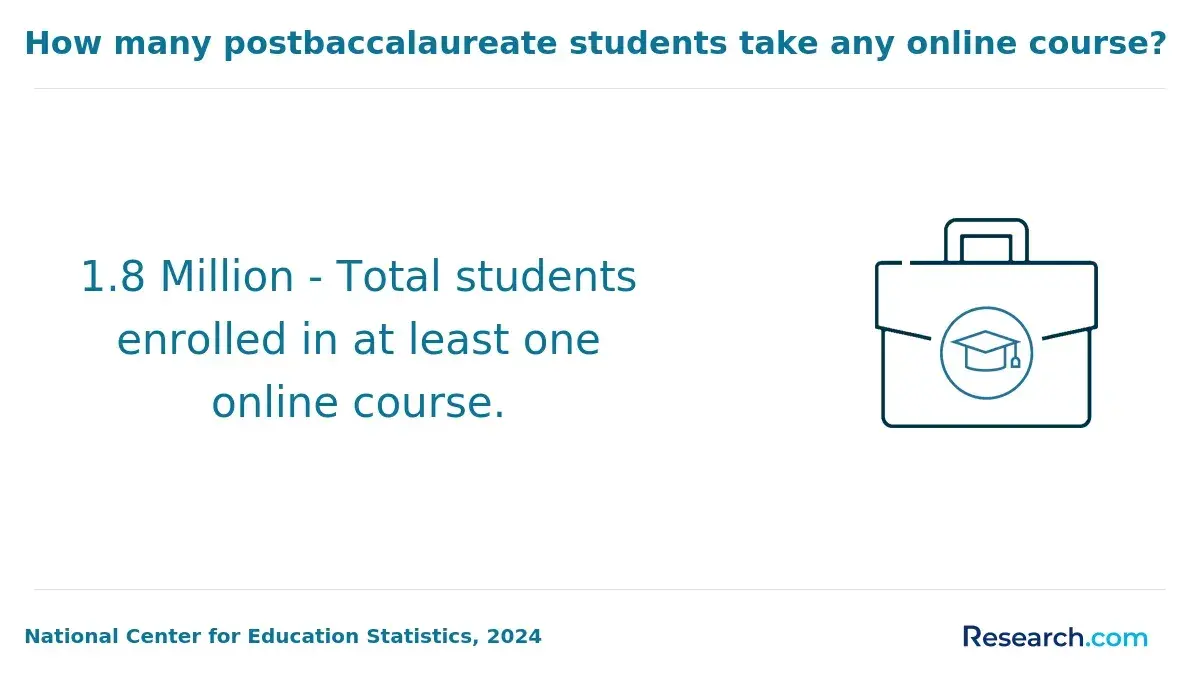
Choosing between online, hybrid, and campus-based programs is one of the biggest decisions for working students. The right format depends on your job schedule, learning style, commuting burden, program requirements, and need for face-to-face support.
Online programs can be especially useful for students with fixed work hours, rotating shifts, transportation challenges, or caregiving responsibilities. However, online study still requires consistent weekly time, strong self-direction, and reliable technology. If affordability is your top concern, compare total cost carefully and review options such as a cheap bachelor degree online before assuming the nearest campus is the lowest-cost choice.
| Program format | Best for | Trade-offs to check | Questions to ask before enrolling |
| Online asynchronous | Students who need maximum schedule flexibility | Requires self-discipline and may offer less spontaneous interaction | Are exams proctored, and are any live sessions required? |
| Online synchronous | Students who want remote learning with scheduled class meetings | Less flexible for shift workers or caregivers | What happens if work conflicts with a live class? |
| Hybrid | Students who want some campus contact but fewer commutes | Campus days may still conflict with work | How often are in-person meetings, labs, or exams required? |
| Campus-based | Students who learn best in person or need labs, studios, clinics, or hands-on equipment | Commuting and fixed schedules can be difficult | Are evening, weekend, or block schedules available? |
Accreditation is nonnegotiable. For degree programs, confirm institutional accreditation recognized by the U.S. Department of Education or the Council for Higher Education Accreditation. For fields such as nursing, teaching, counseling, accounting, engineering, and social work, also check whether programmatic accreditation or state approval is required for licensure.
Do not choose a format only because it sounds convenient. Choose the format that matches the type of work your program requires. A fully online history or business course may be straightforward, while a health sciences, laboratory, or teacher preparation program may include in-person placements that affect your work schedule.
What course loads, program lengths, and scheduling options work best for employed students?
Course load is the lever that working students can adjust most easily, but it affects graduation timeline, financial aid eligibility, tuition billing, stress, and academic performance. The best course load is the one you can complete well while maintaining income and health.
Program length varies widely by credential. Shorter credentials can help students enter or advance in the workforce sooner, while longer degrees may provide broader career mobility. Students who are still exploring majors or want a lower-cost starting point may compare online associate degree programs before committing to a four-year path.
| Credential type | Typical full-time length | Working-student scheduling advantage | When it may make sense |
| Certificate | Several months to 1 year | Often focused, stackable, and career-specific | You need a skill upgrade or entry credential quickly |
| Associate degree | About 2 years | Can reduce cost and support transfer into a bachelor's program | You want a lower-cost first step or a technical career pathway |
| Bachelor's degree | About 4 years | Often available in part-time, online, evening, or transfer-friendly formats | Your target career commonly requires a four-year degree |
| Master's degree | About 1 to 3 years | Many programs are designed for employed professionals | You need advancement, specialization, or licensure preparation |
Before registering, ask whether your school defines full-time status as 12 credits, whether aid changes below half-time enrollment, and whether prerequisite sequences are offered every term. A lighter schedule can still delay graduation if a required course is available only once per year.
Working students should also watch for accelerated terms. Eight-week classes can be helpful if you take one course at a time, but they can become overwhelming when paired with full-time work and multiple writing- or exam-heavy courses. Acceleration saves calendar time only when you can protect enough weekly study time.
How can working college students pay for school and manage education costs efficiently?
Paying for college efficiently means comparing total cost, not just tuition. Fees, books, equipment, transportation, parking, childcare, lost work hours, technology, exam proctoring, and clinical or internship expenses can change the true price of a program.
College Board's 2024 report lists average published tuition and fees for 2024-25 at $4,050 for public two-year colleges and $11,610 for in-state public four-year colleges. For working students, that gap can make community college, transfer pathways, employer tuition benefits, and part-time enrollment important cost-control tools.
Use a step-by-step cost plan before borrowing or enrolling. This sequence helps you reduce avoidable debt and compare options fairly.
- Complete the FAFSA as early as possible and review federal, state, institutional, and need-based aid before considering private loans.
- Ask your employer whether tuition reimbursement, tuition assistance, paid training, or schedule flexibility is available.
- Compare net price after grants and scholarships, not just the advertised tuition rate.
- Check transfer credit, credit for prior learning, military credit, and portfolio assessment policies.
- Estimate how enrollment intensity affects income, childcare, transportation, and health insurance.
- Borrow only what you need after calculating whether monthly payments fit your expected post-college budget.
Certificates can sometimes reduce costs by targeting a specific job skill without requiring a full degree, especially in technology, project management, healthcare support, and business operations. If your goal is a faster skills upgrade rather than a full credential, compare credible online certifications against degree requirements in your target field.
Be careful with programs that pressure you to enroll quickly, avoid clear cost breakdowns, make unrealistic salary claims, or discourage you from comparing transfer policies. A good program should be able to explain accreditation, total cost, aid options, completion expectations, and career services without vague promises.
What academic support, advising, and campus resources are most valuable for working students?
Academic support is not remedial; it is a time-saving strategy. Working students often have fewer hours to recover from confusion, missed instructions, or poor course sequencing, so using support early can prevent small problems from becoming withdrawal decisions.
The most valuable resources are the ones that reduce friction in your weekly routine. Prioritize services that directly protect grades, degree progress, finances, and access to required courses.
- Academic advising helps you sequence prerequisites, avoid unnecessary courses, and understand how part-time enrollment affects graduation.
- Tutoring and writing centers can shorten the time needed to complete difficult assignments and improve exam preparation.
- Financial aid counselors can explain satisfactory academic progress, enrollment thresholds, emergency grants, and loan implications.
- Career services can help connect your current job, internships, resume, and major to realistic employment goals.
- Disability services can coordinate approved accommodations for qualifying medical, mental health, learning, or accessibility needs.
- Library services can support research, citation tools, databases, technology loans, and quiet study space.
If you plan to continue into graduate study later, ask advisors how undergraduate choices affect admission, licensure, and research expectations. Some working professionals eventually compare flexible graduate formats, including a doctorate without dissertation, but those options should be evaluated by career fit, accreditation, and field expectations rather than convenience alone.
A useful advising appointment should produce specific next steps: which courses to take next, which requirements remain, what deadlines matter, and what risks could slow your progress. If you leave with only general encouragement, schedule a follow-up with clearer questions.
How can employed students communicate with professors and employers to set realistic expectations?
Communication is one of the most underrated success skills for working college students. Professors and employers may be supportive, but they cannot plan around responsibilities they do not know about.
The goal is not to ask for special treatment. The goal is to set realistic expectations early, understand policies, and solve schedule conflicts before they become emergencies.
- Email professors during the first week if your work schedule may affect office hours, group projects, labs, or exam timing.
- Read the syllabus before asking for flexibility so your request refers to actual course policies and dates.
- Tell employers about predictable academic commitments, such as exams or required campus sessions, as early as schedules allow.
- Ask whether shift swaps, reduced hours during finals, remote work, or predictable scheduling are possible during high-demand academic weeks.
- Document approved changes in writing so everyone has the same understanding.
Use concise, professional messages. A strong email might say that you are enrolled in a required course, work a fixed shift, and want to confirm options before a conflict occurs. Avoid long personal explanations unless they are necessary.
Working students do best when they communicate early, propose realistic solutions, and respect both academic policies and workplace needs.
There are limits. Some classes, labs, clinical placements, exams, and attendance policies cannot be changed. If a required course repeatedly conflicts with your job, the better solution may be changing sections, taking the course in another term, adjusting hours, or choosing a program with a format built for working adults.
What study techniques and productivity habits improve grades when you're working during college?
Working students need study techniques that produce learning efficiently. Passive rereading can feel productive, but it often takes more time and produces weaker recall than active methods.
Use study habits that force retrieval, organization, and application. These approaches are especially useful when your study time is split across short blocks.
- Use retrieval practice by closing your notes and answering questions from memory before checking the material.
- Convert lecture notes into practice questions, flashcards, diagrams, or short summaries within 24 hours.
- Use spaced repetition by reviewing difficult material several times across the week instead of cramming once.
- Start major assignments with a rough outline, source list, or problem set attempt before you feel fully ready.
- Study the hardest subject when your energy is highest, even if that means using a shorter but more focused time block.
- After each exam or paper, review what caused lost points and adjust your next study plan accordingly.
AI tools can help with planning, brainstorming, practice questions, and explaining concepts, but they should not replace your own work. Follow your school's academic integrity policy, cite sources when required, and never submit AI-generated text or problem solutions if your instructor prohibits it.
Productivity also depends on environment. If home is noisy or crowded, identify backup study locations such as a campus library, public library, empty classroom, workplace break room, or quiet room at a community center. The best study location is the one where you can start quickly and stay focused.
How can you use college jobs, internships, and networking to advance your career while studying?
A job can be more than a way to pay bills while you study. If you are intentional, work experience can help you test career interests, build references, develop transferable skills, and make your degree more valuable in the labor market.
BLS data published in 2024 shows that workers with a bachelor's degree had median weekly earnings of $1,493 in 2023, compared with $1,058 for workers with an associate degree. This does not mean every degree produces the same payoff, but it does show why aligning your major, work experience, and career goals matters.
Use your current job as a career-development platform, even if it is not your dream role. The following steps can turn ordinary work experience into stronger career evidence.
- Identify transferable skills you already use, such as customer communication, scheduling, data entry, supervision, sales, safety procedures, training, or problem-solving.
- Ask for projects that connect to your major, such as reporting, social media, inventory analysis, tutoring, patient support, bookkeeping, or basic technical support.
- Track measurable accomplishments, including process improvements, training responsibilities, customer outcomes, sales results, or leadership tasks.
- Build relationships with supervisors, faculty, classmates, alumni, and career services staff before you need recommendations.
- Look for internships, co-ops, apprenticeships, research assistant roles, or campus jobs that provide field-specific experience.
Major choice also affects the relationship between school and work. If you are still deciding, compare labor market demand, required credentials, personal fit, and course difficulty rather than choosing only by salary headlines. A guide to the best majors for the future can help you evaluate options, but your final choice should reflect your strengths and the requirements of your target career.
Networking does not have to be awkward. Ask people about their career path, the skills they use most, what they wish they had studied, and what entry-level roles are realistic. Those conversations can prevent expensive mistakes and reveal opportunities that are not obvious from job boards.
What strategies support mental health, stress management, and overall well-being for working students?
Succeeding as a working college student is not only about grades and schedules. Stress, sleep, nutrition, movement, relationships, and financial pressure all affect whether you can persist through a program.
Stress management should be built into your plan before a crisis. Treat well-being as an academic success requirement, not a reward you earn after everything else is finished.
- Set a minimum sleep target and protect it during ordinary weeks so exam weeks do not start from exhaustion.
- Use short recovery routines, such as walking, stretching, breathing exercises, meal prep, or screen-free breaks, between work and study sessions.
- Know your early warning signs, such as missed assignments, irritability, headaches, isolation, poor sleep, or loss of motivation.
- Use counseling, health services, peer support, employee assistance programs, or crisis resources when stress becomes difficult to manage alone.
- Limit overload terms and schedule lighter course loads during predictable high-stress periods at work or home.
- Stay connected with at least one supportive person who knows your school and work demands.
The American College Health Association's 2024 student health reporting continues to identify stress, anxiety, sleep issues, and depression as common academic impediments for college students. For working students, the practical takeaway is clear: mental health support is not separate from academic planning; it is part of staying enrolled and functioning well.
If you are consistently missing work, failing courses, skipping sleep, or feeling unable to cope, consider reducing credits, taking a short break, changing work hours, or speaking with an advisor before withdrawing completely. A slower path that you can sustain is usually better than an overloaded plan that ends in stopping out.
Other Things You Should Know About
It depends on your course load and responsibilities. Many students can manage 10 to 20 work hours with full-time study, but full-time workers often do better with 6 to 9 credits per term. Start conservatively if you are returning to school, taking difficult prerequisites, or managing caregiving duties.
Online programs are often better for students with fixed or unpredictable work schedules, while campus programs may be better for students who need labs, hands-on training, or in-person structure. Hybrid programs can work well if campus meetings are predictable and compatible with your job.
Often yes, but aid amounts and eligibility can change based on enrollment level, program rules, and satisfactory academic progress. Ask the financial aid office how your grants, loans, scholarships, and repayment status change at full-time, three-quarter-time, half-time, and less-than-half-time enrollment.
The biggest mistake is taking on a course load that does not fit available time, then waiting too long to ask for help. A better approach is to plan around real work hours, use advising early, communicate conflicts quickly, and adjust enrollment before grades or health suffer.
References
- Student supports only work if students know they exist https://www.luminafoundation.org/news-and-views/student-supports-only-work-if-students-know-they-exist/
- How to Balance College and Work: Practical Tips for Students https://beal.edu/how-to-balance-college-and-work/
- Study Smarter, Not Longer: Research-Backed Study Habits That Improve College Grades https://www.scholaro.com/db/News/study-habits-that-improve-college-grades-317
- Balancing School, Work, and Life: Strategies for Students https://www.providenceready.org/resources/blog/2025/june/balancing-school-work-and-life-strategies-for-st/
- Online vs Hybrid vs Campus Learning in Healthcare: Which Is Right for You? https://www.edumed.org/articles/online-vs-hybrid-vs-campus/
- Effective Stress Management Techniques for Students | UCW https://www.ucanwest.ca/blog/education-careers-tips/effective-stress-management-techniques-for-students
- Communicating High Expectations to Learners https://www.novakeducation.com/blog/communicating-high-expectations-to-learners
- Gaining Job Experience While in College: 5 Best Ways https://ivypanda.com/blog/job-experience-while-in-college/
- Hybrid Programs- Which Students Want Them? https://encoura.org/resources/wake-up-call/hybrid-programs-which-students-want-them/
- Online vs. On-Campus: Which Mode of Learning Is Best for You? https://www.onlinemastersdegrees.org/student-resources/which-mode-of-learning-is-best/