2027 How to Succeed in College: Complete Student Success Guide

Co-Founder and Chief Data Scientist
College success is no longer just about getting accepted; it is about finishing with skills, confidence, manageable debt, and a clear next step. NCES data published in 2024 shows that only about 64% of first-time, full-time students at 4-year institutions completed within 6 years, which means planning matters from the start. This guide is for new, current, returning, online, and transfer students who want practical ways to choose wisely, study better, manage money, protect well-being, and build a stronger career path.
Key Things You Should Know
- College success means progressing toward graduation while building academic skills, relationships, career experience, and financial stability; it is not measured by GPA alone.
- Cost planning is essential because College Board data for 2024-25 lists average published tuition and fees at $11,610 for in-state public 4-year colleges and $43,350 for private nonprofit 4-year colleges.
- Career preparation should start early because BLS 2024 education data shows bachelor's-degree workers had median weekly earnings of $1,543, but outcomes vary by major, experience, location, and employer demand.
What does it mean to succeed in college academically, socially, and professionally?
Succeeding in college means making steady progress toward a credential while developing the habits, relationships, and professional direction needed after graduation. Academic success includes understanding course expectations, earning credits on schedule, using feedback, and learning how to solve unfamiliar problems. Social success means building a healthy support system, communicating well, participating in campus or online communities, and knowing when to ask for help. Professional success means testing career interests, building marketable skills, gaining experience, and learning how your education connects to work.
These three areas overlap. A student who earns high grades but never builds a network may struggle to find internships. A student who works many hours but does not plan courses carefully may delay graduation. A student who joins every activity but neglects sleep and assignments may burn out. The goal is balance, not perfection.
The table below summarizes what each type of college success looks like and why it matters when making decisions about classes, time, and campus involvement.
| Success area | What it means | Why it matters |
| Academic | Completing courses, earning credits, understanding material, and maintaining satisfactory academic progress | Supports graduation, financial aid eligibility, transfer options, and graduate school or employer screening |
| Social | Developing relationships, joining communities, communicating with peers and faculty, and feeling connected | Improves persistence, belonging, collaboration, and access to informal advice |
| Professional | Exploring careers, gaining experience, building a resume, and learning workplace expectations | Helps students make stronger choices about majors, internships, first jobs, and further education |
| Personal | Managing health, stress, sleep, finances, and responsibilities outside class | Reduces burnout and makes college more sustainable over multiple terms |
A common mistake is treating college like a checklist of assignments instead of a long-term development process. Grades matter, but they are most valuable when paired with skills, evidence of work, and a realistic plan for what comes next.
How do I choose the right college, major, and program for my goals?
Choosing the right college, major, and program starts with a clear goal: what do you want the education to help you do? The best choice is not always the highest-ranked school or the most popular major. It is the option that fits your academic readiness, finances, schedule, support needs, career target, and likelihood of completion.
Start by separating three decisions that students often combine too quickly: institution, major, and delivery format. A strong college with the wrong major may not help you reach your goal. A practical major at a school with weak support may make completion harder. An online program may be ideal for a working adult but isolating for a student who needs frequent in-person structure.
Use the following sequence to compare options before committing to a program. These steps help prevent common mistakes such as choosing based only on prestige, location, or one advertised salary figure.
- Define your target outcome, such as transfer, licensure, employment in a field, graduate school, entrepreneurship, or career advancement.
- Check whether the program has the required accreditation, clinical placement, lab access, internship structure, or state approval for your goal.
- Compare total cost, including tuition, fees, housing, books, technology, transportation, and lost work time.
- Review graduation rates, retention rates, transfer policies, career services, advising access, and student support options.
- Talk to current students, faculty, advisors, and employers when possible to test whether the program's promises match real student experiences.
Cost should be evaluated as total cost, not sticker price alone. College Board's 2024-25 pricing data shows a large gap between average published tuition and fees at in-state public 4-year colleges and private nonprofit 4-year colleges, but grants, scholarships, transfer credits, living arrangements, and time to completion can change the real cost. Students comparing flexible pathways can also review cheap online degrees when affordability is a top constraint.
The table below compares common college pathways so you can match the format to your situation rather than assuming one option is automatically better.
| Pathway | Best fit | Trade-off to consider |
| Community college to bachelor's transfer | Students seeking lower first-year costs, smaller classes, or a second chance to strengthen academic records | Credits may not transfer cleanly unless courses are planned with the receiving institution |
| Public 4-year college | Students seeking broad major options, campus life, research opportunities, and often lower in-state tuition | Popular majors or required courses may be capacity-limited at some institutions |
| Private nonprofit college | Students seeking smaller communities, specialized programs, or strong institutional aid packages | Sticker prices can be high, so net price matters more than published tuition |
| Online degree | Working adults, caregivers, military students, and self-directed learners who need location flexibility | Requires strong time management and careful checking of accreditation, support, and licensure fit |
| Certificate or short program | Students who need a specific skill quickly or want to test a field before a degree | May not replace a degree for roles that require formal credentials |
If you are undecided, choose a school with strong advising, flexible general education options, and multiple related majors. If you already know your career goal, work backward from job postings, licensure rules, graduate admissions requirements, and internship expectations.
What study habits and learning strategies most strongly improve college performance?
The study habits that most improve college performance are active, repeated, and feedback-driven. Rereading notes and highlighting textbooks can feel productive, but students usually learn more when they retrieve information from memory, solve problems, explain concepts, and correct mistakes.
Strong college learning also depends on understanding the course structure. A lecture-based biology class, a studio art course, a writing seminar, and an online statistics course require different strategies. The common thread is that students should study before confusion becomes a crisis.
Use these learning strategies to turn class time into long-term understanding rather than short-term memorization.
- Use active recall by closing your notes and answering questions, solving practice problems, or explaining the topic aloud without looking.
- Space study sessions across the week instead of relying on one long session before an exam.
- Review graded work to identify the exact cause of errors, such as misunderstanding the concept, skipping instructions, weak evidence, or poor time management.
- Attend office hours with specific questions, even if you are not failing; faculty can often clarify expectations before a major assignment is due.
- Create study groups that require everyone to contribute, teach, quiz, or solve problems rather than simply sharing notes.
Online and competency-based formats can work well for disciplined learners because progress often depends on demonstrated mastery rather than seat time. If you prefer self-paced learning or already have relevant experience, a list of competency-based colleges can help you understand how these programs differ from traditional semester schedules.
The table below highlights common study mistakes and the stronger alternative. Use it as a diagnostic tool if your effort is not producing the grades or understanding you expected.
| Common mistake | Why it hurts performance | Better alternative |
| Studying only the night before | Limits memory consolidation and leaves no time to fix confusion | Schedule shorter review sessions across several days |
| Copying notes without processing them | Creates a record of information but not necessarily understanding | Rewrite ideas in your own words and test yourself |
| Avoiding hard practice problems | Hides weaknesses until the exam | Practice the most difficult item types early |
| Waiting to ask for help | Allows small gaps to become major barriers | Use tutoring, office hours, and discussion boards before deadlines |
| Multitasking while studying | Reduces attention and slows comprehension | Use focused blocks with devices silenced or limited |
AI tools can support learning when used carefully. They can help generate practice questions, explain concepts in different ways, or review outlines. The red flag is using AI to replace thinking, writing, or problem-solving; that can violate academic integrity policies and leave you unprepared for exams, labs, interviews, or workplace tasks.
How can I manage my time, schedule, and priorities effectively in college?
College time management is the practice of turning vague responsibilities into visible commitments. Most students do not fail because they lack ambition; they struggle because classes, work, commuting, family duties, social life, and rest compete for the same hours.
A useful schedule starts with fixed obligations and then protects high-value study time. For every credit hour, many colleges expect students to spend additional time reading, writing, solving problems, or preparing outside class. The exact workload varies by course, but the principle is consistent: college requires planning beyond class attendance.
Build your weekly plan in this order so your schedule reflects reality rather than wishful thinking.
- Add fixed commitments first, including classes, work shifts, commute time, caregiving, appointments, and required meetings.
- Block recurring study sessions for each course, with harder classes scheduled during your highest-energy hours when possible.
- Break large assignments into smaller milestones, such as topic selection, research, outline, draft, revision, and submission.
- Reserve buffer time for illness, technology problems, group project delays, transportation issues, or extra review before exams.
- Review the plan weekly and adjust based on grades, deadlines, stress level, and actual time spent.
The table below compares scheduling approaches so you can choose a system that fits how you think and work.
| Method | Best for | Limitation |
| Digital calendar | Students with many fixed events, reminders, and recurring commitments | Can become cluttered if tasks and appointments are not separated |
| Paper planner | Students who remember better by writing and prefer a visual weekly layout | Less useful for automated reminders or shared calendars |
| Task manager app | Students juggling many assignments, projects, and steps | Tasks may pile up if not connected to scheduled work blocks |
| Time blocking | Students who need structure and protection from last-minute studying | Requires honest estimates and regular adjustment |
| Priority matrix | Students overwhelmed by competing demands | Works best when paired with a calendar |
If you are planning future graduate study, time management becomes even more important because accelerated programs compress reading, research, and projects into shorter terms. Students comparing formats can review the shortest masters program options to understand how speed affects workload and scheduling expectations.
A major red flag is building a perfect schedule that leaves no margin. Sustainable planning includes recovery, meals, sleep, commuting, and unexpected problems. If your plan works only when everything goes right, it is not yet a realistic college plan.
What campus and online resources should I use to stay on track and get help?
Successful students use help early, not only when they are in trouble. Colleges invest in advising, tutoring, libraries, mental health services, career centers, disability support, financial aid offices, writing centers, and technology help because students are not expected to navigate everything alone.
For online students, resources may be virtual rather than campus-based, but they still matter. Before enrolling or at the start of each term, check how to access tutoring, advising, library databases, disability accommodations, career coaching, and emergency support outside regular business hours.
The table below explains which resource to use for common problems. This can save time when you are unsure where to start.
| Need or problem | Best resource | Why it helps |
| Confusion about degree requirements | Academic advisor | Helps you select courses, avoid missing prerequisites, and stay on track for graduation |
| Difficulty with course material | Tutoring center or faculty office hours | Provides targeted academic help before grades decline |
| Research paper or citation problems | Library and writing center | Supports source evaluation, database use, structure, and revision |
| Stress, anxiety, crisis, or personal concerns | Counseling or student wellness services | Connects students with mental health support and referrals |
| Internship or job search questions | Career center | Helps with resumes, interviews, employer connections, and career exploration |
| Financial aid confusion | Financial aid office | Explains aid status, satisfactory academic progress, deadlines, and repayment implications |
Online learning resources can also fill skill gaps quickly. For example, students who need a targeted credential in project management, data tools, healthcare support, business software, or technology basics may compare 4 week certificate programs online as a supplement rather than a replacement for degree planning.
When asking for help, make the request specific. Instead of saying, "I do not understand anything," say, "I can solve the first two steps, but I do not know how to choose the correct formula," or "I received this feedback on my draft and need help revising the evidence." Specific requests get better answers faster.
How do I balance academics, work, and personal life while protecting my well-being?
Balancing academics, work, and personal life requires honest limits. Many students need to work while enrolled, care for family members, or commute long distances. The goal is not to eliminate every responsibility outside school; it is to build a plan that keeps your academic progress and health from being crowded out.
Well-being affects performance. Sleep, nutrition, movement, relationships, and mental health are not rewards you earn after finishing schoolwork; they are part of the system that makes learning possible. If your schedule consistently depends on skipping sleep, missing meals, or isolating from everyone, it is likely unsustainable.
Use the following strategies when responsibilities feel like they are competing rather than cooperating.
- Choose a course load that matches your real work and family obligations, even if that means graduating more slowly.
- Tell supervisors, family members, and group project partners about major exam weeks or clinical, lab, or internship commitments in advance.
- Protect sleep before exams and major assignments because exhaustion can reduce concentration, memory, and judgment.
- Use campus counseling, disability services, emergency aid, or advising if stress, illness, housing insecurity, or caregiving demands interfere with coursework.
- Reassess after each term instead of assuming the same work hours, course load, and study routine will always fit.
Full-time enrollment may make sense for students with fewer outside obligations, strong aid packages, or a need to finish quickly. Part-time enrollment may be smarter for working adults, parents, students paying out of pocket, or anyone recovering from academic difficulty. The best pace is the one you can complete consistently.
A common mistake is comparing your schedule to someone else's. A residential student taking 15 credits with no job and a commuting student taking 9 credits while working 30 hours are not facing the same conditions. Success should be measured against your responsibilities and goals, not someone else's timeline.
What financial planning strategies help me afford college and reduce money stress?
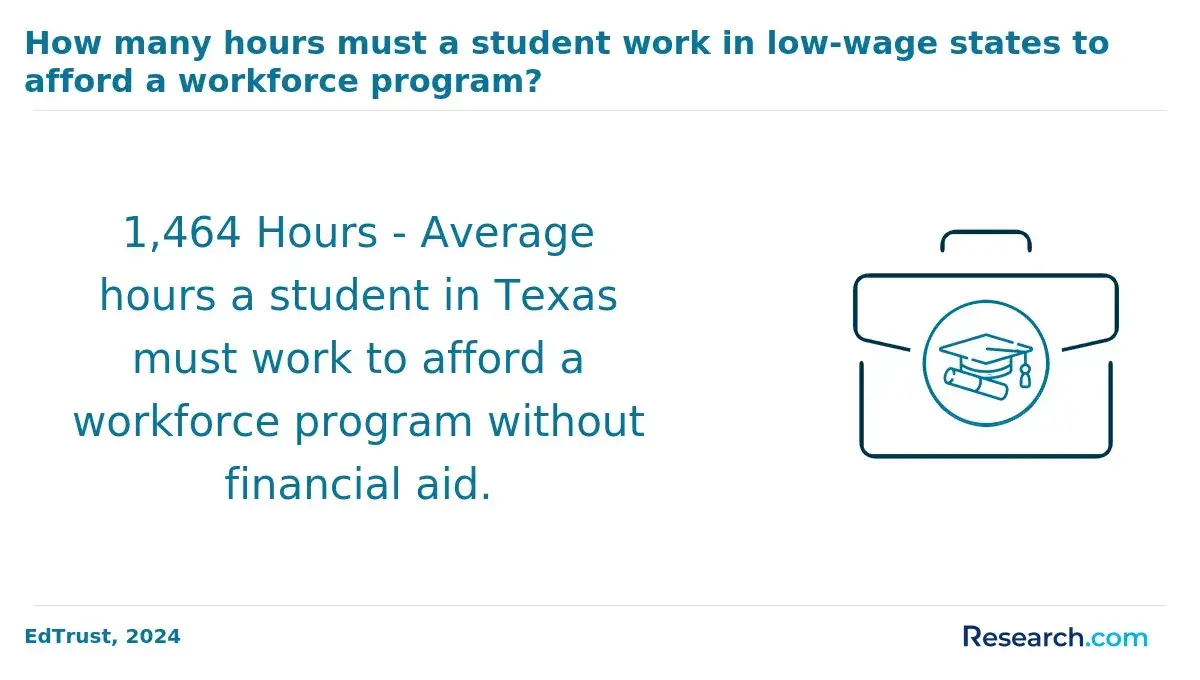
Financial planning helps you reduce stress, avoid unnecessary borrowing, and make better academic decisions. College affordability is not just about tuition; it includes fees, housing, food, books, transportation, childcare, technology, health expenses, and the income you may give up while studying.
Start with net price, not published price. Net price is the amount you may pay after grants and scholarships are applied, before loans and work earnings are considered. Two colleges with very different sticker prices can become more comparable after aid, while a lower-tuition option can become expensive if it causes credit loss, extra commuting, or delayed graduation.
Use these steps to build a practical college money plan before each academic year.
- Complete the FAFSA and any state or institutional aid applications as early as possible, then track follow-up requests carefully.
- Compare net price estimates across schools, including housing, transportation, food, books, and fees.
- Prioritize grants, scholarships, tuition assistance, and paid work that does not derail academic progress before using loans.
- Borrow only what you need, and review interest rates, repayment timelines, and total debt before accepting loans.
- Meet with financial aid and academic advising before dropping classes because enrollment changes can affect aid, billing, and satisfactory academic progress.
Federal student loan costs should be treated as part of the decision, not an afterthought. For 2024-25, the fixed interest rate for undergraduate Direct Subsidized and Unsubsidized Loans was 6.53%, which means borrowing can become more expensive if students take extra terms, change majors without a plan, or borrow for costs they could reduce.
The table below summarizes cost factors that students often overlook when comparing colleges.
| Cost factor | Why it matters | Question to ask |
| Fees | Program, lab, technology, health, and activity fees can add to the bill | Which fees are required every term? |
| Housing and food | Living costs can exceed tuition at some institutions | What are realistic on-campus and off-campus costs? |
| Transportation | Commuting can add fuel, transit, parking, and time costs | How many days per week must I be on campus? |
| Books and supplies | Some majors require costly materials, software, uniforms, or equipment | Are open educational resources or used materials available? |
| Lost credits | Changing schools or majors can increase time to completion | How will my credits apply to the degree plan? |
| Unpaid requirements | Clinical hours, student teaching, internships, or labs may reduce work availability | When do required field experiences occur? |
Red flags include choosing a college without reading the aid offer, assuming loans are free money, ignoring renewal requirements for scholarships, or enrolling in courses that do not count toward your program. If money is tight, meet with advisors before making a rushed decision to stop out; a planned pause or part-time schedule is often less damaging than disappearing midterm.
How can I build professional experience and a strong resume while in college?
Professional experience should begin before senior year. Employers and graduate programs often look for evidence that you can apply what you learned, communicate clearly, solve problems, work with others, and follow through on responsibilities. A strong resume is built term by term, not written from scratch the week before graduation.
Experience can come from many sources, including internships, part-time jobs, research, student leadership, service learning, volunteer work, campus employment, freelance projects, clinical placements, competitions, labs, and portfolio assignments. The key is translating each experience into skills and outcomes.
Use this progression to build career readiness while staying focused on school.
- In your first year, explore careers through informational interviews, career assessments, introductory courses, and student organizations.
- In your second year, build basic experience through campus jobs, volunteer roles, projects, labs, or short credentials connected to your interests.
- In your third year, pursue internships, research, field placements, leadership roles, or major-specific work samples.
- In your final year, refine your resume, portfolio, references, interview stories, graduate school materials, and job search strategy.
Students aiming for research, faculty, policy, or advanced professional roles may eventually consider doctoral study, but accelerated claims should be evaluated carefully against accreditation, dissertation or capstone requirements, faculty support, and employer expectations. If that path fits your long-term goals, compare options such as best 1-year PhD programs online with caution and a clear understanding of field norms.
The table below shows how different types of college experience can strengthen a resume.
| Experience type | What it can show | Best use on a resume |
| Internship | Applied industry exposure, workplace communication, and task ownership | Describe projects, tools, clients, outcomes, or responsibilities |
| Campus job | Reliability, service, operations, teamwork, and time management | Connect duties to transferable skills |
| Research assistantship | Data handling, literature review, lab methods, analysis, and attention to detail | List methods, presentations, posters, or faculty-supervised work |
| Student leadership | Planning, budgeting, event management, conflict resolution, and coordination | Quantify scope when possible, such as members served or events supported |
| Portfolio project | Technical, creative, writing, design, or analytical ability | Link the project to job-relevant skills and decisions |
| Volunteer work | Community engagement, empathy, service, and initiative | Highlight responsibilities and impact, not just participation |
A common mistake is listing duties without explaining value. "Worked front desk" is weaker than "Resolved student questions, scheduled appointments, and maintained confidential records." Use action verbs, specific tools, and measurable scope when accurate, but avoid exaggerating results you cannot explain in an interview.
What skills and competencies do employers expect from successful college graduates?
Employers expect successful college graduates to bring both technical knowledge and transferable skills. Technical skills depend on your field, such as coding, lab techniques, accounting, design software, patient care procedures, data analysis, writing, or teaching methods. Transferable skills are broader abilities that help you succeed across jobs, including communication, critical thinking, teamwork, adaptability, ethical judgment, and problem-solving.
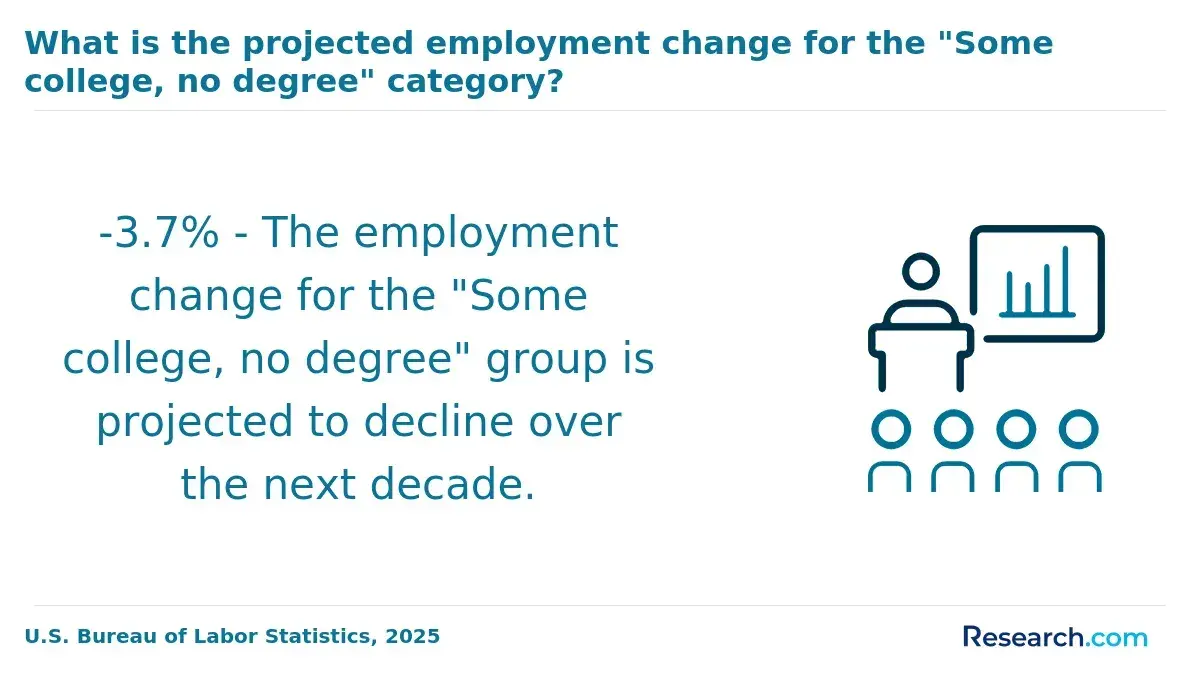
BLS education data for 2024 reports median weekly earnings of $1,543 for workers with a bachelor's degree, but this figure should not be read as a promise for every graduate. Major, occupation, work experience, location, internships, labor market conditions, and graduate education can all affect outcomes. The practical lesson is that a degree is strongest when paired with marketable competencies and evidence of applied work.
Use the following competency areas to audit your readiness before graduation. If one area is weak, choose courses, projects, jobs, or campus roles that help you build evidence.
- Communication: write clearly, present ideas, listen actively, adapt tone, and explain complex information to different audiences.
- Critical thinking: evaluate evidence, identify assumptions, compare alternatives, and make reasoned decisions.
- Digital fluency: use field-relevant software, data tools, collaboration platforms, AI tools, and basic cybersecurity habits responsibly.
- Teamwork: contribute reliably, manage conflict, meet deadlines, and work across differences.
- Professionalism: follow through, accept feedback, handle ambiguity, respect confidentiality, and communicate constraints early.
- Career management: research roles, network appropriately, interview effectively, and connect skills to employer needs.
AI is changing entry-level work by automating some routine tasks and increasing demand for people who can verify outputs, ask better questions, interpret results, and communicate judgment. Students should learn how AI tools are used in their field while also understanding academic integrity, privacy, bias, and accuracy limits.
The table below connects broad employer expectations to examples of evidence students can create during college.
| Employer expectation | Evidence students can build | Where to build it |
| Clear communication | Writing samples, presentations, client emails, reports, or teaching materials | Writing-intensive courses, internships, clubs, tutoring, campus jobs |
| Problem-solving | Case analyses, lab reports, design projects, troubleshooting examples, or process improvements | Major courses, research, competitions, work experience |
| Technical ability | Software projects, certifications, lab competencies, portfolios, or applied assignments | Labs, online modules, capstones, internships |
| Leadership and teamwork | Event planning, group project outcomes, peer mentoring, or committee work | Student organizations, service learning, residence life, athletics |
| Professional judgment | Ethics reflections, supervisor feedback, policy analysis, or responsible use of data | Field placements, seminars, internships, research roles |
If you discover that your target career requires graduate-level preparation, compare the value of work experience, certificates, and master's programs before enrolling. Accelerated options can be useful for some fields, but the right choice depends on accreditation, workload, cost, and whether employers in your field recognize the credential.
How do I set goals, track progress, and stay motivated through setbacks in college?
Goals help college students turn ambition into behavior. A useful goal is specific enough to guide today's choices, flexible enough to adjust after new information, and measurable enough to show whether you are improving. "Do better this semester" is vague; "attend tutoring every Tuesday, submit drafts 3 days early, and raise my statistics exam average" gives you something to act on.
Tracking progress is especially important because college setbacks are common. A low exam grade, a failed course, a rejected internship, a family emergency, or a change of major does not have to define your future. What matters is how quickly you diagnose the problem and change the plan.
Use this goal-setting cycle at the start and middle of every term.
- Choose 2 to 4 priority goals across academics, finances, well-being, and career preparation instead of trying to fix everything at once.
- Break each goal into weekly behaviors that you can control, such as study blocks, advisor meetings, applications, exercise, or budget reviews.
- Track leading indicators, such as attendance, assignment completion, sleep, tutoring visits, and study hours, not only final grades.
- Review results every 2 weeks and identify what should continue, stop, or change.
- Create a recovery plan after setbacks that includes the next appointment, next assignment, next conversation, and next deadline.
The table below shows how to translate common college goals into trackable indicators.
| Goal | Useful indicator | What it tells you |
| Improve grades | Assignment submission rate, quiz scores, tutoring attendance, and exam corrections | Whether your study system is improving before final grades are posted |
| Reduce money stress | Monthly spending, aid status, work hours, and emergency savings progress | Whether your financial plan is realistic |
| Build career readiness | Resume updates, applications submitted, networking conversations, and completed projects | Whether you are creating evidence for future employers |
| Protect well-being | Sleep consistency, counseling appointments, exercise, meals, and social connection | Whether your routine supports sustained performance |
| Stay on track to graduate | Credits completed, prerequisite completion, GPA requirements, and degree audit status | Whether your course choices match the program timeline |
Motivation often returns after action, not before it. If you feel stuck, reduce the next step until it is small enough to start: email the advisor, open the assignment, review one page of notes, schedule one tutoring session, or update one resume bullet. Momentum is built through repeated small wins.
Be alert for red flags that require outside support, such as missing multiple classes, ignoring bills, feeling unsafe, losing housing, experiencing persistent distress, or considering dropping out without talking to anyone. In those moments, contact advising, counseling, financial aid, a trusted faculty member, or emergency support services immediately.
Other Things You Should Know About
The most important habit is consistent follow-through. Attend class, study in planned blocks, submit work on time, review feedback, and ask for help early. Small, repeated actions usually matter more than last-minute intensity.
Study time varies by course difficulty, credit load, and your preparation level. A practical approach is to schedule weekly study blocks for each class, track whether your grades and understanding improve, and adjust before exams or major deadlines.
Yes, many students work while enrolled, but the course load must match your available time and energy. If work hours are high, consider part-time enrollment, online or evening courses, strong advising, and a realistic graduation plan.
Contact the instructor, meet with an advisor, use tutoring, review the syllabus, calculate what work remains, and ask about withdrawal deadlines before making decisions. Do not simply stop attending, because that can affect grades, aid, and academic standing.
References
- Five Ways to Support Todayâs Online Learners â InsideTrack https://www.insidetrack.org/blog/5-ways-to-support-todays-online-learner
- Ivy Tech College Success 111 https://courses.lumenlearning.com/ivytech-collegesuccess2x48x111/chapter/2-1-setting-and-reaching-goals/
- How to maintain a balance between academic and personal life https://okajak.com/en/articles/how-to-maintain-a-balance-between-academic-and-personal-life/
- What does it mean to be academically successful? https://blogs.flinders.edu.au/student-health-and-well-being/2021/07/09/what-does-it-mean-to-be-academically-successful/
- Academic Goal Setting for College Success https://www.lendkey.com/blog/general/academic-goal-setting-for-college-success/
- Top Resources for Academic Success for All Learning Styles https://blog.methodistcollege.edu/top-resources-for-academic-success
- Setting Goals for Students: Achieving Your Lifestyle Resolutions https://www.calcoast.edu/news/setting-goals-for-students-achieving-your-lifestyle-resolutions
- College Student Success: What Does Success Look Like, And How To Achieve It? | BetterHelp https://www.betterhelp.com/advice/students/college-student-success-what-does-it-look-like-and-how-can-you-achieve-it/
- 7 Ways to Boost Your Resume as a College Student https://dexian.com/blog/7-ways-to-boost-your-resume-as-a-college-student/
- Financial Planning in College: Mastering Your Finances During College https://m1.com/knowledge-bank/financial-planning-in-college-mastering-your-finances-during-college/