2027 How to Build Good Habits in College

Co-Founder and Chief Data Scientist
College success often depends less on one big burst of motivation and more on repeatable habits that protect your time, energy, and attention. NCES completion data published in 2024 shows that about 64% of first-time, full-time bachelor's students finished within 6 years, which means persistence is a real challenge. This guide is for new, returning, online, and working students who want a practical system for studying, planning, staying healthy, and using campus resources before small problems become expensive setbacks.
Key Things You Should Know
- Good college habits work best when they are specific, scheduled, and tied to existing routines; "study more" is weak, but "review biology notes for 25 minutes after lunch on Mondays, Wednesdays, and Fridays" is actionable.
- Habit-building has financial consequences: repeating courses, dropping below full-time enrollment, or extending a degree can increase tuition, fees, borrowing, and opportunity costs, especially when the federal Pell Grant maximum is $7,395 for the 2024-25 award year.
- The strongest student habits combine academic behaviors, wellness routines, and support-seeking; students should track sleep, study time, deadlines, advising appointments, and work hours as one connected system.
What are the most important academic habits to develop for college success?
The most important academic habits in college are the routines that help you learn consistently before deadlines become emergencies. A habit is a repeated behavior triggered by a cue, supported by a routine, and reinforced by a reward. In college, that might mean opening your planner after every class, starting assignments the same day they are assigned, or reviewing notes before checking social media.
Strong academic habits matter because college courses move faster than high school classes and often require more independent learning. The goal is not to be busy all the time; it is to build a system that makes the right action easier when motivation is low.
The academic habits below are the highest-leverage because they prevent the most common college problems: missed deadlines, shallow studying, weak attendance, and last-minute cramming.
- Attend class with a purpose: Go to class prepared with the reading, a question, and a plan for capturing what the instructor emphasizes.
- Review notes within 24 hours: Short, early review helps you correct confusion before it compounds into a bigger problem before exams.
- Start assignments early: Begin with a small first step, such as opening the rubric, creating a document, or solving the first practice problem.
- Use active recall: Test yourself without looking at notes instead of rereading passively, especially in courses with exams, formulas, vocabulary, or procedures.
- Ask for help early: Contact instructors, tutors, advisors, or classmates when you first notice a pattern of confusion, not after a failed exam.
Students choosing accelerated programs should be especially careful because compressed terms leave less room for missed work. If speed is a priority, compare time commitment, course load, transfer credit rules, and academic support before choosing one of the quickest online degrees.
The table below summarizes common academic habits and the college problems they are designed to prevent. Use it as a quick diagnostic tool when you are deciding which habit to build first.
| Academic Habit | Problem It Helps Prevent | Best Fit |
| Weekly deadline review | Missed assignments and surprise exams | Students juggling multiple courses or work shifts |
| Active recall practice | False confidence from rereading notes | Exam-heavy courses such as biology, psychology, accounting, and math |
| Office hour check-ins | Small misunderstandings becoming course failures | Students in gateway, major-required, or writing-intensive classes |
| Assignment chunking | Last-minute papers and low-quality projects | Students with research papers, labs, design projects, or capstones |
| Post-class note cleanup | Disorganized material before exams | Students in lecture-heavy or fast-paced courses |
A common mistake is copying another student's routine without checking whether it fits your course format, commute, job schedule, or attention span. A better approach is to identify your biggest recurring academic friction point and build one habit around that problem first.
How can college students build a sustainable study routine that actually sticks?
A sustainable study routine is a repeatable plan for when, where, and how you will study each week. The routine should be realistic enough to survive a busy week, not just an ideal week. Many students fail because they create a schedule based on ambition instead of available energy, attention, and time.
Start by estimating the true workload of your courses. The long-standing federal credit-hour definition generally expects about 1 hour of class and at least 2 hours of out-of-class work each week for each credit hour. For a 15-credit load, that can mean a full-time academic commitment even before employment, commuting, caregiving, or student activities are added.
Use the sequence below to build a routine you can actually maintain. The point is to reduce decision fatigue by deciding in advance what kind of work belongs in each time block.
- Map fixed commitments first: Add classes, work shifts, commute time, labs, meals, sleep, and recurring obligations before adding study time.
- Assign study blocks by task type: Put reading, practice problems, writing, review, and group work in separate blocks so each session has a clear purpose.
- Place hard courses at high-energy times: Schedule math, science, writing, or major courses when you are most alert, not when you are already depleted.
- Use a minimum viable study block: Choose a fallback version, such as 20 minutes of flashcards or 3 practice problems, for days when your full plan breaks.
- Review the routine every Sunday: Adjust for exams, projects, work changes, and personal obligations before the week begins.
Students in accelerated bachelor's programs need even tighter routines because coursework may be concentrated into shorter terms. Before enrolling in the best 1-year bachelor degree online options, check whether you can protect enough weekly study time to handle the pace without relying on constant cramming.
One practical rule is to separate "learning time" from "finishing time." Learning time is for reading, practice, and understanding. Finishing time is for submitting polished work. When students combine the two too often, they may complete assignments but retain less for exams, internships, certifications, or future courses.
What daily habits help college students balance classes, work, and personal life?
Balancing classes, work, and personal life requires daily habits that protect attention and prevent overload. The best daily habits are simple enough to repeat but strong enough to keep your week from drifting. They should help you answer three questions every day: What must be done today? What can wait? What will keep me functioning tomorrow?
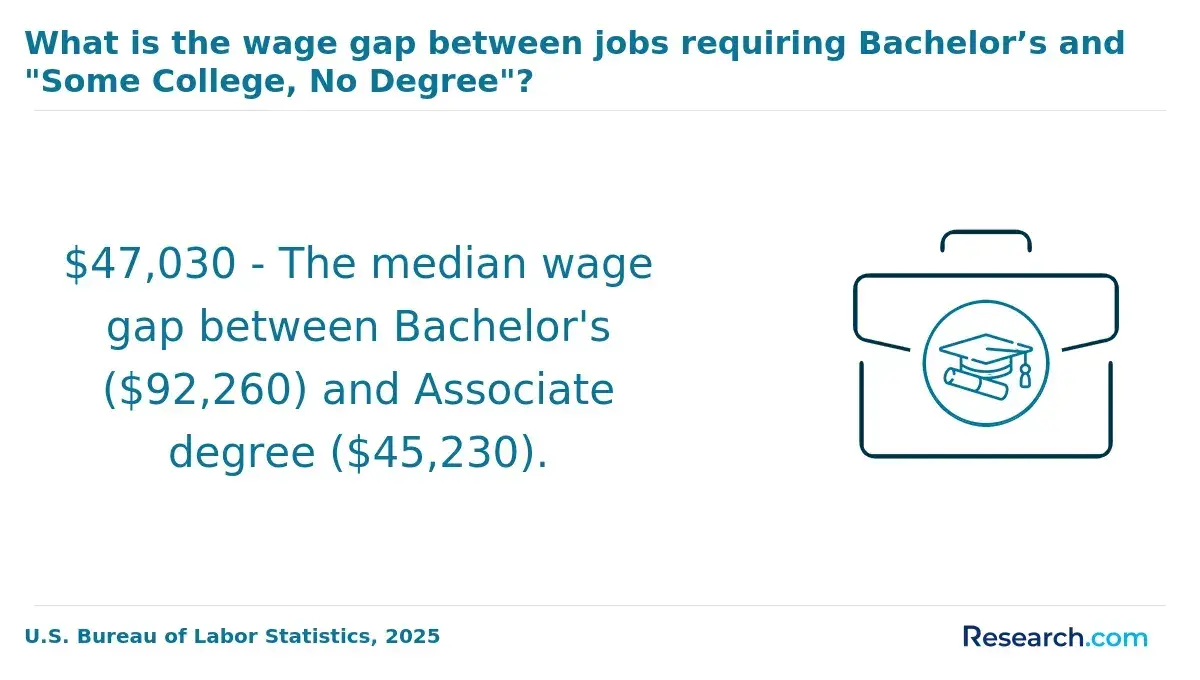
Working students should pay special attention to workload. Federal data continues to show that many undergraduates work while enrolled, and the practical issue is not whether work is "bad" or "good." The issue is whether work hours, class load, commute, and recovery time fit together without pushing study into the least effective hours of the day.
These daily habits help students create structure without making every day feel rigid. Choose a few that solve your most frequent problems first.
- Do a 10-minute morning scan: Check today's classes, deadlines, appointments, and one priority task before opening entertainment apps.
- Use a shutdown routine: At the end of the day, write down unfinished tasks, tomorrow's first study block, and anything you need to bring to class.
- Batch small tasks: Handle emails, discussion posts, forms, and quick messages in one or two windows instead of interrupting every study session.
- Protect one nonacademic recovery block: Schedule exercise, a meal with friends, quiet time, a club meeting, or family time so college does not become only work.
- Set work-school boundaries: Tell supervisors your class availability early and avoid building a schedule that depends on skipping lectures or labs.
Students often underestimate transition time. A 50-minute class can easily become a 90-minute commitment when walking, parking, logging in, eating, or preparing materials are included. Building a realistic schedule is not a sign of low ambition; it is how you make ambition sustainable.
A major red flag is a weekly plan with no buffer. If one late bus, one longer shift, or one sick day can ruin the whole week, the schedule is too fragile. Add small margins before high-stakes deadlines, exams, and workdays.
How do good habits differ for online college students versus campus-based students?
Good habits look different for online and campus-based students because the sources of structure are different. Campus students usually have more physical cues: classrooms, libraries, dining halls, labs, and face-to-face reminders. Online students often need to create those cues themselves through calendars, log-in routines, communication habits, and dedicated study spaces.
Online education is now a normal part of U.S. higher education, not a niche option. NCES data released in 2024 shows that more than half of postsecondary students took at least one distance education course in fall 2022. That means more students need habits for digital learning, even if they are not fully online.
The table below compares habit challenges by learning format. Use it to decide which routines need extra attention based on how your courses are delivered.
| Student Type | Main Habit Challenge | Structure That Helps | Risk to Watch |
| Fully online student | Creating external structure without a campus schedule | Fixed weekly log-in blocks, digital reminders, and regular instructor contact | Falling behind silently because no one sees daily attendance |
| Hybrid student | Managing both in-person and online deadlines | One master calendar that includes class meetings and online submissions | Treating online work as optional or less urgent |
| Campus-based student | Using unscheduled time between classes effectively | Library blocks, office hours, and study locations tied to specific courses | Losing time to social distractions or long gaps |
| Working adult learner | Protecting study time around job and family obligations | Short recurring study sessions and early communication with instructors | Planning only for perfect weeks with no emergencies |
If online learning is attractive because of flexibility, compare flexibility with total cost and support. Researching the most affordable online colleges can be useful, but affordability should include technology fees, transfer credit acceptance, advising access, course availability, and whether the format matches your study habits.
Online students should also build a "start ritual" that tells the brain it is time for school. This might mean opening the learning management system, checking the weekly module, downloading readings, and writing the first task on a notepad before beginning. Without a ritual, online coursework can feel invisible until a deadline is near.
How can new college students design their schedule to support strong habits?
New college students should design their schedule around habit formation, not just course availability. A good schedule helps you attend class, study at consistent times, sleep enough, work manageable hours, and access support services. A bad schedule may look efficient on paper but create long commutes, scattered energy, or impossible deadline clusters.
Before registration, students should think about course difficulty, time of day, location, modality, and personal responsibilities together. The best schedule is not always the one with the fewest days on campus; it is the one that creates a realistic weekly rhythm.
Use these steps before finalizing a schedule. They can help you avoid signing up for a semester that undermines your habits from the beginning.
- Identify nonnegotiables: Add work, caregiving, medical appointments, commute limits, athletic commitments, or scholarship requirements first.
- Balance course difficulty: Avoid stacking several high-reading, high-writing, or lab-heavy courses in the same term unless you have enough study time.
- Check assignment patterns: If possible, review syllabi or ask advisors whether courses have weekly quizzes, major papers, labs, or group projects.
- Build study blocks next to classes: Place study time immediately before or after class to take advantage of momentum and campus resources.
- Leave recovery and buffer time: Protect time for meals, sleep, errands, exercise, and unexpected academic problems.
Application habits matter too. Students comparing colleges can reduce friction by looking for a university with free application fee, but they should still verify accreditation, program fit, credit transfer policies, and total cost before applying.
A common mistake is choosing all early-morning or all evening classes because they look efficient. That may work for some students, but it can backfire if your job schedule, commute, sleep pattern, or family responsibilities make attendance inconsistent. Schedule design should support the habits you need, not the fantasy version of your week.
What healthy lifestyle habits improve focus, energy, and mental health in college?
Healthy lifestyle habits improve college performance because focus, memory, mood, and energy are physical as well as academic. Students often treat sleep, food, movement, and mental health as optional until grades begin to suffer. In reality, these routines are part of the learning system.
The American College Health Association's 2024 student health reporting continues to show high demand for mental health support across campuses. For students, the practical takeaway is that stress is common, but waiting until distress becomes unmanageable can make academic recovery harder.
The habits below are not a substitute for medical or mental health care, but they can make daily functioning more stable. If symptoms interfere with class attendance, sleep, safety, or basic responsibilities, students should contact campus health services, counseling, a trusted professional, or emergency support as appropriate.
- Keep a consistent sleep window: Aim for regular sleep and wake times most days, especially before exams, labs, clinicals, presentations, and work shifts.
- Eat before demanding study sessions: Long classes or late study blocks are harder when you are underfueled, dehydrated, or relying only on caffeine.
- Move daily in a realistic way: Walking to class, using the gym, stretching, intramurals, or short home workouts can reduce stress and improve alertness.
- Limit multitasking during rest: Scrolling while exhausted may not provide real recovery; try short screen-free breaks, music, journaling, or time outside.
- Create a help threshold: Decide in advance when you will contact support, such as after two missed classes, repeated panic before exams, or several nights of poor sleep.
Students should be careful with productivity advice that glorifies sleeping less, skipping meals, or studying all night. Those tactics may appear to work once, but they often create a cycle of exhaustion, lower retention, and more procrastination. A sustainable student routine treats recovery as academic preparation.
How can students use planners, apps, and tools to reinforce good habits?
Planners, apps, and tools reinforce good habits when they reduce friction. They should make deadlines visible, break assignments into steps, and remind you what to do next. They should not become another complicated system you avoid maintaining.
Choose tools based on the problem you need to solve. A paper planner may be better for visual weekly planning, while a digital calendar may be better for reminders and shared events. Task apps can help with recurring work, but only if you keep the list current.
The table below compares common student tools by purpose. Use it to avoid overloading yourself with apps that duplicate the same function.
| Tool Type | Best Use | Limitation | Good Habit It Supports |
| Digital calendar | Classes, work shifts, exams, appointments, and reminders | Can become cluttered if every small task is added | Time blocking and deadline awareness |
| Paper planner | Weekly overview, priority setting, and visual planning | No automatic reminders | Daily review and weekly planning |
| Task manager | Multi-step assignments, recurring tasks, and checklists | Requires regular cleanup | Assignment chunking and follow-through |
| Flashcard app | Vocabulary, formulas, definitions, and retrieval practice | Less useful for essays or complex projects alone | Active recall and spaced review |
| Focus timer | Short study sessions and breaks | Does not solve unclear goals by itself | Starting work and limiting distractions |
Once you choose tools, keep the system simple. A reliable setup usually includes one calendar, one task list, one place for notes, and one weekly review habit.
Follow this basic setup sequence if your current system feels scattered. It helps you create a single source of truth for your semester.
- Enter all fixed dates: Add class times, work shifts, exams, major deadlines, payment dates, advising appointments, and registration windows.
- Break large assignments into milestones: Add topic selection, research, outline, draft, revision, and submission as separate tasks.
- Create recurring study blocks: Schedule study sessions before the week fills with lower-priority commitments.
- Set reminders strategically: Use reminders for action points, not for every minor item, or you may start ignoring them.
- Review every week: Remove completed tasks, update deadlines, and decide which habit needs attention next week.
A common red flag is spending more time designing the perfect productivity system than using it. If a tool does not help you start, remember, or finish important work, simplify it or replace it.
What evidence-based strategies make it easier to form and maintain new habits?
Evidence-based habit strategies make college routines easier because they work with human behavior instead of relying on willpower alone. The most useful strategies are specific, repeatable, and tied to cues you already encounter during the day.
Habit formation is not instant. Research on behavior change has consistently found that automaticity develops over time and varies by behavior, context, and person. For college students, that means you should expect a learning curve and design habits that can survive imperfect weeks.
Use the strategies below when you want to form a new habit or repair one that keeps breaking. Each strategy is practical because it reduces the number of decisions you must make in the moment.
- Habit stacking: Attach a new habit to an existing cue, such as reviewing flashcards after breakfast or checking your planner after each class.
- Implementation intentions: Write the exact plan in an "if-then" format, such as "If I finish dinner by 7 p.m., then I will work on chemistry problems for 30 minutes."
- Environment design: Put study materials where you will use them and remove high-friction distractions from your study area.
- Two-minute starts: Make the first step tiny, such as opening the assignment page, labeling notes, or writing one sentence of a draft.
- Visible tracking: Track the habit on a calendar, planner, or app so you can see patterns without judging yourself harshly.
- Reward pairing: Pair a difficult habit with a small positive reinforcement, such as a favorite study playlist, coffee, or a walk after completion.
The biggest mistake is trying to change everything at once. If you add a new sleep routine, workout plan, note system, study schedule, and meal plan in the same week, the system becomes too heavy. Start with one keystone habit that makes other habits easier, such as a Sunday planning session or a consistent bedtime.
When a habit fails, diagnose it instead of labeling yourself undisciplined. Ask whether the cue was missing, the routine was too hard, the reward was unclear, or the schedule was unrealistic. Then adjust the system and try again.
How should students evaluate college support services that help build good habits?
College support services can help students build better habits, but quality and access vary by institution. Students should evaluate services before they are in crisis, especially if they are choosing a college, transferring, returning after time away, or enrolling online.
Support services matter financially as well as academically. The 2024-25 federal Pell Grant maximum of $7,395 can reduce direct costs for eligible students, but aid does not eliminate the cost of lost time if poor advising, failed courses, or missed requirements delay graduation. Strong support can help students use their time and aid more effectively.
The table below lists common support services and what students should look for when comparing colleges. This can help you ask better questions before enrolling or before a problem becomes urgent.
| Support Service | What It Helps With | Questions to Ask | Red Flag |
| Academic advising | Course sequencing, major requirements, transfer credits, and graduation planning | How often can I meet with an advisor, and are advisors assigned by major? | Students must self-navigate complex requirements with little guidance |
| Tutoring or learning center | Study skills, writing, math, science, and course-specific help | Are tutoring sessions free, online, drop-in, scheduled, or available in evenings? | Help is limited to a few hours that conflict with classes or work |
| Disability services | Approved accommodations and accessibility support | What documentation is required, and how long does approval usually take? | Unclear processes or delayed communication before the term starts |
| Mental health counseling | Stress, anxiety, adjustment, crisis referral, and wellness planning | What services are included, and what happens if long-term care is needed? | No clear referral process for needs beyond short-term counseling |
| Career services | Resumes, internships, interviews, networking, and career planning | Do online, evening, transfer, and alumni students have access? | Services focus only on seniors instead of supporting students earlier |
Students in advanced or specialized programs should also ask whether the academic format supports their working life. For example, someone researching an online PhD criminal justice no dissertation option should still compare faculty access, research expectations, cohort structure, residency requirements, and career relevance rather than focusing only on the absence of a dissertation.
A practical next step is to contact the tutoring center, advising office, and career services before enrolling or early in the term. Notice response time, clarity, appointment availability, and whether staff can answer questions for your student type. Support that is technically available but difficult to access may not help when you need it most.
How can college habits translate into long-term career success and professionalism?
College habits translate into career success because employers value reliability, communication, preparation, and follow-through. The same behaviors that help students succeed academically also show up in professional settings: meeting deadlines, asking good questions, managing projects, learning new tools, and responding to feedback.
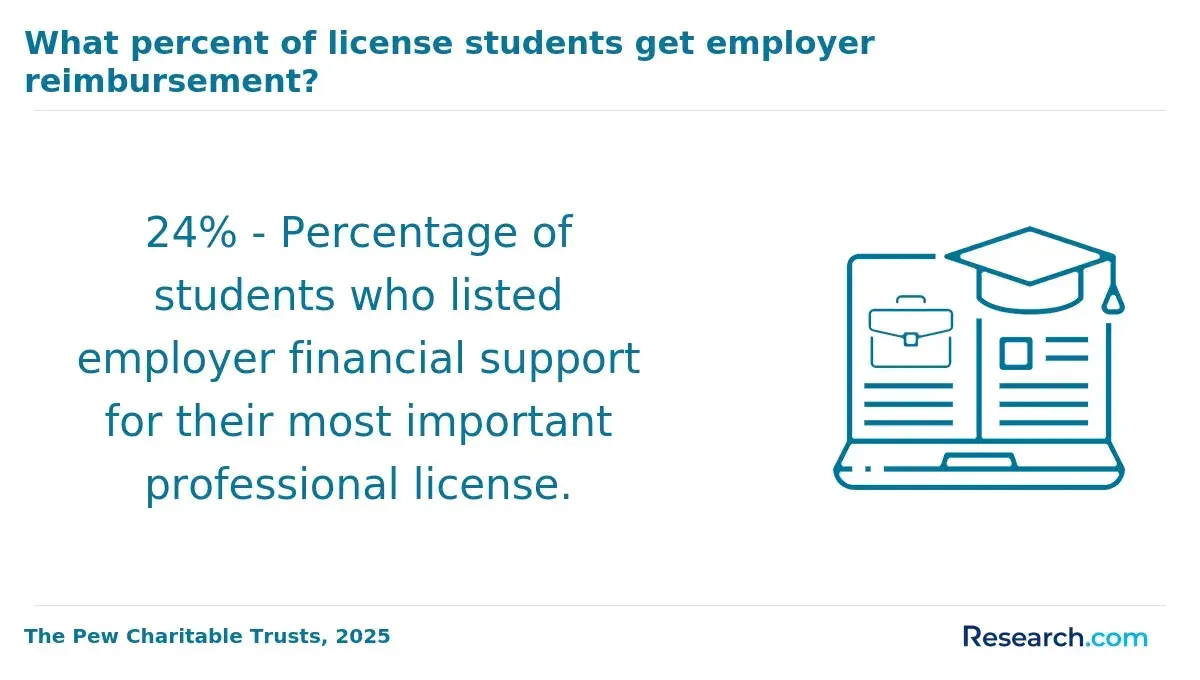
BLS data published in 2024 shows that workers with a bachelor's degree had median weekly earnings of $1,543 in 2023, compared with $930 for workers with only a high school diploma. This does not mean a degree guarantees a specific salary, but it does show why finishing efficiently and building professional habits during college can affect long-term options.
The table below connects college habits with workplace behaviors. Use it to think beyond grades and identify habits that will matter in internships, entry-level jobs, graduate school, and professional advancement.
| College Habit | Career Skill It Builds | Workplace Example |
| Submitting work on time | Reliability and project management | Meeting client, supervisor, or team deadlines |
| Using office hours | Feedback-seeking and professional communication | Asking managers clarifying questions before problems escalate |
| Preparing before class | Meeting readiness | Arriving prepared for briefings, presentations, or team discussions |
| Tracking assignments | Organization and accountability | Managing multiple tasks, cases, tickets, patients, or deliverables |
| Reflecting after exams or projects | Continuous improvement | Learning from performance reviews, audits, or completed projects |
Technology is also changing what good habits look like. AI tools can support brainstorming, scheduling, outlining, coding practice, and feedback, but students need ethical and course-compliant habits. That means checking academic integrity rules, verifying AI-generated information, protecting private data, and using AI to support learning rather than replace it.
Students should begin building career habits before senior year. These steps help convert academic routines into professional readiness.
- Create a professional record: Save projects, papers, presentations, lab work, designs, or case examples that could become portfolio material.
- Practice professional communication: Write clear emails, meet deadlines, follow instructions, and respond respectfully to feedback.
- Use career services early: Get help with resumes, internship searches, mock interviews, and networking before application deadlines arrive.
- Track skill development: Record technical tools, research methods, writing samples, leadership roles, and certifications as you gain them.
- Build references gradually: Develop relationships with faculty, supervisors, advisors, or mentors who can speak to your reliability and growth.
The key decision is not whether to become perfectly disciplined. It is whether your daily habits are moving you toward graduation, employability, and a sustainable life. Small routines repeated across semesters can become the professional standards that help you stand out later.
Other Things You Should Know About
It varies by habit, student, and environment. Simple habits like checking a planner may become routine faster than complex habits like studying 2 hours nightly. Focus on consistency and adjust the cue, timing, or difficulty if the habit keeps failing.
A weekly planning habit is often the best starting point. Reviewing deadlines, classes, work hours, and study blocks once a week makes other habits easier because you can see problems before they become urgent.
Make the first step smaller and more specific. Instead of "write paper," start with "open the rubric and create a document." Use short timed sessions, remove distractions, and schedule work before the deadline feels stressful.
Online students often need more self-created structure because there may be fewer physical reminders and scheduled meetings. A master calendar, weekly log-in routine, instructor communication, and dedicated study space can make online learning more manageable.
References
- The In-person Advantage: Why Face-to-face Education Has Benefits https://www.berry.edu/articles/blog/2024/in-person-advantage
- Six College Experiences That Will Boost Your Career Success - Smart Workforce Strategies https://www.smartworkforcestrategies.com/six-college-experiences-that-will-boost-your-career-success/
- Student Support Services Best Practices Guide https://www.amerigoeducation.com/news/student-support-services-best-practices-guide
- College Composition https://courses.lumenlearning.com/suny-mcc-college-composition/chapter/outcome-habits-for-success/
- How to Build Lasting Habits: The Science of Sustainable Change — Communicating Psychological Science https://www.communicatingpsychologicalscience.com/blog/how-to-build-lasting-habits-the-science-of-sustainable-change
- How to Balance College and Work: Practical Tips for Students https://beal.edu/how-to-balance-college-and-work/
- Evidence – Based Stategies for Positive Habit Formation - Feel Good Psychology https://feelgoodpsychology.com.au/evidence-based-stategies-for-positive-habit-formation/
- Building Good Habits With A Weekly Study Planner | K12 Tutoring https://tutoring.k12.com/resources/parent-guides/at-home-tools-and-templates/weekly-study-planner/building-good-habits-with-a-weekly-study-planner/
- Why students should use something to manage their time - Organising Students https://organisingstudents.com.au/2019/02/why-students-should-use-something-to-manage-their-time/
- 5 study planning apps every student uses for better ... https://www.myfoundrylofts.ca/blog/5-study-planning-apps-every-student-uses-for-better-productivity/