2027 How to Succeed as a Returning Student

Co-Founder and Chief Data Scientist
Returning to college can feel risky when you are also managing work, family, bills, or a long gap from school. Yet the payoff can be meaningful: BLS data for 2024 shows workers age 25 and older with a bachelor's degree had median weekly earnings of $1,543, compared with $930 for those with only a high school diploma.
This guide is for adult learners deciding whether, where, and how to re-enroll. You will learn how to compare programs, reduce costs, balance responsibilities, and build a realistic plan to finish.
Key Things You Should Know
- Start with the outcome, not the school: choose a degree, certificate, or completion pathway only after confirming it matches your target job, timeline, budget, and transfer-credit situation.
- Cost varies widely: College Board's 2024 data lists average published tuition and fees at $4,050 for public two-year in-district colleges and $11,610 for public four-year in-state institutions, before grants, housing, books, and lost work time.
- Flexibility matters as much as motivation: returning students are more likely to persist when they use advising, prior learning credit, predictable weekly study blocks, emergency aid, tutoring, and mental health support early.
What steps should you take before returning to college to set yourself up for success?
The smartest way to return to college is to treat enrollment like a project with a defined goal, budget, timeline, and support plan. A returning student may be an adult learner, a student who stopped out before finishing, a military-affiliated learner, a parent, a full-time worker, or someone changing careers after years away from school.
Before applying, clarify what you want the credential to do for you. Some students need a bachelor's degree to qualify for promotion; others need a short certificate, prerequisite courses, licensure preparation, or graduate study. Choosing the wrong credential can cost more time and money than taking an extra week to compare options.
Use the following steps to make your return practical rather than overwhelming:
- Define your target outcome in one sentence, such as "I want to qualify for entry-level accounting roles" or "I need a bachelor's degree to move into management."
- Request official transcripts from every college you previously attended, even if you left years ago or earned low grades.
- Ask each school for a transfer-credit evaluation before committing, because the number of accepted credits can change your cost and graduation date.
- Build a weekly time budget that includes class sessions, reading, assignments, commuting, childcare, work, sleep, and one buffer block for emergencies.
- Compare total cost, not just tuition, including technology fees, books, clinical or lab fees, transportation, childcare, and any income you may lose by reducing work hours.
- Meet with an academic advisor before registration and ask which courses are offered online, at night, in accelerated terms, or only once per year.
- Complete the FAFSA and scholarship applications before assuming school is unaffordable.
- Tell trusted people in your life what your schedule will require, then ask for specific help such as school pickup, quiet study time, or backup coverage during exams.
A common mistake is enrolling immediately because a program sounds convenient. A better approach is to verify that the credits apply to the credential, the credential applies to your goal, and the schedule fits your real life.
How can you balance school, work, and family responsibilities as a returning student?
Balance does not mean giving equal time to everything every day. For returning students, balance means creating a schedule that protects your highest-priority responsibilities while making steady academic progress. This usually requires fewer assumptions, more written planning, and earlier communication than traditional college students may need.
Start by deciding whether full-time or part-time enrollment fits your life. Full-time study may shorten your path, but it can increase stress if you also work long hours or provide care at home. Part-time study may take longer, but it often supports better persistence for students who cannot pause work or family responsibilities.
This comparison can help you choose a pace that matches your constraints rather than someone else's idea of progress:
| Enrollment pace | Best fit | Main trade-off |
| Full-time | Students with flexible work, reliable childcare, strong savings, or a short remaining path to graduation | Faster completion, but higher weekly workload and less room for emergencies |
| Part-time | Students working full time, parenting, caregiving, or rebuilding academic confidence | More manageable schedule, but a longer timeline and possible changes in aid eligibility |
| Accelerated terms | Motivated students who can focus intensely on one or two classes at a time | Shorter terms, but missed assignments can be harder to recover from |
| Stop-in, stop-out flexible model | Students with unpredictable work shifts, military obligations, or health-related interruptions | More flexibility, but requires careful advising to avoid losing momentum |
Once you choose a pace, make your schedule visible. Returning students often fail not because they are incapable, but because school tasks stay invisible until deadlines collide with work or family needs.
These practices help protect your time without requiring a perfect week:
- Use a shared calendar for class meetings, work shifts, assignment deadlines, family obligations, and exam windows.
- Reserve two or three recurring study blocks each week instead of waiting for "free time" to appear.
- Tell instructors early if you have predictable conflicts, such as rotating shifts, military drills, or caregiving responsibilities.
- Use small time pockets for reading, flashcards, discussion posts, or lecture review, but save writing and problem-solving for focused blocks.
- Create a backup plan for childcare, transportation, internet access, and computer problems before the term begins.
- Limit your first term to a realistic course load if you are returning after a long academic break.
One useful rule is to avoid overloading your first term just to "make up for lost time." A successful first term builds confidence, GPA stability, and routines that make later terms easier.
What types of degree and certificate pathways are best for returning adult learners?
The best pathway depends on your starting point and career goal. A certificate can be enough for a targeted skill upgrade, while an associate, bachelor's, master's, or doctoral program may be necessary for careers with degree requirements, licensure rules, or leadership expectations.
Use degree type as a decision tool, not a status symbol. The right credential is the one that gets you to the next practical step with the least unnecessary debt, delay, and duplication.
The table below summarizes common pathways for returning students and when each one tends to make sense:
| Pathway | Typical purpose | Good fit for returning students who | Watch out for |
| Short certificate | Builds job-specific skills in fields such as IT, healthcare support, business, or skilled trades | Need a faster credential, want to test a field, or already have work experience | Programs that are not recognized by employers or do not connect to credits later |
| Associate degree | Prepares students for technical roles or transfer into a bachelor's program | Want a lower-cost starting point or need foundational coursework | Credits that do not transfer cleanly to the intended four-year institution |
| Bachelor's completion program | Helps students with prior credits finish a four-year degree | Have previous college credits and need a bachelor's for career mobility | Residency requirements that force students to retake too many credits |
| Master's degree | Supports specialization, leadership, licensure advancement, or career change | Already hold a bachelor's degree and have a clear professional reason for graduate study | High cost without a clear salary, promotion, or licensure connection |
| Doctoral program | Prepares for advanced leadership, research, academia, or specialized practice | Need the credential for a specific field or senior role | Long timelines, dissertation requirements, and unclear ROI if the credential is not required |
Certificates are especially useful when you need a near-term skill and do not want to commit to a full degree immediately. If your goal is a faster workforce credential, compare recognized 6-month certificate programs with local employer requirements before enrolling.
Returning students considering graduate school should be especially careful about purpose. A master's degree can be valuable when it is tied to licensure, advancement, or a clear career pivot, but it may not be the best first move if a certificate, employer training program, or bachelor's completion option would solve the same problem for less cost.
How do online, hybrid, and campus programs compare for returning students?
Online, hybrid, and campus programs can all work for returning students, but they solve different problems. The right format depends on your schedule, learning style, commute, technology access, and whether your program requires labs, clinical placements, internships, or licensure preparation.
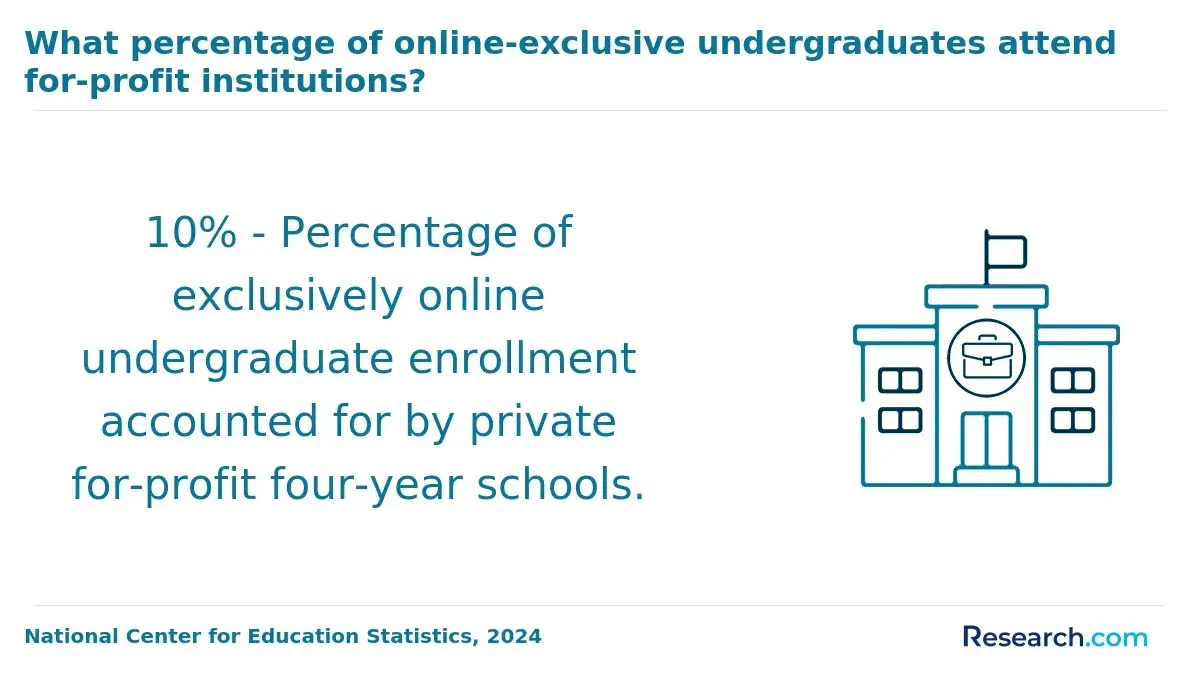
Online learning is popular because it removes commute time and often allows asynchronous study. However, flexible does not mean easy. Online courses require strong self-management, regular logins, and comfort with digital platforms. Campus programs may provide more structure and face-to-face support, but commuting and fixed class times can be difficult for adults with work or family obligations.
This table can help you compare formats based on practical fit:
| Format | Best advantages | Best fit | Possible drawback |
| Online | No commute, flexible scheduling, broader program choice | Self-directed learners, full-time workers, parents, rural students, military-affiliated students | Requires strong time management and reliable technology |
| Hybrid | Combines online flexibility with some in-person interaction | Students who want structure but cannot attend campus every day | Campus visits may still conflict with work or caregiving |
| Campus-based | Face-to-face instruction, easier access to facilities, stronger routine | Students who learn best in person or need labs, studios, clinical practice, or hands-on equipment | Commuting, parking, and fixed schedules may increase stress |
To choose well, ask whether the format supports the way you actually learn. If you need instructor interaction, choose a program with live sessions, office hours, tutoring, and quick feedback. If your schedule changes weekly, asynchronous online courses may be better than live evening classes.
Also verify whether online coursework meets professional requirements. Nursing, education, counseling, social work, and other licensed fields may require approved clinical hours, field placements, state-specific exams, or supervised practice. A program can be accredited and still not fit your state or career plan.
Some learners also consider doctoral study because they want maximum flexibility while working. If that is your situation, compare dissertation expectations, residency requirements, and faculty support before choosing a PhD online pathway.
How can you choose an accredited, reputable college that supports returning students?
Accreditation is one of the most important checks before enrolling. Institutional accreditation from an agency recognized by the U.S. Department of Education affects federal financial aid eligibility, transfer credit, employer recognition, and graduate school admission. Some fields also require programmatic accreditation, especially in healthcare, education, counseling, engineering, business, and public service fields.
Reputation should be measured by fit and outcomes, not advertising. A reputable college for returning students is transparent about cost, transfer credit, student support, graduation requirements, licensure alignment, and career services.
Ask these questions before you apply or pay a deposit:
- Is the institution accredited by an agency recognized by the U.S. Department of Education?
- Does my intended major require programmatic accreditation, licensure approval, or state authorization?
- How many of my prior credits will apply directly to my degree, not just transfer as electives?
- Are courses offered at times and in formats that match my work and family schedule?
- What tutoring, writing support, disability services, career advising, mental health resources, and emergency aid are available to adult learners?
- What are the total estimated costs, including fees, books, technology, transportation, and required in-person experiences?
- Can the school provide graduation, retention, loan repayment, or employment data for students in my program?
Military-affiliated students should also review credit for military training, deployment flexibility, GI Bill processing, and veteran support services. If that applies to you, comparing an online military college can help you identify schools designed for service members, veterans, and their families.
Red flags include pressure to enroll immediately, vague accreditation claims, unclear tuition totals, promises of guaranteed jobs, unwillingness to review transfer credits before enrollment, and programs that cannot explain licensure requirements in your state.
What admission requirements and transfer-credit policies matter most for returning students?
Returning students should pay close attention to admission requirements because policies vary widely by school, degree level, and major. Many undergraduate programs ask for high school records, prior college transcripts, placement information, and sometimes a minimum GPA. Adult-friendly programs may offer test-optional admission, rolling deadlines, prior learning assessment, or provisional admission for students who need to rebuild their academic record.
Transfer credit can be the difference between finishing in one year and starting almost from scratch. Credits may transfer as general education, major requirements, electives, or not at all. The most valuable credits are those that apply directly to your degree plan.
These transfer-credit policies deserve close review before you enroll:
- Maximum transferable credits, especially for bachelor's completion programs.
- Minimum grade requirements for accepting previous coursework.
- Time limits on older credits, especially in technology, science, accounting, and healthcare fields.
- Residency requirements, which determine how many credits you must complete at the new school.
- Credit for prior learning, military training, professional certifications, exams, portfolios, or workplace training.
- Articulation agreements between community colleges and four-year institutions.
- Appeal processes if a course is denied or counted only as an elective.
Do not rely on a verbal estimate alone. Ask for a written degree audit showing completed requirements, remaining courses, expected timeline, and any courses that must be repeated. If two schools offer similar programs but one accepts significantly more applicable credits, the better choice may be the one that shortens your path and reduces total cost.
Graduate admissions can be more selective. Programs may require a bachelor's degree, prerequisite coursework, a resume, recommendation letters, a statement of purpose, professional experience, licensure, or a minimum GPA. If your undergraduate GPA was low, ask whether recent coursework, professional experience, or nondegree graduate classes can strengthen your application.
What financial aid, scholarships, and employer benefits can help pay for your return to school?
Returning students should build a funding plan before choosing a course load. Federal Student Aid lists the maximum Pell Grant at $7,395 for the 2024-25 award year, but eligibility depends on financial need, enrollment intensity, program eligibility, and other factors. That means you should complete the FAFSA even if you assume you will not qualify.
Financial aid can include grants, scholarships, federal loans, work-study, state aid, institutional aid, military education benefits, employer tuition assistance, union benefits, and payment plans. Grants and scholarships are usually the best starting point because they generally do not need to be repaid if you meet the terms.
Use the following order when looking for funding because it prioritizes lower-risk options first:
- Complete the FAFSA and any state aid forms by the earliest relevant deadline.
- Ask your college about adult learner scholarships, completion grants, emergency aid, and department-specific awards.
- Check whether your employer offers tuition assistance, reimbursement, student loan repayment help, paid training time, or promotion-based education support.
- Look for scholarships tied to your field, community, military status, union membership, caregiving role, or first-generation student status.
- Compare federal loan options before considering private loans, because federal loans typically include borrower protections that private loans may not offer.
- Calculate the total cost to finish, not just the cost of the first term.
If graduate study is part of your plan, compare tuition carefully because prices vary widely by institution and format. Researching affordable master degree programs can help you identify lower-cost options before committing to a higher-priced school.
Employer benefits can be especially valuable, but read the rules. Some employers reimburse only after you pass the course, require the program to relate to your job, cap annual payments, or require you to stay employed for a period after receiving aid. If you may change jobs soon, ask whether you would need to repay benefits.
What study strategies, campus resources, and supports help returning students succeed academically?
Returning students often bring strengths that younger students may not yet have: work experience, persistence, clearer goals, and better awareness of consequences. The challenge is usually not ability. It is rebuilding academic habits, learning new technology, and asking for help early enough.
Start with a simple study system. Most college courses require regular reading, note review, assignment planning, and practice. Waiting until the night before an exam is especially risky if you are also working or caring for others.
These strategies make academic success more predictable:
- Preview the syllabus during the first week and enter every major deadline into your calendar.
- Break large assignments into smaller tasks, such as topic selection, research, outline, draft, revision, and final submission.
- Use active study methods such as practice questions, self-quizzing, explaining concepts aloud, and rewriting notes in your own words.
- Visit tutoring, writing, math, or technology support before you are failing, not after.
- Contact instructors when you first feel confused, because one unanswered concept can become a larger problem in accelerated courses.
- Form a small study group with classmates who are reliable and focused.
- Use accessibility or disability services if you have a documented condition that affects learning, testing, attention, mobility, or mental health.
Technology readiness matters more than many returning students expect. Make sure you can use the learning management system, upload files, join video meetings, access library databases, format citations, and use school email. If you are uncomfortable with academic technology, ask for a tutorial before classes begin.
Another common mistake is trying to do everything alone to "prove" you belong. Successful students use support services because those services are part of the college infrastructure, not a sign of weakness.
How can returning to college improve your career options, salary potential, and job security?
Returning to college can improve career options when the credential is connected to a real labor-market requirement or a documented advancement path. The value is strongest when your program builds skills employers request, qualifies you for licensure, helps you finish a degree that is blocking promotion, or supports a move into a more stable field.
Education is associated with higher earnings, but outcomes vary by major, region, occupation, experience, employer, and economic conditions. BLS 2024 earnings data shows a clear education premium at the national level, but you should still check local job postings before enrolling.
The table below shows how different education levels can connect to career mobility, using national patterns as context rather than promises:
| Credential | Common career value | Best use case |
| Certificate | Signals specific technical or occupational skill | Quickly adding employable skills or moving into an entry-level role |
| Associate degree | Supports technical roles, healthcare support, business support, public safety, or transfer | Entering a field that values applied training or reducing the cost of a bachelor's pathway |
| Bachelor's degree | Meets baseline requirements for many professional, management, education, business, and technology roles | Removing a promotion barrier or qualifying for roles that screen for a four-year degree |
| Master's degree | Builds specialization or prepares for leadership, advanced practice, or licensure-related roles | Advancing in fields where graduate education is rewarded or required |
Current hiring trends also matter. Employers increasingly look for a mix of degree credentials, job-ready skills, digital literacy, communication, problem solving, and adaptability. AI and automation are changing many roles, which makes continuous learning more important, but it also means students should choose programs that teach applied tools, ethical judgment, data use, and human skills that are harder to automate.
If your goal is a faster wage or career boost, compare short credentials carefully. Some certificate programs that pay well may align with in-demand technical skills, but the best choice still depends on employer recognition, your prior experience, and whether the credential can stack into a degree later.
To evaluate ROI, compare the total cost to finish with the realistic salary range for your target job, not the highest salary advertised. Review job postings, talk with people in the field, ask schools for program-level outcomes, and consider whether you can keep working while enrolled.
What resilience, mental health, and self-care practices help you persist to graduation?
Persistence is not just about willpower. Returning students often face stress from competing roles, financial pressure, imposter feelings, academic anxiety, family expectations, and unexpected disruptions. Building resilience means creating systems that help you recover when life interrupts school.
Self-care should be practical, not idealized. Sleep, nutrition, movement, connection, and realistic scheduling affect concentration and emotional regulation. If you regularly study while exhausted, skip meals, or isolate yourself, academic problems can grow quickly.
Use these practices to protect your momentum:
- Set a minimum weekly progress goal, such as completing readings, attending class, submitting assignments, and checking grades, even during stressful weeks.
- Build recovery time into your calendar after exams, major projects, long work shifts, or family events.
- Use counseling, peer support, spiritual care, veteran services, employee assistance programs, or community mental health resources when stress becomes difficult to manage.
- Tell instructors and advisors early when a problem threatens your attendance or coursework.
- Avoid all-or-nothing thinking; one low grade or missed deadline should trigger a recovery plan, not withdrawal without advice.
- Celebrate completed milestones, such as finishing the first week, passing a difficult course, submitting a major paper, or registering for the next term.
Have a withdrawal and re-entry plan before you need one. If a serious emergency occurs, talk to financial aid, advising, and instructors before dropping classes. Withdrawal can affect aid, billing, GPA, and future enrollment, but schools may offer incomplete grades, emergency funds, medical withdrawal processes, or adjusted deadlines depending on the situation.
The most resilient returning students are not those who avoid every setback. They are the ones who ask for help early, adjust their plan when needed, and keep the long-term goal visible.
Other Things You Should Know About
No. Many colleges serve adult learners, transfer students, veterans, parents, and working professionals. What matters most is choosing a realistic program, confirming transfer credits, planning your schedule, and using support services early.
Choose a certificate when you need a specific job skill quickly or want to test a field. Choose a degree when your target role, promotion path, licensure goal, or long-term career plan requires broader education.
If you work full time or have major family responsibilities, starting part time is often safer. A lighter first term helps you rebuild study habits, learn the school's systems, and protect your GPA before increasing your course load.
The biggest mistake is enrolling before verifying fit. Always check accreditation, total cost, transfer-credit application, schedule flexibility, support services, and whether the credential matches your career goal.
References
- Hidden Gem Colleges for Transfer Students - Top Tier Admissions https://toptieradmissions.com/hidden-gem-colleges-for-transfer-students/
- 10 Proven Mental Resilience Strategies to Enhance Academic Success https://doctorate-digest.academicrenegade.news/article/10-proven-mental-resilience-strategies-to-enhance-academic-success
- Which Degrees are Best for Adult Students? - The EvoLLLution https://evolllution.com/opinions/degrees-adult-students
- Honors Society https://www.honorssociety.org/guides/best-colleges-for-returning-students.html
- Returning to College: Explore Your Options https://www.princetonreview.com/college-advice/returning-to-college
- How does a college degree improve graduates’ employment and earnings potential? - APLU https://www.aplu.org/our-work/4-policy-and-advocacy/publicuvalues/employment-earnings/
- How to Become More Resilient https://www.southuniversity.edu/news-and-blogs/2025/01/how-to-become-more-resilient
- Adult career changer's guide: Benefits of going back to college https://news.newmanu.edu/adult-career-changers-guide-benefits-of-going-back-to-college/
- 4 steps to build better student support in higher ed | EAB https://eab.com/resources/blog/student-success-blog/4-steps-to-build-better-student-support-in-higher-ed/
- Tuition Assistance as a Valuable Employee Benefit - FAME Maine https://www.famemaine.com/affording-education/resources-for/employers/tuition-assistance-a-valuable-benefit-to-your-employee/