2027 How to Balance School, Work, and Life

Co-Founder and Chief Data Scientist
Balancing school, work, and life means making a realistic plan before your calendar makes one for you. The stakes are high: BLS data for 2024 shows workers with a bachelor's degree had median weekly earnings of $1,543, compared with $930 for high school graduates, but getting there often requires time, money, and trade-offs. This guide is for working adults, parents, caregivers, transfer students, and returning learners. You will learn how to choose a manageable program, protect study time, reduce financial stress, and decide whether full-time, part-time, online, or campus study fits your life.
Key Things You Should Know
- For many working students, the best schedule is not the fastest one: a part-time course load can protect income, caregiving time, and mental health while still moving you toward a credential.
- Cost planning matters early: College Board's 2024-25 figures show average published tuition and fees of $11,610 for in-state public four-year colleges and $43,350 for private nonprofit four-year colleges, before grants and scholarships.
- Accreditation, transfer credits, flexible course formats, employer tuition benefits, and support services usually affect work-life balance more than whether a program is labeled "online" or "traditional."
How can adult and nontraditional students realistically balance school, work, and personal life?
Adult and nontraditional students can balance school, work, and personal life when they treat college as a long-term project instead of an emergency. "Nontraditional" often refers to students who are older than typical first-time undergraduates, attend part time, work full time, support dependents, return after a break, are veterans, or combine several of these responsibilities.
The realistic starting point is capacity. A three-credit course often requires class time plus several hours of reading, assignments, discussion posts, labs, or test preparation each week. If your job, commute, caregiving duties, and sleep already fill most weekdays, a full-time course load may create more risk than progress.
The table below compares common student situations. Use it to identify the study format that is most likely to fit your life, not just the one that looks fastest on paper.
| Student situation | Most workable study approach | Main trade-off | Best-fit warning sign |
| Full-time worker with predictable hours | Part-time online or evening program | Longer completion timeline | The program requires daytime live attendance you cannot consistently make |
| Parent or caregiver with changing responsibilities | Asynchronous online courses with flexible deadlines | More self-discipline required | Courses rely heavily on group meetings at fixed times |
| Student with reduced work hours or savings | Full-time or accelerated study | Higher short-term financial pressure | You must borrow heavily without a clear career plan |
| Career changer needing a credential quickly | Certificate, transfer-friendly degree, or competency-based option | May have narrower career value than a full degree | The credential is not recognized by target employers |
The goal is not to make every week perfectly balanced. The goal is to build a structure that can survive busy weeks, sick days, work deadlines, and family needs. A sustainable plan usually includes a smaller course load at first, clear communication with people who depend on you, and a backup plan for childcare, transportation, technology, or unexpected overtime.
A common mistake is enrolling in too many credits because you feel behind. A better approach is to complete one manageable term successfully, then increase your course load only if your grades, health, finances, and relationships remain stable.
What time-management strategies help students juggle classes, jobs, and family responsibilities?
Time management works best when it is specific, visible, and tied to your actual energy patterns. A planner alone will not fix overload; you need a weekly operating system that tells you what to do, when to do it, and what can wait.
The following steps help students turn competing responsibilities into a realistic schedule. Use them before the term starts and repeat them whenever your work hours or family obligations change.
- Map fixed commitments first, including work shifts, commute time, childcare, medical appointments, class meetings, and required sleep.
- Block study sessions in 45- to 90-minute units instead of vague "study later" goals, and assign each block to a specific course task.
- Use a weekly reset day to review syllabi, upcoming deadlines, work schedules, and family needs for the next seven days.
- Separate high-focus tasks from low-focus tasks, saving writing, math, coding, labs, and exams for your strongest energy periods.
- Build a two-day buffer for major assignments so one work emergency does not become an academic crisis.
- Use campus or online tutoring early, especially in courses that are prerequisites for your major or licensure path.
One useful rule is to schedule the hardest academic task before the easiest one. If you complete discussion posts first but postpone the research paper, your calendar may look productive while your highest-risk work remains unfinished.
Another common mistake is relying only on motivation. Working students usually do better with routines, checklists, reminders, and accountability. For example, a Sunday evening planning session and a midweek progress check can prevent last-minute overload.
AI tools can support time management, but they should not replace learning. You can use AI to summarize your schedule, generate study checklists, or quiz you on concepts, but you should follow your school's academic integrity policy before using AI for assignments, writing, coding, or exams.
How do online degree programs compare to campus options for busy working adults?
Online degree programs can be a strong fit for busy adults, but they are not automatically easier. The biggest advantage is flexibility: students may be able to study around shifts, caregiving, military service, or travel. The biggest risk is isolation, especially in programs with limited advising, unclear deadlines, or weak instructor interaction.
The table below compares online and campus formats through the lens of work-life balance. It can help you decide which format reduces friction in your real week.
| Factor | Online degree program | Campus degree program | Decision point |
| Schedule control | Often stronger, especially in asynchronous courses | Depends on class times and commute | Choose online if work hours change often |
| Accountability | Requires more self-management | Built-in structure through class meetings | Choose campus if you learn better with routine and face-to-face reminders |
| Networking | Possible through virtual groups, faculty office hours, and online career events | Often more natural through labs, clubs, and campus hiring events | Ask how the program connects working students with employers |
| Hands-on requirements | May require local placements, labs, simulations, or short residencies | Often easier for lab-heavy or clinical programs | Confirm placement rules before enrolling |
| Cost pressure | Can reduce commuting, housing, and schedule-related costs | May offer local facilities and in-person services | Compare total cost, not just tuition |
For many students, the best option is not purely online or purely on campus. Hybrid programs can combine online lectures with occasional labs, weekend sessions, or clinical placements. This can work well for fields such as nursing, education, counseling, engineering technology, and allied health, where practical training matters.
If cost is a major factor, compare accredited options carefully rather than assuming all online programs are affordable. A curated list of the best affordable online colleges can be a useful starting point, but you should still verify tuition, fees, transfer policies, and student support before applying.
The biggest red flag is a program that promises maximum flexibility but hides required live sessions, proctored exams, unpaid field hours, or travel requirements until after enrollment. Ask for a sample course schedule and a full list of in-person requirements before you commit.
What should you look for in an accredited program that supports work-life balance?
An accredited program is one that has been reviewed by a recognized accrediting agency for academic quality and institutional standards. Accreditation matters because it can affect federal financial aid, credit transfer, graduate school admission, employer recognition, and licensure eligibility.
For work-life balance, accreditation is only the starting point. You also need a program designed for students who have jobs, families, and limited time. Before applying, look for concrete evidence of flexibility and support, not just marketing language.
Use the following checklist when comparing programs. These questions can help you avoid schools that look convenient but create problems after enrollment.
- Confirm institutional accreditation through the school's website and the U.S. Department of Education's recognized accreditation resources.
- Check whether your major needs programmatic accreditation, such as nursing, social work, counseling, education, business, engineering, or allied health accreditation.
- Ask whether courses are asynchronous, synchronous, hybrid, self-paced, or cohort-based, and request examples of typical weekly deadlines.
- Review transfer credit limits, prior learning assessment options, military credit policies, and whether old credits expire.
- Ask how advising works for online or evening students, including response times and access outside normal business hours.
- Confirm whether required internships, student teaching, labs, practicums, or clinical placements can be completed near where you live.
- Request a full cost estimate that includes tuition, fees, books, technology, proctoring, travel, placement costs, and graduation fees.
Students looking for a cheapest online college option should also make sure the school participates in federal student aid and has transparent cost information. Low tuition is helpful, but it is not enough if credits do not transfer, advising is weak, or the program does not align with your career goal.
A common mistake is choosing a program based on speed alone. Accelerated terms can help motivated students finish faster, but they can also compress readings, exams, and projects into a shorter window. If you work full time or care for dependents, ask whether you can slow down without losing financial aid eligibility, cohort access, or tuition discounts.
How can you plan your course load and program length around full- or part-time work?
Course load planning is where balance becomes measurable. Full-time enrollment often means 12 or more undergraduate credits in a term, while part-time enrollment is usually fewer than 12 credits. Graduate programs define full-time status differently, so always check the school's policy and financial aid rules.
Program length depends on credits required, transfer credits accepted, course availability, term length, and whether prerequisites must be completed in sequence. The table below shows how different enrollment patterns can affect time pressure and completion speed.
| Enrollment pattern | Typical fit | Balance advantage | Balance risk |
| One course at a time | Students with heavy work, caregiving, or health demands | Lower weekly academic pressure | Longer path to graduation |
| Two courses per term | Full-time workers with stable schedules | Steady progress without full-time overload | Still requires protected study blocks |
| Full-time load | Students with reduced work hours or strong support systems | Faster completion | Higher risk of burnout if work hours increase |
| Accelerated sessions | Students who can focus intensely for short periods | May shorten calendar time | Missed deadlines can be hard to recover from |
| Competency-based pacing | Experienced learners with strong self-direction | Can reward prior knowledge | Requires discipline and may not fit every learning style |
Before choosing a course load, estimate your weekly academic capacity honestly. If your job has seasonal peaks, avoid stacking difficult courses during those months. If you have dependents, plan for school breaks, illnesses, appointments, and transportation issues.
These steps can help you build a course plan around full- or part-time work. The goal is to protect progress while reducing the chance that one hard term knocks you off track.
- Start with degree requirements and identify prerequisite chains that can delay graduation if taken out of order.
- Ask an advisor to map multiple timelines, such as one course per term, two courses per term, and full-time enrollment.
- Place the hardest required courses in terms when your work and family load is lighter.
- Use summer, winter, or shorter sessions only for courses that match your available time and academic strengths.
- Recheck financial aid rules before dropping below half-time or changing enrollment status.
- Review your plan after each term using grades, stress level, debt, work performance, and family impact as decision criteria.
Older learners who want a shorter and more focused path may also compare transfer-friendly or accelerated formats, including a one-year degree for seniors where available and appropriate. Just be careful to verify whether "one-year" depends on transfer credits, prior learning, or a specific enrollment pace.
What budgeting and financial aid options reduce stress when balancing school and work?
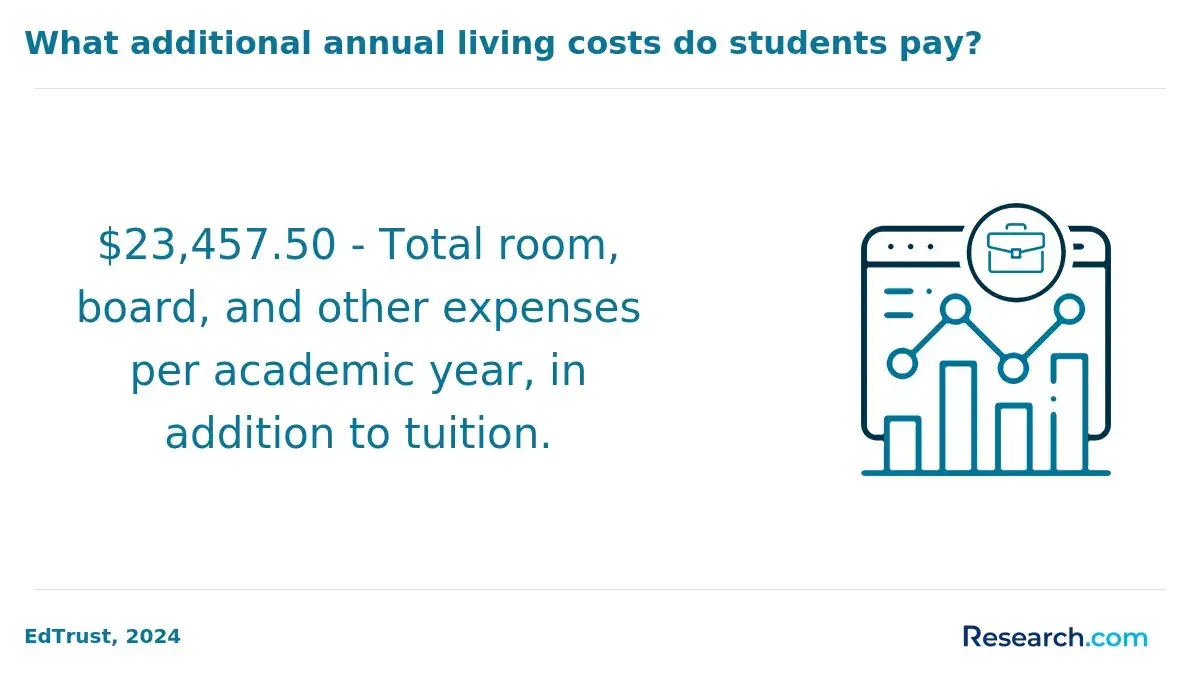
Financial stress can make school-work-life balance harder than the coursework itself. A smart budget looks beyond tuition and includes fees, books, transportation, childcare, lost work hours, technology, internet, exam costs, and emergency savings.
College Board's 2024-25 pricing data shows why total cost matters: published tuition and fees averaged $4,050 at public two-year colleges, $11,610 for in-state students at public four-year colleges, and $43,350 at private nonprofit four-year colleges. These figures do not reflect every grant, scholarship, or living expense, but they show how much program choice can affect borrowing pressure.
When comparing schools, list every cost that could affect your monthly budget. These are the major categories to request from financial aid or admissions offices before enrolling.
- Tuition per credit or per term
- Mandatory student, technology, lab, clinical, proctoring, graduation, and online course fees
- Books, software, equipment, uniforms, background checks, and certification exam costs
- Transportation, parking, childcare, internet, and computer expenses
- Lost wages if class meetings, labs, or fieldwork reduce your work hours
- Loan interest, repayment timing, and whether borrowing will continue across multiple years
Financial aid can reduce pressure, but students should understand the terms. The maximum federal Pell Grant for the 2024-25 award year is $7,395 for eligible students, and eligibility depends on federal rules, enrollment intensity, cost of attendance, and other factors. Grants are generally preferable to loans because they usually do not need to be repaid, but students must still maintain eligibility.
Practical options to reduce stress include completing the FAFSA early, asking employers about tuition assistance, applying for department scholarships, using transfer credits, choosing lower-cost general education options, and avoiding unnecessary course repeats. Students comparing a cheapest tuition online college should still evaluate graduation rates, transfer policies, accreditation, and support services alongside price.
A common budgeting mistake is focusing only on monthly affordability. A payment that looks manageable today can become stressful if you need to reduce work hours, pay for childcare, or continue borrowing for several years. Ask the financial aid office for a year-by-year estimate and compare it with your expected income, emergency fund, and family obligations.
How can students set boundaries with employers, family, and friends to protect study time?
Boundaries protect the time that makes college possible. Without them, schoolwork often gets pushed into the least productive hours, after everyone else's needs have been met. Good boundaries are not selfish; they make your responsibilities more predictable for employers, family, friends, and yourself.
Start by naming your non-negotiable study blocks and the responsibilities that can move. Then communicate early, calmly, and specifically. People are more likely to respect boundaries when they understand the schedule and the reason behind it.
Use these scripts and tactics to set expectations without overexplaining. Adapt the wording to fit your workplace, family, and culture.
- With an employer: "I am enrolled this term and want to keep performing well at work. I can take shifts on these days, but I am unavailable during these study and class blocks."
- With family: "I need Tuesday and Thursday evenings for coursework. I can help with errands on Saturday morning, but I cannot move those study blocks unless it is urgent."
- With friends: "I am saying no to weeknight plans during the term, but I would like to schedule something after my exam."
- With yourself: "If I finish the assignment draft by 8 p.m., I can stop for the night instead of doing low-quality work until midnight."
At work, review policies before requesting schedule changes. Some employers offer flexible shifts, tuition reimbursement, professional development funds, reduced travel, remote days, or predictable scheduling. If your degree relates to your role, frame the conversation around skills you are building that can also benefit the organization.
At home, boundaries work better when paired with visible planning. A shared calendar, posted study schedule, or weekly family meeting can help children, partners, roommates, or relatives know when you are unavailable and when you are fully present.
The biggest mistake is waiting until you are overwhelmed to ask for help. If you know a heavy exam week is coming, arrange coverage, meals, transportation, or work flexibility before the crisis arrives.
What self-care and mental health practices prevent burnout while studying and working?
Burnout is more than feeling tired after a busy week. It can show up as constant exhaustion, irritability, missed deadlines, declining grades, cynicism, sleep problems, or a sense that you are always failing somewhere. Students who work and care for others may ignore these signs because they feel they have no choice.
Self-care should be practical, not performative. The most protective habits are usually the basic ones that keep your body and attention functioning: sleep, food, movement, connection, and recovery time.
Build a burnout-prevention plan before the term becomes intense. These practices are realistic for busy students because they do not require a perfect schedule.
- Protect a minimum sleep window instead of treating sleep as leftover time.
- Use short movement breaks between work and study sessions to reset attention.
- Plan simple meals or snacks for long class and work days so stress does not become a nutrition problem.
- Schedule one recovery block each week with no coursework, even if it is short.
- Contact counseling, advising, or disability services early if anxiety, depression, grief, illness, ADHD, or caregiving strain affects your performance.
- Use academic accommodations when eligible rather than trying to "push through" a documented barrier.
Mental health support is not only for emergencies. Counseling centers, employee assistance programs, telehealth services, peer groups, spiritual care, and community clinics can all be part of a support network. If you ever feel at risk of harming yourself or someone else, seek immediate emergency help through local emergency services or a crisis hotline.
A common mistake is confusing resilience with endurance. Resilience means adjusting the plan when conditions change. If you are failing courses, missing work, or becoming unwell, the answer may be a lighter course load, an incomplete request, a leave of absence, counseling support, or a different program format, not simply working harder.
How can you align your degree path with long-term career growth and salary potential?
Balancing school, work, and life is easier to justify when your degree path connects to a realistic career goal. That does not mean every student must choose only the highest-paying major, but it does mean you should understand job requirements, salary context, advancement paths, and whether the credential is necessary for the role you want.
BLS 2024 earnings data shows a broad education premium, with median weekly earnings of $1,543 for workers with a bachelor's degree and $1,099 for workers with an associate degree. This does not guarantee an individual salary, but it does show why many adults consider college despite the time and cost.
The table below shows how different education choices can support career growth. Use it to compare the level of investment with the type of outcome you are seeking.
| Path | Best for | Career advantage | Potential limitation |
| Short certificate | Workers needing a targeted skill quickly | Fast, focused, often lower cost | May not qualify for degree-required roles |
| Associate degree | Students seeking entry-level technical, healthcare, business, or transfer pathways | Can support employment or transfer to a bachelor's program | Advancement may require more education in some fields |
| Bachelor's degree | Students targeting roles that list a four-year degree as preferred or required | Broader access to professional and management pathways | Higher cost and longer completion time |
| Graduate degree | Professionals seeking licensure, specialization, leadership, or academic advancement | Can be essential in fields such as counseling, advanced nursing, education leadership, or analytics | Requires careful ROI review and may add debt |
To align your education with long-term growth, compare job postings in your target region. Look for required degrees, preferred certifications, software skills, experience levels, licensure language, and salary ranges. If most postings ask for a credential you do not need, a shorter certificate or employer-sponsored training may be more efficient.
Students who need a faster career boost can compare degrees with online certifications that pay well, especially in fields such as technology, project management, healthcare administration, bookkeeping, data analytics, and digital marketing. Certificates can be valuable, but they work best when employers in your target field recognize them.
A common mistake is choosing a major because it sounds flexible. Flexibility is useful only when you can explain what jobs the degree prepares you for. Before enrolling, identify three target roles, the qualifications they require, and the experience you can build while studying.
What campus and online support services help students succeed while working and caregiving?
Support services can determine whether a busy student finishes or stops out. The best programs do not expect working adults to navigate everything alone; they provide advising, tutoring, career support, library access, technology help, and clear communication across online and campus formats.
The support services below are especially important for students who work, commute, parent, care for relatives, or study online. Ask admissions and current students how easy these services are to use outside traditional office hours.
- Academic advising that helps with course sequencing, transfer credits, prerequisites, and realistic term planning
- Tutoring, writing centers, math labs, and supplemental instruction available online or during evenings
- Career services that provide resume help, interview practice, internship support, employer connections, and salary research
- Financial aid counseling that explains grants, loans, satisfactory academic progress, emergency aid, and enrollment changes
- Library services with online databases, research consultations, citation help, and remote access
- Technology support for learning platforms, proctoring systems, accessibility tools, and software required for courses
- Mental health counseling, disability services, veteran services, childcare referrals, food pantries, and emergency grants where available
When comparing schools, ask for service hours and response-time expectations. "Online support" may mean a full remote advising team, or it may mean an email inbox that takes several days to answer. For working students, delayed support can cause missed registration windows, financial aid problems, or preventable course mistakes.
Also ask whether the program has faculty who regularly teach working adults. Instructors who understand adult learners may design clearer deadlines, practical assignments, and communication policies that reduce confusion without lowering academic standards.
A red flag is a school that gives vague answers about advising, placement support, licensure eligibility, or transfer credits. If staff cannot explain how students like you complete the program, keep asking questions or compare other options.
Other Things You Should Know About
It depends on your course load, job demands, commute, family responsibilities, and health. Many students start with one or two courses while working full time, then adjust after seeing how much study time each class actually requires.
Online school is often better for students who need schedule flexibility, but it is not always easier. It works best when the program is accredited, deadlines are clear, support is accessible, and you can manage independent study.
Full-time study may make sense if you have stable finances, fewer outside responsibilities, and a strong support system. Part-time study is usually better if you need to protect income, caregiving time, or mental health while making steady progress.
The biggest mistake is overcommitting before understanding the real workload. A safer strategy is to begin with a manageable schedule, use advising and tutoring early, and increase credits only when your grades, budget, and well-being are stable.
References
- How to Grow Your Career: 10 Strategies for Long-Term Career Growth https://resume.io/blog/how-to-grow-your-career
- How to manage stress about money while you're in college https://www.cnbc.com/2022/08/09/how-to-manage-stress-about-money-while-youre-in-college.html
- Work-Life Balance Programs | Employee Training and Keynotes https://www.worktolive.info/work-life-balance3
- ISQOLS https://isqols.org/Work-Life-Balance-Certification
- Addressing Burnout: Recognizing the Signs and Implementing Self-Care Strategies https://serenehealth.com/business/addressing-burnout-recognizing-the-signs-and-implementing-self-care-strategies/
- Setting Healthy Boundaries: Protecting Your Time, Energy & Mental Space - Cirkled In https://www.cirkledin.com/library/mental-health-and-well-being/setting-boundaries-teens-protect-time-energy/
- 12 Examples of Work-Life Balance Initiatives - Criteria For Success https://criteriaforsuccess.com/12-examples-of-work-life-balance-initiatives/
- Balancing Work and School | Mental Health America https://mhanational.org/resources/balancing-work-and-school/
- Presence | Blog | What You’re Forgetting When You Set Boundaries with Students https://sapro.moderncampus.com/blog/what-youre-missing-when-you-set-boundaries-with-students
- Balancing Work, Family, And Online Study | Catholic International University https://catholiciu.edu/balancing-work-family-and-online-study-time-management-for-adult-learners/