2027 How to Succeed in Your First Semester of College

Co-Founder and Chief Data Scientist
Your first semester of college can shape your grades, confidence, friendships, finances, and long-term academic direction. The National Student Clearinghouse Research Center's 2024 persistence report found that 76.5% of first-year students who started college in fall 2022 returned to college the next fall, showing that early adjustment matters. This guide is for new college students, transfer students, returning adults, and families helping them plan. You will learn how to build a realistic schedule, study effectively, use support resources, manage money, and respond if the semester gets difficult.
Key Things You Should Know
- First-semester success depends less on being naturally "college ready" and more on using a repeatable system: attend class, study before deadlines, ask for help early, and protect sleep, meals, and budget basics.
- College Board's 2024 Trends in College Pricing reported average published tuition and fees of $11,610 for in-state students at public four-year colleges, so budgeting mistakes in the first term can affect both stress and borrowing.
- A manageable first schedule is usually better than an impressive one; many new students do best with 12 to 15 credits, balanced course difficulty, and at least one weekly meeting with an advisor, tutor, professor, or peer support resource.
How can you prepare academically before your first semester of college begins?
Preparing academically before the semester starts means reducing uncertainty before classes begin. You do not need to master every subject in advance, but you should understand placement results, course expectations, technology requirements, and where to get help if you fall behind.
Start by checking whether your schedule matches your actual readiness. Placement into college algebra, first-year writing, chemistry, or a foreign language can affect your workload more than the number of courses alone.
| Pre-semester area | What it tells you | Why it matters |
| Placement scores | Whether you are starting in college-level, co-requisite, or developmental coursework | Being placed too high can lead to early failure; being placed too low can delay degree progress |
| Degree audit | Which courses count toward your major, general education, and electives | It helps you avoid paying for credits that do not move you toward graduation |
| Syllabi and course sites | Major assignments, exam dates, attendance rules, and required materials | You can spot deadline clusters before they become emergencies |
| Technology access | Required software, learning management systems, proctoring tools, and device needs | Technical problems are easier to fix before the first graded assignment |
Once you know the academic demands, use the week before classes to set up a practical launch plan. The goal is to remove small barriers that often become big problems in the first month.
- Log in to every course platform and confirm that you can access readings, quizzes, discussion boards, and email.
- Read each syllabus and place every exam, paper, lab, project, and registration deadline on one calendar.
- Email your advisor if any course seems unnecessary, too advanced, duplicated by transfer credit, or misaligned with your intended major.
- Identify your first help option for each difficult subject, such as tutoring, supplemental instruction, a study group, or office hours.
- Review your school's academic integrity and artificial intelligence policies before using AI tools for brainstorming, writing, coding, or problem-solving.
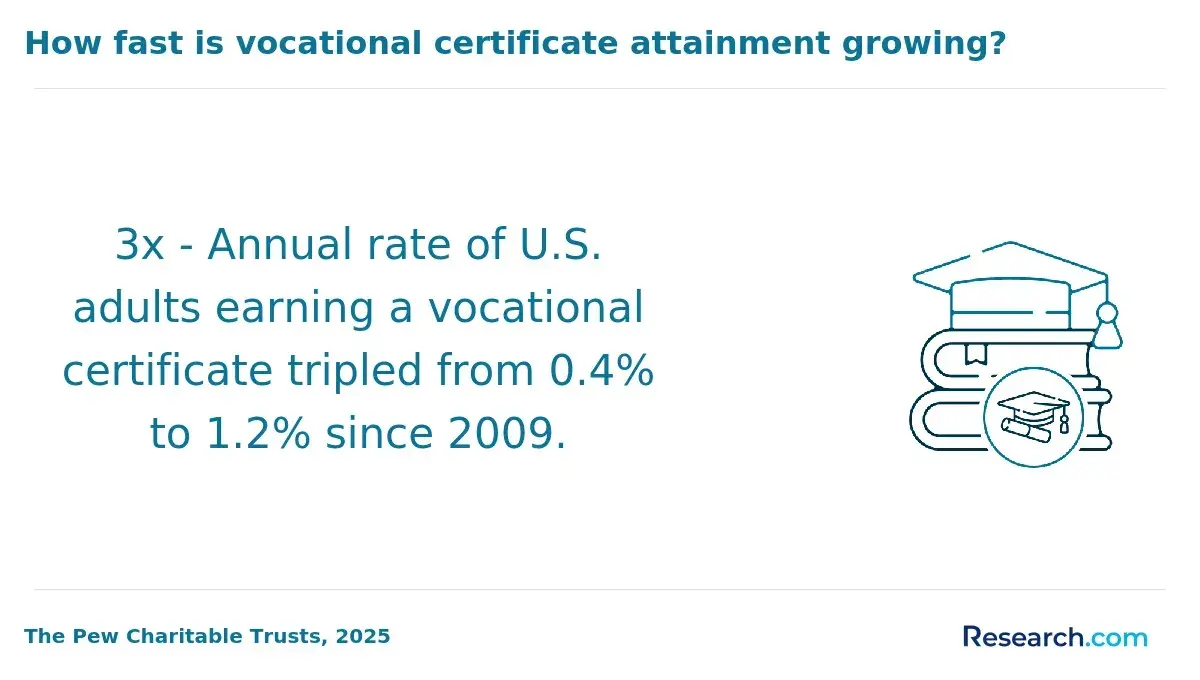
If you discover a specific skills gap, such as spreadsheets, coding basics, writing mechanics, or exam math, short online certificates may help you build confidence alongside your college coursework, especially when they support your major or job goals.
What study habits and time-management strategies lead to first-semester success?
Strong study habits are built around consistency, not marathon sessions. In college, the biggest change is that much of the learning happens outside the classroom, so your weekly routine matters as much as your intelligence or motivation.
A useful rule of thumb is to treat each credit hour as a time commitment, not just a class label. A three-credit course may require several hours of reading, review, problem practice, writing, or lab preparation each week, especially in STEM, writing-intensive, and language courses.
The most effective first-semester study plan combines time blocking, active recall, and early feedback. These steps turn vague intentions into visible work.
- Block study time within 24 hours after each class so you can rewrite notes, identify unclear ideas, and start practice problems while the material is still fresh.
- Use active recall by closing your notes and explaining the concept, formula, case, or argument from memory before checking accuracy.
- Break large assignments into smaller checkpoints, such as topic selection, source gathering, outline, draft, revision, and submission.
- Review upcoming deadlines every Sunday and adjust your work plan before the week becomes crowded.
- Study in distraction-light environments and keep your phone out of reach during focused work blocks.
One common mistake is rereading notes for hours and mistaking familiarity for mastery. A better test is whether you can solve a new problem, explain a reading in your own words, or write a short answer without looking. If you cannot, you need more practice, not just more exposure.
| Habit | Weak version | Stronger version |
| Note review | Highlighting everything the night before an exam | Summarizing key ideas after each class and testing yourself twice before the exam |
| Reading | Skimming chapters without questions | Reading for claims, evidence, definitions, and examples you can discuss in class |
| Writing | Starting the paper the day it is due | Creating a draft early enough to use the writing center or professor feedback |
| Exam prep | Waiting until the review session | Building a list of weak topics and practicing them before asking for help |
How do you balance classes, work, and personal life during your first semester?
Balancing college with work, family, commuting, and personal life requires honest scheduling. The goal is not to fill every hour; it is to create a week you can repeat even when assignments, illness, transportation problems, or work shifts interfere.
Before adding commitments, calculate your fixed time first. Include class meetings, commute time, work shifts, meals, sleep, caregiving, and recurring appointments. What remains is your real study and recovery time.
Use this comparison to decide whether your semester plan is realistic for your current life, not someone else's expectations.
| Student situation | Schedule risk | Better first-semester approach |
| Working 20 or more hours weekly | Deadline conflicts and fatigue | Consider fewer credits, asynchronous options, or fewer high-reading courses |
| Commuting long distances | Lost study time and missed campus support | Cluster classes on fewer days when possible and schedule virtual advising or tutoring |
| Taking multiple lab or studio courses | Heavy out-of-class preparation | Balance with one lower-intensity general education or elective course |
| Returning after time away from school | Technology and writing adjustment | Use orientation, tutoring, library workshops, and early advisor check-ins |
If your current school or schedule is financially or logistically difficult, comparing options such as the cheapest online university can be useful, but make sure any lower-cost option is accredited, accepts your credits, and supports your intended career path.
Avoid the common mistake of treating free time as unlimited study time. If every evening is assigned to schoolwork, you have no buffer. Build in at least a few flexible hours each week for delayed assignments, unexpected work shifts, laundry, transportation, or rest.
How should you choose courses and build a manageable first-semester schedule?
A manageable first-semester schedule should help you make progress without overloading your adjustment period. Course choice affects your GPA, confidence, financial aid status, major eligibility, and ability to continue working or caring for family.
Before finalizing registration, ask how each class fits your degree plan. Full-time status is commonly 12 credits, but that does not mean 12 credits feels the same for every student; a 12-credit schedule with two labs may be harder than 15 credits with balanced course types.
| Schedule option | Best fit | Trade-off |
| 12 credits | Students working significant hours, commuting, returning to school, or adjusting to academic support needs | May slow graduation if used every term without summer or transfer credits |
| 15 credits | Students aiming for four-year completion and able to study consistently each week | Less room for work, illness, or heavy extracurricular commitments |
| Mixed general education and major courses | Students exploring a major while meeting requirements | Requires advisor guidance to avoid unnecessary electives |
| Heavy major-only schedule | Students with strong preparation and a clear sequence requirement | Can create early GPA risk if several courses are difficult at once |
Use a decision process instead of choosing courses based only on time of day or professor popularity. The best schedule is the one that fits your degree, energy, obligations, and readiness.
- Confirm which courses are required for your major, general education, financial aid, athletic eligibility, veterans benefits, or scholarship conditions.
- Check prerequisites and course sequencing so you do not delay future classes that are only offered once per year.
- Balance reading-heavy, quantitative, lab, studio, and writing-intensive courses rather than stacking too many of one type.
- Leave time between classes if you need to commute across campus, eat, meet professors, or use tutoring.
- Choose at least one class that helps you test your interest in a major or career without making the semester unmanageable.
Students with legal records should also check whether a major leads to fields with licensing, background-check, or placement restrictions. Reviewing resources on college degrees for felons can help you ask better questions before investing time and tuition in a path that may require extra planning.
How do you effectively use campus and online academic support resources?
Campus and online support resources work best when you use them before there is a crisis. Many students wait until they fail an exam or miss an assignment, but early use of tutoring, advising, and faculty feedback can prevent small problems from becoming semester-threatening.
Think of support services as part of your academic system, not a sign that you are behind. Successful students often use more support, not less, because they understand that college-level work requires feedback.
| Resource | What it helps with | When to use it |
| Academic advisor | Degree requirements, course changes, withdrawals, transfer credits, and major exploration | Before registration, after a poor exam, or when changing goals |
| Tutoring center | Problem-solving, study strategies, and difficult concepts | Weekly for challenging courses, not just before exams |
| Writing center | Thesis development, organization, citations, revision, and clarity | Early draft stage, not the final hour before submission |
| Library | Research databases, source evaluation, citations, and technology help | Before research papers, presentations, or annotated bibliographies |
| Disability services | Approved accommodations, accessible materials, testing supports, and documentation guidance | As early as possible, because accommodations are usually not retroactive |
To use support effectively, be specific. Instead of saying, "I do not understand anything," bring a quiz, assignment prompt, lecture topic, practice problem, or paragraph draft and explain what you tried.
- Book tutoring appointments before exam week, when demand is highest and appointment times may disappear.
- Ask advisors to explain the consequence of dropping a class for financial aid, housing, athletics, scholarships, visas, or graduation timing.
- Save emails and advising notes so you have a record of recommendations and policy explanations.
- Use library research help before relying on general web searches for academic sources.
- If you receive accommodations, confirm how each professor wants accommodation letters handled.
A major red flag is a student support office that gives vague answers about credits, costs, or policies. If advice affects money or graduation, ask for the catalog page, written policy, or official form.
What are the best ways to connect with professors and participate in class early on?
Connecting with professors early can improve your learning, clarify expectations, and make it easier to ask for help later. Professors are not just graders; they can explain concepts, recommend resources, identify research or internship opportunities, and help you understand the standards of the field.
The best time to introduce yourself is before you need an exception. A short, respectful conversation after class or during office hours can make later communication much easier.
Use office hours with a clear purpose. These examples show the difference between vague and productive questions.
| Instead of asking | Ask this | Why it works better |
| "Can you explain everything again?" | "I understand the definition, but I get stuck applying it to problem 4. Can we walk through my attempt?" | It shows effort and identifies the exact barrier |
| "What did I miss?" | "I lost points on evidence and organization. Which one should I prioritize on the next paper?" | It turns feedback into a revision plan |
| "Will this be on the test?" | "What types of problems or concepts should I be able to handle independently?" | It focuses on mastery, not shortcuts |
| "Can I get extra credit?" | "What should I change in my study process before the next graded assignment?" | It addresses the underlying performance issue |
Class participation also matters, especially in discussion-based, lab, studio, language, and seminar courses. Participation does not always mean talking the most; it means preparing, listening, asking thoughtful questions, contributing when useful, and respecting classmates.
- Read or review material before class so you can follow the discussion instead of trying to decode everything live.
- Sit where you can pay attention and reduce the temptation to multitask.
- Ask one question per week in a difficult course, even if it is after class or by email.
- Use professor feedback on the next assignment rather than treating comments as final judgment.
- If you miss class, check the syllabus, course site, and classmates' notes before asking the professor what happened.
A common mistake is sending an emotional email after receiving a bad grade. Wait until you can ask a learning-focused question. Professors are usually more able to help when your message is specific, respectful, and tied to improvement.
How can you build a healthy social life and campus community in your first semester?
A healthy social life can make college feel more stable, but it should support your goals rather than replace them. First-semester students often need both belonging and boundaries: people to study with, eat with, relax with, and ask for help, plus enough structure to protect academics and health.
Look for communities that match your interests, identity, values, career goals, or academic needs. You do not have to join everything; choosing a few meaningful spaces is usually better than overcommitting during the first month.
| Community option | What it can provide | Best for |
| First-year seminars or learning communities | Built-in peers, academic transition support, and structured discussion | Students who want a smaller academic circle |
| Major-related clubs | Career exploration, peer advice, speakers, and project experience | Students testing or confirming a field |
| Cultural, identity, or faith-based groups | Belonging, mentorship, and shared experiences | Students seeking community and support |
| Recreation, arts, or service organizations | Stress relief, friendships, and nonacademic identity | Students who need balance outside coursework |
| Study groups | Accountability, explanation practice, and exam preparation | Students in challenging or high-enrollment classes |
Use the first six weeks to experiment, then narrow your commitments. That gives you enough time to meet people without letting activities take over your schedule.
- Attend orientation events, club fairs, residence hall programs, commuter events, or transfer meetups even if you only stay briefly.
- Exchange contact information with at least one student in each class for notes, reminders, and study accountability.
- Choose one recurring activity that helps you decompress without interfering with sleep or coursework.
- Set limits around parties, gaming, social media, or late-night plans when they begin affecting attendance or deadlines.
- If you feel isolated, contact a resident assistant, peer mentor, counseling center, cultural center, advisor, or student organization leader rather than waiting for connection to happen automatically.
One red flag is a friend group that regularly pressures you to skip class, spend beyond your budget, or ignore your values. A strong college community should make it easier to become the person you are trying to be.
What budgeting and financial habits help you manage college costs your first term?
First-semester budgeting is about controlling predictable costs before they turn into debt, overdraft fees, or panic. Tuition is only one part of college cost; books, transportation, food, housing supplies, course fees, lab materials, health expenses, and social spending can add up quickly.
College Board's 2024 Trends in College Pricing reported average published tuition and fees of $4,050 at public two-year colleges, $11,610 for in-state students at public four-year colleges, and $43,350 at private nonprofit four-year colleges for the 2024-25 academic year. These are published prices, not necessarily what every student pays after aid, but they show why early financial planning matters.
Build a first-term budget around cash flow, not optimism. If money arrives once per semester through refunds, scholarships, family support, or savings, divide it into monthly spending limits before using it for nonessential purchases.
| Cost category | What to check | Budget risk |
| Books and materials | Required edition, rental options, library reserves, access codes, and used copies | Buying too late can delay assignments; buying too early can waste money if courses change |
| Transportation | Parking permits, gas, transit passes, rideshare costs, and maintenance | Commuting costs can quietly exceed expectations |
| Food | Meal plan rules, grocery access, dining hours, and unused meal balances | Running out of meal funds can affect health and study time |
| Course fees | Lab, studio, clinical, technology, testing, or proctoring charges | Fees may not be obvious when comparing tuition alone |
| Emergency fund | Small reserve for medical, travel, repair, or family emergencies | No buffer can force credit card use or missed payments |
Use these habits to reduce avoidable financial stress during your first term.
- Complete financial aid tasks, verification requests, and scholarship forms before deadlines, and keep copies of submissions.
- Ask the financial aid office how dropping below full-time status could affect grants, loans, scholarships, housing, or satisfactory academic progress.
- Compare textbook options only after confirming the professor's required edition and access-code policy.
- Track spending weekly for the first month so you can correct problems before your account is low.
- Avoid using student loan refunds for lifestyle upgrades until you have covered books, transport, food, and emergency needs.
If you already know graduate school may be part of your career path, avoid borrowing casually now. Later options such as a quickest cheapest masters degree may reduce future cost and time, but the strongest financial move in your first semester is still to protect your GPA, credits, and aid eligibility.
How do you maintain physical and mental health while adjusting to college demands?
Physical and mental health are not separate from academic success. Sleep loss, skipped meals, unmanaged stress, untreated illness, and isolation can make studying harder, reduce motivation, and increase the chance of missing class or deadlines.
Recent student health surveys from the American College Health Association continue to identify stress, anxiety, sleep difficulty, and loneliness as major barriers for college students. The practical lesson is simple: wellness habits are not optional extras; they are part of your academic infrastructure.
Focus on routines that are realistic for a new student. You do not need a perfect lifestyle, but you do need enough stability to recover, concentrate, and ask for help when something is wrong.
- Protect a consistent sleep window most nights, especially before exams, labs, clinicals, presentations, or long work shifts.
- Eat regular meals or snacks that keep you alert through class and study sessions.
- Move your body in a way you can sustain, such as walking, recreation classes, gym sessions, intramurals, stretching, or cycling to campus.
- Schedule medical, therapy, medication, or accessibility appointments early, because campus services can become busy during midterms and finals.
- Use crisis resources immediately if you feel unsafe, at risk of self-harm, or unable to function; in the U.S., calling or texting 988 connects you to the Suicide & Crisis Lifeline.
Learn your warning signs before the semester becomes overwhelming. These may include sleeping through classes, avoiding email, missing meals, withdrawing from friends, using substances to cope, or feeling constantly behind despite working hard.
| Warning sign | Possible meaning | Support to consider |
| Repeated missed classes | Schedule overload, depression, anxiety, transportation problems, or illness | Advisor, professor, counseling center, health center, or commuter services |
| Panic before exams | Weak preparation system or test anxiety | Tutoring, counseling, professor office hours, or disability services if eligible |
| Constant exhaustion | Too little sleep, too much work, medical issue, or poor nutrition | Health center, work schedule adjustment, advisor, or wellness coaching |
| Isolation | Homesickness, social anxiety, identity stress, or lack of connection | Peer mentor, resident assistant, cultural center, student groups, or counseling |
A common mistake is waiting until finals to admit you are not okay. If your health is affecting attendance, assignments, or safety, contact support services immediately and ask about academic options before deadlines pass.
What should you do if your first semester goes poorly or feels overwhelming?
If your first semester goes poorly, act quickly but do not assume your college career is over. Many students recover from a rough start by changing study systems, reducing course load, using academic support, retaking a course, changing majors, or addressing health, work, or financial barriers.
The most important step is to identify whether the problem is academic skill, time, health, money, motivation, major fit, or life circumstances. Different problems need different solutions.
| Problem pattern | What it may indicate | Who to contact first |
| Low grades in one course | Specific subject gap or poor exam strategy | Professor, tutor, academic success coach |
| Low grades across all courses | Time-management, health, work overload, or major adjustment issue | Academic advisor and counseling or wellness support |
| Missing assignments | Calendar failure, avoidance, technology issue, or overload | Professor, advisor, tutoring or coaching office |
| Considering withdrawal | Possible need for schedule, financial, medical, or personal adjustment | Advisor and financial aid office before submitting forms |
| Loss of motivation for major | Mismatch between expectations and coursework | Career center, advisor, faculty mentor |
If the semester is still in progress, follow a triage plan. The goal is to save what can be saved, reduce damage where needed, and make a better plan for the next term.
- List every course grade, missing assignment, exam date, withdrawal deadline, and remaining point opportunity.
- Email professors with specific questions about what is still possible and what work, if any, can be completed.
- Meet with an academic advisor before dropping or withdrawing, because financial aid, housing, athletics, visas, and scholarships may be affected.
- Ask whether tutoring, grade replacement, pass/fail options, incomplete grades, medical withdrawal, or reduced course load policies apply to your situation.
- Create a next-semester plan that changes the cause of the problem, not just the course list.
One bad semester can affect GPA, but it does not define your long-term ability. If your future plans include graduate school, competitive majors, or professional pathways, focus on documented improvement over time; later options such as a 1-year masters degree online may exist, but they will be more realistic if you rebuild strong habits and academic records now.
Other Things You Should Know About
Many first-year students choose 12 to 15 credits. If you work long hours, commute, have family responsibilities, or are returning after time away, 12 credits may be more realistic. If you have strong preparation and enough study time, 15 credits can support steady progress toward graduation.
The biggest mistake is waiting too long to ask for help. Contact professors, advisors, tutoring centers, writing centers, financial aid offices, or counseling services as soon as you notice missed work, low quiz scores, confusion, money stress, or health concerns.
Choose a few structured activities, such as a club, study group, residence hall event, cultural center program, or recreation activity. Set limits around late nights and social spending, and build friendships with people who respect your academic goals.
Yes. Recovery usually requires a specific plan: identify what went wrong, meet with an advisor, use academic support, adjust your course load if needed, address health or work barriers, and understand your school's policies on repeats, withdrawals, probation, and financial aid.
References
- Study Habits and Time Management Strategies 101 https://www.caece.com.au/study-habits-and-time-management-strategies-101
- Improve Study Habits To Success And Time Management https://www.jdsd.in/improve-study-habits-to-success-and-time-management/
- Design academic support students will actually use | EAB https://eab.com/resources/blog/student-success-blog/design-academic-support-students-will-actually-use/
- How to Balance College and Work: Practical Tips for Students https://beal.edu/how-to-balance-college-and-work/
- 5 Genius Tips to Prepare for Your College Classes https://www.collegexpress.com/articles-and-advice/majors-and-academics/articles/college-academics/how-prepare-your-college-classes-4-genius-tips/
- How to pick the perfect freshman college course schedule for you https://www.cnbc.com/2018/09/06/how-to-pick-your-perfect-freshman-college-schedule.html
- Your Guide to Budgeting for College - First Midwest Bank https://www.onemidwest.com/resources/blog/your-guide-to-budgeting-for-college/
- 8 Strategies to Enhance First Year Students' Sense of Belonging | Raftr https://www.raftr.com/8-strategies-for-building-the-power-of-belonging-at-your-university-for-first-year-students/
- Beyond the Classroom: Exploring the Benefits of Online Student Support https://lakewood.edu/beyond-the-classroom-exploring-the-benefits-of-online-student-support/
- Adjusting to College - Support and Stress Management | Aspire Psychology — Aspire Psychology https://www.aspirepsychologyportland.com/our-blog/college-mental-health-portland