2027 What Delays Graduation Most Often?

Co-Founder and Chief Data Scientist
Graduating late can add tuition bills, delay earnings, and make college feel harder to finish. NCES data released in 2024 shows that only about 44% of first-time, full-time bachelor's students at four-year institutions completed within four years, while the six-year rate was higher.
This article explains why students fall behind, which risks matter most, and how to plan around them. It is for students, parents, adult learners, transfer students, and anyone comparing programs before investing time and money.
Key Things You Should Know
- Time-to-degree problems usually come from stacked causes: too few credits per term, failed or repeated courses, unavailable prerequisites, major changes, work hours, family responsibilities, and transfer credits that do not apply to degree requirements.
- Recent NCES completion data shows a major gap between four-year and six-year bachelor's completion, which means many students who eventually finish still need extra semesters beyond the traditional timeline.
- Every added term can raise total cost through additional tuition, fees, books, transportation, housing, and delayed full-time earnings, so graduation planning is both an academic and financial decision.
What are the most common academic and personal reasons that delay college graduation?
Graduation delay means taking longer than the program's standard timeline to complete all required credits and degree requirements. For a bachelor's degree, that usually means more than four academic years of full-time study; for an associate degree, more than two years. The most common causes are not isolated mistakes. They tend to build on each other: a student takes too few credits, misses a prerequisite, works more hours, drops a class, and then discovers the needed course is not offered again until the next year.
Academic reasons often start with course performance, course fit, or degree planning. Personal reasons usually involve time, money, health, transportation, caregiving, or life instability. The table below summarizes the main delay categories and why each one matters when students are trying to graduate on time.
| Delay factor | How it usually affects graduation | What students should watch for |
| Low credit completion | Students stay enrolled but do not earn enough credits each year to reach the degree total on schedule. | Taking 12 credits may count as full-time for aid, but it often is not enough to finish a 120-credit bachelor's degree in four years without summer courses. |
| Failed, withdrawn, or repeated courses | Credits attempted do not always become credits earned, and repeated courses can push back prerequisites. | High-withdrawal gateway courses in math, science, writing, accounting, or programming. |
| Changing majors | Credits from the first major may become electives instead of requirements for the new major. | Switching after the sophomore year without a degree audit. |
| Personal obligations | Work, caregiving, health, and transportation issues reduce course load or attendance consistency. | Schedules that look manageable at registration but conflict with real weekly responsibilities. |
| Institutional barriers | Advising gaps, limited course availability, transfer-credit loss, and unclear requirements slow progress. | Required courses offered once a year, hidden prerequisites, or credits that transfer but do not apply to the major. |
For most students, the practical takeaway is to track credits earned toward the degree, not just enrollment status. A student can be "full-time" for financial aid and still be behind the pace needed for on-time completion.
How do credit load, course sequencing, and changing majors extend time to degree?
Credit load is one of the simplest and most overlooked reasons students graduate late. A bachelor's degree commonly requires about 120 credits. Completing that in four years usually means averaging 30 credits per year, which may require 15 credits in both fall and spring or a mix of regular and summer terms. Students who take 12 credits each fall and spring may be full-time for aid purposes, but they are typically completing only 24 credits per year.
Course sequencing makes the credit-load problem more serious. Some majors require courses to be taken in a strict order, especially in engineering, nursing, education, business, computer science, and laboratory sciences. Missing one prerequisite can delay several later courses. Students exploring best degrees to get should compare not only salaries and interests, but also how tightly sequenced each major is.
These common planning issues can add one or more semesters if students do not catch them early:
- Taking too few credits each year: A student may stay in good standing but slowly fall short of the graduation pace required by the degree plan.
- Missing prerequisites: One skipped or failed prerequisite can block several upper-division courses.
- Changing majors without mapping credits: General education credits may still apply, but major-specific credits may not.
- Ignoring catalog-year rules: Degree requirements can change, and students need to know which catalog applies to them.
- Assuming summer courses will fix the gap: Summer offerings may be limited, expensive, or unavailable for required major courses.
A smart course plan should show every requirement by term, including prerequisites, minimum grades, course rotation, and backup options. Students should ask their advisor to confirm whether each registered course applies directly to the degree, not just whether it counts as college credit.
In what ways do work, family responsibilities, and finances cause graduation delays?
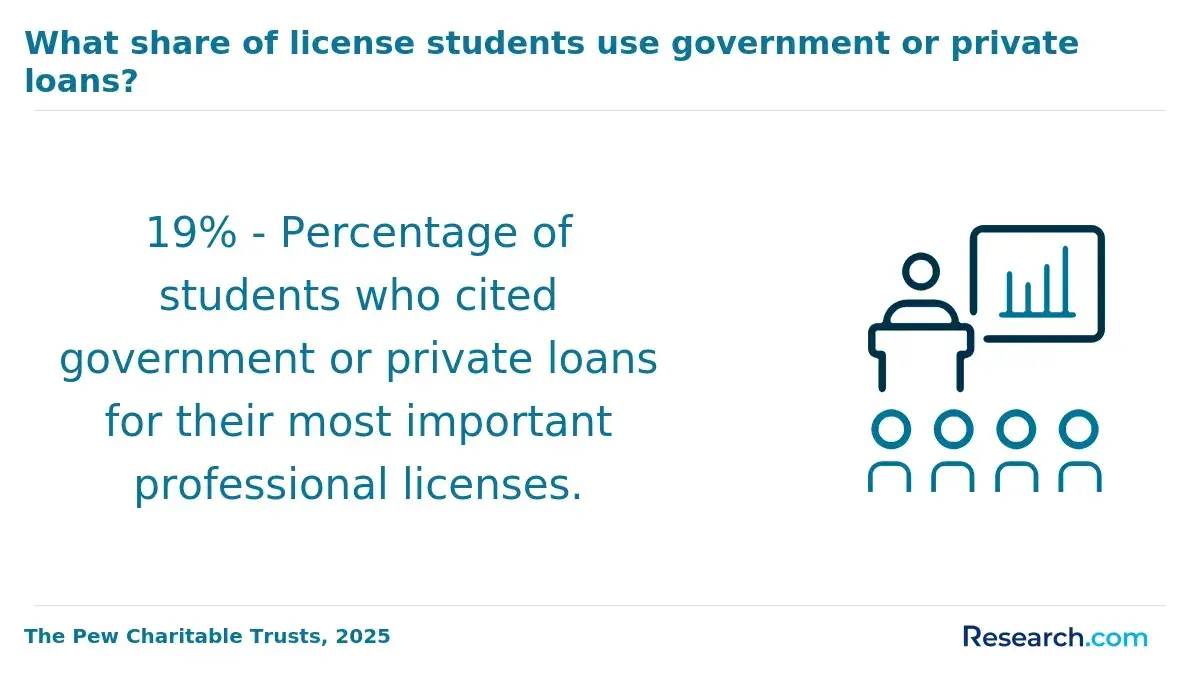
Work, family responsibilities, and finances delay graduation because they reduce the time and flexibility students can devote to school. These pressures are especially important for adult learners, first-generation students, parents, caregivers, commuters, and students who must cover living costs while enrolled. The challenge is not simply motivation; it is schedule capacity.
College Board's 2024 pricing data reported average published tuition and fees of $11,610 for in-state students at public four-year institutions and $43,350 at private nonprofit four-year institutions for the 2024-25 academic year. That gap matters because an extra term does not add only academic time; it can add another round of tuition, fees, supplies, transportation, and possible housing costs.
Students should evaluate work and family responsibilities before choosing a course load. The goal is not always to take the maximum number of credits, but to take a load that can be completed successfully.
- Heavy work hours: Students working long or unpredictable shifts may need evening, weekend, hybrid, or asynchronous options to avoid withdrawals.
- Caregiving responsibilities: Parents and caregivers should check attendance rules, clinical or lab schedules, and exam policies before enrolling.
- Financial shortfalls: A small unpaid balance can block registration, transcripts, or course access at some institutions.
- Transportation barriers: Long commutes or unreliable transportation can make tightly scheduled on-campus classes risky.
- Health and wellness concerns: Untreated stress, mental health needs, or chronic health conditions can affect persistence and course completion.
The better decision is often a planned pace rather than an accidental slowdown. A student who intentionally chooses part-time study with a clear completion map may finish more reliably than a student who repeatedly over-enrolls, drops courses, and loses progress.
How do institutional factors like advising, course availability, and transfer policies impact delays?
Institutional factors can delay graduation even when students are motivated and capable. Advising quality, course availability, transfer evaluation, degree audit systems, registration priority, and program capacity all affect whether students can take the right classes at the right time. These factors are especially important at large public universities, community colleges, and high-demand programs with limited seats.
Course availability is a common hidden risk. A required course may be offered only once a year, may fill before a student's registration window, or may conflict with another required course. Transfer students face another issue: credits may be accepted by the institution but not applied to the major, which means they still need extra courses after transferring.
The table below shows institutional red flags that students should check before enrolling or transferring. These are not reasons to avoid a school automatically, but they are reasons to ask direct questions.
| Institutional issue | Why it delays graduation | Question to ask |
| Limited required-course sections | Students cannot progress if a required course is full or not offered when needed. | How often is each upper-division required course offered? |
| Unclear advising responsibility | Students may receive general guidance but miss major-specific requirements. | Will I have an assigned major advisor, and how often should we update my degree plan? |
| Transfer-credit mismatch | Credits may transfer as electives instead of satisfying major requirements. | Can I get a written transfer evaluation before committing? |
| Program admission after enrollment | Students may complete prerequisites but still need separate admission to the major. | Is admission to the major guaranteed if I meet the minimum requirements? |
| Capacity-limited clinicals, labs, or internships | Students may wait for required placements before graduating. | How are placements assigned, and what happens if demand exceeds available seats? |
Students can reduce this risk by requesting a term-by-term degree map, saving written advising notes, checking the official catalog, and confirming that every course in their schedule satisfies a specific graduation requirement.
Do online degree programs reduce or increase the risk of delayed graduation?
Online degree programs can reduce graduation delays for students who need flexibility, but they can also increase delays if the program lacks structure, support, or predictable course availability. The format itself is not the deciding factor. What matters is whether the online program is accredited, well-advised, consistently scheduled, and realistic for the student's work and home life.
Online programs may help students who cannot commute, who work rotating shifts, or who need asynchronous access. They may hurt students who need face-to-face accountability, hands-on labs, immediate instructor access, or a highly structured weekly routine. Students comparing popular online colleges should look beyond convenience and check completion support, transfer policies, and course sequencing.
The comparison below can help students decide whether online study is likely to shorten or lengthen their time to degree.
| Student situation | Online format may reduce delay when | Online format may increase delay when |
| Working adult | Courses are asynchronous or offered in multiple start dates. | Assignments require frequent live meetings that conflict with work. |
| Parent or caregiver | The program allows flexible study hours and predictable deadlines. | The student has no reliable time block for reading, projects, or exams. |
| Transfer student | The school provides a written transfer evaluation before enrollment. | Credits transfer as electives but do not satisfy major requirements. |
| Hands-on major | Labs, clinicals, practicums, or fieldwork are clearly arranged in advance. | Required in-person placements are limited or far from the student's location. |
| Student needing structure | The program has proactive advising, tutoring, reminders, and cohort pacing. | The student must self-manage every deadline with little instructor contact. |
Online programs are strongest when they combine flexibility with clear milestones. Before enrolling, students should ask how often required courses run, what technology is required, whether exams are proctored, and how quickly advisors respond when a student falls off track.
How does attending part-time versus full-time influence graduation timelines and outcomes?
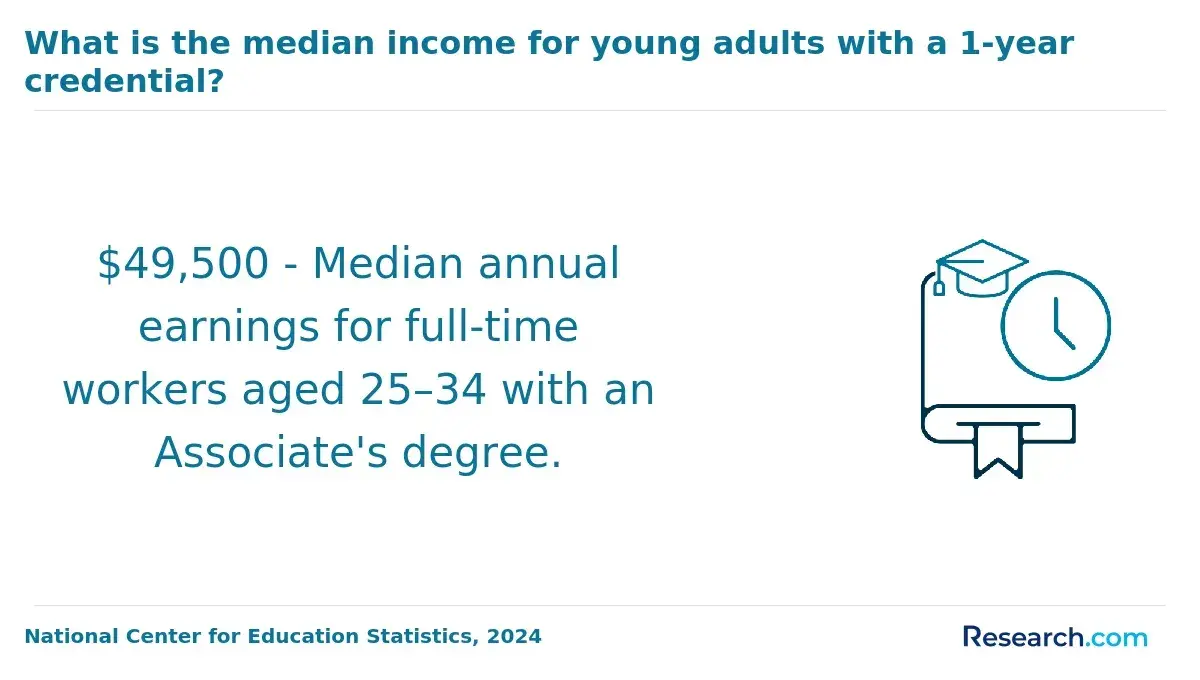
Part-time enrollment is one of the strongest predictors of a longer graduation timeline because students earn fewer credits per term. However, part-time study is not automatically a bad decision. It can be the right choice when a student has major work, family, health, or financial responsibilities and wants to avoid repeated withdrawals.
Full-time study works best when students have enough weekly time for classes, studying, assignments, commuting, and recovery. Part-time study works best when it is intentional and mapped to a realistic graduation date. Students considering flexible programs at non profit schools should still compare total program length, course availability, and support services rather than assuming institution type alone determines value.
The table below compares the trade-offs students should weigh when choosing full-time or part-time enrollment.
| Enrollment choice | Best fit | Main benefit | Main risk |
| Full-time, 15 credits per term | Students who can devote substantial time to school and want a traditional timeline. | Stronger chance of reaching 30 credits per academic year without summer study. | Higher weekly workload can lead to poor grades or withdrawals if outside responsibilities are heavy. |
| Full-time, 12 credits per term | Students who need financial aid eligibility but have moderate outside responsibilities. | Maintains full-time status at many institutions. | May not be enough for four-year completion without extra terms or summer credits. |
| Part-time, consistent year-round | Working adults, caregivers, and students balancing school with life demands. | More sustainable if the plan includes fall, spring, and possibly summer courses. | Longer timeline can increase exposure to life interruptions and policy changes. |
| Stop-and-start enrollment | Usually a last resort during serious financial, health, or family disruption. | Can provide short-term relief. | Highest risk of losing momentum, aid eligibility, and catalog continuity. |
The key is to avoid drifting. A part-time student should know the expected graduation term, the courses needed each year, and the financial aid rules for their enrollment level.
What role do academic preparation, study habits, and support services play in on-time completion?
Academic preparation, study habits, and support services affect whether students complete the credits they attempt. Students can register for the right number of credits and still fall behind if they fail gateway courses, withdraw late, or avoid tutoring until the final weeks of the term. Preparation matters most in subjects that build sequentially, such as math, writing, chemistry, accounting, statistics, programming, and anatomy.
Support services are not only for students in crisis. Used early, they can prevent a course repeat that delays prerequisites and graduation. Students should treat tutoring, writing centers, supplemental instruction, disability services, counseling, academic coaching, and office hours as part of the completion plan.
These steps help students turn support services into on-time progress:
- Review the syllabus in the first week and mark every exam, project, lab, clinical, and withdrawal deadline.
- Identify the highest-risk course in the schedule and contact the instructor or tutoring center before the first major assessment.
- Use the degree audit monthly to confirm that completed and in-progress courses apply to graduation requirements.
- Meet with an advisor before dropping a course to understand how it affects prerequisites, aid, and graduation timing.
- Build a weekly study schedule that reflects the real difficulty of each course instead of dividing time equally across all classes.
A common mistake is waiting until a grade is already too low to recover. Early intervention is usually more effective than emergency studying because it protects both the current term and the next term's course sequence.
How do delayed graduation and extended enrollment affect student debt and total program cost?
Delayed graduation increases cost in two ways: direct educational expenses and opportunity cost. Direct expenses include additional tuition, mandatory fees, books, supplies, transportation, childcare, housing, technology, and course materials. Opportunity cost is the income and career experience a student may postpone by entering the full-time workforce later.
Federal Student Aid's 2024 portfolio data shows outstanding federal student loan balances remain above $1.6 trillion, which highlights why extra enrollment time matters for borrowers. An additional semester may require more borrowing, but it can also affect aid limits, satisfactory academic progress rules, and the point at which interest begins accruing on some loans.
Students should estimate total cost before assuming an extra term is manageable. The following cost categories are the ones most likely to be underestimated.
- Tuition and mandatory fees: Extra credits, repeated courses, and added terms can increase charges even when the per-credit rate looks affordable.
- Living costs: Housing, food, utilities, and transportation may continue while the student is still enrolled.
- Financial aid limits: Aid eligibility may depend on credit completion, maximum time frame, program length, and loan limits.
- Lost or delayed earnings: Taking longer can postpone entry into full-time roles that require the completed credential.
- Credential timing: Some students need the degree to qualify for licensure exams, promotions, military commissioning, graduate school, or employer reimbursement.
The practical question is not only "Can I afford one more semester?" It is "What caused the delay, and will my plan prevent another one?" Borrowing for extra time may make sense if it leads to completion, but repeated delays without a corrected plan can weaken the return on investment.
What are the career and salary implications of taking longer to complete a degree?
Taking longer to graduate can affect career timing, salary growth, and access to roles that require a completed credential. The degree itself still matters, but delayed completion may postpone internships, full-time job applications, graduate school, licensure, and promotions. For students already working, finishing later can also delay eligibility for employer tuition benefits or advancement tracks.
BLS 2024 annual earnings data shows that workers age 25 and older with a bachelor's degree had median weekly earnings higher than workers whose highest credential was a high school diploma. This does not mean every degree produces the same payoff, but it shows why extra semesters have an opportunity cost when the credential is tied to career entry or advancement.
Career impact varies by field. Some careers are flexible about exact graduation timing, while others have structured recruiting seasons, cohort hiring, certification requirements, or licensure timelines. Students comparing bachelor degrees that pay well should also compare how directly each degree connects to internships, required exams, and entry-level hiring cycles.
The biggest career risks of delayed graduation include missed internship windows, reduced momentum, outdated technical skills, and weaker access to campus recruiting. Students can offset some of this by working in a related role while enrolled, building a portfolio, earning industry certificates, maintaining faculty relationships, and applying for internships before the final year.
What strategies can students use to plan programs that minimize graduation delays?
Students can reduce graduation delays by treating college as a project with deadlines, dependencies, costs, and backup plans. The best plan is not simply "take classes until requirements are done." It is a written path that shows which courses apply to the degree, when they are offered, what grades are required, and what happens if a course is full or not passed.
Students with special circumstances should add extra checks. For example, applicants with criminal records may need to confirm whether a program leads to careers with background-check, licensure, internship, or placement restrictions; resources on degrees for felons can help frame those questions before enrollment.
Use the following planning sequence before committing to a program or registering each term:
- Ask for a complete degree audit and identify the exact remaining requirements, not just the number of credits left.
- Create a term-by-term plan through graduation that includes prerequisites, course rotations, minimum grades, labs, practicums, internships, and capstone requirements.
- Confirm whether 12 credits, 15 credits, summer courses, or year-round enrollment best matches the desired graduation date.
- Check how changing majors, dropping a course, repeating a course, or transferring credits would affect the timeline.
- Estimate total cost through completion, including tuition, fees, books, housing, transportation, childcare, and possible borrowing.
- Meet with an advisor before every registration period and save written confirmation of how courses apply to the degree.
- Use tutoring, writing support, academic coaching, disability services, and counseling early instead of waiting for academic trouble.
- Build a backup plan for closed courses, failed prerequisites, work schedule changes, family emergencies, and financial holds.
Common red flags include choosing a school without checking accreditation, assuming all transfer credits count toward the major, focusing only on tuition instead of total cost, ignoring course rotation, and enrolling in a program that does not match the intended career path. The safest decision is a program that fits the student's goal, schedule, finances, academic readiness, and support needs.
Other Things You Should Know About
The most common causes are earning too few credits per year, repeating or withdrawing from required courses, changing majors, missing prerequisites, working too many hours, financial pressure, transfer-credit loss, and limited course availability.
Usually not for a 120-credit bachelor's degree unless the student also takes summer courses or enters with credits. Twelve credits may be full-time for aid, but 15 credits per fall and spring term is closer to a four-year pace.
No. Changing early may have little effect if courses still satisfy general education or elective requirements. Changing later is riskier because major-specific courses from the first program may not count toward the new degree.
It can, especially for students who need flexible scheduling. However, online study can delay graduation if required courses are not offered often, transfer credits do not apply, support is weak, or the student needs more structure than the program provides.
References
- Grad School: Full-time vs. Part-time https://www.alliantcreditunion.org/money-mentor/grad-school-full-time-vs-part-time
- How OBBBA reshapes student lending | Brookings https://www.brookings.edu/articles/how-obbba-reshapes-student-lending/
- PROOF POINTS: Graduate faster, learn less https://hechingerreport.org/proof-points-graduate-faster-learn-less/
- The Long-Term Effects of Student Loans | ACE Blog https://ace.edu/blog/the-long-term-effects-of-student-loans/
- Hidden Cost of Taking More Than Four Years to Graduate https://cbrg.info/cost-of-taking-more-than-four-years-to-graduate/
- Why balancing work, family, and graduate education requires more strategic academic decisions than ever before https://cuttingedgepr.com/articles/why-balancing-work-family-and-graduate-education-requires-more-strategic-academic-decisions-than-ever-before/
- How do college credits, semesters, and graduation requirements actually work? | The College Grind https://collegegrind.org/posts/how-do-college-credits-semesters-and-graduation-requirements-actually-work/
- Time Management Tips for Students—Balance Study & Life https://www.ue-amsterdam.com/blog/time-management-tips-for-students
- Study Snapshot: Delayed Time-to-Degree and Post-College Earnings https://www.aera.net/Newsroom/Study-Snapshot-Delayed-Time-to-Degree-and-Post-College-Earnings
- How Effective Study Habits Can Improve Academic Performance https://www.researchprospect.com/effective-study-habits-to-boost-academic-performance/