
2027 Most Valuable Online Colleges Programs Ranking in St. Paul, MN

Co-Founder and Chief Data Scientist
Choosing the right online college program can feel overwhelming, especially with so many options available. This article presents the 2027 Most Valuable Online Colleges Programs Ranking in St. Paul, MN, designed to guide you in making an informed decision.
Created by the Research.com team of data scientists, this ranking highlights degree programs that offer strong value and potential for your future. Whether you're starting your educational journey or advancing your career, exploring these ranked programs can help you find opportunities that truly matter.
Investing in a degree is a meaningful step toward personal and professional growth. This article aims to support and encourage you along that path.
Key benefits of getting online degrees in St. Paul
- Graduates with a bachelor's degree in St. Paul earn an average salary of $58,000, while those with a master's degree see increases up to $75,000, showing clear financial benefits at higher degree levels.
- For example, an online graduate from the University of St. Thomas studying business often advances quickly into management roles, enjoying strong career growth and opportunity in the local job market.
- Online degree graduates from Saint Paul College report flexibility and savings on commuting, allowing them to balance work and study effectively while still earning respected credentials.
- 2027 Most Valuable Online Colleges Programs Ranking in St. Paul, MN
- What can I expect from online degrees in St. Paul?
- How much can I make with online degrees in St. Paul?
What can I expect from online degrees in St. Paul?
You can expect online degree programs in St. Paul to be flexible and designed with busy lives in mind. For instance, students at the University of St. Thomas or Metropolitan State University often share how they balance work and family schedules while still getting a quality education. Many classes mix video lectures, live discussions, and interactive assignments, making learning feel active and connected, not just watching boring slides.
Costs are usually pretty reasonable, too. A lot of students find tuition affordable compared to on-campus programs, plus there's state financial aid from Minnesota to help out. Graduates often mention feeling confident because their degrees meet the same standards as traditional programs, thanks to good regional accreditation.
After finishing, many grads land jobs in growing fields like healthcare or tech, right here in St. Paul, which adds a real boost to their careers and peace of mind.
How much can I make with online degrees in St. Paul?
Wondering what you can really make with an online degree in St. Paul? On average, grads with bachelor's degrees from local favorites like University of St. Thomas or Hamline University see starting salaries around $60,000, which matches well with the area's median wage. If you dive into healthcare, imagine being a nurse earning about $75,000 a year or managing health services with pay climbing past $100,000-those are real numbers from the local job market.
Tech lovers graduating from places like Concordia University often land jobs paying $70,000 to $80,000 to start, with seasoned software developers pulling in between $85,000 and $110,000 nearby. Business grads start close to $65,000, and many quickly move up to $90,000 or more as they gain experience in St. Paul's bustling corporate scene.
And if you go for an online master's degree, like an MBA, expect your paycheck to jump by 20-30% compared to just a bachelor's. Graduates often mention feeling pretty thrilled seeing that boost while working close to home, balancing life and career without missing a beat.
- Tuition for online degrees in St. Paul ranges from $12,000 to $25,000 per year at public schools, with private programs often charging over $30,000 annually.
- Graduates with online bachelor's degrees typically start with salaries around $50,000 and can see median earnings rise to $70,000-$75,000 over time.
- St. Paul's job market favors online degree holders, with a low unemployment rate and strong demand in sectors like finance, health services, and manufacturing.
- Proximity to Minneapolis expands employment opportunities and wage potential for online graduates in the region.
- Online degree holders are sought after in industries such as education, government, information technology, and health care in St. Paul.
If you're wondering how long it takes to finish an online degree in St. Paul, it really depends on your pace and program. For example, associate's degrees usually take about two years if you're full-time, but many online students stretch it to three or four years to juggle work and family. Some grads from local schools like Metropolitan State University found that transferring credits and taking accelerated courses helped speed things up.
Bachelor's degrees often stretch to four years, but here's the cool part: several online options in St. Paul let you push through faster by stacking extra classes or hitting summer sessions. Some graduates wrapped up in just two and a half to three years by hustling a bit more. It feels great to see progress like that while still handling life's other stuff.
Master's programs are pretty flexible - usually one to two years, but online schedules mean you can stretch it out longer if needed. Plenty of Hamline University grads balanced their jobs and studied part-time, keeping things realistic without burnout.
Online programs in St. Paul offer a variety of in-demand specializations designed to align with local industry needs and student goals.
- Business Administration (finance, marketing, supply chain)
- Nursing (BSN completion, public health nursing)
- Computer Science (software development, cybersecurity)
- Data Analytics (business intelligence, statistical modeling)
- Education (K–12 online teaching, special education)
- Criminal Justice (cybercrime, correctional administration)
- Health Services Management (healthcare policy, medical informatics)
To compare potential return on investment, check out which bachelor degree is best
Choosing between online and on-campus degrees in St. Paul mostly comes down to how you want to study and live your college life. On-campus programs, like those at the University of St. Thomas, mean showing up for classes in person, joining clubs, and chatting face-to-face with classmates and professors. Graduates often talk about those spontaneous hallway talks or study sessions at the campus cafe that helped them feel connected and motivated.
Online degrees, popular at places like Concordia University, give you the freedom to log in from anywhere-whether that's your cozy apartment or a coffee shop downtown. Many grads appreciate this flexibility, especially if they're juggling work or family. It's pretty common for them to say how managing their own schedule taught them great discipline and time skills.
Cost-wise, St. Paul students say that online programs can save money by cutting out commuting and housing costs, even if tuition is similar. While you might miss some real-life campus fun, online students still get virtual support and study groups, which makes it feel less isolating. It's really about what fits your lifestyle best.
If you're eyeing an online degree in St. Paul, the average cost hovers around $26,250, which makes it pretty manageable compared to some pricey private options. Graduates from local favorites like the University of Minnesota have shared that the per-credit tuition-often near $400 for residents-helps keep the total cost closer to that ballpark, especially if you're aiming to finish a bachelor's degree online. Community colleges around St. Paul also offer more budget-friendly routes, with associate degrees sometimes costing just $8,000 to $12,000 for the entire program, perfect if you're balancing work and study.
Many online students appreciate how public universities make tuition transparent, helping them plan their budgets without stress. Still, private schools tend to charge more, sometimes reaching $50,000, but some students feel it's worth it for the extra resources and prestige. If you're worried about fees for tech or course materials, it's good to check if your program's tuition is flat-rate or per credit, as that can affect your monthly expenses and how quickly you can pay off those costs.
If finances are a concern, keep in mind that many students tap into scholarships and employer tuition reimbursement, which can really lighten the load. On average, financial aid cuts the net price by 30% to 40%, making online degrees in St. Paul much more accessible.
For those curious about which fields might offer both value and job prospects, you might want to look into the top college majors in demand-planning ahead on your path can help maximize your investment in education.
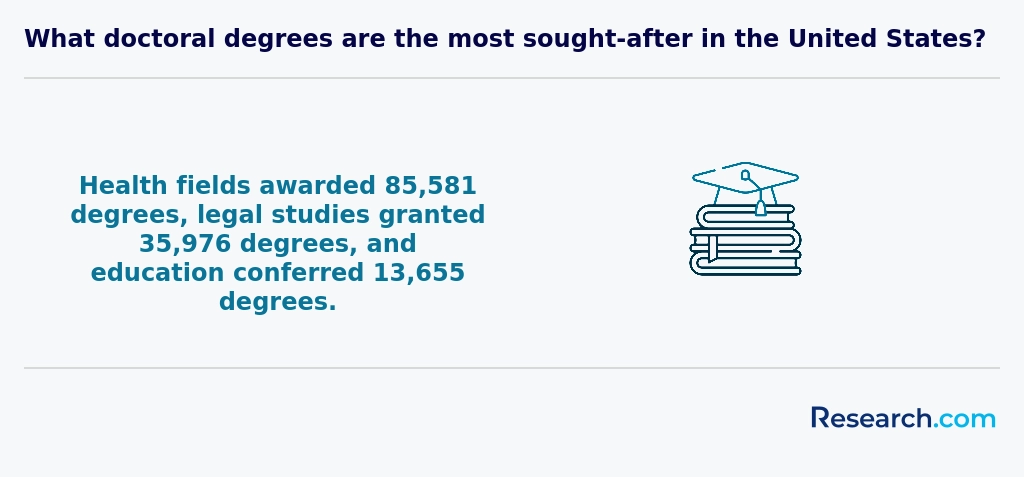
If you're going for an online degree in St. Paul, there's a solid mix of financial aid waiting for you. Lots of grads from places like the University of St. Thomas or Metropolitan State University have found federal aid to be a real lifesaver. Pell Grants, for example, are awesome because they don't need to be paid back, which means less stress about money while you study.
Many students also tap into federal student loans, which come with lower interest rates and some smart perks-like Direct Subsidized Loans that don't pile up interest while you're enrolled at least half-time. That helped a lot of folks balance work and school without drowning in debt.
On top of that, Minnesota's own State Grant Program can shave thousands off your tuition if you're a resident, something several online learners at institutions around St. Paul have happily used to ease their budgets.
Also, tons of local scholarships and school-specific aid are up for grabs, especially if you ask the financial aid office early. Some students juggling jobs have even benefited from employer tuition reimbursement programs, which made it possible to keep learning without breaking the bank.
And don't forget about tax credits like the American Opportunity Tax Credit-that extra help puts real cash back in your pocket. All these options combined make studying online in St. Paul feel way more doable than it might seem at first.
If you're thinking about enrolling in an online degree program in St. Paul, you'll want to have some basics ready to go. Most schools here, like the University of Minnesota Twin Cities, expect you to have a high school diploma or GED. That's the first step to show you're prepared for college-level work.
Graduates often mention how sending in official transcripts helped smooth the application process. These transcripts prove what classes you've taken and how well you did. Some schools might ask for test scores like the SAT or ACT, but many have made those optional, which is a relief for a lot of folks.
Besides academics, you might need to write a personal statement or get letters of recommendation. These let you tell your story and show why you're excited about your chosen field. International students, or people who studied outside the US, usually have to demonstrate English skills with tests like TOEFL.
One graduate shared that having those papers ready-and knowing about things like in-state tuition discounts if you're a St. Paul resident-really took the stress out of enrolling. Plus, checking on financial aid by filing a FAFSA form can open lots of doors to scholarships and grants.
Finally, don't forget the tech stuff: a reliable internet connection and a device that runs your coursework smoothly. Most schools list their technical needs upfront, so you know exactly what to expect before classes start.
If you're exploring online degree courses in St. Paul MN, you'll notice a mix that really caters to different interests and career goals. Most programs kick off with general education classes like English composition, math, natural sciences, and social sciences-these build a solid base no matter what you're aiming for. Then, you dive into core courses tailored to your major, whether that's business, healthcare, or tech. For example, graduates from popular local colleges often talk about how their business classes covered everything from marketing basics to strategic management, which really helped them feel ready for real-world challenges.
Students studying at well-known St. Paul universities often mention electives that made their experience exciting, letting them explore topics like data analytics or sustainability. This variety in the St. Paul online college program curriculum keeps things fresh and personal. A cool thing about many programs around here is their mix of lectures, hands-on assignments, and lively discussion forums, making studying online feel interactive and connected.
If you're curious about options with flexible starts, check out the open enrollment programs available in the area-they're a great fit for busy schedules.
Picking the best online degree program in St. Paul means looking beyond just the school's name. Graduates from popular local colleges often share how important it was to choose programs that fit their busy lives-whether juggling family dinners or late-night shifts, flexibility was a game changer. Many found that programs offering evening live sessions or fully asynchronous classes made earning their degree manageable and enjoyable.
Cost is another big deal here in St. Paul. Some schools charge in-state rates even for online students, which is a relief for local residents. Plus, diving into scholarships and employer tuition help helped many keep things affordable at these affordable accredited online colleges in St. Paul.
Lastly, consider how the program aligns with the local job market. Graduates from St. Paul institutions rave about how choosing degrees connected to healthcare, business, or technology opened doors quickly. For those wanting to speed things up, some found the associate degree fast track options a perfect fit for launching their careers sooner.
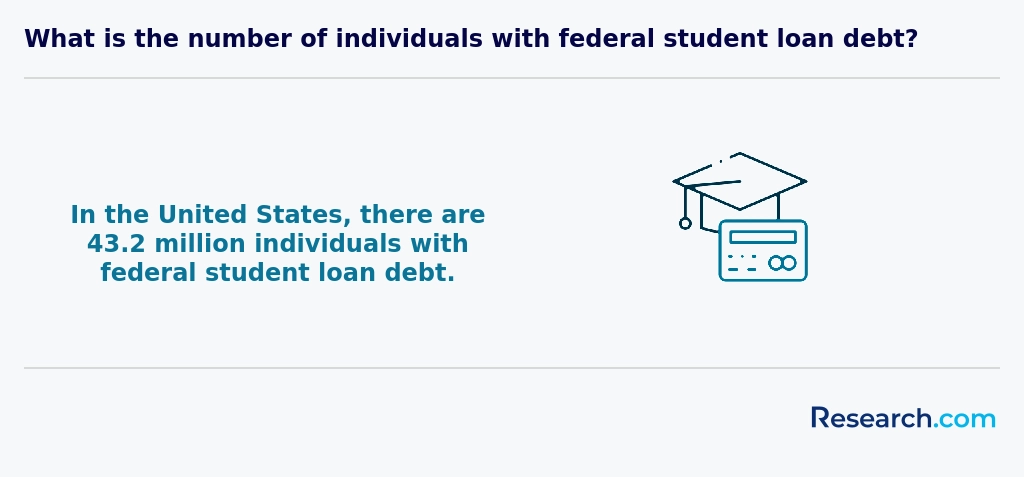
If you're wondering what career paths are available for online degree graduates in St. Paul, there are tons of options that match the city's busy and diverse job market. Graduates from popular schools here often find themselves working in healthcare fields like nursing or health administration thanks to big local hospitals and health systems. Others dive into the tech scene, landing jobs in software development or cybersecurity at startups and companies that really appreciate those skills.
Many grads who studied online at well-known St. Paul colleges also head into education, taking roles in teaching or instructional design especially with the rise of remote learning. Business and finance grads find plenty of opportunities in marketing, accounting, or management within the city's finance firms and nonprofits. You can check out the top online universities with national accreditation to see programs that suit these career goals.
Whether you're excited about technology, healthcare, education, or business, St. Paul's solid job prospects make it a great place to turn your online degree into a rewarding career. Graduates often mention how knowing the local market helped them find jobs faster and feel confident about their futures working right here in the area, showing those online degrees really pay off.
If you're wondering about the job market for online general degree grads in St. Paul, the news is pretty encouraging. Graduates from local schools often share how their degrees helped them land roles in healthcare, tech, and education-fields that are booming in the city. For example, graduates with healthcare degrees find plenty of openings in hospitals and clinics around St. Paul, while those with IT skills get snapped up by growing tech firms eager for software developers and cybersecurity pros.
It also helps that employers here value online degrees more than ever, especially when they're from well-known local colleges and are aligned with real-world skills. Working professionals studying online often mention how they could keep their jobs while upgrading skills, and that flexibility makes a big difference in this market. If you're diving into online studies, also check out which bachelor degree is best for boosting your chances in St. Paul's competitive scene.
Bottom line: the St. Paul job market for online graduates is looking up, with plenty of chances to grow-making it a smart move for anyone here ready to jumpstart their career.
2027 Most Valuable Online Colleges Programs Ranking in St. Paul, MN
Investing in your education is a crucial decision that can significantly influence your future, and the Research.com team fully recognizes the importance of providing trustworthy information to guide that choice. To support prospective students in St. Paul, MN, we have carefully developed the "2027 Most Valuable Online Colleges Programs Ranking in St. Paul, MN." Our dedication to quality, credibility, and precision is evident in the thorough research and analysis undertaken to create this ranking.
We utilized the following reputable data sources to ensure a comprehensive evaluation of online college programs:
By examining this ranking, readers will gain essential insights into the most valuable online college programs available in St. Paul, MN, empowering them to make informed and confident educational decisions. For a deeper understanding of how this ranking was created, please visit our Research.com methodology page.
# 1 position
Bethel University, Minnesota
Nursing RN to BS

# 3 position
Concordia University, St. Paul
Master of Special Education with Emotional/Behavioral Disorders (EBD) Endorsement
# 4 position
Bethel University, Minnesota
Master of Education K-12
# 5 position
Bethel University, Minnesota
Master of Business Administration
# 9 position
Bethel University, Minnesota
Bachelor of Business Management
# 10 position
Bethel University, Minnesota
Bachelor of Psychology
# 11 position
Bethel University, Minnesota
Doctor of Leadership (K-12 Education) (Higher Education)
# 20 position
Bethel University, Minnesota
Master of Special Education
Frequently Asked Questions
Students in St. Paul can enhance their online learning by utilizing local resources and maintaining strong time management. The city offers public libraries with free high-speed internet and quiet study spaces, such as the Saint Paul Public Library system. According to the National Center for Education Statistics, 45% of Minnesota's postsecondary students engage in some form of online study, highlighting the growing importance of effective remote learning strategies. Setting a consistent daily schedule, participating actively in virtual discussions, and accessing academic support services offered by local colleges can also improve outcomes. Networking with nearby peers and instructors fosters community and motivation.
Preparing for the job market after completing an online degree in St. Paul involves several strategic steps. First, graduates should leverage local resources such as the Minnesota Department of Employment and Economic Development, which reports a steady growth of over 2.5% annually in the region's job market. Networking is essential; joining St. Paul-based professional groups and online forums can connect graduates to potential employers. Internships and part-time roles, even virtual ones, can provide practical experience and improve employability. Additionally, job seekers should tailor their resumes to highlight skills gained through their online programs, focusing on competencies that local employers in fields like health care, education, and technology seek.
Utilizing St. Paul's career centers and online job platforms can also help graduates find roles suited to their qualifications. Practicing interview skills through workshops, often available through local libraries or colleges, gives candidates an advantage. Given the competitive job market, continually upgrading skills through certifications or short courses aligned with in-demand industries in St. Paul enhances prospects. Staying informed about regional labor trends enables graduates to target sectors with the highest employment potential.
Employers in St. Paul consistently seek graduates with strong communication and critical thinking skills. According to the Minnesota Department of Employment and Economic Development (DEED), these skills are essential across multiple industries in the region. Technical proficiency, especially in data analysis and digital tools, ranks high due to the growing tech and healthcare sectors locally.
Problem-solving abilities and adaptability are also in demand, reflecting employers' needs for workers who can manage change and unexpected challenges efficiently. Additionally, teamwork and collaboration skills remain crucial in St. Paul's diverse workplaces, supporting a culture of innovation and productivity.
Overall, graduates who combine technical knowledge with interpersonal strengths tend to have an advantage in the job market here.
Finding internships in St. Paul requires a strategic approach, especially for students pursuing online degrees. Start by leveraging career services offered by local colleges such as the University of St. Thomas and Hamline University, which often provide internship listings and employer connections.
Online students should explore Saint Paul's strong industries like healthcare, education, and finance, as they offer numerous internship opportunities. According to the St. Paul Chamber of Commerce, over 60% of local companies offer internships annually.
Utilize platforms like Handshake and LinkedIn, which many St. Paul-area employers use to recruit interns. Networking events, even virtual ones hosted by local business groups, can also help establish valuable contacts.
Remember to tailor your applications to the specific needs of St. Paul employers to increase your chances of success.
In St. Paul, an online degree can significantly impact career mobility and advancement by providing access to flexible education while meeting local workforce needs. According to the U.S. Bureau of Labor Statistics, occupations requiring a bachelor's degree in the Minneapolis-St. Paul metropolitan area offer 16% higher median wages compared to those without a degree. Employers increasingly value online degrees that demonstrate relevant skills and knowledge, particularly in growing sectors like healthcare, technology, and education. Furthermore, St. Paul's strong network of local businesses partners with online programs to facilitate internships and career placement, enhancing graduates' opportunities for upward mobility. This trend reflects a broader national shift toward recognizing accredited online degrees as credible credentials.
Choosing between a thesis and a non-thesis online degree program in St. Paul depends on your career goals and learning preferences. Thesis programs typically involve conducting original research and writing a substantial paper, suited for students aiming for academic or research careers. Non-thesis programs often focus on practical skills and coursework, appealing to professionals seeking direct application in the workforce.
Most online programs in St. Paul, including those from institutions like the University of St. Thomas, align with these national trends. According to the Minnesota Office of Higher Education, about 60% of graduate students in the state opt for non-thesis tracks for faster completion and flexibility.
Consider your time commitment, interest in research, and future plans when deciding. Advisor guidance can also be valuable in making the right choice.
Students based in St. Paul seeking to study abroad have several options through U.S. higher education programs that offer international experiences, even when enrolled in online degrees. Many universities with online programs provide virtual exchange opportunities, internships, or short-term study abroad trips designed to fit flexible schedules. According to the Institute of International Education, over 300 American colleges facilitate such programs combining online learning with global exposure.
Locally, institutions serving St. Paul students often partner with global universities to enable credit transfer for study abroad courses, making it practical for online learners to gain international experience without relocating permanently.
Federal data show that nearly 10% of Minnesota college students participate in some study abroad activity, reflecting growing accessibility. Online degree-seekers in St. Paul can take advantage of these hybrid models to enrich their academic portfolio.
St. Paul offers diverse part-time job opportunities that support students pursuing online degrees. Many students find roles in local healthcare facilities, as the city has a strong medical sector with employers like Regions Hospital. Healthcare positions such as medical assistants or patient service representatives provide relevant experience for degrees in health sciences.
Retail and customer service jobs in downtown St. Paul offer flexible hours and skill-building in communication and management. Additionally, part-time roles in local nonprofits or government offices align well with social work, public administration, or education programs.
According to the Minnesota Department of Employment and Economic Development, employers in St. Paul highly value candidates with practical experience alongside their academic studies.
Online students in St. Paul benefit from various networking opportunities despite the virtual format. Institutions like the University of St. Thomas and Hamline University offer virtual career fairs and alumni events, connecting students with local employers and professionals. According to the Minnesota Private College Council, nearly 70% of private colleges in the region provide online platforms for students to engage in study groups and professional networking.
Local professional organizations and business chambers also host hybrid events accessible to remote learners. St. Paul's growing tech and healthcare sectors provide industry-specific meetups often open to online students. These opportunities help build connections vital for career advancement within the city's job market.
Alumni networks play a crucial role in supporting online degree students in St. Paul by offering valuable connections within the local job market. Graduates often share job leads, mentorship, and professional development opportunities, helping students navigate their careers more effectively. According to a 2023 survey by the Minnesota Private College Council, 68% of students in St. Paul reported that alumni networks significantly influenced their job placement after graduation.
These networks also foster a sense of community and engagement despite studying remotely. They provide access to local events, webinars, and workshops, which can strengthen both personal and professional growth.
Furthermore, many employers in St. Paul prefer candidates with strong ties to local educational institutions, making active participation in alumni networks an advantage for online learners seeking to build regional careers.
Customizing your online degree program in St. Paul allows you to align education with your career goals effectively. Many accredited institutions in the area offer flexible curriculum options, such as choosing electives relevant to your industry or adding certificates in complementary skills like project management or data analysis. According to the Minnesota Office of Higher Education, over 70% of St. Paul colleges provide these customizable pathways.
Additionally, students can engage in internships and virtual practicums with local employers to gain relevant experience. Academic advisors at St. Paul universities help tailor course schedules and specialization tracks to match your professional aspirations, ensuring you develop both theoretical knowledge and practical skills valued in the regional job market.
Online students in St. Paul often face challenges related to technology access and reliable internet connections. Despite Minnesota's strong broadband initiatives, some residents still experience inconsistent service that can disrupt learning. Time management is another common difficulty, as balancing work, family, and studies requires strong organizational skills. According to the Minnesota Office of Higher Education, about 35% of local online learners report struggles with staying motivated without in-person interaction. Additionally, some students find the lack of direct contact with instructors and peers limits their networking and support opportunities. Financial concerns also affect many, as online programs may present unexpected fees or limited financial aid options.
Writing a winning application for a college or university program in St. Paul begins with thorough research. Understand the specific requirements of your chosen institution, such as Hamline University or Metropolitan State University, both known for strong online offerings. Tailor your personal statement to highlight your career goals and how the program aligns with them.
Include clear, concise answers in your application that reflect your academic achievements and professional experience. St. Paul colleges often value community involvement, so mention relevant local activities or volunteer work. According to the Minnesota Office of Higher Education, programs in St. Paul receive thousands of applications yearly, emphasizing the need for authenticity and professionalism in your materials.
Lastly, proofread carefully and seek feedback from trusted mentors or advisors familiar with college admissions.
Gaining practical experience while studying online in St. Paul is attainable through several avenues. Many institutions partner with local businesses, nonprofits, and government agencies to offer virtual internships tailored to remote learners. These opportunities allow students to build relevant skills in real-world settings without needing to be physically on campus.
Additionally, students can access experiential learning through project-based courses where assignments simulate professional work environments. St. Paul's strong economy, with sectors like healthcare, education, and tech, offers ample prospects for remote collaboration and freelance work.
According to the Minnesota Department of Employment and Economic Development, nearly 60% of St. Paul employers support flexible internship arrangements, benefiting online students seeking practical exposure.
Choosing the right concentration in an online degree program in St. Paul requires careful consideration of your career goals and local job market trends. According to the Minnesota Department of Employment and Economic Development, healthcare and technology fields are growing rapidly in the region. Selecting a concentration aligned with these sectors can improve job prospects after graduation.
Assess your personal interests and strengths, and review the curriculum for each concentration to ensure it matches those areas. Additionally, look for programs that offer relevant internships or networking opportunities within St. Paul's business community to enhance practical experience.
Consider the flexibility and support services that online programs provide, such as academic advising and career counseling, which are crucial for success in distance learning.
- 2027 Most Valuable Online Colleges Programs Ranking in Minneapolis, MN
- 2027 Most Valuable Online Colleges Programs Ranking in Winona, MN
- 2027 Most Valuable Online Colleges Programs Ranking in Duluth, MN
- 2027 Most Valuable Online Colleges Programs Ranking in Cedar Falls, IA
- 2027 Most Valuable Online Colleges Programs Ranking in Brookings, SD
- 2027 Most Valuable Online Colleges Programs Ranking in Sioux Falls, SD
- 2027 Most Valuable Online Colleges Programs Ranking in Madison, SD
- 2027 Most Valuable Online Colleges Programs Ranking in Fargo, ND
- 2027 Most Valuable Online Colleges Programs Ranking in Madison, WI
- 2027 Most Valuable Online Colleges Programs Ranking in Davenport, IA
- Apply to The Saint Paul Seminary - Saint Paul Seminary https://saintpaulseminary.org/spssod/admissions-spssod/
- Thesis vs. Non-Thesis Master's Programs: Which is Right for You? https://potomac.edu/thesis-vs-non-thesis-masters/
- Career Pathways - Saint Paul Public Schools https://www.spps.org/academics/college-and-career-readiness/career-pathways
- FAQ - Saint Paul University https://ustpaul.ca/en/admissions-and-student-services-applications/faq-admission/
- Intern Jobs in Saint Paul Minnesota | Springboard for the Arts https://jobs.springboardforthearts.org/q-intern-l-saint-paul,-minnesota-jobs.html
- St. Paul Neighborhood Network https://www.spnn.org/
- Study Abroad Programs | Go Overseas https://www.gooverseas.com/study-abroad
- Survey: Weapons, fights in St. Paul public schools largest concern for students, parents, staff https://www.mprnews.org/story/2023/05/24/survey-weapons-fights-in-st-paul-public-schools-largest-concern-for-students-parents-staff
- Careers and Networking https://www.stpaulsschool.org.uk/our-community/get-involved/careers-and-networking/
- Young Professionals Network https://www.stpaulchamber.com/young-professionals.html


