2027 Fastest Online Colleges Programs Ranking in St. Louis, MO

Co-Founder and Chief Data Scientist
Choosing the right online college program can feel overwhelming, especially when balancing life in St. Louis. This article introduces the 2027 Fastest Online Colleges Programs Ranking in St. Louis, MO, carefully developed by the Research.com team of data scientists to guide you toward the best options.
By exploring this ranking, you'll gain valuable insights to help identify programs that match your goals and schedule. Earning a degree opens doors to new opportunities and growth, making your educational journey both achievable and rewarding.
Key benefits of getting online degrees in St. Louis
- Graduates in St. Louis with an online bachelor's degree earn an average salary of $55,000, while those with a master's degree can see salaries rise to around $75,000, showing clear financial benefits as degree levels increase.
- A graduate from the University of Missouri-St. Louis with an online business degree often enters diverse roles like marketing or management, enjoying flexible career growth and strong local job market demand.
- An online nursing graduate from Saint Louis University praised the ability to study at their own pace, balancing work and life while earning a recognized degree that opens doors to advanced healthcare positions.
- 2027 Fastest Online Colleges Programs Ranking in St. Louis, MO
- What can I expect from online degrees in St. Louis?
- How much can I make with online degrees in St. Louis?
What can I expect from online degrees in St. Louis?
When pursuing an online degree in St. Louis, you can expect a flexible, supportive learning experience designed to fit your busy life. Graduates from the University of Missouri-St. Louis and Webster University often highlight how asynchronous classes let them study on their own time - perfect for working professionals balancing family and career goals. This flexibility creates a positive, stress-reducing atmosphere that makes education truly accessible.
Students also benefit from high academic standards backed by recognized accreditation, ensuring your degree carries real weight in the job market. Many report feeling connected through virtual libraries and responsive academic advisors who guide them every step of the way.
Affordability is another key advantage. Public universities in St. Louis often offer competitive tuition rates and financial aid specifically for online learners, making their dreams financially attainable.
With strong local employer recognition, online degrees from these institutions open doors in thriving fields like healthcare, business, and IT, empowering you to confidently launch or advance your career.
How much can I make with online degrees in St. Louis?
Graduates holding online degrees from well-known institutions in St. Louis, such as Washington University or Saint Louis University, often witness promising salary prospects. For example, those earning a bachelor's degree in business frequently start with salaries ranging from $50,000 to $60,000, reflecting the strong corporate and financial presence in the city. Many graduates share stories of securing rewarding positions in management or accounting shortly after finishing their programs.
Online healthcare graduates, particularly those with Bachelor of Science in Nursing degrees, commonly report median salaries near $65,000 annually in St. Louis. Those pursuing advanced roles, as supported by local healthcare employers, can earn upwards of $90,000, enabling graduates to feel confident in their career growth. Many alumni from regional nursing programs speak of the fulfillment that comes with both meaningful work and financial stability.
Technology-focused online degree holders enjoy median salaries between $70,000 and $90,000, thanks to St. Louis' expanding tech scene. Graduates from programs offered by popular colleges experience exciting opportunities within startups and established firms alike. Those who invest in online master's or MBA degrees often find starting salaries exceeding $80,000, empowering them to envision a prosperous future in this vibrant city.
- Tuition for online programs in St. Louis ranges from $10,000 to $25,000 per year, with public universities generally offering lower rates for in-state students.
- The local job market shows growth in health care, information technology, and business sectors, providing good employment opportunities for graduates.
- The average starting salary for college graduates in St. Louis is about $50,000 per year, near the national median.
- After 10 years, professionals with bachelor's degrees typically earn around $70,000 annually, reflecting steady salary growth.
- Online programs are often accredited by recognized bodies like the Higher Learning Commission, ensuring quality education and credit transferability.
- St. Louis's lower cost of living compared to other large cities helps make pursuing an online degree more affordable overall.
Completing an online degree in St. Louis is an achievable and rewarding journey that fits your life and goals. Many students from the University of Missouri - St. Louis proudly finish their bachelor's degrees in about four years, balancing studies with work and family. Some even accelerate their programs, finishing as quickly as 2.5 to 3 years by taking advantage of flexible course schedules and transfer credits.
Associate degrees typically take about two years for full-time students enrolled at local community colleges, opening doors to new careers or further education. Graduate programs, such as master's degrees, offer the freedom to progress at your own pace, often between one and three years, making it easier to advance your skills while maintaining your lifestyle.
Graduates describe their experience as empowering-overcoming challenges, gaining knowledge, and welcoming new opportunities. With St. Louis institutions providing supportive online programs and options for part-time enrollment, your educational dreams are completely within reach.
Choosing between an online degree and an on-campus experience in St. Louis opens doors to exciting, flexible educational journeys tailored to your lifestyle. Imagine a busy professional enrolled with the University of Missouri-St. Louis, attending lectures at their convenience from home, balancing family and work without missing a beat. This flexibility is a defining strength of online programs, empowering students to learn on their own terms with cutting-edge virtual tools and occasional campus meet-ups to foster real connections.
On the other hand, graduates from Saint Louis University often cherish the vibrant campus life filled with face-to-face interaction, lively discussions, and spontaneous friendships formed in classrooms or campus events. The traditional setting offers rich resources and a strong sense of community that nurtures personal growth alongside academic success.
Financially, many online learners appreciate lower overall costs by avoiding commuting and housing fees common in St. Louis city living, making higher education more accessible. Both paths reflect the high academic standards of local institutions, ensuring your achievement shines brilliantly regardless of how you choose to learn.
The average cost of an online degree in St. Louis offers great value, especially for Missouri residents. Many students attending public universities such as the University of Missouri-St. Louis find that in-state tuition averages around $21,000 for a full degree, making it an attainable investment in their futures. Graduates often reflect on how this affordable online education allowed them to balance work, family, and study, turning their ambitions into real achievements.
For those exploring affordable online college tuition rates St. Louis MO, community colleges provide an excellent path. With tuition often under $5,000 for associate degrees, these programs deliver quality education without overwhelming financial stress. Students who began at St. Louis Community College describe how cost-effective credits and flexible schedules empowered them to progress confidently toward their educational goals.
Private colleges in the area might have higher costs but often bring small class sizes and personalized attention that many students appreciate. By carefully choosing the right program, many find the investment aligns with their long-term career goals and personal growth.
If you want to accelerate your journey, consider the fastest online degree programs for working adults that help you graduate sooner, potentially saving both time and money while advancing your career in vibrant St. Louis.
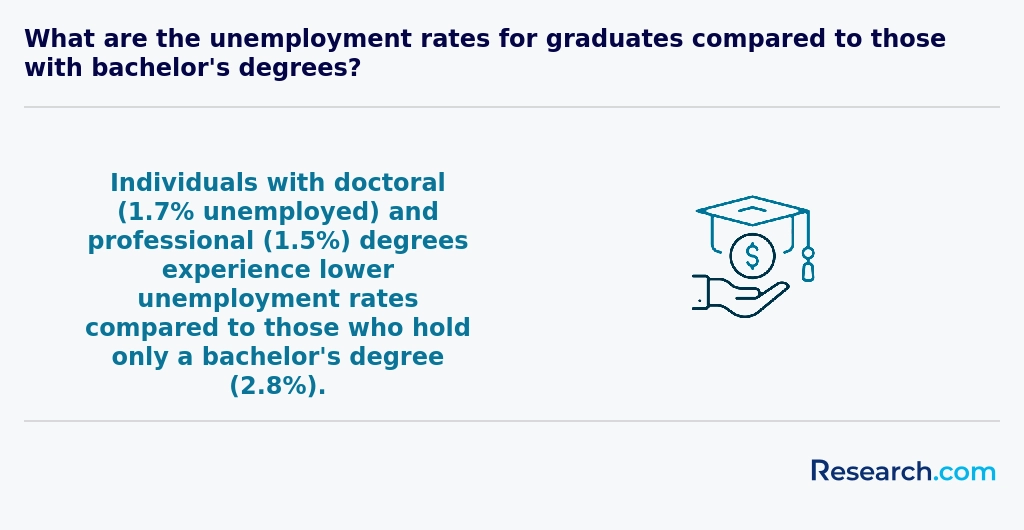
Many students in St. Louis pursuing online degrees discover a world of financial aid opportunities that make their dreams achievable. Graduates from institutions like the University of Missouri-St. Louis share how federal financial aid, including Pell Grants, provided essential support without the burden of repayment. These grants are designed to help students with financial need and are widely accessible for accredited online programs.
State aid also plays a crucial role. For example, Access Missouri offers scholarships that have transformed the educational journeys of numerous local students by significantly easing tuition costs at both public and private online universities.
Institutional scholarships from St. Louis colleges frequently reward online learners who demonstrate merit or potential. Many students talk about how these awards boosted their confidence and financial stability while studying remotely.
Employer tuition assistance adds another layer of encouragement, with working professionals benefiting from reimbursement programs that acknowledge the value of continuing education.
Student loans remain an option, but many find that careful planning enables them to manage debt responsibly and focus on success.
Online degree programs in St. Louis offer a range of focused study areas designed to match local industry needs and career goals:
- Business Administration – leadership, finance and marketing skills
- Healthcare Administration – hospital management and policy
- Information Technology – programming, networking and system design
- Nursing – RN to BSN pathways and advanced practice
- Cybersecurity – threat analysis and risk management
- Data Analytics – statistics, visualization and decision science
- Education – curriculum development and instructional design
For insights on earning potential across business majors, see which bachelor degree is best.
Enrolling in an online degree program in St. Louis is an exciting journey that builds on your unique educational background and readiness. Most students from renowned institutions like Saint Louis University or Webster University start with a high school diploma or its equivalent, confidently submitting their transcripts to showcase their achievements. Many recall how meeting GPA benchmarks, often between 2.0 and 3.0, was their first proud step toward academic success.
Graduate applicants embrace the challenge with a bachelor's degree in hand, sharing stories of carefully preparing recommendation letters and crafting personal statements that reflect their passion. Some even draw strength from relevant work experience, which enriches their learning and sets the stage for specialized programs.
Beyond academics, success in online learning requires digital confidence-having a trusty laptop and steady internet means students can fully engage with platforms like Canvas, just as their peers at local universities do. Financial planning also empowers many to pursue degrees without worry, taking advantage of scholarships tailored for St. Louis online learners.
Common steps like completing applications, submitting test scores when needed, and proving English proficiency for non-native speakers become milestones marking the path to new opportunities. Graduates often celebrate how these prerequisites prepared them to thrive in their vibrant St. Louis academic community.
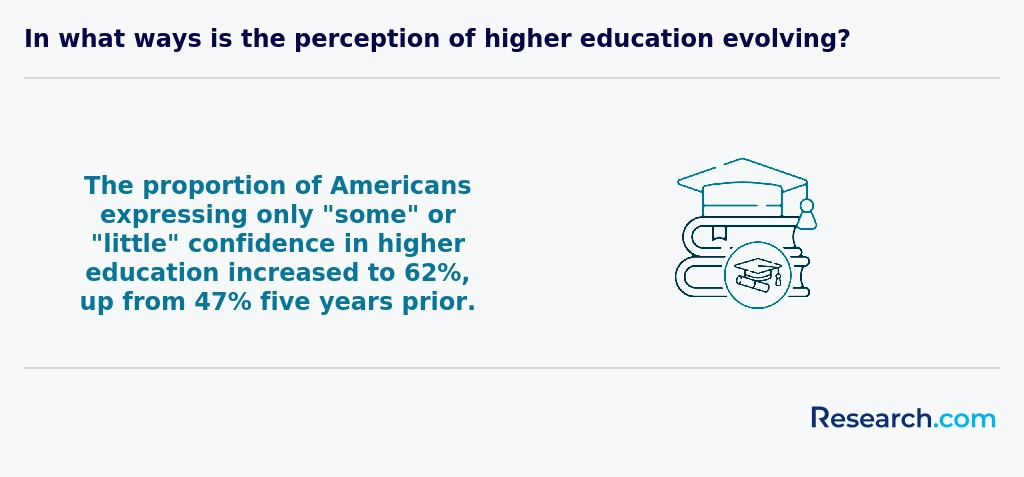
Online degree courses in St. Louis commonly begin with foundational classes that build essential skills like critical thinking, communication, and analytical reasoning. Graduates from local universities often speak warmly about their experiences mastering subjects such as English composition, mathematics, social sciences, and natural sciences. These courses set a strong academic base that supports more specialized learning later on.
As students progress, they dive into focused coursework tailored to their chosen field. For example, business administration majors at popular St. Louis colleges take classes in marketing, finance, and management that prepare them to lead with confidence and innovation. Healthcare students explore anatomy, healthcare ethics, and public health administration, equipping themselves with knowledge necessary for real-world impact.
Education professionals benefit from courses in curriculum development and educational psychology, while criminal justice students immerse themselves in criminology and law enforcement practices. Many appreciate how the St. Louis online college program curriculum offers a blend of theory and hands-on learning, bringing subjects to life with practical case studies and virtual interaction.
To those exploring their path, it's inspiring to know some students successfully balance coursework while working, completing degrees within two to three years. For those seeking advanced goals, exploring easy doctorate degrees offers additional opportunities to grow and contribute meaningfully to their communities.
Choosing the best online degree program in St. Louis starts with ensuring the school is regionally accredited, as many graduates from local universities attest to the value this brings in transferring credits and standing out to employers. Imagine studying at a well-known St. Louis institution, benefiting from a program designed to align perfectly with the booming healthcare and technology sectors, which are reshaping the city's job market. This alignment helps you feel confident that your education is directly fueling your future career goals.
Many students find that seeking affordable online college programs St. Louis MO offers helps ease financial worries, letting them focus on excelling without stress. Flexibility plays a big role too-graduates often reflect on how asynchronous classes and accelerated degree options empowered them to balance work, life, and learning effectively. It's equally inspiring to consider rich student support services and strong graduation rates that local schools provide, which offer encouragement and real momentum throughout your educational journey.
Finally, tapping into firsthand experiences and honest feedback shines new light on what to expect. When you explore options, keep an eye on programs offering guidance for career advancement-some graduates from St. Louis colleges credit their growth to these supports. Delving into the range of offerings, you might also find specific insights about masters degrees that pay well, helping you choose a path that's both fulfilling and financially rewarding.

Online degree graduates in St. Louis discover thriving career paths across key industries that fuel the city's vibrant economy. Many graduates from well-known institutions embrace opportunities in healthcare, joining respected organizations like BJC HealthCare or Mercy, where their flexible online education prepares them for impactful roles in nursing or healthcare administration. Others inspired by the city's financial strength find fulfilling positions at firms such as Wells Fargo Advisors, excelling in business, accounting, or finance thanks to skills gained through online studies.
Technology careers are booming, with grads from local colleges landing jobs in software development or cybersecurity within dynamic hubs like T-REX. Many share how their online degree gave them the confidence to enter St. Louis's evolving tech scene. For those seeking alternative routes, education, manufacturing, and nonprofit sectors also welcome online graduates eager to make a difference.
St. Louis students looking for online colleges that are affordable often find pathways that lead to top employers and community impact, showcasing how fastest online degree career options in st louis bring real opportunities to life.
St louis online graduates job opportunities extend across diverse fields, emphasizing how flexible learning enriches both personal growth and professional success in this thriving city.
The job market for online degree graduates St. Louis offers vibrant opportunities fueled by the city's dynamic economy and supportive industries. Graduates from popular institutions like Washington University and Saint Louis University often share how their online education empowered them to balance work and study while preparing for roles in healthcare, finance, and IT. Many find that local employers appreciate the flexibility and dedication demonstrated by those with online degrees, especially when combined with hands-on experience.
St. Louis employment outlook for online college degrees is especially strong in sectors like healthcare and technology, where continued growth means doors are opening wider than ever. Graduates report feeling confident stepping into roles at renowned companies like BJC HealthCare or Edward Jones, driven by the relevant skills they developed online. The ability to upskill while working makes online degrees a practical choice, improving career mobility and job satisfaction in this city.
For those exploring options, checking out the best online trades school can be a great step toward unlocking rewarding local career paths and enhancing long-term success.
2027 Fastest Online Colleges Programs Ranking in St. Louis, MO
Investing in your education is a significant decision that can shape your future, and the Research.com team understands the importance of making informed choices. To assist prospective students in St. Louis, MO, we have meticulously developed the "2027 Fastest Online Colleges Programs Ranking." Our dedication to quality, credibility, and accuracy is demonstrated through rigorous research and thorough analysis to produce a reliable ranking.
We utilized the following reputable data sources to ensure a comprehensive evaluation of online college programs:
By exploring this ranking, readers will gain valuable insights into the fastest online college programs in St. Louis, enabling informed decisions about their educational paths. For more information on how the ranking was created, please visit our Research.com methodology page.


# 8 position
Maryville University of Saint Louis
Doctor of Adult-Gerontology Primary Care Nurse Practitioner
# 11 position
Maryville University of Saint Louis
Doctor of Psychiatric Mental Health Nurse Practitioner
# 14 position
Maryville University of Saint Louis
Master of Psychiatric Mental Health Nurse Practitioner
Frequently Asked Questions
Students in St. Louis can maximize their online learning experience by taking advantage of local resources and flexible study schedules. Many St. Louis institutions, including the University of Missouri-St. Louis, offer comprehensive online support such as tutoring, library access, and career services designed to enhance remote education. According to the National Center for Education Statistics, 35% of Missouri college students enrolled in at least one online course in 2023, highlighting growing digital engagement.
Utilizing community spaces with reliable internet, like public libraries, can help reduce distractions. Additionally, joining local virtual study groups promotes peer interaction, a key factor linked to improved retention rates in online studies. Incorporating structured time management and regular communication with instructors also supports academic success.
After completing an online degree in St. Louis, preparing for the job market requires focused steps. Start by leveraging local resources like the St. Louis Community College Career Center and Missouri Job Center, which offer job listings and counseling. Networking is crucial-connect with alumni and employers via platforms such as LinkedIn and local professional groups. According to the Greater St. Louis, Inc., the region's healthcare and tech sectors are growing fastest, so tailoring your skills to these industries can improve job prospects. Additionally, polish your resume and practice interview skills to effectively present your online education credentials to potential employers.
Employers in St. Louis increasingly seek graduates with a blend of technical and soft skills. According to the St. Louis Regional Chamber, critical thinking and problem-solving abilities rank high among desired traits. Communication skills, both written and verbal, are essential for teamwork and leadership roles.
In St. Louis's growing tech and healthcare sectors, proficiency in digital literacy and data analysis is particularly valued. The U.S. Bureau of Labor Statistics highlights a 10% job growth in these industries locally through 2028, emphasizing the need for adaptable, tech-savvy graduates.
Additionally, employers appreciate flexibility and time management, especially for online degree candidates. These skills are vital to handle remote work and evolving job responsibilities effectively.
Finding internships in St. Louis involves leveraging local resources and university partnerships. Start by exploring career services at online colleges offering programs in St. Louis, as many maintain connections with regional employers.
The St. Louis Economic Development Partnership highlights sectors such as healthcare, finance, and manufacturing that frequently offer internships. Platforms like the St. Louis Internship Consortium provide listings from over 100 organizations in these fields.
Additionally, LinkedIn and local job boards such as St. Louis Post-Dispatch's job site can be valuable. Networking through local professional groups or chambers of commerce also increases your chances of finding opportunities.
In St. Louis, an online degree significantly enhances career mobility and advancement. Employers increasingly recognize accredited online programs from respected institutions, reflecting a shift in the local job market. According to the U.S. Bureau of Labor Statistics, holders of a bachelor's degree in Missouri earn about 68% more than those with only a high school diploma. This wage premium encourages workers to pursue further education online, especially given St. Louis's growing sectors like healthcare and technology.
Online degrees also support flexible learning schedules, allowing professionals to gain skills without leaving current jobs. Local data from the Missouri Economic Research and Information Center reveals that St. Louis's employment in specialized fields requiring degrees is projected to grow by over 10% through 2028, emphasizing the value of higher education for career progression.
Choosing between a thesis and a non-thesis degree program in St. Louis depends on your career goals and learning preferences. Thesis programs typically involve original research and are suited for students interested in academic or research careers. Non-thesis programs often emphasize practical skills and coursework, ideal for professionals seeking to advance in the workforce quickly.
In St. Louis, where several universities like Saint Louis University and University of Missouri-St. Louis offer both options, employment in research roles increased by 5% from 2020 to 2023 according to the Missouri Economic Research Center. This growth may influence your decision if research careers appeal to you.
Consider also the time commitment: thesis degrees often take longer due to the extensive research involved, while non-thesis programs may allow earlier graduation. Review specific program requirements and weigh how they align with your lifestyle and objectives.
Students in St. Louis interested in studying abroad have several options through local universities that offer online degree programs with international components. Many institutions partner with foreign universities to provide virtual exchange programs, allowing students to experience global education without leaving the city. According to the Institute of International Education, the University of Missouri-St. Louis and Washington University offer structured study abroad opportunities integrated with their online curricula.
These programs include internships, research projects, or language studies conducted remotely with international faculty. This approach caters to students unable to travel, expanding access while maintaining academic rigor and cultural exposure.
St. Louis offers a variety of part-time job opportunities that can enhance online degree studies, especially in fields like business, healthcare, and technology. According to the U.S. Bureau of Labor Statistics, healthcare support and tech-related jobs are growing rapidly in the region. Students pursuing online degrees in nursing or IT might find part-time roles as medical assistants or help desk technicians valuable for practical experience.
Local companies often seek interns and assistants, allowing students to build professional networks while continuing their education. Positions in finance or marketing at St. Louis's many startups and small businesses also align well with business degrees. These roles support both income and resume development.
Online students in St. Louis have several networking opportunities despite their remote status. Many universities offering online degrees in the area organize virtual events and webinars to connect students with peers and local professionals. For example, St. Louis Community College and Webster University provide online platforms for student interaction and career networking.
The local business community is active, with organizations like the St. Louis Regional Chamber hosting virtual networking mixers that online students can join. These events often feature industry leaders from key sectors such as healthcare, finance, and technology, reflecting St. Louis's growing job market.
Additionally, alumni networks from St. Louis colleges are a useful resource for online students seeking mentorship, internships, or job contacts. According to data from the Missouri Economic Research and Information Center, St. Louis's professional services sector grew by 3.6% in 2023, making such connections valuable for career advancement.
Alumni networks offer significant benefits to online degree students in St. Louis by creating connections within the local job market. Graduates can tap into these networks for mentorship, internships, and employment opportunities in a city with a diverse economy, including sectors like healthcare, finance, and manufacturing.
According to the St. Louis Economic Development Partnership, over 80% of jobs are filled through networking, highlighting the importance of strong alumni ties. Online students gain access to events and professional groups that provide regional insights, which can be crucial for career advancement.
These networks also encourage lifelong learning through workshops and seminars tailored to the St. Louis job environment, helping students stay competitive after graduation.
Customizing an online degree program in St. Louis involves selecting courses and specializations that align with your career goals. Many institutions offer flexible curricula with options to concentrate in areas such as healthcare, technology, or business management.
Local universities like the University of Missouri-St. Louis provide tailored programs and internship opportunities with nearby industries. This regional focus can enhance practical skills and networking.
Additionally, students can often choose electives, certificates, or minors that complement their main degree, increasing marketability.
According to the St. Louis Economic Development Partnership, targeted education choices correlate with higher employment rates in growing sectors locally.
Online students in St. Louis often face challenges related to technology access and reliable internet connectivity. According to the Missouri Broadband Coalition, about 15% of households in the St. Louis metro area lack high-speed internet, which can hinder participation in live lectures and timely submission of assignments.
Another common obstacle is balancing studies with work and family responsibilities. Many online learners in St. Louis are adult students who juggle jobs and childcare, making time management crucial but difficult without on-campus support.
Additionally, some students report feeling isolated due to limited face-to-face interaction with peers and instructors, which can affect motivation and engagement.
Applying for an online degree program in St. Louis requires clear, concise, and well-organized materials. Start by researching the specific requirements of institutions like Saint Louis University or the University of Missouri-St. Louis, as they often request transcripts, test scores, and personal statements.
Strong applications include a focused personal statement explaining your motivations and goals, particularly how the online format suits your lifestyle. Highlight relevant experience or skills that align with your chosen program.
According to the Missouri Department of Higher Education, online enrollment in St. Louis has grown over 10% annually, so being precise can help your application stand out. Be sure to meet deadlines, as competition is increasing.
Lastly, secure strong letters of recommendation and proofread all documents carefully to present yourself professionally.
Students pursuing online degrees in St. Louis can gain practical experience through multiple avenues. Many institutions in the area offer internship partnerships with local companies, allowing students to earn credit while building real-world skills. According to the St. Louis Regional Chamber, over 75% of employers prefer candidates with relevant internship experience. Additionally, service-learning projects embedded in coursework connect students with community organizations, providing hands-on opportunities without leaving home. Virtual labs and simulation tools are commonly used in STEM and health programs to replicate practical scenarios. Networking events held by St. Louis professional groups also help online learners engage with industry experts.
Choosing the right concentration within an online degree program in St. Louis begins with understanding your career goals and interests. Research local industries-such as healthcare, finance, and technology-that dominate the St. Louis job market. The U.S. Bureau of Labor Statistics notes that health services occupations in the area are growing faster than average, which may guide your decision.
Consider programs accredited by recognized bodies, as they ensure quality education and better job prospects. Many St. Louis institutions offer specializations aligned with regional economic demands. Also, evaluate course flexibility and availability of internships or practicum opportunities that connect you to the local workforce.
Finally, reviewing alumni outcomes and employment rates reported by schools can provide insight into how well a concentration prepares graduates for the St. Louis job market.
- 2027 Fastest Online Colleges Programs Ranking in Saint Charles, MO
- 2027 Fastest Online Colleges Programs Ranking in Carbondale, IL
- 2027 Fastest Online Colleges Programs Ranking in Cape Girardeau, MO
- 2027 Fastest Online Colleges Programs Ranking in Columbia, MO
- 2027 Fastest Online Colleges Programs Ranking in Charleston, IL
- 2027 Fastest Online Colleges Programs Ranking in Terre Haute, IN
- 2027 Fastest Online Colleges Programs Ranking in Springfield, MO
- 2027 Fastest Online Colleges Programs Ranking in Bloomington, IN
- 2027 Fastest Online Colleges Programs Ranking in Davenport, IA
- 2027 Fastest Online Colleges Programs Ranking in Memphis, TN
- The Experience - Private School in St. Louis | Whitfield https://www.whitfieldschool.org/academics/the-experience
- HireLevel | Search Results https://jobs.hirelevel.com/jobs-in/Saint%20Louis/MO
- Know more about thesis vs non- thesis: what is the difference? https://studyfans.com/en/blogs/816
- Networking in Saint Louis, Missouri | Meetup https://www.meetup.com/find/us--mo--saint-louis/networking/
- InternSTL https://internstl.com/
- Tips for Choosing Your Graduate Concentration - Graduate Programs for Educators https://www.graduateprogram.org/blog/tips-for-choosing-your-graduate-concentration/
- How to Match Your Degree to Your Career Goals Strategically https://collegedegree.education/how-to-match-your-degree-to-your-career-goals-strategically/
- 10 Key Benefits of Part-Time Jobs for Students While Studying https://www.ue-amsterdam.com/blog/top-10-benefits-of-working-part-time-for-students-while-studying
- Create Your Own Degree (Disrupt the Job Market!) https://degreefromanywhere.com/create-your-own-degree/
- University of Missouri-St Louis: Acceptance Rate, Tuition & Rankings - EDsmart https://www.edsmart.org/schools/university-of-missouri-st-louis/