
Most Affordable Trade School & Training Programs - Leading Certification Courses in Pratt for 2026

Co-Founder and Chief Data Scientist
Choosing the right trade school can shape your future in exciting ways. If you’re in Pratt and exploring affordable options for 2026, this article is here to guide you.
The ranking featured here was crafted by the Research.com team of data scientists, designed to help you find trade school programs that truly stand out. By reviewing their insights, you’ll gain confidence in selecting a program that fits your goals and budget.
Investing in a trade school diploma or certification opens doors to rewarding careers. Let’s explore the best choices for you.
Key benefits of finishing trade school programs trade school in Pratt
- Expected salary: Trade school graduates in Pratt typically earn between $33,000 and $45,000 starting, with higher salaries up to $70,000 for experienced roles in fields like electrical work, HVAC, and medical assisting, offering strong financial potential early in your career.
- Popular career paths: Graduates of Pratt Community College often pursue rewarding jobs such as electricians, welders, dental hygienists, and HVAC technicians, providing diverse options with stable demand and opportunities to grow professionally.
- Online education benefits: Earning a trade certification online offers flexibility to learn at your own pace, balance work and life commitments, and still access quality training similar to on-campus programs, ideal for busy students in Pratt.
- Most Affordable Trade School & Training Programs - Leading Certification Courses in Pratt for 2026
- What can I expect from trade school programs trade schools in Pratt?
- Where can I work after finishing trade school programs trade schools in Pratt?
What can I expect from trade school programs trade schools in Pratt?
Trade school programs in Pratt are designed to be affordable, with many students finding tuition costs to be manageable compared to traditional four-year colleges. On average, students can expect to invest around $3,000 to $7,000 per year in tuition when attending schools like Pratt Community College, which offers hands-on training in sought-after fields such as Electrical Power Lineman or Information Network Technology. Graduates often share how this investment provided immediate value through practical skills that quickly led to employment.
Beyond tuition, many learners benefit from financial aid options that make these programs accessible, reducing the financial burden and allowing them to focus on building their careers. For example, one graduate recalls how affordable tuition combined with targeted scholarships made completing the program stress-free and rewarding.
The real cost of a program in Pratt is not just monetary-it's an opportunity to gain the confidence and expertise needed to thrive in a technical career, supported by experienced instructors and real-world learning environments that prepare students for the jobs they want.
Where can I work after finishing trade school programs trade schools in Pratt?
After finishing a trade school program in Pratt, many graduates find themselves stepping confidently into rewarding careers that match their specialized skills. For example, those trained in welding technology often join local manufacturers or become sought-after welding instructors at Pratt Community College, where job openings regularly arise. Graduates share stories of starting as fabrication technicians and quickly building satisfying careers in a thriving regional industry.
Allied Health program graduates, such as nursing assistants, report working in nearby hospitals and elder care centers, finding pride in making a real difference in their communities. Their paths sometimes lead back to Pratt Community College, where they're welcomed as clinical adjunct instructors, adding a sense of fulfillment and stability.
Others trained in Automotive Technology or Electrical Power Technology frequently secure positions at local dealerships or utility companies, telling of hands-on roles that combine skill and teamwork. Business, IT, and agriculture graduates thrive in offices and farms across Pratt, proving trade school skills open doors to diverse, meaningful opportunities right here at home.
After completing a trade school program in Pratt, graduates often step into the workforce with a strong sense of achievement and promising earnings. On average, a graduate in Kansas can expect to make around $59,887 annually as of August 2025, which breaks down to about $28.79 per hour. Imagine earning nearly $5,000 a month doing hands-on, skilled work that you love. Many graduates from Pratt Community College start their careers with salaries around $23,000, while those who gain experience can reach up to $70,000, especially in trades like mechanics, welding, or electrical work.
Some alumni recall their first weeks on the job, excited to see paychecks reflecting their hard work and training. While salaries vary, thriving in a specialized trade can push earnings even higher-some professionals in Kansas make as much as $89,184 annually. These opportunities demonstrate the real value of pursuing skilled trades in Pratt, where local demand keeps career paths steady and rewarding.
- Trade schools in Pratt often require a high school diploma or GED, with some offering dual enrollment options for high school students through Career Technical Education (CTE) pathways.
- Popular programs include allied health, agriculture, business, information technology, HVAC, welding, and electrical technology, focusing on practical skills aligned with job market needs.
- Tuition costs for technical programs in Pratt range from about $4,000 to $8,500 per year, depending on the program and residency status.
- Financial aid and flexible class schedules are commonly available to help students manage costs and balance work commitments.
- Graduates can expect starting salaries between $35,000 and $50,000 per year, with high job placement rates aided by local industry partnerships and hands-on training.
Trade school programs in Pratt typically take between 9 and 24 months to complete, offering a clear and achievable path to a new career. Graduates from popular local schools like Pratt Community College often share how this focused timeframe helped them transition quickly into the workforce, balancing life and study with confidence.
For instance, many found the Electrical Power Distribution Certificate Training Program, with its roughly 10-month length, perfectly paced-intensive enough to maintain momentum but flexible enough for those juggling other responsibilities. This allowed students to stay motivated and see steady progress, fueling a sense of accomplishment.
Programs generally emphasize practical skills and sometimes include on-the-job training or externships, making the experience vibrant and engaging. Some graduates describe the journey as empowering, knowing they are building a future in a timeframe that respects their personal goals and lifestyle.
Whether enrolled full-time or exploring hybrid options, most students in Pratt appreciate how these programs fit realistically into their lives, turning ambition into success in less than two years.
The difference between online and on-campus trade school programs in Pratt centers on how and where you learn, shaping your experience to fit your lifestyle. Imagine a busy parent juggling work and family, studying late at night through EDUKAN's fully online courses partnered with Pratt Community College. The flexibility of 8, 12, or 16-week sessions lets them progress at their own pace without leaving home. This freedom often brings a sense of accomplishment and balance, with savings on travel and housing costs adding to the relief.
On the other hand, graduates attending on-campus programs share stories of hands-on learning in bustling workshops, where welding sparks fly and HVAC systems hum. Being physically present fosters friendships, immediate feedback, and access to specialized equipment essential for mastering trades. The campus atmosphere creates an inspiring community, making learning social and dynamic.
Both paths empower students to achieve their dreams in Pratt, whether through digital classrooms or vibrant campus labs, highlighting the choice between flexibility and immersive, practical training.
Costs for trade school programs in Pratt offer a realistic and encouraging pathway for many aspiring professionals. At Pratt Community College, the Pratt Community College trade program cost is quite accessible, with Kansas residents paying $76 per credit hour plus $63 in fees. For those pursuing programs in high-demand fields like Automotive Technology or Electrical Power Technology, the full tuition and fees range from about $4,170 to $8,340 depending on credit hours taken, making it an affordable investment in a future career.
Graduates often share how knowing their financial commitment was manageable allowed them to fully focus on hands-on training and building skills they treasure today. Some programs include additional fees, such as a $150 technology fee per semester or a $1,500 CDL driving fee for commercial driving courses. These precise costs help students budget accordingly without surprises, enhancing confidence throughout their studies.
For those interested in comparing options or seeking programs beyond Pratt, national averages show trade school tuition and fees typically fall between $4,000 and $15,000 yearly. This affordability aligns nicely with what you'll find locally, helping many feel excited about their educational journey.
Whether your passion lies in nursing, criminal justice, or a skilled trade, the average trade school tuition in Pratt Kansas makes it easier to turn dreams into a rewarding reality. Exploring resources like the most affordable online landscaping classes is a great way to discover additional opportunities tailored to your goals.

Trade school students in Pratt find numerous financial aid opportunities to help turn their ambitions into achievements. By completing the Free Application for Federal Student Aid (FAFSA), students unlock access to vital resources like Pell Grants, Federal Work-Study, and Direct Student Loans-all administered locally at Pratt Community College. Many graduates recall how these supports made the difference between dreaming and doing, easing the burden as they mastered hands-on skills.
Kansas residents benefit from state-specific aid, including the Kansas Career Technical Workforce Grant, which offers between $100 and $10,000 to those enrolled in high-demand technical programs. Imagine a student at Pratt Community College receiving this grant and affording both tuition and tools, allowing full focus on their craft without financial stress.
Additional help comes through the Kansas Comprehensive Grant and institutional scholarships directly from Pratt's trade schools. Many students take pride in navigating these options early-avoiding extra fees and unlocking payment plans that create smooth pathways to success.
To enroll in a trade school program in Pratt, you'll need to meet some clear and encouraging prerequisites that open doors for all kinds of learners. At the core, most programs ask for a high school diploma, GED certificate, or equivalent home school credentials. This foundation empowers students to confidently dive into hands-on training and technical studies.
Transfer students with college experience in good academic standing often find a smooth path into Pratt's trade schools. For adults ready to change careers or advance, being 18 years or older and demonstrating your readiness for postsecondary education can also secure your spot.
High school sophomores, juniors, and seniors with written permission from their principal and proven college readiness often join trade courses, expanding their futures early on. Gifted students with documented Individualized Education Plans (IEPs) also thrive with this flexibility.
Popular programs like nursing or automotive technology at Barton Community College ask for a few extras:
- Passing a placement test such as the TEAS for nursing
- Submitting official transcripts
- Completing preparatory classes in some cases
Taking these steps-submitting applications, transcripts, and FAFSA if needed-feels like building your future brick by brick in Pratt's supportive community. The opportunity to grow, learn, and transform your career in a welcoming environment awaits you.
Trade school programs in Pratt are built to empower students with hands-on skills that open doors to rewarding careers. At Pratt Community College, the programs are tailored to blend classroom learning with practical experiences that prepare you for real-world challenges.
Many graduates from the Electrical Powerline Technology Certificate program recall climbing poles and mastering safety protocols, gaining confidence as they worked alongside experienced professionals on power distribution systems. This intense, 42-week course offers 47 instructional hours packed with essential electrical theory and equipment operation.
In the Automotive Mechanics track, students thrive while diagnosing engine troubles or fine-tuning brakes and suspensions, leaving the program ready to service advanced vehicles with pride. Graduates celebrate certificates and associate degrees that enhance their employability in local garages and dealerships.
- Welding students often describe the thrill of mastering MIG, TIG, and arc welding techniques, transforming blueprints into tangible metal creations with precision and safety.
- Health Aide and Nursing Assistant programs cultivate compassionate caregivers who step into healthcare roles confidently, equipped with essential clinical skills and patient care knowledge.
- Technology enthusiasts find their passion in Computer Systems Networking and Telecommunications, troubleshooting network issues and maintaining system infrastructure.
These practical courses not only build expertise but also inspire pride and purpose, making trade schools in Pratt a vibrant hub for career-driven learners eager to make an impact in their communities.
Trade school programs in Pratt offer exciting specializations that empower students to build rewarding careers with hands-on learning. At Pratt Community College, graduates often share inspiring stories of how programs in Information Network Technology launched their paths into IT support, networking, and cybersecurity-fields booming with opportunity nationwide. Many found themselves confident and job-ready thanks to real-world projects and expert instructors.
For high school students eager to get ahead, the Career Technical Education (CTE) pathways provide a head start, blending academics with technical skills in areas like healthcare support, automotive technology, electrical maintenance, and welding. Graduates emphasize how this early exposure gave them a strong foundation and clear direction for the future.
The Pratt Learning Center offers flexible options for those balancing life and studies, tailoring career and technical education to individual goals. Students have also thrived by taking advantage of short-term certifications in industrial safety and agricultural mechanics, essential skills for regional demands.
Those exploring unique options can find cheapest baking and pastry arts online programs to complement practical trades, expanding opportunities even further.
Choosing the best trade school programs in Pratt means focusing on what truly matters to your future. Many graduates from Pratt Community College share how personalized plans and strong industry ties helped them step confidently into careers. Imagine joining hands-on classes where instructors tailor lessons to your pace and goals, making each skill you learn immediately applicable in real jobs local employers eagerly seek to fill.
Cost matters too, so take time to compare Pratt trade schools tuition and fees-community colleges here often offer great value without sacrificing quality. Scholarships and financial aid can lighten the load, empowering you to focus on learning and growth.
Also, remember to check accreditation and program outcomes to ensure your investment leads to success. Hearing stories from graduates who found rewarding work through internships at the Pratt Learning Center is proof that picking the right program can transform ambitions into reality.
For a clear perspective on options beyond traditional paths, explore the benefits of trade school vs 4 year college.

Trade school graduates in Pratt unlock a world of career opportunities designed to meet real workforce demands. Students from Pratt Community College's Electrical Power Lineman Program, for instance, find themselves stepping confidently into careers as lineworkers, with starting salaries reflecting the high demand skilled trades in Pratt Kansas. Their hands-on training prepares them for essential infrastructure roles that keep communities powered.
Many graduates also thrive in health care, particularly through Allied Health programs that lead to positions such as Certified Nurse Aide (CNA) or Home Health Aide. These roles are vital to local hospitals and home care agencies and bring rewarding daily interactions with those in need.
Career opportunities for trade school graduates in Pratt include:
- Electrical linework with growing utility companies
- Allied health positions supporting local clinics
- Agri-business roles managing farm technology and grain facilities
- Office administration and IT support tied to regional businesses
Graduates often share how the direct employer partnerships and hands-on experience foster success and job placement. For those interested in emerging fields, exploring pathways like the most affordable online solar technician course can add powerful skills to a career portfolio right from Pratt.
Trade school graduates in Pratt find a thriving landscape brimming with opportunities perfectly aligned to local industry needs. Many successful graduates from Pratt Community College share stories of quickly stepping into rewarding roles in healthcare, manufacturing, and information network technology, where hands-on skills are highly valued. The trade school job opportunities in Pratt KS are fueled by strong partnerships between schools and employers, ensuring students gain skills that match real-time job openings.
Graduates frequently highlight programs that prepare them to meet the demands of jobs in:
- Automotive technology
- Welding
- Wind energy technology
- Agriculture
This regional focus guarantees a smooth transition from classroom to career. The Pratt Kansas employment outlook for trade school graduates is especially positive in sectors facing workforce shortages. Prospective students also benefit from accessible options like online hvac certificate courses that complement local training and expand career prospects.
Most Affordable Trade School & Training Programs - Leading Certification Courses in Pratt for 2026
# 1 position
Pratt Community College - Computer Systems Networking and Telecommunications.
associatePratt Community College offers a hybrid Computer Systems Networking and Telecommunications program emphasizing the design, implementation, and management of interconnected computer systems. The curriculum covers operating systems, networking theory, security, and troubleshooting to prepare students for roles as network specialists and managers. Annual in-state tuition is $4,064. The program is accredited by the Higher Learning Commission, providing flexible learning options through some distance education components.
# 2 position
Pratt Community College - Electrical and Power Transmission Installation/Installer, General.
associatePratt Community College offers a fully online program in Electrical and Power Transmission Installation/Installer, General. This program prepares students to install residential, commercial, and industrial electrical systems and power transmission lines. Coursework covers electricity, safety, wiring, insulation, grounding, blueprint interpretation, equipment operation, and relevant codes. The annual in-state tuition is $4,064, and median earnings one year after completion are $57,325. The program is accredited by the Higher Learning Commission.
# 3 position
Pratt Community College - Automobile/Automotive Mechanics Technology/Technician.
associatePratt Community College offers a hybrid Automobile/Automotive Mechanics Technology/Technician program that prepares students to repair, service, and maintain various automobile systems. The curriculum covers brake systems, electrical systems, engine performance and repair, suspension, steering, transmissions, drive trains, and heating and air conditioning. The annual in-state tuition is $4,064. This program is accredited by the Higher Learning Commission.
# 4 position
Pratt Community College - Welding Technology/Welder.
associatePratt Community College offers a Welding Technology/Welder program with a hybrid format, including some distance-education options. The program prepares students to apply technical skills in various welding methods such as arc welding, resistance welding, brazing, and soldering. It covers welding metallurgy, safety, structural design, and applicable codes. Annual in-state tuition is $4,064. The program is accredited by the Higher Learning Commission.
# 5 position
Pratt Community College - Electrical and Power Transmission Installation/Installer, General.
certificate or diplomaPratt Community College offers a fully online Electrical and Power Transmission Installation/Installer, General program. It prepares students to install residential, commercial, and industrial electrical systems and power transmission lines. The curriculum covers electricity, safety, wiring, grounding, blueprint interpretation, equipment operation, and relevant codes. Annual in-state tuition is $4,064. The program is accredited by the Higher Learning Commission. Median earnings one year after completion are $57,325.
# 6 position
Pratt Community College - Automobile/Automotive Mechanics Technology/Technician.
certificate or diplomaPratt Community College offers a hybrid Automobile/Automotive Mechanics Technology/Technician program that prepares students to repair, service, and maintain various automobile systems. The curriculum covers brake systems, electrical systems, engine performance and repair, suspension and steering, transmissions, drive trains, and heating and air conditioning. Annual in-state tuition is $4,064. The program is accredited by the Higher Learning Commission.
# 7 position
Pratt Community College - Welding Technology/Welder.
certificate or diplomaPratt Community College offers a Welding Technology/Welder program with a hybrid format, including some distance-education options. The program equips students with skills in arc welding, resistance welding, brazing, soldering, and other advanced welding techniques. It also covers welding metallurgy, safety, and applicable codes and standards. Annual in-state tuition is $4,064. The program is accredited by the Higher Learning Commission.
Frequently Asked Questions about trade school programs
Graduates from trade schools in Pratt can enhance their job market readiness by focusing on practical skills and certifications recognized within their industry. According to the U.S. Bureau of Labor Statistics, many trade occupations in Kansas are expected to grow by 5% to 10% over the next decade, showing steady demand.
Building a strong resume that highlights hands-on experience and any apprenticeships can set candidates apart. Networking with local employers and attending Pratt-area job fairs also helps connect graduates with potential opportunities.
Additionally, seeking industry-specific certifications, such as OSHA safety training or HVAC licenses, improves job prospects. Contacting Pratt's workforce centers can provide tailored resources for job placement and career counseling.
Employers in Pratt consistently seek trade school graduates with strong technical skills relevant to industries such as manufacturing, construction, and healthcare. According to recent data from the Bureau of Labor Statistics and local job market analyses, proficiency in hands-on skills like welding, electrical systems, and automotive repair ranks highest. Additionally, many employers prioritize problem-solving abilities and adaptability, which allow graduates to handle real-world challenges effectively.
Soft skills such as communication, teamwork, and punctuality are also critical, with studies showing that over 70% of local employers rate these skills as essential for career success. These competencies enhance workplace safety and productivity, making graduates more competitive in Pratt's job market.
Finding internships in Pratt that align with your trade school program requires a strategic approach. Start by contacting your school's career services office, as many trade schools maintain partnerships with local businesses to place students in internships.
Additionally, explore opportunities through Pratt-area organizations such as the Pratt Chamber of Commerce or workforce development centers, which often list internship openings relevant to trades like welding, automotive technology, and HVAC.
Online job boards specific to Kansas, including the Kansas Department of Labor's website, provide updated internship listings and guidance tailored to Pratt residents. Networking with local employers during job fairs or community events can also lead to valuable internships.
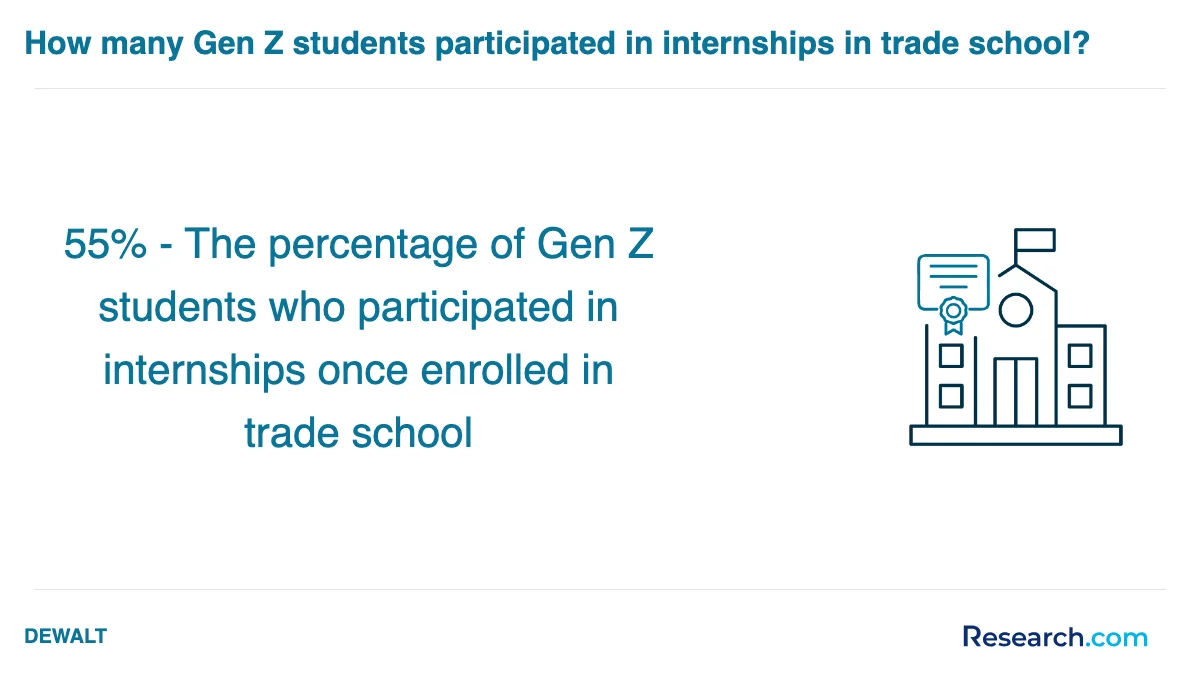
According to recent data from the National Center for Education Statistics, about 60% of trade school students nationwide secure internships through school-facilitated programs, underscoring the importance of leveraging institutional resources.
In Pratt, a trade school diploma plays a significant role in enhancing career mobility and advancement. According to research by the Kansas Department of Commerce, individuals with trade credentials often experience faster entry into skilled jobs compared to those with only a high school diploma. These programs focus on practical skills, enabling graduates to fill local industry needs, such as manufacturing, construction, and healthcare.
Employers in Pratt value the specific training and certifications trade school graduates bring, which can lead to higher starting wages and quicker promotions. Data from the U.S. Bureau of Labor Statistics shows that workers with vocational training in technical fields earn, on average, 20% more than their counterparts without such credentials.
Additionally, trade school diplomas can provide pathways for apprenticeships and on-the-job training, further supporting career growth. Overall, the targeted skill sets offered by trade schools in Pratt help graduates advance in competitive job markets and adapt to evolving industry demands.
Part-time job opportunities in Pratt that complement trade school education often focus on hands-on experience related to various skilled trades. For instance, students studying automotive technology can find part-time roles at local repair shops, which help build practical skills alongside classroom learning. Similarly, those in electrical or HVAC programs may pursue assistant positions with contractors or maintenance companies.
The U.S. Bureau of Labor Statistics indicates that Pratt's regional demand for trade-related jobs remains steady, with part-time openings growing within construction and mechanical services. Jobs such as warehouse technician or apprentice roles in manufacturing also align well with trade coursework, allowing students to earn while they gain relevant experience.
To find the most affordable degree program near me, particularly near Pratt, KS, start by exploring local community colleges and state universities, which often offer more budget-friendly tuition rates. Institutions near Pratt, KS, like community colleges or nearby state universities, might have competitive prices and can be researched further. Consulting resources like Research.com can aid in comparing tuition fees and program offerings to identify the most affordable options.
- High School Career Technical Education | Pratt Community College https://prattcc.edu/department/high-school-career-technical-education
- International Students - Continuing and Professional Studies https://www.pratt.edu/continuing-and-professional-studies/international-students/
- Career Pathways - Mid Valley Secondary Center https://sc.mvsd.us/en/guidance-e764ead0/career-pathways-f5101c9d
- Pratt Community College Electrical Power Program https://www.linemancentral.com/programs/pratt-community-college-electrical-power-program
- Porter and Chester Institute | Campus Locations | Bridgeport CT https://porterchester.edu/campuses/connecticut/bridgeport-ct/
- Undergraduate Policies & Procedures | Duke Pratt School of Engineering https://pratt.duke.edu/life/resources/undergrad/policies/
- First Impressions: Pratt Institute (NY) - Educated Quest https://educatedquest.com/educated-quest-college-profiles/first-impressions-pratt-institute-ny/
- 'Student debt is a thief': Rethink trade schools in higher education https://www.usatoday.com/story/opinion/voices/2022/07/13/rethink-trade-schools-higher-education/7823391001/
- Five Teaching Styles: Perspectives on Teaching (Pratt) | Center for Teaching & Learning | University of Colorado Boulder https://www.colorado.edu/center/teaching-learning/teaching-resources/understanding-yourself-educator/five-teaching-styles-perspectives-teaching-pratt
- From the Classroom to the Workforce: Inside Pratt’s Internship and Co-op Program | Pratt Industries https://www.prattindustries.com/latest-news/people/from-the-classroom-to-the-workforce-inside-pratts-internship-and-co-op-program/


