
Most Affordable Trade School & Training Programs - Leading Certification Courses in Dayton for 2026

Co-Founder and Chief Data Scientist
Choosing the right trade school in Dayton can shape your future with practical skills and career opportunities. This article introduces a trade school programs ranking created by the Research.com team of data scientists to help you identify the most affordable and valuable options for 2026.
By exploring this guide, you’ll gain insight into programs that offer strong training without breaking the bank. Whether you're pursuing a diploma or certification, taking this step can open doors and boost your confidence in the job market.
Invest in your future with knowledge that supports informed decisions.
Key benefits of finishing trade school programs trade school in Dayton
- Trade school graduates in Dayton can earn competitive salaries, with entry-level positions starting around $38,400 and experienced workers making up to $84,955 annually, depending on their trade.
- Popular career paths for graduates include electricians, HVAC technicians, and paving equipment operators, all of which offer steady job opportunities and chances for advancement locally.
- Online trade school programs provide flexible learning options that fit busy schedules, allowing students to gain valuable certifications without the need to attend classes on campus, making education more accessible and convenient.
- Most Affordable Trade School & Training Programs - Leading Certification Courses in Dayton for 2026
- What can I expect from trade school programs trade schools in Dayton?
- Where can I work after finishing trade school programs trade schools in Dayton?
What can I expect from trade school programs trade schools in Dayton?
The average cost of a trade school program in Dayton typically ranges from $10,000 to $20,000, depending on the length and specialization of the course. Graduates from Ohio Business College, for example, share how their investment paid off quickly due to hands-on training in fields like electrical applications and CDL truck driving, which prepared them to enter the workforce confidently and without delay.
Many students find this cost manageable, especially when factoring in available scholarships, such as the tech prep scholarships that Dayton Public School CTE students often receive. Some graduates recall how these financial aids, combined with programs offering college credit, helped reduce their out-of-pocket expenses significantly.
At trade schools in Dayton, you'll also experience direct engagement with industry tools-from working with professional-grade saws in carpentry labs to practicing with real clients in cosmetology setups-making your tuition feel worthwhile as you build both skill and confidence.
Work-based learning opportunities further enhance value, letting students network and gain paid experience while still in school. This practical approach supports many in securing steady employment soon after graduation.
Where can I work after finishing trade school programs trade schools in Dayton?
After finishing a trade school program in Dayton, many graduates find themselves stepping directly into hands-on roles in construction, electrical work, plumbing, HVAC, welding, and manufacturing. One graduate shared how their training at a popular Dayton trade school led to an apprenticeship as an electrician, where their starting wage was $19 per hour along with healthcare benefits. These programs are tailored to meet local workforce needs, making job searches smoother and more successful.
Many students begin as apprentices working in trades like carpentry, bricklaying, or pipefitting. These apprenticeships combine paid on-the-job training with classroom time, offering wages between $17 and $22 per hour and a clear path to becoming a certified journeyperson. Another graduate who completed a Dayton HVAC program started with a $35 hourly wage and quickly gained specialized skills that opened doors to pipefitting and mechatronics roles.
Trade school graduates often find opportunities with local manufacturers as CNC machinists or industrial electricians, where career growth can be rapid. Overall, these programs in Dayton prepare students for rewarding jobs with strong community support and competitive salaries.
After finishing a trade school program in Dayton, you can expect to earn an average hourly wage of about $22.54, which translates to roughly $46,880 annually if you work full-time. Graduates from local trade schools often share how this starting salary gave them the confidence to support their families while building experience.
For those entering specialized fields like tool and die making-common in Dayton's manufacturing sector-earnings can be even better. New graduates typically start around $37,840 per year, but with a few years of experience and additional certifications, salaries can climb above $64,000 annually. Many graduates feel proud watching their paychecks grow as they refine their skills.
Other trades, such as HVAC or electrical work, also offer competitive wages, and some roles in engineering and architecture pay close to $49.59 per hour. Students often tell stories of how hands-on training at Dayton's trade schools directly prepared them for these well-paying jobs, making the transition into the workforce smoother and more rewarding.
- Most trade school programs require applicants to be at least 16 years old with a high school diploma, GED, or equivalent; some specialized programs may require applicants to be 17 and specific coursework like Algebra.
- Program lengths range from ten weeks for short-term certifications to two years for diplomas or associate degrees, with full-time classes typically lasting four to five hours each weekday.
- Costs for trade school programs in Dayton usually range from $5,000 to $15,000, which is significantly less than the $40,000+ cost of a four-year degree in Ohio.
- Some programs require additional fees for applications and materials, generally between $20 and $35.
- Job placement rates are high in skilled trades, with starting salaries from $35,000 to $50,000 and experienced professionals earning $60,000 or more depending on demand.
If you're aiming to finish quickly and jump into a new career, short-term certificate programs in Dayton can wrap up in about 10 weeks or less. Many students have appreciated how these fast-paced options, especially in healthcare support or office administration, let them start earning sooner while balancing other commitments.
For those looking for a bit more depth, programs under one year are common here. For example, graduates from the Ross Medical Education Center often complete their training in around 36 weeks, gaining skills for roles like medical or dental assistant that open doors quickly.
Most trade school programs in Dayton take around 11 months, though some, like cosmetology at Carousel Beauty College, extend to about 15 months. Students pursuing associate degrees, such as in IT or advanced healthcare fields, typically study for two years, preparing for higher-level jobs with stronger salaries.
Whether you choose full-time, part-time, or evening classes, the pace you set affects your timeline. Many Dayton students find that part-time schedules fit their lives well, even if it takes a bit longer.
Online trade school programs in Dayton stand out for their flexibility. Graduates often recall balancing work and family while completing courses at their own pace, accessing lectures and assignments anytime from home. This setup reduces the stress and costs of commuting and parking, a relief for many juggling busy lives. For example, students enrolled in healthcare or business management programs appreciate this freedom, though those in technical trades like HVAC or nursing still arrange hands-on sessions either locally or with brief campus visits.
On the other hand, on-campus trade school programs in Dayton offer valuable face-to-face interaction. Graduates highlight the benefits of immediate instructor feedback and immersive hands-on training in labs and workshops. This environment fosters a strong sense of community and motivation, especially in trades requiring precise skills and continuous practice. Many find the structured schedule helps maintain focus and accountability, creating a supportive setting that online programs can rarely replicate.
The average trade school cost in Dayton Ohio typically ranges from $18,000 to $25,000 for most full programs. Graduates from local trade schools often share how investing in these programs felt manageable considering the hands-on training and direct path into skilled jobs. One graduate who trained in automotive technology found that while his program cost about $15,000, the practical skills he gained quickly led to a well-paying job, making the cost feel worthwhile.
Dayton trade school tuition and fees usually cover tuition and basic services, but students should budget extra for books, supplies, and certification exams. Healthcare-related programs, such as medical assisting, might range between $2,000 and $20,000, depending on the length and delivery method. Several public schools in Dayton offer affordable options around $5,000 to $12,000, making it accessible for many, whereas private schools sometimes push closer to $32,000, reflecting their specialized equipment and learning environments.
Many students find that researching financial aid options offered by Dayton trade schools helps ease their worries about costs. Considering the city's higher living expenses, it's important to factor in all variables. For those curious about which fields hold promise, looking into most in demand trades can clarify where an investment in education leads to solid career prospects.

If you're aiming to attend a trade school in Dayton, like Sinclair College or Ohio Business College, there are several financial aid options that can ease the cost. The first and most important step is filing the FAFSA. This unlocks access to federal help such as the Pell Grant, which many graduates have thanked for covering large portions of their tuition without needing repayment.
Additionally, Dayton students can benefit from federal loans and work-study programs, where you can earn money while learning. Many have found work-study a great way to gain experience and reduce debt.
Ohio's state grants, like the Talent Ready Grant and Ohio Work Ready Grant, are game-changers. For example, some graduates in short-term certificate programs used the Talent Ready Grant to cover books and fees without even filing FAFSA, making education more accessible.
Local scholarships through the Dayton Foundation's ScholarshipCONNECT platform also open doors, matching students to hundreds of scholarship opportunities based on their backgrounds. Many friends of mine have felt relieved and motivated after receiving such awards.
Trade schools here often have dedicated aid staff who are eager to help you navigate these programs, ensuring you get the support you deserve. Reaching out early is key-many grads say this made all the difference in their success.
If you're considering enrolling in a trade school program in Dayton, the prerequisites are designed to keep things simple and welcoming. Most schools expect you to be at least 16 years old and to have completed high school, a recognized homeschool program, or have a GED. This foundation ensures you're ready to dive into hands-on learning that trades demand.
Graduates from popular Dayton trade schools often share how these straightforward requirements made the process stress-free. Many found that their previous academic history didn't hold them back, especially since Dayton's career-technical programs open doors to all students, no matter their background.
Keep these key points in mind:
- Most programs require a high school diploma or its equivalent.
- Being 16 or older is typically mandatory.
- Many schools don't enforce strict additional entrance exams or criteria.
- Support is often available if English isn't your first language.
For high school students, programs like College Credit Plus in Dayton allow you to earn college credits while still enrolled in school-no extra prerequisites needed. This makes it easier and more exciting to jump-start your career training early.

In Dayton, trade school courses are designed to get you hands-on experience and real job-ready skills quickly. Graduates from Ohio Business College, for example, often tell how the Truck Driving (Class A CDL) program helped them confidently master operating tractor trailers and prepare for their licensing exams. Others found the Electrical Applications courses invaluable for understanding wiring and troubleshooting in both homes and businesses, turning classroom theory into practical solutions.
The career-technical centers, like Meadowdale and Ponitz CTC, are known for courses that feel like real building projects. Students gain skills in:
- Carpentry, by crafting furniture and model houses
- Masonry and electrical work, through hands-on site projects
- Construction, while operating heavy machinery
Beauty industry hopefuls at Carousel Beauty College praise the practical training in cosmetology, manicuring, and salon management. They often describe the excitement of working in actual salons, refining haircutting or hair coloring techniques while building customer service skills that open doors.
At Central State University-Dayton, students passionate about technology share how welding workshops (ARC/MIG/TIG) and CNC programming courses prepare them for precise, in-demand jobs. Plus, some even dive into app development, expanding their digital skill set.
Short-term certificates at Sinclair College offer quick entry into fields like industrial tech, healthcare, and digital media-perfect for those eager to start earning and growing in their careers.
Trade school programs in Dayton offer diverse specializations tailored for hands-on learning and quick workforce entry. Graduates from popular Dayton trade schools often highlight programs in skilled trades such as carpentry, masonry, and electrical work, where they gain experience using construction tools and operating heavy machinery. Many also earn valued credentials like OSHA 10 or forklift certification, which boost their job readiness.
In Dayton, business and entrepreneurship courses prepare students to manage real-world projects, covering key skills like marketing, scheduling, and human resources. Graduates appreciate how these programs help them either launch their own ventures or excel within existing companies.
- The beauty and cosmetology track stands out with hands-on training in hair styling and salon management, including earning the State Board of Cosmetology License.
- Technology-related paths include digital design, gaming technologies, and aviation, providing technical skills using industry-standard software.
Institutions like the Dayton Job Corps Center expand options, offering training across up to 10 industries including healthcare and advanced manufacturing. For those searching for flexible learning options, Dayton students have access to a top online community college to complement their hands-on education locally.
When choosing the best trade school programs in Dayton Ohio, start by confirming the school's accreditation to ensure your certificate will be respected by employers locally. Graduates from well-known Dayton colleges often mention that strong program reputations and industry connections made their job search smoother. Take time to compare Dayton trade schools by looking at graduation rates and job placement statistics; this data reflects how effectively the school supports students into careers.
Think about your schedule and program length. Many students appreciate programs at Dayton schools that allow evening classes or part-time study, fitting education around work and family life. Some programs even offer industry-recognized certifications during the course, boosting confidence and salary potential after graduation.
For those interested in heating and cooling careers, explore the top online hvac training programs, which align well with Dayton's trade industries and offer flexible learning options.
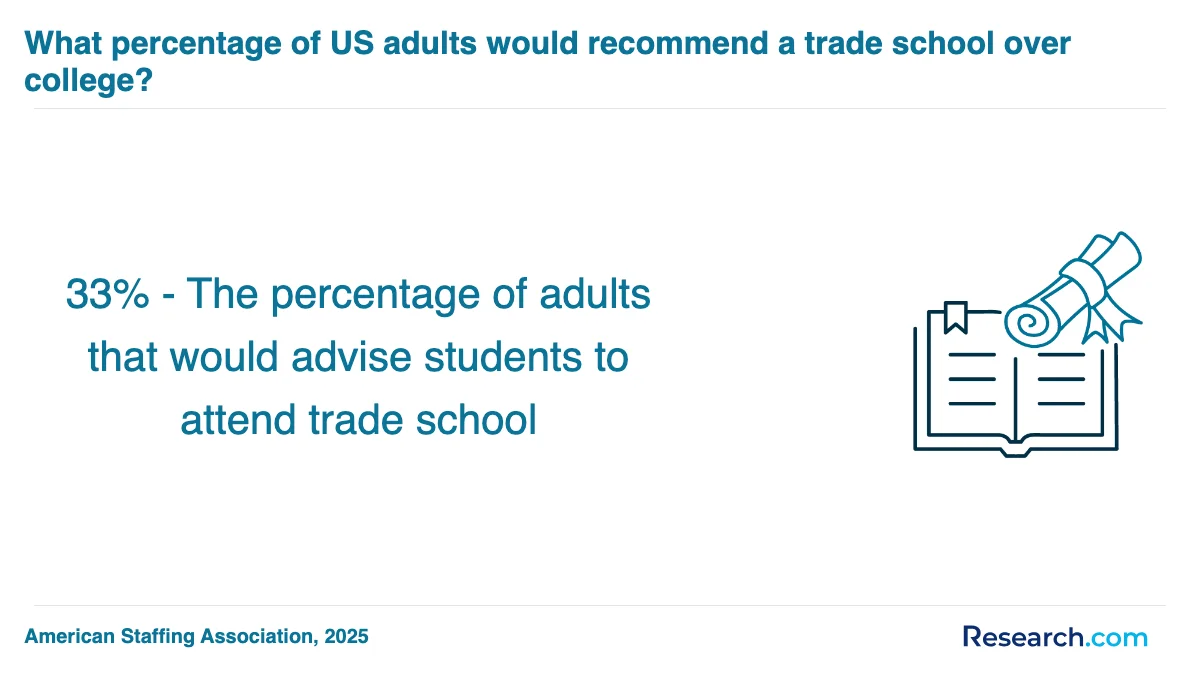
Trade school graduates in Dayton enjoy a wide range of career opportunities in essential industries, matching the city's strong Dayton trade school job outlook. Many find rewarding paths in skilled trades like electrical work, HVAC, and truck driving. For example, graduates from Ohio Business College's Dayton campus often enter the workforce as licensed electricians or Class A CDL truck drivers, roles that are in steady demand as older workers retire.
Other trade programs focus on hands-on skills in metal fabrication, carpentry, masonry, and heavy equipment operation, with Dayton Public Schools expanding options to include certifications like OSHA-10 safety and forklift operation that quickly boost employability. Graduates report feeling confident stepping into manufacturing or construction roles with practical skills that employers value.
Healthcare support is another growing area for Dayton students who complete programs in phlebotomy, medical assisting, or early childhood education, often gaining real-world experience during their studies. The cosmetology field also shines, with students earning State Board of Cosmetology Licenses, preparing them for careers as stylists or salon managers.
For those curious about specialized options, Dayton trade schools offer pathways in business and information technology, supported by institutions like Dayton Job Corps. If you're exploring options in construction craftsmanship, you might find taking cheap online carpentry courses a practical way to start skill-building from home while preparing for on-site training.
The trade school job opportunities in Dayton remain strong across several high-demand sectors. Graduates from local institutions like Sinclair College often find rewarding positions in healthcare, skilled trades, and advanced manufacturing shortly after completing short-term certificate programs. These programs prepare students with hands-on skills that employers value, such as HVAC, electrical work, and medical assisting. For instance, many recent graduates secure roles in hospitals, construction firms, and manufacturing plants, reflecting the skilled trades employment outlook Dayton 2026.
Trade schools in Dayton emphasize real-world experience by partnering with employers to align curricula with current industry needs. Graduates benefit from work-based learning opportunities and certifications that boost their employability. Programs like those offered by Dayton Job Corps help students develop practical skills in multiple industries, making them highly adept and ready to enter the workforce.
The evolving job market also presents new pathways in aviation technology and entrepreneurship, broadening career prospects for trade school students. If you're seeking affordable, focused training, you might explore options like low cost online beauty courses that provide a quick route to in-demand skills and jobs.
Most Affordable Trade School & Training Programs - Leading Certification Courses in Dayton for 2026
# 1 position
Sinclair Community College - Computer and Information Sciences, General.
associateSinclair Community College offers a Computer and Information Sciences, General program accredited by the Higher Learning Commission. This program covers computing, computer science, and information science systems in a broad, undifferentiated approach. The annual in-state tuition is $3,435. Graduates earn a median income of $45,772 one year after completing the program, providing insight into potential financial outcomes for students pursuing this field.
# 2 position
Sinclair Community College - Computer Systems Networking and Telecommunications.
associateSinclair Community College offers a program in Computer Systems Networking and Telecommunications, providing instruction in designing, implementing, and managing computer networks and associated software. Students learn about operating systems, systems analysis, networking theory, security, and troubleshooting. The program aims to prepare individuals for roles as network specialists and managers. Annual in-state tuition is $3,435, and median earnings one year after completion are $45,772. The program is accredited by the Higher Learning Commission.
# 3 position
Sinclair Community College - Business Administration and Management, General.
associateSinclair Community College offers a hybrid Business Administration and Management, General program that prepares students to plan, organize, direct, and control various business functions. The curriculum covers management theory, human resources, accounting, purchasing, logistics, marketing, and decision-making. The annual in-state tuition is $3,435. Graduates earn a median salary of $45,758 one year after completion. The program is accredited by the Higher Learning Commission.
# 4 position
Sinclair Community College - Physical Therapy Assistant.
associateSinclair Community College offers a Physical Therapy Assistant program in a hybrid format, combining in-person and distance education. The program trains students to assist physical therapists by implementing treatment plans, conducting interventions, using equipment, and documenting patient progress. Coursework includes anatomy, physiology, biomechanics, neuroscience, and professional ethics. Annual in-state tuition is $3,435. Graduates have median earnings of $33,709 one year after completion. The program is accredited by the Higher Learning Commission.
# 5 position
Sinclair Community College - Automobile/Automotive Mechanics Technology/Technician.
associateSinclair Community College offers a hybrid program in Automobile/Automotive Mechanics Technology/Technician, preparing students to repair, service, and maintain various automobile systems. The curriculum covers brakes, electrical systems, engine performance and repair, suspension and steering, transmissions, and heating and air conditioning. Annual in-state tuition is $3,435. Graduates have a median earning of $32,758 one year after completion. The program is accredited by the Higher Learning Commission.
# 6 position
Sinclair Community College - Legal Assistant/Paralegal.
associateThe Legal Assistant/Paralegal program at Sinclair Community College offers a hybrid format with some distance education options. It prepares students to perform research, drafting, investigatory, and administrative tasks under attorney supervision. The curriculum covers legal research, document drafting, courthouse procedures, and legal specializations. Annual in-state tuition is $3,435. The program is accredited by the Higher Learning Commission. Median earnings one year after completion are approximately $30,869.
# 7 position
Sinclair Community College - Veterinary/Animal Health Technology/Technician and Veterinary Assistant.
associateSinclair Community College offers a program in Veterinary/Animal Health Technology/Technician and Veterinary Assistant that prepares students to assist veterinarians and animal care professionals. The curriculum covers animal nursing, clinical procedures, radiology, anesthesiology, dental prophylaxis, surgical assisting, and office administration. The program is accredited by the Higher Learning Commission and has an annual in-state tuition of $3,435.
# 8 position
Sinclair Community College - Computer and Information Systems Security/Auditing/Information Assurance.
associateSinclair Community College offers a hybrid program in Computer and Information Systems Security/Auditing/Information Assurance. The program prepares students to assess security needs, recommend safeguards, and manage security systems and procedures. Coursework includes computer architecture, programming, networking, cryptography, auditing, law, risk assessment, and investigation techniques. The annual in-state tuition is $3,435. The program is accredited by the Higher Learning Commission.
# 9 position
Sinclair Community College - Electrician.
associateSinclair Community College offers a Hybrid Electrician program that prepares students to install, operate, maintain, and repair electrical systems in residential, commercial, and industrial settings. The curriculum covers electronics, wiring, power transmission, safety, electrical testing, and applicable codes. Annual in-state tuition is $3,435. The program is accredited by the Higher Learning Commission, providing technical knowledge essential for careers in electrical power and control systems.
# 10 position
Sinclair Community College - Heating, Air Conditioning, Ventilation and Refrigeration Maintenance Technology/Technician.
associateSinclair Community College offers a program in Heating, Air Conditioning, Ventilation and Refrigeration Maintenance Technology/Technician. This training prepares students to repair, install, service, and maintain HVAC and refrigeration systems. Instruction covers diagnostic techniques, testing equipment, and the mechanics, electricity, and electronics needed for system repair. The program is accredited by the Higher Learning Commission. Annual in-state tuition is $3,435.
Frequently Asked Questions about trade school programs
Preparing for the job market after completing trade school in Dayton involves several important steps. First, students should leverage career services offered by their school, which often include resume workshops and interview preparation. According to the Ohio Department of Job and Family Services, Dayton's trade school graduates in fields like HVAC and automotive repair have a 70% employment rate within six months. Networking with local employers through job fairs or apprenticeships is another key strategy.
Obtaining relevant certifications beyond the diploma can also enhance job prospects. Many employers in Dayton prefer candidates with state or national licenses. Finally, understanding the local labor market trends helps graduates target industries experiencing growth, such as advanced manufacturing and construction.
Employers in Dayton consistently value trade school graduates who possess strong technical skills relevant to their industries. According to data from the U.S. Bureau of Labor Statistics, skills in advanced manufacturing, HVAC, and electrical systems are in high demand locally. Proficiency with modern tools and technology often sets candidates apart in this competitive market.
In addition to technical expertise, employers prioritize soft skills such as communication, problem-solving, and teamwork. The Dayton Chamber of Commerce reports that 68% of local employers consider effective interpersonal skills essential for on-the-job success among trade professionals.
Time management and adaptability are also frequently mentioned, reflecting the fast-paced nature of many trade occupations in Dayton's evolving economy.
Finding internships in Dayton that align with your trade school program involves several practical steps. Start by contacting the career services office at your trade school, as many institutions maintain connections with local businesses offering internships.
The Dayton area has a strong presence of manufacturing, automotive, and healthcare industries, which often seek interns with technical skills. According to the Dayton Development Coalition, there are over 1,000 companies in the region with potential internship opportunities.
Utilize online job platforms such as Handshake or Indeed, filtering searches specifically for Dayton and your trade field. Networking events hosted by the Dayton Chamber of Commerce can also be valuable for meeting local employers.
Registering with OhioMeansJobs, a state-supported employment service, provides access to internship listings and career guidance tailored to Ohio residents.
A trade school diploma in Dayton can significantly enhance career mobility and advancement opportunities. According to recent data from the U.S. Bureau of Labor Statistics, occupations requiring vocational training often report faster job placement and steady income growth. In Dayton's local economy, sectors like manufacturing, healthcare, and information technology actively seek skilled workers with trade credentials.
Graduates typically experience quicker entry into the workforce compared to those pursuing four-year degrees, offering practical skills directly aligned with employer needs. Additionally, trade school diplomas can lead to certifications that improve chances for promotions and wage increases over time. Data from the Ohio Department of Higher Education shows a growing demand for certified trade professionals in the Dayton area, highlighting strong prospects for career advancement.
Part-time job opportunities in Dayton can provide valuable hands-on experience that complements trade school education effectively. Fields such as automotive repair, electrical work, and HVAC offer part-time positions where students can develop practical skills while earning.
The Dayton area has a notable presence of manufacturing and construction sectors. According to the U.S. Bureau of Labor Statistics, these industries often seek part-time helpers and apprentices, which align well with trade training. For example, students enrolled in welding or plumbing programs may find part-time roles assisting licensed professionals.
Retail and customer service jobs related to home improvement stores, such as Lowe's or Home Depot, are also common. These roles support knowledge application in real-world settings and improve customer interaction skills. The Dayton region's unemployment rate of 3.8% (BLS, 2023) indicates a stable market for entry-level positions.
Additionally, local healthcare facilities in Dayton provide part-time opportunities for students in medical technician or dental assistant programs to gain clinical experience.
Researching affordable degree programs near me can start with exploring public colleges and universities, as these typically offer lower tuition rates, and many institutions near Dayton, OH, provide competitive financial aid packages. To find the most affordable options, consider visiting campuses and contacting admissions offices for detailed information on tuition, fees, and scholarship opportunities available at schools such as Wright State University and Sinclair Community College. Utilizing online education resources like Research.com can also provide helpful insights into local programs and the financial considerations involved.
- Vocational, Technical, & Trade School in Dayton | OBC https://obc.edu/locations/dayton-campus/
- Trade Schools, What Are The Benefits - InterCoast Colleges https://intercoast.edu/articles/benefits-of-trade-schools/
- Experiential Education Programs (EXP) < Udayton https://catalog.udayton.edu/undergraduate/generalinformation/interdisciplinary/experientialeducationprograms/
- Career-Technical Education & Pathway Options - Dayton Public Schools https://dps.k12.oh.us/academics/career-technical-programs/
- The Complete Guide to Vocational Training in the Dayton Area | Oberer Homes https://www.obererhomes.com/the-complete-guide-to-vocational-training-in-the-dayton-area/
- HOME - Miami Valley Apprenticeship Coordinators Group https://daytonapprenticeships.org/
- Adults | Dayton Ohio | DRMA https://www.daytonrma.org/adults


