Most Affordable Trade School & Training Programs - Leading Certification Courses in Astoria for 2026

Co-Founder and Chief Data Scientist
If you’re exploring affordable trade schools in Astoria for 2026, this article is here to guide you. It features a trade school programs ranking developed by the Research.com team of data scientists to help you make smart, informed decisions about your education options.
Trade school diplomas and certifications open doors to rewarding careers and skill development. This article highlights programs worth considering, making your search easier and more confident. Whether you're starting fresh or changing paths, the right trade school can be a stepping stone to success.
Key benefits of finishing trade school programs trade school in Astoria
- Trade school graduates in Astoria can earn from about $52,700 to $85,000 annually, with top earners making over $104,000, showing strong financial potential in skilled trades.
- Popular career paths include electricians, HVAC technicians, plumbers, and medical technicians, providing diverse options to match your interests and skills.
- Completing a trade school diploma or certification online offers flexibility for busy schedules and allows you to learn at your own pace, making education accessible without sacrificing work or family time.
- Most Affordable Trade School & Training Programs - Leading Certification Courses in Astoria for 2026
- What can I expect from trade school programs trade schools in Astoria?
- Where can I work after finishing trade school programs trade schools in Astoria?
What can I expect from trade school programs trade schools in Astoria?
The average cost of a trade school program in Astoria typically ranges between $10,000 and $20,000, depending on the length and specialization. Graduates often share how this investment feels manageable, especially given the shorter timeframe-usually six to twelve months-compared to traditional four-year degrees. At schools like Apex Technical School, students find relief in knowing their tuition covers extensive hands-on training with industry-standard tools, which accelerates their readiness for real-world jobs.
Many students appreciate that their fees contribute to small class sizes, allowing personalized attention from instructors with real-world experience. At Lincoln Tech, for instance, graduates describe feeling confident stepping into workshops where they immediately apply what they learn on automotive diagnostics or electrical systems. The close connection between tuition and career preparation-such as resume workshops and job placements-makes the cost feel like a worthy investment.
Financial aid options and accreditation further ease concerns about price, making these programs accessible without sacrificing quality. These aspects give aspiring tradespeople in Astoria a sense of security and motivation to pursue practical, job-ready education.
Where can I work after finishing trade school programs trade schools in Astoria?
Graduates from trade schools in Astoria, like those at Tongue Point Job Corps Center, find themselves stepping into a vibrant job market filled with diverse opportunities. Imagine completing a carpentry program and immediately working with local contractors on projects that shape the community's skyline, earning upwards of $66,000 annually. Or picture starting as a clinical medical assistant, gaining hands-on experience in nearby hospitals and clinics, thriving in a healthcare sector eager for skilled support staff.
Technology graduates often recall the satisfaction of repairing essential computer systems for regional businesses and schools, with salaries that can reach nearly $88,000. Meanwhile, those trained as electricians or plumbers appreciate the stable path apprenticeships offer-paid, on-the-job learning that often leads to full-time careers helping keep homes and businesses running smoothly.
Trade school in Astoria opens doors not just to jobs, but to meaningful careers where practical skills meet real community needs. Many alumni reflect on how their training made them confident, employable, and ready to contribute from day one.
After finishing a trade school program in Astoria, many graduates find themselves earning around $70,000 annually, based on data from Queens, which includes Astoria. This typically means about $33.69 per hour, but numbers can vary widely. Graduates from popular local trade schools often share how starting salaries hover between $52,700 and $85,000, with some skilled workers in fields like electrical work or plumbing surpassing $100,000 once they've gained experience or earned certifications.
Imagine a graduate who chose HVAC technology at an Astoria trade school-within a couple of years, hands-on training and certifications helped boost their pay well beyond entry-level wages. Another typical story is that of recent electricians who leverage apprenticeship programs to gradually increase their earnings while gaining valuable experience.
The job market here supports these salaries thanks to steady demand in construction and technical maintenance roles. Those who commit to apprenticeships and union memberships often find their income grows faster, turning trade school degrees in Astoria into genuine stepping stones toward financial stability and rewarding careers.
- Applicants to trade school programs in Astoria must be at least 17 years old, with parental consent required if under 18; some schools accept students as young as 16½ under specific conditions.
- A high school diploma or GED is typically required, though some programs allow students to earn their equivalency while training.
- The cost of most certificate or diploma programs ranges from $10,000 to $20,000, with financial aid and flexible payment plans often available.
- Graduates can expect entry-level salaries between $40,000 and $50,000 per year, increasing to $60,000-$80,000 with experience depending on the trade.
- Popular careers include electrician, plumber, HVAC technician, cosmetologist, and graphic designer, with programs focusing on hands-on training and local job placement.
Completing a trade school program in Astoria can vary widely depending on the field you choose. Many graduates recall starting with short-term courses-like those at Commonpoint-where certification can take as little as 6-8 weeks. Imagine diving into culinary arts, honing your skills intensely for 12 weeks, and then stepping confidently into a kitchen ready to work. This swift timeline appeals to those eager to enter the workforce quickly without the lengthy traditional college route.
Others share their experience with longer apprenticeships, especially in specialized finishing trades. For instance, becoming a structural steel and bridge painter usually means committing to 3 years of night classes, demanding patience and persistence but promising mastery and higher earning potential. Some glazier apprentices train for 4 years, balancing work and study to build expert skills.
Nearby trade schools like Apex Technical School offer focused programs that can be finished in about 7 months. Graduates describe this path as both practical and motivating-targeted learning without unrelated distractions, designed to launch careers efficiently. These varied timelines reflect the real-world balance between speed and depth, tailored to your career goals in Astoria's vibrant trade sectors.
In Astoria, the core difference between online and on-campus trade school programs centers on how and where you learn. Online students often appreciate the freedom to study from home or anywhere with internet access, fitting coursework around jobs or family life. Graduates who chose online paths at local schools mention the convenience of logging in after work and tailoring their schedules, which felt empowering for those juggling multiple responsibilities. For example, many online courses at Clatsop Community College allow students to complete lessons asynchronously, reducing stress and offering a self-paced environment.
On the other hand, on-campus students experience a hands-on atmosphere that's difficult to replicate digitally. Those enrolled in traditional programs at Astoria's trade schools thrive on face-to-face interaction-whether it's learning welding techniques in well-equipped labs or getting immediate feedback from instructors during electrical trade workshops. Graduates often recall how those in-person sessions helped them gain confidence quickly and build valuable relationships with peers.
The decision often comes down to your personal learning style and trade focus, with Astoria's schools providing solid support either way.
The average trade school tuition in Astoria varies significantly but remains accessible for many students seeking practical skills without the weighty expenses of four-year universities. At Clatsop Community College, a favored choice among Astoria residents, in-state students pay $4,032 for tuition, plus $543 in fees and about $1,800 for books and supplies, bringing the total cost of trade school diploma Astoria candidates often pursue to roughly $6,375 annually. Graduates recall balancing these manageable costs with the personalized instruction that jumpstarted their careers, making the investment feel both realistic and rewarding.
For out-of-state students, the tuition nearly doubles to $8,064, pushing the full yearly cost to around $10,407 when fees and materials are included. Despite this, many find the expenses justified by the college's hands-on programs and strong local industry connections that enable quick employment. These figures highlight how the total cost of trade school diploma Astoria learners can expect remains reasonable, especially when compared nationwide, where annual costs can soar well beyond $16,000.
Beyond tuition, many students explore financial aid options and scholarships to ease their burden. Some even find success in programs geared toward specific fields, such as medical technology or HVAC. For those interested in reducing costs further while gaining valuable credentials, exploring affordable hvac certification online can be a practical step that complements traditional trade school training.

Trade school students in Astoria commonly tap into a variety of financial aid programs that can make their educational goals feel within reach. For many graduates of local institutions, completing the Free Application for Federal Student Aid (FAFSA) was the critical first step, unlocking access to resources like Pell Grants, Federal Stafford Loans, and Work-Study opportunities. One graduate recalls how the Pell Grant alleviated tuition anxiety, allowing them to focus on hands-on skills rather than finances.
Undocumented students or those with DACA or TPS status find the Oregon Student Aid Application (ORSAA) to be a vital alternative, opening doors to state-specific grants like the Oregon Opportunity Grant. This grant, alongside the Oregon Promise Grant, has helped countless recent high school graduates from Astoria afford trade programs by covering tuition costs at community colleges.
Aspiring technicians and tradespeople have also benefited from scholarships listed by the Office of Student Access and Completion (OSAC), particularly when coupled with full-time enrollment requirements. Veterans use VA benefits effectively to reduce or eliminate tuition burdens at these schools. Together, these options create a safety net that turns ambition into accomplishment for Astoria's trade school students.
To enroll in a trade school program in Astoria, several clear prerequisites set the foundation for success. Most schools require a high school diploma or GED, ensuring you've got the basics needed to thrive. Graduates often recall submitting their high school transcripts and meeting a typical GPA minimum around 2.0, which confirms your ability to keep up with technical coursework.
Age matters too-applicants generally need to be at least 16 to 18 years old. For example, students entering the popular Steinway Apprenticeship Program recall demonstrating physical stamina and mechanical dexterity alongside clear communication skills.
Trade schools in Astoria sometimes use their own placement tests to assess readiness, rather than relying on SAT or ACT scores. These tests help align you with the right training path, boosting confidence before classes begin.
Key prerequisites buyers highlight include:
- Proof of eligibility to work in the U.S.
- Ability to commute daily if training is in-person
- Positive attitude, a team player mentality, and eagerness to learn
Accessibility support is also a crucial focus, making trade schools inviting to all prospective students. The balance of practical requirements and personal determination helps many graduates feel ready and excited to embark on their vocational journey.

Trade school programs in Astoria are packed with practical courses that truly prepare you for rewarding careers. Graduates emphasize how the blend of classroom learning and hands-on practice at local schools made all the difference in building confidence and job-ready skills.
Key courses in construction trades include:
- Blueprint reading and building codes to understand project plans thoroughly
- Safety-focused classes like OSHA 30 for Pre-Apprenticeship, ensuring you work confidently and securely on sites
- Technical skills in materials handling and residential electrical wiring, enabling a smooth transition to real-world tasks
In electrical and mechanical trades, expect rigorous training in wiring, circuitry troubleshooting, and hands-on labs that simulate workplace challenges-graduates often recall the satisfaction of mastering these hard skills through real equipment.
Health care programs emphasize clinical skills and patient care, while IT courses focus on hardware, operating systems, and certifications like CompTIA A+ that open doors to entry-level IT jobs locally.
Exploring pre-trades certificates is a popular strategy among newcomers, helping them navigate options and build foundational safety and industry knowledge before committing to a specialty.
Trade school programs in Astoria offer a rich variety of specializations that cater directly to the demands of the local workforce. Graduates often share how programs in skilled trades like construction, plumbing, electrical work, and welding technology transformed their career prospects with hands-on training and industry certifications.
Popular institutions nearby emphasize practical skills combined with safety training, crafting graduates ready for real-world challenges. Personal services such as cosmetology and esthiology also attract many, where aspiring stylists and makeup artists gain expert coaching and recognized credentials, enabling them to thrive in dynamic salon environments.
Technical service programs like HVAC and electrical/electronics technology are especially valued for connecting students with genuine job opportunities through national hiring partners. For those leaning toward construction, exploring a construction trade school online can offer flexible pathways while still rooted in rigorous, hands-on experience.
- Skilled trades: construction, plumbing, electrical, welding
- Personal services: cosmetology, esthiology
- Technical services: HVAC, electrical/electronics technology
This diverse selection shapes a vibrant learning atmosphere where students feel prepared and confident stepping into well-paying, stable careers right in the heart of the New York City area.
Choosing the best trade school programs in Astoria means starting with verifying the school's accreditation and its reputation within the local industry. Graduates from popular trade schools often mention how crucial it was to attend a program with solid employer connections in the area, which helped them land jobs quickly after graduation. Picture yourself visiting campuses where practical training uses the latest equipment, making learning hands-on and relevant to current market demands.
Understanding how to compare trade schools in Astoria also involves assessing job placement rates, which indicate a program's success in launching careers. Many students appreciate programs that offer tailored admissions assessments like the COMPASS test, ensuring they start on the right academic track. One graduate recalled that knowing the school's cost and financial aid options upfront allowed her to focus fully on her studies without stress.
For those exploring options, some students have found value in exploring low cost online electrical lineman programs that offer flexible pathways while maintaining quality education. This can be a strategic choice for balancing cost and convenience without compromising career prospects.
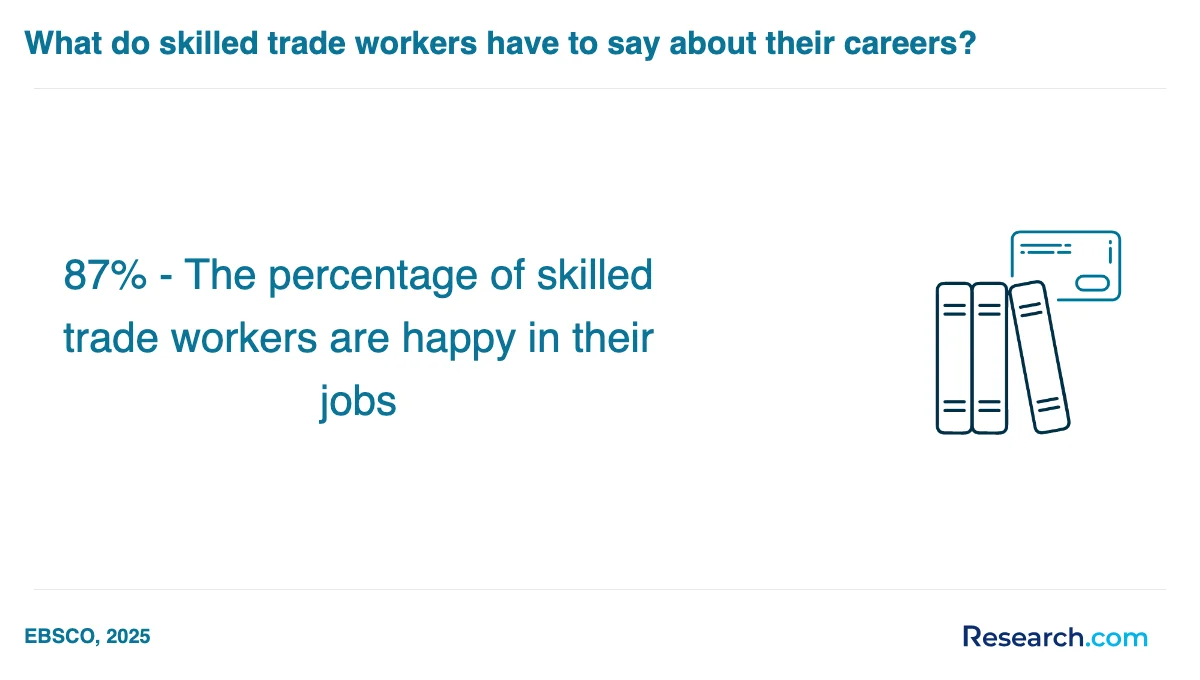
Trade school career opportunities in Astoria offer vibrant paths in fields where hands-on skills meet real demand. Graduates from well-known Astoria programs often step directly into roles as carpenters, cement masons, or building construction technologists-each career backed by encouraging salaries, such as $66,910 for carpenters and $50,519 for cement masons. These roles create a sense of pride through tangible results, like shaping new homes or revitalizing community spaces.
Many graduates find success in in-demand skilled trades in Astoria by entering electrical or mechanical fields. Electricians enjoy a median annual salary of $61,648, while building construction technologists managing HVAC and plumbing earn around $44,314. Students from local trade schools describe the satisfaction of solving problems on-site, building lasting systems, and working with tangible impacts daily.
Healthcare roles, such as clinical medical assistants and dental assistants, draw graduates who want varied work combining technical skills and patient interaction, earning respectable wages near $37,731 to $42,141. Technology-focused careers also entice those who thrive in digital environments, with computer technicians earning up to $87,798, reflecting the region's tech growth.
For those exploring further, community colleges and apprenticeships provide alternative routes to success. Many graduates recommend checking out the most affordable online certificate programs in home repair to supplement their skills or pivot within this dynamic job market.
The job market for trade school graduates in Astoria remains robust and encouraging, with steady demand for skilled workers evident across sectors like construction, electrical work, and healthcare support. Many graduates from popular trade schools enjoy immediate access to job openings offering benefits such as health insurance, paid time off, and retirement plans-key factors that boost confidence as they transition into stable careers. Graduates often recall hands-on apprenticeship programs that cemented their skills and helped them secure solid positions locally. Employment trends show that Clatsop Community College and other local institutions actively collaborate with employers, offering pathways where training aligns precisely with market needs.
Some positive realities include:
- More than 40 current trades-related job postings in Astoria, reflecting ongoing employer demand.
- Strong partnership with workforce programs like WorkSource Oregon, assisting alumni in finding tailored job matches and career counseling.
- Apprenticeships valued for their direct pipeline to jobs, especially in construction and electrical sectors.
This dynamic is why many choose most affordable maintenance technician online courses to enhance their skill sets while living in Astoria, broadening opportunities right at home. The Astoria trade school graduate employment trends underscore a promising future for those dedicated to these vocational paths.
Most Affordable Trade School & Training Programs - Leading Certification Courses in Astoria for 2026
# 1 position
Clatsop Community College - Computer Science.
associateClatsop Community College offers a Computer Science program with a hybrid format, allowing some distance-education options. The curriculum covers computer theory, computing problems and solutions, and the design of computer systems and user interfaces from a scientific perspective. Instruction includes principles of computational science, computer development and programming, and practical applications. Annual in-state tuition is $4,575. The program is accredited by the Northwest Commission on Colleges and Universities.
# 2 position
Clatsop Community College - Criminal Justice/Safety Studies.
associateClatsop Community College offers a hybrid Criminal Justice/Safety Studies program that covers criminal law, policy, and the organization of police and correctional systems. The curriculum includes the administration of justice, judiciary processes, and public attitudes toward criminal justice. Annual in-state tuition is $4,575. The program is accredited by the Northwest Commission on Colleges and Universities and provides some distance-education options for flexibility.
# 3 position
Clatsop Community College - Automobile/Automotive Mechanics Technology/Technician.
associateClatsop Community College offers a Hybrid program in Automobile/Automotive Mechanics Technology/Technician, preparing students to repair, service, and maintain various automobile systems. Instruction covers brake systems, electrical systems, engine performance and repair, suspensions, transmissions, and heating and air conditioning. The program’s annual in-state tuition is $4,575. It is accredited by the Northwest Commission on Colleges and Universities, providing a recognized credential for technical skills in automotive mechanics.
# 4 position
Clatsop Community College - Welding Technology/Welder.
associateThe Welding Technology/Welder program at Clatsop Community College offers hybrid learning with some distance-education options. It prepares students to apply technical skills in various welding methods, including arc welding, resistance welding, brazing, and cutting. The curriculum covers welding metallurgy, safety, structural design, and applicable codes. Annual in-state tuition is $4,575. The program is accredited by the Northwest Commission on Colleges and Universities.
# 5 position
Clatsop Community College - Business Administration and Management, General.
associateClatsop Community College offers a hybrid Business Administration and Management, General program designed to prepare individuals to plan, organize, direct, and control business functions. The curriculum includes management theory, human resources, accounting, purchasing, logistics, marketing, and business decision-making. Annual in-state tuition is $4,575. The program is accredited by the Northwest Commission on Colleges and Universities.
# 6 position
Clatsop Community College - Accounting.
associateThe Accounting program at Clatsop Community College offers a hybrid format with some distance-education options. It prepares students for the accounting profession, covering principles, financial and managerial accounting, auditing, tax accounting, and related business functions. The program also includes training in business information systems, research methods, and professional ethics. Annual in-state tuition is $4,575. The program is accredited by the Northwest Commission on Colleges and Universities.
# 7 position
Clatsop Community College - Automobile/Automotive Mechanics Technology/Technician.
certificate or diplomaClatsop Community College offers a hybrid program in Automobile/Automotive Mechanics Technology/Technician that prepares students to repair, service, and maintain various automobiles. The curriculum covers brake systems, electrical systems, engine performance and repair, suspension and steering, transmissions, drive trains, and heating and air conditioning. Annual in-state tuition is $4,575. The program is accredited by the Northwest Commission on Colleges and Universities.
# 8 position
Clatsop Community College - Welding Technology/Welder.
certificate or diplomaClatsop Community College offers a Welding Technology/Welder program with a hybrid format, including some distance education options. The program trains students in various welding techniques such as arc welding, resistance welding, brazing, soldering, and high-energy beam welding. Instruction covers welding metallurgy, safety, structural design, and relevant codes and standards. Annual in-state tuition is $4,575. The program is accredited by the Northwest Commission on Colleges and Universities.
Frequently Asked Questions about trade school programs
After completing a trade school program in Astoria, preparing for the job market involves several key steps. Graduates should start by building a strong resume that highlights their practical skills and any hands-on experience gained during training. According to the U.S. Bureau of Labor Statistics, skilled trade jobs often require demonstrable competencies rather than lengthy academic credentials.
Networking is also vital; connecting with local employers and attending job fairs in Astoria can improve employment prospects. Utilizing job placement services offered by many trade schools increases access to regional opportunities. Additionally, acquiring industry certifications relevant to the trade can boost credibility and earning potential.
Continuous learning and adapting to new technologies in the trade sector can further enhance job security and career growth.
Employers in Astoria consistently prioritize practical and technical skills when hiring trade school graduates. According to the National Center for Education Statistics, proficiency in fields like electrical work, HVAC, and welding remains highly demanded. Local industry reports highlight that strong troubleshooting and hands-on problem-solving abilities are essential for success in these roles.
Beyond technical expertise, employers emphasize soft skills such as communication, punctuality, and teamwork. The Astoria Chamber of Commerce notes that nearly 70% of employers seek candidates who demonstrate reliability and the ability to collaborate effectively on job sites. These skills help graduates adapt quickly in dynamic work environments.
In summary, mastering hands-on trade skills combined with professional soft skills shapes the top qualities employers expect from trade school graduates in Astoria.
Finding internships in Astoria relevant to your trade school program begins with research and networking. Local community colleges and trade schools often have partnerships with businesses offering practical work experience. Checking with your school's career services is essential, as they can connect you with employers seeking interns in fields such as electrical work, HVAC, or culinary arts.
Online platforms like the New York State Department of Labor's website list internship opportunities in the Queens area, including Astoria. According to the department, sectors like construction and manufacturing provide numerous internships for trade students. Additionally, attending local job fairs and trade union meetings can increase your chances of securing an internship.
In Astoria, earning a trade school diploma significantly enhances career mobility and advancement opportunities. According to the National Center for Education Statistics, graduates with vocational credentials generally experience higher employment rates compared to those without postsecondary education. This local trend mirrors the broader U.S. data, where trade school graduates often enter in-demand fields such as electrical work, HVAC, and healthcare support.
Employers in Astoria value trade certifications because they demonstrate practical skills and job readiness. Many alumni report salary increases averaging 15-25% within the first five years post-graduation, as noted in a 2023 Reuters workforce report. This upward mobility highlights how trade credentials can accelerate professional growth in the region.
Overall, a trade school diploma provides a direct pathway to stable employment and promotes economic advancement in Astoria's competitive job market.
Part-time job opportunities in Astoria can strongly complement trade school education by providing relevant work experience alongside studies. Many students find roles in construction assistant positions, retail hardware stores, or automotive service shops. According to the U.S. Bureau of Labor Statistics, trade-related part-time jobs in New York City areas, including Queens where Astoria is located, tend to pay between $15 and $22 per hour depending on skill level.
Jobs such as apprentice electrician helper or HVAC technician assistant enable students to apply classroom knowledge practically. Local businesses often favor hiring trade school students for these roles, given their specialized skills. Furthermore, flexible schedules in hospitality or warehouse work offer additional income without hindering training hours.
To find the most affordable degree program near Astoria, OR, you can begin by researching local colleges and universities that offer programs aligned with your interests, comparing tuition costs and financial aid options. Utilize online resources such as Research.com to review school rankings and program specifics to identify budget-friendly choices. Additionally, visiting campus admission offices near me and attending open houses can provide firsthand information on tuition affordability and available scholarships.
- Workforce Training | Clatsop Community College https://www.clatsopcc.edu/workforce-training/
- BOLI : Apprenticeship opportunities : Apprenticeship : State of Oregon https://www.oregon.gov/boli/apprenticeship/pages/apprenticeship-opportunities.aspx
- The Best Trade Schools in New York - Campus and Online https://www.onlineschoolscenter.com/best-trade-schools-new-york/
- A Visit to Oregon’s Maritime Training College in Astoria - Roundhouse Foundation https://roundhousefoundation.org/grant-stories/a-visit-to-oregons-maritime-training-college-in-astoria/
- Facing federal closures, Job Corps students and staff in Astoria weigh their futures - OPB https://www.opb.org/article/2025/06/06/astoria-oregon-job-corps-students-staff-future-uncertain-federal-closures/
- Learn A Trade - SUNY https://www.suny.edu/trades/
- Client Challenge https://reese.warrensburgr6.org/o/rec/article/1072020