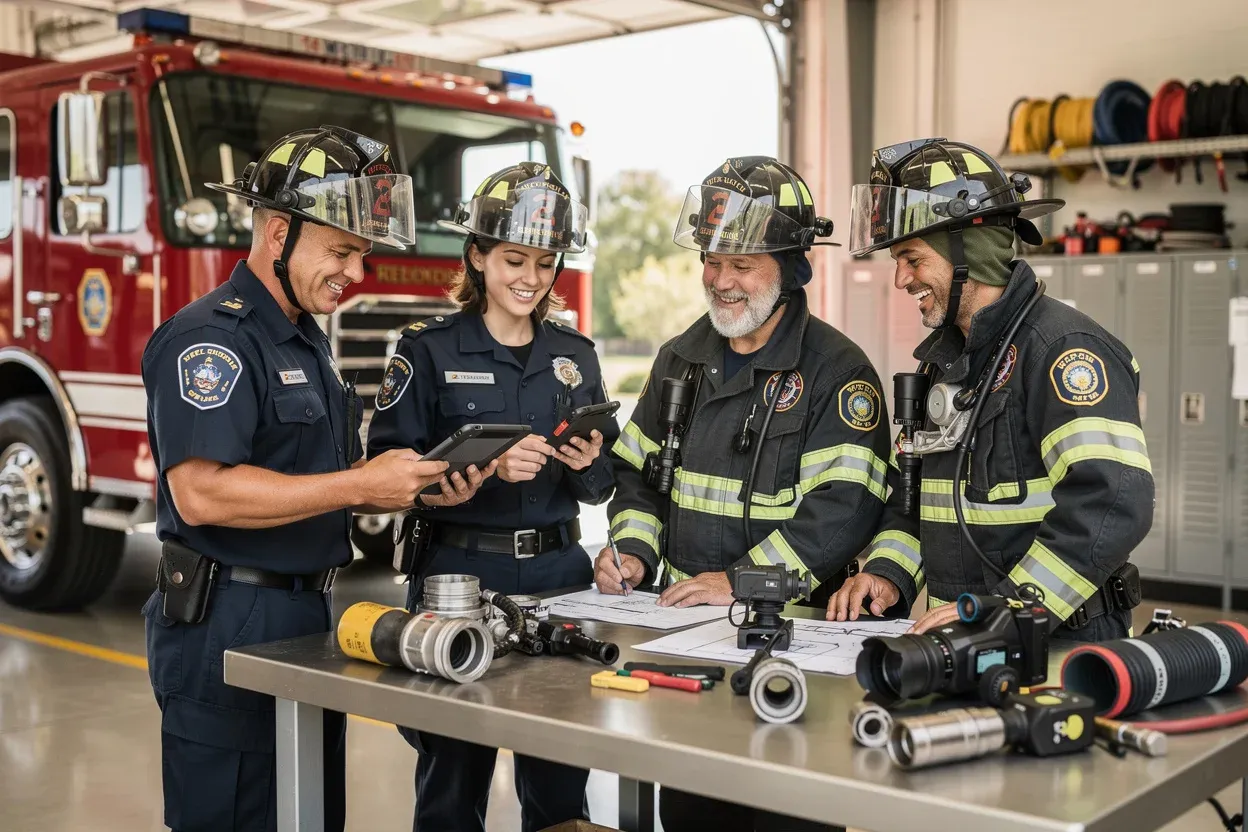
Most Affordable Certificate Programs - Leading Certification Courses in Albany for 2026

Co-Founder and Chief Data Scientist
Looking for the most affordable certificate programs in Albany for 2026? This article is here to guide you. It features a trade school certificate programs ranking created by the Research.com team of data scientists, designed to help you make an informed choice.
Whether you want to start a new career or enhance your skills, finding the right program matters. A trade school diploma or certification can open doors to rewarding job opportunities and personal growth.
Explore your options with confidence and take the first step toward a brighter future.
Key benefits of getting trade school certificate in Albany
- Expected salary: Trade school graduates in Albany can earn from around $47,892 annually for skilled trades like electricians and welders to over $66,670 on average, with top earners making up to $105,245 per year.
- Popular career paths: Graduates often pursue jobs in construction management, HVAC, advanced manufacturing, and technical maintenance, all offering solid pay and growth opportunities in Albany's strong local job market.
- Online certification benefits: Online trade school graduates enjoy flexible learning schedules and often save time and costs compared to traditional campus programs, allowing faster entry into rewarding careers.
- Most Affordable Certificate Programs - Leading Certification Courses in Albany for 2026
- What can I expect from trade school certification programs in Albany?
- Where can I work with trade school certification in Albany?
What can I expect from trade school certification programs in Albany?
The average cost of a trade school certification program in Albany generally ranges from about $5,000 to $15,000, depending on the field and program length. Graduates from popular programs like automotive technology or healthcare often describe the investment as reasonable compared to traditional colleges, especially given the focused, hands-on training they receive within a year or less.
Students share that the affordability is paired with high value due to small class sizes and direct mentorship from industry professionals. For example, those completing electrical trades or cosmetology emphasize how their practical experience and real-world lab time directly prepared them for certifications and licensing exams without the burden of excessive tuition.
Many find the cost manageable when factoring in job placement assistance and connections to internships or cooperative education, which accelerate entry into the workforce. In Albany's context, programs are designed with employer input, ensuring the cost correlates with skills that meet local market demands and lead to rapid employment opportunities.
Where can I work with trade school certification in Albany?
After finishing a trade school certification program in Albany, graduates often find themselves stepping confidently into diverse career paths shaped by their specific skills. For example, those certified in building trades like carpentry or plumbing frequently secure positions with local unions or construction firms, working as apprentice electricians or building restoration specialists. Many report satisfaction from hands-on roles offering pay ranging between $18 and $36 per hour, with experienced tradespeople earning $50,000 to $62,000 annually.
Graduates focusing on HVAC installation often thrive with energy companies or large institutions such as Albany-area hospitals. These roles tend to come with benefits like health insurance and paid leave, making them appealing for those seeking stability alongside technical work.
Other students find rewarding opportunities in manufacturing and logistics sectors by applying skills learned at local trade schools. Positions like electronic technician or regulatory compliance specialist at employers such as Mohawk Global Logistics Corp provide practical, steady employment.
Trade school grads also explore event staffing or brand ambassadorship, especially if their training included customer service components-a testament to Albany's varied job market for skilled program completers.
Graduates of trade school certification programs in Albany typically see starting salaries around $55,200 annually, though many quickly progress toward the average New York State wage of $73,463 per year, or about $35.32 per hour. For example, recent welders certified through Albany's prominent trade schools report satisfaction with earnings near or above this benchmark, feeling confident in their financial independence shortly after graduation.
These figures reflect a range influenced by the chosen trade and local demand. Industrial machinery mechanics and electricians from Albany-based programs often find stable jobs with wages comfortably within the $55,000 to $89,200 range annually. Alumni share how their hands-on training directly opened doors to well-paying roles in manufacturing and construction sectors.
While some specialized trades can command salaries up to $109,403, most graduates emphasize the importance of gaining experience to reach these heights. They also appreciate Albany's moderate cost of living, which enhances their ability to enjoy a solid quality of life even at entry-level pay.
- "Completing my HVAC certification in Albany was a game-changer. The hands-on training prepared me well, and the instructors were incredibly supportive. Landing a job as a technician within weeks felt amazing! The program's focus on real-world skills truly sets you up for success." - Jason
- "Earning my welding certification here in Albany was such a rewarding experience. The small class sizes allowed me to get personalized attention, and I gained confidence every day. Now, working in construction, I'm proud of the practical skills I developed through this school." - Maria
- "I never thought a cosmetology certification in Albany would open so many doors. The creative environment and expert teachers made learning enjoyable. After graduation, finding a position at a local salon was smooth, and I feel empowered to build my own client base." - Olivia
- Trade school programs in Albany offer training in construction, healthcare, electrical trades, HVAC, welding, and plumbing with both daytime and evening options available.
- Admission usually requires a high school diploma or equivalent, and some programs may require a qualifying score on the TABE test.
- Tuition for 2025-26 ranges from $3,500 for electrical programs to $9,000 for welding and metal fabrication at Capital Region BOCES.
- Average starting salaries for graduates range from $35,000 to $45,000, with healthcare certifications like Licensed Practical Nurse starting near $48,000.
- Many programs include work-based learning or apprenticeships and provide pathways to further education or local employment opportunities.
Completing a trade school certification program in Albany usually takes between a few months and one year, depending on the trade and the program format. For instance, graduates from Albany Technical College often finish their hands-on certificate programs in one year or less, allowing them to quickly start new careers. Many find this timeframe ideal for balancing learning with personal commitments.
Some students in Hudson Valley Community College's Commercial Driver's License programs report finishing the CDL Class A certification within several weeks, although they may take up to nine months if needed. This flexibility helps students manage work or family alongside training.
Apprenticeship-based certifications in Albany are a longer journey-lasting between one and six years-but apprentices appreciate earning income while gaining real workplace experience. These programs, often held in the evenings, appeal to those looking for gradual, steady progress rather than a quick credential.
Others pursuing brief certifications like OSHA 10-hour Construction Safety Training appreciate the swift completion time of just days or weeks, giving them a fast start in competitive job markets.
The main difference between online and on-campus trade school certification programs in Albany lies in how and when students engage with their coursework. Graduates from Albany Technical College appreciate the flexibility of 100% online programs, which allow them to balance studies with work or family commitments. They describe the experience as freeing, enabling learning from home or anywhere with internet access. These online options typically run one to three semesters, making completion efficient for busy adults.
Conversely, on-campus students at institutions like Albany State University value the hands-on learning that comes with face-to-face interaction. Being physically present in labs and workshops offers immediate access to industry-standard equipment, crucial in fields such as automotive technology or cosmetology. Many express feeling more connected to faculty and peers, which enhances motivation and skill development.
Both formats demand similar time commitments, but the on-campus approach requires fixed schedules and commuting, which can be challenging. Meanwhile, online students highlight the necessity of reliable technology to stay engaged.
The average cost of trade school certification programs in Albany typically ranges between $5,000 and $15,000. This variation largely depends on program length, the specific field of study, and whether the institution is public or private. Graduates from healthcare certification programs in Albany often recall how affordable their tuition was compared to expectations, generally closer to the lower end of that spectrum. This affordability made it easier for them to focus on acquiring hands-on skills that directly led to job opportunities after graduation.
Albany NY trade school certification costs tend to mirror the wider New York state data, where the average tuition at less than two-year public institutions is about $8,683. Private for-profit trade schools can charge upwards of $15,000, but most students find that programs with strong reputations in fields like information technology or skilled trades remain under $30,000 total. Many local students in Albany have shared positive experiences about attending diploma programs designed for quick workforce entry, valuing the balance between cost and practical training.
It's important to consider extra expenses such as books, supplies, fees, and sometimes specialized equipment, which can add up but are typically manageable. Financial aid options, including scholarships and grants, are widely available, helping to offset these costs. Prospective students should explore resources like the New York Department of Education's College Affordability and Transparency List to assess current tuition figures. Those interested can also compare programs with other institutions using trusted sources such as best online community colleges to find affordable options matched to their career goals.
Students enrolled in trade school certification programs in Albany commonly access a range of financial aid options that make education more affordable and attainable. Federal financial aid, particularly Title IV funding, plays a significant role. Graduates from schools like Mildred Elley often recall their relief upon receiving Pell Grants, which unlike loans, do not require repayment, easing their financial stress during studies.
New York State supplements this aid with programs like the Tuition Assistance Program (TAP), which offers need-based grants applicable even to non-degree workforce credentials. Many Albany students benefit from the Excelsior Scholarship, allowing eligible families earning up to $125,000 to attend SUNY or CUNY institutions without paying tuition, making trade certification more accessible locally.
Additional supports such as the STEM Incentive Program or Adult Career and Continuing Education Services - Vocational Rehabilitation (ACCES-VR) provide tailored financial and counseling services for specialized fields or students with disabilities. Veterans also find valuable resources through VA education benefits.
Graduates often emphasize how institutional scholarships and flexible payment plans offered by Albany trade schools helped them balance finances without overwhelming debt, underscoring the importance of consulting financial aid advisors early to unlock these opportunities.
Enrolling in a trade school certification program in Albany generally requires a high school diploma or GED, which sets a solid foundation for technical learning. Graduates from popular institutions like Albany Technical College often reflect on how this simple prerequisite helped them quickly transition into hands-on skills without unnecessary barriers.
Beyond this, there are a few essential conditions prospective students should be aware of:
- Minimum age requirements, usually 16 or 18, ensure readiness for hands-on or potentially hazardous work environments.
- Some health-related programs-like Practical Nursing or EMT training-require specific coursework, immunization proof, and background checks to guarantee safety and compliance.
- Basic math and reading skills are expected, especially in building trades, but these are typically assessed informally during admissions.
Students pursuing certification often benefit from programs that emphasize practical competency through written and performance-based assessments, as seen in nationally recognized certifications like NCCER. Albany graduates frequently share how meeting these prerequisites empowered them to confidently pass their exams and gain meaningful employment.
Finally, those with prior felony convictions should proactively consult program advisors, since background checks can impact eligibility for licensure or specialized fields in Albany's trade schools.
Trade school certification courses in Albany NY emphasize hands-on skills tailored to immediate employment, with programs often completed in under a year. Graduates from popular Albany institutions report engaging directly with equipment and real-world scenarios, such as repairing vehicles or welding structural components, which creates confidence and job readiness. The Albany technical certificate program curriculum frequently includes fields like automotive technology, welding, HVAC, culinary arts, and information technology.
Typical courses in these programs feature practical elements such as:
- Automotive electrical systems, engine diagnostics, and collision repair typical of automotive technician tracks
- Welding methods including shielded metal arc and gas metal arc
- HVAC refrigeration principles, electrical systems, and heating technologies
- Healthcare offerings like phlebotomy, sterile processing, and emergency medical technician training
- Network administration and cybersecurity fundamentals for IT-focused students
Certificate seekers also appreciate the structured career clusters, especially those at Capital Region BOCES, which allow alignment with local employers and experiential learning opportunities. Those exploring pathways may find valuable insights by reviewing most affordable home renovation trade programs online for complementary skills in construction trades.
Choosing the best trade school programs in Albany NY requires a thoughtful approach centered on accreditation and program relevance. Graduates from schools like SUNY Hudson Valley Community College appreciate that state-approved certifications carry weight with local employers, boosting confidence in their new careers. It's crucial to assess program offerings that align with high-demand fields, such as healthcare and automotive technologies, which recent graduates have found both rewarding and practical.
Flexibility is another major factor; many students balancing work and family find part-time or hybrid schedules at Mildred Elley invaluable. Visiting campuses or joining virtual tours can provide a real feel for the hands-on training and support services that make learning engaging and accessible.
Comparing Albany trade school costs carefully can reveal significant differences. Public colleges often have more affordable tuition, but financial aid availability, including FAFSA and scholarships, changes each student's net price. For an extra tip on affordable options, check out cheap online floor installer trade school programs.
Finally, prioritize programs with strong job placement rates and employer connections. Graduates frequently highlight how internships and career counseling in Albany helped them transition smoothly into the workforce.
Graduates of trade school certification programs in Albany find diverse career paths reflecting local demands and practical skills learned. Popular fields include construction, where certificate holders in carpentry, electrical trades, plumbing, and HVAC/R often secure roles with construction firms and unions. Many graduates start as apprentice electricians or HVAC installers, quickly gaining valuable hands-on experience. For instance, students from Capital Region BOCES highlight how the training directly led to stable construction safety manager roles.
Healthcare is another thriving sector for Albany graduates. Certifications in medical assisting, practical nursing, and sterile processing open doors to hospitals and clinics. Those completing programs at Mildred Elley frequently report feeling confident entering positions like LPN or sterile processing technician, knowing their skills meet industry standards.
Additional career opportunities emerge in business management, IT, criminal justice, and early childhood education, with programs available locally. Graduates have transitioned into office management or IT support roles, emphasizing the flexibility trade school career opportunities in Albany offer.
For those interested in less traditional paths, manufacturing, transportation, and entertainment technology certifications prepare students for jobs such as machinists or technical theater technicians, meeting the demand for skilled trades jobs for Albany graduates. Many also explore options like bridge construction or heavy equipment operation.
Students attracted to electrical trades should explore the cheapest electrical lineman programs online, which complement local training and expand career possibilities nationally.
The trade school job opportunities in Albany remain strong, particularly for graduates with hands-on skills from recognized programs like those at Capital Region BOCES and the Capital District Educational Opportunity Center. Many graduates find roles as electricians, maintenance assistants, or building restoration specialists, benefiting from stable employment packages including health insurance and retirement plans. One graduate recently shared how earning an OSHA 10-hour certification through local adult education led directly to a carpentry job with a regional construction company, showcasing the value of industry-recognized credentials.
Albany NY career outlook for certification graduates is especially positive in the construction and building trades, where local unions and firms actively seek certified candidates. These programs often feature work-based learning components, so graduates step into the job market already having real-world experience.
Job seekers interested in expanding their qualifications may consider options like cheap online hvac courses with certificates, which complement local opportunities and widen career pathways.
- Over 100 skilled trade job openings in Albany
- Roles available in both public and private sectors
- Programs offer lifelong employability and industry connections
Most Affordable Certificate Programs - Leading Certification Courses in Albany for 2026
# 1 position
Linn-Benton Community College - Welding Technology/Welder.
certificate or diplomaThe Welding Technology/Welder program at Linn-Benton Community College offers a hybrid format, combining in-person and distance education. It trains students in welding techniques such as arc welding, resistance welding, brazing, soldering, and high-energy beam welding. The curriculum covers materials, welding metallurgy, safety, structural design, and codes. Annual in-state tuition is $6,288. Graduates earn a median salary of $42,085 one year after completion. The program is accredited by the Northwest Commission on Colleges and Universities.
# 2 position
Linn-Benton Community College - Electrical and Power Transmission Installation/Installer, General.
certificate or diplomaLinn-Benton Community College offers a hybrid program in Electrical and Power Transmission Installation/Installer, General. This program prepares students to install residential, commercial, and industrial electrical systems and power transmission lines. Instruction includes electricity, safety procedures, wiring, insulation, grounding, blueprint interpretation, equipment operation, and applicable codes. The annual in-state tuition is $6,288. The program is accredited by the Northwest Commission on Colleges and Universities.
# 3 position
Linn-Benton Community College - Dental Assisting/Assistant.
certificate or diplomaThe Dental Assisting/Assistant program at Linn-Benton Community College offers a hybrid format with some distance education. It prepares students to assist dentists and hygienists by providing patient care, taking dental radiographs, and managing office tasks. Instruction includes radiography, patient care, equipment maintenance, and administrative duties. The program is accredited by the Northwest Commission on Colleges and Universities. Annual in-state tuition is $6,288, with median earnings of $37,488 one year after completion.
# 4 position
Linn-Benton Community College - Medical Insurance Coding Specialist/Coder.
certificate or diplomaLinn-Benton Community College offers a fully online Medical Insurance Coding Specialist/Coder program designed to train students in specialized data entry, classification, and record-keeping related to medical billing and insurance documentation. The curriculum includes medical terminology, anatomy, medical records software, and regulations concerning Medicare. The annual in-state tuition is $6,288. Graduates earn a median salary of $29,911 one year after completing the program. The college is accredited by the Northwest Commission on Colleges and Universities.
Frequently Asked Questions about trade school certificates
After completing trade school certification programs in Albany, preparing for the job market involves multiple strategic steps. First, graduates should engage with local workforce development centers like the New York State Department of Labor, which offers job placement services and labor market information specific to Albany's industries. According to recent data, fields such as healthcare, HVAC, and skilled trades show steady employment growth in the region.
Building a strong resume that highlights hands-on skills acquired during training is essential. Additionally, obtaining internships or apprenticeships can improve employability by providing practical experience and professional networking opportunities. Attending local job fairs and leveraging Albany's career resources also enhances job prospects. Continuous learning and certification renewals may increase competitiveness in the evolving job market.
Employers in Albany highly value practical skills gained through trade school certification programs. According to workforce reports from the New York State Department of Labor, technical proficiency in fields such as HVAC, electrical work, and welding ranks among the top skills sought in job candidates.
In addition, problem-solving abilities and hands-on experience with industry-standard tools are critical. Soft skills like punctuality, communication, and teamwork are emphasized by 67% of local employers, based on surveys by the Capital Region Chamber of Commerce.
Familiarity with safety regulations and certifications such as OSHA 10 or 30-hour training also enhances job prospects in Albany's construction and manufacturing sectors.
Overall, a balance of technical competence and workplace readiness strengthens graduates' employment opportunities in the regional job market.
Finding internships in Albany relevant to your trade school certification program involves a combination of research, networking, and utilizing local resources. Start by exploring partnerships between your trade school and local businesses, as many schools maintain relationships that facilitate internship placements. According to the Albany-Colonie Regional Chamber of Commerce, industries like manufacturing, health care, and electrical trades offer numerous internship opportunities.
Check online job boards such as Indeed and local platforms focusing on Albany, filtering for internships connected to your trade. Additionally, the New York State Department of Labor provides resources and listings tailored for internships and apprenticeships in the Albany area.
Networking events and career fairs hosted by community colleges and technical centers in Albany are also valuable for making direct connections with employers. Regularly contacting potential employers and preparing a strong resume aligned with your certification can improve chances of securing an internship.
Trade school certification programs in Albany significantly impact career mobility and advancement by equipping students with specialized skills in demand locally. According to the New York State Department of Labor, trades such as electrical work, HVAC, and welding see steady growth in the Albany area, supporting higher employment opportunities for certified workers.
Certification also tends to shorten the time needed to enter the workforce compared to traditional degrees, allowing quicker advancement into technical roles. Additionally, employers in Albany often recognize trade certifications as proof of competency, which can result in increased wages and promotion prospects.
Research from the Georgetown Center on Education and the Workforce highlights that certificated trade school graduates earn on average 20% more than non-certified workers in similar fields, an important factor for long-term economic mobility.
In Albany, part-time job opportunities that align well with trade school certification programs often include roles in construction, automotive repair, and healthcare support. For example, certified HVAC students can seek part-time work as HVAC assistants or technicians' helpers. These positions offer hands-on experience while earning an hourly wage, typically ranging from $12 to $18 according to Albany's local labor market data from the U.S. Bureau of Labor Statistics (2023).
Healthcare certification students might find part-time roles as medical assistants or pharmacy technicians, positions growing by 6% annually nationwide as reported by the U.S. Department of Labor.
Retail and warehouse jobs in Albany also complement certifications in logistics or supply chain management, offering flexible hours and skill application. These roles provide practical experience valuable for future career advancement.
Yes, there are affordable degree programs available near Albany, OR, catering to a variety of fields and disciplines. Linn-Benton Community College near Albany, OR, is one option that provides cost-effective education for local residents. Additionally, utilizing resources like Research.com can help identify programs near me that match both budgetary and educational goals.
- The Role of Vocational Education in Social Mobility - Mas National Mas National https://masnational.com.au/blog/the-role-of-vocational-education-in-social-mobility/
- Albany Technical College Academy | Albany Technical College https://www.albanytech.edu/atc-academy
- Regulations and Requirements Governing Graduate Certificate Programs | University at Albany https://www.albany.edu/graduate-bulletin/requirements-governing-certificate-programs.php
- 5 Tips for Getting Ready for a Job After Trade School - Techneeds https://www.techneeds.com/2022/05/12/5-tips-for-getting-ready-for-a-job-after-trade-school/
- Highest Paid Trade School Jobs https://imagine-america.org/highest-paying-trade-school-jobs/
- 1/30/25 - Hands-On Learning vs. Traditional Education: Why the Trades Offer the Best of Both Worlds - Gould Construction Institute https://www.gwgci.org/hands-on-learning-vs-traditional-education-trades/
- Trade School Programs & Courses https://www.best-trade-schools.net/programs/
- Professional certification - Wikipedia https://en.wikipedia.org/wiki/Professional_certification
- How Do I Get A Trading Internship? | Handshake https://joinhandshake.com/blog/students/how-do-i-get-a-trading-internship/
- What Are Employers Looking for When Reviewing College Students’ Resumes? https://www.naceweb.org/talent-acquisition/candidate-selection/what-are-employers-looking-for-when-reviewing-college-students-resumes