
Most Affordable Associate Degree Programs - Leading Certification Courses in Cranford for 2026

Co-Founder and Chief Data Scientist
Choosing the right associate degree program in Cranford can be exciting yet challenging. This article introduces the most affordable associate degree programs for 2026, designed to help you take confident steps toward your future.
The ranking featured here was thoughtfully created by the Research.com team of data scientists, ensuring reliable and clear information. It highlights trade school programs that truly deserve your attention.
By exploring these options, you’ll discover valuable pathways to enhance your skills, boost your career prospects, and achieve personal growth. Embark on your educational journey with informed choices and optimism.
Key benefits of associate degrees in Cranford
- Associate degree graduates in Cranford can earn competitive salaries, such as $19.00 per hour on average, with specific roles like Licensed Practical Nurses making around $69,435 annually and Registered Nurses earning about $91,583.
- Popular career paths for associate degree holders in Cranford include healthcare roles like nursing, service positions, and technical jobs, offering good opportunities to grow and succeed locally.
- Getting an online associate degree provides flexibility and convenience, allowing students from Cranford to balance work or family while earning their degree from respected local online programs.
- Most Affordable Associate Degree Programs - Leading Certification Courses in Cranford for 2026
- What can I expect from associate degree programs in Cranford?
- Where can I work after finishing associate degree programs in Cranford?
What can I expect from associate degree programs in Cranford?
The average cost of an associate degree program in Cranford, primarily offered by Union County College, generally ranges between $5,000 and $7,000 per year for in-district students. Graduates often recall managing these expenses while balancing part-time jobs or family commitments, appreciating the affordability compared to four-year institutions. Out-of-district or out-of-state students typically face higher tuition, sometimes doubling those amounts, which can affect financial planning significantly. Many students find value in the flexible formats available-on-campus, blended, or full-time-allowing them to tailor their schedules around work or personal obligations without a drastic increase in cost.
For example, students pursuing the cooperative radiography program benefit from integrated clinical experiences that enhance employability, justifying the investment despite slightly higher fees for specialized courses. Those in transfer-oriented A.A. or A.S. tracks enjoy coursework that mirrors the first two years at a university, often saving money overall by completing foundational classes locally. While some graduates mention upfront costs can feel daunting, the availability of financial aid and pragmatic scheduling options mitigates stress, supporting student success in Cranford's associate programs.
Where can I work after finishing associate degree programs in Cranford?
Completing an associate degree program in Cranford opens access to a variety of rewarding career paths across multiple industries. Graduates from well-known local institutions often find entry-level positions in healthcare, education, business, finance, and technical fields, reflecting the diverse regional job market. For example, healthcare roles such as dental hygienists or physical therapist assistants not only offer competitive pay but also benefits like health insurance and paid leave, which many Cranford graduates appreciate when starting their careers.
Business administration graduates frequently land roles in coordination or human resources, enjoying stable salaries and room for growth. Students from Cranford colleges share that working as business administration coordinators or operations associates in local biotech firms provides a strong foundation for career advancement in the public and private sectors.
Similarly, finance roles like personal bankers offer starting salaries ranging from $45,000 to $60,000 along with retirement plans and health coverage-real perks that graduates value when entering the workforce. The technical and trade pathways are equally promising, with roles such as insurance claims adjusters commanding impressive salaries, highlighting Cranford's robust demand for skilled professionals. These practical outcomes help students see the direct impact of their associate degree on their professional lives.
After finishing an associate degree program in Cranford, graduates can realistically expect to earn around $19.00 per hour, which is slightly above the national average. For those attending popular local institutions, like Union County College or a technical school nearby, this means entering the workforce with confidence, knowing their skills are in demand. Graduates working as teachers, for example, report hourly wages around $21.18, translating to about $44,000 annually-enough to support independent living or further education.
Healthcare roles show especially promising earnings: a Medical Assistant in Cranford typically makes over $43,000 yearly, while a Licensed Practical Nurse averages nearly $70,000. Many graduates who enjoyed hands-on training in local programs highlight the satisfaction of stepping directly into these roles. Registered Nurses, often advancing from the associate level, can earn over $91,000 annually, representing one of the higher-paying paths.
Other graduates find rewarding work in service roles such as Home Health Aides, Servers, Line Cooks, or Baristas, with salaries ranging roughly between $33,000 and $37,000. These figures reflect local job market realities but also offer a foundation for growth as experience accumulates. Ultimately, earning potential varies by industry and experience, yet Cranford's environment supports a solid start for associate degree holders.
- Sarah: Earning my Associate Degree in Culinary Arts in Cranford was transformative. The hands-on training at the trade school prepared me perfectly for my role as a pastry chef at a local bakery. The small classes made learning personal and fun, and now I truly love my career!
- James: Studying Electrical Technology at a Cranford trade school gave me practical skills that employers value. The focused curriculum and real-world projects helped me land a great job as an electrician. I'm proud to have started my career right here in Cranford with solid training behind me.
- Monica: Getting an Associate Degree in Graphic Design in Cranford boosted my creativity and confidence. The supportive instructors and modern labs were incredible. After graduation, I secured a position at a marketing firm locally. Choosing a trade school was the best decision for my future!
- Union County College (UCC) in Cranford has a 100% acceptance rate with no SAT requirements.
- UCC offers Associate in Arts (A.A.), Associate in Science (A.S.), and Associate in Applied Science (A.A.S.) degrees.
- The average annual net price after aid is $7,000 to $7,469, totaling about $14,000 to $15,000 for a two-year program.
- Starting salaries for associate degree holders in New Jersey range from $35,000 to $48,000 per year.
- Experienced graduates can earn between $50,000 and $65,000 annually in fields like nursing, business, and IT.
Completing an associate degree program in Cranford generally takes about two years of full-time study, aligning with national norms. Graduates from popular Cranford schools often describe balancing around 15 to 16 credits per semester, finishing within four semesters. One graduate shared how attending full-time helped them stay focused and maintain momentum, making the two-year timeline feel achievable and rewarding.
Yet, this standard timeline can shift depending on individual circumstances. For example, some students juggle part-time enrollment due to work or family, extending their studies beyond two years. Another group who embraced accelerated programs in Cranford managed to graduate in as little as 12 to 18 months by taking heavier course loads and summer classes, allowing them to quickly enter the job market or transfer to four-year universities.
Trade-focused associate degrees in Cranford sometimes follow a similar or even shorter schedule, especially when schools offer year-round classes. These flexible formats resonate with many students aiming to efficiently launch careers without sacrificing quality.
The main difference between online and on-campus associate degree programs in Cranford lies in how students engage with their studies. Graduates from online programs at local schools like Union College often share how the flexibility to complete coursework anytime-whether early morning or late evening-helps them balance work and family obligations. This asynchronous format means no commuting and the freedom to learn at one's own pace, which many find empowering and less stressful.
On the other hand, students attending the same programs on-campus experience direct, face-to-face interactions that foster a sense of community. They appreciate being able to access campus resources such as libraries and labs, and value spontaneous conversations with instructors and peers. For those who thrive in a structured environment, the fixed class schedules provide routine and motivation.
Many graduates emphasize that both paths maintain rigorous academic standards and offer accredited degrees. Choosing between them often depends on one's need for flexibility versus the benefits of in-person engagement at Cranford's well-regarded community colleges.
The average associate degree cost in Cranford reflects a balance of tuition, fees, and living expenses, with Union College of Union County (UCNJ) being a key local institution. In-county residents typically pay around $5,280 annually in tuition, while their total yearly costs rise to roughly $16,442 when living with parents and $24,874 for those living off-campus. Graduates commonly share how budgeting for these expenses informed their decision to stay in county, helping to manage costs effectively and focus more on their studies.
Those from outside the county face higher tuition at approximately $9,500 per year, bringing total costs to about $20,662 when living at home and $29,094 with off-campus housing. The Cranford associate degree tuition and fees align closely with New Jersey's averages, which in 2023 hovered near $5,230 for in-state and $8,990 for out-of-state students. This transparency allows students to anticipate the financial commitment before enrolling in a program.
Financial aid opportunities remain a bright spot in managing costs. Many community colleges, including UCNJ, offer scholarships, grants, and loans that graduates have found invaluable. For those looking to accelerate their education while keeping expenses manageable, exploring the fastest bachelor's degree online options can be an insightful next step.
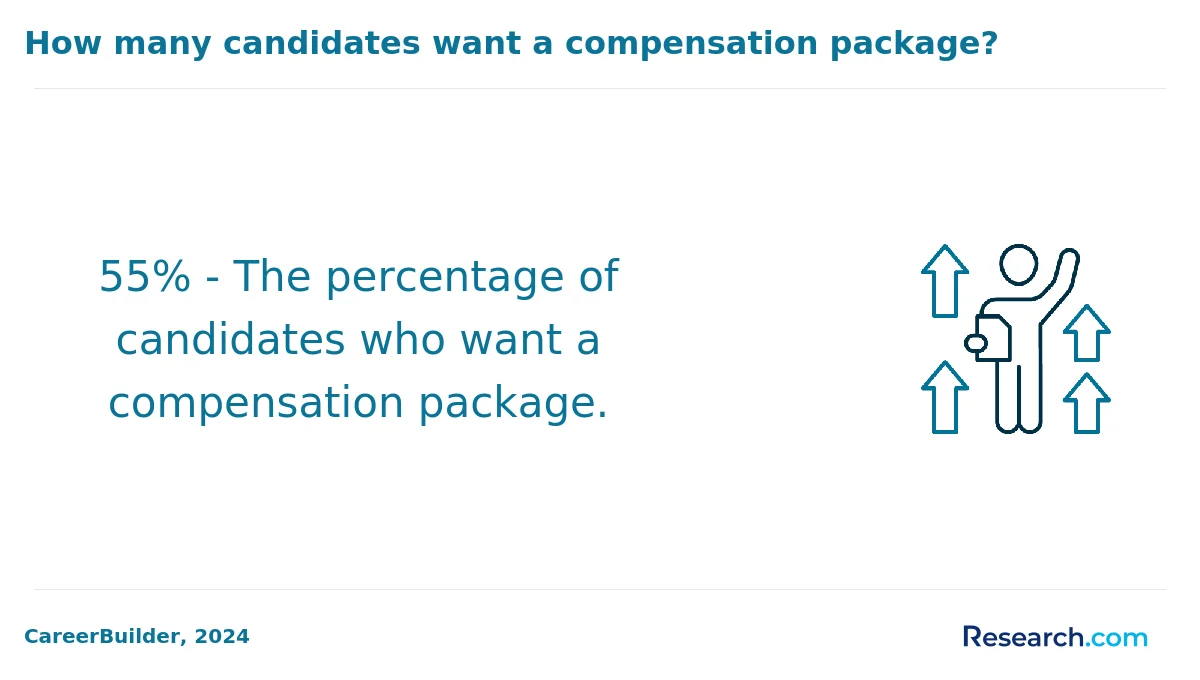
Students pursuing associate degrees in Cranford benefit from a range of financial aids designed to ease the burden of college expenses. For instance, the Community College Opportunity Grant (CCOG) stands out by allowing many local New Jersey residents, including undocumented NJ Dreamers, to attend community colleges tuition-free. Graduates from Cranford's community colleges often recall how CCOG made completing their first degree feel within reach, lifting the pressure of mounting tuition costs while they balanced work and study.
Moreover, the state's Tuition Aid Grant (TAG) provides significant need-based support, with awards ranging from $2,176 to over $14,000. Full-time students at Cranford's institutions often share how TAG helped them cover not just tuition but also essential fees, reducing the need for excessive loans. Part-time students enrolled in 6-11 credits don't miss out either, as TAG offers part-time awards tailored to their situation.
In addition, the Educational Opportunity Fund (EOF) targets students facing financial and educational disadvantages, offering grants up to $3,050 yearly. Many Cranford students have found EOF especially valuable-not only for the funds but for the community and support networks tied to the program. Completing the FAFSA early remains crucial, as it unlocks access to these federal and state resources that have proven transformative for many pursuing associate degrees in Cranford.
To enroll in an associate degree program in Cranford, students must first hold a high school diploma or equivalent, such as a GED. This baseline credential paves the way for academic success, as graduates from Cranford's well-regarded community colleges often recall how this foundation kept them motivated and prepared for college challenges.
Applicants also need to submit official transcripts to verify their academic records. For many, this step feels like a formality that confirms their readiness rather than a barrier.
In terms of proficiency, students typically must demonstrate basic skills in English and mathematics. This can be done by:
- Completing an English composition course with a "C" grade or better
- Completing a mathematics course at or above intermediate algebra with a "C" grade or better or passing placement assessments
Non-native English speakers often appreciate clarity around English language proficiency tests required to enroll, which alumni describe as constructive steps that ensure smooth integration into coursework.
Additionally, many students find it encouraging that maintaining a minimum cumulative GPA of 2.0 on a 4.0 scale is usually enough for acceptance into associate degree paths at Cranford schools. Some programs, like health sciences, ask for extra prerequisites-experience or background checks-which graduates note as worthwhile investments in their future careers.
Residency requirements are also part of the pathway; for example, students must complete a certain number of credits directly at the Cranford institution to qualify for their degree, a detail often explained during orientation to help students plan.
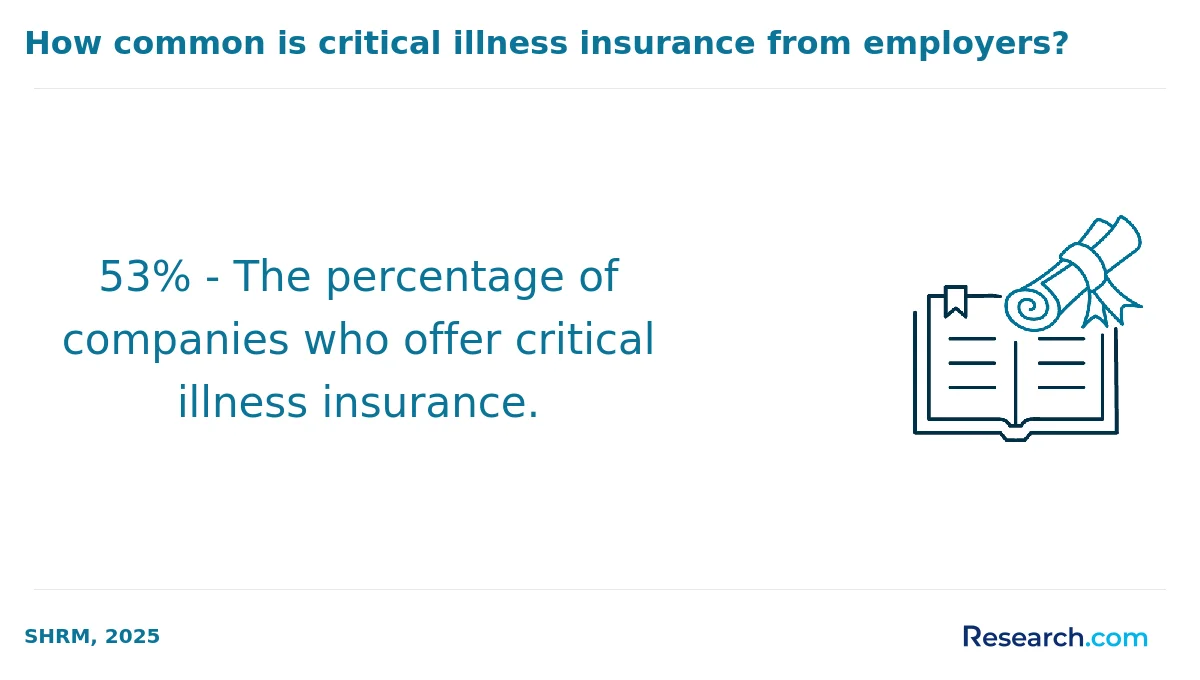
In Cranford, associate degree programs typically include a mix of foundational and specialized courses tailored to students' academic and career goals. Graduates from local schools like Union County College often highlight the relevance of core classes in English composition, history, social sciences, and humanities within the Associate in Arts (A.A.) track. These courses develop critical thinking and communication skills that prove essential whether transferring to a four-year college or entering the workforce.
Students pursuing the Associate in Science (A.S.) find common courses in Cranford associate degree programs focused on mathematics, natural sciences, and technology, including biology, chemistry, calculus, and computer science. Those aiming for a more hands-on career, such as nursing or information technology, appreciate the practical training emphasized in the Associate in Applied Science (A.A.S.) curriculum, where specialized classes provide skill sets tailored for immediate employment.
Many graduates describe their course load as both challenging and rewarding, often blending academic theory with real-world application. Specialized cooperative programs in nursing and medical imaging offer clinical experience alongside coursework, enriching learning through direct community engagement. For students weighing their options, understanding this Cranford NJ associate degree curriculum is crucial, especially when considering pathways as accessible as what's the easiest doctorate degree to get.
Choosing the best associate degree Cranford means first understanding the type of degree that fits your goals. Graduates from local programs often share how deciding between an Associate in Arts, Science, or Applied Science shaped their career paths-whether transferring to a four-year university or entering the workforce immediately. Knowing this upfront helps avoid time and financial waste.
It's also wise to compare associate degree costs Cranford institutes offer. Several students have appreciated transparency in net price, factoring in tuition and fees, which allowed them to budget effectively. Personal experiences at schools like UCNJ highlight affordable options paired with strong financial aid, making education accessible without limiting quality.
Beyond cost, consider student support and outcomes. Many praise Cranford schools for approachable advisors and career services that boost confidence during enrollment and job searches. Alumni testimonials often mention these resources as pivotal.
Finally, for those seeking fast advancement, researching fastest way to get a master's degree post-associate is common. This practical thinking ensures your investment delivers continued growth.
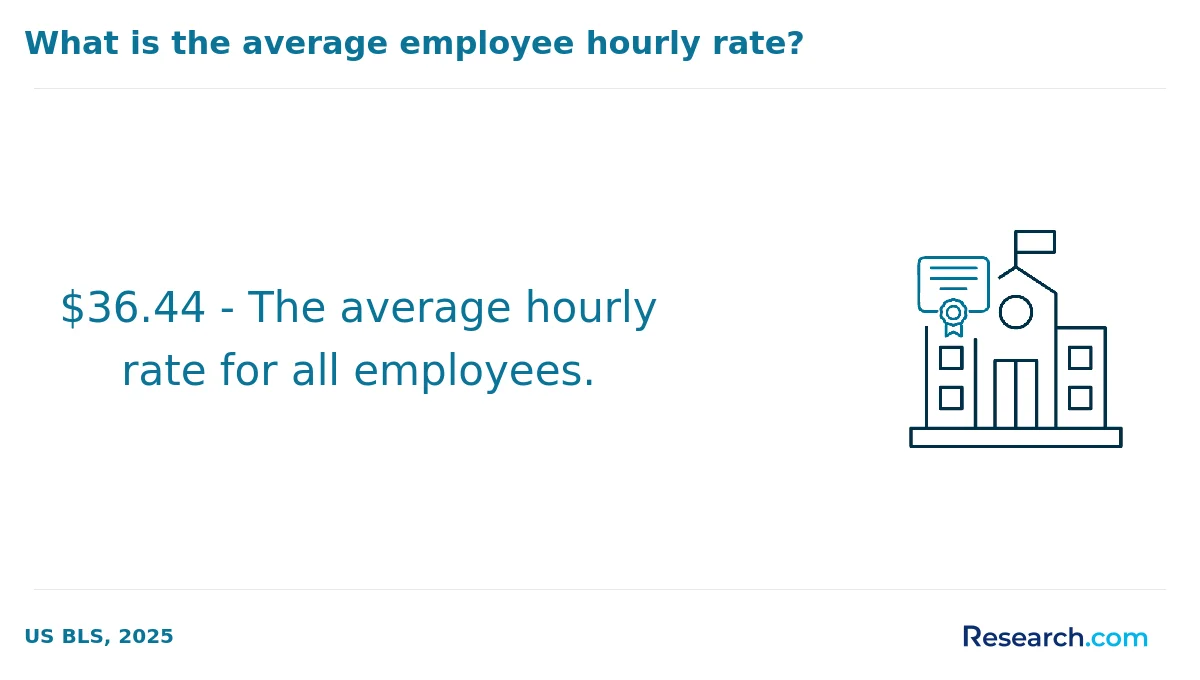
Associate degree graduates in Cranford find diverse career opportunities across several thriving sectors. Healthcare roles such as MRI technologist, dental hygienist, and medical biller are popular choices for graduates from local programs, offering stable jobs with competitive salaries. Many graduates share how these positions allow them to make tangible differences in patient care while enjoying a strong local demand.
Business and administrative paths are also prevalent, with roles like human resources associate and personal banker commonly accessible. Graduates often highlight the value of starting in these positions, noting that entry-level salaries in Cranford typically range from $40,000 to $60,000, providing a reliable foundation for career growth.
Information technology jobs, including IT associate and computer tech aide, attract many from associate degree programs focused on computer science or information systems, fitting well with the evolving local economy. Retail and customer service positions, such as sales associate or front desk receptionist, frequently serve as meaningful entry points, building strong interpersonal skills.
Those interested in education or public service can find roles in local school systems and community organizations, adding purpose to their careers. Prospective students seeking options in Cranford might explore accredited online colleges no application fee to balance education with other commitments, enhancing their readiness for these career paths.
The Cranford NJ job market for college graduates with an associate degree remains dynamic and accessible across several growing sectors. Graduates from popular local institutions often secure roles in healthcare, business administration, and public service, reflecting the region's strong demand for skilled professionals with practical training.
Graduates share experiences of entering positions such as MRI technologist or dental hygienist within Union County's numerous healthcare facilities, highlighting salary ranges that make these jobs attractive. Business administration coordinators and human resources associates also report competitive hourly wages from $30 to $50, with benefits like tuition reimbursement enhancing job satisfaction.
Key advantages for associate degree jobs in Cranford NJ include:
- More than 3,400 openings targeting two-year degree holders in the area
- Starting salaries that often range from $45,000 to $75,000 annually, especially in banking and technical roles
- Immediate employability due to emphasis on applicable skills during studies
For those considering their education path, exploring job certifications that pay well alongside an associate degree can further improve employment prospects in Cranford's competitive marketplace.
Most Affordable Associate Degree Programs - Leading Certification Courses in Cranford for 2026
# 1 position
UCNJ Union College of Union County, NJ - Physical Therapy Assistant.
associateThe Physical Therapy Assistant program at UCNJ Union College of Union County, NJ, offers a hybrid format with some distance education. It prepares students to assist physical therapists by implementing treatment plans, training patients, and recording progress. Coursework includes anatomy, physiology, biomechanics, and professional ethics. Annual in-state tuition is $5,280. Graduates earn a median salary of $48,332 one year after completion. The program is accredited by the Middle States Commission on Higher Education.
# 2 position
UCNJ Union College of Union County, NJ - Computer Science.
associateUCNJ Union College of Union County, NJ offers a Computer Science program with a hybrid format that includes some distance-education options. The curriculum covers computer theory, problem-solving, and system design from a scientific viewpoint, including computational science principles, programming, and practical applications. The program's annual in-state tuition is $5,280. It is accredited by the Middle States Commission on Higher Education.
# 3 position
UCNJ Union College of Union County, NJ - Legal Assistant/Paralegal.
associateThe Legal Assistant/Paralegal program at UCNJ Union College of Union County, NJ offers a hybrid format with some distance-education options. It prepares students for roles involving legal research, drafting, investigatory, and administrative tasks under attorney supervision. The curriculum covers legal document drafting, courthouse procedures, and specializations. Annual in-state tuition is $5,280. The program is accredited by the Middle States Commission on Higher Education.
# 4 position
UCNJ Union College of Union County, NJ - Automobile/Automotive Mechanics Technology/Technician.
associateThe Automobile/Automotive Mechanics Technology/Technician program at UCNJ Union College of Union County, NJ offers hybrid instruction, combining in-person and distance education. It prepares students to repair and service various automobile systems, including brakes, electrical, engine performance and repair, suspension, transmissions, and heating and air conditioning. The program’s in-state annual tuition is $5,280 and is accredited by the Middle States Commission on Higher Education.
# 5 position
UCNJ Union College of Union County, NJ - Diagnostic Medical Sonography/Sonographer and Ultrasound Technician.
associateThe Diagnostic Medical Sonography/Sonographer and Ultrasound Technician program at UCNJ Union College of Union County, NJ, offers a hybrid format with some distance-education options. It prepares students to use medical ultrasound techniques under physician supervision for diagnostic purposes. The curriculum includes patient care, data recording, sonographic processing, and equipment operation, emphasizing professional standards and ethics. The program is accredited by the Middle States Commission on Higher Education. Annual in-state tuition is $5,280.
# 6 position
UCNJ Union College of Union County, NJ - Business Administration and Management, General.
associateUCNJ Union College of Union County, NJ offers a program in Business Administration and Management, General, designed to prepare students to plan, organize, direct, and control organizational functions. The curriculum includes management theory, human resources, accounting, purchasing, logistics, marketing, and business decision-making. The program's annual in-state tuition is $5,280. It is accredited by the Middle States Commission on Higher Education.
# 7 position
UCNJ Union College of Union County, NJ - Accounting Technology/Technician and Bookkeeping.
associateThe Accounting Technology/Technician and Bookkeeping program at UCNJ Union College of Union County, NJ, offers a hybrid learning format with some distance-education options. It trains students to provide technical administrative support to accountants and financial management professionals. Coursework includes posting transactions, record-keeping systems, accounting software, and general accounting principles. The program's annual in-state tuition is $5,280 and is accredited by the Middle States Commission on Higher Education.
# 8 position
UCNJ Union College of Union County, NJ - Marketing/Marketing Management, General.
associateUCNJ Union College of Union County, NJ offers a Marketing/Marketing Management, General program that prepares students to manage the development of consumer audiences and product distribution. The curriculum includes buyer behavior, marketing research, demand analysis, pricing theory, strategic planning, advertising, sales management, and consumer relations. Annual in-state tuition is $5,280. The program is accredited by the Middle States Commission on Higher Education.
# 9 position
UCNJ Union College of Union County, NJ - Criminal Justice/Law Enforcement Administration.
associateThe Criminal Justice/Law Enforcement Administration program at UCNJ Union College of Union County, NJ prepares students for leadership roles in public law enforcement agencies. The curriculum covers law enforcement history, operational command, labor relations, legal responsibilities, budgeting, and organizational leadership. Annual in-state tuition is $5,280. Graduates have median earnings of $30,629 one year after completing the program. The program is accredited by the Middle States Commission on Higher Education.
# 10 position
UCNJ Union College of Union County, NJ - Information Technology.
associateThe Information Technology program at UCNJ Union College of Union County, NJ is fully online, focusing on the design of technological information systems as solutions for business and research data needs. It covers computer hardware and software, algorithms, databases, telecommunications, application testing, and human interface design. The program is accredited by the Middle States Commission on Higher Education. Annual in-state tuition is $5,280, with median earnings of $18,160 one year after completion.
Frequently Asked Questions about associate degree programs
After earning an associate degree in Cranford, preparing for the job market involves strategic steps. Graduates should begin by building a strong resume highlighting their skills and relevant coursework. According to the U.S. Bureau of Labor Statistics, associate degree holders typically earn 20% more than those with only a high school diploma, making clear communication of qualifications essential. Networking through local job fairs and Cranford-area career centers can uncover opportunities not advertised online. Additionally, pursuing internships or part-time positions related to your field provides valuable experience. Utilizing resources from New Jersey's workforce development programs can also improve job placement success.
Employers in Cranford highly value both technical and soft skills in associate degree graduates. According to the U.S. Bureau of Labor Statistics and local workforce reports, proficiency in computer applications, particularly Microsoft Office and basic data analysis, is essential. Healthcare and technical fields emphasize hands-on skills like medical terminology or mechanical troubleshooting.
Soft skills such as communication, teamwork, and problem-solving rank very high in demand. The National Association of Colleges and Employers (NACE) reports that over 80% of local employers prioritize effective communication and adaptability in new hires. Time management and customer service abilities are also regularly sought after, especially in retail and service industries prevalent in Cranford.
Finding internships in Cranford that align with your associate degree program involves several strategic steps. Start by visiting local community colleges and their career services offices; they often maintain updated lists of internship opportunities tailored to various fields. Employers in Cranford, particularly in healthcare, education, and business sectors, frequently collaborate with colleges to offer internships.
The New Jersey Department of Labor & Workforce Development provides resources and internship listings that target Cranford's job market trends, useful for students seeking relevant work experience. Additionally, websites like Handshake connect students with internships based on their location and study area.
Networking with professors and attending local job fairs can also uncover opportunities not widely advertised. According to the National Association of Colleges and Employers, over 60% of internships in suburban areas like Cranford lead to job offers, highlighting their importance in career development.
In Cranford, an associate degree can significantly enhance career mobility and advancement opportunities. According to the U.S. Bureau of Labor Statistics, individuals with an associate degree typically earn about 20% more than those with only a high school diploma. Locally, Cranford employers increasingly value technical skills and certifications often gained through these two-year programs, especially in healthcare, technology, and skilled trades.
Many Cranford community colleges have partnerships with regional employers to facilitate internships and job placements, which boosts graduates' chances of promotion. Research from the National Center for Education Statistics also shows that associate degree holders are more likely to experience upward mobility in their careers compared to those without postsecondary education.
Furthermore, an associate degree can serve as a stepping stone toward a bachelor's degree, expanding long-term career options and earning potential in Cranford's competitive job market.
In Cranford, part-time job opportunities that complement associate degree education vary by field but commonly include roles in healthcare, retail, and administrative support. For example, students in healthcare programs can find positions as medical assistants or pharmacy aides, gaining practical experience while earning approximately $14 to $18 per hour, according to the U.S. Bureau of Labor Statistics (BLS) regional data.
Administrative assistant roles are also prevalent, offering part-time schedules that align well with class hours. These roles often relate directly to associate degrees in business or office management. Local Cranford employers seek candidates with basic computer skills and customer service experience, valuable assets for degree earners.
Retail positions in Cranford provide flexible hours and soft skill development important for future career growth, although wages typically range from $12 to $15 per hour. The New Jersey Department of Labor highlights consistent openings in Cranford's retail sector, indicating steady part-time employment opportunities.
If you're seeking affordable degree programs near Cranford, NJ, Union County College offers a variety of associate degrees and certificates with competitive tuition rates. Some programs at Union County College and other nearby institutions provide pathways to bachelor's degrees through transfer agreements, making them cost-effective options for higher education. To explore these opportunities further, Research.com can be a useful resource for identifying specific programs and universities located near me.
- Is an Online Degree the Same as a Traditional Degree | Online Degree https://www.cambridgehealth.edu/online-degrees/get-an-online-degree/is-an-online-degree-the-same-as-a-traditional-degree/
- Top 5 Skills Employers Look For | Nth Degree https://newmanu.edu/top-5-skills-employers-look-for
- Traditional vs Online Degrees 2025: Which One is Better for You? https://www.pw.live/online-degree/exams/traditional-vs-online-degree
- Tax Associate in Cranford, New Jersey | H&R Block https://careers.hrblock.com/careers-home/jobs/18551
- What Is an Associate Degree? Is It Worth It? | San Juan College https://www.sanjuancollege.edu/blog/what-is-an-associate-degree/
- Education Degrees (PRE-K-12) – UCNJ https://www.ucc.edu/academics/degrees/education/
- Associate Degree Programs | Academics | Miami Dade College https://www.mdc.edu/academics/programs/associate.aspx
- Tuition & Fees - St. Michael School - Cranford, NJ https://smscranford.com/tuition-fees
- Find Remote Internships For College Students https://www.accreditedschoolsonline.org/resources/college-internships-and-employment/
- Top Career Skills for Two-Year College Grads in 2025 https://www.hanoverresearch.com/reports-and-briefs/higher-education/top-career-skills-for-two-year-college-grads-in-2025/


