Most Affordable Associate Degree Programs - Leading Certification Courses in Centralia for 2026

Co-Founder and Chief Data Scientist
Looking for affordable associate degree programs in Centralia for 2026? This article presents a helpful ranking created by the Research.com team of data scientists. It's designed to guide you through the best trade school programs, so you can make an informed decision about your education and future.
Choosing the right program can open new opportunities, build valuable skills, and set you on a path to success. Whether you’re starting fresh or advancing your career, earning an associate degree is a meaningful step worth considering.
Key benefits of associate degrees in Centralia
- Associate degree graduates in Centralia can expect competitive salaries, such as $45,770 annually for administrative assistants and about $49,900 per year for skilled roles like mobile laboratory truck drivers.
- Popular career paths include business administration, technical trades, and healthcare support, with many local graduates working as program assistants, early childhood specialists, or nursing support staff.
- Obtaining an online associate degree offers flexibility and convenience, allowing students to balance work and study, making education more accessible without sacrificing quality compared to traditional on-campus programs.
- Most Affordable Associate Degree Programs - Leading Certification Courses in Centralia for 2026
- What can I expect from associate degree programs in Centralia?
- Where can I work after finishing associate degree programs in Centralia?
What can I expect from associate degree programs in Centralia?
The average cost of an associate degree program in Centralia typically reflects the affordability that attracts many local students. At Centralia College, for example, tuition fees generally amount to around $4,000 per academic year for full-time enrollment, making the total roughly $8,000 for the standard two-year program. Graduates often share how this reasonable expense, combined with financial aid and part-time study options, made pursuing higher education manageable without overwhelming debt.
Students can expect to balance general education requirements like English and math with specialized courses linked to their career goals, which heightens the program's value. Many find satisfaction in participating in internships through partnerships that Centralia's institutions offer, gaining hands-on experiences that ease the transition into the workforce.
In conversations with alumni from popular schools in Centralia, a recurring theme is appreciation for tuition that matches the region's economic landscape, while still providing robust pathways toward transfer to four-year universities or direct employment. This affordability alongside practical training leaves students feeling hopeful and confident about their investment.
Where can I work after finishing associate degree programs in Centralia?
Graduates from associate degree programs in Centralia often find rewarding job opportunities right after completing their studies at local institutions like Centralia College. Many enter healthcare roles such as Nursing Assistant Certified or phlebotomy positions, where they work in hospitals or clinics, earning competitive wages and enjoying benefits like paid leave and health insurance. One former student shared how their training at Centralia College directly led to a stable role as an Associate Pharmacy Technician, feeling proud to contribute to community health.
Others pursue careers in retail or financial services, starting as retail associates with flexible part-time schedules or advancing to roles like Associate Financial Advisor, earning salaries near $80,000 annually. Early childhood education graduates often work as teacher's aides or daycare providers, appreciating the hands-on experience and clear path toward further credentials.
Centralia's strong partnerships with local employers, including the USPS for positions like Rural Carrier Associate, open doors to secure jobs with above-average wages. Graduates consistently report satisfaction from stepping confidently into these careers immediately after graduation.
Graduates from associate degree programs in Centralia often find their earnings vary widely depending on their field of study and local demand. For example, many who finish programs at popular community colleges in Centralia step into entry-level roles earning around $17 per hour, roughly $35,500 annually. This is common in retail or administrative positions, where early-career graduates begin building experience and financial independence.
Others report more encouraging outcomes, especially those who pursue technical fields offered by local schools. Graduates working as utility linemen can earn over $60 an hour-translating to salaries near $130,000 per year-reflecting the premium placed on specialized skills in Centralia's job market.
Healthcare support roles and positions such as interpreters for the deaf also show promising pay, with wages ranging from $34 to $41 per hour. Many associate degree holders appreciate this opportunity, valuing the balance between affordable education and respectable income.
While roles like associate attorneys demand further schooling, Centralia's associate degree graduates feel optimistic when they see peers securing solid careers that pay between $35,000 and $85,000 annually, making the investment in local programs rewarding and relatable.
- Jenna: Earning my Associate Degree in Nursing at Centralia was life-changing. The hands-on training prepared me fully for work at our local hospital, where I now provide compassionate care daily. The supportive instructors and real-world experience made all the difference in launching my healthcare career with confidence.
- Marcus: Studying Automotive Technology at Centralia's trade school gave me practical skills I used immediately. The small class sizes meant personal attention, and now I work at a top auto repair shop in town. This degree wasn't just education-it was my gateway to a fulfilling and steady job.
- Emily: The Business Administration associate degree at Centralia Community College equipped me with vital knowledge and confidence. The program's flexibility helped me balance school and family. Today, I manage a local retail store, grateful for the career growth that started there. It truly transformed my future.
- Students must complete at least 90 credits with a minimum GPA of 2.0 to earn an associate degree.
- Available tracks include Associate in Arts (AA), Associate in Science (AS), and Associate in Applied Science-Transfer (AAS-T).
- Tuition for in-state students ranges from $4,000 to $6,000 for the full program, excluding textbooks and supplies.
- Admission requires a high school diploma or GED, with possible proof of English proficiency for international students.
- Starting salaries for graduates range between $35,000 and $45,000, with strong employment opportunities in healthcare, business, and technology fields.
Completing an associate degree in Centralia typically takes about two years of full-time study. At Centralia College, for instance, graduates share how taking around 15 credits per quarter helps them stay on track for finishing the 90-credit requirement within this timeframe. This steady pace allows students to balance their coursework with part-time jobs or family commitments, making the achievement both tangible and rewarding.
At Centralia Beauty College, while the official measure considers a 12-month program, many students experience flexibility, sometimes extending up to 18 months or longer, reflecting the federal standard of 150% of normal time. Graduates often recall appreciating this accommodation when juggling hands-on training and personal schedules.
Part-time students, or those managing work and study, often take three years or more, finding value in pacing themselves rather than rushing. The positive graduation rate of about 84% at local trade schools highlights how many students successfully complete their programs within or close to these timelines, driven by clear goals and supportive learning environments.
The primary difference between online and on-campus associate degree programs in Centralia lies in how students experience their education. Online learners at Centralia College enjoy the freedom to balance coursework with jobs or family life, studying at their own pace through digital platforms. Graduates often recall the convenience of accessing lectures anytime, which made it easier to stay motivated despite busy schedules. The 24/7 technical support and virtual advising provided create a supportive environment that helps students feel connected even without setting foot on campus.
On the other hand, students enrolled in on-campus programs benefit from direct, face-to-face interaction with instructors and peers, which graduates say fosters a stronger sense of community and immediate feedback. The traditional classroom experience at Centralia College, complete with lab access and study centers, suits those who thrive with structured schedules and hands-on learning.
Both formats require similar academic standards-a minimum 90 credits with a 2.0 GPA-yet the choice depends on whether you prefer flexibility or direct engagement tailored to your lifestyle.
The average associate degree cost in Centralia is influenced by residency, living arrangements, and course load. Washington residents attending Centralia College pay around $5,265 annually in tuition and fees, while out-of-state students face a slightly higher rate of $5,651. These costs reflect full-time enrollment and exclude additional expenses such as books, supplies, and living costs. For example, students commonly budget between $528 and $762 yearly for textbooks and materials.
Graduates of popular Centralia community college tuition and fees programs often highlight how managing housing expenses significantly impacts their total costs. Those living with family report annual expenses close to $19,428, which covers tuition, fees, books, food, and transportation. Conversely, students living on campus or independently typically see those yearly costs rise to approximately $28,185. These real figures underscore why many consider their living arrangements a crucial factor in affordability and personal budgeting.
The college's pricing structure charges $124 per credit hour for residents and $141 for out-of-state students, making a typical three-credit class cost $372 or $423 respectively. Over a standard 90-credit associate degree, this pricing helps students forecast total tuition. Many graduates view this flexibility positively, especially when comparing to the average associate degree tuition at nonprofit Washington colleges, which can reach $21,196 annually. Some even explore scholarship options and payment plans to ease the financial load.
For students weighing options, consulting resources like the best 6 month associate online degree programs can provide insight into accelerating their education while managing costs effectively.
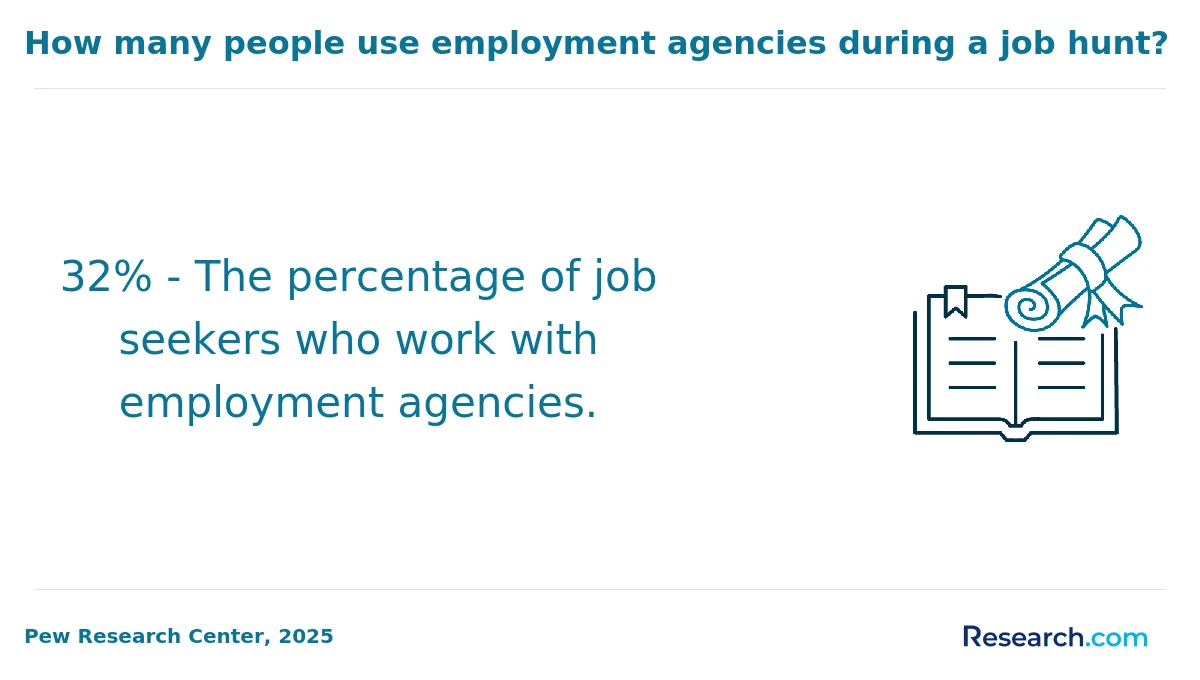
In Centralia, associate degree students benefit from a variety of financial aid options tailored to their diverse needs. For many attending Centralia College, the most common source is the Free Application for Federal Student Aid (FAFSA), which unlocks federal grants, loans, and work-study opportunities. Graduates often recall how FAFSA simplified their access to crucial funds, allowing them to focus more on studies than on finances.
Undocumented students or those who don't qualify for FAFSA can apply through the Washington Application for State Financial Aid (WASFA), ensuring inclusivity across the community. Many students find relief in the Washington College Grant (WA Grant), which supports families earning up to $131,000 yearly without a separate application-just having FAFSA or WASFA on file is enough.
Those pursuing technical fields, popular at Centralia's skilled trade programs, frequently use the Career & Technical Scholarship (CTS), which covers living costs beyond tuition. This makes pursuing hands-on training feasible, echoing stories from recent graduates who balanced school with life, buoyed by this flexible aid.
Centralia College's institutional scholarships also play a vital role. Many students appreciate the transparency and support in maintaining eligibility, especially as funds adjust after enrollment confirmations each quarter. Applying early and tracking awards online helps avoid delays, a tip shared often among successful students here.
To enroll in an associate degree program in Centralia, students must first have a high school diploma or a GED, a foundational step that many graduates recall as a clear milestone marking their readiness for college challenges. Centralia College, the primary institution here, requires applicants to meet specific academic standards designed to ensure success during the program.
A minimum cumulative GPA of 2.0, equivalent to a "C" average, is mandatory to graduate, which reassures many students that consistent effort will keep them on track without added pressure at admission.
Core academic prerequisites include completing courses in these essential areas, which are part of the 90-credit associate degree program:
- Basic Skills: 15 credits covering foundational English and math
- Communication Skills: 5 credits, such as ENGL& 101
- Quantitative Skills: 10 credits of college-level math
- Humanities and Social Sciences: 15 credits across at least three disciplines
- Health and Fitness: 3 credits
- Diversity: 3-5 credits
Graduates often note how these requirements create a balanced curriculum that builds confidence and academic versatility. For those pursuing specialized fields like nursing, additional prerequisites such as Anatomy, Physiology, and certifications like Basic Life Support underscore the practical readiness Centralia College emphasizes before students step into their careers.
Many students recommend early consultation with academic advisors to align courses with long-term goals, especially for those planning to transfer to a four-year university, ensuring a smooth and motivating educational journey.
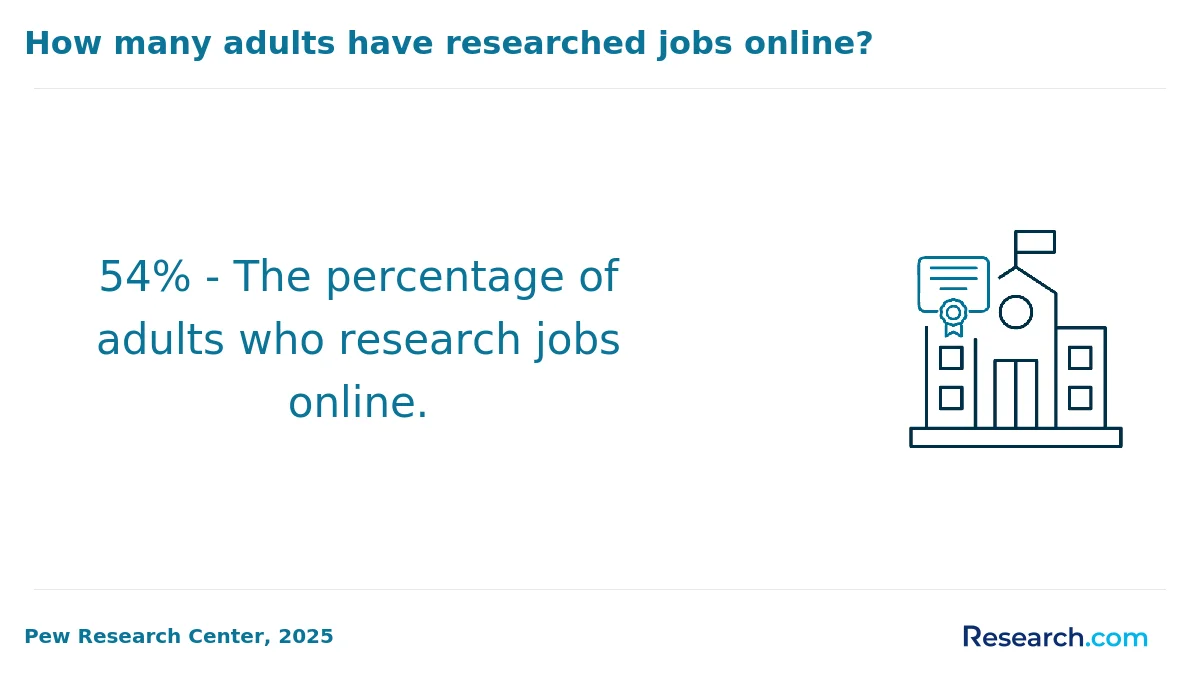
Associate degree course requirements Centralia students encounter typically blend general education classes Centralia associate programs emphasize with specialized major courses, ensuring a robust academic foundation. Graduates regularly reflect on completing core areas such as basic skills-15 credits in communication and math, including ENGL& 101 and MATH& 151 or 152-which prepare them for diverse career paths or further education.
Popular programs like the science track involve rigorous sequences of chemistry, biology, and physics courses, while business track students enjoy exploring accounting, management, and economics, often sharing how these practical classes boosted their confidence entering the local job market. Others pursuing early childhood education appreciate courses in child development and curriculum planning, valuing how these classes connect directly to real-world teaching roles around Centralia.
- General education credits cover humanities/social sciences, health/fitness, and diversity coursework.
- Major-specific tracks vary but retain flexibility for electives.
- Some students in general studies choose up to 47 credits freely, tailoring their journey.
Those wondering about accessible paths might investigate the easiest bachelors degree to get for transfer options beyond the 90-credit minimum required for graduation with a 2.0 GPA. Learning firsthand from Centralia associate programs shows that balancing general education classes Centralia associate programs with chosen majors creates a rewarding, adaptable college experience.
Choosing the best value associate degree Centralia means starting with your educational goals. Graduates from popular local schools often share how an Associate in Arts helped them seamlessly transfer to four-year universities, while those seeking quick workforce entry favored the Associate in Applied Science for its practical focus.
Accreditation matters deeply in Centralia. Graduates emphasize that attending regionally accredited institutions ensures credits transfer smoothly and employers recognize their qualifications, which is critical for future opportunities. Centralia College, for example, shapes its programs to align with Washington state transfer policies, giving students a confident path forward.
When you compare associate degree costs Centralia, remember tuition is only part of the story. First-year tuition averages around $5,643, but living expenses can push the total cost higher. Many students applaud available scholarships and work-study options that ease financial burdens. To understand fully how much does it cost to get an associate's degree, explore detailed resources like how much does it cost to get an associate's degree for planning.
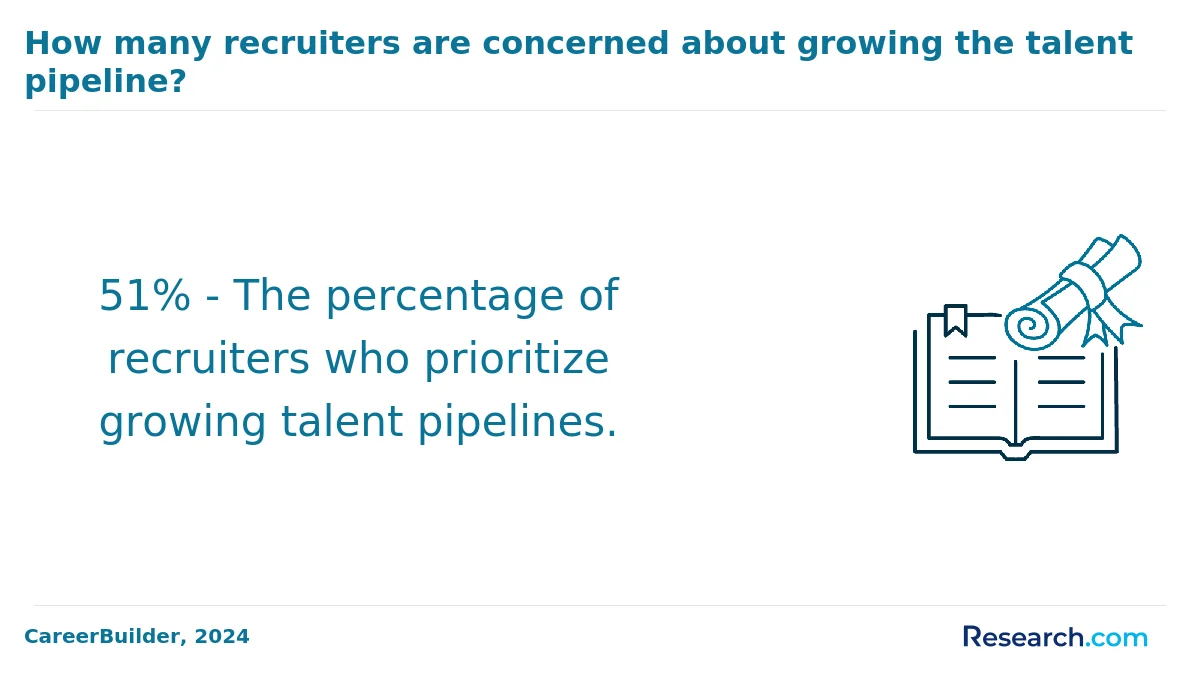
Career opportunities for associate degree graduates in Centralia span several thriving sectors, reflecting both local industry needs and the hands-on training offered by popular associate degree schools in the area. Graduates often find rewarding positions in business roles such as administrative assistants, accounting associates, and office managers, with salaries typically ranging from $50,000 to $61,000 per year. Many students who completed their programs in Centralia recall how practical coursework in institutions like Centralia College directly prepared them to step confidently into these roles.
High-demand jobs with an associate degree in Centralia also include healthcare support roles, where graduates work as certified occupational therapy assistants or laboratory technicians. These roles offer engaging, patient-focused work with competitive hourly wages in the mid-$20s. Technical and public sector positions, such as IT quality assurance testers or emergency management support staff, further diversify job prospects, often combining stability with meaningful community impact.
Graduates frequently emphasize the accessibility and relevance of local programs, which enable quick entry into the workforce. Those seeking flexibility may explore fafsa accredited online schools to complement their studies while maintaining work or family commitments.
The job market for associate degree graduates in Centralia shows a promising yet competitive landscape. Graduates from popular local schools often find entry-level employment opportunities in healthcare, retail, manufacturing, and office administration. For example, many who earned an associate degree in healthcare quickly secure pharmacy technician roles with hourly wages ranging from $23.16 to $38.32, illustrating strong demand for technical skills. Others find rewarding positions in office administration, utilizing skills developed at Centralia College to succeed as office managers or executive assistants.
Employment opportunities here include:
- Healthcare roles with competitive starting pay
- Office administration jobs in public and private sectors
- Retail associate positions offering flexibility and benefits
Despite a local unemployment rate of 5.6% in July 2025, slightly above the state average, the market remains active with over 200 associate-level job postings available at any time. Graduates often highlight the value of affordable education paired with immediate job prospects in Centralia. Those with technical degrees especially enjoy stable long-term growth. For insights on top job roles suited for skilled graduates, consider exploring top skilled trades jobs that align well with Centralia associate degree employment opportunities.
Most Affordable Associate Degree Programs - Leading Certification Courses in Centralia for 2026
# 1 position
Kaskaskia College - Computer and Information Systems Security/Auditing/Information Assurance.
associateKaskaskia College offers a hybrid program in Computer and Information Systems Security/Auditing/Information Assurance, preparing students to evaluate and secure computer and network systems. The curriculum covers computer architecture, programming, networking, cryptography, risk assessment, and security auditing. Students learn to manage security devices and procedures while understanding relevant laws and policies. The program is accredited by the Higher Learning Commission, with an annual in-state tuition of $4,800.
# 2 position
Kaskaskia College - Criminal Justice/Law Enforcement Administration.
associateKaskaskia College offers a Criminal Justice/Law Enforcement Administration program with a hybrid format, including some distance education options. The curriculum covers law enforcement history and theory, organizational leadership, operational command, labor relations, incident response, budgeting, and public relations. The program is accredited by the Higher Learning Commission. Annual in-state tuition is $4,800, providing an affordable pathway to skills in managing public law enforcement agencies and operations.
# 3 position
Kaskaskia College - Electrician.
associateKaskaskia College offers a hybrid Electrician program designed to prepare students to install, operate, maintain, and repair electric systems in residential, commercial, and industrial settings. The curriculum covers electronics principles, wiring, power transmission, safety, electrical testing, and applicable codes. The program's annual in-state tuition is $4,800. It is accredited by the Higher Learning Commission and provides some distance-education options for flexibility.
# 4 position
Kaskaskia College - Heating, Air Conditioning, Ventilation and Refrigeration Maintenance Technology/Technician.
associateKaskaskia College offers a hybrid program in Heating, Air Conditioning, Ventilation, and Refrigeration Maintenance Technology/Technician. The curriculum prepares students to repair, install, service, and maintain HVAC and refrigeration systems. Instruction covers diagnostic techniques, testing equipment, and fundamentals of mechanics, electricity, and electronics. The program’s annual in-state tuition is $4,800. It is accredited by the Higher Learning Commission.
# 5 position
Kaskaskia College - Industrial Mechanics and Maintenance Technology/Technician.
associateKaskaskia College offers a hybrid Industrial Mechanics and Maintenance Technology/Technician program designed to prepare students to repair and maintain various industrial machinery, including cranes, pumps, engines, and conveyor systems. The program is accredited by the Higher Learning Commission. Annual in-state tuition is $4,800. The curriculum covers technical skills for equipment such as pneumatic tools, marine deck machinery, steam propulsion, refinery, and pipeline-distribution systems.
# 6 position
Kaskaskia College - Automobile/Automotive Mechanics Technology/Technician.
associateKaskaskia College offers a hybrid Automobile/Automotive Mechanics Technology/Technician program designed to prepare students for repairing, servicing, and maintaining various automobile systems. The curriculum covers brake systems, electrical systems, engine performance and repair, suspension, steering, transmissions, and heating and air conditioning. Annual in-state tuition is $4,800. The program is accredited by the Higher Learning Commission and includes some distance-education options.
# 7 position
Kaskaskia College - Welding Technology/Welder.
associateKaskaskia College offers a Welding Technology/Welder program with a hybrid format that includes some distance education options. The program prepares students to join or cut metal surfaces using techniques such as arc welding, resistance welding, brazing, soldering, and high-energy beam welding. Instruction covers welding metallurgy, safety, structural design, and relevant codes and standards. Annual in-state tuition is $4,800. The program is accredited by the Higher Learning Commission.
# 8 position
Kaskaskia College - Dental Assisting/Assistant.
associateKaskaskia College offers a hybrid Dental Assisting/Assistant program designed to prepare students for patient care, dental radiography, and office administrative duties under dentist supervision. The curriculum includes medical record-keeping, reception, scheduling, equipment maintenance, sterilization, chairside assisting, and supervised practice. The program’s annual in-state tuition is $4,800. It is accredited by the Higher Learning Commission.
# 9 position
Kaskaskia College - Medical Administrative/Executive Assistant and Medical Secretary.
associateKaskaskia College offers a fully online Medical Administrative/Executive Assistant and Medical Secretary program designed to prepare students for roles supporting physicians, nurses, and health care administrators. The curriculum covers medical terminology, health care operations, business communications, scheduling, software applications, and professional ethics. The program is accredited by the Higher Learning Commission. Annual in-state tuition is $4,800 for this distance-only program.
# 10 position
Kaskaskia College - Physical Therapy Assistant.
associateKaskaskia College offers a Physical Therapy Assistant program with a hybrid format that includes some distance-education options. The program prepares students to implement treatment care plans under the supervision of a physical therapists, train patients, conduct interventions, and document patient progress. Instruction covers anatomy, physiology, biomechanics, neuroscience, and professional ethics. Annual in-state tuition is $4,800. The program is accredited by the Higher Learning Commission.
Frequently Asked Questions about associate degree programs
After completing an associate degree in Centralia, preparing for the job market involves several key steps. First, graduates should develop a strong resume highlighting their degree, relevant skills, and any internships or practical experiences gained during their studies. According to the National Center for Education Statistics, about 70% of associate degree holders find employment within six months of graduation. Networking is also essential; connecting with local employers and attending job fairs in Centralia can open opportunities in fields like healthcare, manufacturing, or business.
Additionally, consider obtaining industry certifications to boost employability. Many Centralia employers value technical credentials alongside academic qualifications. Career services at local colleges often offer workshops on interview skills and job searches, which can be very helpful. Staying informed about regional labor market trends ensures graduates target growing sectors with higher demand for associate degree holders.
Employers in Centralia highly value both technical and soft skills in associate degree graduates. According to regional workforce data from the Washington State Department of Commerce, top technical skills include proficiency in computer applications, basic data analysis, and industry-specific tools relevant to healthcare, manufacturing, and business sectors.
Soft skills such as communication, teamwork, and problem-solving are frequently emphasized. A 2023 survey by the National Association of Colleges and Employers (NACE) found that over 80% of employers seek critical thinking and adaptability in new hires with associate degrees.
Time management and customer service skills also rank highly, especially in hospitality and retail within Centralia's local economy.
Finding internships in Centralia relevant to your associate degree program begins with exploring local community colleges and their career services. Centralia College, for example, often partners with regional employers to offer internship opportunities in fields such as healthcare, technology, and business.
Another effective method is to contact employers directly. Many small and medium-sized businesses in Centralia seek interns with practical skills, especially in trades and office administration. The Thurston County Chamber of Commerce website provides a list of local companies that may offer internships.
Job platforms like Indeed and LinkedIn also list internships in Centralia. According to the Bureau of Labor Statistics, internships in Washington state have grown by 5% annually over the last five years, reflecting more opportunities.
Additionally, attending local networking events or job fairs can connect you with potential internship providers. Checking with your program's faculty can also uncover hidden internship prospects tailored to your study area.
An associate degree in Centralia can significantly enhance career mobility and advancement opportunities. According to the National Center for Education Statistics, individuals with an associate degree earn on average 20% more than those with only a high school diploma. This credential often opens doors to entry-level positions that offer clearer pathways to promotions and higher salaries.
Local employers in healthcare, technology, and manufacturing sectors highly value associate degrees for practical skills training. Centralia's community colleges have partnerships with businesses to facilitate internships and job placement, boosting graduates' chances of upward mobility.
Moreover, an associate degree provides a foundation for further education, enabling smoother transfer to four-year institutions for bachelor's degrees, which can further improve career prospects.
Centralia offers various part-time job opportunities that can complement associate degree education. Positions in healthcare support, such as medical assistants or pharmacy technicians, are common for students pursuing healthcare-related degrees. The local labor market data from the Bureau of Labor Statistics indicates that these roles typically pay between $13 and $18 per hour in Centralia, providing practical experience alongside studies.
Retail and customer service positions also remain popular for students in business or communications programs. Jobs in administrative support or data entry are available in local government offices and small businesses, helping students build office skills relevant to their degrees.
Many students find internships or part-time roles in the manufacturing sector, which is significant in Centralia's economy. These jobs offer hands-on experience in technical fields matching associate degrees in applied sciences or engineering technologies.
Whether you are looking for the most affordable degree programs "near me" or "near Centralia, IL," you will find options through local community colleges and universities. Programs and institutions offer degrees in various fields, with considerations for affordability, including scholarship opportunities, financial aid, or in-state tuition discounts. Utilizing resources like Research.com can help identify and compare the best programs tailored to your financial needs while still providing a quality education.
- Centralia College: Ranking, Programs, Scholarships & Fees https://www.azent.com/universities/centralia-college
- Virtual University of Pakistan https://www.vu.edu.pk/AboutUs/ProgramsOffered
- Centralia College to Offer New Associate Degree in Music | The Daily Chronicle http://www.chronline.com/stories/centralia-college-to-offer-new-associate-degree-in-music,31385
- Online Associate Degree Programs https://www.ashworthcollege.edu/associate-degrees/
- How Should I List Multiple Degrees After My Name? | ProFellow https://www.profellow.com/askdrjohnson/how-should-i-list-multiple-degrees-after-my-name/
- Nces https://nces.ed.gov/
- Centralia College Tuition, Acceptance Rate, & Academics https://www.sallie.com/colleges/search/centralia-college
- Centralia College - Net Price, Tuition, Cost to Attend, Financial Aid and Student Loans https://www.collegesimply.com/colleges/washington/centralia-college/price/
- Degrees https://www.centralia.edu/pathways/degrees.aspx
- Options for Students with an Associate Degree | LSU Online https://online.lsu.edu/newsroom/articles/what-can-i-do-after-earning-associate-degree/