
Most Affordable Associate Degree Programs - Leading Certification Courses in Astoria for 2026

Co-Founder and Chief Data Scientist
Considering an associate degree in Astoria can open new doors for your future. Whether you’re looking to start a career quickly or build a foundation for further education, choosing the right program is essential.
This article features an associate degree programs ranking developed by the Research.com team of data scientists. Their data-driven approach helps you make an informed choice about which trade school programs offer the best value and opportunities.
Exploring affordable options can ease financial stress and boost your confidence in achieving your goals.
Key benefits of associate degrees in Astoria
- Associate degree graduates in Astoria enjoy competitive salaries, such as $61,054 for health professionals, $75,580 in construction trades, and $66,141 for marketing operations associates, offering strong earning potential early in their careers.
- Popular career paths in Astoria include health care, construction trades, business, and retail, making it easy to find a field that matches your interests and skills while benefiting from local job opportunities.
- Choosing an online associate degree can provide flexibility and convenience, letting you balance work and study efficiently-many graduates appreciate how this option fits their busy lifestyles better than traditional campus programs.
- Most Affordable Associate Degree Programs - Leading Certification Courses in Astoria for 2026
- What can I expect from associate degree programs in Astoria?
- Where can I work after finishing associate degree programs in Astoria?
What can I expect from associate degree programs in Astoria?
The average cost of an associate degree program in Astoria varies, with community colleges and public institutions offering the most affordable tuition rates. Graduates recall that attending a popular local community college meant paying significantly less than private options, easing financial pressure while still providing quality education.
Many students appreciate the availability of financial aid and scholarships, which help manage costs further. Day, evening, and online classes provide flexibility, allowing students balancing work or family to progress without added stress. For example, a nursing student reflected on how their tuition expenses were manageable thanks to a combination of grants and part-time work, making the degree both accessible and valuable.
While tuition generally hovers around the community college range, it covers approximately 60 credits, equating to roughly 20 courses, including practical components like internships or labs. The affordability combined with career-readiness support makes pursuing an associate degree in Astoria a positive and realistic option for many.
Where can I work after finishing associate degree programs in Astoria?
After completing an associate degree program in Astoria, graduates find a variety of rewarding job opportunities that align closely with their training. Those who studied nursing or allied health at popular local schools often secure positions as licensed practical nurses or medical assistants at institutions like Columbia Memorial Hospital, where hands-on patient care skills are highly valued.
Business graduates report success working for well-known employers such as Costco and Walmart, filling roles like customer care representatives or inventory auditors. These workplaces appreciate the business management and accounting foundations gained through well-established Astoria programs and typically offer benefits including tuition reimbursement and health insurance.
Technical associate degree holders in fields like welding, automotive technology, or maritime science often enter local shops, manufacturers, or maritime companies. For example, graduates have shared rewarding experiences working on vessel repairs and historic restoration projects, leveraging both classroom knowledge and community connections.
Public service paths are popular with those who finished criminal justice or fire science studies, with local law enforcement and fire departments actively recruiting graduates who bring practical emergency response skills developed through Astoria's focused programs.
After completing an associate degree program in Astoria, graduates can expect a varied but promising earning potential depending on their field. Many start with positions like receiving associates, earning about $17.89 per hour or approximately $37,200 annually. Those attending well-regarded local schools often find this a solid starting point for entry-level roles.
More specialized fields show encouraging figures. For example, marketing operations associates can earn around $66,141 annually, nearly $32 per hour, reflecting the value of targeted programs available at Astoria institutions. Graduates in public service or technical roles, such as installation and maintenance jobs with the City of Astoria, report hourly wages between $24.96 and $35.70, translating to $51,900 to $74,300 yearly. These outcomes boost confidence in pursuing associate degrees in these areas.
Community and social service graduates typically see starting wages between $15.84 and $24.72 per hour, a range that many feel matches their passion for helping others. Overall, Astoria's robust local education resources and employer demand create real opportunities for associate degree holders to achieve financial growth and career satisfaction.
- Maya: Earning my Associate Degree in Culinary Arts from Astoria Trade School was life-changing. The hands-on training prepared me perfectly for a chef position at a top local restaurant. The supportive instructors made learning enjoyable and the job opportunities in Astoria's vibrant food scene felt endless.
- Javier: Studying Electrical Technology at Astoria Technical College gave me practical skills that textbooks can't teach. The small class sizes and real work projects boosted my confidence. Now, as an electrician in Astoria, I appreciate how this degree opened doors to a stable, well-paying career I love.
- Hannah: Getting my Associate Degree in Early Childhood Education here was such a rewarding journey. The program's focus on practical experience helped me connect deeply with children during internships. Today, working as a preschool teacher in Astoria feels fulfilling, and I'm grateful for the trade school's community spirit.
- Associate degree programs in Astoria are mainly offered by community colleges like Clatsop Community College with over 15 options across technical, academic, and transfer fields.
- Admissions are usually simple with rolling applications accepted year-round and no requirement for standardized test scores or transcripts in most programs.
- The average annual tuition and fees range from $4,000 to $5,500 for in-state students, totaling $8,000 to $11,000 for a two-year degree, not including living costs or books.
- Graduates in technical fields such as nursing or maritime science have starting salaries between $42,000 and $55,000, with potential earnings over $70,000 as experience grows.
- Many programs like the Associate of Arts Oregon Transfer allow direct transfer to Oregon public universities with junior standing, easing the path to a bachelor's degree.
- Class sizes are small with student-to-faculty ratios around 11:1, providing personalized academic support and hands-on learning.
Completing an associate degree program in Astoria typically takes about two years for full-time students enrolled at popular local schools. Graduates often recall balancing a 15 to 16 credit hour semester load, which allows them to amass the required 60 to 70 credits within four semesters. This pace feels manageable yet intensive, giving students a clear timeline to focus on their goals and build momentum.
Some students choose part-time enrollment due to work or personal commitments, extending their studies to three years or more. However, motivated learners at Astoria's community colleges appreciate the accelerated programs available, which enable completion in as little as 12 to 18 months through summer sessions and heavier course loads. This option suits those eager to enter the workforce quickly without sacrificing quality.
Trade school graduates often highlight hands-on training delivered in condensed blocks, finishing in 18 to 24 months depending on the industry. Such real-world experience within a shorter timeframe offers immense satisfaction, as they swiftly gain practical skills sought by employers in Astoria's job market.
The key difference between online and on-campus associate degree programs in Astoria centers on how students engage with their education. Online programs, like those offered by Chemeketa Community College, give busy adults the flexibility to study around work or family commitments, completing coursework remotely at their own pace. Graduates often appreciate the convenience of logging in from home or even while traveling, which eliminates daily commutes and creates a comfortable learning environment tailored to their schedule.
On the other hand, on-campus programs in Astoria provide a traditional college experience with face-to-face interaction. Students attending local community colleges enjoy direct access to instructors, hands-on labs, and campus events, which foster motivation and deeper connections with peers. For example, some associate degree candidates at Astoria's community colleges find this environment energizing and helpful for networking, offering a structured routine and immersive learning.
Both formats deliver the same accredited degree and curriculum, but online programs tend to attract non-traditional students, while on-campus learners often thrive in a more social, interactive setting. The choice depends on personal preferences for flexibility and engagement.
The average associate degree cost in Astoria is notably affordable, especially when compared to four-year universities. For example, Clatsop Community College, the primary institution offering associate degrees in the region, charges around $4,230 annually in tuition and fees for in-state students. This rate has made it a popular choice among local students seeking quality education without incurring overwhelming debt. Graduates often express satisfaction with tuition costs, pointing out that they achieved their academic goals while managing expenses effectively. Oregon Coast Community College, just a short drive away, charges slightly higher at $5,148 per year, which still remains competitive within the area.
When calculating Astoria associate degree tuition and fees on a per-credit basis, the average cost for Oregon students is approximately $146 per credit hour. With most associate programs requiring about 90 credits, completing a degree can total roughly $13,140. Students appreciate this transparency as it helps them budget realistically. Out-of-state learners face higher rates near $317 per credit hour, but many find Astoria's community colleges still offer excellent value. Many who pursue these programs successfully enhance their financial situations through scholarships, financial aid, and work-study supports, allowing them to focus on their studies.
Residents interested in faster pathways might explore accelerated associate degrees, which some local schools provide, helping students enter the workforce sooner. Many graduates highlight how Astoria's community colleges provide cost-effective, high-quality education options adapted to residents' needs. This balance between affordability and educational quality defines the region's appeal.
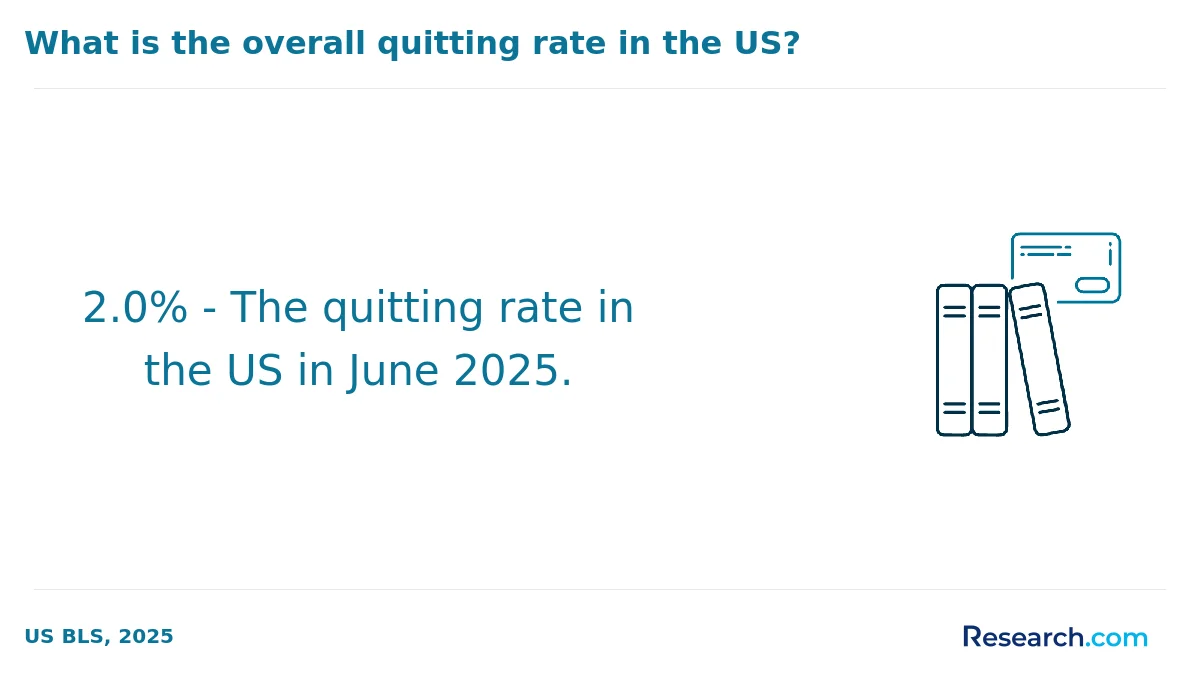
Associate degree students in Astoria can access a variety of financial aid options to ease the burden of tuition and living costs. Completing the FAFSA or, for those ineligible, the Oregon Student Aid Application (ORSAA) is the vital first step. Many graduates from Astoria's community colleges recall how applying early unlocked crucial funding that made their education affordable and less stressful.
The Oregon Opportunity Grant (OOG) is a key source of need-based aid, providing awards between $1,182 and $4,272 for full-time students. Students at popular Astoria institutions have shared how this grant significantly reduced their financial worries, allowing them to focus more on their studies and campus involvement.
Federal Pell Grants offer additional support, with awards up to $7,395 yearly for those demonstrating substantial need. Combined with federal student loans and work-study programs, these options create a comprehensive safety net. Many local students express gratitude for campus work-study roles that provided income and valuable experience at the same time.
A unique advantage for Astoria residents is the extensive pool of institutional scholarships managed by Oregon's OSAC, which oversees over 600 scholarships. Graduates often emphasize the relief and pride felt when receiving these locally focused scholarships, which helped bridge funding gaps during their studies.
Early application and engagement with college financial aid offices have repeatedly made a real difference for students facing financial challenges in Astoria's associate degree programs.
Enrolling in an associate degree program in Astoria requires meeting several clear prerequisites that ensure readiness for academic success and career growth. Graduates from well-known community colleges in Astoria often recall the importance of these foundational steps in their journey.
Most programs ask for a high school diploma or GED, establishing basic academic preparedness. Students who arrived without this credential sometimes shared how placement tests helped them demonstrate their skills and unlock opportunities.
Competency in English and mathematics is crucial. For example, a graduate spoke about how passing a writing placement exam gave them confidence heading into their Associate of Arts coursework. Meeting required scores or completing prerequisite courses ensures students can handle college-level tasks.
- Completion of around 90 college-level credits (courses numbered 100 or above) is standard to earn the degree.
- A minimum GPA of 2.0 (a C average) is needed both to enroll and to graduate.
- Some colleges expect students to complete at least 24 credits on campus, promoting engagement and community involvement.
Applicants also submit formal applications and often attend orientations to smoothly transition into college life. These prerequisites, common among Astoria's popular schools, build a solid foundation that students celebrate as key to their eventual success and confidence.
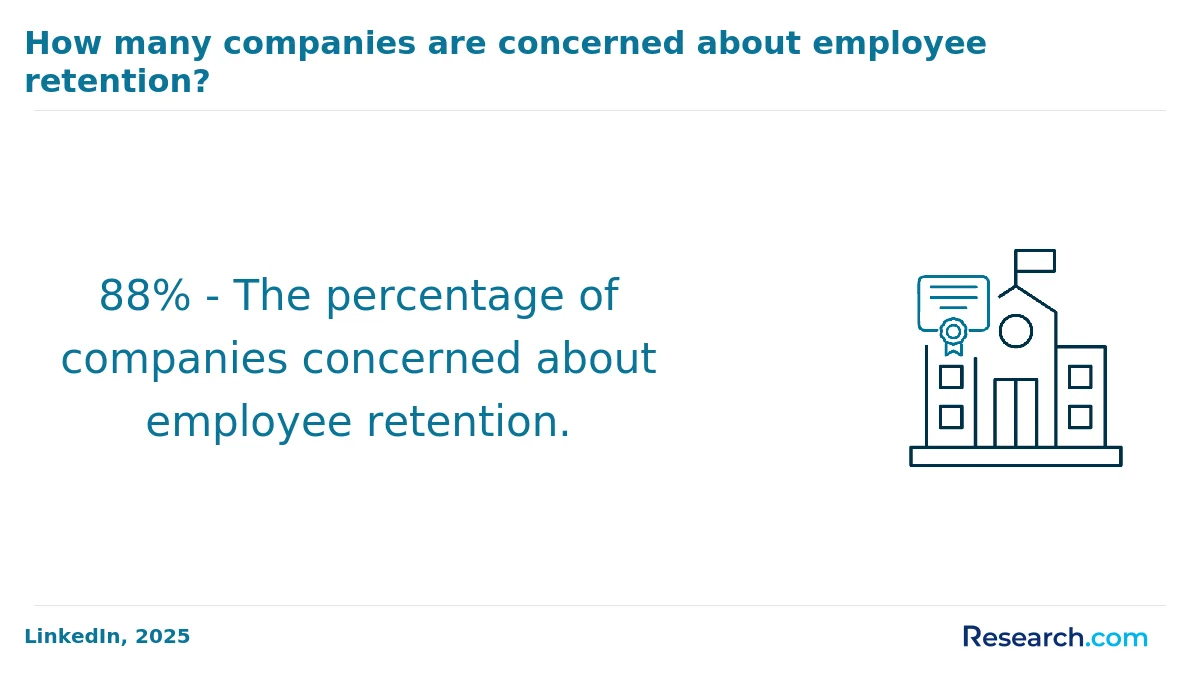
Associate degree programs in Astoria generally include a balanced mix of general education, discipline-specific courses, and electives, designed to build a strong academic foundation while equipping students with practical skills. Many students at popular associate degree schools in Astoria find themselves engaged in core general education classes like English composition, mathematics, science, and social sciences. This blend encourages critical thinking and effective communication, essential for both further study and workplace success.
For those pursuing career-oriented paths, the Astoria Oregon associate degree curriculum offers technical courses in fields such as Business Management, Nursing, Welding & Fabrication, and Criminal Justice. Graduates often report gaining confidence through hands-on training and cooperative work experiences with local employers, which helps them transition smoothly into the job market.
Students appreciate the personalized flexibility offered by the Associate of General Studies degree, allowing them to customize their course selections with electives and 100-level or higher classes that suit their interests or employment goals. Many who consult with advisors at Astoria's community colleges find this flexibility especially empowering.
Understanding the typical course offerings can also help prospective students decide quickly if this educational path aligns with their goals, especially those wondering what's the easiest bachelor's degree to get after completing their associate degree.
To choose the best associate degree programs in Astoria, assess whether your goal is transfer to a four-year university or immediate employment. Graduates from Clatsop Community College often emphasize how the Associate of Arts, Oregon Transfer (AAOT) paved their way smoothly into Oregon's public universities, allowing them to begin as juniors. Others pursuing career and technical education found hands-on training through Associate of Applied Science degrees in nursing or welding invaluable for quick workforce entry.
Review program flexibility and modality next. Many local students appreciate classes that fit their busy schedules, opting for hybrid or fully online courses offered by Astoria colleges. These formats can be especially helpful if you need to balance work life with study.
When comparing costs, investigate how each program's tuition and fees align with your budget. Talking to advisors and reviewing program quality ensures you invest wisely. For guidance on financial planning and potential career outcomes, explore resources like highest paying master degrees to understand long-term value.
Graduates holding an associate degree in Astoria unlock diverse career opportunities tailored to local industry needs. Many find rewarding roles in technical fields such as automotive technology, welding & fabrication, and business management. For instance, graduates from Clatsop Community College's hands-on programs benefit from Cooperative Work Experience, gaining practical skills that employers in the area greatly value. This alignment with employer expectations enhances employment prospects for those pursuing associate degree jobs in Astoria Oregon.
Healthcare sectors also offer robust career pathways. Nursing and medical assisting graduates frequently secure positions in hospitals, clinics, and long-term care centers, where their clinically focused training supports immediate workforce entry. Business-related programs in accounting and office administration open doors to roles in retail, finance, and local agencies, emphasizing steady growth and advancement potential.
Specialized associate degrees reflect Astoria's unique heritage and economy. Maritime science students often move into marine transportation jobs, while historic preservation graduates contribute to restoration and museum projects, combining community pride with career opportunities. Public service pathways such as criminal justice and fire science align well with local emergency services.
Recent graduates attest that Astoria's programs efficiently prepare them for success through relevant experience and vibrant community connections. For those considering further education, options like 1 year doctoral programs online complement local associate degree options, fostering ongoing professional growth. These career opportunities for Astoria associate degree graduates highlight both immediate employment and pathways to advanced roles.
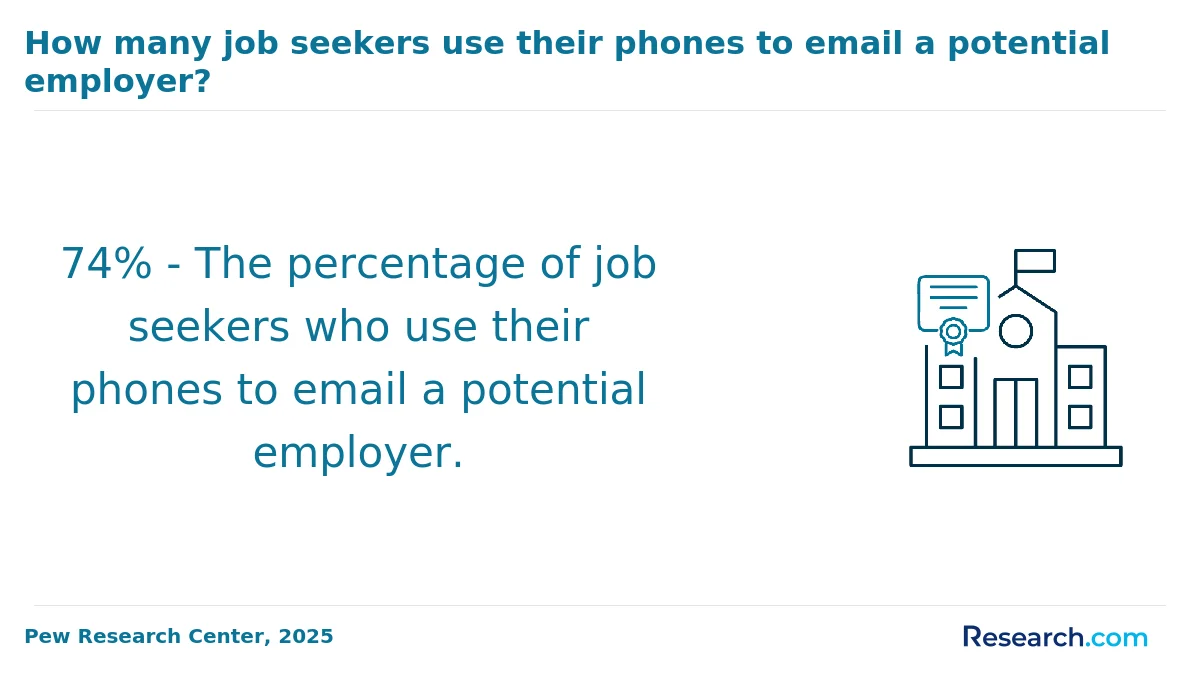
The job market for associate degree graduates in Astoria reflects a competitive yet promising environment, shaped by the region's steady demand for skilled professionals. Many graduates from popular local associate degree schools find opportunity in healthcare, customer service, and administration roles. These fields frequently offer full-time positions with benefits such as medical and retirement plans, affirming the region's commitment to stable employment. However, data on associate degree jobs in Astoria Oregon indicate a somewhat slow growth in postings, mirroring a broader state trend of moderate job market activity.
Wages typically range around $21.01 per hour statewide, with some specialized roles exceeding this by over 70%. Graduates report that flexibility is essential, as 65% of job seekers utilize hybrid or remote work options to balance their professional and personal lives. Those familiar with the Astoria Oregon associate degree salary trends also note that nearby cities like Portland offer marginally higher pay, though differences remain minimal.
- Positive student experiences highlight how local schools prepare graduates with skills valued by employers despite a tight labor market.
- Employers face challenges filling roles, resulting in longer recruitment processes but opportunities for well-prepared candidates.
- Many graduates capitalize on positions in administrative supervision and accounting assistance, which often come with competitive wages.
For those exploring their options, understanding salary expectations and choosing trade programs that pay well in this context can be a strategic advantage. This knowledge empowers students to navigate the Astoria job market with confidence and align their training with emerging employer needs.
Most Affordable Associate Degree Programs - Leading Certification Courses in Astoria for 2026
# 1 position
Clatsop Community College - Computer Science.
associateClatsop Community College offers a Computer Science program with a hybrid format, allowing some distance-education options. The curriculum covers computer theory, computing problems and solutions, and the design of computer systems and user interfaces from a scientific perspective. Instruction includes principles of computational science, computer development and programming, and practical applications. Annual in-state tuition is $4,575. The program is accredited by the Northwest Commission on Colleges and Universities.
# 2 position
Clatsop Community College - Criminal Justice/Safety Studies.
associateClatsop Community College offers a hybrid Criminal Justice/Safety Studies program that covers criminal law, policy, and the organization of police and correctional systems. The curriculum includes the administration of justice, judiciary processes, and public attitudes toward criminal justice. Annual in-state tuition is $4,575. The program is accredited by the Northwest Commission on Colleges and Universities and provides some distance-education options for flexibility.
# 3 position
Clatsop Community College - Automobile/Automotive Mechanics Technology/Technician.
associateClatsop Community College offers a Hybrid program in Automobile/Automotive Mechanics Technology/Technician, preparing students to repair, service, and maintain various automobile systems. Instruction covers brake systems, electrical systems, engine performance and repair, suspensions, transmissions, and heating and air conditioning. The program’s annual in-state tuition is $4,575. It is accredited by the Northwest Commission on Colleges and Universities, providing a recognized credential for technical skills in automotive mechanics.
# 4 position
Clatsop Community College - Welding Technology/Welder.
associateThe Welding Technology/Welder program at Clatsop Community College offers hybrid learning with some distance-education options. It prepares students to apply technical skills in various welding methods, including arc welding, resistance welding, brazing, and cutting. The curriculum covers welding metallurgy, safety, structural design, and applicable codes. Annual in-state tuition is $4,575. The program is accredited by the Northwest Commission on Colleges and Universities.
# 5 position
Clatsop Community College - Business Administration and Management, General.
associateClatsop Community College offers a hybrid Business Administration and Management, General program designed to prepare individuals to plan, organize, direct, and control business functions. The curriculum includes management theory, human resources, accounting, purchasing, logistics, marketing, and business decision-making. Annual in-state tuition is $4,575. The program is accredited by the Northwest Commission on Colleges and Universities.
# 6 position
Clatsop Community College - Accounting.
associateThe Accounting program at Clatsop Community College offers a hybrid format with some distance-education options. It prepares students for the accounting profession, covering principles, financial and managerial accounting, auditing, tax accounting, and related business functions. The program also includes training in business information systems, research methods, and professional ethics. Annual in-state tuition is $4,575. The program is accredited by the Northwest Commission on Colleges and Universities.
Frequently Asked Questions about associate degree programs
Preparing for the job market after earning an associate degree in Astoria involves strategic planning and resource use. Locally, community colleges offer career counseling and job placement services tailored to area employers. Engaging with these resources can significantly improve employment prospects.
Networking is crucial. Joining local professional organizations or attending job fairs in Astoria helps graduates connect with employers seeking associated degree holders. According to the National Center for Education Statistics, 60% of associate degree graduates find employment within their field within six months of graduation.
Additionally, developing practical skills through internships or apprenticeships available in the Astoria region increases job readiness. Many local businesses partner with colleges to offer work-based learning opportunities, boosting real-world experience. Familiarity with industry-specific software and certifications also enhances employability in the competitive job market.
Employers in Astoria highly value associate degree graduates who demonstrate strong technical skills relevant to their industries. According to recent data from the National Skills Coalition, proficiency in computer literacy, basic data analysis, and project management ranks among the top competencies sought.
Soft skills are equally important. Communication and teamwork abilities are frequently listed by hiring managers in Astoria, with over 70% emphasizing effective collaboration as a key qualification (Astoria Chamber of Commerce survey, 2023).
Critical thinking and adaptability also score highly, especially in fast-changing sectors like healthcare and technology. Graduates who can problem-solve and adjust to new environments tend to secure better job prospects locally.
Finding internships in Astoria that align with your associate degree program involves a few key steps. Start by contacting the career services office at your college, as many local institutions maintain partnerships with businesses offering internships in fields like healthcare, business, and technology.
The Astoria Chamber of Commerce often lists internship opportunities on its website, reflecting local economic sectors. According to the New York State Department of Labor, industries such as retail and hospitality, significant in Astoria, provide numerous short-term internships relevant to business and communication degrees.
Additionally, online platforms like Handshake and local job boards can help you find postings tailored to your field. Networking through professional events or faculty connections is also crucial to securing relevant internships in this competitive market.
An associate degree in Astoria can significantly enhance career mobility and advancement opportunities for local residents. According to the National Center for Education Statistics, individuals with an associate degree earn approximately 20% more than those with only a high school diploma nationwide. In Astoria, community colleges partner with local employers in sectors like healthcare, technology, and manufacturing, ensuring that graduates possess skills in demand. This alignment facilitates quicker job placement and internal promotion opportunities. Furthermore, an associate degree often serves as a stepping stone for continued education, allowing students to transfer credits to four-year institutions and pursue bachelor's degrees, which further improve career prospects.
Astoria offers a variety of part-time job opportunities that complement associate degree education, especially in healthcare, retail, and administrative sectors. For example, students with associate degrees in nursing or health sciences can find roles as medical assistants or home health aides. According to the New York State Department of Labor, healthcare support jobs in Astoria are projected to grow by 15% through 2028.
Retail positions in local businesses provide flexible hours, allowing students in business or communications programs to gain customer service experience. Additionally, part-time office assistant roles at community organizations help build administrative skills valuable across many fields. These positions typically pay between $15 and $20 per hour, according to regional job listings.
Overall, Astoria's job market supports students seeking practical work experience paired with their studies.
For those seeking affordable degree programs near Astoria, OR, there are several community colleges and universities that offer cost-effective educational opportunities. These institutions often provide diverse associate and bachelor's degree programs, sometimes with options for financial aid and scholarships. To get detailed rankings and specific program information, Research.com can be a helpful resource in exploring institutions near you.
- Nursing (Registered Nurse/RN), AAS - LaGuardia Community College https://www.laguardia.edu/majors/nursing/
- Nces - Ipeds https://nces.ed.gov/ipeds/
- Astoria graduate featured in Promise of Oregon video | The Astorian https://dailyastorian.com/2017/11/14/astoria-graduate-featured-in-promise-of-oregon-video/
- A comprehensive overview of the Associate Degree https://www.crimsoneducation.org/uk/blog/what-is-an-associate-degree/
- Research - Highest Paying Masters Degrees https://research.com/degrees/highest-paying-masters-degrees
- How to get a student internship - Save the Student https://www.savethestudent.org/student-jobs/the-ultimate-guide-to-internships.html
- What Comes After Associate Degree: Here Are Your Options https://potomac.edu/do-you-feel-complete-after-earning-an-associates-degree/
- Online Associate Degree Programs https://www.ashworthcollege.edu/associate-degrees/
- How to Apply for an Associate’s Degree or Certificate from SRJC | Admissions https://admissions.santarosa.edu/how-apply-associates-degree-or-certificate-srjc
- Top Career Skills for Two-Year College Grads in 2025 https://www.hanoverresearch.com/reports-and-briefs/higher-education/top-career-skills-for-two-year-college-grads-in-2025/


