Most Affordable Certificate Programs - Leading Certification Courses in Tampa for 2026

Co-Founder and Chief Data Scientist
Trade school certificate programs in Tampa can be a practical route into skilled, local employment, but the best choice depends on more than the program name. Cost, completion time, hands-on training, financial aid eligibility, employer connections, and licensing or certification requirements can all affect whether a program pays off.
This 2026 guide is designed for students comparing Tampa-area trade school certificate options, including adults changing careers, recent high school graduates, workers seeking a promotion, and learners who need flexible online or evening study. The Research.com team of data scientists created this ranking to help readers identify affordable, career-focused programs and understand what to expect before enrolling.
Use this guide to compare typical costs, timelines, training formats, salary potential, admissions requirements, financial aid options, and career paths in Tampa’s skilled trades and technical fields. The goal is not only to help you find a program, but to help you choose one that matches your budget, schedule, and job goals.
Key benefits of getting trade school certificate in Tampa
A trade school certificate in Tampa can help students move into career-focused training faster than many traditional degree paths. The strongest benefits are practical: shorter training timelines, hands-on instruction, local employer demand, and the chance to build job-ready skills in fields where credentials and experience matter.
- Expected salary: Trade school graduates in Tampa can earn competitive pay. HVAC technicians make around $47,600 to $87,406 yearly, electricians earn between $60,000 and $100,000, and plumbers typically bring in $58,000 to $95,000.
- Popular career paths: Common outcomes include work as electricians, plumbers, welders, diesel mechanics, HVAC technicians, maintenance workers, and other skilled trades professionals. These roles are tied to construction, utilities, manufacturing, transportation, property management, and public infrastructure.
- Online certification benefits: Online trade certification can help students balance training with work, family, or transportation limitations. It may also shorten the path to workforce entry when the subject can be taught remotely, though hands-on trades may still require labs, practicums, apprenticeships, or in-person skills assessments.
The biggest advantage is alignment: a good certificate program teaches the skills employers actually request, prepares students for relevant credentials, and connects training to entry-level jobs or apprenticeships in the Tampa area.
- Most Affordable Certificate Programs - Leading Certification Courses in Tampa for 2026
- What can I expect from trade school certification programs in Tampa?
- Where can I work with trade school certification in Tampa?
What can I expect from trade school certification programs in Tampa?
Trade school certification programs in Tampa are usually designed to move students from basic technical knowledge to job-ready practice. Expect a focused curriculum, a shorter timeline than many degree programs, and training that may combine classroom instruction, labs, simulations, internships, or paid apprenticeship experience.
The average cost of a trade school certification program in Tampa generally ranges between $1,200 and $6,000, depending on the field and length of study. Short, intensive options such as programs at Tampa Vocational Institute may run 4-6 weeks and can appeal to students who want a fast route into entry-level work. These condensed programs can be valuable when they include practical training, clear competency checks, and realistic employment expectations.
Programs at Hillsborough Community College may require a higher investment, but students often choose them for a broader mix of theory, hands-on practice, career support, and apprenticeship connections. This can be especially important in technical areas such as electrical work and HVAC, where safety, supervised practice, and employer-recognized credentials can affect hiring.
Online providers such as ed2go can be useful for adult learners who need flexibility. Online trade-related training may reduce commuting costs and make study easier to fit around work or family responsibilities. However, students should confirm whether the program includes any required in-person component, whether the credential is recognized by local employers, and whether it prepares them for any necessary exam, license, or certification.
- Best fit for fast entry: Short certificate programs with clear job outcomes and local employer recognition.
- Best fit for hands-on trades: Programs with labs, equipment access, apprenticeship pathways, or supervised field training.
- Best fit for working adults: Evening, hybrid, or online options with flexible pacing and transparent support services.
Where can I work with trade school certification in Tampa?
With a trade school certification in Tampa, graduates can work across private companies, public agencies, utilities, construction firms, healthcare facilities, manufacturing employers, schools, hospitals, and property management organizations. The best workplace depends on the trade, credential level, and whether the student has completed supervised field experience or an apprenticeship.
Electrical training can lead to roles such as apprentice electrician, electrical helper, maintenance technician, or utility-related entry-level positions. Hillsborough Community College's Electrical Line Worker program is one example of a pathway that prepares students for the electric utility industry, where workers may start in entry-level roles and advance with experience and additional credentials.
Students trained in mechatronics or industrial automation may find opportunities in Tampa's manufacturing and logistics sectors. These graduates may work with robotics, production equipment, industrial controls, and maintenance systems as robotics repair specialists, industrial electricians, or automation support technicians.
HVAC, plumbing, and fire safety systems training can lead to jobs with construction companies, service contractors, apartment communities, facilities departments, and commercial property managers. Apprentices typically earn $17 to $22 per hour, and many use the early career period to build hours, technical skill, and confidence on the job.
Graduates with broader maintenance training may work as general maintenance or multi-trades workers in hospitals, schools, municipal buildings, warehouses, hotels, or large residential properties. These roles can be a good fit for students who want varied work and a foundation across several trades rather than a single narrow specialty.
Pay for trade school certificate graduates in Tampa varies by occupation, experience, employer, overtime availability, and whether the worker earns additional credentials or licensure. The strongest earnings usually come after graduates build field experience and move beyond entry-level helper or apprentice roles.
HVAC technician graduates from Tampa trade schools may start around $47,600 per year. With a few years of experience, earnings can rise to nearly $60,000, while seasoned professionals can earn upwards of $87,000 annually. HVAC pay can be influenced by technical specialization, customer service skills, emergency service work, and advanced certifications.
Building maintenance and construction-related certifications can also lead to solid earnings. A Building Maintenance Tradesworker II can expect earnings between $70,000 and $74,000 per year, while a Lead HVAC Mechanic role can pay close to $100,000 annually. These roles typically require more than basic training; employers may look for experience, troubleshooting ability, safety knowledge, and leadership skills.
Trade school graduates who move into training and development roles in Tampa benefit from salaries averaging $76,000 per year, with top earners reaching over $110,000. Entry-level jobs in this field start around $56,700. This pathway may fit experienced trade professionals who want to teach, train teams, support workforce development, or help employers standardize technical procedures.
- Entry-level pay is not the ceiling: Many trade careers reward experience, certifications, and reliability.
- Overtime can matter: Some trades offer additional earning potential through emergency calls, seasonal demand, or project-based work.
- Credentials should match the role: A certificate is most valuable when it prepares students for the specific job title they want.
Graduate experiences can help prospective students understand what trade training feels like beyond tuition numbers and course descriptions. The strongest feedback often centers on hands-on instruction, instructor support, job placement help, and confidence gained through practice.
- Maria: Earning my HVAC certification in Tampa was life-changing. The hands-on training made me confident, and the school's job placement support helped me quickly land a technician role. It's rewarding to fix homes and stay busy in a growing industry. The experience was truly empowering.
- Jamal: Studying electrical installation opened doors I never imagined. The small class sizes meant personalized attention, and the Tampa location connected me to local contractors hiring skilled workers. I'm proud of my trade skills and excited about the stable career I built through this program.
- Claire: Plumbing certification gave me both knowledge and confidence. The program's practical approach and supportive instructors made the learning curve manageable. After graduating, I secured a great job in Tampa's construction sector. It feels amazing to turn my hard work into a dependable livelihood.
When reviewing testimonials, students should look for patterns rather than isolated praise. Strong signs include repeated mentions of instructor access, equipment quality, employer connections, transparent costs, and support after graduation.
- Most trade school certification programs in Tampa require a high school diploma or GED for admission, with some fields also having age or physical requirements.
- Programs are part of Florida's Career and Technical Education system and last from a few months to two years or more, covering fields like electrical work, welding, and culinary arts.
- The cost of completing a trade school certification ranges from about $3,000 to $15,000, with community colleges offering more affordable options.
- Starting salaries for trade school graduates in Tampa generally range from $35,000 to $45,000, while experienced professionals can earn $55,000 to $70,000 or more annually.
- Certified programs can enhance employability and may allow students to earn college credit through Florida's articulation agreements.
The main takeaway is that certificate programs can be a strong value when students choose carefully. The best programs are affordable, properly aligned with local employer needs, transparent about admissions and costs, and clear about whether graduates need additional exams, licenses, apprenticeships, or work hours before reaching higher-paying roles.
Completion time depends on the trade, credential level, schedule, and whether the program includes apprenticeship training. Some Tampa trade school certificates can be completed in weeks, while more comprehensive apprenticeship pathways may take years because they combine classroom learning with supervised work experience.
Apprenticeship programs at institutions such as Hillsborough Community College may take 1- to 5-year periods to complete. These pathways can be demanding because students must balance paid on-the-job training with classroom instruction. The trade-off is depth: apprenticeship graduates often build extensive practical experience and may earn nationally recognized certifications in fields such as electrical work, plumbing, and HVAC.
Shorter workforce training programs through HCC's Institute for Corporate and Continuing Education may last from a few weeks up to several months. These can be practical for adults who want quick training in areas such as Certified Nursing Assistant or IT support, especially if they already have related experience or need a focused credential to qualify for entry-level roles.
Some safety credentials are much shorter. OSHA 10-Hour training can be completed within one or two days, making it useful for workers who need to meet basic industry safety expectations quickly. However, a short safety certificate should not be confused with full trade preparation; it is often one piece of a broader employment or training pathway.
- Fastest option: Short safety or workforce credentials that take one or two days to several weeks.
- Moderate option: Certificate programs that last several months and prepare students for entry-level roles.
- Longest option: Apprenticeships that last 1- to 5-year periods and combine work experience with classroom learning.
The main difference is how students complete coursework and hands-on skill development. Online trade school certification programs offer flexibility, while on-campus programs provide direct access to instructors, labs, tools, equipment, and supervised practice. The better format depends on the occupation and the learner’s schedule.
Online programs, including options like those offered by Pinellas Technical College, can work well for students who need to study around employment, caregiving, or transportation limitations. Learners may complete coursework at night or on weekends and avoid commuting. The challenge is that online study requires self-discipline, reliable internet access, and careful attention to deadlines.
On-campus programs at schools such as Hillsborough Community College or Tampa School of Real Estate usually require scheduled attendance. This can be less flexible, but it gives students face-to-face mentorship, immediate feedback, and access to specialized equipment. For trades such as electrical work, HVAC maintenance, plumbing, welding, and other hands-on fields, in-person training can be especially important.
Both formats may offer academic advising, career support, and student services, but details can vary. Students should also check whether benefits or funding rules differ by format. For example, veterans' benefits for on-campus students at Pinellas Technical College may influence the decision.
- Choose online if: You need flexibility, can stay organized independently, and the credential can be completed remotely or through a hybrid model.
- Choose on-campus if: You need hands-on labs, direct instructor feedback, equipment practice, or structured attendance.
- Choose hybrid if: You want online theory courses but still need in-person skills training for job readiness.
The average cost of trade school programs in Tampa varies widely by school type, field, program length, equipment needs, and whether the institution is public or private. Recent figures suggest that vocational training programs typically cost around $19,000 per year, but many certificate options fall above or below that benchmark.
Public trade schools in Tampa generally offer lower tuition. Many Tampa public institutions charge between $8,060 and $9,617 annually for certificate programs lasting less than two years. These programs can be appealing for students who want practical training without taking on unnecessary debt, especially when the school has strong employer ties or transfer options.
Private schools usually cost more. Tampa trade school tuition and fees comparison shows private schools charging approximately $14,799 to $16,738 annually for similar certificate-level courses. Some students choose private institutions for specialized programs, healthcare or technology pathways, smaller cohorts, or facilities that match their career goals. Higher cost should be weighed against placement support, credential value, and total out-of-pocket expense.
Costs may also differ by field. Students pursuing cosmetology or HVAC may find more affordable options than students in some healthcare-related certifications, depending on required equipment, clinical components, and program structure. Before enrolling, students should ask for the full cost of attendance, including tuition, fees, tools, uniforms, books, exam fees, background checks, transportation, and retake costs.
For automotive students, comparing local and remote options can help with both cost and scheduling. Some learners explore auto mechanic certification online to understand flexible routes into the field, though they should confirm whether any hands-on training is still required.
- Ask for the total program cost, not just tuition.
- Confirm whether the program qualifies for federal grants, scholarships, or workforce funding.
- Compare cost against completion time, credential value, and job placement support.
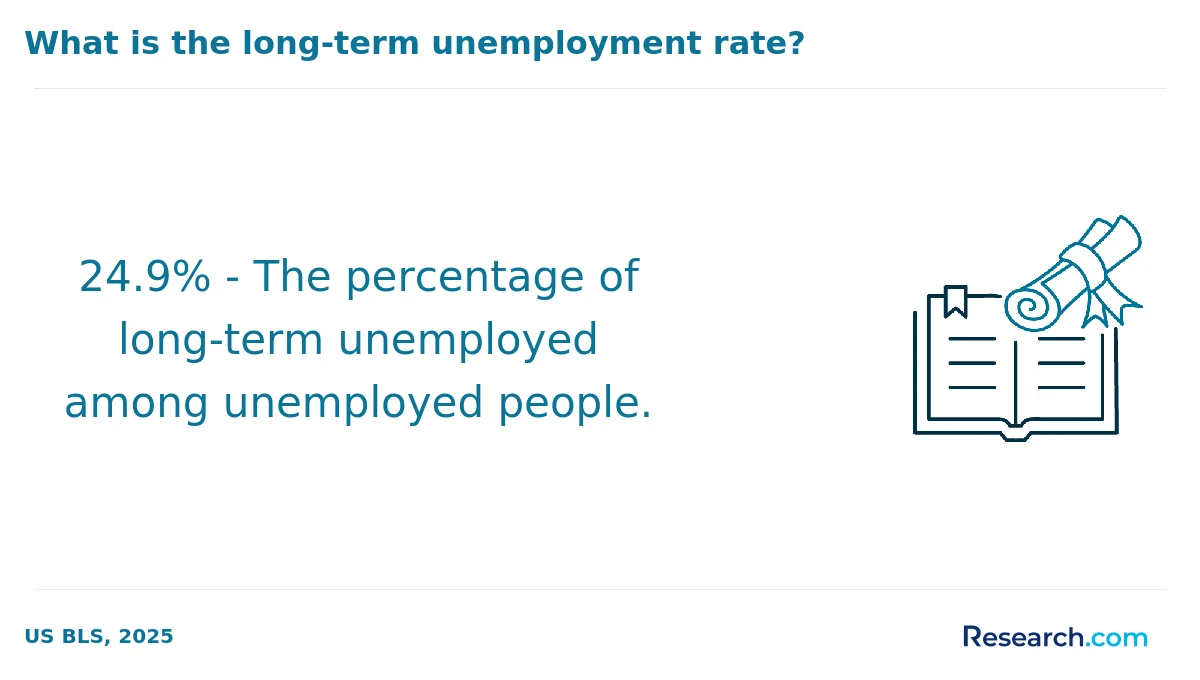
Financial aid for Tampa trade school students may include scholarships, grants, workforce funding, employer tuition assistance, and federal aid for eligible accredited programs. Availability depends on the school, program, student eligibility, and whether the credential meets funding requirements.
Students at Southern Technical College often work with the school’s financial aid office to identify scholarships and grants. One example is the Trax Credit Union Trade Scholarship, which awards $500 to three qualifying students annually. Smaller awards may not cover a full program, but they can help with fees, tools, transportation, or books.
The Open Door Scholarship Program, supported by the Florida Department of Education and available at places like Hillsborough Community College, covers tuition for high-demand fields such as healthcare and IT. This type of funding can be especially useful for students entering occupations with clear workforce demand.
CareerSource Tampa Bay's Workforce Innovation and Opportunity Act (WIOA) program can help unemployed or underemployed individuals pay for training-related expenses, including tuition assistance for books and supplies. Veterans and young adults from low-income families may also find targeted support through workforce and community programs.
Some Tampa employers offer tuition assistance or reimbursement, particularly when the training supports a needed role. Eligible students in accredited programs may also qualify for federal Pell Grants. Before enrolling, students should confirm the program’s aid eligibility in writing and ask whether funds are paid upfront, reimbursed after completion, or tied to attendance and academic progress.
- Start with the school’s financial aid office. Ask which programs qualify for aid and which do not.
- Contact CareerSource Tampa Bay early. Workforce funding can have eligibility steps and approved training lists.
- Ask employers about reimbursement. Some companies support training for current or future employees.
- Check deadlines. Scholarships and grants may have limited award cycles.
Most Tampa trade school certificate programs use straightforward admissions requirements, but prerequisites vary by field. Hands-on trades may require students to meet age, education, transportation, physical, safety, and background-check requirements before they can begin labs, fieldwork, or apprenticeship placement.
For example, graduates from Hillsborough Community College's apprenticeship programs often note that being at least 18 years old is important for both eligibility and safety rules in trades such as electrical work and plumbing.
Common prerequisites include:
- Being 18 years or older, ensuring maturity and compliance with federal safety standards.
- Having a high school diploma or GED, which provides foundational skills needed for technical understanding and communication.
- Possessing a valid driver's license and reliable transportation, since many course sites and job locations in Tampa can be spread out.
- Physical ability to perform tasks such as lifting heavy materials or standing long hours, common in construction and HVAC programs.
Some programs may also require background checks, drug screening, immunization records, placement tests, interviews, prerequisite courses, or proof of basic math and reading skills. These requirements are especially common when students enter healthcare settings, work near sensitive populations, or participate in employer-sponsored placements.
High school students who want an early start can explore Tampa's CTE tracks. These options may require passing certain assessments or preparatory classes, but they can help students build technical confidence before committing to a full adult certificate or apprenticeship program.
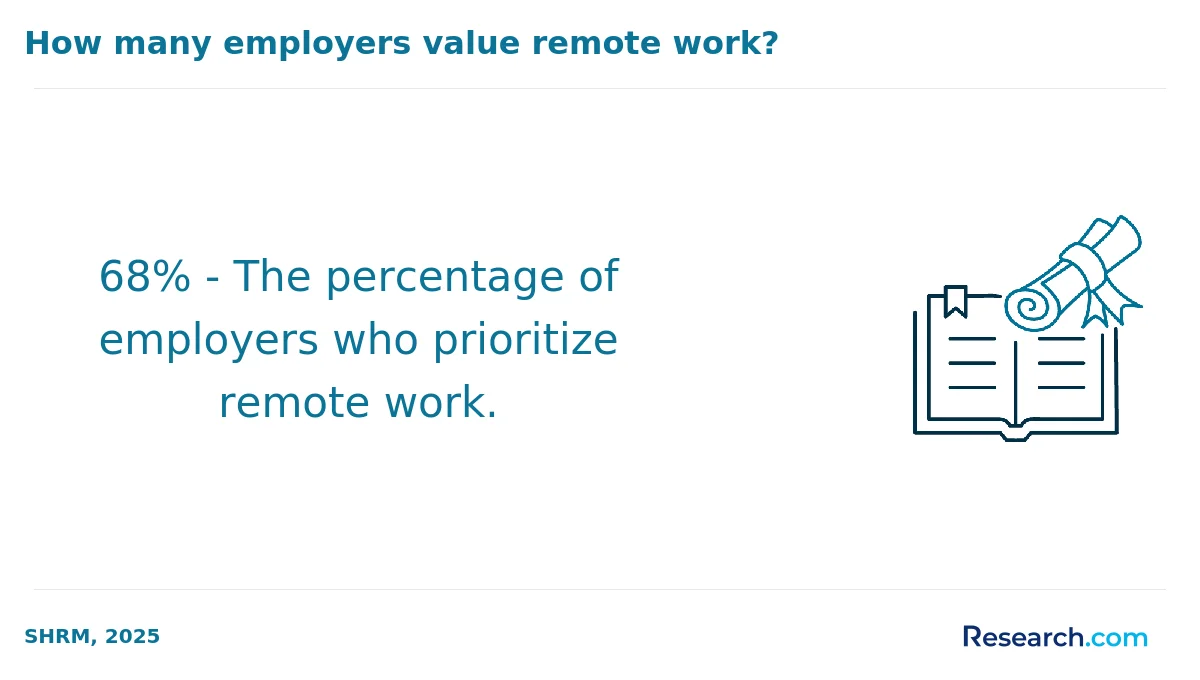
Courses in Tampa trade school certification programs are usually practical and occupation-specific. Students can expect a combination of technical theory, safety procedures, tool or equipment use, supervised practice, and career preparation. The exact course list depends on the field.
Healthcare programs at institutions such as Hillsborough Community College may include Certified Clinical Medical Assistant, IV Therapy, Certified Nursing Assistant, Phlebotomy Technician, and Patient Care Technician training. These programs align with Tampa’s healthcare needs and often emphasize patient care skills, procedures, documentation, and workplace professionalism.
Technical and skilled trade programs may cover electricians, mechatronics, welding, HVAC/R, plumbing, Electrical Line Work, and Robotics. These courses commonly include lab work, safety training, troubleshooting, applied math, blueprint or schematic reading, tools, materials, and equipment-specific practice.
Students interested in digital, business, or office technology skills may find courses in Microsoft Excel, Power BI, Project Management, QuickBooks, CompTIA IT certifications, digital media, and culinary arts. These fields can support careers in Tampa’s business, technology, hospitality, and creative sectors.
Examples of certificate programs in Tampa trade schools include:
- Healthcare certifications like Phlebotomy Technician and Patient Care Technician
- Technology training, including CompTIA IT certifications
- Skilled trades such as Electrical Line Work and Robotics
- Digital media and culinary arts programs
Students comparing related online options may also review the most affordable online freight broker training, particularly if they are interested in transportation, logistics, or business-oriented trade pathways.
The best trade school certification program in Tampa is the one that fits your target job, budget, schedule, and credential needs. A low-cost program is not a good value if employers do not recognize it, and a well-known school may not be the right choice if it does not prepare students for the specific role they want.
Start by checking whether the certification program is approved by relevant local workforce organizations, such as CareerSource Tampa Bay. Graduates from institutions such as Ultimate Medical Academy often point to workforce approval, financial aid access, and career services as factors that helped them move from training into employment.
Next, compare industry relevance. Programs at Hillsborough Community College, for example, align some certifications with in-demand skills such as robotics and cloud computing. For skilled trades, look for hands-on labs, current equipment, safety training, and credentials such as OSHA or AWS when those credentials match the occupation.
Cost and flexibility also matter. Students who work full time or have family responsibilities may need evening, hybrid, virtual, or accelerated options. However, flexible scheduling should not replace essential hands-on training in fields where supervised practice is required.
- Verify accreditation, approval, or eligibility. Confirm whether the school and program meet requirements for aid, transfer, employment, or licensure.
- Ask about job outcomes. Request placement support details, employer partners, apprenticeship connections, and typical entry-level roles.
- Review the curriculum. Make sure the courses match the job title you want, not just a broad field.
- Calculate total cost. Include tuition, fees, tools, supplies, exam fees, transportation, and lost work time.
- Visit if possible. For hands-on trades, inspect labs, equipment, class size, and instructor access.
Students comparing online options can also review best online vocational trade schools to understand how virtual programs differ in structure, support, and flexibility.
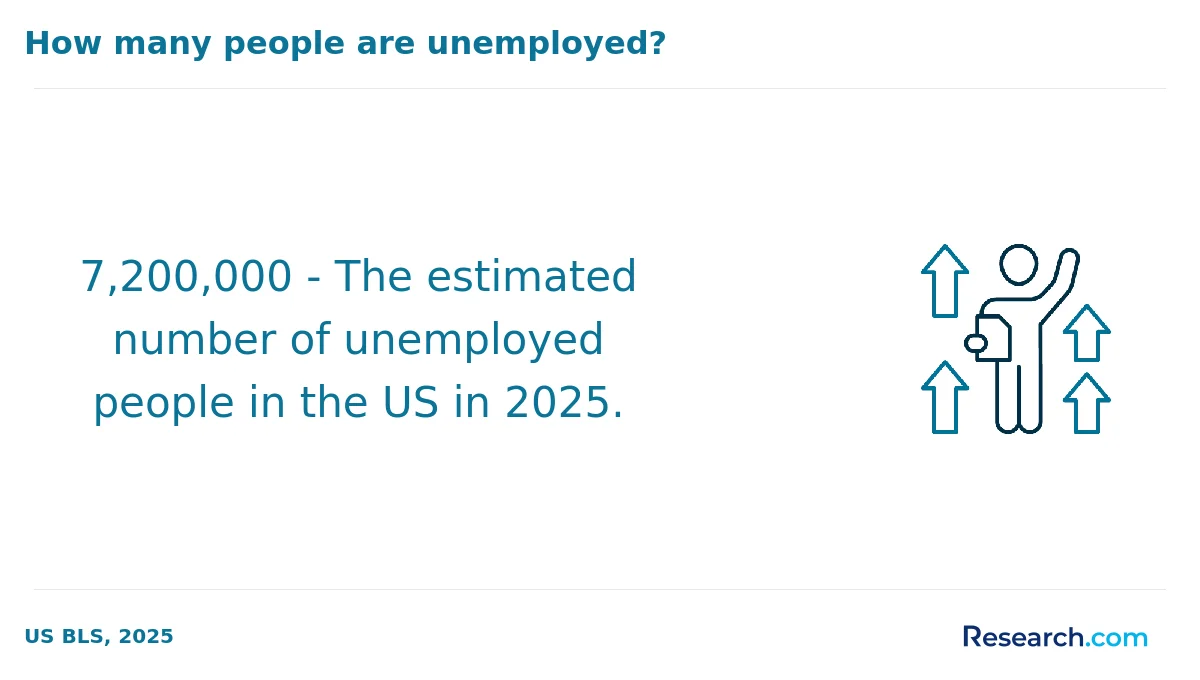
Trade school certification program graduates in Tampa can pursue careers in utilities, construction, manufacturing, aviation, hospitality, maintenance, transportation, logistics, healthcare, digital media, and technical services. The most appropriate path depends on the certificate, practical experience, and whether the occupation requires additional licensing, apprenticeship hours, or employer-sponsored training.
Electrical line worker certification can prepare students for roles such as apprentice line worker or electrical technician. Programs may include OSHA 10-Hour and CPR & AED credentials, which can support entry into the electric utility sector.
Mechatronics, robotics, and aircraft electronics can lead to roles in advanced manufacturing and aviation maintenance. These fields suit students who enjoy diagnostics, mechanical systems, electronics, automation, and equipment repair.
Culinary arts graduates may enter Tampa’s hospitality and tourism sector as chefs, cooks, catering staff, or kitchen managers. Power equipment technology can support technician and service management roles in transportation, logistics, and equipment maintenance.
- Electrical line worker or technician
- Mechatronics and robotics specialist
- Culinary arts chef or kitchen manager
- Power equipment maintenance technician
- Digital media designer or video editor
Students interested in technical maintenance can compare Tampa-based programs with flexible alternatives such as low cost online maintenance technician trade programs. Online options may be useful for theory and foundational learning, but students should verify whether hands-on skills or employer-recognized credentials require in-person training.
The job market for trade school certification program graduates in Tampa is strong in several skilled and technical areas, supported by the city’s expanding economy and ongoing labor shortages in key trades. Employers continue to need certified workers in areas such as plumbing, maintenance, fire alarm installation, healthcare support, HVAC, and technical services.
Graduates from Tampa trade schools often find demand for entry-level roles, with starting wages ranging from $17.51 to $26.69 per hour in some fields. Employer partnerships can make a major difference because internships, apprenticeships, and hands-on training help students prove they can perform real job tasks. Apprenticeships with companies such as Roto-Rooter may provide paid training, benefits, and first-year earnings approaching $55,000.
Several factors support the outlook for trade school graduates in Tampa:
- Flexible learning options at Tampa schools, such as evening and online classes, help career changers and workers upskill.
- Digital skills such as 3D modeling can improve employability in technical and design-adjacent roles.
- Healthcare demand supports opportunities for certified medical and pharmacy technicians.
- Local employer partnerships can shorten the gap between training and paid work.
Students pursuing HVAC may also compare flexible and affordable routes, including cheap online hvac trade school programs. Before choosing an online HVAC option, students should confirm whether the program includes hands-on requirements, prepares them for relevant exams, and is recognized by Tampa-area employers.
Overall, Tampa’s trade school job market is favorable for students who choose current, employer-aligned training and understand that the certificate is often the first step. The best long-term outcomes usually come from combining a recognized credential with reliability, safety awareness, continued learning, and practical experience.
Most Affordable Certificate Programs - Leading Certification Courses in Tampa for 2026
# 1 position
Hillsborough Community College - Opticianry/Ophthalmic Dispensing Optician.
certificate or diplomaThe Opticianry/Ophthalmic Dispensing Optician program at Hillsborough Community College is fully online and prepares students to fit corrective eyewear prescribed by ophthalmologists or optometrists. The curriculum covers optics, eye anatomy, prescription interpretation, contact lens fitting, and patient and business administration. Annual in-state tuition is $2,506. Graduates have a median earnings of $48,106 one year after completion. The program is accredited by the Southern Association of Colleges and Schools Commission on Colleges.
# 2 position
Hillsborough Community College - Interior Design.
certificate or diplomaThe Interior Design program at Hillsborough Community College prepares students in applying artistic principles to the planning, designing, and furnishing of interior spaces. The curriculum covers computer applications, drafting, interior lighting, acoustics, systems integration, color coordination, furniture, textiles, and structural design. Students also learn about building codes, inspection regulations, and design applications for offices, hotels, factories, restaurants, and housing. Annual in-state tuition is $2,506. The program is accredited by the Southern Association of Colleges and Schools Commission on Colleges.
# 3 position
Hillsborough Community College - Dental Assisting/Assistant.
certificate or diplomaThe Dental Assisting/Assistant program at Hillsborough Community College offers a hybrid format with some distance-education options. It prepares students to assist dentists and hygienists by providing patient care, taking dental radiographs, and managing office administrative tasks. Instruction covers medical record-keeping, scheduling, equipment maintenance, sterilization, chairside assisting, and supervised practice. Annual in-state tuition is $2,506. The program is accredited by the Southern Association of Colleges and Schools Commission on Colleges.
# 4 position
Hillsborough Community College - Medical Office Management/Administration.
certificate or diplomaHillsborough Community College offers a Medical Office Management/Administration program with a hybrid format that includes some distance education. The program prepares students to manage business operations in medical or clinical offices, covering areas such as financial record-keeping, personnel supervision, and healthcare policy administration. Accredited by the Southern Association of Colleges and Schools Commission on Colleges, the annual in-state tuition is $2,506. Median earnings one year after completion are $25,067.35.
# 5 position
Hillsborough Community College - Medical Insurance Specialist/Medical Biller.
certificate or diplomaHillsborough Community College offers a Medical Insurance Specialist/Medical Biller program designed to prepare students for managing medical and health insurance operations. The hybrid program covers health insurance law, billing procedures, office administration, and medical terminology. Tuition for in-state students is $2,506 annually. Graduates have median earnings of $25,067 one year after completion. The program is accredited by the Southern Association of Colleges and Schools Commission on Colleges.
# 6 position
Hillsborough Community College - Medical Administrative/Executive Assistant and Medical Secretary.
certificate or diplomaThe Medical Administrative/Executive Assistant and Medical Secretary program at Hillsborough Community College offers a hybrid format with some distance-education options. It prepares students to support physicians, nurses, and health care administrators through training in medical terminology, communications, health care operations, software applications, and professional ethics. The annual in-state tuition is $2,506. The program is accredited by the Southern Association of Colleges and Schools Commission on Colleges. Median earnings one year after completion are $25,067.35.
# 7 position
Hillsborough Community College - Welding Technology/Welder.
certificate or diplomaHillsborough Community College offers a Hybrid Welding Technology/Welder program that prepares students to apply technical skills in various welding methods, including arc, resistance, brazing, soldering, and high-energy beam welding. The curriculum covers welding metallurgy, safety, structural design, and relevant codes. Annual in-state tuition is $2,506, and median earnings one year after completion are $24,327. The program is accredited by the Southern Association of Colleges and Schools Commission on Colleges.
# 8 position
Hillsborough Community College - Computer Numerically Controlled (CNC) Machinist Technology/CNC Machinist.
certificate or diplomaHillsborough Community College offers a hybrid Computer Numerically Controlled (CNC) Machinist Technology program that prepares students to operate CNC machine tools and perform machining functions. The curriculum covers CNC programming, setup, troubleshooting, blueprint reading, lathe and mill operations, technical math, CAD/CAM systems, and safety practices. Annual in-state tuition is $2,506. The program is accredited by the Southern Association of Colleges and Schools Commission on Colleges. Median earnings one year after completion are $24,327.
# 9 position
National Personal Training Institute-Tampa - Physical Fitness Technician.
certificate or diplomaThe Physical Fitness Technician program at National Personal Training Institute-Tampa is a hybrid program preparing students for roles in health clubs, wellness centers, hospitals, and corporate fitness programs. It covers human anatomy, physiology, exercise science, nutrition, personal training, and customer service. Graduates have median earnings of $18,641 one year after completion. The program is accredited by the Accrediting Commission of Career Schools and Colleges.
# 10 position
Concorde Career Institute-Tampa - Dental Assisting/Assistant.
certificate or diplomaThe Dental Assisting/Assistant program at Concorde Career Institute-Tampa is a hybrid course designed to prepare students for patient care, dental radiography, and office administrative duties under dental professionals' supervision. It covers medical record-keeping, equipment maintenance, sterilization, chairside assisting, and patient care. The program is accredited by the Accrediting Commission of Career Schools and Colleges. Median earnings one year after completion are $27,152.
Frequently Asked Questions about trade school certificates
After completing trade school certification programs in Tampa, effective preparation for the job market is essential. First, graduates should utilize career services offered by their institutions, which often provide job placement assistance and resume workshops tailored to local industries. Networking within Tampa's trade communities can open doors; organizations like the Tampa Bay Chamber of Commerce offer valuable connections.
Gaining hands-on experience through internships or apprenticeships, common in trades such as HVAC or electrical work, considerably improves employment chances. According to the U.S. Bureau of Labor Statistics, Tampa's skilled trades sector grew by 4.5% in 2023, highlighting increased opportunities.
Finally, staying updated on required certifications and pursuing continuing education ensures competitiveness in the evolving Tampa job market.
Employers in Tampa highly value trade school certification graduates who demonstrate strong technical skills relevant to their industries. For example, proficiency in HVAC systems, welding techniques, or electrical systems is often a top requirement, reflecting Tampa's demand for skilled tradespeople in construction and manufacturing sectors. According to the Florida Department of Economic Opportunity, employers seek workers with up-to-date certifications and hands-on experience.
In addition to hard skills, soft skills such as communication, problem-solving, and time management are crucial. A 2023 survey from Tampa Bay business groups revealed that over 70% of employers prioritize these abilities when hiring certified trade workers. Graduates who combine technical expertise with these interpersonal skills tend to have better job prospects and career advancement opportunities.
Finding internships in Tampa that align with your trade school certification program starts with utilizing local resources. The Tampa Bay Workforce Development Board offers internship listings tailored to skilled trades such as HVAC, electrical, and construction. Many trade schools also have career services departments that connect students with employers seeking interns.
Apart from institutional support, platforms like Handshake and Indeed list internships specifically in Tampa, with many roles suited for trade certification holders. Networking through industry associations, such as the Florida Home Builders Association, can also uncover opportunities often not publicly advertised.
According to the Tampa Bay Economic Development Council, the construction and manufacturing sectors are growing at a rate of 3% annually, increasing demand for apprentices and interns. This trend suggests more internship positions will be available across relevant trade fields in the near future.
Trade school certification programs in Tampa significantly enhance career mobility and advancement opportunities for many individuals. These programs provide hands-on skills that meet the demands of local industries such as construction, healthcare, and automotive services. According to the Florida Department of Education, graduates of trade certification programs in Tampa report higher employment rates-up to 85% within six months post-completion-compared to those without specialized training.
Many Tampa employers value certifications as proof of job readiness and reliability. Certifications often lead to immediate wage increases; the U.S. Bureau of Labor Statistics notes that trade certificate holders can earn 10-20% more than their uncertified peers.
The shorter duration of trade programs, usually under two years, allows quicker reentry into the workforce and faster career advancement, especially in high-demand technical roles. This acceleration is crucial in Tampa's competitive job market.
Part-time job opportunities in Tampa can effectively complement trade school certification program education by providing practical experience and reinforcing learned skills. Positions in construction, automotive repair, and hospitality frequently align with popular trade certifications such as welding, HVAC, and culinary arts. According to the U.S. Bureau of Labor Statistics, Tampa's hospitality sector employed over 70,000 people in 2023, offering numerous flexible part-time roles for students.
Additionally, retail jobs in hardware stores or electronics outlets offer hands-on learning environments relevant to trade students. Local job boards and Tampa Workforce Centers often list part-time openings suited for those pursuing technical skills, helping students balance work and study while gaining relevant industry exposure.
Yes, there are affordable degree programs available near Tampa, FL, offered by various universities and community colleges that provide diverse fields of study at competitive tuition rates. Prospective students looking for colleges "near me" can explore local institutions where programs are tailored to meet a wide range of professional and academic goals. Research.com can be a helpful resource for evaluating different programs and comparing options based on affordability and educational quality.
- How Long is Trade School? - Best Trade Schools https://www.best-trade-schools.net/next-student-guide/what-is-a-trade-school/length/
- Research - Most Affordable Online Maintenance Technician Trade School Programs https://research.com/education/most-affordable-online-maintenance-technician-trade-school-programs
- Trade Schools: Choose a Vocational School for Your Best Career! https://www.trade-schools.net/
- Financial Assistance - Tampa Training at HCC Institute for Corporate and Continuing Education https://www.tampatraining.com/financial-assistance/
- Florida Trade Academy is the Trade Secret for Success - Florida Trade Academy https://floridatradeacademy.org/florida-trade-academy-is-the-trade-secret-for-success/
- Trade Schools & Certification Programs - ccmrwithmsthrash https://ccmrwithmsthrash.com/trade-schools-certifications/
- Bay area trade, technical schools see increase in enrollment https://baynews9.com/fl/tampa/news/2024/06/26/trade---technical-schools-see-increase-in-enrollment
- Home | Tampa Vocational Ins https://www.tampavocational.com/
- Trade School Programs & Courses | UEI College https://www.uei.edu/trade-school-programs/
- 1/30/25 - Hands-On Learning vs. Traditional Education: Why the Trades Offer the Best of Both Worlds - Gould Construction Institute https://www.gwgci.org/hands-on-learning-vs-traditional-education-trades/