Best Trade School & Training Programs - Leading Certification Courses in Sarasota for 2026

Co-Founder and Chief Data Scientist
Choosing the right trade school in Sarasota can feel overwhelming, but it doesn’t have to be. This article introduces the best trade school programs for 2026, featuring a detailed ranking created by the Research.com team of data scientists. Their careful analysis helps you make an informed decision based on real data.
Whether you’re seeking a diploma or certification, trade schools offer valuable skills that open doors to rewarding careers. Reading this guide will give you confidence and insight to find the program that fits your goals and lifestyle.
Key benefits of finishing trade school programs trade school in Sarasota
- Expected salary: Trade school graduates in Sarasota can earn between $46,900 and $75,700 yearly, with top earners making up to $92,852, giving you a strong financial start compared to many entry-level jobs.
- Popular career paths: Many graduates pursue skilled roles such as electricians, HVAC technicians, welders, medical assistants, and culinary professionals, all promising steady job opportunities and growth.
- Online education benefits: Completing a trade certification online offers flexible scheduling and quicker entry into the workforce, making it easier to balance life and studies while still gaining valuable skills.
- Best Trade School & Training Programs - Leading Certification Courses in Sarasota for 2026
- What can I expect from trade school programs trade schools in Sarasota?
- Where can I work after finishing trade school programs trade schools in Sarasota?
What can I expect from trade school programs trade schools in Sarasota?
The average cost of a trade school program in Sarasota typically ranges between $2,500 and $5,000, depending on the specific program and school. For example, graduates from Suncoast Technical College often highlight the affordability paired with high-value, hands-on training that directly prepares them for local job markets. Many students appreciate how this cost compares favorably with traditional four-year colleges while delivering targeted skills and certifications.
Students attending Manatee Technical College, which offers over 50 programs, note that the investment covers practical lab work, apprenticeships, and instruction aligned with Florida State Standards. This approach not only reduces time spent in school but also enhances employment opportunities, making the cost reasonable and efficient. Several graduates report that financial aid, scholarships, and flexible payment plans further ease the tuition burden.
Day and evening classes, coupled with online options, provide convenience to working adults, adding intangible value to the cost. Graduates often mention feeling confident about their return on investment, thanks to strong employer connections and relevant certifications tailored for Sarasota's job market.
Where can I work after finishing trade school programs trade schools in Sarasota?
Graduates from trade school programs in Sarasota often find immediate employment in high-demand skilled roles such as HVAC technicians, electricians, plumbers, maintenance technicians, and welders. For example, many who complete training at Suncoast Technical College report securing positions with local contractors, utility companies, or manufacturing firms shortly after finishing their programs. These opportunities offer competitive salaries, with electricians earning between $85,000 and $120,000 annually and plumbers making $40,000 to $80,000.
Many alumni begin their careers as apprentices or assistants, gradually advancing to licensed technicians or supervisors. This career progression is common among HVAC and electrical program graduates, who benefit from structured on-the-job training alongside classroom learning. Networking and career placement services at Sarasota's trade schools further enhance job prospects by connecting students to local employers in construction, healthcare, automotive technology, and information technology sectors.
Trade school graduates also find rewarding roles in healthcare settings such as hospitals and clinics, especially those completing programs in medical assisting or practical nursing. These practical pathways provide stable employment within Sarasota's growing local economy and vibrant job market.
Graduates from trade school programs in Sarasota can expect average annual earnings of around $62,349, translating to about $29.98 per hour. For many, this means starting salaries near $25,070, while those steadily gaining skills and experience can see wages climb above $75,700. Some top graduates reach as high as $92,852 annually, reflecting strong potential for career growth.
Students from well-regarded local schools, such as Sarasota County Technical Institute, report average salaries near $72,427 annually, capturing a snapshot of successful career entry points in this region. These figures often come from graduates embracing hands-on trades like electrical work or plant operations, where hourly rates range from about $17.44 to nearly $30.
With multiple trade paths available and an active job market, graduates frequently share positive experiences of quickly finding rewarding jobs that balance solid pay with skill development. The connection between local trade school training and employer demand in Sarasota fosters an encouraging environment for new professionals ready to advance their careers.
- Most Sarasota trade schools require a high school diploma or GED for admission, with no SAT or ACT needed.
- Programs offered include healthcare, manufacturing, engineering technology, public safety, and information technology.
- Total tuition and fees typically range from $5,000 to $20,000 for programs lasting 6 to 24 months.
- Many schools offer rolling admissions and several start dates yearly for flexible enrollment.
- Entry-level salaries for graduates generally range from $35,000 to $55,000, with potential to earn $50,000 to $75,000 or more with experience.
Trade school programs in Sarasota usually take between 12 and 24 months to complete when attending full-time. For example, graduates from Manatee Technical College share that the Electrician Program's 1,500-hour requirement translates to about 13 months of intensive study. Those balancing jobs often choose part-time schedules, stretching completion to around 25 months without sacrificing quality.
At Meridian College, many students pursuing Cosmetology or Dental Assisting report finishing their programs within 12 to 24 months. This range fits well with learners aiming for rapid workforce entry while maintaining flexibility.
Suncoast Technical College offers over 30 programs, with some specialized healthcare tracks lasting approximately 13 months full-time. Graduates appreciate the fast, concentrated format that opens doors quickly in high-demand fields like healthcare and construction.
Many Sarasota trade schools use a clock-hour system, allowing students to progress at their own pace. Occupational completion points enable learners to earn credentials in stages, boosting motivation and providing early industry recognition within months of starting.
The key difference between online and on-campus trade school programs in Sarasota lies in how students engage with their coursework and training. Online programs, like those at Suncoast Technical College and State College of Florida, offer the flexibility to study from home or work, which is ideal for adult learners balancing jobs or family. Graduates often appreciate being able to access materials and communicate with instructors virtually without commuting, making education more manageable alongside other responsibilities.
On the other hand, on-campus programs require physically attending classes and hands-on training, essential for trades like healthcare, construction, or automotive technology. For example, Manatee Technical College emphasizes real-world labs and apprenticeships, creating immersive experiences that graduates recall as crucial to building confidence and job readiness.
Hybrid models provide a middle ground, blending online theory with in-person practice. However, fully online programs may limit practical experience, so students focusing on licensure or equipment-heavy fields should weigh these factors carefully when choosing in Sarasota's trade schools.
When evaluating the average trade school cost in Sarasota, tuition and fees typically range between $10,000 and $14,000 annually for most programs. Public institutions such as the State College of Florida, Manatee-Sarasota, offer lower-division tuition around $2,460 per year, while upper-division courses rise to approximately $9,276. Graduates from these schools often share positive feedback about the affordable starting point, which makes pursuing a trade certification feel achievable and less financially intimidating.
In contrast, private trade schools in the Sarasota area tend to have higher annual total costs, sometimes reaching $18,500 to $37,500, especially after including materials and lab fees. For example, specialized programs like nursing at Galen College calculate tuition per credit hour with costs between $430 and $515, plus additional fees. Many students appreciate how the hands-on training and smaller class sizes provide a rewarding, practical learning environment despite the higher costs.
Beyond tuition, total educational expenses in Sarasota-including books, supplies, and living costs-can push the yearly investment up to $29,000 or more for full-time students. However, many find financial aid and scholarships beneficial in managing these expenses. Prospective students exploring options for trade certification can also find valuable resources through affordable appliance repair online training, a practical and often budget-friendly path linked to the Sarasota trade school tuition and fees scenario.

Trade school students in Sarasota often rely on diverse financial aid options to manage tuition and associated costs. For example, many graduates from Gulf Coast Technical College have benefited from the Federal Pell Grant, which can award up to $7,395 annually based on financial need, offering substantial relief without repayment obligations. Additionally, the Federal Supplemental Educational Opportunity Grant (FSEOG) supports those with exceptional need, enhancing aid packages further.
Local scholarships also play a crucial role. Students at Suncoast Polytechnical High School recall applying through the Gulf Coast Community Foundation's multiple funds, a resource that has distributed over $11.5 million since 1997. Similarly, the Education Foundation of Sarasota County's Career and Technical School Scholarship targets Sarasota residents, helping many recent graduates progress confidently in their careers. Another key avenue is the Traditional Scholarship Application, connecting residents under 24 to over 80 scholarships, broadening financial accessibility.
For students facing financial hardship, CareerSource Suncoast sponsorships provide practical support by covering costs like registration and lab fees, proven to ease stress and allow concentration on studies. Veterans and active-duty military personnel find tailored assistance via VA education benefits for trade programs.
Completing the FAFSA is a common step students share, essential for unlocking most aid sources. Schools frequently offer financial aid advisors whose guidance ensures applicants maximize available support, leaving students hopeful and empowered as they embark on their trade education in Sarasota.
Enrolling in a trade school program in Sarasota typically requires a high school diploma or a GED, which serves as the foundational prerequisite. Graduates from local institutions often highlight how this baseline ensured they were prepared for the technical challenges ahead.
More specialized programs, such as those in health sciences at Sarasota Memorial Health Care System, add layers to these requirements. For example, applicants must be at least 18 years old and have completed relevant college coursework like Human Anatomy, Physiology, or Medical Terminology, usually with a grade "C" or higher. Official transcripts and any necessary licenses must also be submitted, which graduates recall as a clear step that validated their readiness and commitment.
Entrance exams are common for schools like Galen College of Nursing, where minimum scores on tests like the ACT (20), SAT (1100), or ATI TEAS (58.7) are expected. Some students find that holding a prior bachelor's degree can waive these tests, easing their application process.
For younger students pursuing high school-based technical training at places like Suncoast Polytechnical High School, demonstrating proficiency on state assessments-such as Florida's FAST ELA & Math or B.E.S.T. Algebra 1-is key. Maintaining "B" grades or higher across classes strengthens these candidacies.
- High school diploma or GED as a standard first step
- Age minimum (usually 18) for advanced health programs
- Completion of prerequisite college courses with passing grades
- Passing entrance exams with specified minimum scores
- Proof of transcripts and licenses when applicable
- Strong academic records and state assessment proficiency for high school programs
These clear requirements help Sarasota trade school students feel confident in their preparation and excited for the skills they are about to master in their chosen fields.
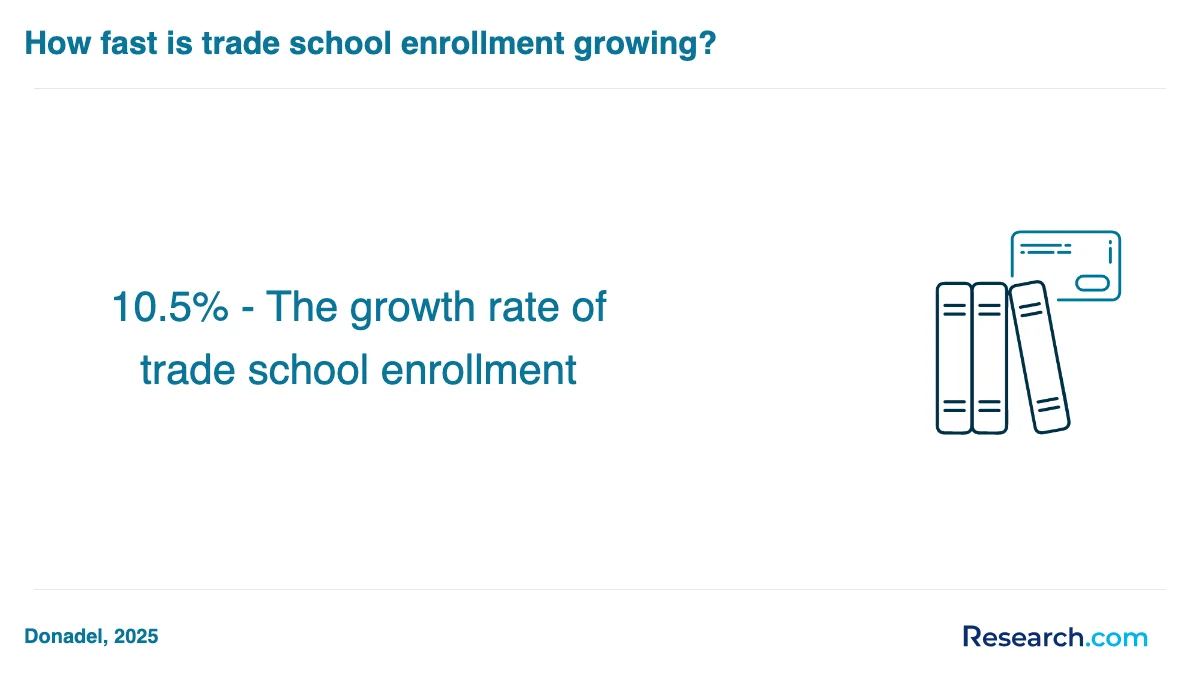
Trade school programs in Sarasota equip students with practical, in-demand skills across diverse fields to meet both local and regional workforce needs. At Suncoast Technical College, graduates highlight their hands-on learning in courses such as:
- Business & IT, including e-commerce, management, and legal administration
- Practical Nursing and Emergency Medical Services/Fire/EMT, where clinical experience is emphasized
- Criminal Justice and Engineering with a focus on robotics and technology
- Animation/Game Arts & Simulation for creative technology careers
Meanwhile, Manatee Technical College offers training in 13 of Sarasota's 15 high-demand industries, with students enjoying hybrid programs that mix online and lab-based learning. Popular courses here include:
- Automotive Technology and Welding
- Construction and HVAC
- Cosmetology and Culinary Arts
- Manufacturing and English for Speakers of Other Languages (ESOL)
The State College of Florida complements these with associate degrees and certificates in areas like Digital Publishing, Graphic and Web Design, and Hospitality and Tourism, preparing students for immediate employment. Sarasota trade schools align curriculum closely with industry needs, ensuring graduates feel confident stepping into roles that demand practical, applied skills.
Trade school programs in Sarasota offer diverse specializations tailored to local job markets, making it easier for graduates to secure rewarding careers. Healthcare fields such as practical nursing and emergency medical services are highly popular, with graduates often praising hands-on training at institutions like Suncoast Technical College. Many find themselves well-prepared for patient care or administrative roles immediately after certification.
Industrial and technical training is comprehensive, covering automotive technology, marine service, and welding. For example, students at Suncoast Polytechnical High School engage in engineering and robotics pathways that incorporate mechanical and environmental engineering principles. Local manufacturers and builders benefit from graduates trained through these programs.
Business and IT programs at State College of Florida deliver skills in management, accounting, and digital design, empowering students to enter Sarasota's growing tech and service sectors. Students report positive experiences advancing from certificates to associate degrees, gaining competitive advantages.
Creative and digital arts also thrive, highlighted by animation and gaming courses at Suncoast Polytechnical High, which foster careers in digital entertainment. Additionally, other specializations like culinary arts and hospitality meet Sarasota's vibrant tourism industry demands.
Those interested in trade careers should explore accredited construction trade schools nearby, supporting skills vital to the region's development.
Choosing the best Sarasota trade school programs begins with pinpointing your career goals and matching them to schools like Suncoast Technical College or Sarasota County Schools, where graduates often praise the hands-on training and modern facilities. These institutions provide pathways in healthcare, engineering, and business entrepreneurship, with programs tailored to local industry demands.
Comparing program accreditations and reputation is critical. Sarasota's accredited schools maintain high standards recognized by employers, ensuring your education translates to real job opportunities. Graduates frequently highlight the small class sizes and personalized attention that boost their confidence and learning outcomes.
How to compare Sarasota trade school costs involves assessing tuition, financial aid availability, and net price differences. Some students found scholarships and flexible payment options that made tuition manageable. For example, considering a specialized route might benefit from exploring most affordable electrical lineworker programs online accessible to Sarasota residents seeking cost-effective alternatives.

Trade school graduates in Sarasota benefit from diverse career opportunities for trade school graduates in Sarasota, supported by programs at local institutions like Suncoast Technical College and Manatee Technical College. Healthcare roles such as licensed practical nurses, dental assistants, and EMTs remain highly accessible, with students often sharing how hands-on clinical training quickly prepares them for rewarding healthcare careers.
Skilled trades and industrial technologies are vital to Sarasota's economic growth. Graduates become electricians, HVAC technicians, or welders, aligning with ongoing construction projects and benefiting from paid apprenticeships that improve job readiness. These real-world training experiences foster confidence and financial stability early in their careers.
Creative and business-focused graduates find a foothold through certificates and associate degrees at the State College of Florida and technical schools, pursuing graphic design, entrepreneurship, and digital publishing roles. This breadth of options highlights the strong Sarasota trade school programs and job outlook for individuals seeking dynamic, skill-based employment.
Other paths include criminal justice, culinary arts, and hospitality, matching Sarasota's vibrant service sector.
- Healthcare: LPNs, EMTs, pharmacy technicians
- Skilled trades: electricians, plumbers, carpenters
- Business and IT: graphic design, digital publishing, entrepreneurship
- Additional fields: criminal justice, tourism, cosmetology
Graduates attest that partnerships between trade schools and local employers create smooth transitions from training to paid jobs, perfectly illustrating the benefits of choosing a trade career in Sarasota.
The job outlook for trade school graduates in Sarasota remains highly favorable, reflecting a 9.1% job growth in the county from 2018 to 2023, nearly twice the national average. Graduates from local trade schools often find opportunities in construction, welding, HVAC, electrical work, and commercial truck driving, which align with Sarasota's booming housing developments and infrastructure projects. For instance, in June 2025, the issuance of 156 single-family home building permits signaled strong demand for skilled construction workers. Employers frequently emphasize difficulty in finding qualified candidates without four-year degrees, boosting the Sarasota trade school graduate employment rate.
Successful graduates report hands-on training at Sarasota County Schools' Career & Technical Education programs and popular local trade schools as decisive for landing jobs quickly. Many graduates thrive in sectors such as healthcare, manufacturing, and retail, which continue to hire robustly. For students exploring beauty and cosmetology, cosmetology schools with online courses offer flexible options, blending practical skills with growing local demand.
- Strong regional population growth (+10% over 5 years) fuels new job creation
- Real wages rising for skilled trade positions
- Local partnerships between employers and trade schools enhance job placement
Best Trade School & Training Programs - Leading Certification Courses in Sarasota for 2026
# 1 position
Meridian College - Diagnostic Medical Sonography/Sonographer and Ultrasound Technician.
associateMeridian College offers a Diagnostic Medical Sonography/Sonographer and Ultrasound Technician program with a hybrid format, including some distance-education options. The program trains students to use medical ultrasound techniques for diagnosing various conditions under physician supervision. Instruction covers patient care, sonographic data processing, equipment operation, and professional ethics. Graduates have a median earning of $37,886 one year after completion. The program is accredited by the Accrediting Commission of Career Schools and Colleges.
# 2 position
Suncoast Technical College - Electrician.
certificate or diplomaSuncoast Technical College offers a hybrid Electrician program that prepares students to install, operate, maintain, and repair electrical systems in residential, commercial, and industrial settings. The curriculum covers electrical wiring, motors, controls, safety, testing, inspection, and applicable codes. Instruction includes principles of electronics, power transmission, and job estimation. The program is accredited by the Council on Occupational Education, combining technical knowledge with practical skills.
# 3 position
Suncoast Technical College - Plumbing Technology/Plumber.
certificate or diplomaSuncoast Technical College offers a hybrid Plumbing Technology/Plumber program that prepares students to become licensed plumbers. The curriculum covers technical knowledge and skills for installing and maintaining piping systems used in various environments. Instruction includes water distribution, pressure adjustment, blueprint reading, welding, plumbing inspection, and applicable codes. The program is accredited by the Council on Occupational Education and combines both hands-on and distance-education components.
# 4 position
Meridian College - Medical Office Management/Administration.
associateMeridian College offers a hybrid Medical Office Management/Administration program that prepares students to manage business functions in medical or clinical offices. The curriculum covers office operations, financial record-keeping, personnel supervision, healthcare policy administration, scheduling, public relations, and relevant laws. Graduates have median earnings of $32,764 one year after completion. The program is accredited by the Accrediting Commission of Career Schools and Colleges.
# 5 position
Suncoast Technical College - Nursing Assistant/Aide and Patient Care Assistant/Aide.
certificate or diplomaSuncoast Technical College offers a hybrid Nursing Assistant/Aide and Patient Care Assistant/Aide program that prepares students to provide routine nursing-related services in hospitals or long-term care facilities under nurse supervision. The program is accredited by the Council on Occupational Education. Graduates have median earnings of $40,364 one year after completion, reflecting the practical skills gained through this focused training.
# 6 position
Suncoast Technical College - Industrial Mechanics and Maintenance Technology/Technician.
certificate or diplomaSuncoast Technical College offers a hybrid program in Industrial Mechanics and Maintenance Technology/Technician. The curriculum prepares students to repair and maintain various industrial machinery, including cranes, pumps, engines, pneumatic tools, and conveyor systems. The program is accredited by the Council on Occupational Education, ensuring quality education and training for technical skills in this field.
# 7 position
Suncoast Technical College - Medical Administrative/Executive Assistant and Medical Secretary.
certificate or diplomaSuncoast Technical College offers a hybrid Medical Administrative/Executive Assistant and Medical Secretary program designed to prepare students for roles supporting physicians, nurses, and healthcare administrators. The curriculum covers medical and business communications, terminology, healthcare operations, software applications, scheduling, and professional ethics. The program is accredited by the Council on Occupational Education, providing essential skills for effective healthcare office management and support.
# 8 position
Meridian College - Medical Insurance Specialist/Medical Biller.
certificate or diplomaMeridian College offers a Medical Insurance Specialist/Medical Biller program in a hybrid format with some distance education. The curriculum covers health and medical insurance processes, law, policy, and regulations, as well as office administration and software applications. Students learn billing, collection procedures, medical terminology, and communication skills. The program is accredited by the Accrediting Commission of Career Schools and Colleges. Median earnings one year after completion are $32,764.
# 9 position
Meridian College - Dental Assisting/Assistant.
certificate or diplomaMeridian College offers a Dental Assisting/Assistant program in a hybrid format, combining distance education with in-person instruction. The curriculum trains students in patient care, dental radiography, office administration, and chairside assisting under supervision. Coursework includes medical record-keeping, equipment maintenance, and supervised practice. Graduates have a median earning of $31,980 one year after completion. The program is accredited by the Accrediting Commission of Career Schools and Colleges.
# 10 position
Suncoast Technical College - Automobile/Automotive Mechanics Technology/Technician.
certificate or diplomaSuncoast Technical College offers a hybrid program in Automobile/Automotive Mechanics Technology/Technician preparing students to repair, service, and maintain various automobiles. The curriculum includes brake systems, electrical systems, engine performance and repair, suspension and steering, transmissions, and heating and air conditioning systems. Graduates have median earnings of $27,214 one year after completion. The program is accredited by the Council on Occupational Education.
Frequently Asked Questions about trade school programs
Preparing for the job market after completing trade school in Sarasota involves several important steps. First, graduates should obtain relevant certifications or licenses required in their specific field, such as HVAC or electrical work. According to the Florida Department of Education, 75% of Sarasota trade school graduates find employment within six months of graduation.
Networking is crucial; students should attend local job fairs and connect with industry professionals through Sarasota's chambers of commerce or trade associations. Building a strong resume that highlights technical skills and hands-on experience increases employability.
Internships or apprenticeships, often facilitated by the trade school, provide practical experience and can lead to job offers. Continuous learning and staying updated with industry trends in Sarasota's growing construction and healthcare sectors also improve job prospects.
Employers in Sarasota highly value trade school graduates who possess strong technical skills relevant to their industry. According to the National Center for Education Statistics, expertise in areas such as electrical work, HVAC systems, and automotive repair ranks among the most in-demand skills.
In addition to technical knowledge, soft skills play a crucial role. Communication, problem-solving, and teamwork are regularly highlighted by local employers in industries like construction and healthcare, based on reports by the Sarasota Chamber of Commerce.
Hands-on experience through internships or apprenticeships also increases employability. Surveys show that 70% of trade employers prefer candidates who have demonstrated practical skills in real-world settings.
Finding internships in Sarasota relevant to your trade school program involves several practical steps. Start by contacting your trade school's career services office, as many schools have partnerships with local businesses and maintain lists of available internships.
Sarasota's economy includes thriving sectors like healthcare, construction, and hospitality, which often offer internship opportunities in fields such as nursing, electrical work, and culinary arts. According to the Sarasota County Economic Development Corporation, businesses here actively seek skilled interns to support workforce needs.
You can also explore local job boards and platforms like Indeed or Sarasota's Chamber of Commerce website to find internships posted by employers. Additionally, networking through local trade associations or attending job fairs can connect you with potential placements aligned with your program.
In Sarasota, a trade school diploma significantly enhances career mobility and advancement by providing specialized skills in high-demand industries like construction, healthcare, and technology. According to the Florida Department of Education, individuals with trade credentials often experience faster job placement and salary growth compared to those with only a high school diploma.
Trade diplomas offer practical experience and certification, making graduates attractive to local employers seeking qualified technicians and skilled laborers. With Sarasota's expanding job market, especially in skilled trades, diploma holders can more easily transition to supervisory roles or start entrepreneurial ventures.
Nationally, the Georgetown University Center on Education and the Workforce highlights that many trade careers offer median wages above $55,000 annually, supporting upward financial mobility. In Sarasota, local workforce reports confirm positive employer demand, which benefits trade school graduates seeking career advancement.
Students attending trade schools in Sarasota can benefit from various part-time job opportunities that align with their education. Fields such as HVAC, automotive repair, and healthcare often have entry-level roles available, providing hands-on experience alongside studies. For example, positions like medical assistants or pharmacy technicians are in demand locally, according to the Florida Department of Economic Opportunity.
Retail and customer service jobs at home improvement stores or auto parts shops offer practical exposure related to trades like carpentry or mechanics. Sarasota's strong construction industry also supports part-time opportunities in labor or apprentice roles, complementing learning with real-world tasks. These roles not only enhance skills but may improve employability after graduation.
To find the best degree program near me in Sarasota, FL, start by researching local universities and colleges, as they provide a range of degree offerings tailored to various career paths. Consider visiting Research.com to evaluate program rankings and reviews, which can be helpful in identifying standout institutions. Additionally, contacting the schools directly and speaking with admissions counselors can provide personalized insights into their programs and help you decide based on your educational goals.
- Best Trade School & Training Programs - Leading Certification Courses in Little Rock for 2026
- Best Trade School & Training Programs - Leading Certification Courses in Florence for 2026
- Best Trade School & Training Programs - Leading Certification Courses in Springfield for 2026
- Best Trade School & Training Programs - Leading Certification Courses in Akron for 2026
- Client Challenge https://www.sarasotacountyschools.net/page/career-technical-education
- Career and Technical Education (CTE) | State College of Florida, Manatee - Sarasota https://www.scf.edu/academics/career-and-technical-education/
- Technical College - Education Foundation of Sarasota County https://edfoundationsrq.org/students/careers/technical-college/
- Vocational, Technical & Career School in Sarasota, FL | Meridian College https://www.meridian.edu/locations/meridian-college-sarasota/
- Programs - Manatee Technical College https://www.manateetech.edu/programs/
- Suncoast Technical College - EDC https://www.edcsarasotacounty.com/places/suncoast-technical-college/
- Technical Education Council | Electrical Apprenticeship | 168 Sarasota Center Boulevard, Sarasota, FL, USA https://www.technicaleducationcouncil.com/
- Vocational Technical College & Vocational School | Meridian College https://www.gwinnettcollege.edu/locations/sarasota/
- Sarasota Acceleration Academies: Flexible High School https://www.accelerationacademies.org/our-locations/florida/sarasota-county/
- Sarasota trade school students building tiny home for experience https://www.heraldtribune.com/story/news/local/2020/11/28/sarasota-trade-school-students-building-tiny-home-experience/6442667002/