Best Associate Degree Programs - Leading Certification Courses in Las Vegas for 2026

Co-Founder and Chief Data Scientist
Choosing the right associate degree program in Las Vegas can shape your future and open doors to exciting career opportunities. This article highlights the best options for 2026, based on a detailed ranking created by the Research.com team of data scientists.
With their insights, you can confidently explore which trade school programs offer real value and strong outcomes. Getting an associate degree is a smart step toward gaining practical skills, increasing earnings, and building a fulfilling career path.
Keep reading to find the program that suits your goals and ambitions.
Key benefits of associate degrees in Las Vegas
- Strong earning potential: Jobs like air traffic controllers earn around $155,900, surgical assistants make about $110,020, and radiologic technologists receive $91,620 annually, showing great salary opportunities.
- Popular career paths: Many associate degree graduates from Las Vegas schools enter healthcare, criminal justice, or skilled trades, with starting salaries ranging from $39,000 to $75,000, offering solid options to launch a fulfilling career.
- Flexible learning: Earning an online associate degree in Las Vegas allows students to balance work and life while gaining valuable skills, often leading to successful early careers just like traditional graduates.
- Best Associate Degree Programs - Leading Certification Courses in Las Vegas for 2026
- What can I expect from associate degree programs in Las Vegas?
- Where can I work after finishing associate degree programs in Las Vegas?
What can I expect from associate degree programs in Las Vegas?
The average cost for an associate degree program in Las Vegas varies depending on the institution and field of study, but students can generally expect more affordable tuition compared to four-year universities. For instance, at Northwest Career College, the tuition for the Business Administration program is approximately $4,498 per term. Graduates often express satisfaction with this investment, especially when combined with the career-focused, practical learning experiences their programs provide.
Community colleges like the College of Southern Nevada serve the largest number of associate degree students and offer even more accessible tuition rates. Many students appreciate the balance between cost and quality education, especially when schools provide options for day, evening, and online classes, allowing flexibility to accommodate work and family commitments.
Graduates frequently report that hands-on training through externships and clinical rotations, such as those offered at Galen College of Nursing, enhances their confidence and readiness to enter the workforce promptly after graduation.
Where can I work after finishing associate degree programs in Las Vegas?
Graduates from associate degree programs in Las Vegas find abundant job opportunities in vibrant local industries. Many healthcare professionals, such as radiology technologists and dental hygienists, begin their careers at well-regarded Las Vegas schools before working in hospitals, dental offices, and outpatient centers across the city. These roles offer rewarding, hands-on experiences and strong employer demand.
Skilled trades present another lucrative pathway. For example, graduates trained at top technical colleges in Las Vegas often secure positions as electrical power-line installers or crane operators, where median wages exceed six figures. These careers thrive thanks to the city's constant infrastructure growth and construction projects.
Public safety and transportation also provide excellent options. Alumni licensed as commercial pilots or promoted to first-line supervisor roles in police departments contribute to the community while earning competitive salaries. Meanwhile, other graduates excel in administrative support, finding fulfilling positions in offices, entertainment venues, and healthcare companies.
This local focus on practical skills and strong employer connections helps associate degree holders achieve stability and professional satisfaction in a dynamic city like Las Vegas.
Graduates from associate degree programs in Las Vegas can expect to earn a median annual salary of around $49,500, which is approximately 18% higher than earnings for those with only a high school diploma. Many students who completed their degrees at well-known Las Vegas institutions report a sense of achievement when they secure jobs that provide financial independence sooner than expected.
In practical terms, this means a graduate from a community college or technical school in Las Vegas might start in roles like dental hygienist, earning nearly $94,260 annually, or as a radiation therapist with incomes close to $101,990. Others find rewarding careers as commercial pilots or power distributors, with salaries exceeding $130,000. These success stories often inspire current students to stay motivated through their coursework.
Hourly pay also reflects these opportunities, with average wages around $20.23 per hour statewide and specialized roles paying over $30. Such earnings allow many graduates to comfortably support themselves and pursue further education if desired.
- Maria: Earning my Associate Degree in Nursing through a Las Vegas trade school was life-changing. The hands-on training prepared me perfectly for hospital work, and within months of graduating, I secured a rewarding job. The supportive instructors and practical focus made all the difference in my success.
- Jamal: Studying Automotive Technology in Las Vegas was an adventure. The skill-based learning gave me real confidence, and finding a mechanic position downtown was seamless. Trade school's practical approach saved me time and money while jumpstarting a career I truly enjoy every day.
- Lisa: My Associate Degree in Culinary Arts opened doors I never imagined. Thanks to the intense but fun trade school environment, I landed a chef position at a top Strip restaurant. The experience was intense but fulfilling-turning passion into a thriving career felt incredible.
- Admission requires a high school diploma or GED, with some programs needing additional steps like tests, personal statements, and health screenings.
- Space is limited each semester, and priority is often given to students with strong academic records and prerequisite completion.
- Tuition at public colleges ranges from $3,500 to $6,000 per year for Nevada residents, with extra costs for books and fees.
- Financial aid options include FAFSA, scholarships, and grants available through the schools.
- Starting salaries for graduates typically range from $38,000 to $55,000 annually, with experienced workers in healthcare earning $60,000 to $75,000 or more.
Completing an associate degree program in Las Vegas typically takes around two years of full-time study. Most students at popular institutions like the College of Southern Nevada follow this timeline, enrolling in about 15 to 16 credit hours per semester to reach the required 60 to 70 credits. Many graduates recall balancing coursework and part-time jobs while feeling proud of finishing their degrees right on time.
However, the actual duration can vary based on individual circumstances. Some students choose part-time enrollment, stretching their studies beyond two years but allowing them to manage work and family commitments more comfortably. Others take advantage of accelerated programs offered by trade schools and technical colleges in Las Vegas, compressing their education into as short as 12 to 18 months by taking heavier course loads or attending summer sessions.
Students in healthcare or information technology fields often appreciate these flexible options, which make it possible to advance their careers sooner without sacrificing quality education.
Online and on-campus associate degree programs in Las Vegas differ mainly in where and how students complete their coursework. Graduates from online programs often appreciate the flexibility to study from home or anywhere with internet access, which fits well with busy schedules involving work or family. For instance, students enrolled through popular Las Vegas institutions find that asynchronous classes allow them to manage assignments around shift work, reducing stress and boosting motivation.
On-campus students, on the other hand, experience a structured environment with fixed class times and in-person interaction. Those attending well-known local colleges report the value of direct engagement in classrooms and hands-on labs, fostering a strong sense of community and immediate support from faculty and peers.
Networking is more spontaneous on campus, but online learners benefit from virtual events and discussion boards that create meaningful connections despite physical distance. Cost-wise, many online students save on commuting and housing, making education more accessible without sacrificing quality.
The average cost of associate degree programs in Las Vegas varies widely depending on the institution and residency status. For example, at the College of Southern Nevada, a top choice for many local students, Las Vegas community college tuition and fees for in-state residents average around $4,575 per academic year. This amount results in roughly $9,150 in tuition and fees for the full two-year associate degree, making it an affordable option for many. Graduates from CSN often share how this balance between quality education and manageable costs allowed them to focus on their career goals without overwhelming financial stress.
In contrast, private career colleges in Las Vegas tend to be more expensive. Annual tuition fees there can reach over $20,000, reflecting specialized training and often faster completion times. However, many students find scholarships and grants that can soften this financial burden, helping them pursue their fields of interest with greater confidence. Living expenses, including room, board, and supplies, add to the total cost. At CSN, these can raise a student's yearly budget to about $25,000, which graduates describe as an investment in their future that quickly pays off through job opportunities.
For students seeking flexibility, online associate degrees offered through Nevada schools typically cost between $3,000 and $10,000 for the entire program. This option suits those balancing work and studies, and researching options like the fastest bachelors degree pathways can provide insight into accelerated timelines and cost savings. Understanding the average cost of associate degree in Las Vegas helps prospective students plan effectively and choose programs that align with both their educational and financial goals.
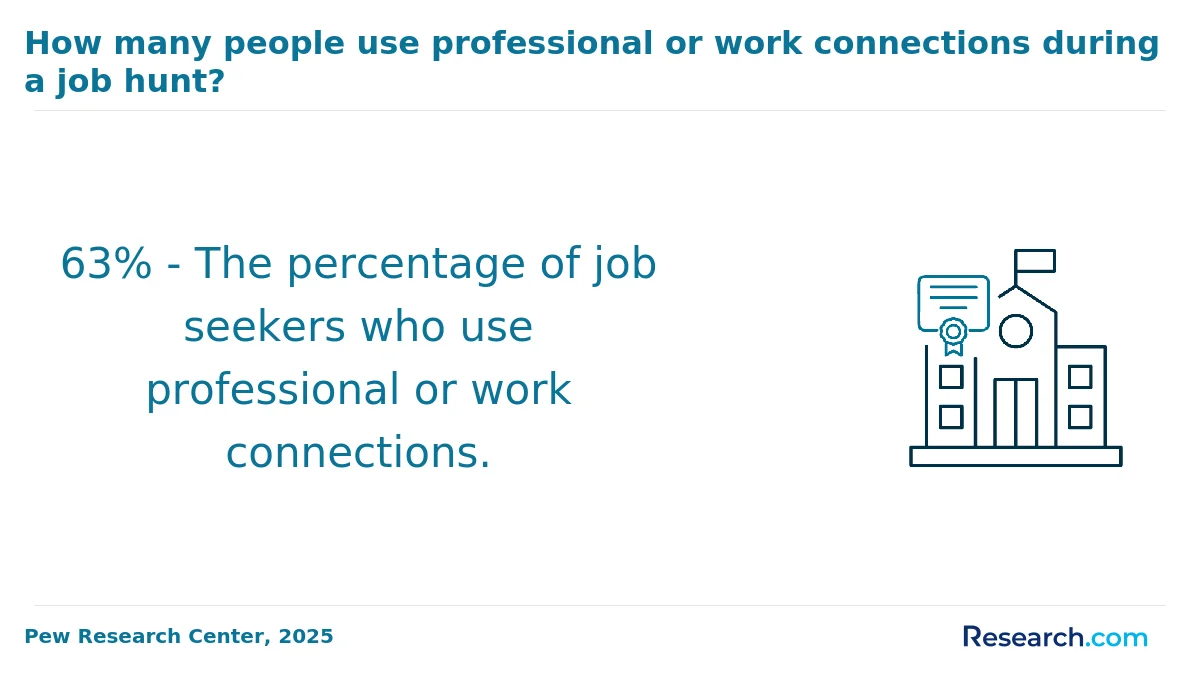
Students pursuing associate degrees in Las Vegas can access a variety of financial aid options that make education more attainable. The critical first step is submitting the FAFSA, unlocking eligibility for federal grants like the Pell Grant. A recent graduate from the College of Southern Nevada shared how the Pell Grant helped cover her tuition costs entirely, relieving the stress of loan debt early in her studies.
Nevada's state-specific scholarships are also invaluable. For example, the Nevada Promise Scholarship supports recent Nevada high school graduates by covering up to three years of community college tuition, easing financial burdens while maintaining 12 credits per semester. Another common success story comes from students benefiting from the Governor Guinn Millennium Scholarship, which offers up to $10,000 toward tuition and rewards maintaining a solid GPA.
Local institutions, such as Nevada State University, enhance support with scholarships like the Scorpion Academic Scholarship, which awards $2,000 to $3,000 annually based on academic achievement. Veterans and dependent students often utilize GI Bill® benefits, making education more affordable at many Las Vegas colleges. For those seeking loans, subsidized and unsubsidized federal student loans provide further resources, with some schools allowing up to $20,000 in federal loans.
Financial aid offices at Las Vegas colleges play a vital role, offering personalized guidance that has helped countless students confidently navigate complex applications and secure funding essential for their academic journeys.
To enroll in an associate degree program in Las Vegas, students must have earned a high school diploma or GED, ensuring they possess essential academic skills for college success. Many graduates from local schools like the College of Southern Nevada (CSN) recall the confidence gained once meeting this basic but crucial milestone.
Applicants generally need a cumulative GPA of at least 2.5, though competitive programs, such as nursing, expect higher GPA standards. For example, nursing candidates describe the motivated push they experienced striving for strong grades to increase their admission chances.
Specific prerequisite courses are common, especially for health-related fields. Nursing applicants often complete:
- Fundamentals of Life Science (BIOL 189)
- Anatomy & Physiology I and II (BIOL 223 and BIOL 224)
- English Composition (ENG 101 or equivalent)
- General Psychology (PSY 101)
- College-level Math (MATH 120 or higher)
These courses usually require a minimum grade of "C," and biology classes must be recent, taken within seven years of application. Many students emphasize how careful planning of coursework schedules helped them feel prepared and focused.
Additionally, health sciences programs often require passing the ATI TEAS test, covering reading, math, English, and science. Nursing hopefuls note how preparing for and passing this test with required cut-offs boosts their confidence and readiness for rigorous study.
Official transcripts are mandatory, and orientation sessions or advising workshops support students' successful transition into college life, a step many graduates appreciated for easing initial challenges.
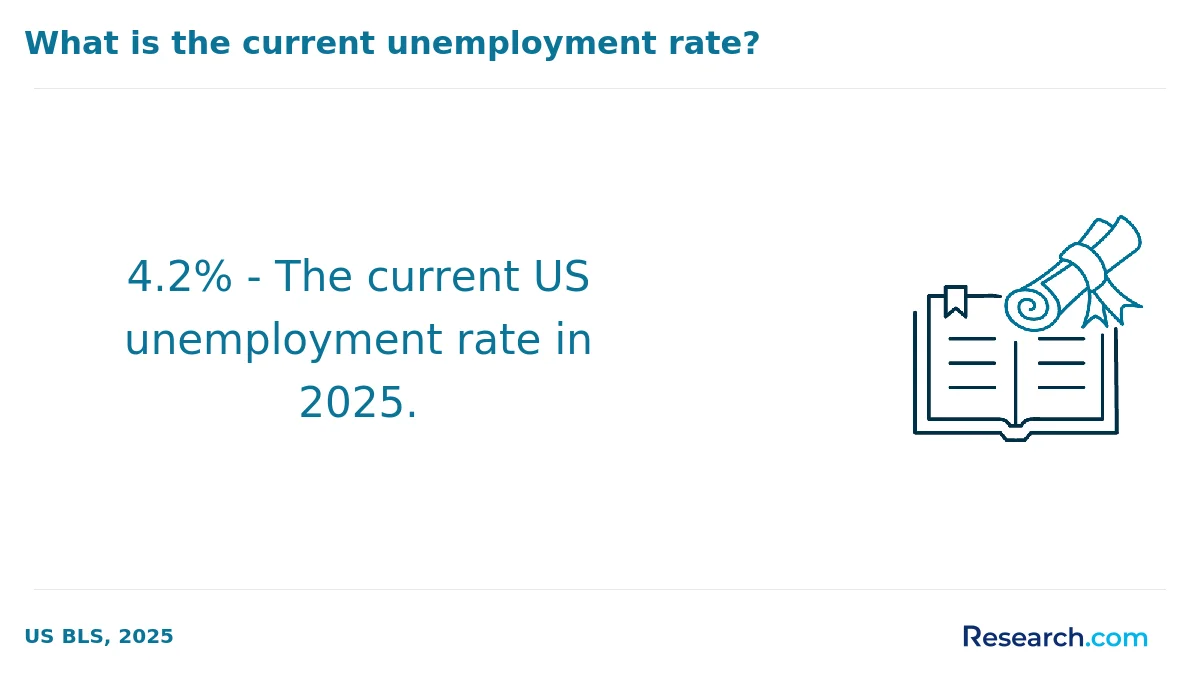
Associate degree course requirements in Las Vegas commonly blend foundational general education classes with specialized coursework tailored to local industry demands. Students typically engage in core subjects such as English composition, mathematics, social sciences, and humanities-essential for developing strong communication, critical thinking, and quantitative skills.
Graduates from Las Vegas schools often recall the practical relevance of their studies, especially in programs like Business Administration, where courses cover business operations, management, entrepreneurship, and hands-on use of industry software. Many also benefit from externships that connect theoretical knowledge with real-world Las Vegas business environments.
Popular programs such as nursing include specialized classes like anatomy, pharmacology, and clinical rotations in local healthcare facilities, preparing students efficiently for licensure exams and entry-level roles. Other associate degrees in fields like medical assisting and diagnostic sonography combine science fundamentals with clinical experiences designed around the region's workforce needs.
Those seeking flexible options might explore online community colleges with open enrollment that complement their onsite studies while aligning with common classes for Las Vegas associate degrees.
Choosing the best associate degree programs in Las Vegas starts with verifying program accreditation to ensure your degree holds value with employers and can transfer if you pursue further education. Graduates from local institutions like the College of Southern Nevada often share positive experiences about rigorous but supportive programs that prepare them well for the workforce. Institutional reputation also matters; public colleges here have a history of delivering quality education with strong early career salaries, which many alumni attest to as a confidence booster when entering the job market.
Price is another vital factor for affordable associate degrees in Las Vegas. Public schools typically offer lower tuition and better financial aid, easing stress for students balancing budgets and life commitments. Graduates frequently highlight how flexible class formats, including online options, helped them navigate studies alongside work or family. When selecting a program, pay special attention to program outcomes like graduation rates and job placement-these are real indicators of success. For those wondering what associate degree is the fastest to get?, checking these metrics can save time and money.

Associate degree graduates in Las Vegas find a variety of career opportunities with an associate degree in Las Vegas across thriving sectors like healthcare, business, and technology. Local colleges designed for practical training equip graduates to step confidently into roles such as medical assistants, nursing assistants, or sonographers, meeting the region's high demand for healthcare professionals. Many graduates share how quickly they secured positions due to hands-on programs that align with employer needs.
Business and administrative paths are also popular, with positions like office accounting specialist and relationship banker commonly available. Graduates from well-known Las Vegas associate degree schools appreciate how these roles provide valuable experience and a clear pathway to advanced certifications or further education.
Technical roles in manufacturing and health administration add further diversity. Students trained locally often move swiftly into jobs such as quality control technicians or participant advocates, supporting the area's expanding industries.
Examples of associate degree jobs in Las Vegas NV extend to educational roles like substitute teachers and admissions advisors, opening doors to meaningful community impact.
Exploring quick degrees that pay well underscores the practicality of associate degrees for jumpstarting rewarding careers in the Las Vegas job market.
The job outlook for associate degree holders in Las Vegas is notably strong, with graduates finding diverse employment opportunities across key industries such as healthcare, construction, and hospitality. Many students from popular associate degree schools in the region share positive experiences securing rewarding roles soon after graduation. For example, healthcare graduates often become radiology technologists or dental hygienists, earning competitive salaries while contributing directly to the well-being of their communities.
Demand remains high for skilled, middle-level professionals, reflected in widespread job openings posted on local job boards. Roles like surgical assistants and electrical power-line installers command median wages above $100,000, showing the tangible financial benefits of pursuing an associate degree locally. Graduates appreciate how this education pathway quickly prepares them for the workforce with less debt compared to four-year degrees.
When exploring associate degree employment opportunities Las Vegas offers, consider this:
- Median annual salary for graduates is approximately $49,500, roughly 18% higher than high school diploma holders.
- Specialized roles such as crane operators and commercial pilots often exceed $130,000 yearly.
- Local industries continually seek qualified talent, ensuring stable career possibilities.
For those looking to balance cost and career value, many choose programs known for affordability and quality. Students benefiting from these associate degrees enjoy less student loan burden, with only 40% borrowing and at significantly lower levels than bachelor's students. In addition to this, the presence of programs geared toward providing the cheapest online college bachelor degree options helps some graduates continue education affordably afterward.
Best Associate Degree Programs - Leading Certification Courses in Las Vegas for 2026
# 1 position
College of Southern Nevada - Diagnostic Medical Sonography/Sonographer and Ultrasound Technician.
associateThe College of Southern Nevada offers a hybrid Diagnostic Medical Sonography/Sonographer and Ultrasound Technician program that prepares students to perform medical ultrasound techniques under physician supervision. The curriculum covers patient care, data collection, sonographic processing, and professional ethics. Annual in-state tuition is $4,110. Graduates have median earnings of $64,976 one year after completion. The program is accredited by the Northwest Commission on Colleges and Universities.
# 2 position
College of Southern Nevada - Business Administration and Management, General.
associateThe Business Administration and Management, General program at College of Southern Nevada is offered fully online. It prepares students to plan, organize, direct, and control business functions, covering management theory, human resources, accounting, purchasing, logistics, marketing, and decision-making. The program is accredited by the Northwest Commission on Colleges and Universities. Annual in-state tuition is $4,110. Median earnings one year after completion are $39,636.
# 3 position
College of Southern Nevada - Heating, Air Conditioning, Ventilation and Refrigeration Maintenance Technology/Technician.
associateThe Heating, Air Conditioning, Ventilation and Refrigeration Maintenance Technology/Technician program at College of Southern Nevada prepares students to repair, install, service, and maintain HVAC and refrigeration systems. This hybrid program includes training on diagnostic techniques, testing equipment, and principles of mechanics, electricity, and electronics. The annual in-state tuition is $4,110. Graduates earn a median salary of $34,374 one year after completion. The program is accredited by the Northwest Commission on Colleges and Universities.
# 4 position
College of Southern Nevada - Computer and Information Systems Security/Auditing/Information Assurance.
associateThe Computer and Information Systems Security/Auditing/Information Assurance program at College of Southern Nevada is fully online. It trains students to assess and manage computer and network security, covering topics like programming, cryptography, risk assessment, and security auditing. Annual in-state tuition is $4,110. Graduates earn a median salary of $30,872 one year after completion. The program is accredited by the Northwest Commission on Colleges and Universities.
# 5 position
College of Southern Nevada - Accounting Technology/Technician and Bookkeeping.
associateThe Accounting Technology/Technician and Bookkeeping program at College of Southern Nevada is fully online, designed to prepare students for technical administrative roles supporting accountants and financial managers. The curriculum covers transaction posting, record-keeping systems, accounting software, and fundamental accounting principles. Annual in-state tuition is $4,110. Graduates have median earnings of $30,553 one year after completion. The program is accredited by the Northwest Commission on Colleges and Universities.
# 6 position
College of Southern Nevada - Veterinary/Animal Health Technology/Technician and Veterinary Assistant.
associateThe College of Southern Nevada offers a program in Veterinary/Animal Health Technology/Technician and Veterinary Assistant preparing students to assist veterinarians and animal care professionals. The curriculum includes animal nursing, clinical procedures, radiology, anesthesiology, surgical assisting, and office administration. Annual in-state tuition is $4,110. The program is accredited by the Northwest Commission on Colleges and Universities and focuses on patient management, owner communication, and applicable standards and regulations.
# 7 position
College of Southern Nevada - Information Technology.
associateThe College of Southern Nevada offers a hybrid Information Technology program that covers the design of technological information systems. The curriculum includes computer hardware and software principles, algorithms, databases, telecommunications, application testing, and user interface design. Annual in-state tuition is $4,110. The program is accredited by the Northwest Commission on Colleges and Universities.
# 8 position
College of Southern Nevada - Computer Science.
associateThe Computer Science program at College of Southern Nevada emphasizes computer theory, problem-solving, and system design from a scientific viewpoint. It includes instruction in computational science principles, programming, and practical applications. The program is accredited by the Northwest Commission on Colleges and Universities. Annual in-state tuition is $4,110, offering an affordable option for students pursuing studies in computer systems and user interface design.
# 9 position
College of Southern Nevada - Building/Home/Construction Inspection/Inspector.
associateThe Building/Home/Construction Inspection/Inspector program at the College of Southern Nevada offers a hybrid format with some distance-education options. It prepares students to apply industrial, labor, and governmental standards to oversee construction projects and maintain buildings. Coursework includes construction processes, materials analysis, safety and health, building codes, blueprint interpretation, testing procedures, communication, accident investigation, and documentation. Annual in-state tuition is $4,110. The program is accredited by the Northwest Commission on Colleges and Universities.
# 10 position
College of Southern Nevada - Physical Therapy Assistant.
associateThe Physical Therapy Assistant program at College of Southern Nevada offers a hybrid format with some distance-education options. It prepares students to implement treatment care plans, train patients, and conduct interventions under a physical therapist’s supervision. The curriculum covers applied anatomy, biomechanics, clinical documentation, and professional ethics. Annual in-state tuition is $4,110. The program is accredited by the Northwest Commission on Colleges and Universities.
Frequently Asked Questions about associate degree programs
After earning an associate degree in Las Vegas, preparing for the job market requires strategic steps to maximize employment opportunities. Graduates should begin by utilizing resources at local community colleges like the College of Southern Nevada, which offers career counseling and job placement services.
Networking is vital; joining professional organizations in your field or attending local job fairs can help connect with employers. According to the Nevada Department of Employment, Training and Rehabilitation, sectors such as healthcare, technology, and hospitality show strong growth and demand for associate degree holders.
Additionally, updating resumes to highlight relevant skills and internships improves chances of securing interviews. Continuing to develop technical and soft skills is important to remain competitive in the dynamic Las Vegas job market.
Employers in Las Vegas highly value both technical and soft skills when hiring associate degree graduates. According to the Nevada Department of Employment, Training and Rehabilitation (DETR), skills in healthcare, information technology, and business administration are among the most in-demand. Technical proficiency in software like Microsoft Office and basic data analysis is frequently requested.
Soft skills such as communication, problem-solving, and teamwork are equally important. A 2023 Burning Glass Technologies report highlights that over 70% of employers in Nevada seek graduates who demonstrate adaptability and strong interpersonal skills. These abilities help graduates succeed in dynamic work environments common in Las Vegas' expanding industries.
Finding internships in Las Vegas that align with your associate degree program requires a strategic approach. Start by exploring career services at local community colleges such as College of Southern Nevada, which often partner with regional employers to offer internship opportunities. According to the National Association of Colleges and Employers (NACE), about 60% of US students secure internships through school resources. In Las Vegas, industries like hospitality, healthcare, and IT dominate, providing numerous relevant placements.
Online job boards like Handshake and Indeed allow filtering by location and field. Networking through local chambers of commerce or industry-specific meetups can also uncover hidden opportunities. Engaging early and applying broadly increases your chances of securing a meaningful internship.
In Las Vegas, an associate degree can significantly impact career mobility and advancement, especially in industries such as healthcare, technology, and hospitality. According to data from the Nevada Department of Employment, Training, and Rehabilitation (DETR), individuals with an associate degree earn approximately 20% more on average than those with only a high school diploma. This degree often serves as a bridge to higher-paying jobs and supervisory roles.
Employers in Las Vegas increasingly value the practical skills and specialized training gained through associate degree programs. Many community colleges here also have partnerships with local businesses, offering internships that improve job placement rates.
The U.S. Bureau of Labor Statistics notes that positions requiring an associate degree are projected to grow by about 7% in the Las Vegas metropolitan area through 2030, reflecting strong demand. This growth provides pathways for graduates to move into more advanced roles within their fields, enhancing long-term career prospects.
Las Vegas offers diverse part-time job opportunities that can enhance the education gained from an associate degree, especially in fields like healthcare, hospitality, and business administration. According to the U.S. Bureau of Labor Statistics, retail salespersons and food service positions are among the most common part-time roles in the city, providing flexible hours that fit students' schedules.
For students in technical or healthcare programs, part-time roles such as medical assistants or pharmacy technicians offer practical experience aligned with their studies. Additionally, the tourism industry in Las Vegas creates part-time openings in customer service and event coordination, suitable for those pursuing degrees in communication or management.
Engaging in these jobs not only supports income but also builds valuable skills relevant to future careers. The local economy's emphasis on service industries makes Las Vegas a strategic location for combining work and study.
To choose the best degree program near you in Las Vegas, NV, consider evaluating the specific fields and industries thriving in the region to ensure alignment with your career goals. Research available programs and universities by looking for institutions renowned for academic excellence in your areas of interest, using resources like Research.com for program rankings and student reviews. If you're looking for options "near me," visiting campuses to get a sense of the environment and speaking with current students and faculty can provide valuable insights into the community and support systems available.
- Best Trade School & Training Programs - Leading Certification Courses in Los Angeles for 2026
- Best Trade School & Training Programs - Leading Certification Courses in Walla Walla for 2026
- Best Trade School & Training Programs - Leading Certification Courses in Kyle for 2026
- Best Trade School & Training Programs - Leading Certification Courses in Emporia for 2026
- Best Trade School & Training Programs - Leading Certification Courses in Springfield for 2026
- Best Trade School & Training Programs - Leading Certification Courses in Little Rock for 2026
- Associate degree - Wikipedia https://en.wikipedia.org/wiki/Associate_degree
- What Are Employers Looking for When Reviewing College Students’ Resumes? https://www.naceweb.org/talent-acquisition/candidate-selection/what-are-employers-looking-for-when-reviewing-college-students-resumes
- Las Vegas, NV: Top Jobs and Growing Markets | Randstad USA https://www.randstadusa.com/job-seeker/best-jobs-per-city/las-vegas/
- NSHS CTE: Launch Your Hands-On Future! https://nevadastatehs.com/nshs-academic/nshs-career-technical-education/
- Associate Degree programs - United International Business School (UIBS) https://www.uibs.org/undergraduate/associate/
- Virtual University of Pakistan https://www.vu.edu.pk/AboutUs/ProgramsOffered
- Petersonsdata https://petersonsdata.com/
- Financial Aid - Las Vegas College https://lvcollege.edu/admissions/financial-aid/
- Research - Our Methodology https://research.com/our-methodology
- Associate of Arts - Western Nevada College https://wnc.edu/degree/aa.php